Sending Flowers to Krasnozavodsk from Abroad? Start Here
You are sitting in Berlin, Toronto or Dubai, and someone you love is in Krasnozavodsk — a small town in the Moscow Oblast, tucked among forests about 80 kilometres north-east of the capital. You want to send flowers, but you are not sure whether delivery even reaches there, what varieties will survive the journey, or whether your gesture will land the way you intend it. These are exactly the right questions to ask before you order, and this article answers all of them plainly.
Why Krasnozavodsk Is Worth Sending Flowers To
Krasnozavodsk is a quiet town with deep Soviet-era roots, and its residents are not spoiled by the kind of on-demand floral culture you find in Moscow or Saint Petersburg. That is precisely what makes a flower delivery there so meaningful. When a bouquet arrives at someone's door in a small town, it does not go unnoticed — neighbours see it, family members ask about it, and the recipient feels genuinely singled out.
The town sits in the Sergiev-Posad district, surrounded by pine and birch forest. Winters are cold and long, summers are mild and green. That seasonal rhythm matters enormously when you are choosing what to send, because the emotional backdrop of the occasion shifts with the landscape. A birthday in February calls for something warm and bold — think deep red roses or orange spray chrysanthemums — while a summer anniversary suits soft garden-style arrangements with lisianthus and alstroemeria.
For a sender abroad, the distance can feel like a barrier. It is not. What matters is choosing a florist who can reach the town reliably, understanding the time difference when you place your order, and knowing a little about what flowers mean in Russian culture. Get those three things right, and the gesture lands exactly as you intend it — warmth crossing thousands of kilometres to reach one person.
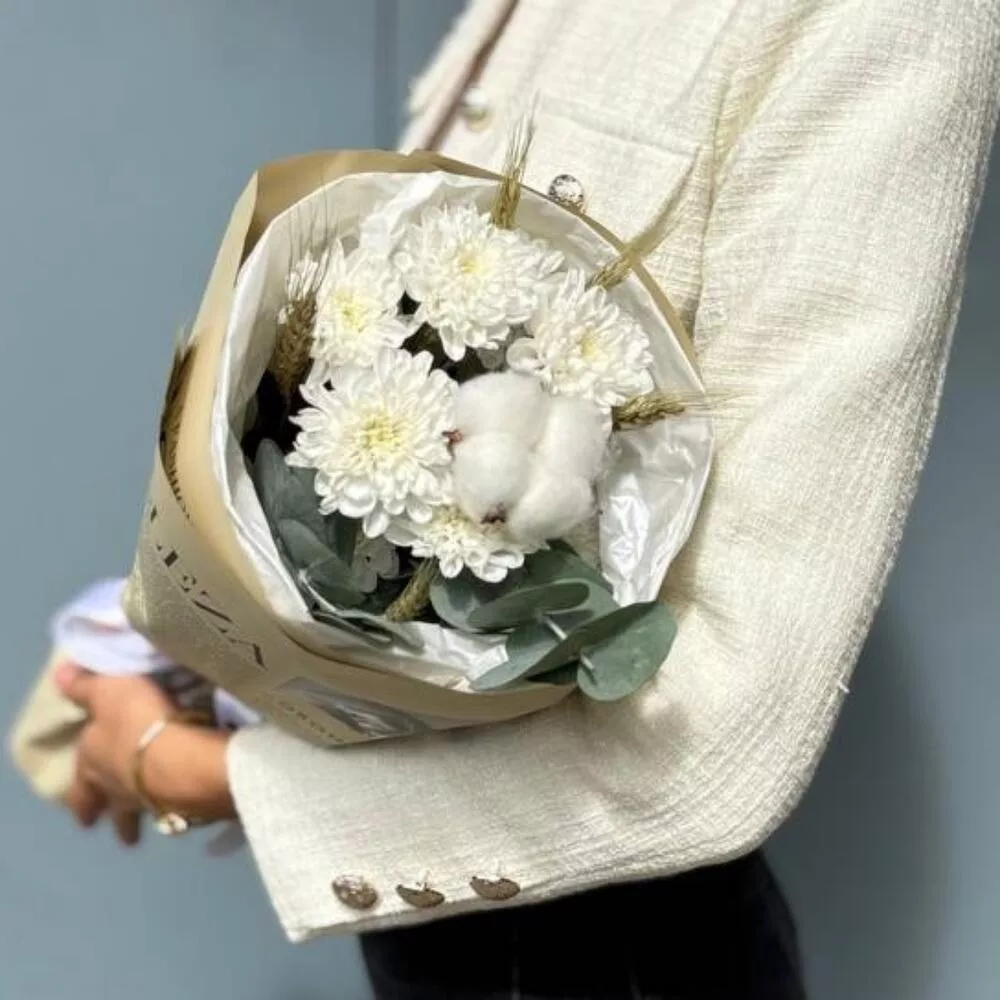
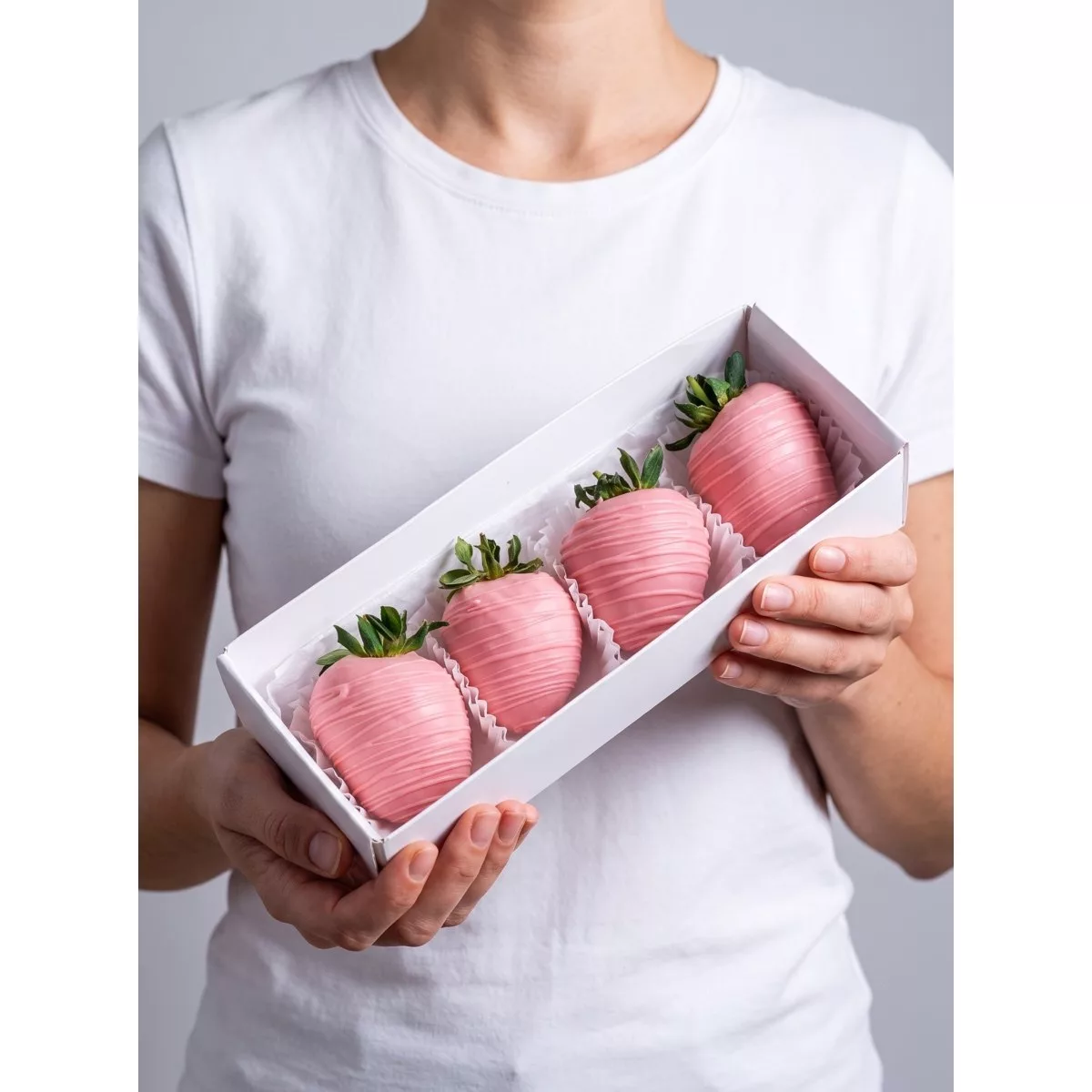
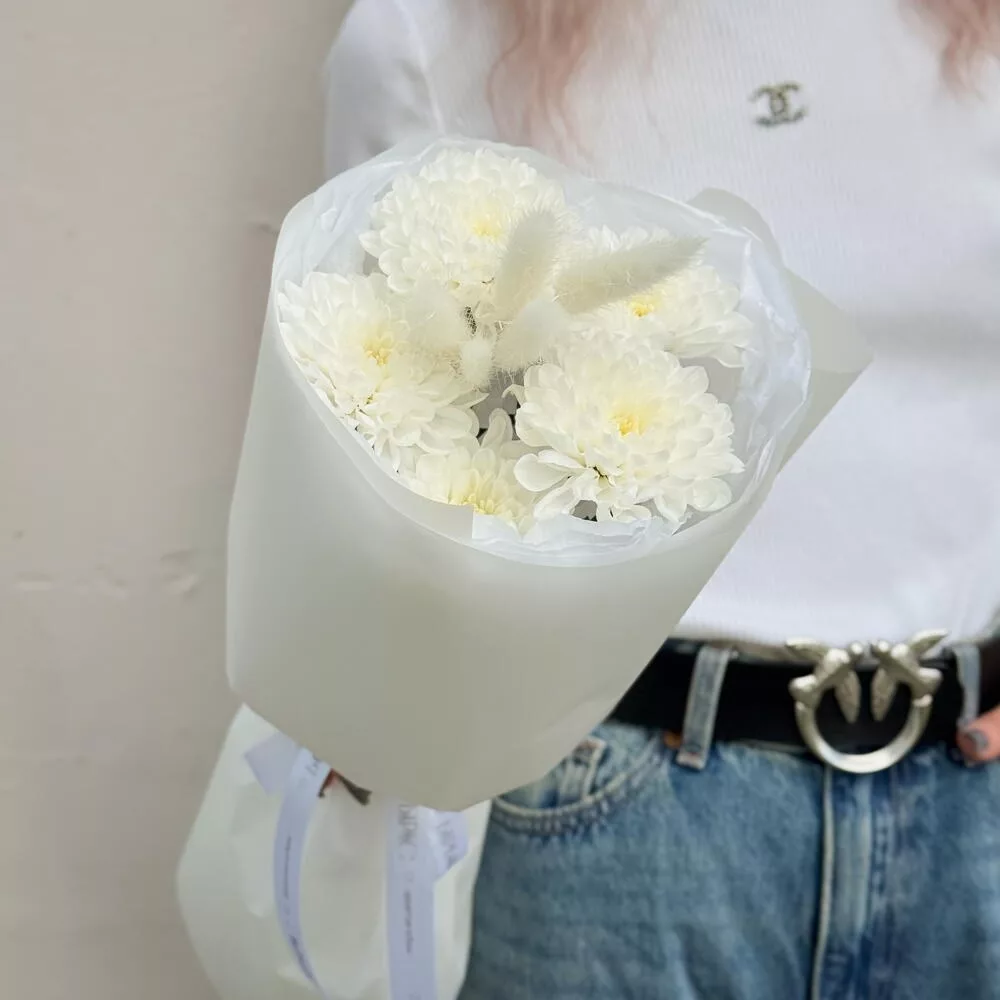
Bouquets we can deliver

Understanding Russian Flower Customs Before You Order
Russia has a few floral traditions that differ from Western practice, and knowing them in advance saves you from an accidental misstep. The most important rule is the odd-number rule: bouquets given as gifts always contain an odd number of stems — one, three, five, seven, and so on. Even numbers are reserved for mourning and funerals. If you are ordering online and the count is not specified, confirm it. A bouquet of twelve red roses, however beautiful, sends the wrong signal in a Russian context.
Colour carries meaning too, though Russians tend to be more relaxed about this than the rule books suggest. Yellow flowers have a reputation for signalling separation or bad luck in older generations, so it is worth avoiding a purely yellow arrangement unless the recipient is young and internationally minded. White flowers are universally appropriate — they read as elegant and respectful rather than mournful. Red is romantic and celebratory. Pink is warm and affectionate without being overly passionate, making it ideal for mothers, grandmothers and close female friends.
Wrapping matters as well. In Russia, flowers are typically presented in decorative kraft paper or in a box, with the blooms visible rather than fully hidden. A cellophane cone is considered old-fashioned in city florist culture now, though it remains common in smaller towns. If you want the presentation to feel modern and considered, ask for a box arrangement or a hand-tied bouquet wrapped in matte paper. The recipient will notice the difference, and it will feel like a gift rather than a grocery purchase.
Choosing the Right Flowers for the Occasion and the Season
Start from the person, not the product catalogue. A grandmother celebrating her birthday in March wants something she can place on the windowsill and admire for ten days. She will love alstroemeria, which lasts exceptionally well — up to two weeks in a cool room — combined with a few spray roses and some eucalyptus for texture. A younger woman marking a promotion or a new beginning might appreciate something bolder: garden roses in blush or cream, paired with ranunculus and dusty miller for a florist-style composition that feels current.
For a couple's anniversary, roses remain the classic choice, and for good reason. Standard roses from Ecuador or Colombia, which are widely available through professional supply chains year-round, have large heads and strong stems that hold their shape during transit. Combine them with waxflower or limonium to soften the arrangement and add longevity. Avoid tropical flowers like anthuriums or bird of paradise for winter deliveries to inland towns — they are sensitive to cold and can bruise or blacken in transit when temperatures drop below five degrees Celsius.
Spring deliveries open up more options. Tulips are enormously popular in Russia from late February through April, tied to International Women's Day on the eighth of March — the single biggest flower-giving occasion in the Russian calendar. If you are sending around that date, order at least three to four days in advance, as demand spikes sharply. Peonies arrive in late May and June and carry a sense of abundance and celebration that few other flowers match. If the timing aligns, they are almost always the right choice.
Navigating the Time Difference When Ordering from Abroad
Krasnozavodsk operates on Moscow Standard Time, which is UTC plus three hours. There is no daylight saving time in Russia, so the offset stays constant year-round. If you are in London, that means Moscow time is three hours ahead of you. If you are in New York, it is eight hours ahead. If you are in Sydney, Moscow is five hours behind you — which means your morning is their late afternoon or evening.
This matters because most florists, including those covering the Moscow Oblast region, prepare and dispatch orders during business hours. A delivery window of ten in the morning to seven in the evening local time is standard. If you place your order at nine in the evening Moscow time from London, you are placing it at six in the evening London time — and the earliest realistic delivery will be the following morning. That is not a problem if you plan for it, but it becomes one if you assume same-day delivery without checking the clock.
For same-day delivery to Krasnozavodsk, aim to place your order before noon Moscow time. That gives the florist enough preparation and transit time to reach a town that is not in the immediate centre of a major city. If you are ordering for a specific time — say, you want the flowers to arrive before a birthday dinner — note that in the order comments and add a buffer of at least two hours. Florists do their best to hit requested windows, but traffic on the roads north of Moscow can be unpredictable, particularly in winter when snowfall slows everything down.
Options by Budget: What Different Price Points Actually Get You
Budget shapes the composition more than it shapes the quality of individual stems, and understanding that distinction helps you order with realistic expectations. At the lower end of the range, a florist will typically work with three to five varieties and a smaller total stem count. That does not mean the bouquet looks sparse — a skilled florist can make seven stems of garden roses with eucalyptus look generous and intentional. What you lose at this level is complexity and layering.
A mid-range order allows for five to seven varieties, which is where most professional florists feel comfortable creating something with real visual depth. Think a base of standard or spray roses, a secondary flower like lisianthus or freesia for fragrance and texture, a filler like waxflower or chamomile, and a foliage element such as ruscus or pittosporum. This combination gives the recipient something to look at from multiple angles and something to smell — freesia in particular carries a clean, sweet fragrance that fills a small room.
At the higher end, the florist has room to include premium varieties — garden roses with high petal counts, peonies when in season, ranunculus, or large-headed lisianthus — alongside a considered presentation in a hat box or a ceramic vessel that the recipient keeps after the flowers fade. For a sender abroad, this is often the most satisfying option because the vessel itself becomes a lasting reminder of the gesture. It also removes the question of whether the recipient has a suitable vase, which in a small-town household is not always guaranteed.
What Happens After Delivery: Helping Your Recipient Care for the Flowers
You will not be there to unwrap the bouquet, trim the stems or fill the vase — but you can pass along a few simple instructions that make a real difference to how long the flowers last. The most impactful thing any recipient can do is cut the stems at a forty-five-degree angle under running water and place them immediately into a clean vase. The angled cut increases the surface area for water uptake, and doing it under water prevents air bubbles from blocking the stem channel.
Water temperature matters more than most people realise. Cold or room-temperature water suits almost all cut flowers. Tulips prefer cold water and will actually straighten and firm up if placed in a cool room overnight. Roses and lisianthus do well in room-temperature water with a small sachet of flower food, which is typically included with a professional delivery. That sachet contains a mild biocide and a sugar source — it genuinely extends vase life by two to four days compared to plain water.
In Krasnozavodsk, apartments tend to be heated quite warmly in winter, which accelerates the aging of cut flowers. Encourage your recipient to keep the arrangement away from radiators and direct sunlight, and to change the water every two days. With this basic care, alstroemeria and spray chrysanthemums last ten to fourteen days, standard roses last seven to ten days, and tulips last five to seven days. Peonies are the shortest-lived at four to six days, but they open dramatically and make every one of those days count.
How to Write a Message That Travels Well Across Cultures
A card message is often the part of the order that senders from abroad think about last, but it is the part the recipient reads most carefully. If you are writing in English to someone who reads Russian, consider whether they will actually understand your words — or whether you should write in Russian, using a translation tool carefully, or ask a bilingual friend to help. A message in the recipient's language always lands more warmly than one they have to work to decode.
Keep the tone direct and personal. Russian communication culture, particularly among older generations, tends to value sincerity over cleverness. A simple sentence — I thought of you today and wanted you to know it — carries more weight than an elaborate metaphor. Avoid idioms that do not translate cleanly, such as expressions about the weather, sports or pop culture references specific to your own country.
If the occasion is a birthday, the standard Russian greeting is S Dnem Rozhdeniya, which means Happy Birthday. Including just those three words in your card, even if the rest of the message is in English, will delight most Russian recipients — it shows you made a small effort to meet them in their language. For Women's Day on the eighth of March, S Prazdnikom means Happy Holiday and is universally understood. These small gestures cost nothing and communicate care in a way that no flower variety or box presentation can replace. The flowers get you to the door; the message is what stays.
Sending flowers to Krasnozavodsk from abroad is less complicated than it sounds, and far more meaningful than you might expect. A small town receives a delivery differently from a city — it is noticed, it is talked about, and it is remembered. Choose the flowers for the person and the season, place your order with the Moscow time zone in mind, pass along a few care tips so the blooms last, and write your message in a way that feels personal rather than polished. Do those things, and the distance between you and the person you are thinking of shrinks to almost nothing.
Frequently asked questions
Can flowers really be delivered to Krasnozavodsk on the same day I order?
Yes, same-day delivery is possible when you place your order before noon Moscow Standard Time. Krasnozavodsk is in the Moscow Oblast, roughly 80 kilometres from the capital, so the logistics are manageable within a working day. Orders placed later in the day are typically delivered the following morning, which is still a reliable and appreciated option for most occasions.
Is it true that I should never send an even number of flowers in Russia?
Yes, this custom is widely observed across Russia, particularly among older generations. Even numbers of flowers are associated with mourning and are brought to funerals. For any celebratory or affectionate occasion, always choose an odd number of stems — one, three, five, seven or more. Professional florists who work with international senders follow this rule automatically, but it is worth confirming when you order.
What flowers hold up best if the recipient lives in a very warm apartment?
Alstroemeria and spray chrysanthemums are the most resilient in warm indoor conditions, lasting ten to fourteen days with basic care. Lisianthus also performs well. Avoid delicate varieties like sweet peas or anemones for warm environments. Advise your recipient to keep the arrangement away from radiators and to change the water every two days — that single habit extends vase life significantly regardless of variety.
Can I write the card message in English, or should it be in Russian?
Either works, but a message in Russian always feels more personal to a Russian-speaking recipient. If you are not confident writing in Russian, a short bilingual approach works well — write your main message in English and add a single Russian phrase such as S Dnem Rozhdeniya for a birthday or S Prazdnikom for a holiday. Most recipients will appreciate the effort even if the rest of the card is in another language.
What is the best flower to send around the 8th of March for Women's Day?
Tulips are the traditional and most popular choice for International Women's Day in Russia — they are in season, affordable in larger quantities, and deeply associated with the holiday. Mimosa is another classic, though it is more fragile. If you want something less expected, a mixed spring arrangement with ranunculus, freesia and tulips together feels festive and current. Order at least three to four days ahead, as demand around this date is very high.
Ready to send flowers?
Pick the city, choose the bouquet, and a local florist takes it from there.
Choose a city →