International Flower Delivery to Krasnoznamensk: A Complete Guide
You are sitting in Berlin, Toronto, or Dubai, and someone you care about is in Krasnoznamensk — a quiet closed town in the Moscow Oblast that most international flower services have never heard of. You want the bouquet to arrive fresh, to feel personal, and to carry the right message across thousands of kilometres. This guide is written for exactly that situation: no assumptions that you speak Russian, no jargon, just the practical knowledge a working florist would share with a friend.
Understanding Krasnoznamensk and Why It Matters for Delivery
Krasnoznamensk is a small closed administrative town in the Moscow Oblast, roughly 30 kilometres west of central Moscow. Because it was historically a restricted military settlement, its address structure and local expectations differ slightly from a typical Russian city. Residents are accustomed to a quieter pace of life, and an unexpected flower delivery carries genuine emotional weight — perhaps more so than in a large anonymous metropolis.
For the sender abroad, the most important practical point is that the town is well within the delivery radius of a Moscow-based flower service operating across the Moscow region. This means same-day and one-to-two-hour delivery windows are realistic, provided you place the order during business hours in Moscow time, which is UTC plus three, with no seasonal shift for daylight saving.
When you fill in the delivery address, write the street name and building number in Russian if you can, or ask the recipient to send you their address as it appears on a Russian envelope. Russian addresses are written in reverse order compared to Western convention: country first, then postcode, then city, then street, then building and flat number. If you paste the address exactly as your recipient sends it, the florist can process it without confusion. Getting the address right is the single most common point of failure in international flower orders, and it is entirely avoidable.
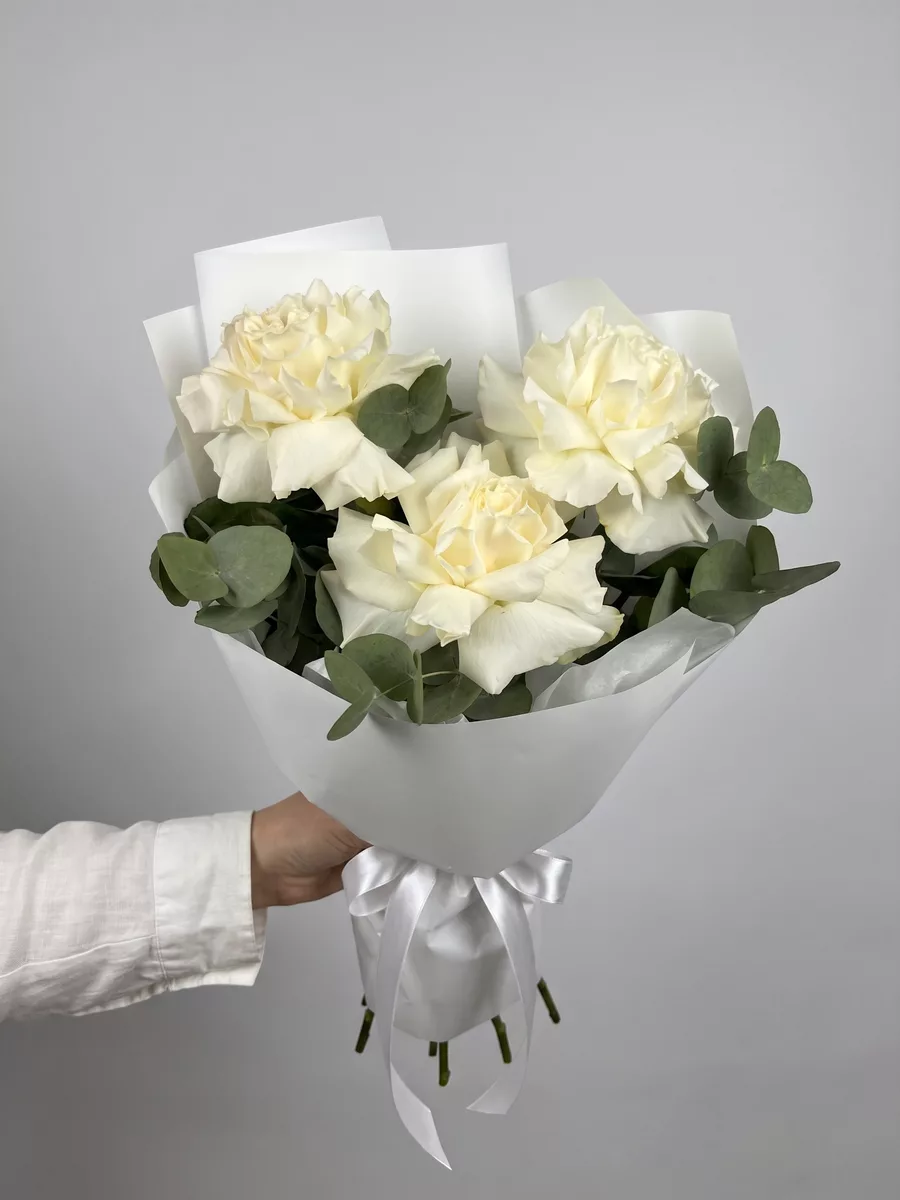
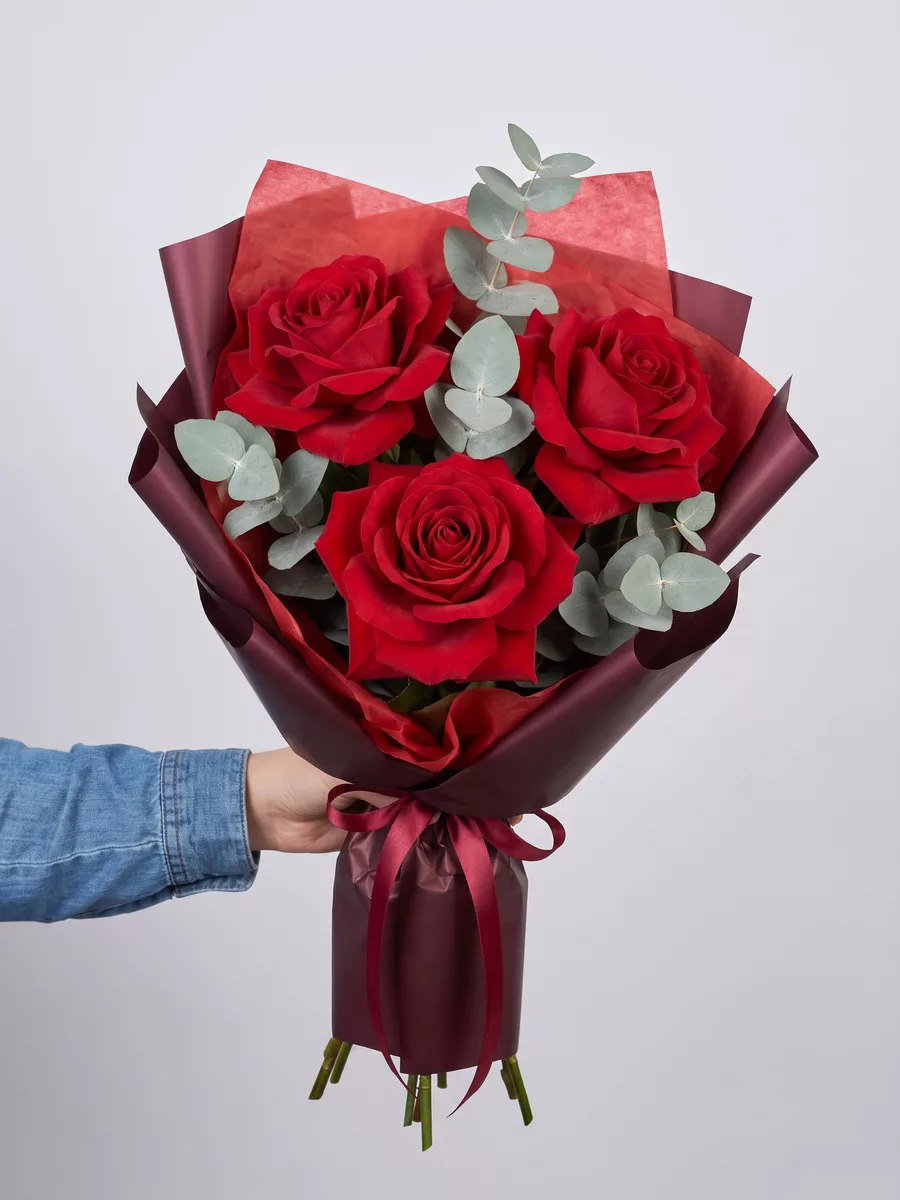
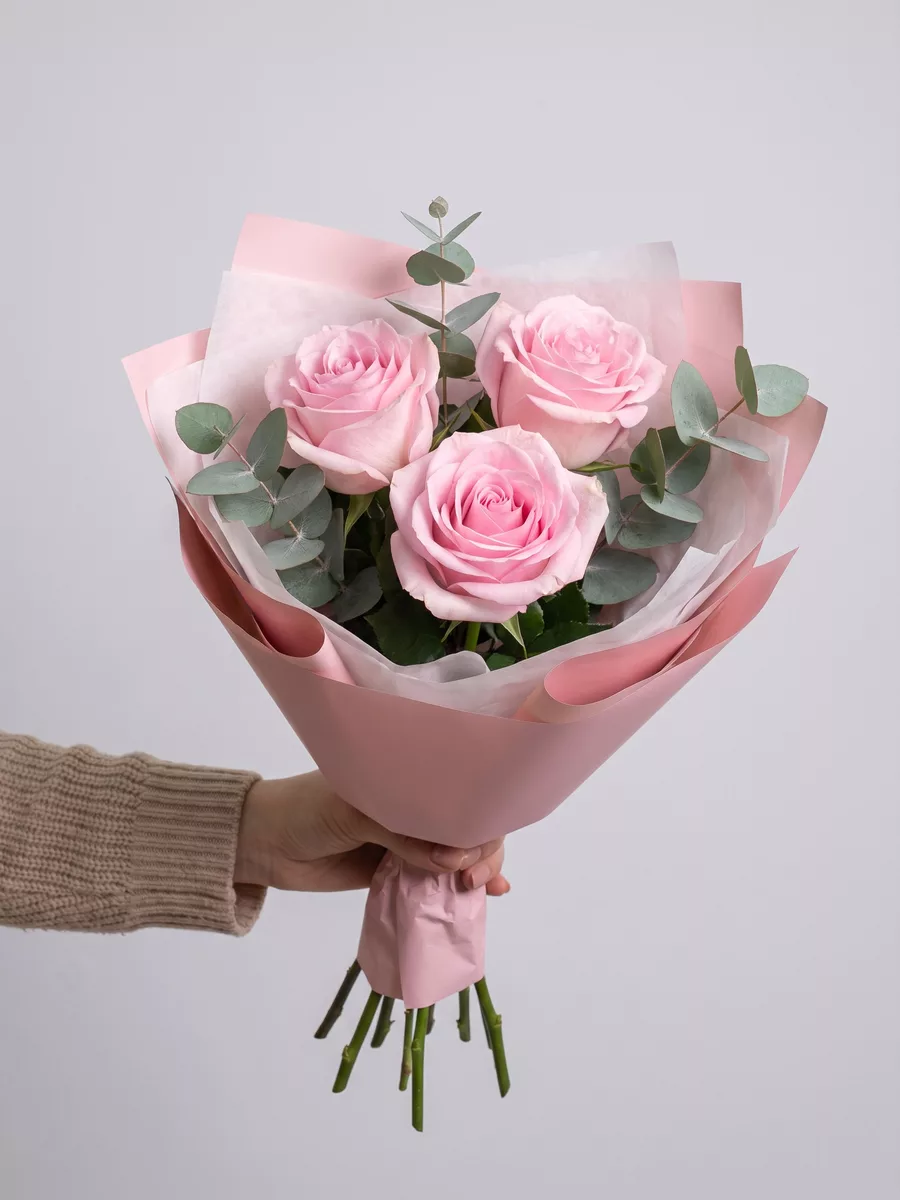
Bouquets we can deliver

Choosing the Right Occasion Tone Before You Choose the Flowers
Before you think about roses versus peonies, think about the person and the moment. Russians celebrate many of the same occasions as the rest of the world — birthdays, anniversaries, new babies, graduations — but a few dates carry special cultural weight that an overseas sender might not know. The eighth of March, International Women's Day, is treated with the seriousness of a major holiday. Mimosa branches and tulips are the traditional flowers of that day, and demand is so high that you should order at least two days in advance.
The twenty-third of February, Defender of the Fatherland Day, is the equivalent occasion for men, though flowers are less common then. New Year is celebrated on the first of January and is the biggest gift-giving holiday of the year, so late December orders for Krasnoznamensk should be placed well ahead. If you are sending for a birthday with no particular cultural layer, you have the most creative freedom.
Think about what the recipient will feel when the courier rings the doorbell. A woman who lives alone and rarely receives visitors will be moved by almost any thoughtful bouquet. A young couple who just moved into a new flat will appreciate something that fills a room with scent — garden roses, freesia, or stocks work beautifully for that. A colleague being congratulated on a promotion wants something that looks confident and structured: anthuriums, calla lilies, or a tight arrangement of spray chrysanthemums in a single bold colour. Let the feeling guide the flower choice, and the rest follows naturally.
The Best Flowers to Send When You Are Far Away
When you are ordering from abroad, you are essentially trusting the florist's hands entirely. That is not a problem — it is actually an opportunity to lean on professional judgment. That said, knowing which varieties travel and last well helps you set the right expectations and write a more specific note when placing your order.
Roses are the most reliable choice year-round. Ecuadorian large-headed roses, which are widely stocked by quality Russian florists, have a vase life of ten to fourteen days when properly conditioned. They arrive tightly budded and open slowly, which means the recipient enjoys the full experience of watching them bloom. If you want something softer and more romantic, garden roses with their layered petals and subtle fragrance are a beautiful upgrade.
For spring and early summer orders, ranunculus and lisianthus are excellent. Ranunculus looks delicate but holds surprisingly well, and lisianthus — sometimes called eustoma — comes in white, purple, and pale pink, making it endlessly versatile. Peonies are available from roughly late April through June and are deeply loved in Russia; a peony bouquet sent for a May birthday will almost certainly delight.
In winter, consider tulips in bold jewel tones, anemones in deep burgundy or black-centred white, or a lush arrangement built around white spray roses and eucalyptus. Avoid tropical varieties like bird of paradise if the recipient lives in a building with variable heating, as extreme temperature swings in hallways can damage them quickly. Stick to temperate-climate flowers and you will rarely go wrong.
Budgeting from Abroad: What Your Money Actually Buys
Ordering internationally means you are paying in your home currency and converting, which can make it hard to judge whether an arrangement is genuinely generous or just looks that way on screen. Here is a practical way to think about it.
A modest but sincere bouquet — seven to nine stems of quality roses or a mixed seasonal arrangement — is appropriate for a colleague, a neighbour, or a friend you want to thank. It is not lavish, but it is real, and in a town the size of Krasnoznamensk, any fresh flower delivery is a notable gesture.
A mid-range arrangement of fifteen to twenty stems, possibly combining two or three varieties, is right for a close friend's birthday, a mother's day gift, or a small anniversary. At this level you can start thinking about presentation: kraft paper wrapping tied with ribbon, a linen sleeve, or a hat box. The packaging is part of the gift in Russian flower culture, where the unwrapping is a moment in itself.
For a significant occasion — a milestone birthday ending in zero, a wedding anniversary, a new baby — a larger bouquet of twenty-five or more stems, or a composed arrangement with premium varieties like garden roses, peonies, or orchid stems added for drama, makes the right statement. You can also add a small gift: a box of chocolates, a candle, or a soft toy for a baby. When ordering from abroad, write a clear note in your order about the occasion and the relationship, so the florist can calibrate the presentation even if you have not specified every stem. A good florist reads the context and builds accordingly.
Timing Your Order Across Time Zones
Moscow time is UTC plus three, and it does not change for summer or winter. If you are in London, you are two hours behind Moscow. If you are in New York, you are eight hours behind. If you are in Sydney, Moscow is six hours ahead of you in summer. Knowing this one fact will save you from the most common mistake overseas senders make: placing an order at what feels like morning to you, not realising it is already late evening in Moscow.
Turboflora delivers within one to two hours of order confirmation. For Krasnoznamensk, which sits within the greater Moscow delivery area, that window is realistic during operational hours. The safest approach is to place your order before noon Moscow time on the day of delivery. This gives the team time to assemble the bouquet, condition the flowers if needed, and dispatch the courier with time to spare before the recipient finishes their working day.
If you want a morning delivery — arriving before ten or eleven in the morning — place the order the evening before and specify the delivery window clearly in the notes. Most florists can accommodate timed delivery requests, and in a small town where the recipient is likely to be home or reachable by phone, coordination is straightforward.
For major holidays like the eighth of March or New Year, order two to three days ahead regardless of time zone. Demand spikes sharply, stock of popular varieties like tulips and mimosa sells out quickly, and delivery slots fill up. An early order is not just polite — it is the only way to guarantee the flowers you actually want.
Writing Your Card Message as an International Sender
The card message is where the distance collapses. A well-written note transforms a commercial transaction into something the recipient will remember. If you are writing in English to a Russian speaker, do not worry — many Russians read English, and even those who do not will appreciate that you wrote in your own language from the heart. You can also write in Russian if you know it, or ask the florist to translate a short phrase.
Russian card culture leans warm and direct. There is no tradition of British understatement here. Saying "I am so proud of you" or "You mean the world to me" is not excessive — it is expected and welcomed. Formal greetings for professional occasions tend to be more structured: "Congratulations on your achievement, with respect and best wishes" is a typical professional tone.
Keep the message to three or four sentences maximum. State who the flowers are from clearly, because in Russia it is genuinely common to receive flowers anonymously from an admirer — which is romantic — but if you are a family member or close friend, you want to be identified. Include one specific detail: a shared memory, a reference to the occasion, or simply why you chose these particular flowers. That specificity is what makes a card message feel personal rather than printed.
If you are sending for a birthday, the Russian phrase "S dnyom rozhdeniya" means happy birthday and is always appreciated even written phonetically. For a new baby, "S rozhdeniem malysha" means congratulations on the birth of the baby. These small gestures show care, and in a town where an international sender is unusual, they will be noticed and treasured.
How the Recipient Should Care for the Flowers
You can include care instructions in your card or order notes, and it is worth doing — especially if the recipient is not used to receiving fresh flowers regularly. A bouquet that lasts two weeks instead of five days is a gift that keeps giving, and proper care makes all the difference.
As soon as the flowers arrive, the recipient should unwrap them and trim the stems at a diagonal cut, removing about two centimetres. Diagonal cuts increase the surface area for water uptake. The stems should be cut under running water or immediately placed in water after cutting, because stems begin to form an air barrier within seconds of being exposed to air. A clean vase with fresh cold water is ideal.
Leaves below the waterline should be removed entirely. Submerged leaves rot within a day or two and cloud the water, which shortens vase life significantly. The vase should be placed away from direct sunlight, radiators, and fruit bowls — ethylene gas from ripening fruit accelerates flower aging noticeably, particularly in roses and carnations.
Water should be changed every two days, and the stems re-trimmed each time. If a flower food sachet is included with the bouquet — a small paper packet of powder — it should be dissolved in the water on day one. These sachets contain a mild biocide and a sugar source that genuinely extend vase life, and they are worth using rather than ignoring.
In a Russian winter, if the recipient receives the bouquet outside, they should let the flowers acclimatise to room temperature for twenty minutes before unwrapping, as rapid temperature change can cause petals to bruise. This is a small detail that makes a real difference with roses and tulips in particular.
Sending flowers to Krasnoznamensk from abroad is not complicated once you understand the geography, the time zone, and the cultural warmth that a fresh bouquet carries in Russia. The distance between you and the recipient is real, but a well-chosen arrangement, a sincere card, and a delivery timed to arrive at the right moment can close it entirely. Think about the person first, the occasion second, and the flowers third — in that order — and you will make the right choices every time.
Frequently asked questions
Can a flower service actually reach Krasnoznamensk, or will they stop at the Moscow city boundary?
Krasnoznamensk sits about 30 kilometres west of central Moscow and falls within the standard delivery radius of most Moscow-region florists. The town's closed-settlement history means some couriers may need to confirm the address carefully, so choose a service that asks for a full Russian-format address and confirms delivery before you pay.
What flowers travel best when I am ordering from a different time zone and cannot easily follow up?
Chrysanthemums, alstroemeria, and spray roses hold their shape and colour far longer than delicate peonies or garden roses, which matters when you cannot monitor the order in real time. If you want something warmer than a classic bouquet, ask the florist to anchor the arrangement with these sturdy stems and add softer flowers as accents rather than the main event.
How do I write a card message that will feel personal when I am thousands of kilometres away?
Keep the message short and specific to a shared memory or detail only the two of you would recognise. A florist in the Moscow region can print a card in Russian if you provide a transliteration or ask them to translate a simple phrase. Avoid generic lines — one sentence that names something real lands harder than three sentences of warm wishes.
Is same-day delivery to Krasnoznamensk genuinely possible, or is that only for central Moscow?
Same-day delivery is realistic if you place the order before midday Moscow time, which is UTC plus three. Because Krasnoznamensk is outside the city centre, couriers may need a slightly longer window, so ordering by ten or eleven in the morning local time gives the florist enough flexibility to source, arrange, and dispatch the bouquet within the day.
What budget should I expect for a bouquet that will feel generous rather than token in a small Russian town?
A well-composed seasonal bouquet that reads as genuinely thoughtful in the Moscow region typically starts around three to four thousand roubles. Spending more buys you premium stems or a larger volume, but presentation matters as much as price — a tight, well-wrapped arrangement of fifteen stems in one or two colours often feels more considered than a loosely packed mixed bunch at twice the cost.
Ready to send flowers?
Pick the city, choose the bouquet, and a local florist takes it from there.
Choose a city →