Sending Flowers to Krasny Kut from Abroad: What You Need to Know
Krasny Kut sits quietly in the Saratov region, a small town where a bouquet arriving at the door means something real — it means someone far away was thinking of you. If you are placing an order from Germany, the United States, Israel or anywhere else outside Russia, the process is simpler than you might expect, but there are a few things worth knowing before you choose your flowers and confirm your delivery time.
Why Krasny Kut Is Worth the Extra Thought
Krasny Kut is not a major city, and that is precisely the point. When flowers arrive in a smaller town, they carry more weight. There are fewer flower shops on every corner, fewer moments of casual abundance, so a well-chosen bouquet becomes an event in itself. The recipient will likely show it to neighbours, place it somewhere central in the home and remember it longer than a gift sent to someone in a big city.
For the sender abroad, this means your choice of flowers and presentation matters more, not less. A loosely assembled mixed bunch that might pass unnoticed in Moscow will be the centrepiece of someone's kitchen table in Krasny Kut for a week. Think about what the person will feel when they open the door — surprised, moved, celebrated — and let that guide every decision from variety to wrapping.
The Saratov region has a continental climate, which means hot summers and genuinely cold winters. That seasonal swing affects which flowers travel well and how long they will last once delivered. A florist who understands those conditions will steer you toward varieties that arrive in good shape and stay that way, rather than blooms that look beautiful in a photograph but wilt within two days of leaving the cold chain.
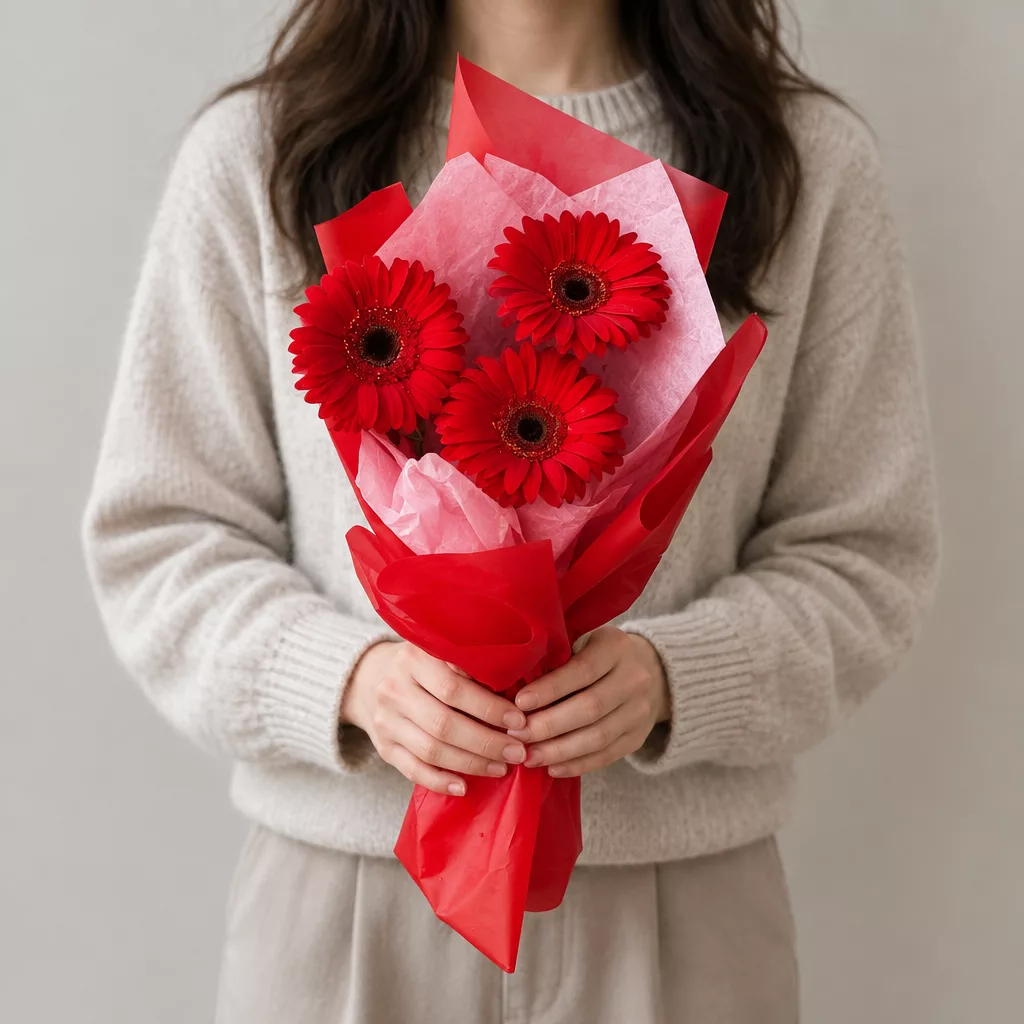
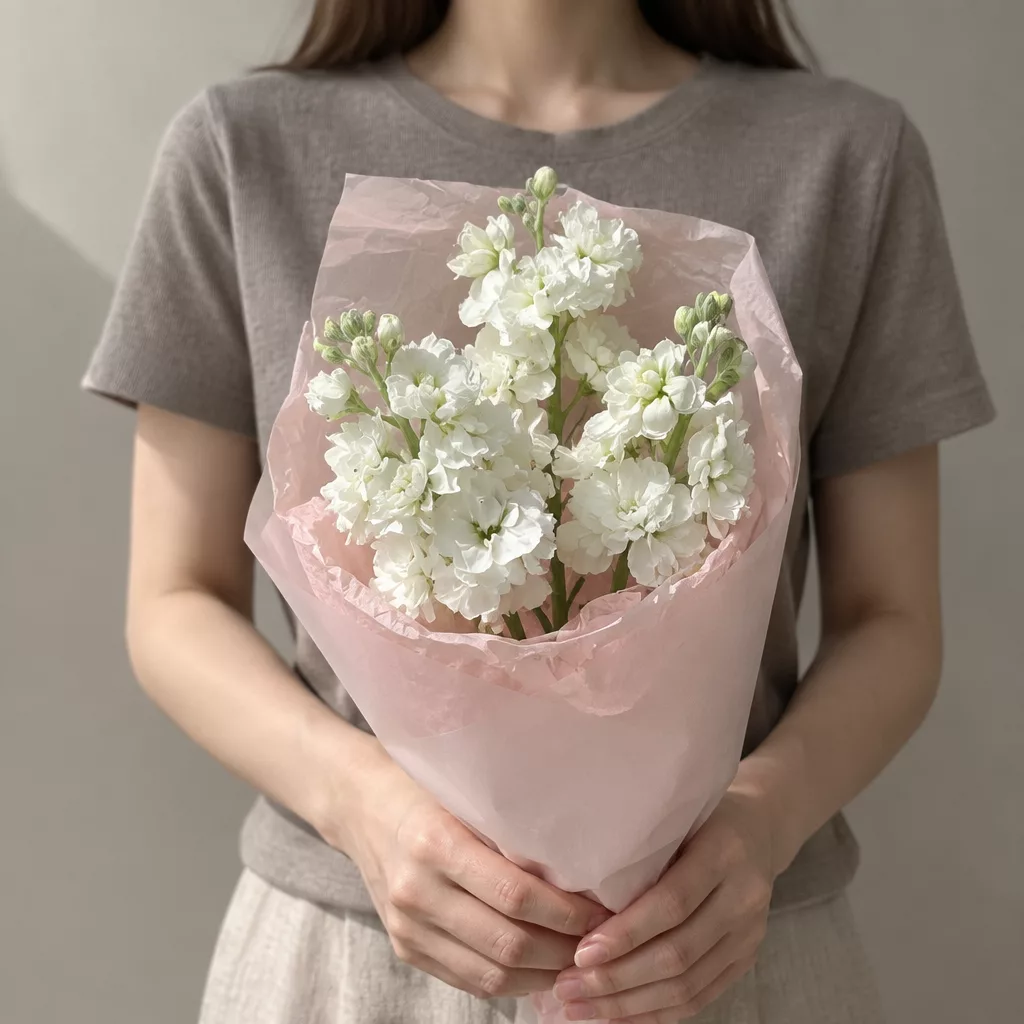
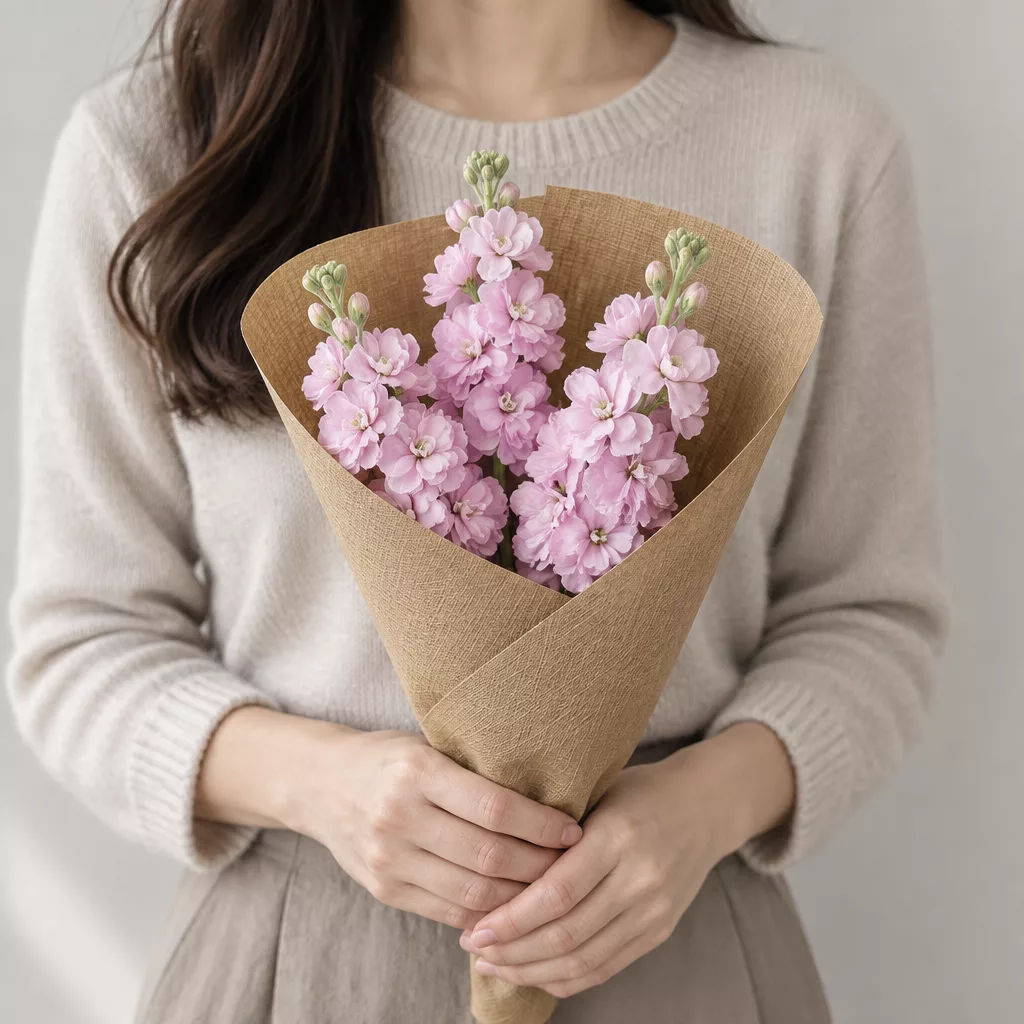
Bouquets we can deliver

Choosing the Right Occasion Framing Before You Order
Before you select a single stem, ask yourself what the recipient should feel in the first ten seconds. Flowers communicate before any card is read. A tight cluster of deep red roses says something different from a loose, airy arrangement of white lisianthus and eucalyptus, even if both are described as 'romantic.' Getting that first impression right is more important than matching a specific flower to a calendar date.
For birthdays in Russia, bright and generous is the norm. Sunflowers, gerberas, large-headed spray roses and alstroemeria in warm tones all read as celebratory without being formal. If the person you are sending to is older, chrysanthemums in cream or pale yellow carry a sense of dignity and warmth that is well understood in Russian culture — they are not considered sad flowers in a living context, only in a memorial one.
For congratulations on a new job, a graduation or a housewarming, green and white combinations feel fresh and modern. Eustoma, also called lisianthus, works beautifully here — it has a ruffled, almost peony-like appearance but holds its shape for ten days or more, which matters when the recipient is busy settling into a new life chapter. Add a few stems of ruscus or pittosporum for structure and the arrangement looks considered rather than assembled in a hurry.
For a romantic gesture sent across continents, red and blush roses remain the clearest language. Pair them with wax flower or gypsophila for softness rather than a stiff formal look.
Timing Your Order Across Time Zones
This is where international senders most often go wrong, and it is an easy mistake to avoid once you understand it. Krasny Kut operates on Moscow Standard Time, which is UTC plus three hours. There is no daylight saving adjustment in Russia, so the offset from your location is fixed year-round. If you are in New York, Krasny Kut is eight hours ahead. If you are in Berlin, it is two hours ahead. If you are in Tel Aviv, it is one hour ahead.
Turboflora delivers within one to two hours of order confirmation, which means the clock starts when your payment clears and the order is accepted. Place your order by mid-morning Krasny Kut time and you can expect delivery before lunch. Place it in the early afternoon and the flowers arrive before the working day ends. Avoid ordering very late in the evening if the recipient lives alone and you are not sure they will be home — a bouquet left in a cold hallway or with a neighbour loses some of its impact.
For milestone occasions like a birthday or an anniversary, placing the order the evening before from your time zone is a reliable approach. It gives the team time to prepare, ensures the flowers are cut and conditioned fresh, and means delivery happens early in the recipient's morning — which is genuinely the best time to receive flowers. Starting a birthday with a bouquet at the door is a different experience from receiving one at nine in the evening.
Seasonal Varieties That Travel Well to the Saratov Region
Summer in the Saratov region means temperatures that can exceed thirty degrees Celsius. In that heat, delicate flowers like garden roses, sweet peas and open peonies are vulnerable. If you are ordering between June and August, lean toward varieties with stronger cell structure: spray roses, alstroemeria, solidago, statice and sturdy sunflowers all handle warmth better than their more fragile counterparts. A well-conditioned stem of alstroemeria will last twelve to fourteen days even in a warm apartment, which is a practical gift as much as a beautiful one.
Winter brings the opposite challenge. From November through February, temperatures in Krasny Kut regularly fall below minus ten Celsius. Flowers transported in those conditions need careful wrapping and a short exposure window. Tulips, which are widely available in Russian wholesale markets throughout winter, are actually more resilient to cold transport than many people assume — they close in low temperatures and reopen beautifully once inside. Ranunculus, on the other hand, bruise easily in frost and are better saved for spring orders.
Spring is the most generous season for variety. From March onward, tulips arrive in every colour, hyacinths add fragrance that fills a small room, and the first peonies appear by late April. If you are sending flowers for International Women's Day on the eighth of March — a major celebration in Russia — order at least two days in advance, as demand is exceptionally high and same-day availability narrows quickly across the country.
Budget Ranges and What They Look Like in Practice
It helps to think about budget not as a price tag but as a physical reality — how full the vase will look, how many stems the recipient will hold in both hands, whether there is room for greenery and wrapping that makes the whole thing feel considered. A modest budget produces something sincere and pretty. A generous budget produces something that stops a person in the doorway.
At the entry level, a single-variety bouquet of ten to fifteen stems works well. Ten stems of tulips in a single colour, wrapped simply in kraft paper with a satin ribbon, is a classic choice that never reads as cheap — it reads as deliberate. Fifteen stems of spray roses give a fuller effect because each stem branches into several blooms. This range suits a warm gesture between friends or a thank-you sent to someone you want to acknowledge without overwhelming.
In the middle range, mixed arrangements become possible. A combination of five stems of garden roses with eustoma, eucalyptus and a few stems of wax flower gives a florist enough material to create something with depth and movement. The recipient receives something that looks designed rather than grabbed off a shelf. This is the range that suits birthdays, anniversaries and significant congratulations.
At the higher end, large format arrangements with premium varieties — long-stemmed Dutch roses, peonies in season, orchid stems, or a hat-box design — make a statement that is appropriate for major milestones: a significant birthday, a wedding anniversary, a birth announcement. The presentation itself becomes part of the gift.
Writing the Card Message for a Russian Recipient
In Russia, the written card is taken seriously. It is not an afterthought tucked into the cellophane — it is read carefully, often kept, and sometimes shown to others. If you are sending from abroad and writing in English, that is perfectly fine and often touching to the recipient. A message in your own language carries its own sincerity. However, if you want the message transliterated or translated into Russian, include that request in your order notes and write the original text clearly.
Russian gift-giving culture tends toward warmth and directness. Phrases that might feel over-the-top in a Northern European context — telling someone they are wonderful, that you think of them often, that you wish you could be there — land exactly as intended in Russia. Understatement is less common in this tradition. If you mean it, say it fully.
Avoid anything that could be read as conditional or ambiguous. 'I hope you are well' is a fine opening but a weak close. 'I am so glad you exist' is the kind of line that gets remembered. If the occasion is a birthday, name the year if it is a round number — turning fifty or sixty is celebrated with particular energy in Russian culture, and acknowledging it directly shows you understand the significance.
For romantic messages, handwritten notes are preferred over printed ones wherever possible. If you are placing the order online, type the message exactly as you want it to appear and note any punctuation that matters to you. A comma in the wrong place can change the reading entirely, and a florist who cares will get it right.
After Delivery: Helping the Recipient Keep Flowers Longer
Once the flowers arrive, their lifespan depends almost entirely on what happens in the first thirty minutes. This is worth passing on to the recipient, especially if they do not have much experience with fresh cut flowers. The single most important step is a clean diagonal cut across each stem — not straight across, but at an angle — made under running water or submerged in a bowl. This removes any air bubble that has formed in the stem during transport and allows water to move freely to the bloom.
The vase should be clean, filled with cool water, and placed away from direct sunlight and heat sources. In a Krasny Kut apartment in summer, this means keeping flowers away from south-facing windowsills and away from any radiator or cooking area. Cool, indirect light is ideal. Changing the water every two days and re-cutting the stems by a centimetre each time will extend vase life noticeably.
Different varieties have different natural lifespans, and mixing them in one vase means some will fade before others. Alstroemeria and chrysanthemums are the longest-lasting cut flowers — two weeks is realistic with good care. Tulips and ranunculus are shorter at five to seven days but are vivid while they last. Roses fall in the middle at seven to ten days. Removing spent blooms as they fade keeps the remaining flowers looking fresh and prevents ethylene gas — produced by dying plant material — from accelerating the decline of the rest.
If the recipient wants to dry a few stems as a keepsake, roses, statice and gypsophila all dry well hung upside down in a warm, dark space for two weeks.
Sending flowers to Krasny Kut from abroad is not complicated once you understand the time zone, the season and the person you are sending to. The distance between you and the recipient is real, but a fresh bouquet arriving at their door closes it in a way that a message or a call cannot quite replicate. Choose something that reflects how you actually feel about them, write a card that says it plainly, and trust that in a town where flowers are still an event, yours will be remembered.
Frequently asked questions
Can I order flowers to Krasny Kut if I do not speak Russian?
Yes, entirely. The Turboflora website and order process work in a way that international senders can navigate without Russian language skills. You can write your card message in English and note in the order comments if you would like it transliterated into Russian for the recipient. Payment is processed in the standard way accepted for international cards.
What happens if the recipient is not home when the flowers arrive?
It is worth including the recipient's phone number in your order so the courier can call ahead. In most cases, a neighbour or building attendant can accept the delivery. If you know the recipient's schedule, choose a delivery window when they are likely to be home — mid-morning or early evening tends to work well for most people in smaller Russian towns.
Is March 8th a good time to send flowers to Russia from abroad?
International Women's Day on March 8th is one of the most important flower-giving occasions in Russia, celebrated more widely than in most countries. It is an excellent time to send flowers, but demand is very high. Place your order at least two days in advance to ensure the varieties you want are available and delivery can be scheduled at the time you need.
Which flowers last longest if the recipient is not experienced with flower care?
Alstroemeria and chrysanthemums are the most forgiving cut flowers — both regularly last twelve to fourteen days with basic care. Spray roses are also resilient. If you are sending to someone who tends to forget to change the water or keep flowers out of sunlight, a bouquet built around these varieties will stay beautiful far longer than one featuring open garden roses or tulips.
Can I schedule delivery for a specific time rather than as soon as possible?
Yes. When placing your order, you can specify a preferred delivery window rather than requesting the fastest available slot. This is useful when you know the recipient's schedule or want the flowers to arrive at a particular moment — first thing on a birthday morning, for example. Factor in the time zone difference between your location and Krasny Kut, which operates on Moscow Standard Time, UTC plus three.
Ready to send flowers?
Pick the city, choose the bouquet, and a local florist takes it from there.
Choose a city →