Sending Flowers to Kukmor from Abroad? Here Is Your Full Picture
You are somewhere far from Russia — maybe London, Dubai, New York or Almaty — and someone you love is in Kukmor, a quiet town in the Republic of Tatarstan. You want to send flowers that arrive fresh, feel personal and land at exactly the right moment. The distance makes it feel complicated, but with the right preparation it is genuinely straightforward. This guide walks you through everything a sender outside Russia needs to know, from timing and seasonal variety choices to local customs and how to keep the bouquet looking beautiful once it arrives.
Understanding Kukmor and Why Location Matters for Delivery
Kukmor sits in the Republic of Tatarstan, roughly 130 kilometres northeast of Kazan. It is a small industrial town with a population of around 17,000 people, surrounded by a landscape that shifts dramatically with the seasons — mild and green in summer, genuinely cold and snowy from November through March. Understanding this geography matters when you are choosing flowers from abroad, because the climate directly affects which varieties travel well and which will suffer.
Tatarstan has a continental climate. Winter temperatures in Kukmor regularly drop below minus 15 degrees Celsius, and summer highs can reach 30 degrees. This range means that a bouquet assembled in February needs to be protected from frost during the final leg of delivery, while a July arrangement needs to stay cool and hydrated. A florist who knows this will build the bouquet accordingly — using hardy stems, appropriate wrapping and timing the dispatch to avoid the coldest or hottest part of the day.
From a sender's perspective, the key point is that Kukmor is not an isolated village. It is a real town with a postal address, accessible roads and a community that celebrates birthdays, anniversaries, graduations and holidays just as warmly as any city. The flowers will be received with genuine feeling. Your job as the sender is simply to give the right information — a precise address, a working Russian mobile number for the recipient and your preferred delivery window — and let the logistics take care of themselves.
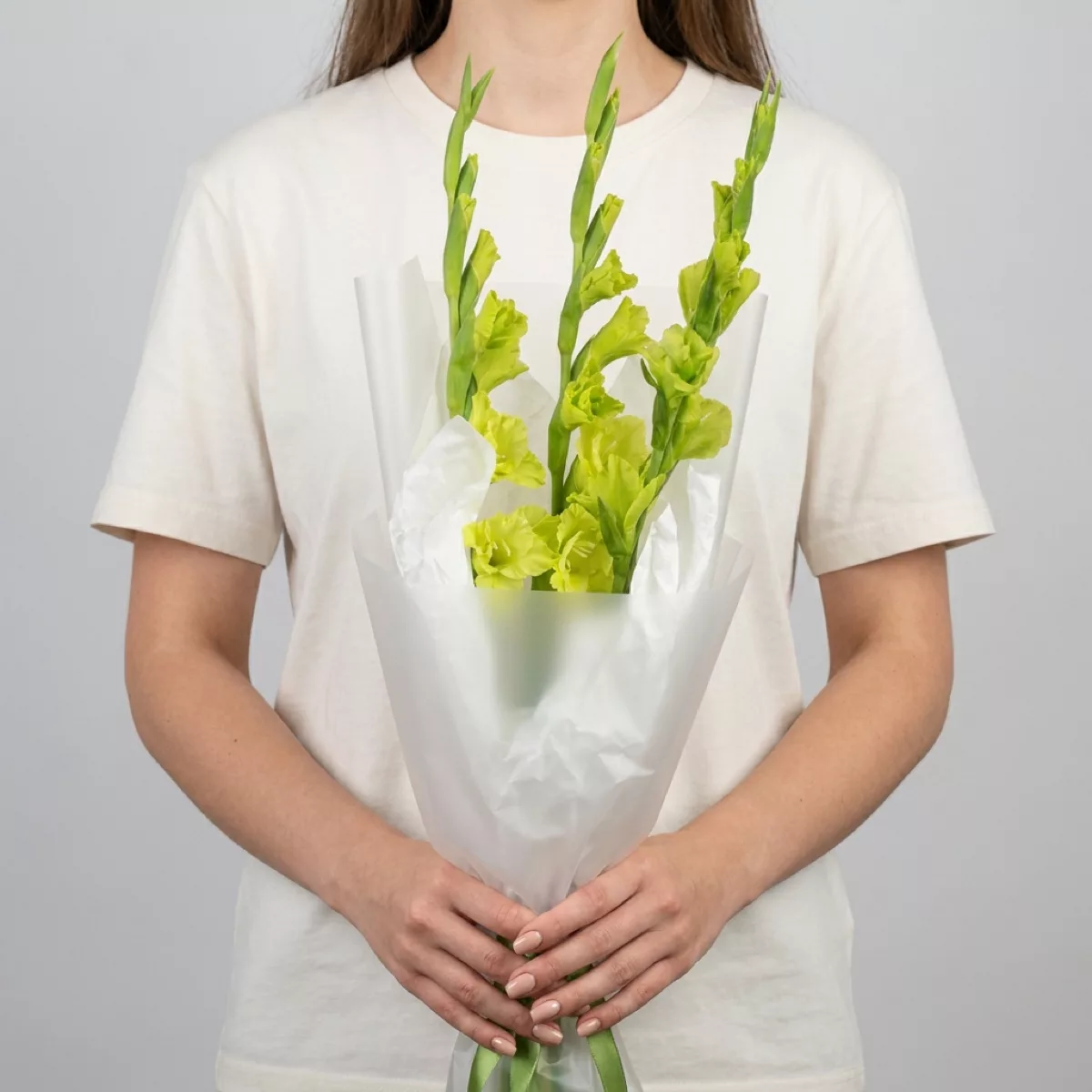
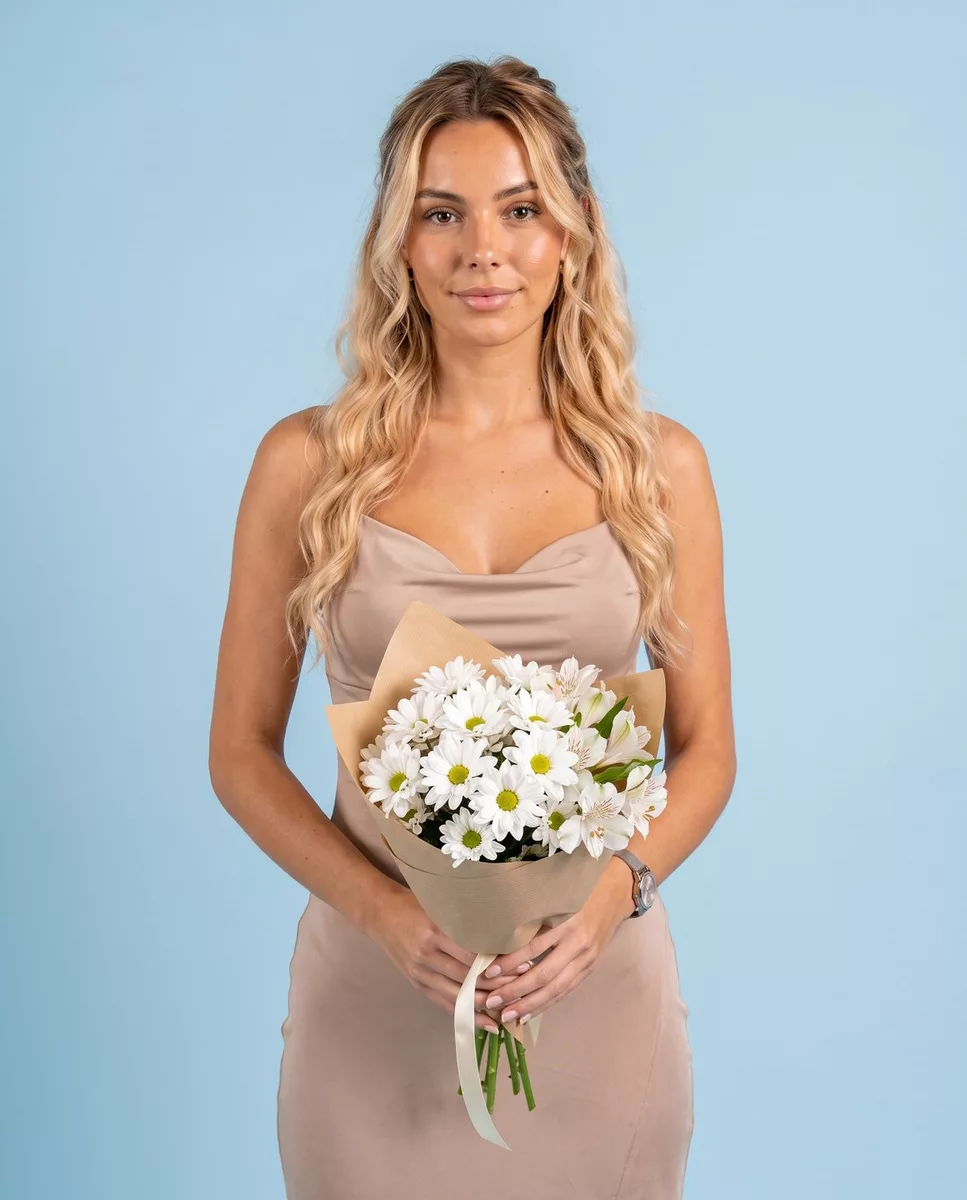
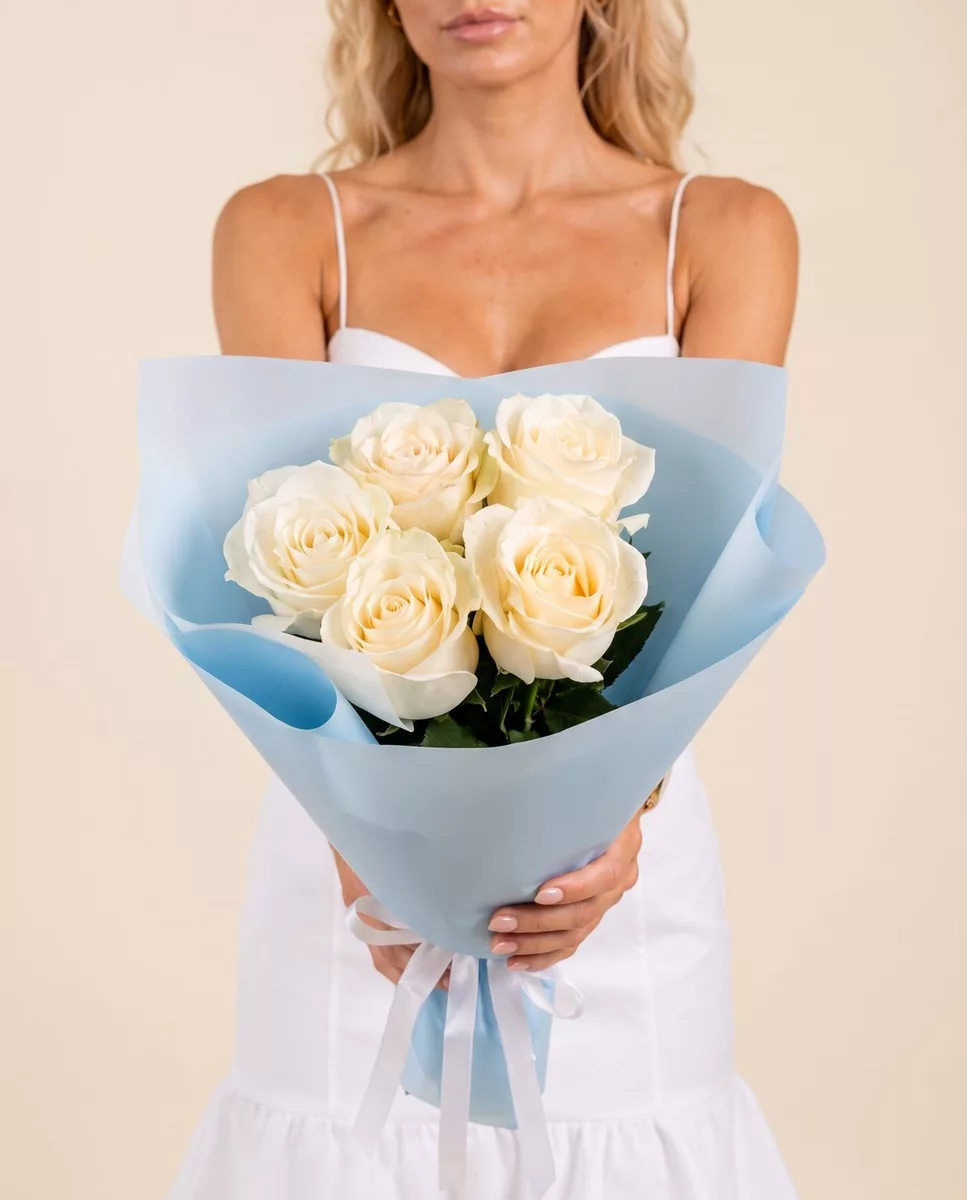
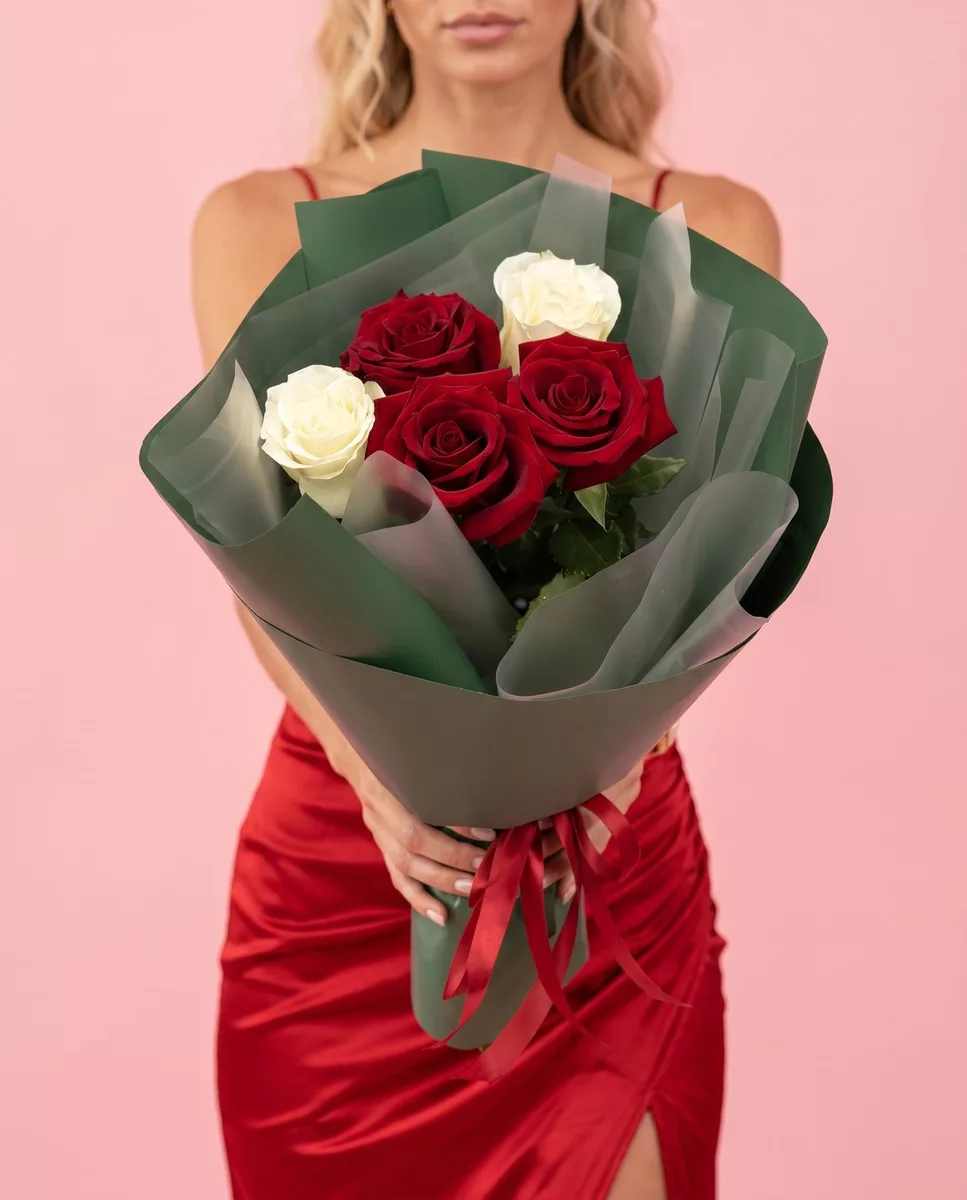
Bouquets we can deliver
Timing Your Order When You Are in a Different Time Zone
This is where most international senders make their first mistake. Kukmor operates on Moscow Time plus one hour, which is UTC plus 4. If you are placing an order from Berlin, you are three hours behind Kukmor. From New York, you are seven hours behind. From Dubai, you are actually only one hour behind. Knowing this before you sit down to order saves a great deal of confusion and prevents the bouquet from arriving at 11 pm when your recipient is already asleep.
Turboflora delivers across Russia within one to two hours of order confirmation. That speed is only useful if you place the order at a sensible local time for the recipient. Aim for delivery between 10 am and 7 pm Kukmor time. Work backwards from that window using your own time zone. If you want flowers to arrive at 2 pm in Kukmor on a Saturday, and you are in London, you need to place the order before 11 am London time.
Public holidays add another layer of complexity. Russia and Tatarstan observe a number of national holidays — New Year, International Women's Day on the 8th of March, Victory Day on the 9th of May — and demand for flowers spikes sharply on these dates. If you are planning a delivery for a major holiday, place the order at least 24 hours in advance. On ordinary weekdays, same-day ordering works perfectly well. The cleaner your timing instructions, the more precisely the florist can hit your target window and make the arrival feel like a well-planned surprise rather than a lucky coincidence.
Choosing Flowers for the Person and the Occasion
Start from the recipient, not the catalogue. A bouquet for a grandmother celebrating her 70th birthday calls for something completely different from a congratulations arrangement for a young colleague who just passed her university exams. Think about what this person actually likes — their favourite colours, whether they prefer lush and romantic or clean and architectural, whether their home is a small apartment or a house with a proper garden table for a large vase.
For romantic occasions and anniversaries, roses remain the classic choice in Russia, and they genuinely suit the sentiment. Red roses carry a clear message, while blush, cream and peach tones feel warmer and more intimate for long relationships. Combine roses with eucalyptus or ruscus for texture, or add white lisianthus to soften the arrangement without losing elegance.
For birthdays, especially for women, chrysanthemums, alstroemeria and gerberas offer bright colour and exceptional vase life — important when you cannot be there to replace the water yourself. Seasonal tulips in spring and peonies in May and June are always received with delight. Sunflowers work beautifully in summer and carry an open, generous feeling that suits celebratory moments.
For professional congratulations — a promotion, a graduation, a new home — consider a structured arrangement with anthuriums, spray roses and greenery rather than a soft romantic bouquet. The presentation signals respect and thought. Always include a handwritten card message in Russian if you can; even a simple phrase like pozdravlyayu, meaning congratulations, lands far more warmly than a printed English note.
Seasonal Availability and What to Expect Month by Month
Flowers in Russia follow the seasons more closely than buyers in year-round markets might expect. Understanding what is genuinely fresh in each season helps you make a better choice and avoid disappointment when a variety you had in mind is out of season or requires a long cold chain to arrive in good condition.
January and February are deep winter months. Tulips, imported roses, carnations and alstroemeria are the most reliable choices. Peonies and sunflowers are not naturally available and, if offered, have travelled a very long way. Stick to hardy stems that hold up in cold transport. February is also the run-up to International Women's Day, so tulips in particular become very popular — order early.
March through May is a transition period. Tulips peak in March and April. By May, the first domestic peonies begin to appear, and they are extraordinary — full, fragrant and deeply seasonal. If your occasion falls in May, peonies with mint or salal greenery make an unforgettable bouquet.
June through August brings warmth and abundance. Sunflowers, eustoma, spray roses and seasonal wildflower mixes are all at their best. Hydrangeas are available and particularly beautiful in soft blue and lilac tones. Avoid ordering very delicate varieties for outdoor deliveries during a July heatwave — ask the florist to use extra hydration gel in the wrapping.
September through November sees the palette shift to warmer tones. Chrysanthemums, dahlias and ornamental branches become available. By November, the focus returns to hardy imported varieties. Working with the season rather than against it always produces a more beautiful result.
Russian Flower Customs That a Foreign Sender Should Know
Russia has a few flower customs that are worth knowing before you order, because they affect how your bouquet will be received and interpreted. The most important one is the odd-number rule. In Russia, even numbers of flowers are traditionally associated with mourning and are brought to funerals. An everyday celebratory bouquet should always contain an odd number of stems — three, five, seven, eleven, fifteen and so on. This is not a superstition that is fading away; it is still very much observed, especially outside major cities. Any reputable Russian florist will build your bouquet accordingly, but it is worth knowing so you understand the reasoning.
Colour carries meaning too, though it is less rigid than the number rule. Yellow flowers have historically been associated with separation and infidelity in Russian folk tradition, so a large all-yellow arrangement for a romantic occasion can feel like an odd choice to the recipient even if it looks cheerful to you. That said, mixed arrangements with yellow accents are perfectly normal and widely enjoyed — the concern applies mainly to single-colour yellow bouquets.
Presenting flowers in Russia is a warm, tactile act. The recipient will typically unwrap the bouquet immediately, smell the flowers and comment on the colours. Including a personal card message matters enormously. Even if you write your message in English and ask the florist to add a Russian translation, that effort is noticed and appreciated. A bouquet that arrives with a thoughtful, specific message — mentioning a shared memory or a particular quality you admire — will be talked about long after the flowers have faded.
Giving Care Instructions Across the Distance
One of the small frustrations of sending flowers from abroad is that you cannot be there to trim the stems or change the water. The bouquet arrives, it looks beautiful, and then three days later it begins to droop because nobody told the recipient what to do. A little care information, passed along with the delivery, makes a real difference to how long the flowers last.
The single most important step is a fresh diagonal cut on every stem, made under running water or submerged in a bowl. This opens the stem's vascular tissue and allows it to drink properly. It should be done as soon as the bouquet is unwrapped, and then again every two days. A sharp knife works better than scissors, which can crush the stem rather than cut it cleanly.
Vase water should be changed every two days. Lukewarm water is better than cold for most varieties, though tulips prefer cool water. Remove any leaves that would sit below the waterline, as they rot quickly and cloud the water with bacteria that shorten vase life. If a flower food sachet is included with the bouquet — and a good florist will include one — dissolve it in the first water change.
Keep the vase away from direct sunlight, radiators and fruit bowls. Fruit releases ethylene gas as it ripens, which accelerates petal drop in roses, carnations and lisianthus. A cool room with indirect light is ideal. In Kukmor's winters, that usually means away from the radiator but not near a cold drafty window. With these simple steps, roses typically last seven to ten days, alstroemeria ten to fourteen days and chrysanthemums up to three weeks.
Placing Your Order from Outside Russia: Practical Steps
Ordering from abroad is simpler than many international senders expect, but a few practical details make the process run smoothly. The most important thing you can provide is a complete and accurate delivery address in Russian transliteration or Cyrillic if possible, along with a working Russian mobile number for the recipient. Russian mobile numbers begin with 7 and are eleven digits long. Without a valid contact number, the courier cannot call ahead or confirm arrival, which increases the risk of a missed delivery.
When filling in the delivery details, be specific about the building. Russian addresses often include a building number, a corpus number (a secondary block within the same address) and an apartment number. If you are sending to a private house, note whether there is a gate code or a dog. These small details prevent delays at the door.
Pay attention to the card message field. This is your direct line of communication to the person receiving the flowers. Write something specific — not just happy birthday, but a sentence that only you could have written. If you want the message in Russian, you can write it in English and ask for a translation in the order notes, or use a simple translation tool and paste the result. The florist will format it neatly on the card.
For payment, Turboflora accepts international cards. If your card is declined due to geographic restrictions — which occasionally happens with cards issued outside Russia — try a different card or contact the shop directly for alternative payment options. Once payment is confirmed, the order moves into preparation immediately, and you will receive confirmation that delivery is underway.
Sending flowers to Kukmor from the other side of the world is a genuinely kind thing to do, and the distance does not have to make it feel impersonal or uncertain. Get the timing right for the recipient's time zone, choose varieties that suit the season and the person, respect the odd-number custom, and pass along a few care tips with the bouquet. Those small decisions are what turn a flower delivery into a memory. Turboflora handles the rest — assembling the bouquet with fresh stems, dispatching it quickly and making sure it arrives at the door looking exactly as it should.
Frequently asked questions
Does Kukmor's winter climate affect which flowers I should order from abroad?
Yes, meaningfully. When temperatures drop below minus 15 in Kukmor, cold-sensitive flowers like hydrangeas or open garden roses can bruise during the last stretch of delivery. In winter months, ask your florist to lean toward chrysanthemums, carnations or closed-bud roses, which handle cold better and still arrive looking full and intentional rather than frost-damaged.
What time zone difference should I account for when placing an order from outside Russia?
Kukmor runs on UTC plus 4, one hour ahead of Moscow. If you are ordering from London, you are four hours behind; from Dubai, you are level. Place your order the evening before at the latest, not the morning of. Florists in a town this size need preparation time, and last-minute requests across that gap often push delivery into the evening.
Are there local Tatarstani customs I should know before choosing flowers for a Kukmor recipient?
Tatarstan blends Russian and Tatar cultural traditions. Bright, generous bouquets are warmly received for celebrations, but for more traditional families a restrained arrangement in soft tones can feel more respectful. If the occasion is a religious holiday or a family gathering with older relatives, avoid anything that reads as purely decorative and lean toward flowers with a clear, celebratory meaning like tulips or peonies.
How do I make sure the bouquet feels personal when I cannot visit a local florist in person?
Write the florist a short note about the recipient — her age, the occasion, whether she prefers bold colours or softer ones. Even two sentences changes what arrives. A florist working from that detail will make choices about proportion, wrapping and flower combination that a generic online selection cannot replicate. The note costs nothing and the difference is visible.
What should I do if I am unsure whether the recipient's address in Kukmor is complete enough for delivery?
Ask the recipient directly for their full address including apartment number, entrance code and the best time to be home — frame it as a practical question rather than a spoiler. Kukmor is a small town and drivers know the streets, but a missing entrance number or an absent recipient causes real delays. Confirming the address takes one message and prevents the most common delivery problem.
Ready to send flowers?
Pick the city, choose the bouquet, and a local florist takes it from there.
Choose a city →