Sending Flowers to Kulebaki from Abroad? Here Is What to Know First
You are sitting in another country, thinking of someone in Kulebaki — a birthday, an anniversary, a moment you wish you could be there for in person. The distance feels sharp, and flowers are one of the few things that can cross it in a way that actually lands. Knowing how delivery works in a smaller Russian city, what varieties travel well, and what local customs mean for the person receiving the bouquet will make the difference between a gesture that touches them and one that misses the mark.
Why Kulebaki Is Different from Sending to a Major City
Kulebaki is a compact industrial town in the Nizhny Novgorod region, roughly four hours by road from the regional capital. It is not a metropolis, and that changes a few things about how you should think when ordering flowers from abroad. The good news is that Turboflora delivers directly to addresses in Kulebaki, with the same one-to-two-hour window that applies across Russia. You do not need to worry about finding a local florist or navigating Russian-language websites.
What does change is the range of exotics you might expect in a larger city. Kulebaki recipients tend to appreciate classic, well-assembled bouquets over elaborate tropical arrangements. Roses, spray chrysanthemums, alstroemeria, and seasonal garden flowers land beautifully here. A tightly composed hand-tied bouquet in warm tones or soft whites will feel genuinely luxurious to someone who does not live near a large flower market.
The other thing worth knowing is that delivery addresses in smaller cities sometimes require a little more detail. When you place your order, include the full street name, building number, apartment number if applicable, and a working Russian mobile number for the recipient. Couriers in Kulebaki will call ahead, so an unreachable phone is the most common reason a delivery is delayed. If your recipient does not speak Russian, note that in the order comments and the courier will manage accordingly.
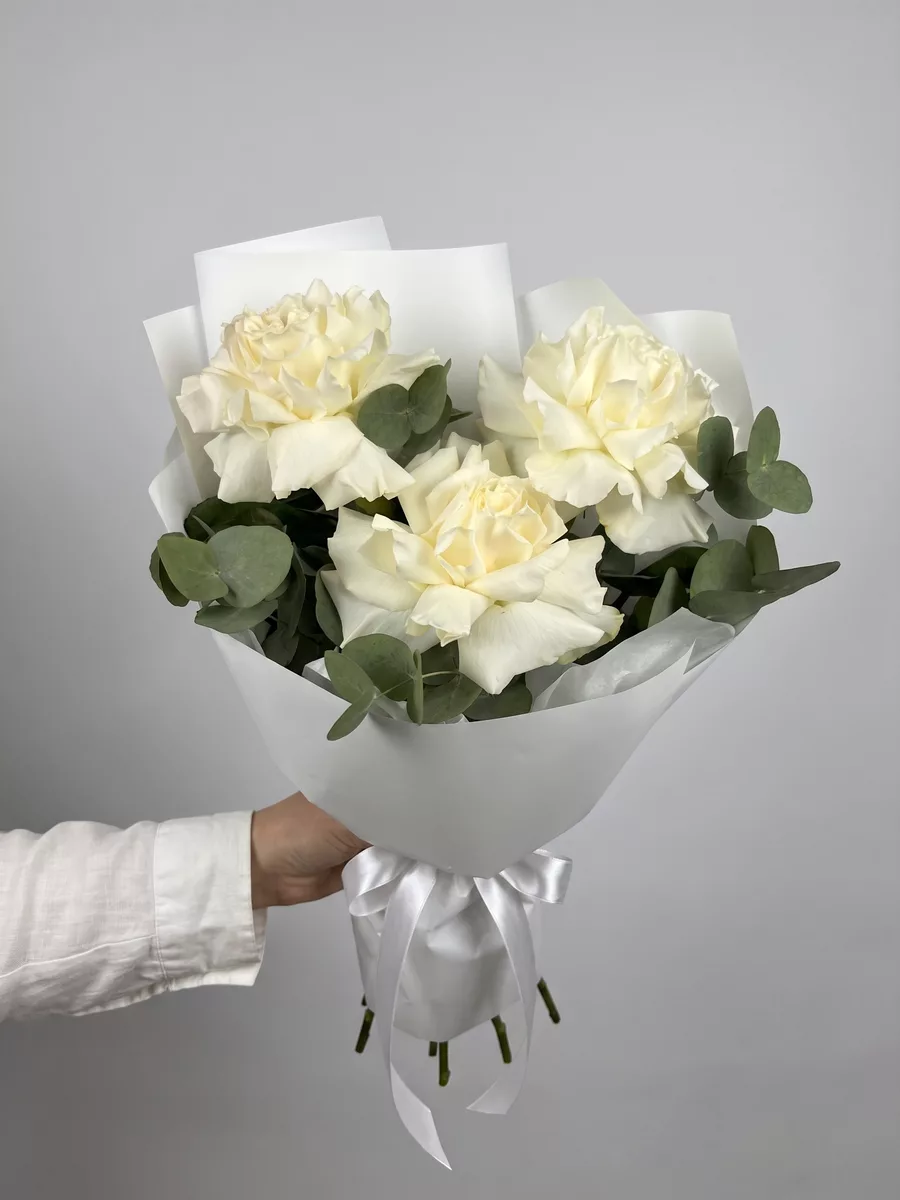
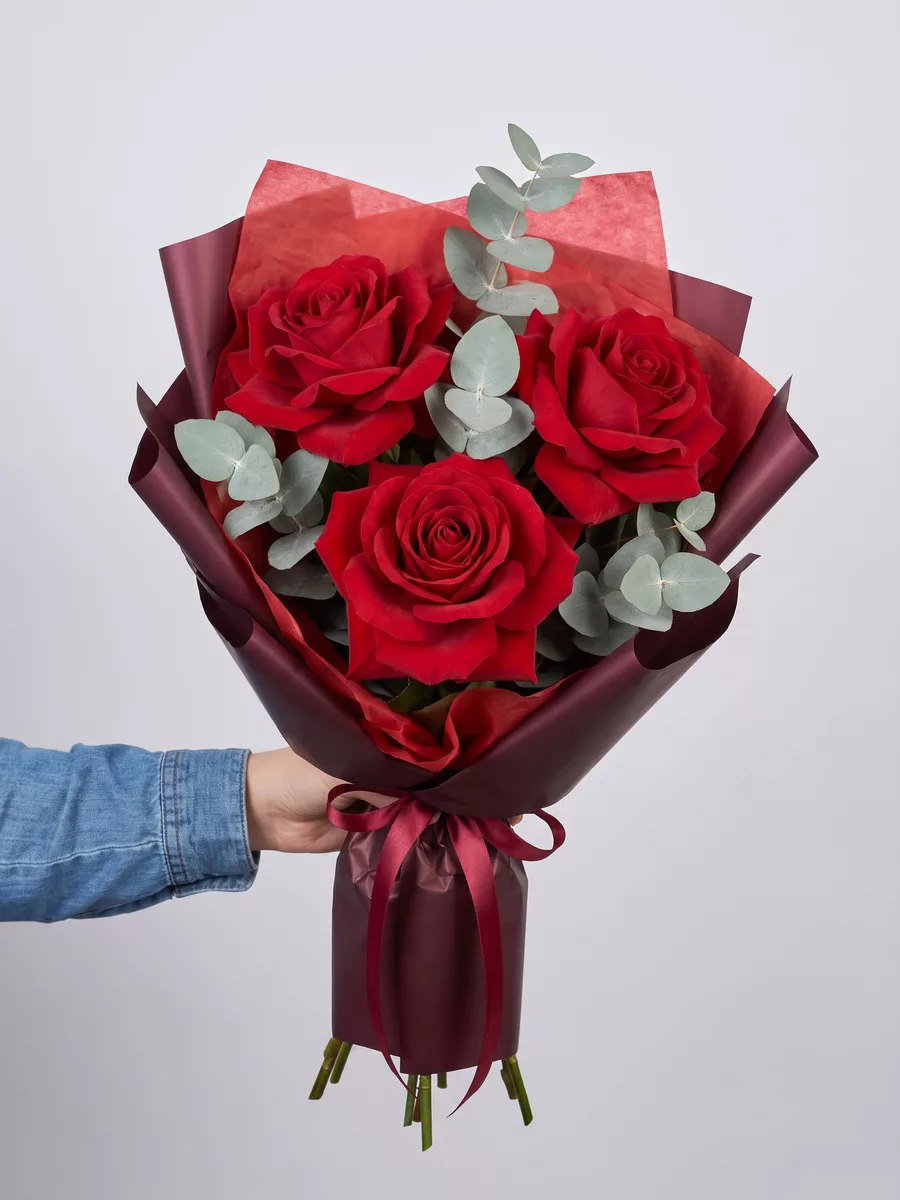
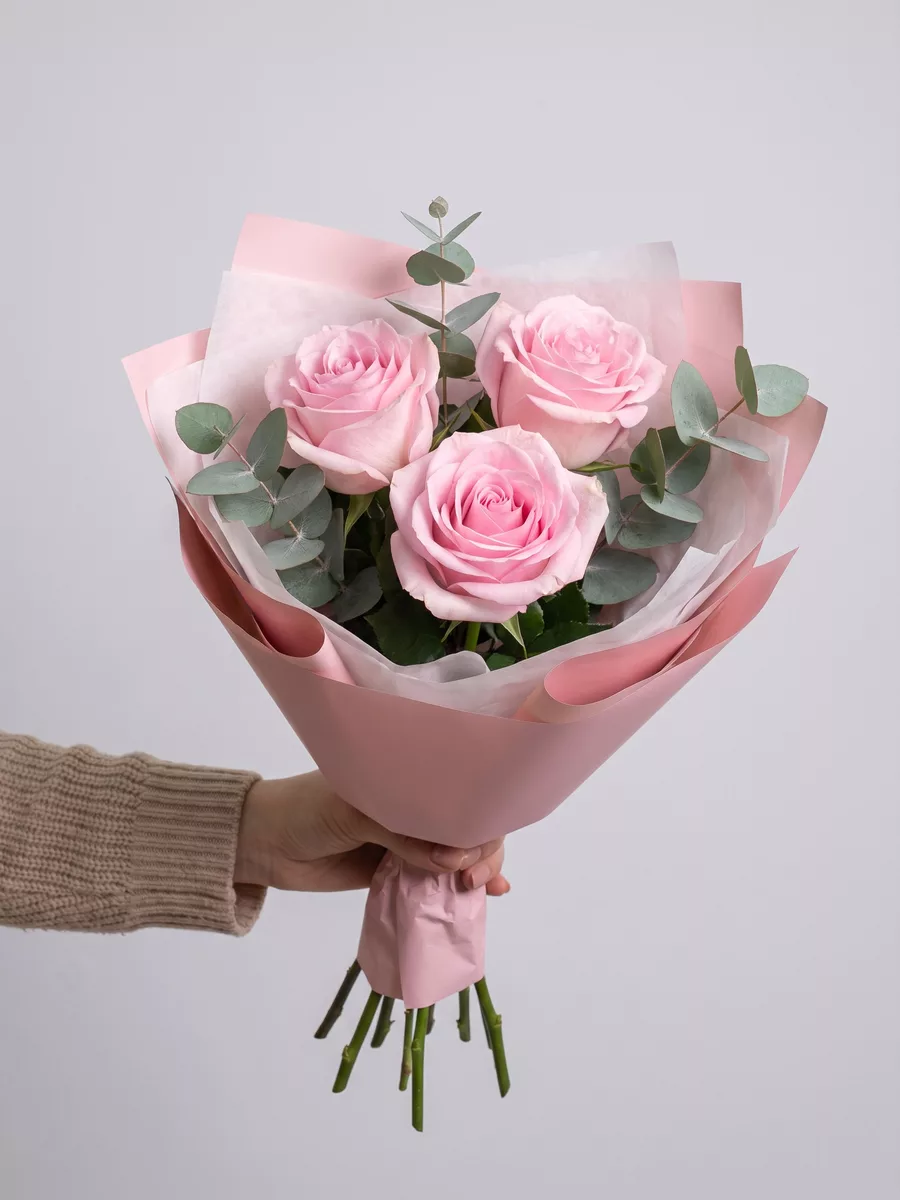
Bouquets we can deliver

Timing Your Order Across Time Zones
Kulebaki operates on Moscow Time, which is UTC plus three hours and does not observe daylight saving. If you are ordering from Western Europe, you are typically two to three hours behind. From the United States East Coast, you are eight hours behind in winter and nine in summer. From California or the Pacific Northwest, add another three hours to that gap. This arithmetic matters more than most senders realize.
The safest approach is to place your order the evening before the occasion, your local time. That gives the team in Russia a clear morning window to assemble the bouquet and dispatch it so it arrives fresh and on time. Trying to order in the middle of your afternoon for same-day delivery in Kulebaki often means the recipient's day is nearly over by the time the flowers arrive.
For milestone occasions — a significant birthday, a wedding anniversary — consider scheduling delivery for the morning of the day. Receiving flowers before noon feels celebratory in a way that a late-evening delivery simply does not. Russians often mark important dates with a morning gesture, so arriving early fits naturally into the emotional rhythm of the day.
If you are unsure about the exact timing, the order form allows you to specify a delivery window. Use it. Stating that you want delivery between ten in the morning and one in the afternoon, Kulebaki time, removes ambiguity and helps the courier plan the route efficiently. Precision here is a kindness to everyone involved.
Choosing Flowers for the Person, Not Just the Occasion
Before you think about budget or bouquet size, think about the person. A woman in her sixties who tends a dacha garden will respond differently to flowers than a young woman who follows interior design trends. The first might love a generous bunch of garden roses in coral and peach, something that reminds her of her own beds in summer. The second might appreciate a graphic, modern arrangement with ranunculus, eucalyptus stems, and a single variety of tulip in a bold colour.
For men — and men in Russia do receive flowers, particularly on birthdays and professional milestones — a structured bouquet of sunflowers, large-headed chrysanthemums, or bold tropical foliage reads as confident and thoughtful rather than overly sentimental. The key is scale and structure: a compact, fussy arrangement can feel awkward as a gift for a man, while something generous and architecturally clear feels right.
Children and teenagers are often forgotten in this conversation, but flowers for a young person graduating or celebrating a birthday are a lovely gesture. Bright gerberas, colourful spray roses, and cheerful seasonal blooms in vivid yellows and pinks communicate joy without feeling formal. Avoid anything that reads as too grown-up or funeral-adjacent — stay in the warm, saturated end of the colour palette.
If you genuinely do not know the recipient's taste, a classic rose bouquet in red or white is never wrong in Russian culture. Roses carry universal meaning here and require no explanation.
Russian Flower Customs an International Sender Should Know
The most important custom to understand is the odd-number rule. In Russia, flowers given as a gift are always presented in odd numbers — one, three, five, seven, nine, eleven, and so on. Even numbers of flowers are associated with mourning and are placed at graves or memorials. This is not a superstition that varies by region or generation; it is consistent across the country, including in smaller cities like Kulebaki. When you place an order, Turboflora applies this automatically, but it is worth knowing so you understand why your bouquet of roses might be eleven stems rather than ten.
Colour carries meaning too, though less rigidly than the number rule. Red roses signal romantic love and are appropriate for a partner or spouse. White flowers are associated with purity and are popular for weddings and for young women. Yellow flowers, which are sometimes associated with separation or bad luck in older Russian tradition, are now widely given and received without negative connotation, particularly in younger generations. If you are sending to someone older and want to be safe, lean toward pink, coral, peach, or deep burgundy tones.
A handwritten card is expected and appreciated. Even a short message — happy birthday, thinking of you, congratulations — matters enormously. When ordering from abroad, you can write your message in English; the gesture is understood universally. If you want to write in Russian but are not a speaker, the order notes field is a good place to ask for help with a simple phrase.
Seasonal Flowers and What Travels Best to Kulebaki
The Nizhny Novgorod region has a continental climate with cold winters and warm summers. In January and February, temperatures in Kulebaki regularly drop below minus fifteen degrees Celsius. This is critical for flower delivery because cold kills certain varieties very quickly. Tropical flowers like anthuriums, bird of paradise, and orchid stems are genuinely risky in deep winter — even a few minutes of exposure between the courier's vehicle and the recipient's door can blacken the petals.
In winter months, the safest and most beautiful choices are roses, spray carnations, alstroemeria, and chrysanthemums. These varieties are cold-tolerant and maintain their structure even when temperatures are extreme outside. Turboflora uses insulated packaging for cold-weather deliveries, but choosing cold-hardy varieties adds an extra layer of certainty.
Spring is the best season for sending flowers to Kulebaki from abroad. March, April, and May bring tulips, ranunculus, hyacinths, and the first garden roses of the year. These varieties are emotionally resonant in Russia because they mark the end of a long winter, and receiving them feels genuinely uplifting. March eighth — International Women's Day — is the single biggest flower-giving day in Russia, so if you plan to send around that date, order several days in advance.
Summer and early autumn offer the widest palette: dahlias, lisianthus, peonies in June and July, sunflowers through August and September. Late autumn narrows back toward roses, chrysanthemums, and imported varieties. Knowing the season helps you pick flowers that are at their natural peak rather than forced or tired.
How to Write Your Order When You Are Abroad
Placing a flower order in another country's system can feel uncertain, especially when you are not sure if your address formatting is correct or whether your payment will go through. A few practical points will make the process smooth.
For the delivery address, write it in Russian if you can, or as close to standard Russian postal format as possible: street, building number, apartment number, city, postcode. If you are unsure of the exact address, ask the recipient directly — Russians are entirely accustomed to a friend or family member abroad asking for their full address before a special occasion. Most will find it touching rather than suspicious.
For the recipient's phone number, use the full international format starting with plus seven for Russia. A number written without the country code can create confusion in the dispatch system. Double-check this number before you submit the order, because the courier will call it to confirm arrival.
Payment from abroad is handled securely through the website, and international cards are accepted. If you encounter a card decline, this is usually a security block from your own bank rather than a problem with the order system. A quick call or message to your bank to approve the transaction resolves it in minutes.
In the order comments, note the occasion, any colour preferences, and whether the recipient is likely to be at home or at a workplace address. Workplace deliveries in Russia are common and warmly received — arriving at the office with flowers is considered a public celebration of the person, which most recipients enjoy. If you prefer a discreet home delivery, note that too.
Helping the Recipient Care for Their Flowers
Once the bouquet arrives, its lifespan depends almost entirely on what the recipient does in the first hour. Many people outside major cities are not always sure of the best care steps, so including a short note with your card — or mentioning it in a message afterward — can extend the life of the flowers by several days.
The first step is always a fresh cut. The stems should be trimmed at a diagonal angle, about two centimetres from the bottom, using scissors or a sharp knife rather than tearing. This opens the stem's water channels properly. Roses and tulips benefit most from this step and will visibly perk up within a few hours if it is done correctly.
Vase water should be cool and clean, changed every two days. A vase in a cool room away from direct sunlight, radiators, and fruit bowls will keep flowers fresh significantly longer than one sitting in a warm kitchen. Ethylene gas released by ripening fruit accelerates petal drop in roses and tulips, so the fruit bowl rule is worth passing on.
Different varieties have different vase lives. Alstroemeria and spray chrysanthemums can last two weeks with basic care. Roses typically give seven to ten days. Tulips are shorter — around five to seven days — but they continue to open and move in the vase in a way that is genuinely beautiful. Ranunculus, if kept cool, can also last a week or more. Knowing what is in the bouquet helps the recipient understand what to expect and appreciate the flowers at each stage of their bloom.
Sending flowers to Kulebaki from abroad is less complicated than it might seem when you know the essentials: time zones, seasonal varieties, the odd-number rule, and a complete delivery address with a working phone number. The distance between you and the person you are thinking of does not have to feel abstract. A well-chosen bouquet arriving at their door in a small Russian city carries exactly the weight you intend — that you remembered, that you made the effort, that they matter to you from wherever in the world you happen to be standing.
Frequently asked questions
Can I send flowers to Kulebaki if I do not speak Russian?
Yes, entirely. The Turboflora website works in English, and you can write your card message in any language. The courier will handle communication with the recipient in Russian. If you have specific requests or are unsure about the address format, you can leave notes in English in the order comments field and the team will manage the details.
How far in advance should I order for a birthday in Kulebaki?
For most occasions, placing your order the evening before — your local time — is enough. For major dates like March eighth or New Year, order two to three days ahead. If you are in a very different time zone, such as North America, ordering the night before your local midnight comfortably covers a morning delivery in Kulebaki the following day.
What flowers should I avoid sending to Kulebaki in winter?
Avoid tropical varieties such as anthuriums, bird of paradise, and delicate orchid stems during deep winter months, roughly November through February. Temperatures in Kulebaki regularly fall below minus fifteen Celsius, and brief outdoor exposure can damage these flowers irreversibly. Roses, alstroemeria, carnations, and chrysanthemums are far more cold-tolerant and will arrive in excellent condition.
Why does my bouquet have an odd number of flowers?
In Russian tradition, gifts of flowers are always given in odd numbers. Even numbers are reserved for mourning occasions and would feel deeply inappropriate as a celebration. This applies everywhere in Russia, including Kulebaki, regardless of the recipient's age or background. Turboflora follows this standard automatically, so every bouquet you order will already reflect the correct count.
What if the recipient is not at home when the flowers arrive?
The courier will call the recipient's phone before arriving. If there is no answer, the courier will attempt the call again and may leave a message. It helps to let the recipient know roughly when to expect the delivery, especially if they work outside the home. For workplace deliveries, include the full office address and the recipient's name so reception staff can assist.
Ready to send flowers?
Pick the city, choose the bouquet, and a local florist takes it from there.
Choose a city →