Sending Flowers to Kurovskoe from Abroad? Start Here
You are sitting in another country, thinking about someone in Kurovskoe — a birthday tomorrow, an anniversary you almost missed, or simply a moment when you want that person to open their door and feel genuinely seen. The distance makes it feel complicated, but the actual process is simpler than most people expect. What you do need is a clear picture of timing, what grows well in the Russian climate, and a few customs that will make your gift land exactly right.
What Kurovskoe Is Like and Why It Matters for Delivery
Kurovskoe is a small town in the Moscow Oblast, sitting roughly 80 kilometres southeast of central Moscow. Because it falls within the greater Moscow region, it benefits from the same logistics infrastructure that serves the capital — which is genuinely good news for anyone ordering from abroad. Turboflora delivers fresh flowers across Russia, and the Moscow Oblast is well within that reach, with a delivery window of one to two hours from the moment your order is confirmed.
The town itself has a quieter, more residential character than a big city. That actually shapes what works best as a gift. A large, theatrical arrangement designed for a hotel lobby can feel out of place in a modest apartment or a small private house. Bouquets here tend to be warmly received when they feel personal and considered rather than simply large. Think about the space your recipient lives in and choose a size that suits a kitchen table or a windowsill rather than a grand entrance hall.
Temperature also matters. The Moscow Oblast experiences genuine winters, with January averages well below freezing, and warm humid summers. Flowers travel in temperature-controlled conditions, but you should still think about what your recipient will do with the bouquet the moment it arrives — especially in winter, when bringing cold stems straight into a heated room too quickly can cause condensation and early wilting. A good florist will wrap the stems properly, and a brief acclimatisation on arrival makes a real difference to vase life.
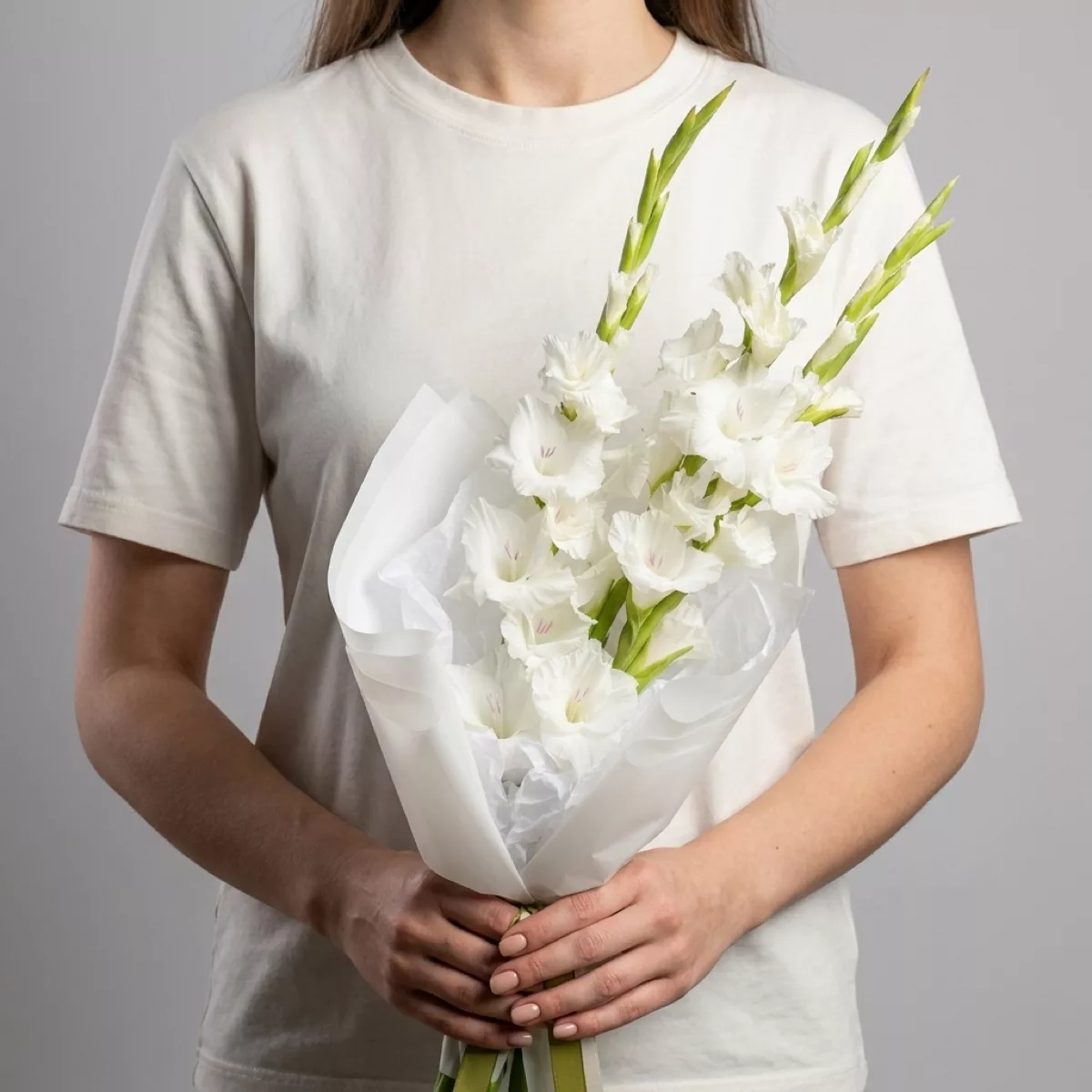
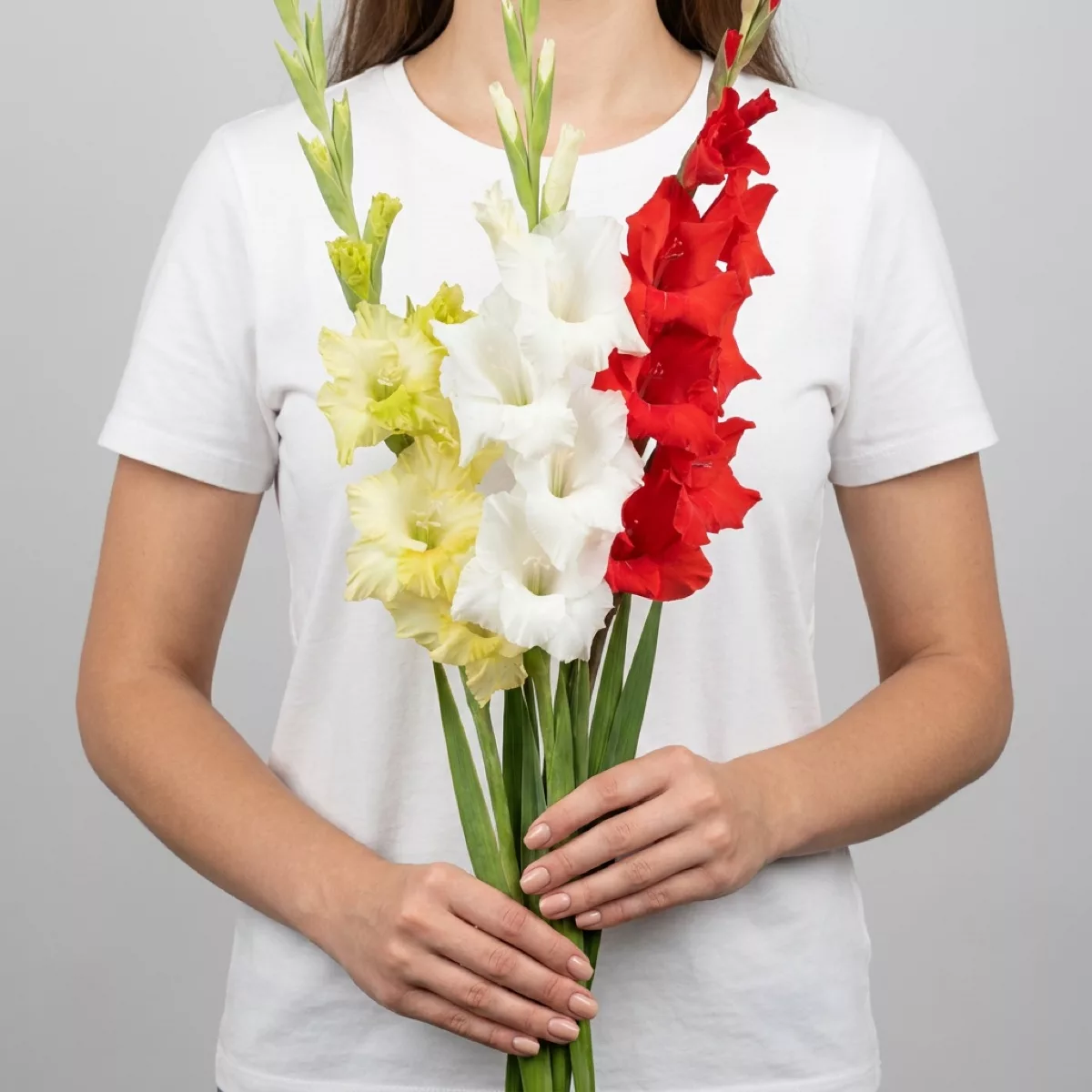
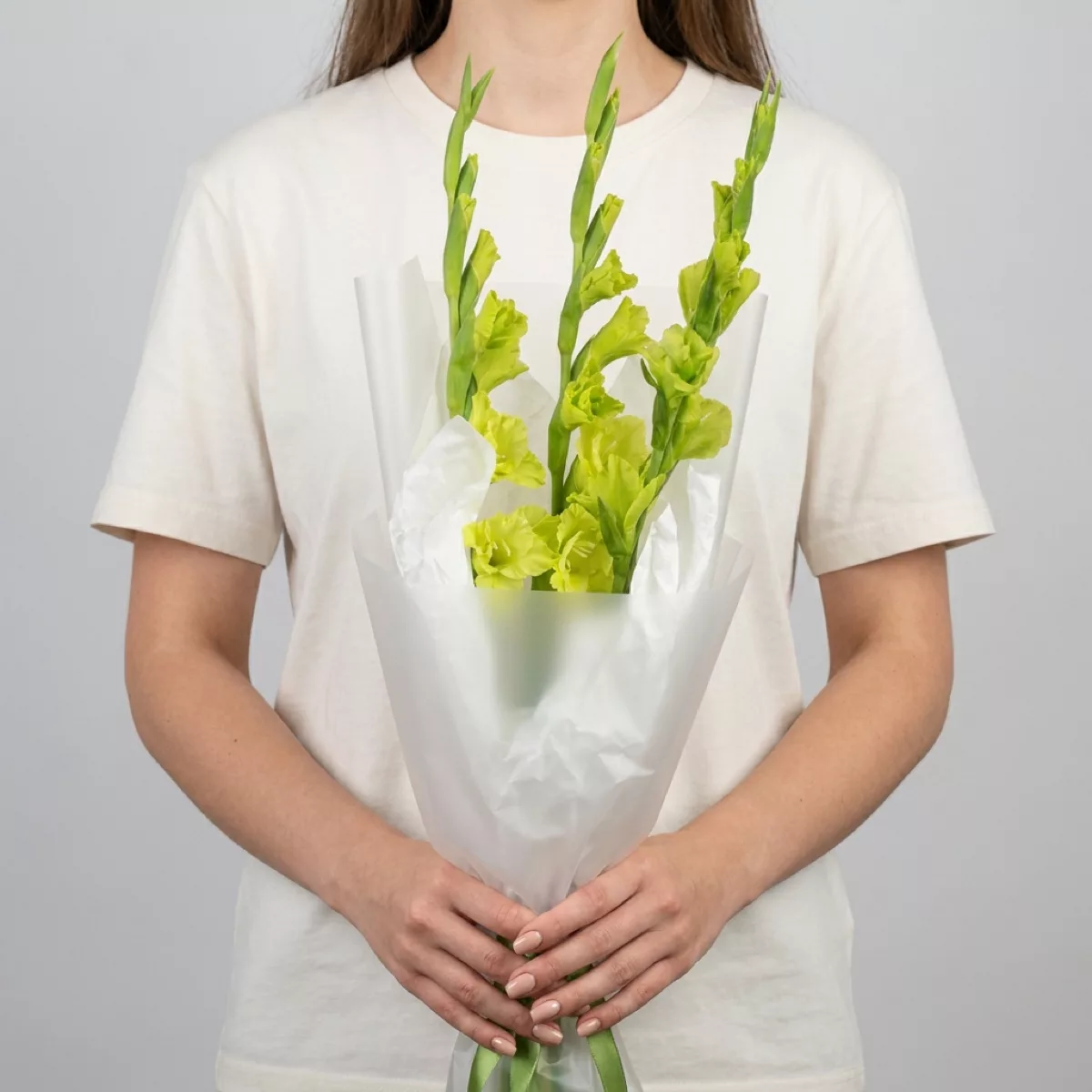
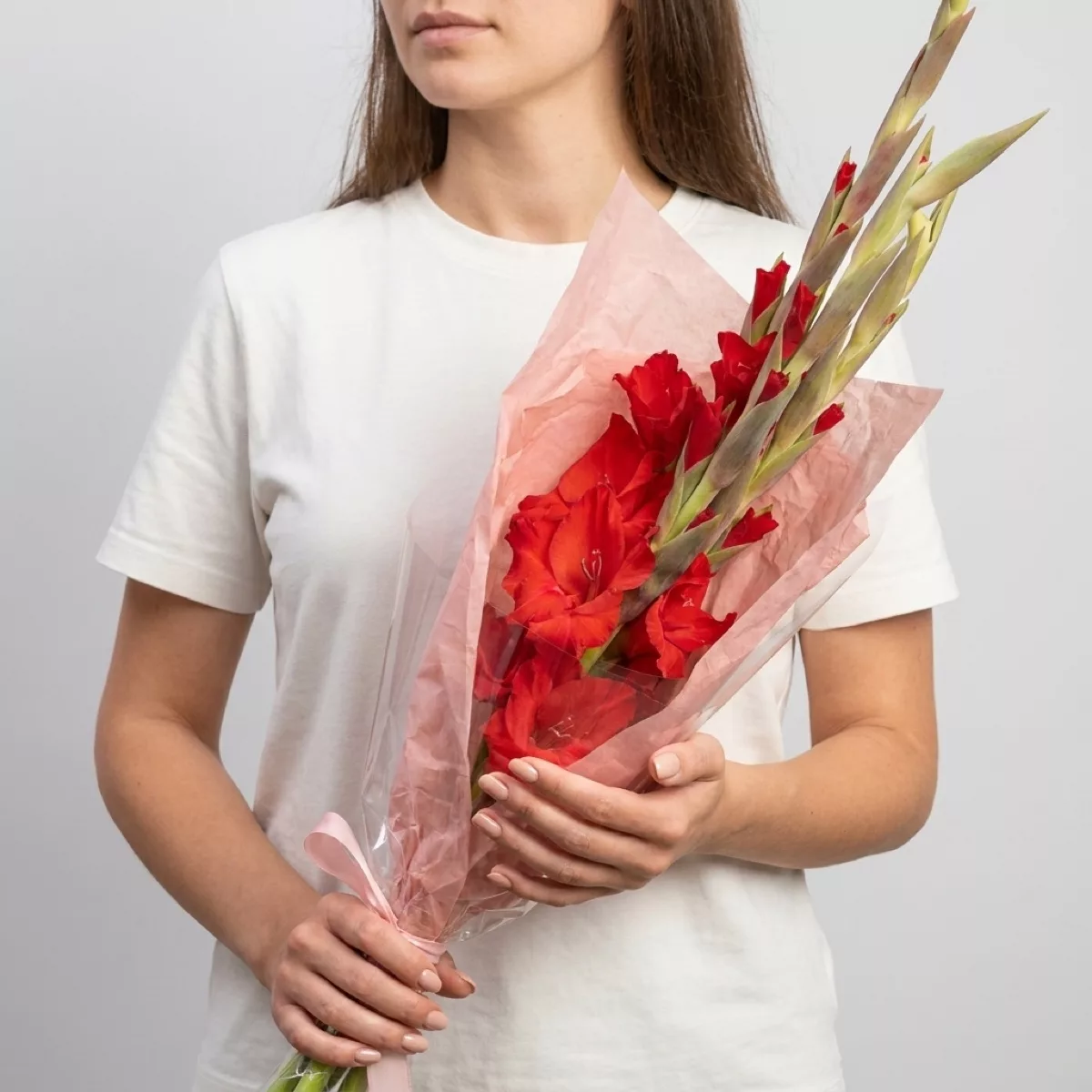
Bouquets we can deliver
Choosing the Right Moment: Timing Your Order Across Time Zones
This is where most international senders make their first mistake, and it is an easy one to avoid once you know it. Moscow Standard Time runs at UTC plus three hours year-round — Russia does not observe daylight saving. If you are in London, you are three hours behind. If you are in New York, you are eight hours behind in winter and seven in summer. If you are in Los Angeles, add another three hours to that gap.
The practical consequence is that what feels like a reasonable mid-morning order time for you may already be late afternoon in Kurovskoe. If the occasion is a birthday and you want flowers to arrive before your recipient leaves for work or goes out to celebrate, you need to place the order the evening before your own local time, or very early in your morning. A flower arriving at seven in the evening is still lovely, but a flower arriving at ten in the morning, unexpectedly, before the day has even properly begun, creates a completely different emotional moment.
For significant dates — March 8th, which is International Women's Day and one of the biggest flower-giving occasions in Russia, Valentine's Day, and New Year — place your order at least two to three days in advance. Demand on those dates is extremely high, and same-day slots fill quickly even for towns outside the capital. Building in that buffer costs you nothing and removes the anxiety of cutting it close from thousands of kilometres away.
Russian Flower Customs You Should Know Before You Order
If you have not sent flowers to Russia before, a few customs are worth understanding so your gift feels right rather than accidental. The most well-known is the odd-number rule: bouquets given as gifts should contain an odd number of stems — three, five, seven, nine, eleven, and so on. Even numbers of flowers are traditionally associated with mourning and funerals, and while younger urban Russians are increasingly relaxed about this, it remains a widely held expectation, especially outside major cities. A good florist will always build gift bouquets to an odd count automatically.
Colour carries meaning too, though less rigidly than the stem count. Red roses are understood universally as romantic. Yellow flowers, particularly yellow roses, were historically considered unlucky or associated with separation in Soviet-era folk belief, and while many people no longer hold this view, it is worth knowing if your recipient is of an older generation or more traditional background. White flowers are elegant and widely appreciated across all occasions. Pink, peach, and lilac tones read as warm and celebratory without any ambiguity.
Presentation is taken seriously. Russians appreciate a well-wrapped bouquet — kraft paper, ribbon, and a thoughtful composition matter more here than in some other cultures where flowers are handed over loosely. When you write your card message, keep it warm and direct. Russian sentiment tends to be sincere and unhurried rather than wry or understated, so a heartfelt line will always land better than a clever one.
Which Flowers Work Best for Different Occasions in Kurovskoe
Matching the flower to the moment is the real skill, and it is worth thinking about the recipient before you think about varieties. For a birthday, especially for a woman, roses remain the classic choice — garden roses with cupped, full heads feel more personal than tight hybrid tea buds. Combine them with ranunculus for texture and lisianthus for a soft, layered look that photographs beautifully and lasts well in a vase. For a man's birthday, consider something more structured: tulips in season, sunflowers, or a mixed arrangement that leads with strong lines rather than soft ruffles.
For a romantic occasion — an anniversary, a spontaneous declaration — red or deep burgundy roses make the intention unmistakable. Velvet-textured varieties like Explorer or Black Baccara carry real visual weight. Pair them with dark foliage or eucalyptus rather than baby's breath, which can make an otherwise serious arrangement feel dated.
For a new baby or a housewarming, pastels work beautifully: blush peonies in spring and early summer, soft pink spray roses year-round, white freesia for fragrance. Freesia is particularly good because it scents a room gently without being overwhelming, and it is one of the longer-lasting cut flowers you can choose — typically seven to ten days with proper care.
For a thank-you or a congratulations, a mixed seasonal bouquet gives you the most warmth. Let the florist lead with what is freshest that week. Seasonal flowers always outlast imported out-of-season stems, and freshness is the single biggest factor in how long the gift will be enjoyed.
Budgeting from Abroad: What You Are Actually Paying For
When you order flowers internationally, it helps to understand what the cost covers, because it is not just the stems. You are paying for fresh flowers sourced and conditioned that day, a florist's time assembling something that looks intentional and considered, packaging that protects the arrangement during transit, and a courier delivering within a defined time window to a specific address. In a town like Kurovskoe, that last element involves real road distance from the fulfilment point, and that is reflected honestly in the delivery fee.
As a general principle, allocate more of your budget to the arrangement itself than you might be tempted to. A modest but beautifully composed bouquet of seven roses with complementary foliage and elegant wrapping will make a stronger impression than a larger bundle of mixed stems thrown together quickly. Quality of conditioning — meaning how the flowers have been stored and hydrated before assembly — is invisible in a product photo but immediately apparent when the recipient puts the stems in water and watches them either open gracefully or droop within a day.
If you are ordering for a significant occasion and want something truly memorable, consider adding a second element: a small plant like a potted orchid alongside a bouquet, or a box of chocolates. These additions extend the gesture beyond the flowers themselves and give the recipient something that lasts longer. For someone living alone, a plant that continues to grow and bloom after the cut flowers are gone is often the most appreciated gift of all.
Practical Steps for Placing Your Order from Outside Russia
The mechanics of ordering from abroad are straightforward, but a few details will make the process go smoothly. First and most importantly, you need the recipient's full delivery address in Russian, or at minimum in a transliteration that a Russian courier can read without ambiguity. Kurovskoe addresses follow the standard Russian format: street name, building number, apartment number if applicable. If your recipient lives in a building with an entry code or an intercom, include that in the order notes — a courier who cannot get through the front door will have to leave and reattempt, which delays everything.
A working Russian mobile number for the recipient is essential. Couriers will call ahead to confirm they are on the way, and without a reachable number, delivery becomes significantly harder. If you are trying to keep the gift a surprise, you can note that in the order, and the florist will try to be discreet — but having the number available is still necessary for logistics.
For payment, international cards are accepted online. Make sure your card is enabled for foreign transactions before you begin — some banks flag overseas merchants and block the payment automatically. If that happens, a quick call to your bank to whitelist the transaction usually resolves it within minutes.
Finally, write your card message in whatever language feels most natural between you and your recipient. If they read English, write in English. If the message is in Russian and you are composing it yourself, keep it simple — a warm, short line in clear Russian is far better than a long message run through an imperfect translator.
Keeping the Flowers Fresh: What to Tell Your Recipient
The bouquet arrives, the door opens, the moment happens — and then the flowers need to actually last. This is where a little practical knowledge passed along to your recipient makes a real difference. Cut flowers have a finite life, but that life can be extended significantly with a few simple steps that most people either skip or do not know.
The single most important action is recutting the stems at an angle immediately before placing them in water — ideally under running water or submerged, to prevent air entering the stem. Remove any leaves that would sit below the waterline, because submerged foliage rots quickly and contaminates the water, shortening the life of every stem in the vase. Change the water every two days, and recut the stems each time.
Keep the arrangement away from direct sunlight, radiators, and fruit bowls. Ripening fruit releases ethylene gas, which accelerates flower ageing noticeably — even a bowl of apples on the same table can shorten vase life by two or three days. In winter, keep flowers away from cold draughts near windows, even though the room may feel warm overall.
Different varieties have different lifespans. Chrysanthemums and carnations are among the longest-lasting cut flowers, often reaching two weeks with good care. Roses typically last seven to ten days. Tulips are shorter — five to seven days — but they continue to open and move in the vase in a way that makes them feel alive longer than their actual lifespan might suggest. Knowing this helps your recipient understand what to expect and appreciate the bouquet at each stage of its life.
Sending flowers to Kurovskoe from abroad is not complicated once you have the right information in front of you. The distance between you and your recipient is real, but the gesture that arrives at their door does not have to carry any trace of that difficulty. Get the timing right, choose varieties that suit the season and the person, respect the customs that matter to them, and make sure the practical details — address, phone number, delivery window — are all in place before you confirm. The rest is handled. What your recipient experiences is simply a bouquet at the door, at exactly the right moment, from someone who thought of them from the other side of the world.
Frequently asked questions
Can I order flowers to Kurovskoe if I do not speak Russian?
Yes. The Turboflora website and ordering process are accessible to international customers. You can write your card message in English if your recipient reads it. The only detail that needs to be accurate in Russian is the delivery address — if you are unsure, ask your recipient to send you their address written out in Russian characters beforehand.
How far in advance should I order for a specific delivery time?
For a standard weekday delivery, ordering a few hours ahead is usually sufficient. For major Russian holidays like March 8th or Valentine's Day, place your order two to three days in advance. Always account for the time zone difference between your location and Moscow Standard Time, which is UTC plus three hours with no seasonal adjustment.
Why do Russian bouquets always have an odd number of flowers?
Even numbers of flowers are traditionally associated with mourning in Russian culture and are placed at graves or memorial services. Giving an even-numbered bouquet as a gift is considered inauspicious, particularly among older recipients or those from more traditional backgrounds. Turboflora always assembles gift arrangements to an odd stem count automatically.
What happens if my recipient is not home when the flowers arrive?
The courier will call the recipient's mobile number before arriving. If there is no answer and no one is home, delivery will be reattempted. This is why a working Russian mobile number for the recipient is essential when placing the order. If the gift is a surprise, note that in the order and the courier will be as discreet as the situation allows.
Which flowers last the longest in a vase for a recipient in Kurovskoe?
Chrysanthemums and carnations are the most durable cut flowers, often lasting up to two weeks with proper care. Roses give seven to ten days, and freesia performs similarly while adding fragrance. Tulips are shorter-lived but remain visually engaging as they open. For maximum vase life, advise your recipient to recut stems, change water every two days, and keep the arrangement away from fruit and direct heat.
Ready to send flowers?
Pick the city, choose the bouquet, and a local florist takes it from there.
Choose a city →