Sending Flowers to Kuvandyk from Abroad? Here Is What to Expect
You are somewhere far from Russia — another country, another time zone — and someone you care about is in Kuvandyk, a city in the southern Urals of Orenburg Oblast. You want to send them flowers, something real and fresh, not a gift card or a bank transfer. The good news is that this is entirely possible, and it does not have to be complicated. What it does require is a little knowledge about the place, the season, and what actually works when you are ordering from a distance.
Why Kuvandyk Deserves More Than a Generic Order
Kuvandyk sits in the southern Urals, roughly 250 kilometres east of Orenburg city. It is a small industrial town surrounded by steppe and mountain foothills, with a population that lives close-knit, where a bouquet arriving at someone's door is genuinely noticed and remembered. Sending flowers here is not a throwaway gesture — it carries real weight.
Because the city is smaller than Saint Petersburg or Moscow, the recipient is likely to be someone's colleague, neighbour or relative within the same district. That means the presentation of the bouquet matters as much as the flowers inside it. A well-wrapped, thoughtfully chosen arrangement signals that the sender took time and care, even from thousands of kilometres away.
From a logistics point of view, Kuvandyk is reachable. Turboflora coordinates delivery across Russia, including the Orenburg region, with a target window of one to two hours from the moment of order confirmation. For a sender abroad, the key is placing the order during Russian daytime hours and providing an accurate address. The city uses standard Russian postal addressing, so including the street, building number, apartment number if applicable, and the recipient's phone number will cover everything the delivery needs.
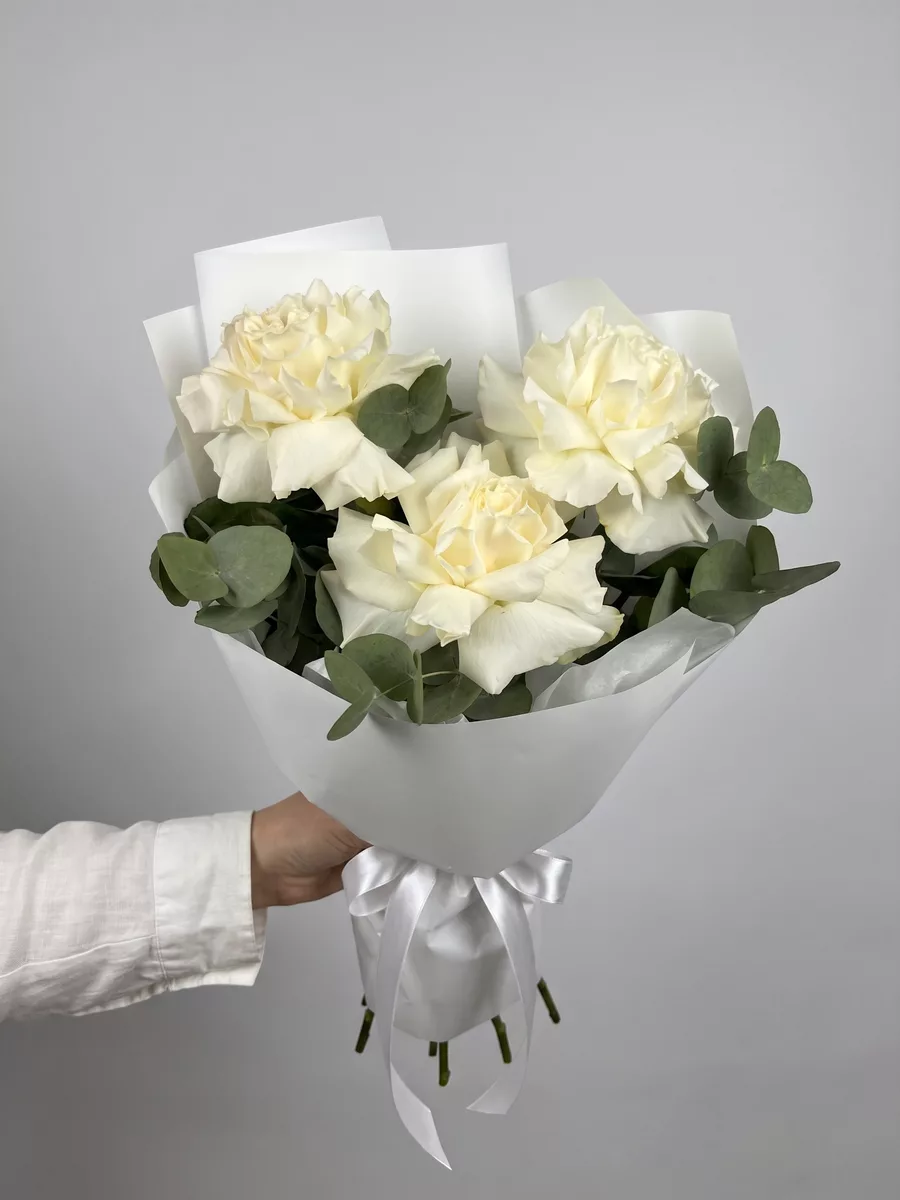
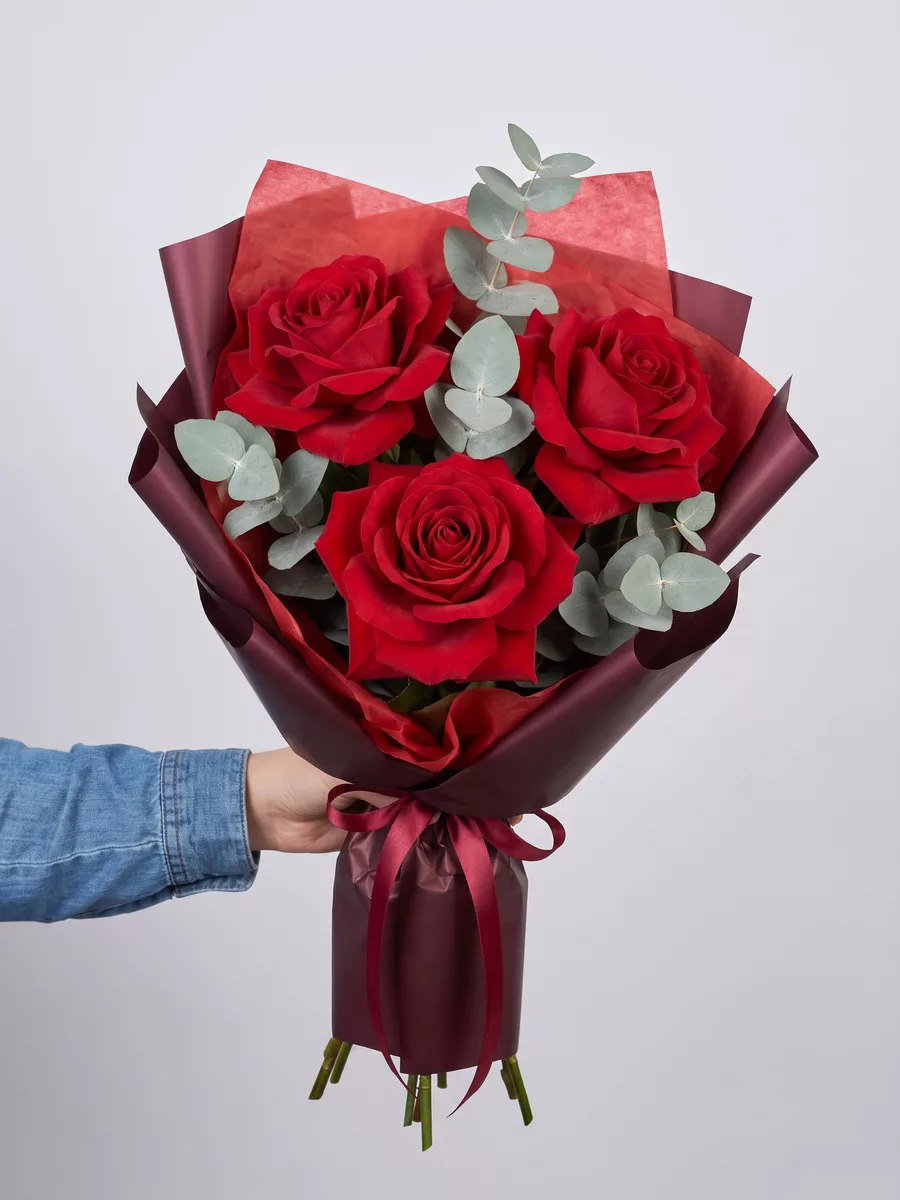
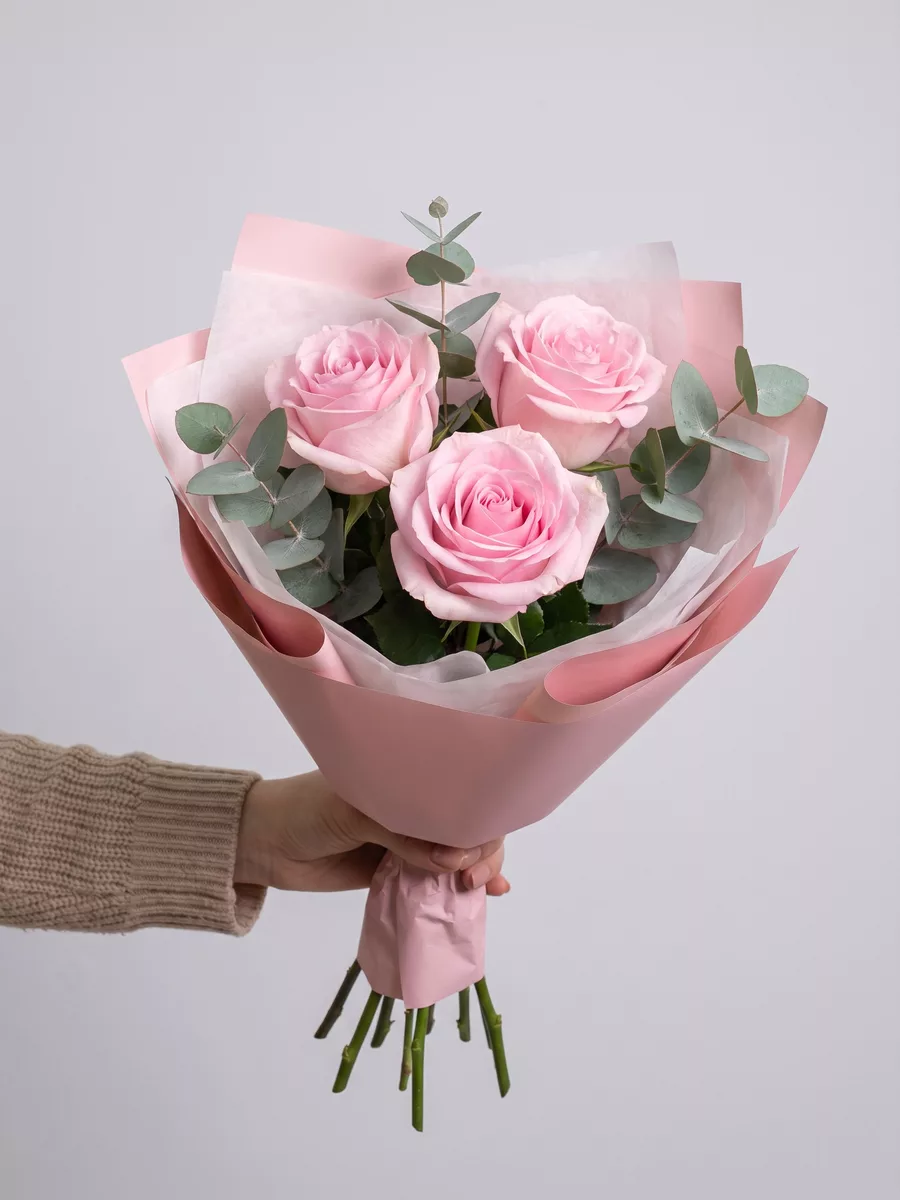
Bouquets we can deliver

Understanding the Time Zone Before You Place Your Order
Kuvandyk operates on Yekaterinburg Time, which is UTC plus five. This is a detail that catches many international senders off guard. If you are in Western Europe, you are four to five hours behind Kuvandyk. If you are in North America, the gap can be eight to twelve hours depending on your location. If you are in East Asia or Australia, you may actually be closer in time than you expect.
The practical consequence is simple: if you want flowers delivered on a specific day, you need to place your order while it is still daytime in Kuvandyk. Deliveries run during daylight and early evening hours. An order placed at midnight your time might land in our system at a perfectly reasonable morning hour in Kuvandyk — or it might arrive too late for same-day delivery if the local evening has already passed.
The safest approach is to place your order at least a few hours before noon Kuvandyk time. This gives the florists time to assemble the bouquet properly, not rush it. For birthday deliveries or anniversary surprises where timing matters emotionally, aim for a morning or early afternoon arrival at the recipient's address. Nothing deflates a surprise like flowers arriving after the celebration dinner is already over. Check the time zone conversion once, set a reminder, and the rest is straightforward.
Choosing Flowers for the Orenburg Climate and Season
The southern Urals have a continental climate with genuine extremes. Winters are cold and long, with temperatures regularly dropping below minus twenty Celsius. Summers are warm and dry, sometimes hot. This matters for flower selection because certain varieties travel and hold better in these conditions than others.
In winter months, roses are the most reliable choice. Varieties with dense, tightly packed petals — such as garden-style roses or spray roses — handle cold transit better than open, single-petalled blooms. Chrysanthemums are also excellent in cold weather; they are hardy, long-lasting, and available in a wide range of colours from white and cream through to deep burgundy. Alstroemeria is another strong winter option, with a vase life that can reach ten to fourteen days with proper care.
In summer, the heat creates the opposite challenge. Delicate flowers like sweet peas or open peonies can wilt quickly if they sit in a warm car or hallway. For warm-season deliveries, sunflowers are a wonderful choice — they are native to the steppe region and feel genuinely local. Gerberas in bright yellows and oranges also hold well in heat. Lisianthus, which resembles a ruffled rose, is another summer-friendly option that looks luxurious without being fragile. Whatever the season, ask for the bouquet to be wrapped with moisture-retaining paper at the base, which any experienced florist will include as standard.
What the Occasion Tells You About the Right Bouquet
Russian flower-giving has a few customs that are worth knowing if you are sending from outside the country. The most important one is the odd-number rule. Bouquets for celebrations — birthdays, anniversaries, graduations, promotions — are traditionally given in odd numbers of stems: three, five, seven, eleven, fifteen. Even numbers are associated with mourning in Russian culture, so a bouquet of ten roses can send an unintended message. When in doubt, go odd.
For a birthday, colour is a strong signal. Red roses communicate deep affection and are appropriate for a partner or spouse. Pink roses, ranunculus, or soft-toned peonies read as warm and celebratory without romantic intensity, making them ideal for mothers, sisters, or close friends. White flowers are elegant and work well for professional occasions or when you are unsure of the recipient's preferences — white spray roses combined with eucalyptus, for example, feel modern and considered.
For a new home or a housewarming, which is a significant occasion in Russian culture, potted plants are sometimes sent alongside cut flowers. A small succulent or a flowering kalanchoe alongside a bouquet of sunflowers and solidago creates a gift that lasts beyond the first week. For a thank-you gesture, mixed seasonal bouquets in warm tones — orange, yellow, coral — feel generous and unambiguous. The combination of gerberas, alstroemeria, and a few stems of waxflower is a reliable crowd-pleaser that travels well and looks full in the vase.
Budgeting From Abroad: What Affects the Cost
When you are ordering from another country, the total cost has a few components worth understanding. The flowers themselves vary in price by variety, season, and stem count. Roses are generally more expensive in February around Valentine's Day and in March around International Women's Day, which is one of the most important flower-giving occasions in Russia. If your delivery falls near March 8th, place your order well in advance — demand is extremely high and florists are assembling hundreds of bouquets simultaneously.
Delivery to Kuvandyk from our system is calculated based on distance and logistics. Because Kuvandyk is a smaller city, delivery is available but the logistics are specific to the Orenburg region. The price you see at checkout reflects the real cost of getting a fresh bouquet to that address, not an approximation.
Payment from abroad is handled through standard international card processing. Most major cards are accepted. If you encounter any issue with your card, a payment link can often be arranged through our customer support. The order confirmation will come in Russian, but our team can communicate in writing to help international senders confirm the details. Keep your order number — it is your reference point for tracking and any adjustments. One practical note: currency conversion happens at your bank's rate, so the final charge on your statement may differ slightly from the displayed total depending on your card provider.
What to Write in the Card — and Why It Matters
A bouquet without a card is a beautiful object. A bouquet with a card is a message. In Russia, the card accompanying flowers is read carefully, often more than once, and sometimes kept. If you are sending from abroad, the card is also proof that you thought specifically about this person on this day — it cannot be dismissed as an automated gesture.
You can write the card message in English, Russian, or a mix. If the recipient speaks English, a message in your own language has warmth and authenticity. If Russian is their primary language, even a short phrase in Russian — or a message you have had translated — will land more personally. Our florists can transcribe a message you provide in transliteration if needed.
Keep the message direct and specific. Mention the occasion, say something true about the person, and close with your name or a phrase they will recognise. Avoid generic lines like "with best wishes" in isolation — they read as placeholder text. Something like "I know this year has been hard and I wanted you to have something beautiful today" is memorable in a way that a formal salutation is not.
If you are unsure what to write, think about what you would say if you could hand the flowers over in person. That instinct is almost always the right one. The card does not need to be long — four to six sentences is plenty. What matters is that it sounds like you, not like a form.
Care Instructions to Pass Along to the Recipient
Once the bouquet arrives, what happens in the first two hours determines how long it will last. Fresh-cut flowers need water immediately. The recipient should trim the stems at a diagonal angle — about two centimetres from the bottom — using scissors or a sharp knife, then place them in a clean vase with fresh, cool water. Diagonal cuts increase the surface area that absorbs water, which directly extends vase life.
The vase should be rinsed with cold water before use, not just rinsed but actually cleaned, because bacteria from a previous bouquet will shorten the life of a new one significantly. Room temperature water is fine for most varieties. Roses and gerberas prefer slightly cooler water. Tulips, if included, prefer cold water and a tall vase that supports their stems.
Keep the bouquet away from direct sunlight, heating radiators, and fruit bowls. Ripening fruit releases ethylene gas, which accelerates wilting in flowers — this is a specific, real effect that most people do not know about. A cool room, ideally between sixteen and twenty Celsius, will maximise vase life. Change the water every two days and re-trim the stems at the same time.
With proper care, roses will last seven to ten days. Chrysanthemums and alstroemeria can reach twelve to fourteen days. Gerberas typically last five to seven days but look spectacular while they do. Passing these instructions along with your order message — perhaps in the card itself — turns your gift into something the recipient can genuinely enjoy for over a week.
Sending flowers to Kuvandyk from another country is a meaningful act precisely because of the distance it crosses. The recipient knows you thought about them specifically, found a way to reach them, and chose something perishable and beautiful rather than something convenient. With the right variety for the season, the correct stem count for the occasion, a card that sounds like you, and a delivery placed during Kuvandyk's daytime hours, the bouquet will arrive fresh and the moment will land the way you intended. Turboflora handles the logistics across Russia so that the distance between you and the person you care about feels, for at least a few days, a little smaller.
Frequently asked questions
Does the time zone difference between my country and Kuvandyk affect when I should place my order?
Yes, and it is the detail most international senders miss. Kuvandyk runs on UTC plus five, so if you are in Western Europe or North America, your local morning may already be afternoon or evening there. Place your order while Russian daytime hours are still open. Turboflora's checkout shows local Kuvandyk time to help you judge the window correctly.
Will the florist in Kuvandyk be able to source the varieties I choose, or should I expect substitutions?
Kuvandyk is a smaller city, so the range on any given day depends on what has arrived from regional suppliers. Roses, chrysanthemums and seasonal spray flowers are reliably available. More unusual varieties may require substitution. Choosing a bouquet described as seasonal or classic gives the local florist room to work with what is genuinely fresh rather than forcing an exact match that may not exist.
How important is the wrapping and presentation for a delivery in Kuvandyk specifically?
More important than in a large anonymous city. Kuvandyk is close-knit, and a bouquet arriving at someone's door is seen by neighbours, colleagues and family. The way the arrangement is wrapped signals the sender's care as clearly as the flowers themselves. Turboflora's florists prepare bouquets for door delivery, not courier-bag drop-offs, so presentation is treated as part of the order, not an afterthought.
Can I include a message in a language other than Russian, and will the recipient receive it as written?
You can write your message in any language and it will be passed to the recipient exactly as submitted, either printed or handwritten on a card. If you would like a Russian translation included alongside your original text, note that in the order comments. Many recipients in Kuvandyk read English at a basic level, but including both languages ensures nothing is lost.
What address details does Turboflora actually need to deliver within Kuvandyk?
You need the street name, building number, apartment or office number if applicable, and the recipient's full name and phone number. Kuvandyk uses standard Russian postal addressing. A mobile number for the recipient is particularly important in a smaller city, since local florists may call ahead to confirm someone is available rather than leaving a bouquet unattended outside a building entrance.
Ready to send flowers?
Pick the city, choose the bouquet, and a local florist takes it from there.
Choose a city →