Sending Flowers to Kuybyshev from Abroad? Here Is What to Actually Expect
You are somewhere outside Russia — maybe in Berlin, Dubai, or Toronto — and someone you care about is in Kuybyshev, a quiet city in Novosibirsk Oblast. You want flowers to arrive at their door looking genuinely fresh, not like they traveled as far as you did. The good news is that this is entirely possible with the right approach. The details below will save you from the most common mistakes international senders make and help you choose something the recipient will actually love.
Who Is Receiving These Flowers and What Will They Feel?
Before you think about roses versus tulips, think about the person standing at the door when the courier rings. Is she a grandmother celebrating her seventy-fifth birthday who has never received flowers from abroad before? Is he a colleague you want to thank for handling something difficult while you were away? Is it a young woman whose anniversary you almost forgot across three time zones?
The occasion shapes everything: the palette, the size, the wrapping, and even the card message. A birthday calls for warmth and a little drama — sunflowers, garden roses, or bold gerberas in saturated yellows and corals. A thank-you moment asks for something more refined and understated, like white spray roses or a mixed bouquet with greenery that reads as thoughtful rather than showy.
In Russian culture, odd numbers of flowers in a bouquet are traditional for celebratory occasions. Even numbers are associated with mourning, so a bouquet of twelve roses can feel jarring to a Russian recipient even if it looks elegant to you. This is one of those details that a florist who knows the context will handle automatically, but it is worth knowing if you are composing the order yourself.
Also consider that Kuybyshev has a continental climate with cold winters. If your recipient lives in a house rather than an apartment building, the courier hands flowers directly into cold air. Choosing hardy varieties like chrysanthemums or alstroemerias for winter deliveries is a quiet act of care that makes the bouquet last longer after it arrives.
Bouquets we can deliver

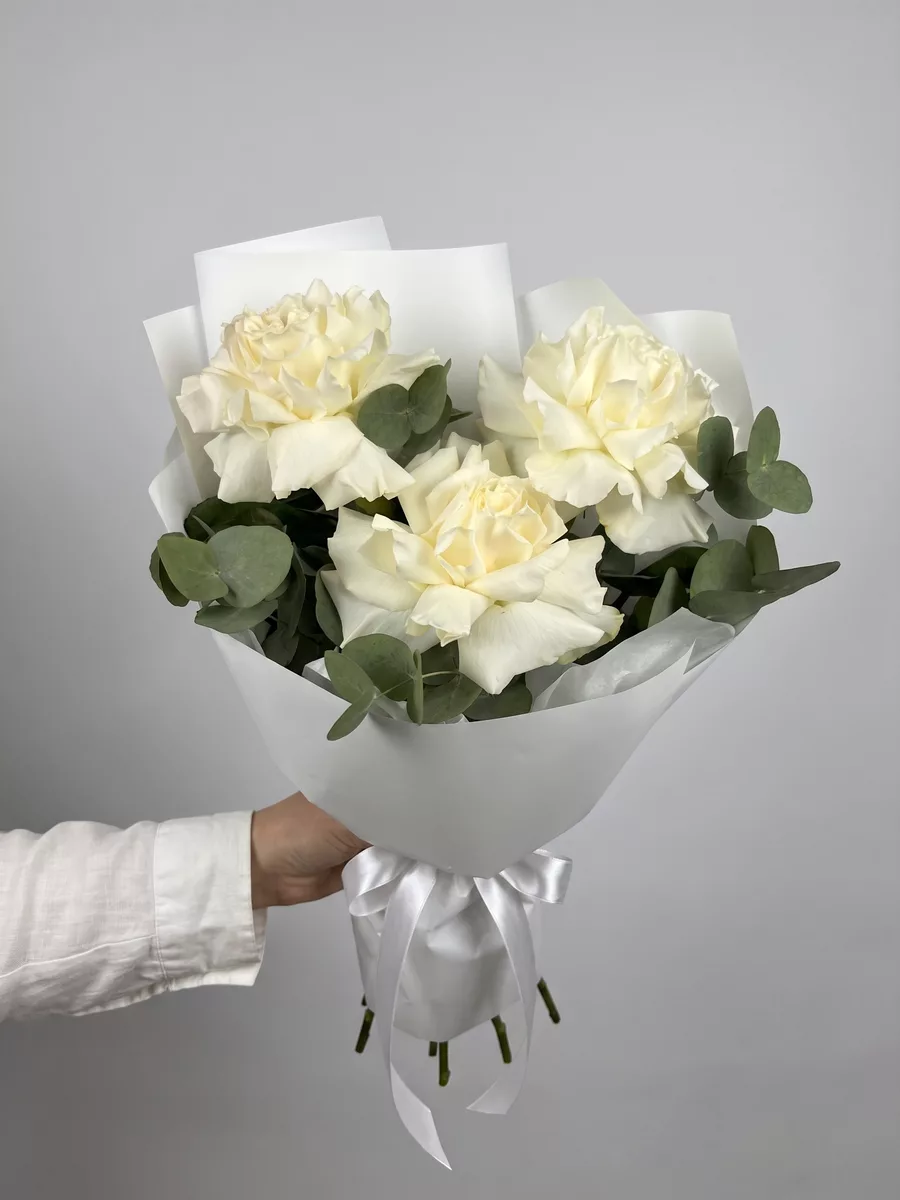
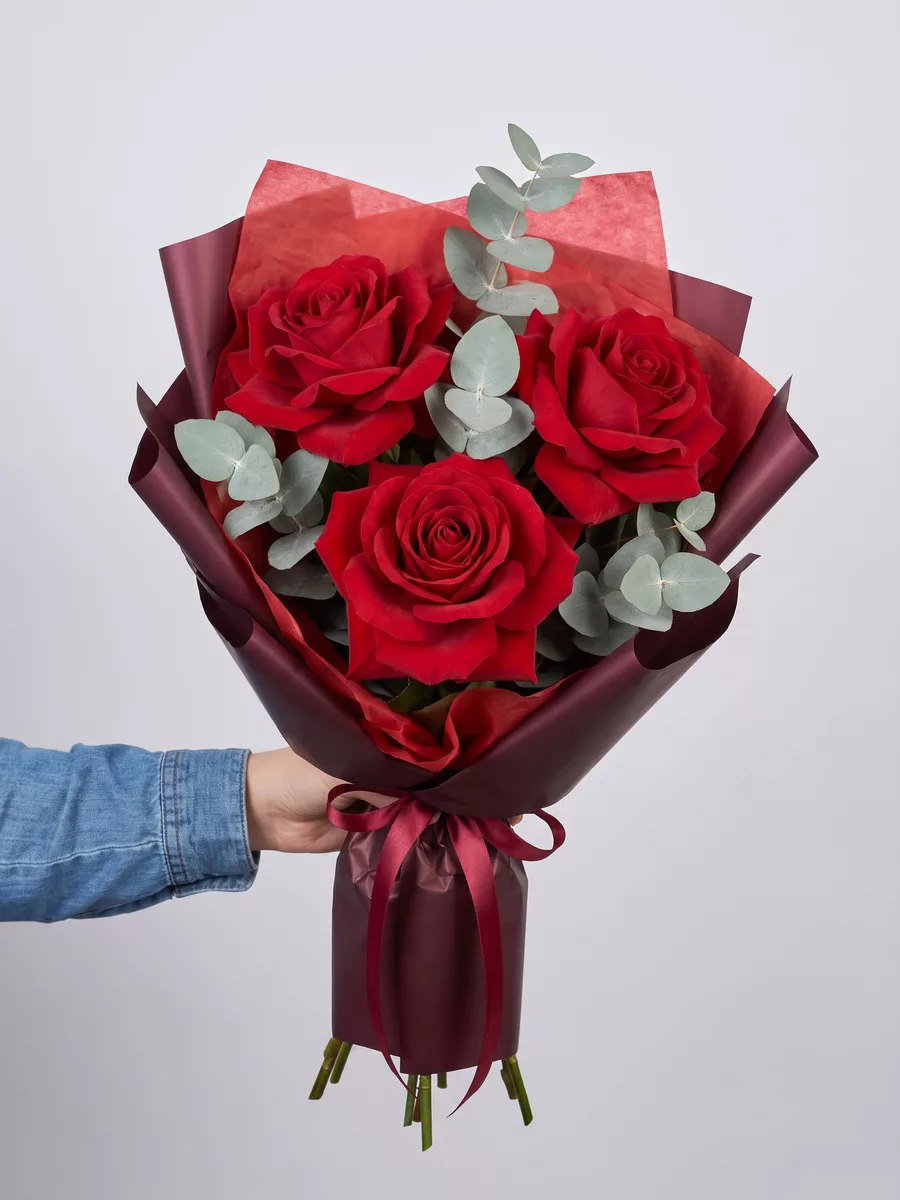
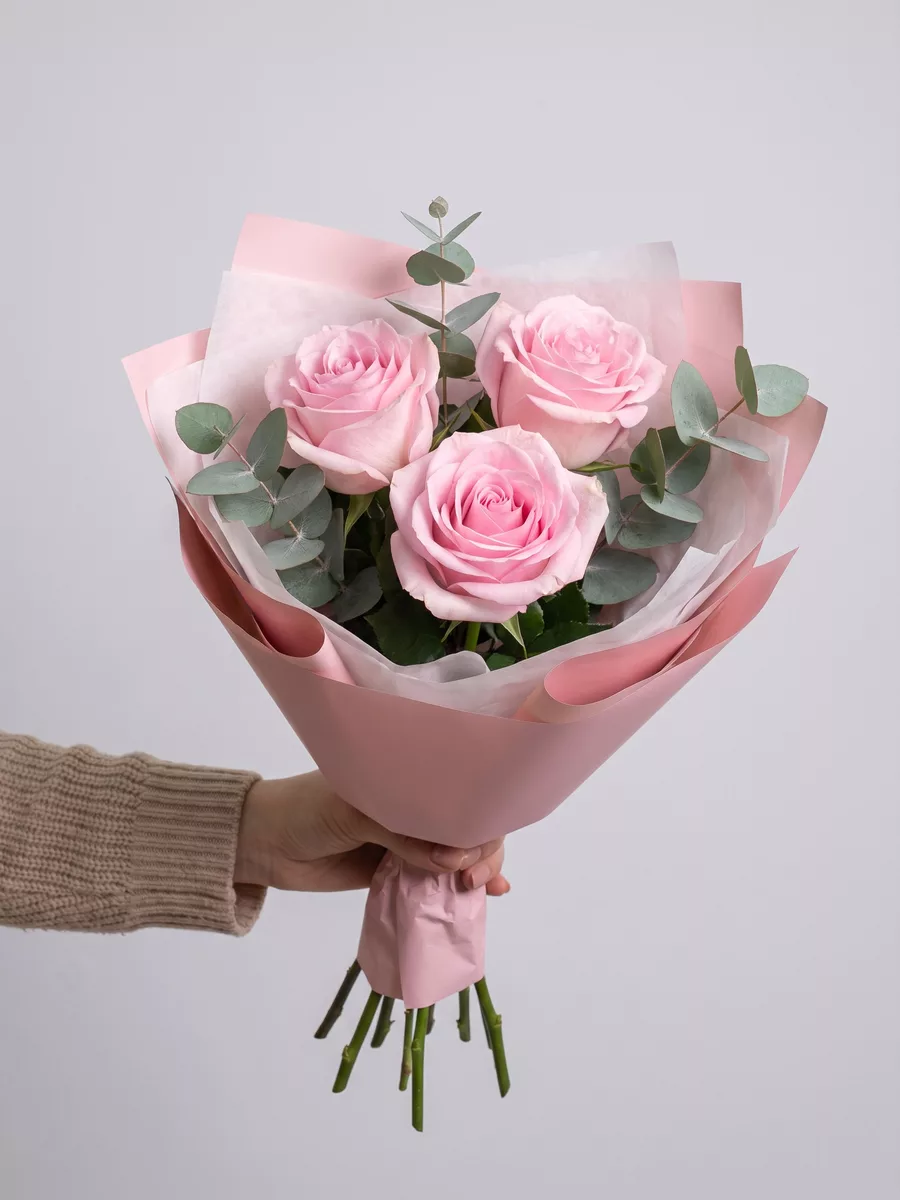
How the Ordering Process Works Across Time Zones
The most practical challenge for an international sender is time. Kuybyshev operates on Omsk Time, which is UTC+6. If you are in Western Europe, that is four or five hours ahead of you. If you are on the US East Coast, it is nine hours ahead. This matters enormously when you want flowers delivered by noon for a birthday lunch.
The simplest rule: place your order the evening before your local time, and the morning delivery in Kuybyshev will be covered comfortably. Trying to order at the last minute from a distant time zone is where things go wrong — not because the florist cannot move quickly, but because you may be placing the order at 11 pm Kuybyshev time without realizing it.
Payment from abroad is straightforward. International bank cards, including Visa and Mastercard issued outside Russia, work on the Turboflora website. Some cards issued in countries with restrictions on Russian transactions may decline; in that case, PayPal or a wire transfer arranged through customer support are reliable alternatives. It helps to have a backup payment method ready before you start building the order.
The delivery address needs to be complete and in a format the courier can use. Russian addresses go from largest to smallest: city, street, building number, apartment number. If you are unsure of the exact format, write what you know in the order notes and the team will clarify. A phone number for the recipient is essential — couriers call ahead in Russia as standard practice, and without a working number the delivery can be delayed.
Choosing Flowers for Kuybyshev's Climate and Seasons
Kuybyshev sits in the West Siberian Plain. Winters are long and genuinely cold, with temperatures regularly dropping below minus twenty Celsius from December through February. Summers are warm and short. This seasonal reality affects which flowers travel well and which ones suffer.
In winter, choose varieties with robust cell structure. Chrysanthemums — both the large disbud type and the smaller spray varieties — handle cold transport exceptionally well and last ten to fourteen days in a vase. Alstroemerias are another strong winter choice; they look delicate but are surprisingly resilient and hold their blooms for a week or more. Roses travel fine in winter as long as they are properly wrapped, but avoid open garden roses in severe cold because their petals bruise easily.
Spring brings tulips, and in Russia tulips carry strong cultural weight around International Women's Day on March eighth. If you are sending flowers around that date, expect high demand and order several days in advance. Dutch tulips in white, soft pink, or yellow are always well received and feel genuinely seasonal.
Summer and early autumn are the most forgiving seasons for flower delivery. Peonies, lisianthus, and mixed garden-style bouquets with eucalyptus or ruscus greenery all thrive. Sunflowers are a summer favourite that photograph beautifully and make a recipient feel genuinely celebrated.
Avoiding flowers with very short vase lives — like delphiniums in peak heat — is sensible when you cannot personally check on the bouquet after delivery. Stick to varieties known to last, and the recipient will enjoy them for days rather than hours.
Bouquet Options Across Different Budgets
You do not need to spend a great deal to send something meaningful. A single-variety bouquet of fifteen tulips or eleven spray roses, wrapped simply with kraft paper and a ribbon, reads as considered and personal rather than budget. The restraint of a single variety often communicates more intention than a mixed arrangement thrown together without a clear idea.
At a mid-range level, a mixed bouquet combining two or three complementary varieties creates more visual depth. A popular combination is garden roses paired with lisianthus and eucalyptus — the roses give structure, the lisianthus adds a ruffled softness, and the eucalyptus brings fragrance and a muted green that makes the whole thing feel fresh. This kind of arrangement photographs well, which matters because the recipient will almost certainly send you a photo.
For a genuinely special occasion — a significant birthday, an anniversary, a major achievement — a large format bouquet with premium roses such as David Austin varieties, combined with seasonal accent flowers and substantial greenery, makes an unmistakable statement. These arrangements are designed to fill a room visually and carry a scent that the recipient notices when they walk in.
A box arrangement is worth considering if the recipient lives alone or is elderly and may find a large bouquet awkward to manage. Flowers arranged in a hat box or a low vase box arrive ready to display without any fussing with vases or cutting stems. They also travel more securely in a courier bag, which is a small but real advantage in winter conditions.
Whatever your budget, adding a handwritten card printed from your message is free and makes the moment personal in a way that the flowers alone cannot.
Writing a Card Message That Lands Well in Russian Culture
You can write your card message in English, Russian, or any language you choose — the card will be printed exactly as you write it. But if you want the message to feel warm rather than formal to a Russian recipient, a few cultural notes are worth keeping in mind.
Russians tend to appreciate directness in celebratory messages. Saying exactly why you are sending flowers — because you are proud of her, because you miss him, because this birthday matters to you — is more moving than a general wish for happiness. Specific personal references land better than elegant but generic phrases.
If you are writing in Russian and are not a native speaker, keep the grammar simple. A short sincere sentence with one small error is far warmer than a flawlessly translated corporate phrase. Recipients understand and appreciate the effort.
For formal occasions, such as congratulating a colleague on a professional milestone, a slightly more structured tone is appropriate. Something that acknowledges the achievement specifically, rather than just offering congratulations, shows that you paid attention.
Avoid superlatives that can read as hollow in translation — phrases like the best person in the world or endless happiness can feel thin when read in Russian. Concrete, warm, and brief is the winning combination. Three to five sentences is usually the right length for a card; anything longer risks feeling like a letter rather than a note that belongs with flowers.
If you genuinely are not sure what to write, the order form includes a prompt asking about the occasion, and the team can suggest phrasing that fits the moment.
What Happens After Delivery: Vase Life and Care
You will not be there to help the recipient set up the bouquet, so including care instructions in the card or in a note to the florist to include a care card is a thoughtful move. Most people in Russia know to put flowers in water, but the details that extend vase life by several days are less widely known.
The single most important step is cutting the stems at an angle under running water before placing them in a vase. This prevents an air bubble from blocking water uptake at the cut end. A diagonal cut increases the surface area for absorption. The recipient should do this even if the flowers look fine as delivered.
Water temperature matters more than most people expect. Lukewarm water is absorbed faster than cold water by most cut flowers. The exception is tulips, which prefer cool water and a cool room — tulips placed in a warm apartment near a radiator will open and droop within two days rather than lasting five or six.
Stripping any leaves that would sit below the waterline prevents bacterial growth, which is the main reason flowers fade early. Changing the water every two days and rinsing the vase each time extends the life of almost any arrangement significantly.
Roses and lisianthus typically last seven to ten days with proper care. Chrysanthemums can last two weeks. Alstroemerias often go ten to twelve days. Tulips are shorter — five to seven days — but their dramatic opening as they age is part of their appeal. Letting the recipient know what to expect helps them enjoy the bouquet at every stage rather than worrying when it changes.
Common Mistakes International Senders Make and How to Avoid Them
The most frequent mistake is underestimating the time zone difference and placing an order too late. If you want a noon delivery in Kuybyshev and you are in London, you need to have the order confirmed by seven in the morning your time at the latest. Building in an extra hour of buffer is always worth it.
The second common mistake is providing an incomplete delivery address. Russia uses a specific address format, and apartment buildings have both a building number and often a corpus or section number. If the recipient lives in an apartment, you need the apartment number. Without it, the courier can call ahead, but if the recipient does not answer an unknown number — which is increasingly common — the delivery gets complicated.
Choosing flowers based purely on appearance in photos without considering the season is another issue. Peonies photographed in a summer catalogue look beautiful in December, but they are not in season and will not be at their best. Asking the florist what is at peak quality on the delivery date gets you a better result than choosing from a static image.
Forgetting to account for Russian public holidays is a mistake that catches international senders off guard. Around March eighth and other major holidays, demand is extremely high. Ordering three to four days in advance for holiday deliveries is strongly recommended.
Finally, some senders skip the recipient's phone number because they want the delivery to be a surprise. This is understandable, but it creates real risk. A workable compromise is to provide the number and ask the florist to call only if the door goes unanswered, not to announce the delivery in advance. Most couriers will accommodate this request.
Sending flowers from abroad to someone in Kuybyshev is a gesture that carries more weight precisely because of the distance. The recipient knows you thought about them across time zones, looked up their address, navigated an unfamiliar ordering process, and chose something specifically for them. Getting the practical details right — the timing, the varieties for the season, the complete address, the card message — is what turns that gesture from a nice idea into a memory they will actually keep. Turboflora handles the delivery side with care; your job is simply to know your person and the occasion well enough to choose what they will love.
Frequently asked questions
Can I send flowers to Kuybyshev if I do not speak Russian?
Yes, entirely. The Turboflora website is available in English, and customer support can communicate in English as well. You can write your card message in any language you choose. The only thing to confirm is that you have the recipient's address in the correct Russian format, which the team can help you verify if you are unsure.
How far in advance should I order for a birthday delivery in Kuybyshev?
For a standard weekday delivery, ordering the evening before your local time is usually sufficient given the time zone difference. For deliveries around major Russian holidays like March eighth or New Year, place your order three to four days ahead. Last-minute orders are sometimes possible, but the safest approach is to build in extra time when the occasion genuinely matters.
What if the recipient is not home when the courier arrives?
The courier will call the recipient's phone number before arriving, which is standard practice in Russia. If there is no answer, the courier will attempt contact again and coordinate a new delivery window. This is why providing a working phone number for the recipient is so important — it is the single most effective way to ensure a smooth first-attempt delivery.
Are there flowers I should avoid sending in winter to Kuybyshev?
Delicate open-petaled flowers like garden roses in full bloom or delphiniums are more vulnerable to severe cold during the final walk from courier bag to door. For deep winter months, chrysanthemums, alstroemerias, and closed-bud roses are more reliable choices. If you have a specific flower in mind, ask the florist whether it is a strong option for the current season and temperature.
Can I include a gift with the flowers, such as chocolates or a toy?
Yes, Turboflora offers add-ons including chocolates and soft toys that can be included with the bouquet in the same delivery. These work particularly well for birthdays and celebrations where you want to send something a little more than flowers alone. Simply select the add-on during checkout, and it will be presented together with the bouquet when the courier arrives.
Ready to send flowers?
Pick the city, choose the bouquet, and a local florist takes it from there.
Choose a city →