Sending Flowers to Langepas from Abroad? Here Is Everything That Matters
Langepas sits deep in the Khanty-Mansiysk Autonomous Okrug, a western Siberian oil town where winters are long, temperatures drop well below minus thirty Celsius, and a bouquet arriving at someone's door carries real weight precisely because fresh flowers are not something you simply pick up on the way home. If you are placing an order from London, Dubai, Berlin or anywhere else outside Russia, the distance between you and the recipient does not have to show in the flowers. What it does require is a little knowledge about timing, seasonal realities, and what actually moves people in this part of the world.
Why Langepas Is Different from Sending Flowers to a Major City
Most people imagine flower delivery across Russia as a straightforward extension of what they know from ordering in a European capital. Langepas changes that picture immediately. The city has a population of around forty thousand and sits roughly two thousand kilometres northeast of Moscow, in a region where the climate dominates every practical decision. Winters run from October through April, with average temperatures between minus eighteen and minus thirty Celsius during the coldest months. That alone shapes which flowers survive transit and which arrive looking defeated.
The town itself has a strong community character. People know each other, occasions are celebrated sincerely, and a bouquet delivered to a colleague or a family member is noticed and remembered. This means presentation matters as much as the flowers themselves. A loosely assembled bunch that might pass unnoticed in a busy city feels out of place here, where the gesture carries more personal meaning.
For a sender abroad, the key shift in thinking is this: you are not just choosing flowers, you are choosing flowers that will travel to a specific microclimate and land in a specific social context. Turboflora handles the logistics from Saint Petersburg with refrigerated transport and timed delivery windows, but your choices at the ordering stage — variety, packaging, timing — directly affect what the recipient actually unwraps. Understanding the local reality helps you make those choices well.
Bouquets we can deliver

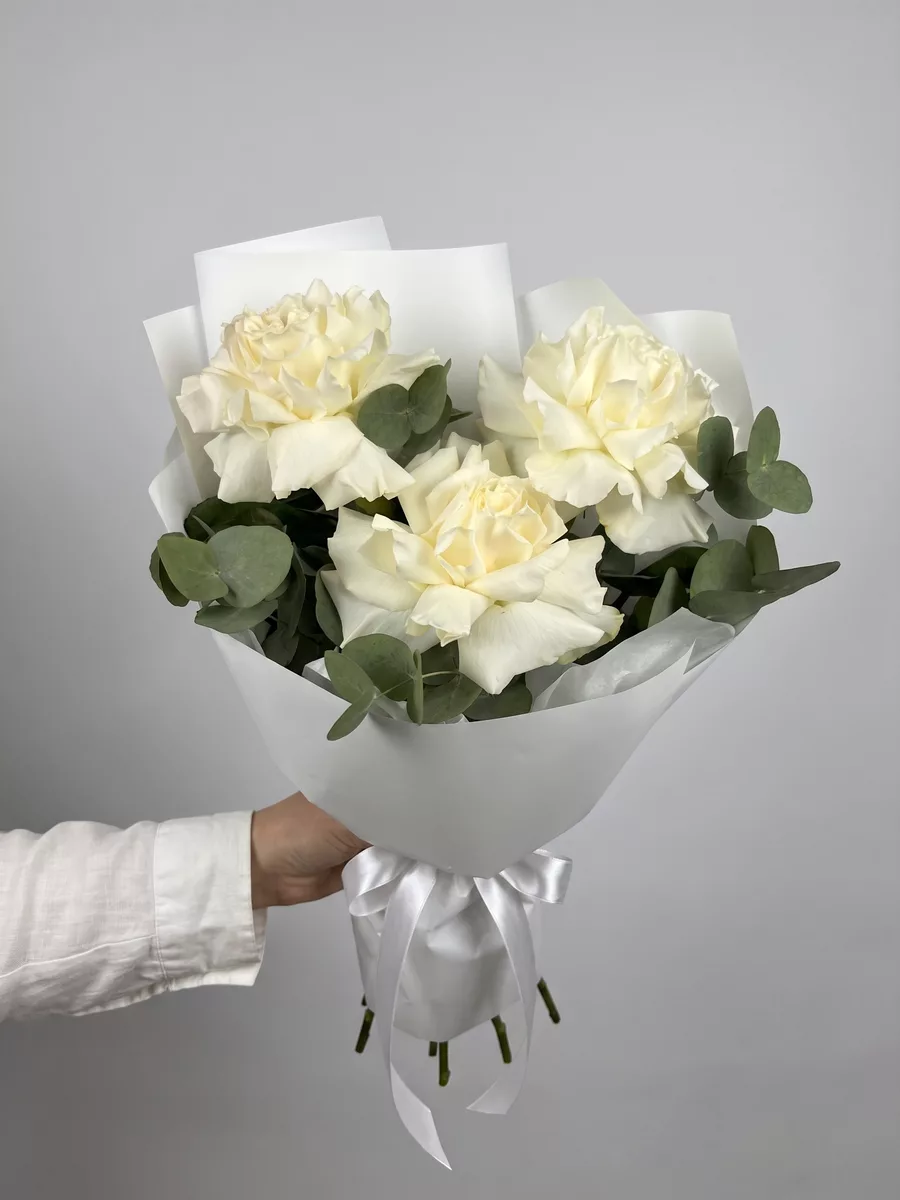
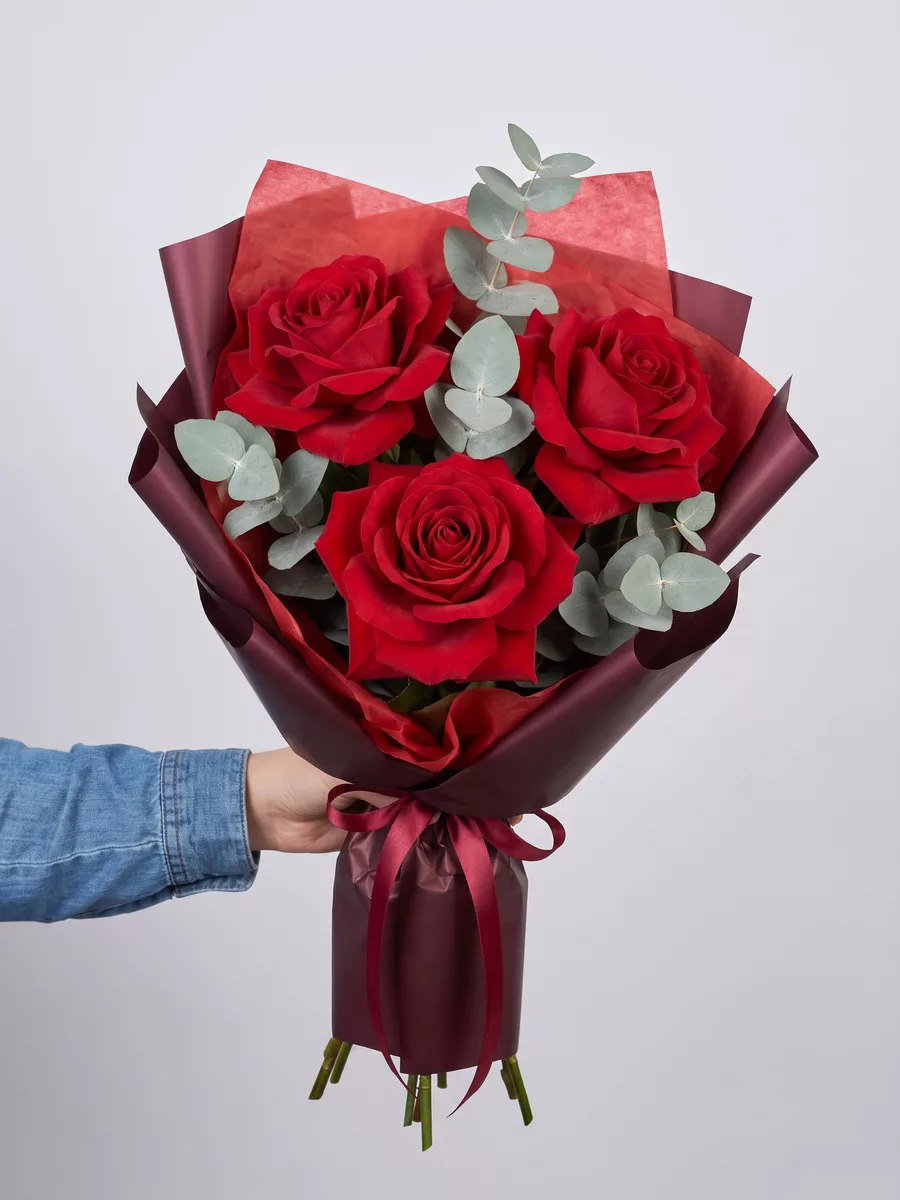
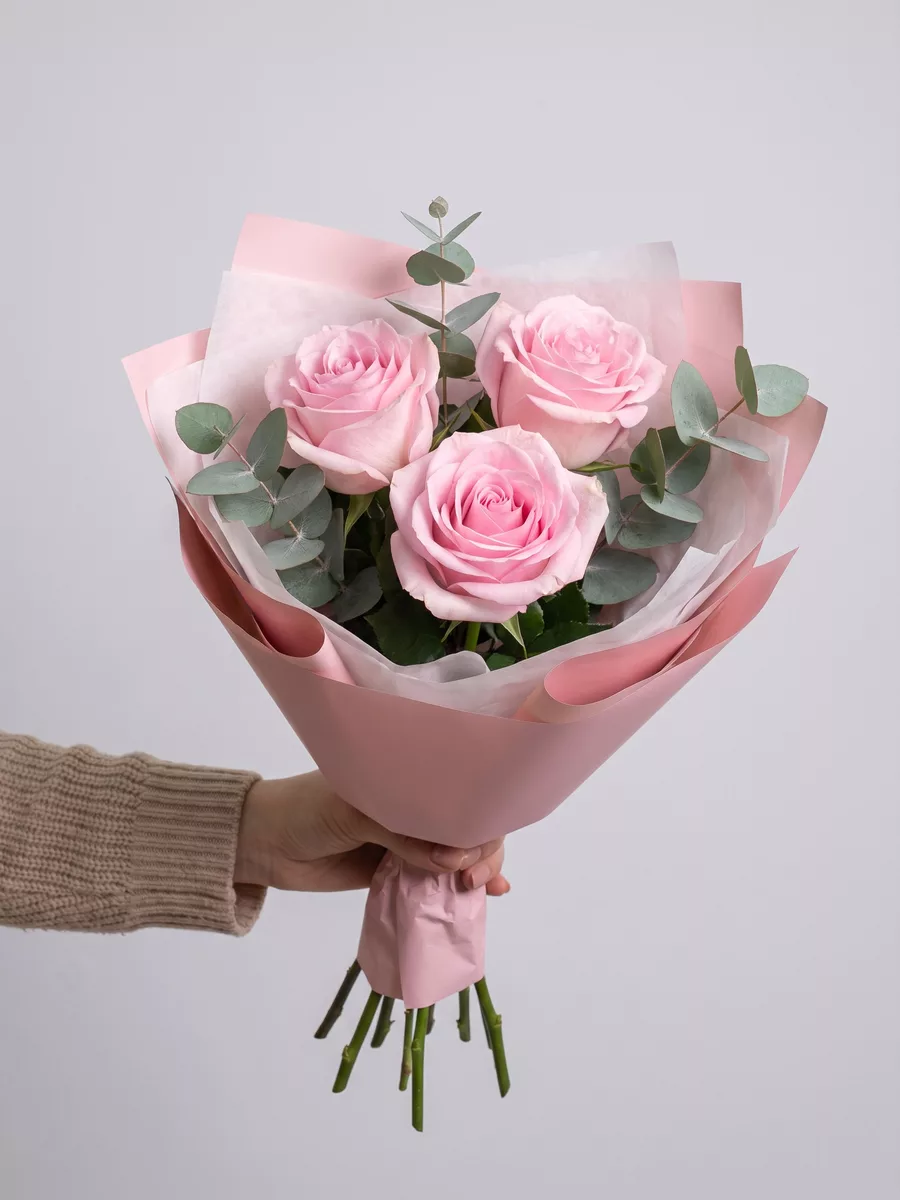
Choosing the Right Occasion Framing Before You Pick a Single Stem
Russian gifting culture places enormous importance on the occasion itself, and Langepas is no exception. Before you think about roses versus tulips, think about what the moment means to the person receiving the flowers. A birthday in Russia is typically celebrated on the day itself, not the weekend before or after, so timing your delivery to land on the actual date matters more than it might in other cultures. Arriving even one day early can feel premature; arriving late is genuinely awkward.
For professional milestones — a promotion, a work anniversary, a project completion — flowers in Russia are a completely appropriate gift, even between colleagues who are not close friends. In Langepas, where many residents work in the oil and gas sector and professional pride runs high, a well-chosen arrangement acknowledges achievement in a way that feels both formal and warm. Stick to composed, structured bouquets rather than wild or loosely gathered styles for these moments.
Romantic gestures follow their own logic. An odd number of stems is the firm Russian convention for gifts to the living — always odd, never even. Even numbers are associated with mourning, and giving twelve roses instead of eleven will genuinely unsettle many recipients, especially older ones. This is not superstition you can politely ignore; it is a cultural fact that your florist should already be accounting for. If you are unsure whether your order respects this, ask at the point of purchase. Getting this right costs nothing and means everything to the person who opens the door.
What Varieties Actually Survive the Journey to Western Siberia
Not every flower that looks beautiful in a Saint Petersburg studio will arrive in the same condition in Langepas after travelling through a Siberian winter. The good news is that several of the most beloved varieties are also among the most cold-tolerant and long-lasting, which makes choosing for this destination easier than you might expect.
Spray roses and standard roses are reliable year-round. Their petals are dense enough to withstand temperature fluctuations during the final delivery stage, and their vase life of seven to ten days gives the recipient a long period of enjoyment after the initial excitement of receiving them. Alstroemeria is another strong choice — it travels exceptionally well, holds its colour and continues to open after delivery, which creates a lovely extended experience for the recipient. Chrysanthemums, both pompom and spider varieties, are genuinely cold-hardy and culturally very popular across Russia for non-mourning occasions such as birthdays and congratulations.
Delicate varieties require more caution. Garden roses with very open blooms, ranunculus, and anemones are beautiful but sensitive to cold shock — a rapid temperature change from a warm vehicle to a minus-twenty exterior and back again can cause petal bruising within minutes. If you are ordering in January or February, it is wiser to choose varieties with tighter, more protected bloom structures. Tulips are beloved in Russia and arrive well when sourced fresh, but they continue to grow after cutting and can become floppy in warm interiors within two to three days. Pair them with structured greens like ruscus or eucalyptus to give the arrangement better posture and longevity.
Timing Your Order When You Are in a Different Time Zone
Langepas operates on Yekaterinburg Time, which is UTC plus five. If you are ordering from Western Europe, you are already two to three hours behind. From the East Coast of the United States, the gap is eight hours. From the Gulf states, you are roughly two hours behind. These differences matter enormously when you want flowers to arrive at a specific time — say, before the recipient leaves for work in the morning or in time for a dinner celebration.
The safest approach is to place your order at least twenty-four hours in advance, and ideally forty-eight hours if you are working across a significant time difference. This gives the fulfillment team time to source the freshest stems available, compose the arrangement, and schedule the delivery window precisely. Same-day orders are possible, but they carry more risk when coordinated from abroad, simply because any back-and-forth communication about the address, the recipient's availability, or special requests takes longer when you are not in the same waking hours.
Address accuracy is critical and often underestimated by senders from outside Russia. Russian addresses follow a specific format: city, street, building number, apartment or office number. In Langepas, many residential buildings share a street number but have multiple entrances, noted as podyezd in Russian. If you know the entrance number, include it. If you are unsure, ask the recipient indirectly — frame it as confirming they will be home rather than revealing the surprise. A delivery that cannot reach the door because of an incomplete address is the most preventable mistake in international flower sending.
Budget Ranges and What They Actually Look Like in the Bouquet
When ordering from abroad, currency conversion can make it genuinely difficult to judge whether a particular price point will produce something impressive or something that feels thin. Here is a practical way to think about it in terms of what the recipient will actually see and feel.
An entry-level arrangement — something honest and cheerful rather than lavish — typically contains five to seven stems of a single variety, perhaps spray roses or alstroemeria, with minimal greenery and simple wrapping. This is appropriate for a friendly gesture, a thank-you, or a light birthday acknowledgment. It reads as thoughtful without being extravagant, which suits casual relationships.
A mid-range bouquet moves into mixed compositions: eleven stems combining two or three varieties, with intentional greenery choices like eucalyptus or pistacia, and premium wrapping such as kraft paper with ribbon or a fabric sleeve. This is the most versatile price point for most occasions — romantic enough for a partner, professional enough for a colleague, celebratory enough for a significant birthday. The recipient will photograph this and share it, which matters in a town where social gestures are visible.
A premium arrangement — nineteen or more stems, featuring focal flowers like garden roses or peonies when in season, with layered greenery and a composed, florist-styled presentation — makes a statement that transcends the occasion. In Langepas, where fresh premium flowers are genuinely rare, this level of gift is remembered for a long time. If the relationship warrants it, do not hesitate. The impact is disproportionate to the cost precisely because the recipient knows what it took to get those flowers there.
Care Instructions to Pass On to the Recipient in Langepas
Because you will not be there to unwrap the bouquet yourself, it helps to send the recipient a short message with care instructions. This is not overstepping — it is a practical kindness that extends the life of your gift by several days and is genuinely appreciated.
The first thing the recipient should do is cut the stems at a diagonal, about two centimetres from the base, ideally under running water or submerged in a basin. This prevents an air bubble from forming at the cut end, which would block water uptake. Stems should be cut with a sharp knife rather than scissors, which can crush the vascular tissue. This sounds technical but takes about thirty seconds and makes a real difference.
Water temperature matters more than most people realise. Lukewarm water — not cold, not hot — encourages stems to drink immediately after cutting. Cold water slows uptake, which is counterproductive in a dry, centrally heated Siberian apartment where the air itself is already pulling moisture from the petals. Langepas interiors in winter are very warm and very dry due to district heating systems, so the vase should be refilled every day and the water changed every two days.
Keep the bouquet away from direct heat sources — radiators, underfloor heating vents, and sunny windowsills will shorten vase life significantly. A cool corner of the room, away from fruit bowls (which emit ethylene gas and accelerate wilting), is ideal. With this care, roses and alstroemeria should last seven to ten days, chrysanthemums up to two weeks, and tulips four to six days.
Small Details That Make the Delivery Feel Personal from Thousands of Kilometres Away
The physical distance between you and the recipient in Langepas is real, but the experience of receiving flowers does not have to feel impersonal. Several small choices at the ordering stage transform a delivery into something that feels considered and close.
A handwritten card message — or one that reads as handwritten, composed thoughtfully rather than dashed off — matters enormously in Russian culture. The message does not need to be long. Three sentences that are genuine and specific to the person will land better than a paragraph of generic warmth. If you are writing in English and the recipient reads Russian, consider writing in both languages, or asking for a translation note to be included. Turboflora can accommodate card messages in both languages.
Packaging colour carries meaning in Russian culture, though less rigidly than stem count. White and pastel wrapping reads as elegant and romantic. Bright, saturated colours — deep burgundy paper, forest green ribbon — suggest celebration and confidence. Black packaging, while fashionable in some markets, is best avoided for gifting in Russia as it carries associations that can dampen the mood of an otherwise joyful gesture.
If the recipient lives alone or works long hours in the oil sector, consider scheduling delivery for the evening rather than midday. A bouquet waiting outside an apartment door in minus-twenty weather will not survive long. Confirming that someone will be home — without spoiling the surprise — is worth a casual message the day before. These small acts of coordination are what separate a flower delivery that becomes a story the recipient tells for weeks from one that simply happened.
Sending flowers to Langepas from abroad is genuinely achievable and genuinely meaningful. The distance, the climate, and the cultural specifics are all navigable when you know what to account for — and the impact of fresh flowers arriving in a western Siberian city, delivered with care and intention, is larger than almost anywhere else you could send them. The recipient knows what it took. That knowledge is part of the gift.
Frequently asked questions
Can I order flowers to Langepas from outside Russia without a Russian phone number or bank card?
Yes. Turboflora accepts international payment methods and the order form works in English. You will need the recipient's full address in Langepas, including building number and apartment, and a local contact number for the recipient so the courier can reach them on arrival. Your own contact details can be from any country.
How far in advance should I place my order to guarantee a specific delivery time in Langepas?
Forty-eight hours in advance is the comfortable window when ordering from abroad, especially if there is a significant time zone difference. This allows time to source fresh stems, compose the arrangement, and schedule the delivery slot precisely. Same-day delivery to Langepas may be possible but carries more risk when communication is happening across multiple time zones.
Are there flowers I should definitely avoid sending to Langepas in winter?
Very open, delicate blooms — fully open garden roses, ranunculus, and anemones — are vulnerable to cold shock during the final outdoor delivery stage in deep winter. Tighter, more structured varieties like spray roses, alstroemeria, and chrysanthemums handle Siberian conditions significantly better and will arrive in far better condition between November and March.
Is it true that I must send an odd number of flowers when gifting in Russia?
Yes, this is a firm cultural convention across Russia, including Langepas. An odd number of stems — one, three, five, seven, eleven, and so on — is correct for any gift to a living person. Even numbers are associated with mourning and will genuinely unsettle many recipients, particularly older generations. Always confirm your bouquet count before completing the order.
Can I include a card message in English, or should it be in Russian?
You can write your card message in English, and Turboflora can include it as written. If your recipient reads Russian more comfortably, consider writing a short message in both languages or asking the team to add a translated version. A bilingual card often feels especially personal and thoughtful when the sender is abroad.
Ready to send flowers?
Pick the city, choose the bouquet, and a local florist takes it from there.
Choose a city →