Sending Flowers to Lensk from Abroad: A Florist's Honest Advice
Lensk sits deep in Yakutia, one of the coldest inhabited regions on the planet, and when you are placing a flower order from London, Berlin, or Dubai, that distance can feel enormous. The good news is that fresh flowers reach Lensk regularly, and a bouquet arriving there carries real emotional weight precisely because it traveled so far. This guide walks you through everything a sender outside Russia needs to understand — from choosing the right varieties for the climate to writing a card message that lands the way you intend.
Why Lensk Is Different from Sending Flowers to Moscow
Most international senders picture Russia as one delivery zone, but Lensk is roughly 4,500 kilometres east of Moscow, sitting in the Republic of Sakha. Winters here regularly reach minus forty degrees Celsius, and even late spring can surprise with sharp overnight frosts. That temperature reality shapes every decision a florist makes when preparing an order for this city.
The recipient in Lensk will almost certainly understand that you made an extra effort. Flower culture in smaller Siberian cities is warm and genuine — a bouquet is not a casual gesture, it is a statement. People keep flowers carefully, often placing them away from cold windowsills and draughty hallways, because they know how precious fresh blooms are in this part of the world.
For the sender abroad, the main practical difference is lead time. You are not just crossing a city; logistics into Yakutia require planning. Placing your order at least 24 to 36 hours before the desired delivery moment gives the team time to source the freshest stems and coordinate the final leg into Lensk properly. Last-minute same-day requests from overseas are the single most common reason a delivery disappoints — not the distance itself, but the compressed timeline that follows an impulsive late-night order.
Bouquets we can deliver

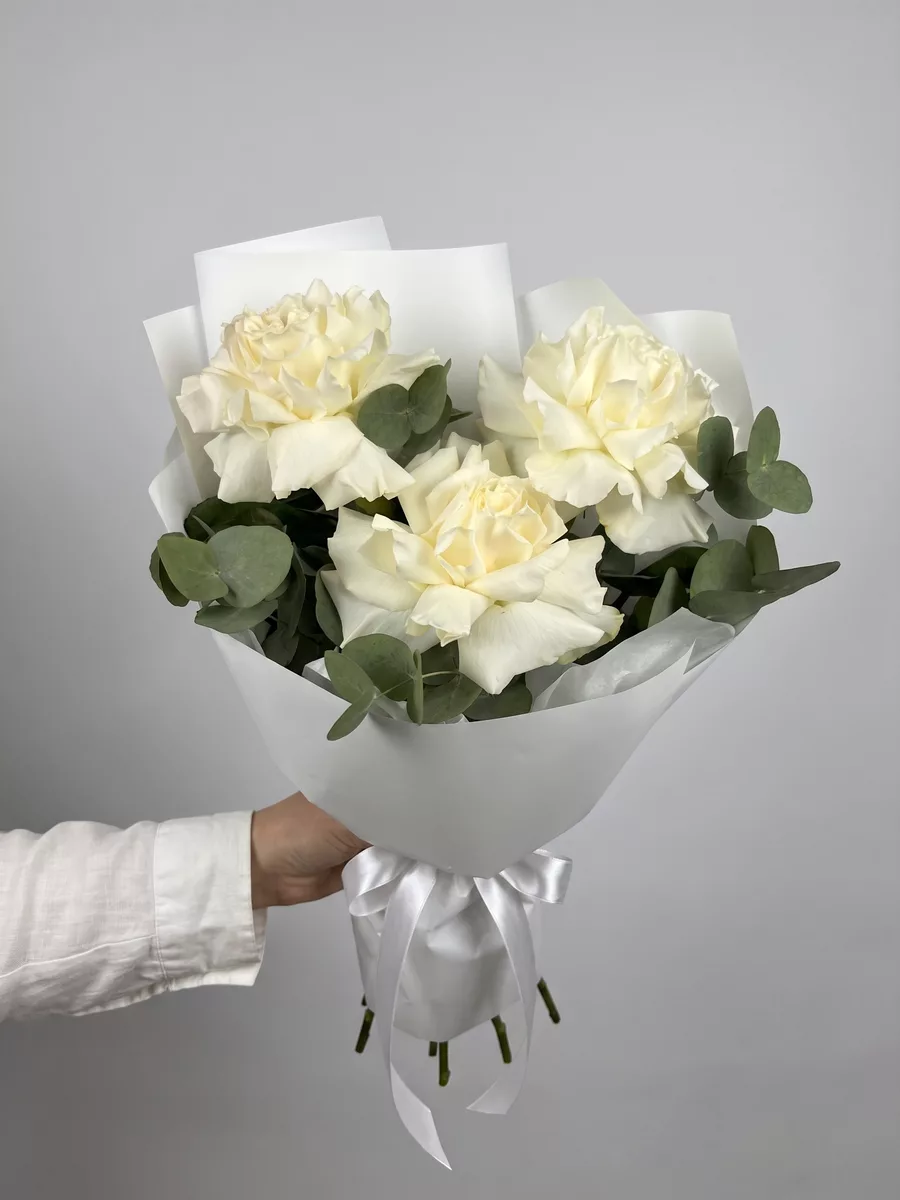
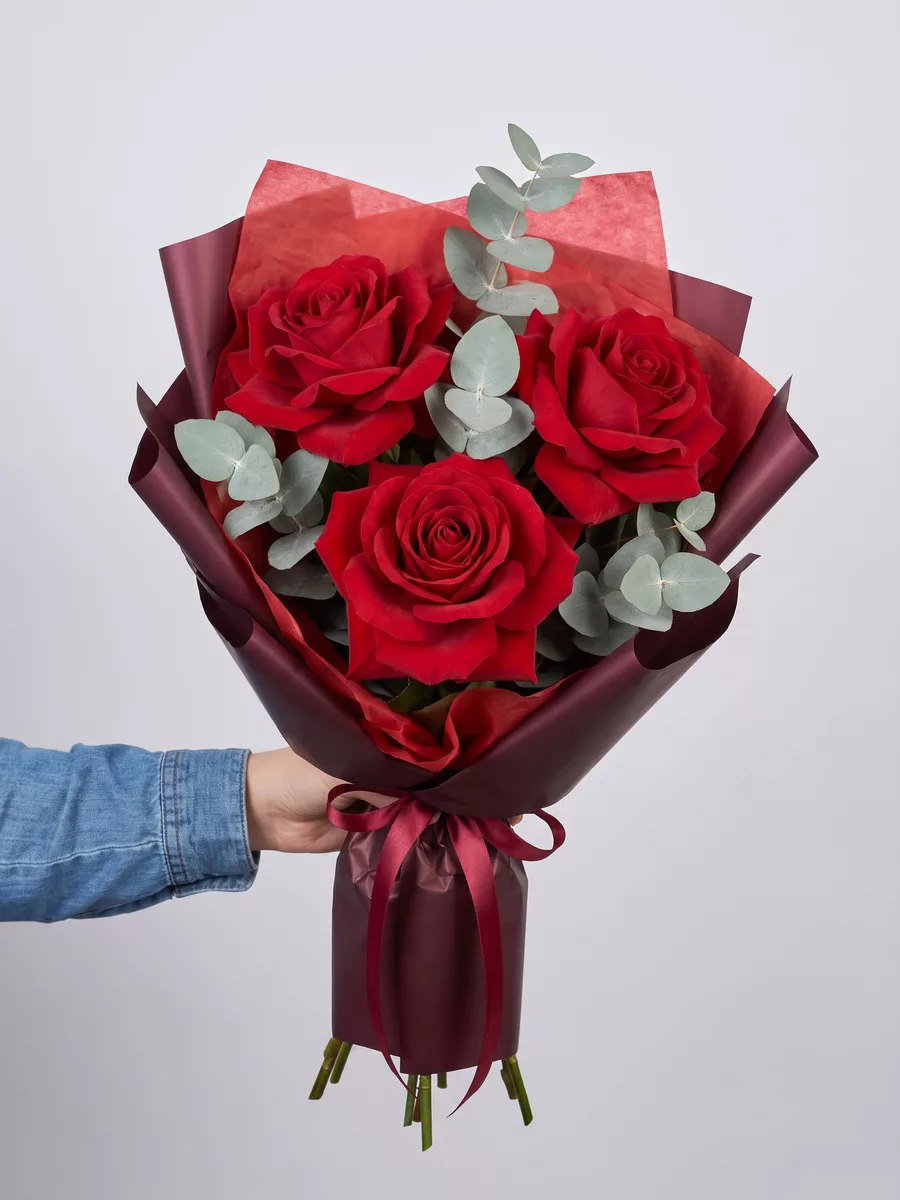
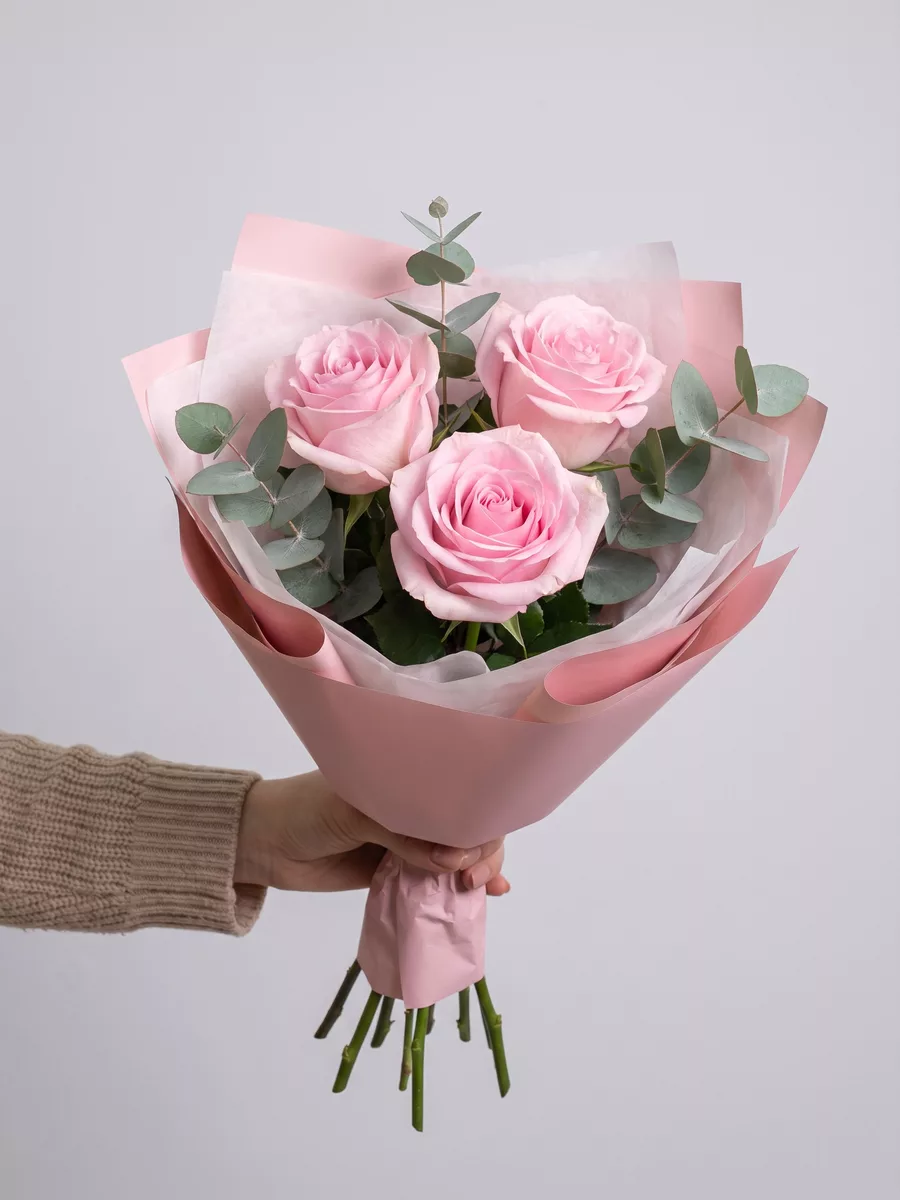
Which Flowers Actually Survive the Journey to Yakutia
Not every variety is a good traveller in extreme cold, and a florist who cares about the result will tell you this plainly. Roses, particularly full-headed garden varieties and classic hybrid teas, handle cold transport well when properly wrapped and conditioned. Spray roses are even more resilient and add texture to a bouquet without adding fragility. Chrysanthemums are genuinely excellent for Lensk — they are cold-tolerant, long-lasting, and available in colours from soft cream to deep burgundy.
Eustoma, sometimes called lisianthus, travels beautifully and opens gradually over several days, which means the recipient gets a bouquet that keeps changing. Alstroemeria is another reliable choice: the stems are sturdy, the colours are vivid, and the flowers continue to open after delivery, giving a week or more of vase life. Gerbera daisies can work but need careful handling in cold conditions — they are worth including in summer orders, less so in January.
What to avoid, or at least approach cautiously: tropical varieties like bird of paradise or anthuriums are not well suited to Yakutian winters. Delicate single-petal anemones can bruise in transit. Tulips are a seasonal joy — brilliant in spring when they arrive firm and upright — but they collapse quickly in warm rooms after cold transport if not properly conditioned. The safest strategy is to build around one strong focal flower, add complementary filler like wax flower or eucalyptus, and let the composition breathe rather than overloading the stems.
Choosing the Right Occasion and Colour Story
In Russian tradition, the number of flowers in a bouquet carries meaning. An odd number — five, seven, nine, eleven — is the standard for celebratory occasions: birthdays, anniversaries, promotions, new babies. Even numbers are reserved for mourning, so a bouquet of ten roses can create an unintended and uncomfortable message. If you are ordering from abroad and not sure of the count, simply specify odd and let the florist compose accordingly.
Colour language in Russia is not dramatically different from Western Europe, but a few things are worth knowing. White flowers are universally appreciated for celebrations and are not associated with sadness in the way some cultures interpret them. Red roses remain the classic romantic statement. Yellow flowers, which some older Russian traditions considered unlucky in relationships, are now widely accepted and enjoyed — particularly sunflowers and yellow spray roses, which feel cheerful and modern.
Think about who is receiving the bouquet before you think about the flower. A grandmother celebrating her birthday will likely love a full, lush arrangement with soft pinks, creamy whites, and perhaps some alstroemeria for longevity. A colleague marking a work anniversary might appreciate something more structured — chrysanthemums in a single colour with clean greenery. A partner you are missing will feel the warmth of deep red roses or a mixed bouquet in burgundy and blush tones. Starting from the person, not the catalogue, is always the right approach.
Budgeting When You Are Paying from Outside Russia
Currency conversion and international payment methods are the first practical hurdle for a sender abroad. Turboflora accepts international cards and processes orders in Russian rubles, so the amount you see at checkout reflects the current exchange rate at the moment of payment. It is worth checking this before you finalize, because the ruble fluctuates and what looked like one figure last week may be slightly different today.
When thinking about what to spend, consider that a bouquet in Lensk is genuinely more expensive to deliver than the same arrangement in Saint Petersburg or Moscow. Logistics into Yakutia involve additional steps, and the flowers themselves must be sourced and conditioned with extra care for cold transit. This is not a mark-up for its own sake — it reflects the real cost of getting something beautiful to a remote city without compromise.
A mid-range bouquet with seven to nine stems of roses or chrysanthemums, wrapped well with greenery and ribbon, makes a strong impression. A larger composition with fifteen or more stems, mixed varieties, and a premium presentation box will feel genuinely luxurious in a city where flower deliveries are less routine than in a capital. If you are celebrating something significant — an anniversary, a major birthday, a new arrival — investing in the larger arrangement is worth it. The recipient will remember it, and in Lensk, that memory lasts longer because the gesture is rarer.
Timing Your Order Across Time Zones
Lensk operates on Yakutsk Time, which is UTC plus nine hours. If you are in London, that is a ten-hour gap in winter and nine hours in summer. If you are in New York, you are looking at fourteen hours behind Lensk. This means that when you sit down to order flowers at eight in the evening your time, it is already the following morning in Yakutia. Getting this calculation right prevents the most common timing mistake: ordering for a birthday and having the bouquet arrive the day after.
The safest approach is to place your order the evening before, your local time, targeting a morning or early afternoon delivery in Lensk. This gives the team a comfortable preparation window and means the recipient gets flowers during the day when they are at home or at work — not late at night when the gesture lands awkwardly. If the occasion is a surprise, a midday delivery in Lensk time tends to work best.
Delivery windows within Lensk are typically one to two hours from confirmation. The team will contact the recipient directly to coordinate — a standard practice in Russia to ensure someone is available to receive the flowers. If the recipient does not know about the gift, you can note this in the order comments and ask for a discreet call or message first. Providing a working Russian mobile number for the recipient is essential; without it, even the best-planned delivery can stall at the final step.
Writing the Card Message When You Do Not Speak Russian
A handwritten card or printed message is a meaningful part of any flower delivery in Russia. You do not need to write in Russian — a message in English, French, German, or another language is entirely acceptable and often adds to the personal character of the gift. The recipient will understand that you wrote in your own words, in your own language, and that sincerity travels across any linguistic gap.
If you would like the message in Russian, you can write it in English in the order notes and ask for a translation. Keep the message simple and specific: mention the occasion, say what you feel, and perhaps reference something only the two of you would recognize. Generic phrases like 'best wishes' do the job, but a single specific line — 'I still think about our walk along the Neva' or 'Twenty years and I would choose you again' — transforms a nice bouquet into something the recipient keeps thinking about long after the flowers fade.
In Russian tradition, the card is often kept even when the flowers are gone. Some recipients press a card between book pages or pin it somewhere visible. This is worth knowing because it means your words have a longer life than the stems. Write accordingly — not a formal note, but something warm and true. If the occasion is a birthday, include the age only if you know the person well; in Russian culture, some ages carry particular significance and others are best left unmentioned in writing.
Helping Your Recipient Care for the Flowers in Lensk
Flowers arriving in Lensk in winter have just survived a cold journey, and the first hour after delivery is the most important for their longevity. The recipient should cut the stems at a diagonal angle — about two centimetres from the bottom — under running water or in a bowl, then place them immediately into a clean vase with fresh, cool water. Warm water is not ideal; room temperature or slightly cool is better for stems that have been in the cold.
The vase should go somewhere away from direct heat sources. In Yakutia, central heating is powerful and constant, and a bouquet placed near a radiator will wilt within two days regardless of the variety. A spot on a table away from the window and away from the heating unit — somewhere cool but not freezing — will give most arrangements five to eight days of good vase life. Chrysanthemums can last ten days or more in the right conditions.
Changing the water every two days and re-trimming the stems slightly each time makes a noticeable difference. Removing any leaves that sit below the waterline prevents bacterial build-up that shortens vase life. Roses benefit from a very small amount of sugar dissolved in the water — a half teaspoon per litre is enough. You can include these care tips in your card message as a practical postscript; in Russia, this kind of thoughtful detail is appreciated rather than seen as unnecessary instruction. It shows you thought not just about sending the flowers, but about what happens after they arrive.
Sending flowers to Lensk from abroad is not a complicated process once you understand the rhythm of it — the time zone arithmetic, the cold-tolerant varieties, the odd-number tradition, and the importance of a real message on the card. The distance that might feel like an obstacle is actually part of what makes the gesture meaningful. Someone in Yakutia receiving a fresh bouquet knows it did not happen by accident. It took thought, planning, and a decision to reach across thousands of kilometres. Turboflora handles the logistics and the flowers; your job is simply to decide to send them.
Frequently asked questions
Which flowers survive the journey to Lensk best in winter?
Roses, chrysanthemums, and alstroemeria are the most reliable choices for cold-distance delivery into Yakutia. They tolerate careful cold-wrap packaging and recover well once brought indoors. Delicate open blooms like ranunculus or garden peonies are riskier on long routes in freezing conditions. If you want something softer, ask your florist to include them as accent stems rather than the main flower.
Does the extreme cold in Yakutia mean my bouquet will arrive frozen?
A good florist preparing orders for Lensk uses insulating wrap and times the final delivery leg to limit outdoor exposure. Flowers do not need warmth during transit, they need protection from wind and moisture. Once your recipient brings the bouquet inside and lets it rest at room temperature for twenty minutes before trimming stems and placing them in water, they will open normally.
Can I write my card message in English, or should it be translated into Russian?
You can send your message in any language, but a Russian translation alongside it is a thoughtful touch for a recipient in Lensk. Most florists handling international orders can arrange a simple translation. The gesture of writing something personal matters far more than the language itself, so do not let this stop you from saying exactly what you mean.
What combinations work well for a birthday delivery to Lensk rather than a single flower type?
A mixed bouquet built around roses or spray chrysanthemums with greenery and one contrasting accent, such as alstroemeria or solidago, photographs beautifully and feels generous without relying on rare varieties that may not be available. For a birthday the presentation matters as much as the flowers themselves, so ask for ribbon and wrapping that suits the occasion rather than plain craft paper.
How do I know my order actually reached someone in such a remote city?
Reputable florists who regularly deliver to Lensk will send you a confirmation photograph of the completed bouquet and, where the recipient agrees, a delivery photo. Ask for this when placing your order. It is a reasonable request and a florist experienced with remote Siberian deliveries will expect it. If a service cannot offer any form of delivery confirmation, treat that as a warning sign before you pay.
Ready to send flowers?
Pick the city, choose the bouquet, and a local florist takes it from there.
Choose a city →