Sending Flowers to Lesosibirsk from Abroad: What You Need to Know
You are somewhere far from Russia — a different time zone, a different season — and someone you care about is in Lesosibirsk. You want to send them something real, something that arrives fresh and feels personal. Lesosibirsk is a Siberian city on the Yenisei River, and yes, flowers do reach it, and yes, they arrive looking beautiful when the order is placed correctly. This article walks you through everything that matters: timing, what to choose, how the climate shapes your decision, and what your recipient will actually experience when the bouquet arrives at their door.
Understanding Lesosibirsk Before You Order
Lesosibirsk sits in Krasnoyarsk Krai, deep in Siberia, roughly 300 kilometres north of Krasnoyarsk. That geography matters enormously when you are choosing flowers from abroad. Winters here are long and genuinely severe — temperatures regularly drop to minus 25 Celsius or colder between November and March. Summers are short but warm, sometimes reaching 30 Celsius in July. The city has a population of around 60,000 people, and it has a strong culture of marking occasions with flowers: birthdays, anniversaries, graduations and professional milestones are all celebrated with bouquets.
What this means for a sender is that the season in Lesosibirsk may be completely different from wherever you are placing the order. If you are in Australia in June, it is midsummer for you but a cool Siberian early summer for your recipient. If you are in the United States in January, your recipient may be walking through snow to open their front door. That temperature gap affects which flowers travel best and how your recipient should care for what they receive.
Lesosibirsk is not a remote village — it has standard residential addresses, apartment buildings and private houses, all reachable for delivery. Knowing the correct address format matters: in Russia, addresses go from largest to smallest — city, street, building number, apartment number. Having this information ready before you order saves time and prevents delays. A phone number for the recipient is equally important, as the courier may call ahead.
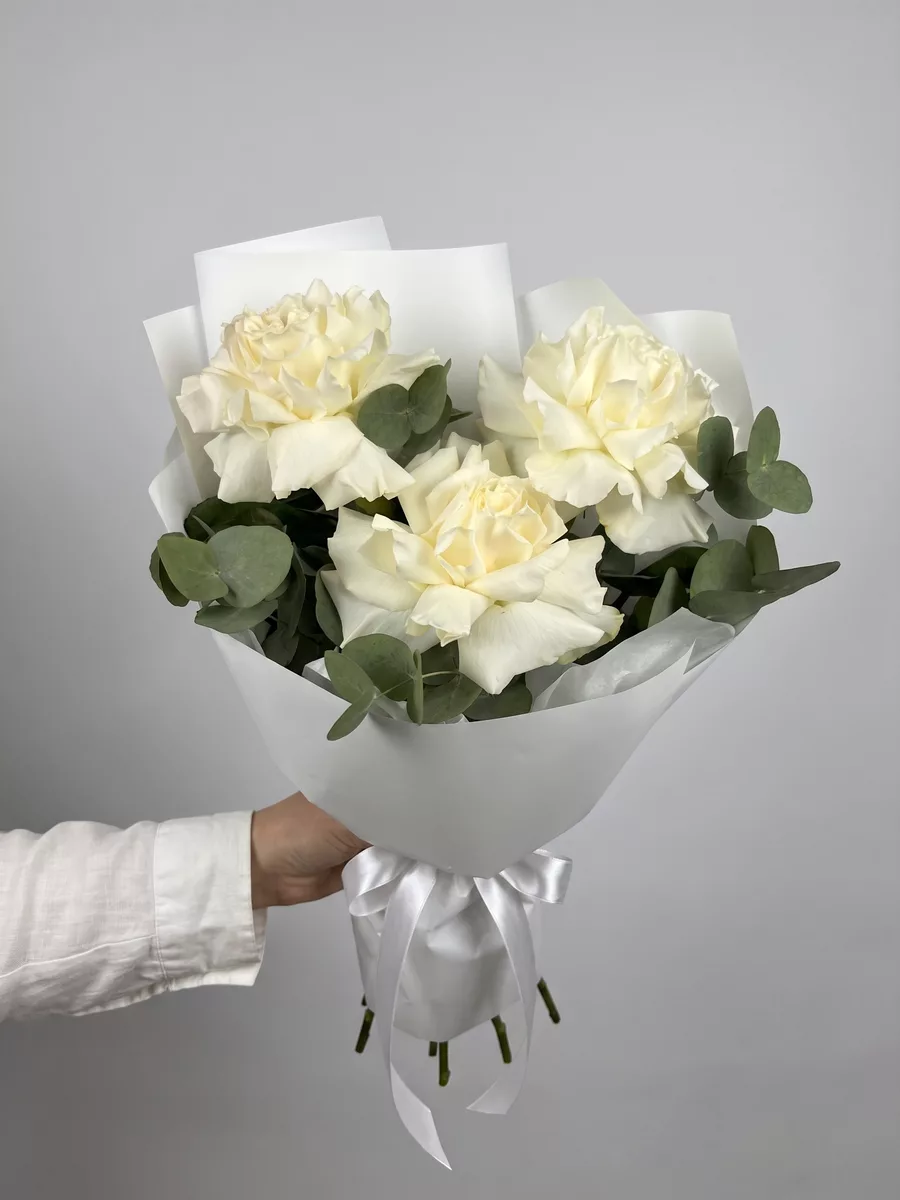
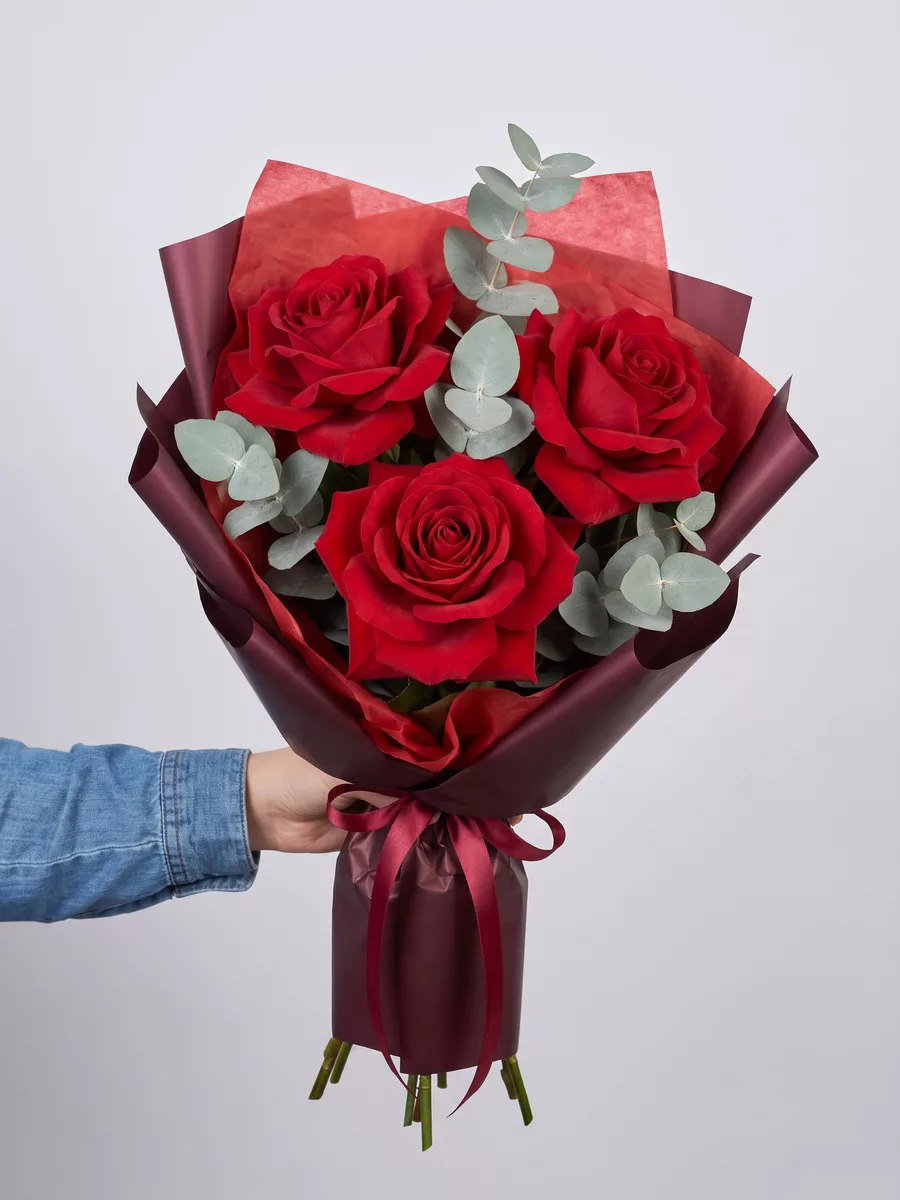
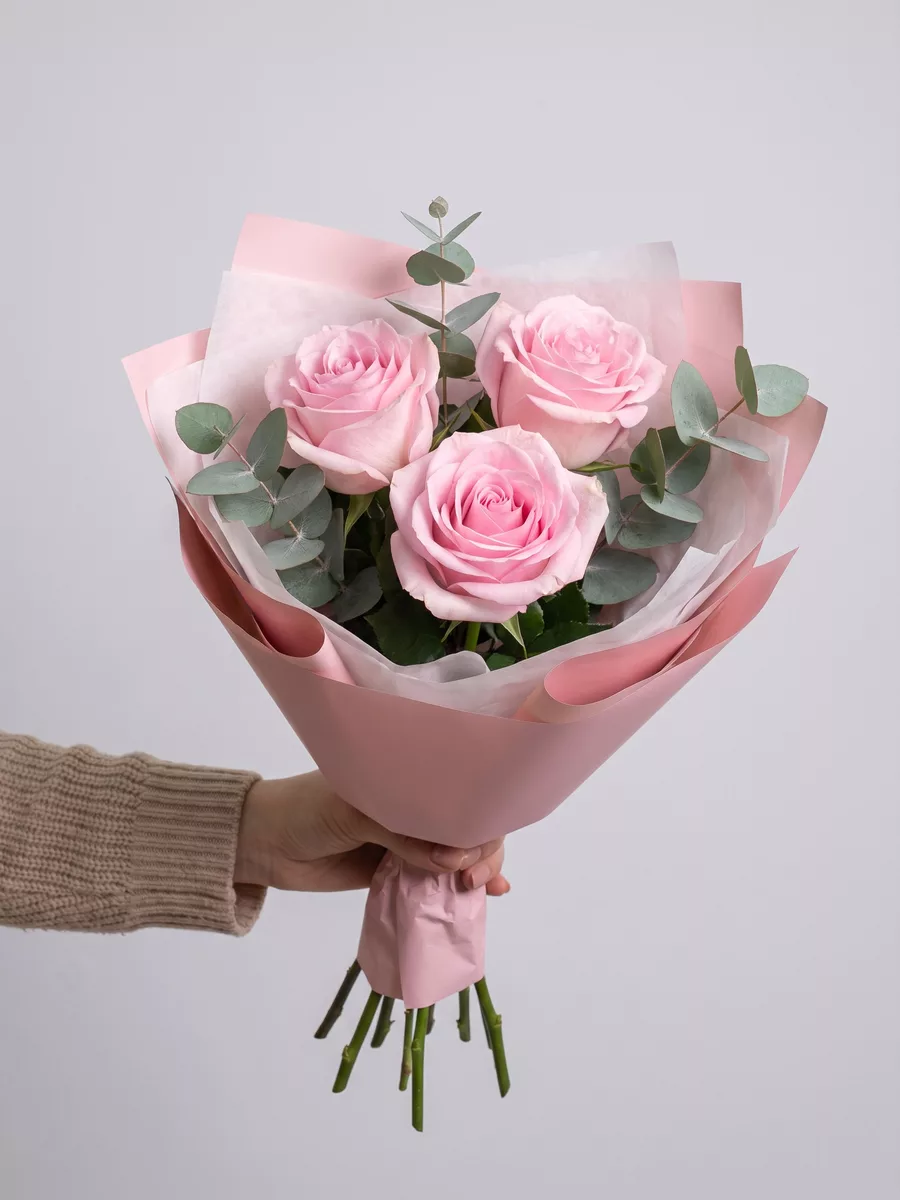
Bouquets we can deliver

Choosing the Right Occasion Framing
Before you think about which flowers, think about who is receiving them and what you want them to feel. In Russian culture, flowers carry specific associations that are worth knowing if you are sending from abroad. Odd numbers of stems are traditional for celebratory occasions — birthdays, congratulations, romantic gestures. Even numbers are associated with mourning in Russian custom, so a bouquet of twelve roses, for example, would feel unusual to a Russian recipient in a celebratory context. Aim for seven, nine, eleven or fifteen stems rather than ten or twelve.
Colour also carries meaning. Red roses communicate romantic love clearly and universally. Yellow flowers, contrary to associations in some Western countries, are perfectly acceptable in Russia for birthdays and congratulations — the old superstition about yellow meaning separation has faded considerably among younger generations, though older recipients may still hold it. White flowers read as elegant and respectful. Pink works beautifully for feminine occasions without the intensity of red.
Think about what your recipient does every day. A woman who works long hours in an office will appreciate a bouquet that stays fresh for a week on a desk — chrysanthemums, alstroemeria and spray roses are your allies here. Someone who loves gardening and nature might respond more warmly to a garden-style arrangement with lisianthus, eucalyptus and seasonal greens. A romantic gesture calls for roses, full stop, but the variety and colour combination is where you can be specific and personal. Framing the occasion correctly in your own mind before ordering makes every subsequent choice easier.
Navigating the Time Zone When Ordering from Abroad
Lesosibirsk operates on Krasnoyarsk Time, which is UTC plus 7. This is one of the most practically important facts for an international sender. If you are in London, Lesosibirsk is 10 hours ahead in winter and 7 hours ahead in summer. If you are on the US East Coast, the difference is 15 hours. If you are in Tokyo, it is only 2 hours ahead. These gaps determine what counts as a same-day order.
Turboflora delivers within 1 to 2 hours across Russia, including to Lesosibirsk. But that window applies from the moment the order is confirmed and production begins — not from when you first open the website. If you place an order at what feels like mid-morning your time, check what time it is in Lesosibirsk first. You may be ordering in the middle of the night there, which shifts delivery to the following morning.
The safest approach for international senders is to plan one day ahead. Decide on the delivery date, calculate the Lesosibirsk time, and place your order during Lesosibirsk business hours — broadly 9 am to 7 pm local time. This gives the florists time to prepare the freshest stems, assemble the bouquet carefully and dispatch it without rushing. For milestone occasions like a significant birthday or anniversary, placing the order 48 hours in advance gives you a buffer for any address clarification or payment processing that might be needed across international banking systems. Last-minute is possible, but planned is always better.
What Flowers Suit Lesosibirsk's Climate
Siberian winters are not a reason to avoid sending flowers — they are a reason to choose the right ones. In cold months, hardy varieties travel and survive beautifully. Roses, when properly conditioned, handle cold transport well because the cold actually slows their opening and extends vase life. Chrysanthemums are extraordinarily robust and can withstand brief exposure to cold air during the walk from courier to front door. Carnations similarly are cold-tolerant and long-lasting, making them an excellent choice for winter deliveries.
What you want to avoid in deep winter are tropical or heat-loving varieties that suffer from cold shock. Anthurium and bird of paradise, for example, are genuinely damaged by temperatures below 10 Celsius and are not suitable for Siberian winter delivery. Orchid arrangements can work if they are well-packaged and the delivery is door to door, but they are higher risk in January than in May.
Spring and summer in Lesosibirsk open up more options. Peonies have a short and glorious season in June and early July, and if your occasion falls then, they are an exceptional choice — full, fragrant and unmistakably generous. Sunflowers read as joyful and summery in July and August. Lisianthus, sometimes called Russian rose for its ruffled petals, is available year-round and is particularly lovely in summer combinations with eucalyptus and white gypsophila.
Autumn calls for warmer tones — deep orange gerberas, burgundy roses, rust-coloured chrysanthemums. These combinations feel seasonal and considered, rather than generic, which your recipient will notice and appreciate.
Budgeting Without Seeing a Price List
When you are ordering from abroad, you often cannot compare prices the way you might at a local shop. The most useful way to think about budget is in terms of what you want the bouquet to communicate and how long you want it to last.
A smaller, well-composed bouquet of seven spray roses with greenery and a ribbon feels personal and complete. It does not read as budget — it reads as considered. Spray roses have multiple blooms per stem, which means a modest stem count still creates visual abundance. Alstroemeria works similarly: each stem branches into multiple flowers, giving generous coverage without requiring a large stem count.
A mid-range bouquet might combine fifteen roses with eucalyptus and lisianthus — a classic combination that photographs beautifully and lasts eight to ten days in a vase with proper care. This is the kind of arrangement that most recipients in Russia associate with a meaningful gesture, and it suits birthdays, anniversaries and professional achievements equally well.
At the fuller end, a large mixed bouquet — roses, peonies when in season, greenery, perhaps some dried elements for texture — makes an immediate impression at the door. These arrangements are appropriate for landmark occasions: a 30th or 50th birthday, a graduation, a significant professional milestone.
Whichever level you choose, specify a note in Russian if you can, or ask for translation assistance. A handwritten card in Russian, even a simple phrase, is noticed and remembered far more than the most elaborate bouquet without any personal message. In Russian culture, the words accompanying flowers matter as much as the flowers themselves.
What Your Recipient Should Do When the Flowers Arrive
Most people outside Russia do not realise how much the first ten minutes after a bouquet arrives determine how long it lasts. If you are sending flowers to someone who may not be experienced with fresh cut flowers, a small note with care instructions is genuinely one of the kindest things you can include.
The first step is to trim the stems at a diagonal angle — about two centimetres from the bottom — using scissors or a sharp knife. This creates a fresh surface area for water uptake and removes any sealed or crushed tissue from transport. The cut should be made under running water or immediately before placing stems in water, so no air bubble blocks the cut end.
The vase water should be cool, not cold and not warm. Lukewarm water encourages flowers to open quickly, which shortens vase life. Cool water keeps them fresh longer. Change the water every two days and re-trim the stems each time — this single habit more than doubles how long most bouquets last.
Lesosibirsk apartments in winter are heated to quite high indoor temperatures — often 22 to 25 Celsius — because of the severe outdoor cold. This warmth is the main enemy of cut flowers indoors. Advise your recipient to keep the vase away from radiators, sunny windowsills and the top of the television. A cooler corner of the room, or even a cool hallway, will extend vase life considerably. Roses and lisianthus in a cool spot can last ten to twelve days. Chrysanthemums, which are already long-lasting by nature, can go two weeks with attentive care. Gerberas are more sensitive and typically last five to seven days even with good care.
Practical Steps for Placing the Order from Abroad
Once you know what you want to send and when, the actual ordering process from abroad has a few specific things to get right. The most common mistake international senders make is entering the address incorrectly. Russian addresses require the city name, the street name, the building number, and then the apartment number. Many buildings in Lesosibirsk are multi-entrance apartment blocks, so the entrance number — called a podyezd — may also be needed. If your recipient lives in an apartment, ask them for their full address including entrance and floor before you order.
Payment from abroad is straightforward with most international cards, though some Russian payment systems may require a card from within Russia. Using a Visa or Mastercard issued in your country is typically the simplest option. If you encounter any friction, reaching out to the shop directly resolves it quickly — customer service teams at Turboflora are accustomed to international senders and can guide you through any steps.
The recipient's phone number is not optional — it is essential. The courier will call or message before arrival, especially in apartment buildings where access requires the recipient to open the main entrance. A number without a country code will cause a failed call, so include the full Russian mobile number with the country code 7 at the start.
Finally, write your card message in advance. Decide what you want to say, keep it warm and specific rather than generic, and if you want it in Russian, use a translation tool or ask for help. A message that says something personal — referencing a shared memory, a specific wish, the occasion by name — will be read and re-read. That is ultimately what the flowers are carrying.
Sending flowers to Lesosibirsk from abroad is entirely achievable, and when done with a little preparation, it creates a moment that the recipient will genuinely remember. The distance between you and them collapses when a fresh bouquet arrives at their door, still holding the cold of the Siberian air from the journey up the stairs. Get the time zone right, choose varieties suited to the season, include a personal note, and give your recipient one simple piece of care advice. Everything else takes care of itself.
Frequently asked questions
Can I order flowers for Lesosibirsk delivery if I do not speak Russian?
Yes. The Turboflora website works in Russian, but international senders can place orders using translation tools or by contacting support directly. The most important thing is to have the recipient's full address and Russian mobile number ready. Card messages can be written in any language, and the team can assist with translating a short personal note into Russian if needed.
What is the latest I can order for same-day delivery to Lesosibirsk?
Delivery happens within 1 to 2 hours of order confirmation. Lesosibirsk is UTC plus 7, so calculate your order time against local Lesosibirsk hours. Orders placed during daytime hours in Lesosibirsk — roughly 9 am to 7 pm — are fulfilled the same day. Ordering late at night Lesosibirsk time shifts delivery to the following morning, which is worth planning around for surprise occasions.
Are there flowers I should avoid sending to Lesosibirsk in winter?
Tropical varieties like anthurium and bird of paradise are sensitive to cold and can suffer damage during the brief outdoor exposure between courier and front door in Siberian winter temperatures. Roses, chrysanthemums, carnations and lisianthus all handle the cold well and are the safest choices between November and March. Peonies are not in season in winter but are an excellent choice in June and early July.
How do I make sure the recipient is home to receive the flowers?
The courier calls or messages the recipient before arriving, which is standard practice in Russia. Providing a working Russian mobile number with the full country code is essential for this. If you want the delivery to be a surprise, you can ask the courier to message rather than call, giving the recipient a moment to come to the door without advance warning of what is waiting.
What should I write on the card if I am sending flowers for a Russian birthday?
Russian birthday wishes are warm and often specific — mention the person's name, wish them health, happiness and the particular thing they care about most. A simple phrase like the Russian equivalent of 'wishing you joy and all good things' is always well received. Avoid generic phrases. If you write in English, your recipient will appreciate the effort; if you can include even one line in Russian, it will be remembered fondly.
Ready to send flowers?
Pick the city, choose the bouquet, and a local florist takes it from there.
Choose a city →