How to Order Flowers to Losino-Petrovsky from Outside Russia
You are sitting in Berlin, Toronto, or Dubai, and someone you love is waiting in Losino-Petrovsky — a quiet town just east of Moscow in the Moscow Oblast. You want to send flowers that arrive fresh, look beautiful, and feel personal. The distance between you and the recipient does not have to show in the bouquet. With the right information and a reliable sender, the whole process can feel as simple as ordering from the next street over.
Who Receives Flowers in Losino-Petrovsky and What They Expect
Losino-Petrovsky is a small industrial town with a close community feel. Flower deliveries here are not an everyday occurrence, which means your bouquet will genuinely stand out. Recipients tend to be family members, a partner, a colleague, or a friend — people who will notice the care behind the gesture as much as the flowers themselves.
Russian recipients generally expect a full, generous arrangement. A sparse or minimalist bouquet can read as incomplete rather than elegant. Odd numbers of stems are the cultural norm for celebratory occasions — three, five, seven, or more. Even numbers are traditionally reserved for mourning, so if you are sending for a birthday, anniversary, or just because, always go for an odd count.
Presentation matters enormously. A well-wrapped bouquet with coordinated paper, ribbon, and a handwritten card carries a different emotional weight than flowers handed over in plain packaging. When you place an order from abroad, specify that you want full gift wrapping — this signals to the florist that the moment of unwrapping is part of the gift. Think of the recipient opening the door: the first impression is the whole bouquet, colours, wrapping, and scent together, before a single stem is touched.
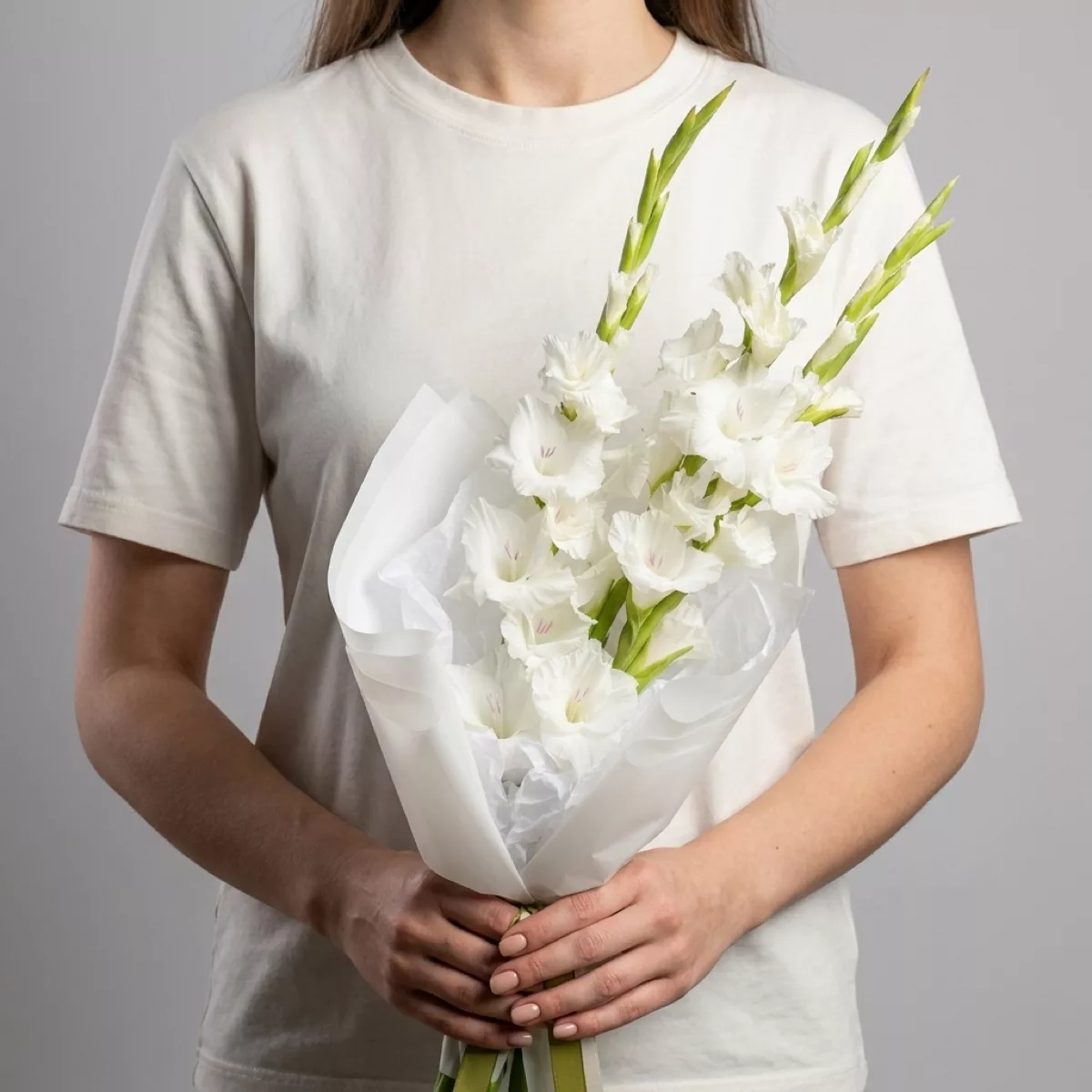
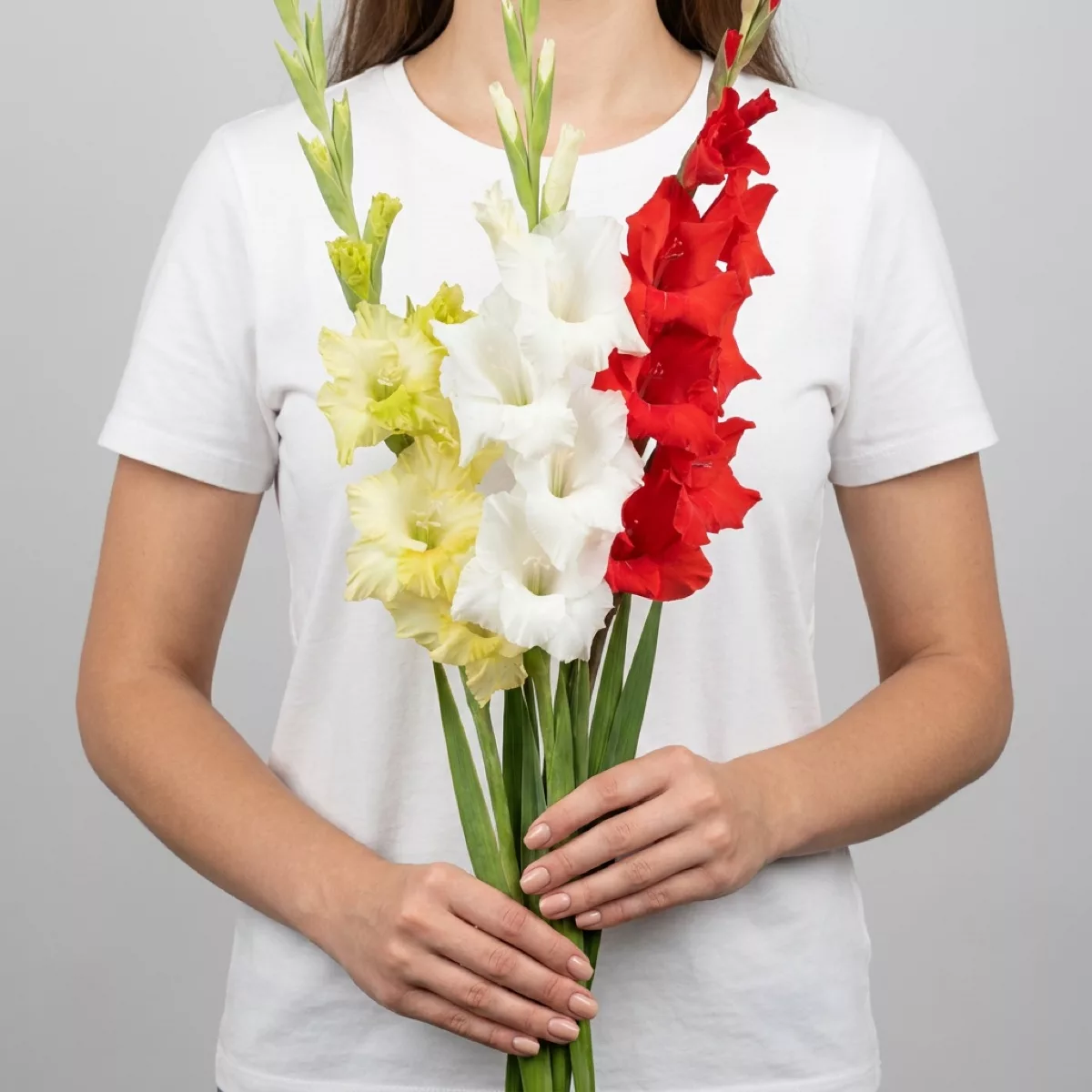
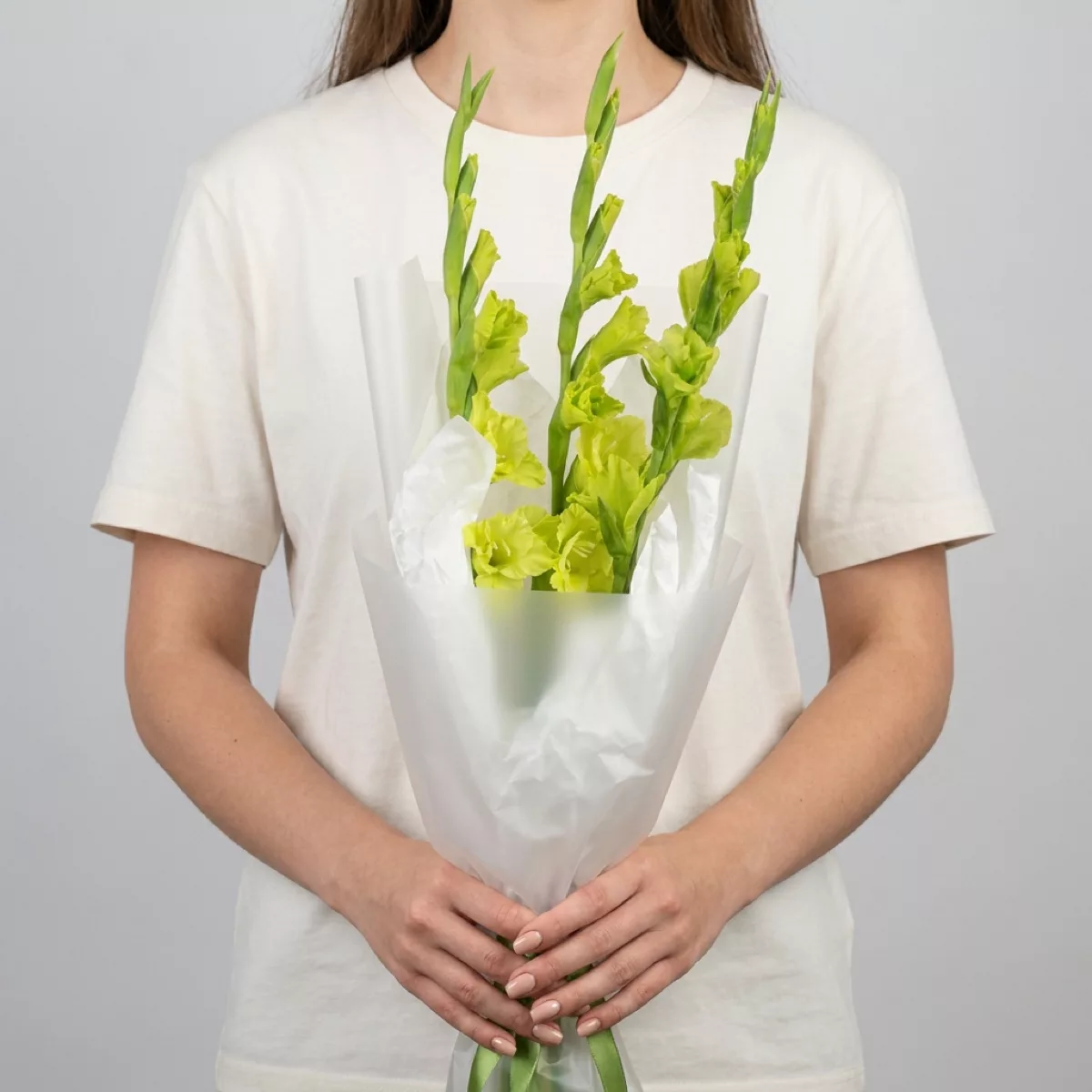
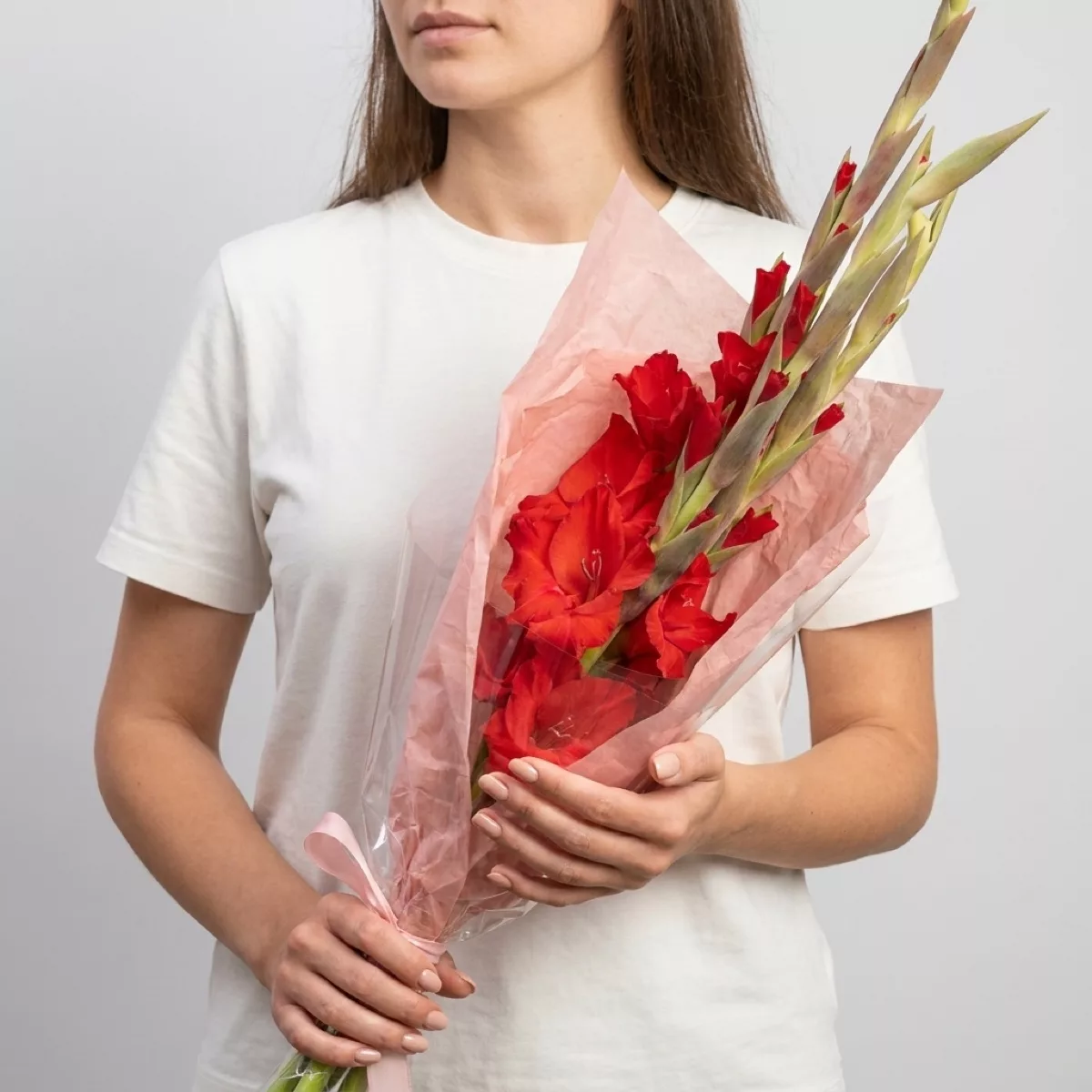
Bouquets we can deliver
Getting the Timing Right Across Time Zones
Losino-Petrovsky runs on Moscow Standard Time, which is UTC plus three hours. There is no daylight saving adjustment in Russia, so the gap between you and the recipient stays fixed year-round. If you are in London, you are three hours behind. From New York you are eight hours behind. From Los Angeles, eleven. These gaps matter more than most senders realise.
A delivery window of one to two hours from the moment of order means you need to place your order well before the moment you want flowers to arrive. If you want a bouquet to appear at the door at six in the evening Losino-Petrovsky time, you need to be placing your order no later than four in the afternoon local time — and earlier is always safer when you are coordinating across continents.
Birthdays and anniversaries have fixed times that feel meaningful: morning deliveries carry a sense of surprise and celebration, while an afternoon arrival fits around work schedules. Think about your recipient's day when you choose a window. If they work a standard shift, a delivery timed for midday may mean nobody is home. Confirm the recipient's address and rough schedule before you order, and leave a note with the order if there is a neighbour, a building code, or a preferred entrance. Losino-Petrovsky has residential blocks where access details make a real difference to a smooth delivery.
Choosing Flowers for the Season and the Climate
Losino-Petrovsky experiences proper continental seasons. Winters are cold and long, with temperatures regularly dropping below minus fifteen degrees Celsius. Summers are warm and short. The season you are ordering in should directly shape the flowers you choose, both for their visual impact and for their ability to survive the journey from the shop to the door.
In winter, roses and chrysanthemums are reliable workhorses. Roses travel well in cold conditions and hold their shape. Spray chrysanthemums in white, burgundy, or bronze add texture without wilting quickly. Avoid tropical varieties like anthurium or bird of paradise in deep winter — they are cold-sensitive and can bruise or blacken in transit even over short distances in freezing air.
Spring is the season for tulips, which are enormously popular in Russia and carry a joyful, fresh energy. Ranunculus and hyacinths also peak in spring and make a bouquet smell extraordinary. Summer opens up the full range: lisianthus, alstroemeria, sunflowers, and garden roses all perform beautifully. Autumn is the moment for dahlias, eustoma, and rich-toned roses in terracotta, burgundy, and deep pink.
When ordering from abroad, tell the florist the occasion and let them guide variety selection based on what is genuinely fresh that week. A good florist will never push a variety that arrived two days ago simply because it photographs well.
Matching the Bouquet to the Occasion and the Budget
The occasion shapes everything — the palette, the scale, the wrapping, and the card message. A birthday calls for warmth and energy: think bright coral roses mixed with white alstroemeria and eucalyptus, wrapped in kraft paper with a satin ribbon. An anniversary asks for something more romantic and considered: garden roses in blush and cream, perhaps with soft ranunculus and a few stems of wax flower for texture and longevity.
For a new baby, pale yellows, whites, and soft greens feel fresh and gentle without defaulting to clichéd pink or blue. Chamomile, white spray roses, and green trick dianthus work beautifully together. For a professional milestone — a promotion, a successful defence, a business achievement — something structured and impressive reads better than something overtly romantic. Tall stems, bold colours, and a clean presentation say congratulations without overstepping.
Budget naturally affects scale, but it does not have to compromise quality. A thoughtfully chosen five-stem bouquet of premium garden roses with complementary foliage can feel more luxurious than a large, crowded arrangement of mixed filler flowers. When ordering from abroad, focus on fewer, better stems rather than volume. Ask for the florist's recommendation within your budget range — they know which varieties are at peak quality on any given day, and that knowledge is worth using.
Always include a personal card message. In Russian culture, the written word inside a bouquet carries real weight. A warm sentence or two in Russian, or even in your own language with a translation note, will be remembered long after the flowers have faded.
What to Expect on Delivery Day in Losino-Petrovsky
Losino-Petrovsky is a compact town, which works in your favour for delivery logistics. The residential areas are well-mapped, and a florist familiar with the Moscow Oblast region can navigate the town efficiently. That said, specific address details matter. Russian addresses follow a particular format: city, street, building number, apartment number. If the recipient lives in a multi-entrance block, the entrance number — called a podezd — can be the difference between a smooth delivery and a courier standing outside a locked door.
Many Russian apartment buildings have an intercom system at the entrance. If your recipient's building has one, include the apartment number clearly so the courier can buzz through. Some buildings also have a security desk or a concierge, particularly in newer developments. Noting this in your order instructions prevents unnecessary delays.
If the recipient is not home, a good florist will attempt contact before leaving. Make sure the recipient's phone number is included with the order — a Russian mobile number starting with seven is ideal, but the florist can also work with a note that they should call you abroad if there is a problem. Agree in advance whether the bouquet can be left with a neighbour if the recipient is unavailable. In close-knit residential buildings in smaller Russian towns, this is a perfectly normal and accepted arrangement, and most neighbours will happily hold a bouquet for an hour or two.
Writing a Card Message That Lands Well
The card is the voice behind the flowers. When you are sending from abroad, it is often the only part of the gift that is directly and personally yours — your words, your feeling, your relationship with the recipient expressed in a few sentences. Do not underestimate it, and do not leave it blank or generic.
If you write in English, that is perfectly fine — many Russians in the Moscow region read English, and receiving a card in the sender's own language can feel intimate and genuine. If you want to include a Russian phrase, keep it simple and correct. Common warm expressions include Pozdravlyayu — congratulations — or S dnem rozhdeniya — happy birthday. A florist can help transliterate a short message if you ask.
Avoid overly formal language on a personal card. Write the way you would speak to this person if they were standing in front of you. If you are funny together, be funny. If your relationship is tender, be tender. The recipient will read the card multiple times over the days the flowers are in the vase, so something that feels authentic will keep giving.
For professional occasions, keep the card warm but measured. Acknowledge the achievement specifically — name the promotion, the project, the milestone — rather than writing something generic. Specificity shows that you paid attention, and that always means more than a beautifully worded but impersonal message. A card that says exactly why you are celebrating this person will be kept long after the occasion has passed.
Helping Your Recipient Keep the Flowers Fresh
Once the bouquet arrives, its lifespan depends almost entirely on what happens in the first hour. If you can, send your recipient a quick message after delivery with a few simple care instructions — they will appreciate the thought, and the flowers will last noticeably longer.
The first step is always a fresh diagonal cut on each stem, about two centimetres from the end, using a sharp knife rather than scissors. Scissors crush the stem's vascular tissue, reducing water uptake. The cut should happen immediately before the stems go into water, not minutes later. A clean vase filled with cool, fresh water is the starting point. Warm water encourages faster opening but shortens vase life, so cool is better for longevity.
Strip any leaves that would sit below the waterline. Submerged foliage rots quickly and introduces bacteria that cloud the water and block the stems. Change the water every two days and recut the stems each time. Keep the bouquet away from direct sunlight, radiators, and fruit bowls — ethylene gas from ripening fruit accelerates wilting in roses and tulips especially.
Roses typically last seven to ten days with good care. Alstroemeria can reach twelve to fourteen days. Tulips are shorter-lived at five to seven days but are so visually generous that the trade-off is worth it. Chrysanthemums are the endurance champions, often lasting two weeks or more. Knowing this helps your recipient enjoy each variety at its best and not feel disappointed when the shorter-lived stems fade first — that is simply the natural rhythm of a mixed bouquet.
Sending flowers to Losino-Petrovsky from abroad is entirely achievable, and when it is done with care and the right information, the result is a moment of genuine connection across any distance. Get the time zones right, choose varieties suited to the season, write a card that sounds like you, and give your recipient the simple care tips that will keep the bouquet beautiful for as long as possible. The flowers you send from thousands of kilometres away can feel just as warm and present as if you had handed them over yourself.
Frequently asked questions
Can I order flowers for Losino-Petrovsky if I do not speak Russian?
Yes, entirely. The order process at Turboflora works in Russian but you can write your card message and delivery notes in English. Include the recipient's full address in standard Russian format if possible — your recipient can provide this — and a Russian mobile number for the courier. The florist team handles the rest without requiring you to speak or write Russian yourself.
How far in advance should I place my order from a different time zone?
Account for the time difference first: Losino-Petrovsky is UTC plus three, with no daylight saving shifts. Once you know the local time there, place your order at least two to three hours before your desired delivery window. For morning deliveries, ordering the evening before your local time is safest. This buffer covers any unexpected delays without compromising the moment.
What flowers should I avoid sending in winter to Losino-Petrovsky?
Avoid cold-sensitive tropical varieties such as anthurium, bird of paradise, and ginger flowers when temperatures drop below minus ten degrees Celsius. These varieties can suffer cold damage even during a short journey from a warm vehicle to a cold doorstep. Roses, chrysanthemums, spray carnations, and alstroemeria handle winter conditions far better and arrive looking their best.
Is it acceptable to send flowers to a man in Russia?
Absolutely. Flowers for men are a normal and respected gesture in Russian culture, particularly for professional achievements, birthdays, and significant milestones. Choose structured, confident arrangements: sunflowers, large-headed roses in deep red or orange, or a clean composition of white and green. Avoid overly delicate or pastel palettes if you want the bouquet to feel appropriately celebratory rather than romantic.
What happens if the recipient is not home when the flowers arrive?
The courier will attempt to reach the recipient by phone before leaving. This is why including a valid Russian mobile number with the order is important. If nobody answers, the florist will contact you as the sender. You can pre-authorise leaving the bouquet with a named neighbour or building concierge — note this clearly in your order instructions so the courier has a plan ready without needing to make multiple trips.
Ready to send flowers?
Pick the city, choose the bouquet, and a local florist takes it from there.
Choose a city →