Sending Flowers to Lukhovitsy from Abroad? Here Is What to Expect
You are somewhere far from Russia — maybe London, Berlin, Dubai or Toronto — and someone you love is in Lukhovitsy. Perhaps it is their birthday, an anniversary, or you simply want them to open the door and feel remembered. The distance feels enormous until a fresh bouquet arrives at their address within hours. This article tells you exactly what to prepare, what to choose and what your recipient will hold in their hands.
What Lukhovitsy Is Like and Why It Matters for Your Order
Lukhovitsy is a modest town in the Moscow Oblast, roughly 130 kilometres southeast of central Moscow. It sits close enough to the capital that same-day flower delivery is entirely realistic, but it is not a metropolitan hub, so the logistics deserve a little thought before you place an order. Understanding the geography helps you set the right expectations for timing and freshness.
The town has a strong local identity — people here celebrate birthdays, anniversaries and professional milestones with the same warmth you find anywhere in Russia, and a well-chosen bouquet carries real emotional weight. Residents are accustomed to receiving flowers at home or at a workplace address, and both are perfectly normal delivery destinations.
The climate in this part of the Moscow Oblast is continental. Winters are cold and summers are warm but short. This matters because flowers travel differently in minus-fifteen degrees than they do in July heat. A bouquet wrapped and transported without proper cold-chain care in January can arrive with blackened petal edges. When you order from abroad, make sure the service you use accounts for seasonal temperature — Turboflora couriers handle packaging according to the current weather, so your roses arrive looking the way they should.
One practical note: street addresses in Russian towns sometimes use a building-and-apartment format that looks unfamiliar to international senders. When you fill in the delivery form, include the full address with the apartment number and, if the recipient lives in a multi-entrance building, the entrance number. A phone number for the recipient is essential — couriers will call ahead.
Bouquets we can deliver

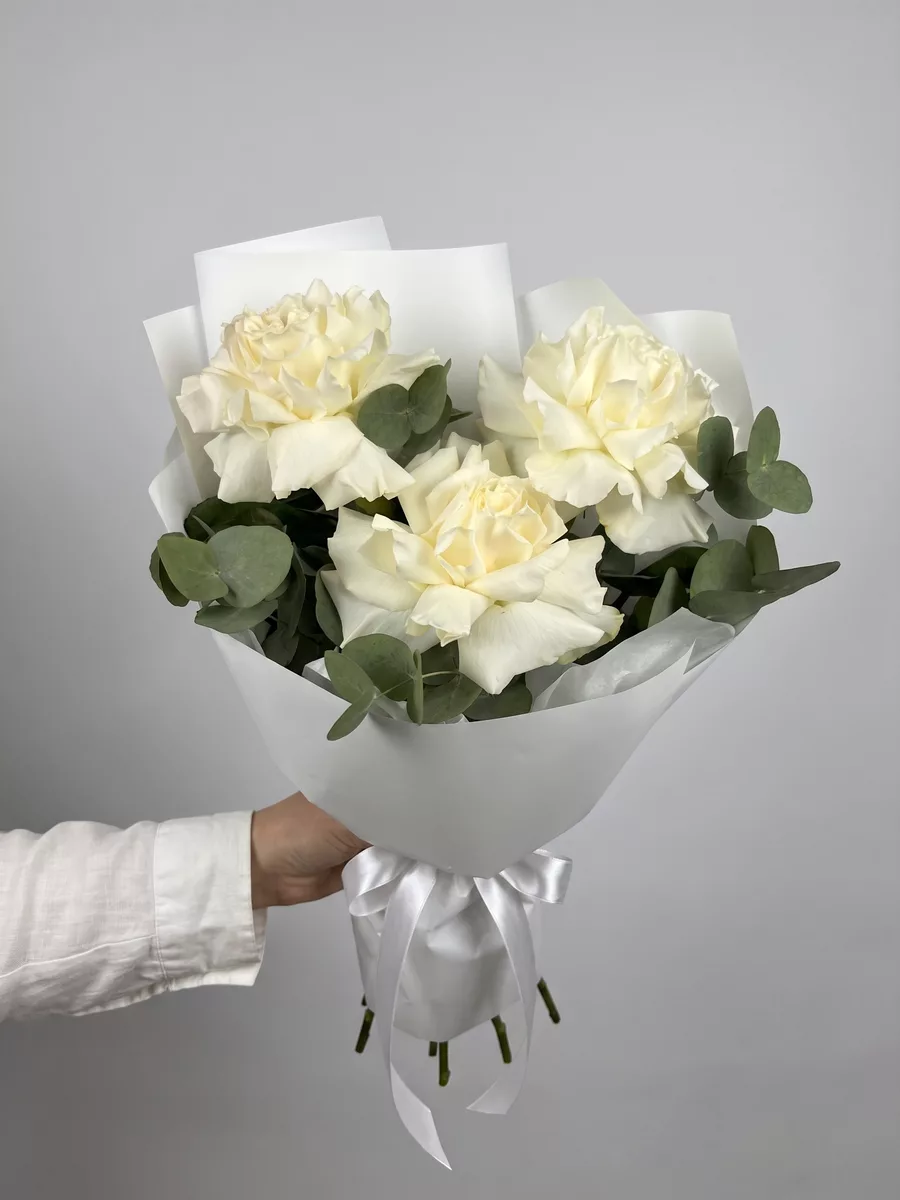
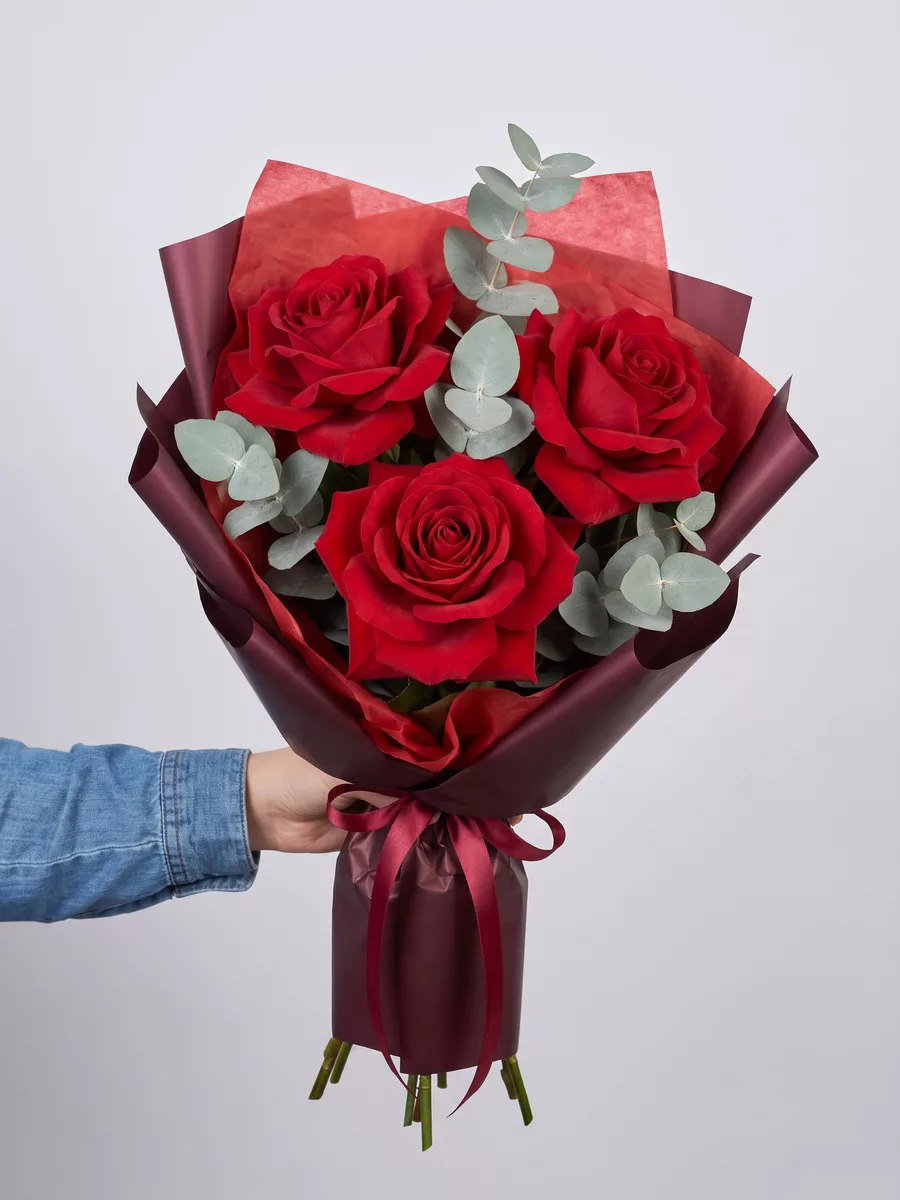
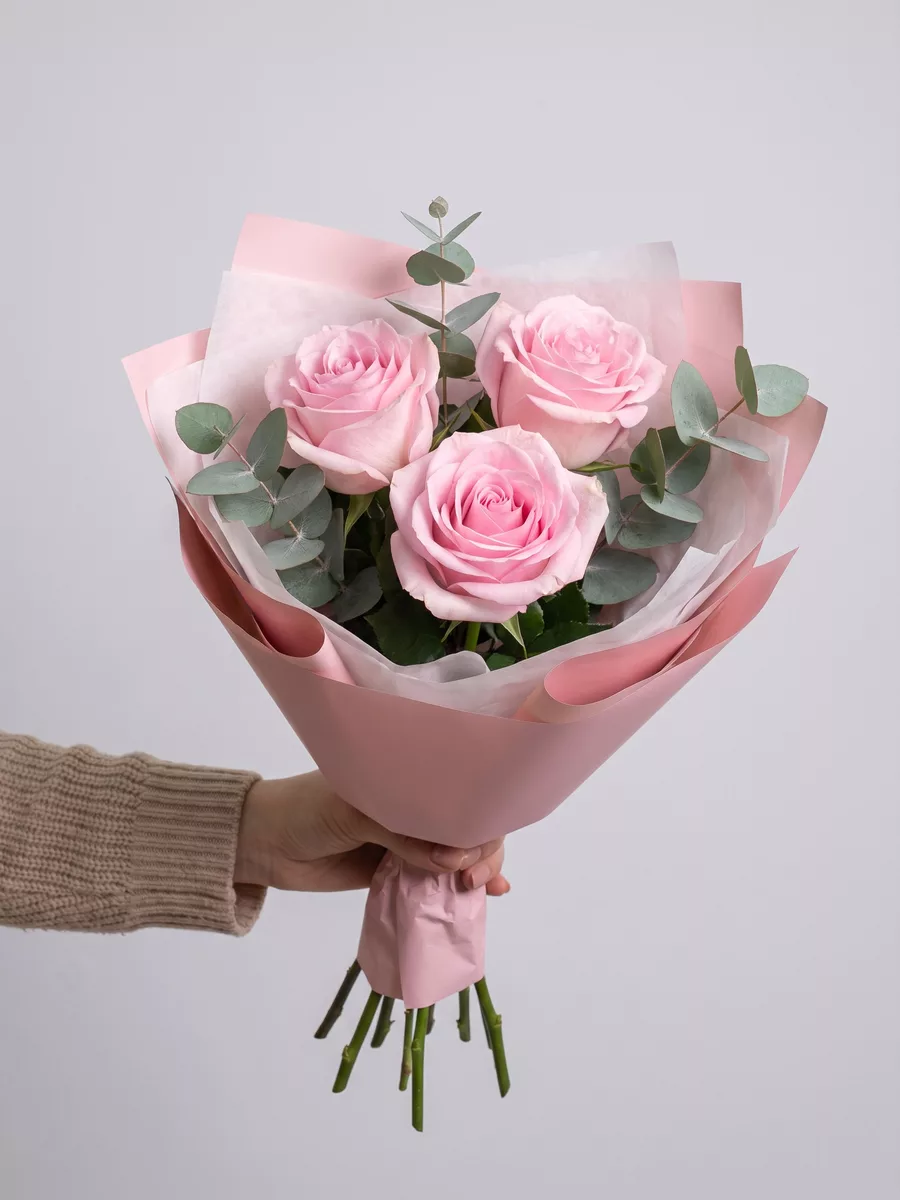
Choosing the Right Occasion Framing Before You Pick a Flower
Before you scroll through any catalogue, pause and think about what your recipient will feel when the door opens. A bouquet is not just a product — it is a moment. A woman turning forty in Lukhovitsy will feel something different receiving a lush arrangement of garden roses and eucalyptus than she would receiving a tight bundle of carnations, even if both are technically fresh and delivered on time. The framing of the occasion shapes every choice that follows.
For birthdays, the emotion you are aiming for is delight and celebration. Bold colours work well here — deep burgundy peonies in season, bright sunflowers in summer, or a mixed arrangement with spray roses and lisianthus that feels abundant rather than restrained. Russians generally appreciate generous bouquets; a small arrangement of five stems can read as an afterthought.
For romantic occasions — Valentine's Day, anniversaries, the spontaneous gesture — red and blush tones remain the clearest language. A classic arrangement of long-stemmed red roses is never wrong, but if you want something more personal, consider blush garden roses mixed with white ranunculus and soft greenery. It feels considered rather than automatic.
For congratulations — a new job, a graduation, a new home — the mood is bright and forward-looking. Yellow and white combinations, or orange tulips in spring, communicate energy and optimism without the romantic weight of red. Think about what the recipient's personality is like. Someone reserved might prefer a structured monochromatic arrangement; someone expressive will love an explosion of mixed seasonal blooms.
Once you know the feeling you want to create, the specific variety becomes much easier to choose.
Seasonal Flowers That Actually Arrive in Good Condition
One of the most common mistakes international senders make is ordering a flower that is technically available but has travelled too far in the wrong season. A peony flown in from Ecuador in December will be expensive and fragile. A locally sourced tulip in March will be firm, vibrant and last ten days in a vase. Choosing with the season in mind is one of the most practical things you can do from abroad.
Spring, roughly March through May, is tulip season in Russia. Dutch tulips arrive in enormous supply and excellent quality. Ranunculus, hyacinths and the first peonies appear toward late April and May. These months are some of the best for ordering because freshness is high and the range is wide.
Summer, June through August, brings peonies in full force through June, then sunflowers, lisianthus, eustoma and garden roses. If your recipient has a garden-facing window and you want the bouquet to feel like it belongs there, a summer arrangement of mixed garden roses with herbs and wildflower-style fillers is genuinely beautiful and holds up well in warm interiors.
Autumn is chrysanthemum and dahlia season — often underestimated by people ordering from abroad who associate these with older aesthetics. Modern arrangements using café-au-lait dahlias or spider chrysanthemums look sophisticated and last longer than most cut flowers, sometimes up to two weeks with proper care.
Winter is rose season by necessity. Roses from Dutch and Ecuadorian growers dominate, and quality is consistent. Amaryllis, alstroemeria and waxflower add texture and interest. Avoid ordering tropical flowers like anthuriums in deep winter unless you know the recipient keeps their home very warm — cold hallways can damage them in transit.
Budget Ranges and What They Actually Look Like in the Vase
When you are ordering from abroad, it helps to understand not just the price tier but what the recipient will physically see and feel when they unwrap the bouquet. The number of stems, the size of the blooms, the quality of the wrapping — these things communicate care. A thoughtful mid-range arrangement often lands better than a bargain option that looks sparse.
At the entry level, a recipient receives a neat, single-variety bouquet — perhaps fifteen tulips or a dozen standard roses. It is clean, presentable and entirely appropriate for a friendly gesture or a thank-you. The wrapping is simple kraft paper or cellophane, tied with ribbon. For a close friend or family member on a significant occasion, this tier can feel a little modest.
The mid-range opens up the composition considerably. You are now in the territory of mixed arrangements — roses combined with lisianthus and eucalyptus, or a seasonal bloom with complementary fillers and interesting greenery. The bouquet has depth and movement. It sits in a vase and looks like something someone chose carefully, not something grabbed from a petrol station. This is the tier most senders from abroad choose, and it consistently produces the strongest reaction from recipients.
At the upper end, you are working with premium varieties — garden roses, peonies at peak season, large-headed ranunculus — in generous quantities. The arrangement is wrapped and presented in a way that feels like an event. Hatboxes, vase arrangements and large designer bouquets fall here. If the occasion is significant — a major birthday, an anniversary of many years, a life milestone — this tier matches the moment.
Whatever the budget, specify the occasion in the order notes. A florist who knows it is a fortieth birthday will make different choices within your budget than one working blind.
How to Place the Order Correctly from Outside Russia
Placing a flower delivery order from abroad is straightforward if you prepare a few things in advance. The most important is the recipient's full address and a working Russian mobile number. Couriers in Russia rely on phone contact before arrival — they will call to confirm they are on the way, which also means the recipient has a moment to come to the door rather than missing the delivery entirely.
When you fill in the delivery address, use the Russian postal format: city, street, building number, apartment number, and entrance number if applicable. If you are unsure of the exact format, write it out in full in the notes field and the team will clarify. Do not abbreviate — what looks obvious to you may be ambiguous to someone navigating an unfamiliar part of Lukhovitsy.
For the card message, you can write in English or Russian. If you write in English, include a note asking for the message to be transcribed or kept as written — recipients who do not read English will appreciate a translated version, and a small handwritten card in Russian feels more personal. Many senders from abroad choose to write a short message in transliterated Russian, which is a warm touch even if the grammar is imperfect.
Time zones matter more than most international senders realise. Moscow time is UTC+3. If you are placing the order from New York at 9 pm on a Tuesday, it is already 4 am Wednesday in Moscow. Build this into your planning so the delivery lands at the right time of day — late evening deliveries can be inconvenient, and very early morning arrivals are rarely welcome. Aim for a delivery window between 10 am and 7 pm Moscow time.
What Your Recipient Should Do When the Flowers Arrive
Most people receiving flowers do not think much about what happens in the first thirty minutes, and that is where vase life is won or lost. If you are sending flowers to someone in Lukhovitsy, a short message with care instructions — even just a few lines — makes a genuine difference to how long the bouquet stays beautiful. Think of it as part of the gift.
The first step is to re-cut the stems. This sounds fussy but takes ten seconds and matters enormously. Stems seal over during transport, and a fresh diagonal cut — about two centimetres up from the base — opens the vascular tissue so the flower can drink. A sharp kitchen knife works better than scissors, which can crush the stem rather than cut it cleanly.
The vase should be clean and filled with cool, fresh water. Lukewarm water is sometimes recommended for certain flowers to encourage opening, but for most cut flowers — roses, tulips, chrysanthemums — cool water slows bacterial growth and extends vase life. Remove any leaves that sit below the waterline; submerged foliage rots quickly and clouds the water.
Keep the bouquet away from direct sunlight, radiators and fruit bowls. The ethylene gas that ripening fruit releases accelerates flower ageing noticeably. In a Russian apartment in winter, the area near a radiator is particularly risky — centrally heated rooms can be very dry and warm, which shortens petal life quickly.
Change the water every two days and re-cut the stems each time. With this routine, roses typically last seven to ten days, tulips five to seven, chrysanthemums ten to fourteen, and lisianthus up to two weeks. Peonies are shorter — four to six days — but spectacular while they last.
Russian Flower Customs Worth Knowing Before You Order
If you are not familiar with Russian floral customs, a few details are worth knowing — not because breaking them causes offence in every case, but because following them shows a level of care that recipients notice and appreciate.
The most widely known convention is the odd-number rule. In Russia, even numbers of flowers are associated with funerals and mourning, so bouquets for celebratory occasions traditionally contain an odd number of stems — five, seven, eleven, fifteen, twenty-five. When you order a bouquet of a dozen roses, a Russian florist will often adjust to eleven or thirteen without being asked. If you are specifying an exact stem count, keep this in mind.
Colour carries meaning too, though younger recipients in cities are more relaxed about this than older generations. Yellow flowers were historically associated with separation or jealousy in Russian folk tradition, and some older recipients still hold this association. If you are sending to someone over sixty and want to be safe, mix yellow with white or orange rather than sending a purely yellow arrangement. For younger recipients, a bouquet of yellow tulips or sunflowers reads simply as cheerful and warm.
Flowers are given at the door, not left on a table — the act of presenting them in person, or having a courier hand them over directly, is part of the gesture. This is why a confirmed delivery with a phone call ahead matters culturally as well as logistically.
Finally, a handwritten card is genuinely valued. In a world of digital messages, a physical note that arrives with the flowers feels deliberate and personal. Even a short sentence — written in Russian if possible, or translated — elevates the whole experience for the person receiving it.
Sending flowers from another country to someone in Lukhovitsy is one of the most direct ways to close a distance that geography has opened. When the details are right — the address complete, the timing considered, the flowers chosen for the person and the season — what arrives at the door is not just a bouquet. It is evidence that someone on the other side of the world was thinking of them carefully enough to get it right. That is what flowers do when they are handled well.
Frequently asked questions
Will my recipient in Lukhovitsy receive exactly the bouquet shown, or will it look different?
The bouquet will match the style and colour palette you choose, though individual stems may vary slightly depending on what is freshest that day in the Moscow Oblast supply chain. Seasonal substitutions keep the arrangement alive and beautiful rather than forcing in flowers past their best. The overall impression your recipient opens the door to will reflect what you ordered.
How does the continental climate around Lukhovitsy affect which flowers I should choose for winter delivery?
In deep winter, delicate open blooms like garden roses or anemones are more vulnerable during the final courier leg in freezing air. Roses with tighter buds, chrysanthemums, and alstroemeria travel the cold better and open beautifully indoors. If you are sending in January or February, choose arrangements where the flowers are still partially closed so your recipient watches them open over several days.
What address details does my recipient in Lukhovitsy actually need me to provide?
Russian addresses follow a specific order: street name, building number, then apartment number. If your recipient lives in a block with an entrance code or a named entrance number, include that too. Missing the apartment number is the most common reason a courier cannot complete delivery in Russian towns, so confirm the full format with your recipient before you place the order.
Is same-day delivery to Lukhovitsy from an international order genuinely possible, and what affects it?
Same-day delivery is realistic if you place the order before late morning Moscow time, which is GMT plus three hours. The town sits within the Moscow Oblast courier network, so timing depends more on when your order clears than on distance. Orders placed late in the afternoon local time are better scheduled for the following morning to guarantee freshness on arrival.
What combination of flowers works best if I want the bouquet to feel celebratory rather than just decorative?
For a birthday or anniversary in Lukhovitsy, mix a focal flower like spray roses or lisianthus with something textural such as waxflower or eucalyptus, and add a strong colour contrast rather than keeping everything tonal. A bouquet with three distinct elements reads as considered and generous rather than a simple bunch. Bright coral, deep burgundy or warm yellow against green foliage photographs well and feels festive when the door opens.
Ready to send flowers?
Pick the city, choose the bouquet, and a local florist takes it from there.
Choose a city →