Sending Flowers to Lyantor from Abroad? Here Is What to Actually Expect
Lyantor sits deep in the Khanty-Mansiysk Autonomous Okrug, roughly 2,800 kilometres east of Moscow, and if you are calling or clicking from London, Toronto or Frankfurt, the distance can feel overwhelming. It does not have to. With the right service and a few pieces of local knowledge, you can send a fresh, beautifully arranged bouquet that arrives at someone's door in Lyantor within an hour or two of placing your order — no Russian phone number required, no guesswork about what the florist understood.
Why Lyantor Is Different from Sending Flowers to a Big City
Most international senders are used to ordering for Moscow or Saint Petersburg, where a huge variety of flowers is available year-round and same-day delivery is almost taken for granted. Lyantor is a compact oil-industry town in western Siberia with a population of around 40,000, and that changes a few practical things worth knowing before you place an order.
The climate is the first factor. Winters are long and genuinely harsh, with temperatures regularly dropping below minus 25 degrees Celsius from November through March. Delicate tropical flowers — think anthuriums or certain orchid varieties — can suffer in transit between a warm vehicle and a cold entrance hall if the handoff is not managed carefully. Sturdier choices like spray roses, chrysanthemums, alstroemerias and lisianthus hold up far better in those conditions and still look generous and considered.
The second factor is that Lyantor does not have the same walk-in flower culture as a capital city. Receiving a delivered bouquet is a more notable event here, which actually works in your favour as a sender. A well-chosen arrangement carries more weight precisely because it is less ordinary. People remember it. That means your choice of flowers and presentation matters even more than it would in a place where bouquets are everywhere.
Bouquets we can deliver

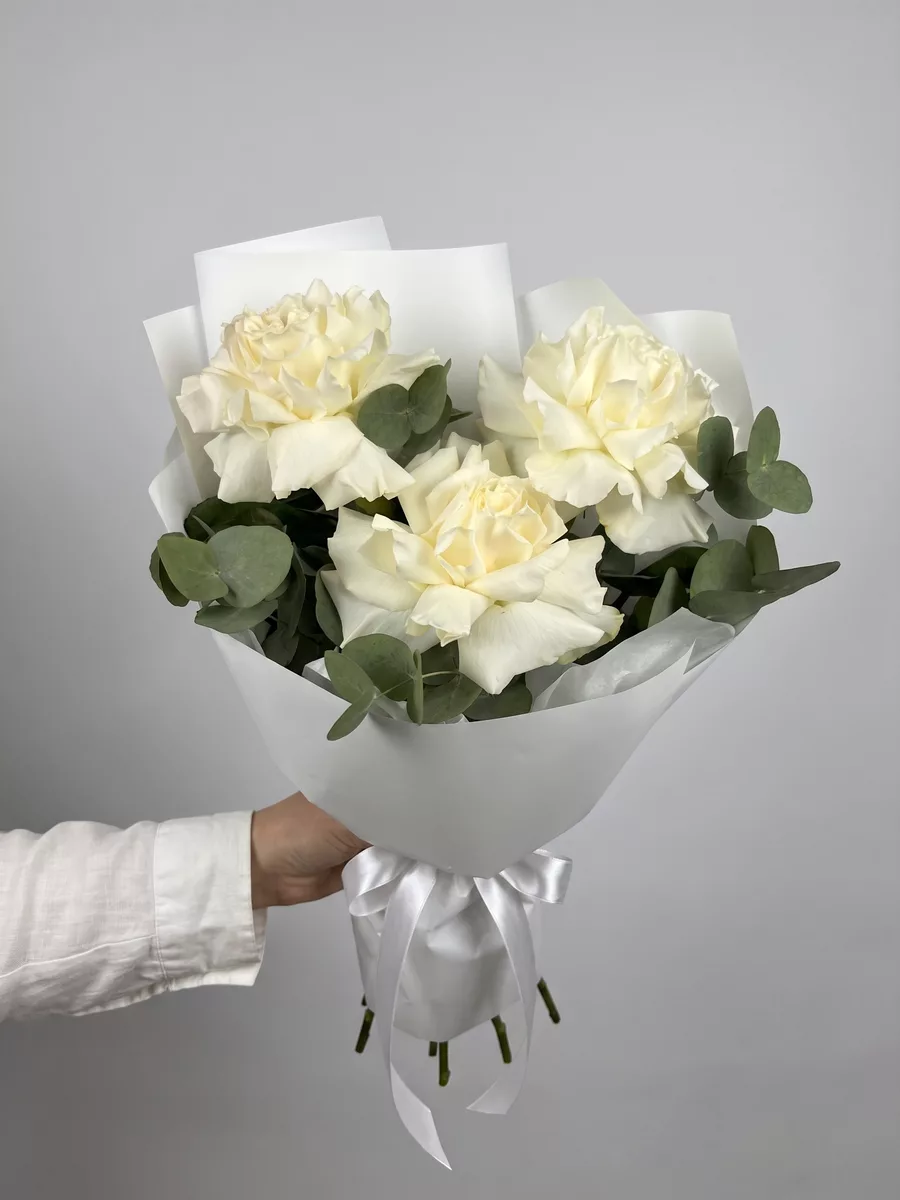
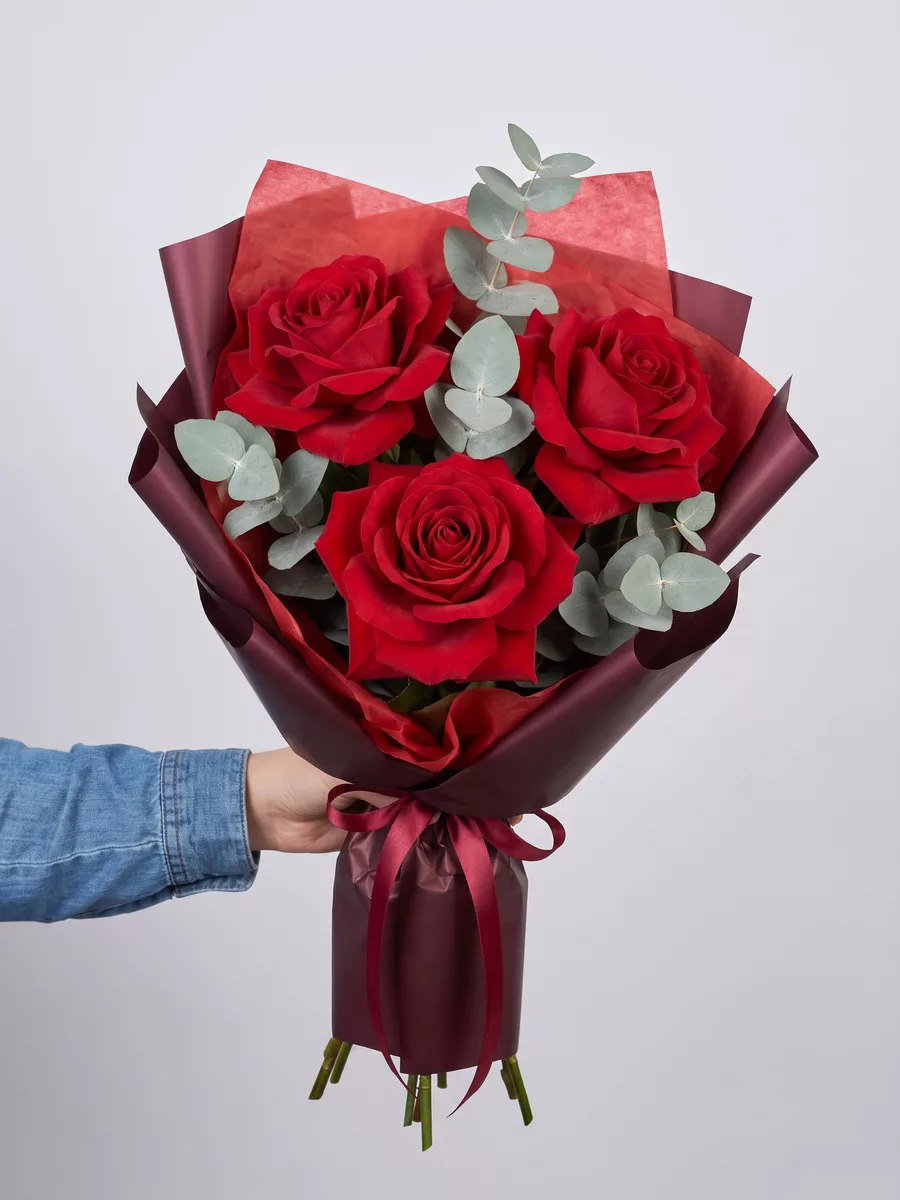
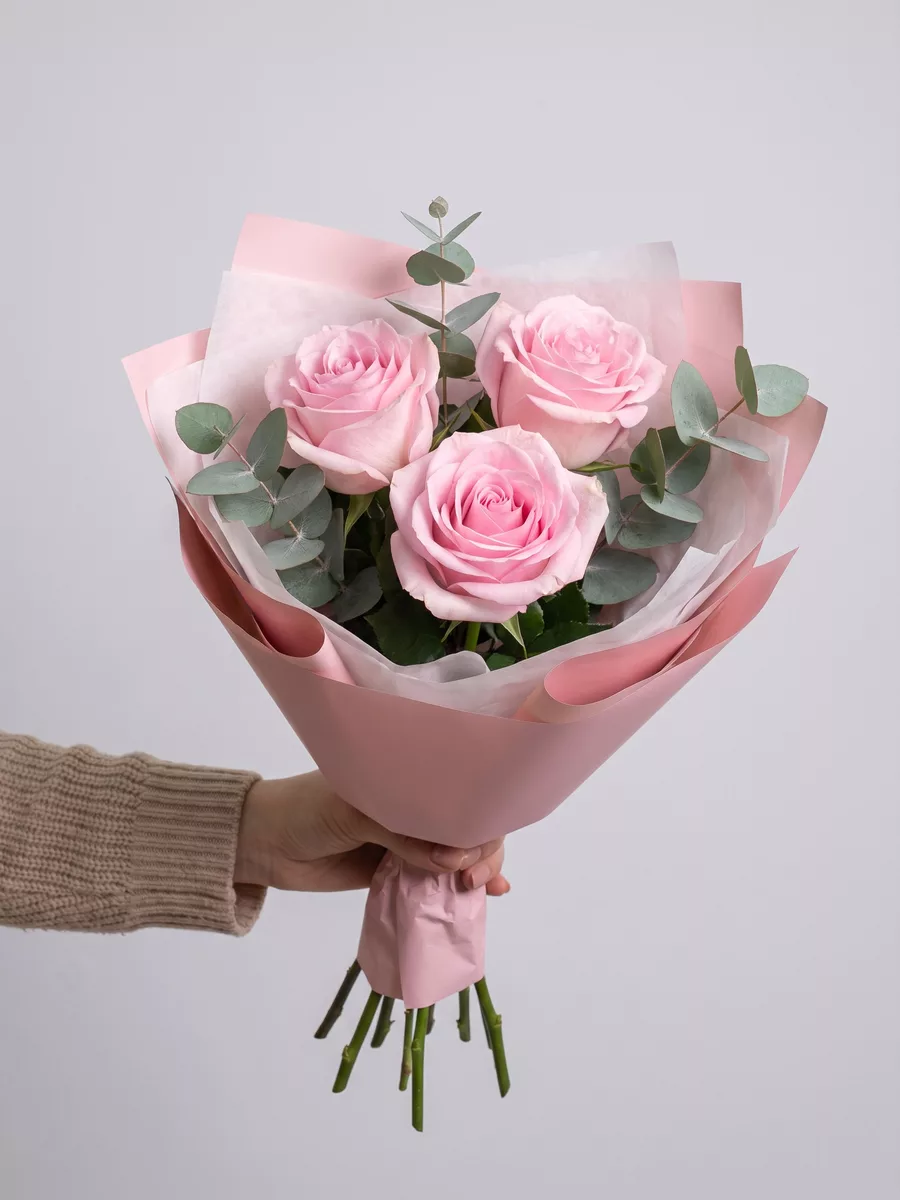
The Best Time of Day and Week to Place Your Order from Abroad
Time zones are the single most common source of confusion for international senders. Lyantor operates on Yekaterinburg Time, which is UTC plus five. That means when it is noon in London it is already five in the evening in Lyantor, and when it is nine in the morning in New York it is nearly seven at night there. Before you choose a delivery window, open a world clock and confirm what time it actually is in Lyantor right now.
For a birthday or anniversary where the moment matters, aim to have the bouquet delivered before the recipient's working day ends. That typically means placing your order no later than early afternoon Lyantor time. Orders placed in the evening Lyantor time can still be fulfilled, but a morning delivery the following day often feels more celebratory than a late-evening one.
Weekends are perfectly workable for delivery, and in Russian culture a surprise arrival on a Saturday or Sunday afternoon is often especially welcome because people are more likely to be at home and relaxed. Avoid placing orders for a specific time slot if you are unsure of the recipient's schedule — a flexible one-to-two-hour window is more forgiving and reduces the chance of a missed delivery. A brief note in the order comments explaining that you are ordering from abroad and asking the courier to call ahead is always a good idea.
What Russian Flower Customs Look Like in Practice
If you have never sent flowers inside Russia before, a couple of customs are worth knowing so your bouquet feels right rather than accidentally awkward. The most important one is the odd-number rule. In Russian tradition, even numbers of flowers are associated with mourning and are brought to cemeteries. For any celebratory or affectionate occasion — a birthday, an anniversary, a new baby, a professional achievement — always choose an odd number of stems: five, seven, nine, eleven, fifteen, twenty-one. Most good florists follow this automatically, but it is worth confirming when you order.
Colour language is also meaningful. Red roses signal deep romantic love and are entirely appropriate for a partner. Pink roses and peonies read as warm and affectionate without being as intense, which makes them excellent for mothers, close friends or colleagues. White flowers — white lisianthus, white freesias, white tulips in spring — feel elegant and sincere across almost any relationship. Yellow flowers were once considered unlucky in Soviet-era superstition, but that association has faded considerably among younger generations. Still, if you are unsure of the recipient's age or sensibilities, mixing yellow with another colour rather than using it alone is a safe approach.
A handwritten card in Russian is a small touch that goes a long way. Even a simple phrase like a birthday wish or a line of congratulation in Russian shows care. You can write your message in English and ask the florist to translate it, or write it yourself using a translation tool.
Choosing Flowers by the Occasion, Not Just by Looks
The best bouquet for Lyantor is the one that fits the specific moment, not just the one that photographs well. Start from who the recipient is and what they are celebrating, then work toward the flowers.
For a birthday, volume and colour tend to land well. A generous arrangement of spray roses mixed with lisianthus and eucalyptus has real visual impact when the door opens, and both flowers travel well in cold conditions. If the recipient is someone who loves gardens or nature, ranunculus in season or alstroemeria in a soft mixed palette feels personal rather than generic.
For a professional milestone — a promotion, a successful project, the opening of something new — structured, elegant arrangements work better than loose romantic ones. Think garden roses in a single tone, or a clean arrangement of calla lilies with minimal greenery. The formality signals respect.
For a new baby or a housewarming, softer and lighter feels right: pastel spray roses, white freesias, pale pink matthiola if it is in season. These flowers smell wonderful and feel gentle rather than dramatic, which suits the tenderness of the occasion.
For a romantic gesture across the distance, classic red roses still carry the most unambiguous message, but a mix of red and blush garden roses with a few stems of white gypsophila reads as more thoughtful and less formulaic. The combination says you considered it rather than defaulted to it. That distinction matters when you are thousands of kilometres away and the flowers have to speak for you.
Seasonal Availability and What to Expect Month by Month
Siberia's seasons are pronounced, and they affect both what is available and what survives the journey from florist to door in good condition. Understanding the rough seasonal calendar helps you order with confidence rather than disappointment.
From roughly November through February, the coldest months, the most reliable flowers are those with sturdy petals and firm stems: chrysanthemums, alstroemerias, spray roses, carnations and lisianthus. These are not second-choice flowers — a well-composed arrangement of white chrysanthemums and deep burgundy alstroemeria is genuinely beautiful and will last well over a week in a cool apartment. Tulips are also available in winter because they are grown under glass, and they bring a welcome freshness to the season.
Spring, from March through May, is arguably the most emotionally resonant time to send flowers to Lyantor. After months of cold and darkness, fresh tulips, hyacinths and the first ranunculus feel genuinely meaningful. March 8th, International Women's Day, is one of the most significant flower-giving occasions in all of Russia, and demand is extremely high in the days around it. Order early if you are planning anything for that date.
Summer brings peonies — a short but glorious window in June — along with sunflowers, garden roses and seasonal wildflower-style arrangements that feel abundant and warm. Autumn is the season for dahlias, if available, and for rich jewel-toned arrangements that suit the mood of the changing light. Whatever the month, asking your florist what is looking best right now is always the smartest question.
How to Write a Card Message That Lands Well
The card is often the part international senders think about last, but it is the part the recipient reads first and keeps longest. A few minutes spent on the message makes the whole gesture more complete.
If you are writing in English, that is entirely fine — many people in Lyantor read some English, and a message in your own language feels authentic rather than translated. But if you want to include even one line in Russian, it will be noticed warmly. A simple phrase like 'S dnyom rozhdeniya' for happy birthday, or 'Pozdravlyayu' for congratulations, shows that you made an effort across the distance.
Keep the tone warm and specific rather than generic. Instead of 'Happy Birthday, thinking of you,' try something like 'Wishing you the kind of day that feels as bright as these flowers look.' Specific references to a shared memory, a joke, or something the recipient loves make the card feel like it came from you rather than from a template.
If the occasion is professional — a promotion, an opening, a milestone — a tone of genuine admiration works well in Russian culture, where achievement is respected and publicly acknowledged. Something like 'You have worked so hard for this and it shows' is the kind of line a Russian recipient will read more than once.
Finally, sign with your full name or the name the recipient knows you by, and if you are sending from abroad, mentioning the city you are writing from adds a layer of warmth. It reminds them that someone far away was thinking of them specifically.
Flower Care Advice to Pass Along with Your Bouquet
A beautiful bouquet lasts much longer when the recipient knows a few basic things about caring for it. As the sender, you can include a short care note with your card, or simply mention these points when you speak to them after delivery.
The first thing to do when a bouquet arrives in winter is to let it rest at room temperature for fifteen to twenty minutes before unwrapping it completely. Bringing cold-shocked flowers directly into a warm room and immediately removing the wrapping can cause condensation and petal damage. A gentle, gradual transition is kinder to the blooms.
For the vase, clean water and a clean container make the biggest difference. Cut the stems at a diagonal angle under running water, removing any leaves that would sit below the waterline. Leaves in water rot quickly and cloud the water, which shortens vase life considerably. Change the water every two days and recut the stems slightly each time.
Keep the arrangement away from direct sunlight, radiators and fruit bowls. Ethylene gas from ripening fruit is genuinely harmful to cut flowers — it accelerates aging noticeably, especially in roses and carnations. A cool spot, like a windowsill away from direct heat, is ideal.
With this care, roses and lisianthus typically last seven to ten days. Chrysanthemums and alstroemerias often last longer, sometimes close to two weeks. Tulips are shorter-lived, around five to seven days, but they are so cheerful that they are worth it. Passing this information along shows the recipient that the thought continued beyond the moment of ordering.
Sending flowers to Lyantor from the other side of the world is genuinely possible, and when it works well, it works beautifully. The distance is part of what makes it meaningful. Someone in Siberia opens their door to a fresh bouquet and knows that a person thousands of kilometres away was thinking of them specifically, chose something with care, and found a way to make it arrive. That is not a small thing. With attention to timing, seasonal choices, Russian customs around numbers and colour, and a message that sounds like you, the bouquet becomes something the recipient talks about long after the flowers have finished.
Frequently asked questions
What happens to my bouquet during the handoff in Lyantor's extreme cold?
Lyantor winters regularly fall below minus 25 Celsius, so the moment between the courier's vehicle and the recipient's door is the most vulnerable point for delicate blooms. Turboflora couriers are experienced with this handoff and move quickly. Choosing compact, dense arrangements over large open blooms gives the flowers a better chance of arriving exactly as they left the shop.
Does the fact that Lyantor is a smaller oil-industry town affect what flowers are actually available?
It does, but less than most senders expect. The range is narrower than Moscow or Saint Petersburg, and truly exotic varieties may not always be in stock. The practical upside is that a well-composed bouquet of roses, spray roses or chrysanthemums looks genuinely special in Lyantor precisely because delivered flowers are a less everyday occurrence there.
How do I work out the right moment to place my order from London, Toronto or Frankfurt?
Lyantor runs on UTC plus five, so five hours ahead of London, eight ahead of Toronto and four ahead of Frankfurt. If you want a bouquet delivered by early evening in Lyantor, you need to place the order during your own morning. Turboflora aims to deliver within one to two hours of the order, so the calculation is straightforward once you fix the arrival time first.
Can I write the card message in English and will the recipient understand the context?
You can write in English, and Turboflora can relay the message as provided. If you want the sentiment to land clearly, keeping the message short and direct helps regardless of language. For occasions like birthdays or anniversaries, the flowers themselves communicate most of what you intend, and a simple warm line in English is entirely appropriate.
What combination works well if I want the bouquet to feel personal rather than generic for someone in Lyantor?
Choose a single dominant flower in a colour meaningful to the recipient, then build around it with complementary textures rather than mixing many varieties. Roses paired with waxflower or spray roses with eucalyptus read as considered and warm. Avoiding overly corporate symmetry and opting for a slightly looser arrangement makes a delivered bouquet feel chosen rather than simply ordered.
Ready to send flowers?
Pick the city, choose the bouquet, and a local florist takes it from there.
Choose a city →