Sending Flowers to Lyudinovo from Abroad — Your Practical Florist Guide
Lyudinovo sits in the Kaluga region, a quiet industrial city where a well-chosen bouquet still turns an ordinary Tuesday into something people talk about for weeks. When you are ordering from London, Berlin, Tel Aviv or Toronto, the distance feels enormous — but the moment the flowers arrive at the door, none of that distance matters. What matters is that you chose the right flowers, ordered at the right time, and understood enough about Russian gifting culture to make the gesture land exactly as you intended.
Why Lyudinovo Is Worth Getting Right
Lyudinovo is not a major metropolitan centre, and that is precisely why a flower delivery there carries extra weight. In smaller Russian cities, a bouquet sent from abroad signals real effort — people notice that someone took the trouble to arrange something beautiful across a long distance. The recipient will almost certainly tell neighbours, colleagues or family. That social warmth is part of Russian gifting culture, and it is worth understanding before you place your order.
The city sits roughly 270 kilometres south-west of Moscow, which means deliveries routed through our Saint Petersburg hub travel through well-established Russian logistics corridors. The infrastructure is reliable, but timing your order correctly is still your most important decision as a sender abroad.
Lyudinovo experiences a true continental climate — cold winters that dip well below freezing and warm summers that can push above 30 degrees Celsius. Both extremes affect how flowers travel and how long they last once they arrive. A florist who understands those temperature swings will pack and time the delivery accordingly, protecting roses from frost in January and keeping hydrangeas hydrated in July. Knowing this helps you set realistic expectations and choose varieties that are genuinely suited to the season rather than just the prettiest thing in the catalogue.
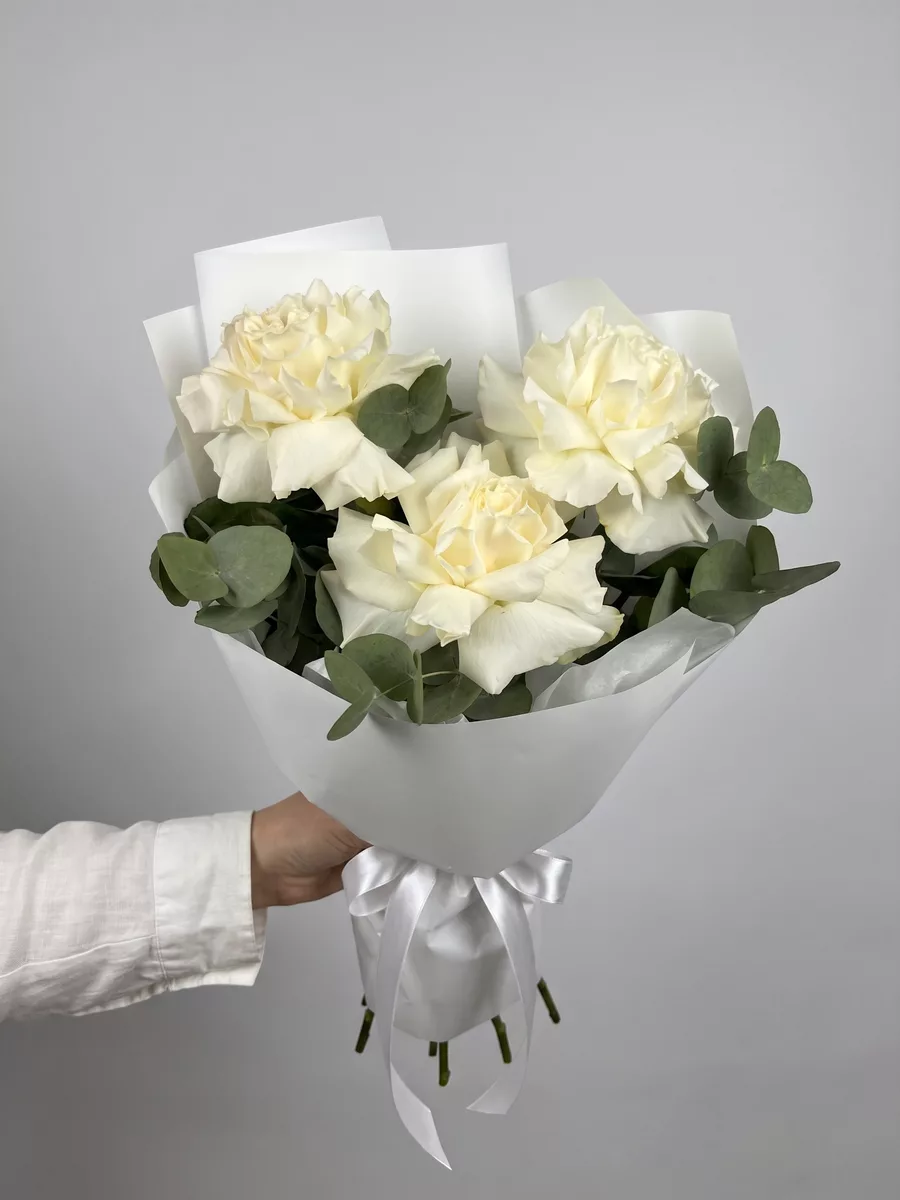
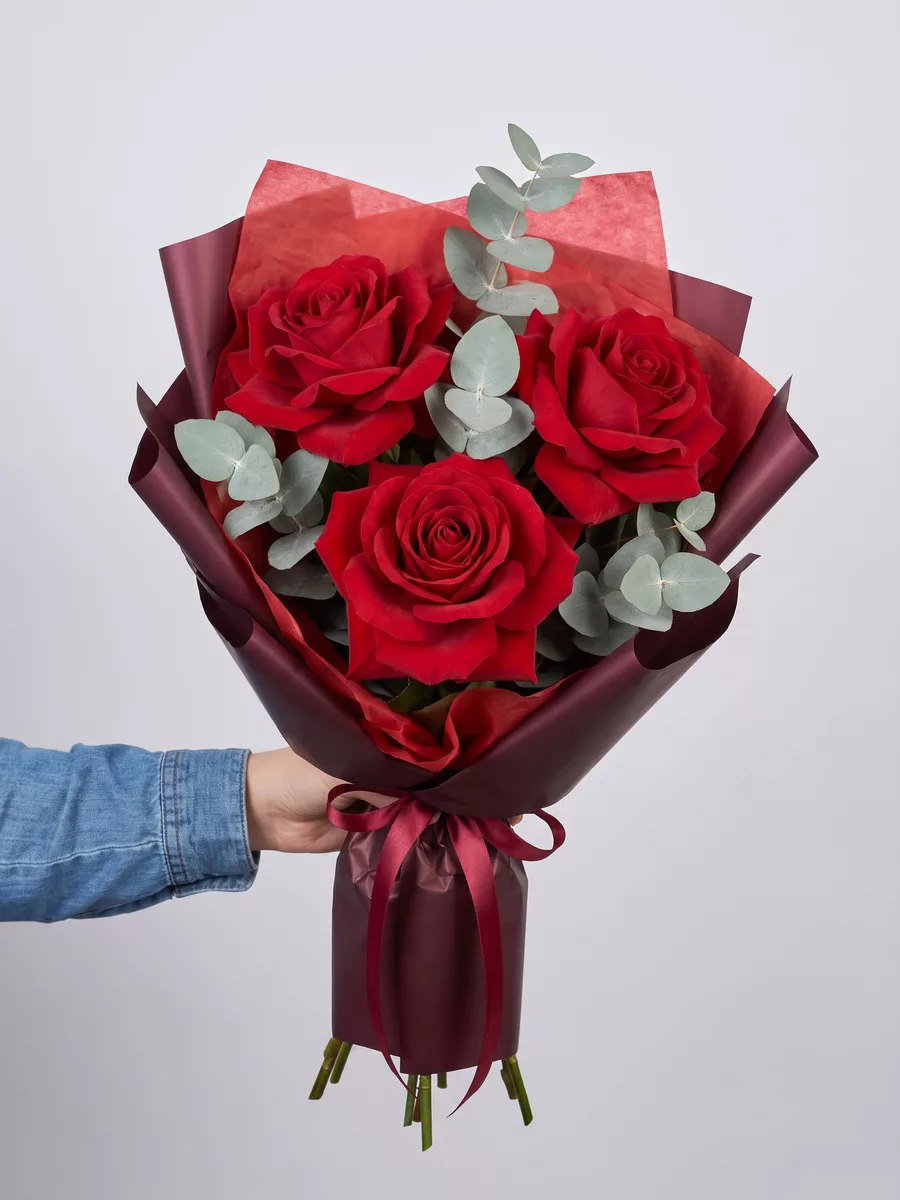
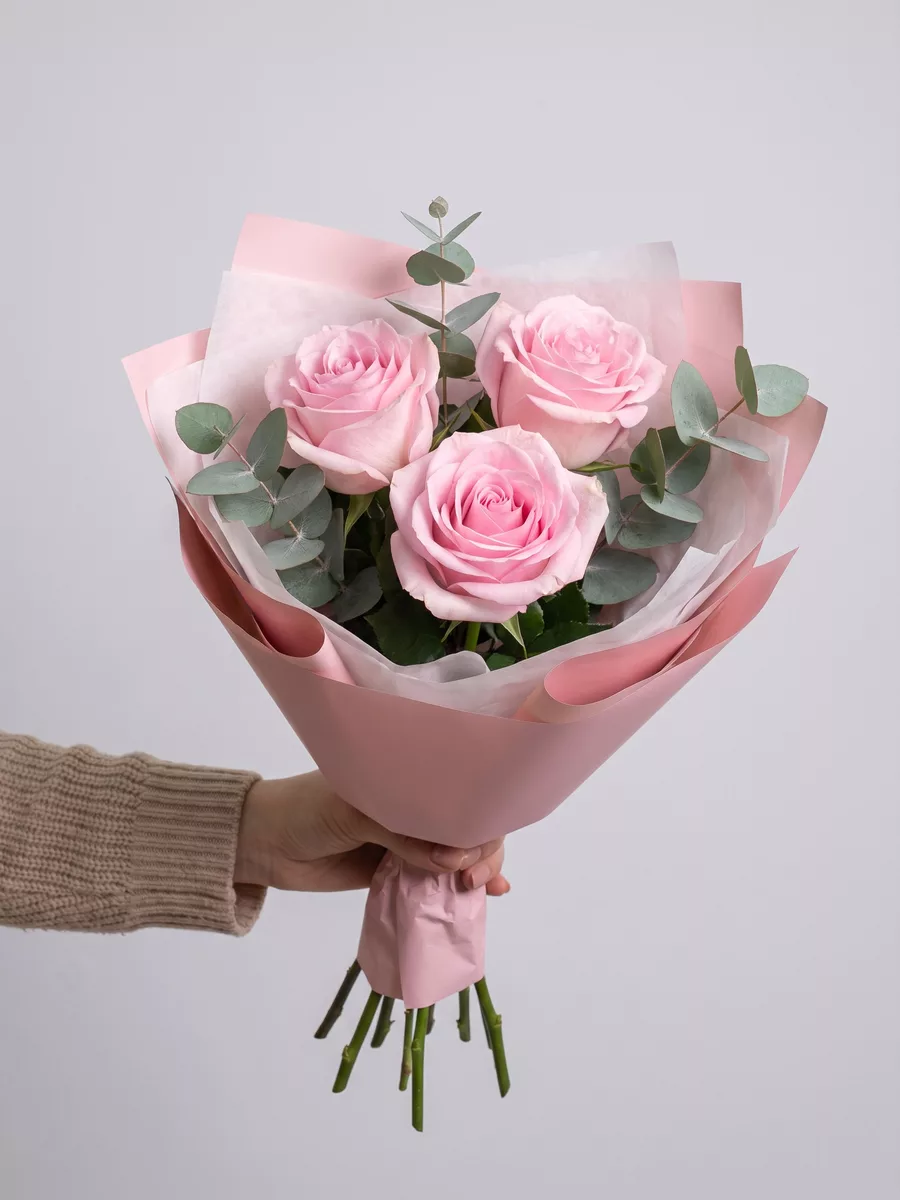
Bouquets we can deliver

Reading the Occasion Before You Choose the Flowers
The single most useful thing you can do before selecting a bouquet is to think about what the recipient will feel when they open the door. A birthday calls for something exuberant — full-headed garden roses in coral or peach, ranunculus layered in among them, a few stems of lisianthus for softness. An anniversary asks for something more intimate: a tight, romantic arrangement where every flower feels chosen rather than assembled.
In Russian culture, the number of flowers in a bouquet carries meaning. An odd number is given for celebrations — one, three, five, seven, eleven, fifteen, and so on. An even number is reserved for mourning contexts, so always confirm your bouquet count before finalising the order. This is one of the most common mistakes international senders make, and it genuinely affects how the gift is received.
For a new job, a housewarming or a graduation, sunflowers mixed with spray chrysanthemums and solidago read as cheerful and forward-looking without being overly romantic. For a friend you simply want to surprise, a monochrome arrangement — all white freesias, for instance, or a single-variety bunch of tulips in the season when they are at their best — shows a kind of thoughtful restraint that Russians appreciate. Think about the relationship first, then let the flowers follow from that.
Choosing Flowers by Season in a Continental Climate
Lyudinovo's seasons are distinct enough that the right flower in the wrong month can arrive looking tired before the recipient even unwraps it. In winter, from November through February, hardy varieties travel best. Alstroemeria holds exceptionally well in cold transit — it is one of the most practical choices for January deliveries. Carnations, often underestimated, are genuinely resilient and come in a wide enough colour range to feel celebratory rather than generic when arranged well.
Spring in the Kaluga region is tulip season, and this is one of the times when the calendar and the flower align perfectly. Dutch tulips in mixed pastels or a single bold colour like deep purple or bright orange arrive fresh and open within a day, giving the recipient a long-lasting display. Peonies follow in late May and June, and they are enormously popular in Russia — a peony bouquet sent for a late-spring birthday will be remembered.
Summer brings heat that stresses delicate petals. Lisianthus, statice and eustoma handle warmth better than open roses. If you want roses in summer, choose tightly budded stems rather than full-blown heads — they will open beautifully in the recipient's home over two or three days. Autumn is chrysanthemum season, and the large-headed varieties in burgundy, bronze and cream look genuinely stunning and last well into a second week with proper care. Always let the season guide you rather than fighting it.
Timing Your Order Across Time Zones
This is where international senders most often stumble, and it is entirely fixable with a little planning. Lyudinovo operates on Moscow Standard Time, which is UTC plus three hours with no daylight saving adjustment. If you are in New York, that is an eight-hour difference in winter and a seven-hour difference in summer. London is three hours behind Moscow in winter and two hours behind in summer. Work out the local Lyudinovo time before you decide when to place your order.
For a morning delivery — which tends to feel the most celebratory, arriving before the recipient leaves for work — you need your order confirmed the evening before at the latest. For a same-day afternoon delivery, placing your order before noon Moscow time gives the logistics chain enough room to work properly. When you are ordering from a significantly different time zone, the safest approach is to place the order a full day in advance and specify the delivery window clearly in your notes.
Russian public holidays are another timing consideration. Victory Day on the ninth of May, International Women's Day on the eighth of March, and New Year through early January are all high-demand periods when orders spike sharply. Women's Day in particular is the single busiest flower day in Russia — demand is genuinely extraordinary. Order at least three to four days ahead for any of these dates. Leaving it to the morning of the holiday from a foreign time zone is a reliable way to be disappointed.
What to Write on the Card — Russian Gifting Etiquette
A card message written in Russian will always land more warmly than one in English, even if the translation is imperfect. Most recipients understand that the sender made an effort to bridge the language gap, and that effort is appreciated as part of the gift itself. If you write your message in English and ask for it to be transliterated or translated, keep the tone warm and direct — Russian sentiment tends to be heartfelt rather than understated.
Avoid overly casual phrasing that might read as flippant. Russians generally appreciate sincerity in written messages, especially when the bouquet is marking something significant like a birthday milestone, a graduation or a professional achievement. A short, genuine sentence means more than an elaborate paragraph that tries too hard.
If the occasion is a birthday, the phrase that translates roughly as 'wishing you health, happiness and all the best' is a genuine staple in Russian card culture — it is not a cliché there the way it might feel in English. For a new baby, congratulations on the arrival of a child are always warmly received, and flowers for this occasion traditionally lean toward soft pinks and whites or gentle yellows. For a name day — which many Russians celebrate alongside or instead of a birthday — the same warm, personal tone applies. If you are unsure of the exact occasion, ask the recipient's family member who gave you the address: they will almost always be happy to advise.
Presentation, Wrapping and What Arrives at the Door
Russian flower presentation has its own aesthetic, and it differs from what you might expect if your reference point is a British florist or a French market stall. In Russia, bouquets are often wrapped generously — kraft paper, organza, or a combination of both — with the stems visible and the overall shape full and rounded rather than loosely gathered. The wrapping is considered part of the gift, not just protective packaging, so it should look intentional.
For deliveries to a home address in Lyudinovo, the courier will ring the bell and hand the bouquet directly to the recipient. If no one is home, the delivery team will attempt contact by phone before leaving. This is why including the recipient's Russian mobile number in your order is genuinely important — it is not just a formality. Without a working contact number, a missed delivery becomes complicated to reschedule across time zones.
If you are sending to a workplace, specify the organisation name and floor or department clearly. Lyudinovo has several industrial and administrative facilities where a vague address can cause real delays. A precise delivery address with a named contact gives the courier everything they need to complete the delivery smoothly and without unnecessary calls back to you at an inconvenient hour in your time zone. Think of the address field as the most important box you fill in.
Helping the Flowers Last — Care Advice to Pass Along
Part of a florist's job is making sure the flowers look as good on day five as they did on day one, and you can help by passing along a few simple care instructions when you send your order. In Russia, it is common to receive flowers and immediately put them in a vase of cold water — which is exactly right. But the details matter more than people realise.
The stems should be cut at a diagonal, about two centimetres from the bottom, using a sharp knife rather than scissors. Scissors crush the vascular tissue and reduce water uptake significantly. The cut should be made under running water or while the stem is submerged, which prevents an air bubble from forming and blocking the stem. This single step extends vase life by several days for roses and lilies.
Strip any leaves that would sit below the waterline — they decompose quickly and cloud the water, which accelerates bacterial growth. Change the water every two days and recut the stems each time. Keep the bouquet away from direct sunlight, heating radiators and bowls of ripening fruit — ethylene gas from fruit is a genuine enemy of cut flowers and will cause petals to drop early.
In winter, Lyudinovo homes are often very warm due to central heating systems that run at high output. This dries the air and shortens vase life noticeably. A light misting of the petals each morning helps. Alstroemeria and chrysanthemums will typically last ten days to two weeks with this care. Roses, peonies and tulips are closer to five to seven days but look spectacular throughout.
Sending flowers to Lyudinovo from the other side of the world is a genuinely meaningful act, and the logistics are far more manageable than they might first appear. The things that matter most are straightforward: choose flowers suited to the season, respect the odd-number rule, place your order with enough lead time to account for the time zone gap, and include a complete address with a working phone number. Get those right and what arrives at the door will feel exactly like what you intended — a warm, well-considered gesture from someone who cared enough to make it happen across a very long distance.
Frequently asked questions
Does the continental climate in Lyudinovo affect which flowers I should choose for summer delivery?
Yes, meaningfully. Summer temperatures in Lyudinovo can exceed 30 degrees Celsius, which stresses moisture-sensitive flowers like hydrangeas and garden roses during transit. For warm-month deliveries, tropical stems such as alstroemeria or chrysanthemums handle heat far better and arrive in strong condition. If you have your heart set on roses, order for morning delivery and choose varieties with tighter, firmer heads.
Will a bouquet sent from abroad to a smaller city like Lyudinovo actually feel special, or does it get treated like any local order?
In a city the size of Lyudinovo, a flower delivery arranged from London or Toronto carries genuine social weight. Recipients often share the story with neighbours or colleagues because the effort of arranging something beautiful across that distance is visible and understood. Choosing a considered, generous bouquet rather than the minimum option reinforces exactly that impression.
Which seasonal flowers are actually available for Lyudinovo delivery in winter, when local growing is limited?
Winter availability leans on imported stems routed through established Russian logistics corridors. Roses, spray carnations, alstroemeria, and chrysanthemums are consistently reliable in January and February. Tulips arrive in good volume from Dutch growers even mid-winter. What becomes harder to source is anything delicate or garden-grown, so a structured arrangement built around one strong focal flower tends to look more intentional than a mixed seasonal bouquet.
How do I choose between a single-flower bouquet and a mixed arrangement for someone in Lyudinovo I know well?
For someone you know well, a mixed arrangement lets you encode personal meaning — her favourite colour in the roses, something textural she would notice, a ribbon in a shade that suits her. A single-flower bouquet reads as classic and confident, which works beautifully for older recipients or formal occasions. The deciding factor is usually whether you want the bouquet to feel curated around her specifically or elegantly simple.
Is there a particular bouquet size or presentation style that suits Russian gifting customs in a city like Lyudinovo?
Russian gifting culture tends to favour abundance — a bouquet that looks full and generous reads as respectful rather than extravagant. Odd numbers of stems are the longstanding convention for celebratory occasions. Wrapping matters too; kraft paper with a satin ribbon or a classic florist wrap signals care and craft. A sparse or minimal arrangement, however fashionable elsewhere, can read as underwhelming to a Russian recipient.
Ready to send flowers?
Pick the city, choose the bouquet, and a local florist takes it from there.
Choose a city →