Sending Flowers to Maloyaroslavets from Abroad: What You Need to Know
You are somewhere far from Russia — a different time zone, a different continent — and someone in Maloyaroslavets is about to have a birthday, an anniversary, or simply a day that deserves flowers. The distance feels enormous, but the gesture does not have to be complicated. What you need is clarity: how ordering works across borders, what arrives fresh in a small Russian city, and how to make the bouquet feel personal even when you cannot hand it over yourself.
What Maloyaroslavets Is Like and Why It Matters for Your Order
Maloyaroslavets is a small historic city in the Kaluga region, roughly a hundred kilometres southwest of Moscow. It sits on the Luzha River and carries a quiet, unhurried character that locals are proud of. Understanding the city helps you choose flowers that feel right rather than flowers that feel imported and impersonal.
Because it is a smaller city, the recipient is likely to receive flowers less often than someone in Moscow or Saint Petersburg. That means your bouquet will stand out more, and the presentation matters enormously. A thoughtfully wrapped arrangement with a handwritten card message will be remembered far longer than a generic dozen roses in plain cellophane.
The city experiences a true continental climate. Winters are cold, often dropping well below freezing from November through February. Summers are warm but not extreme. This seasonal range directly affects which flowers travel well and which ones arrive looking tired. A florist who knows these conditions will choose stems that can handle the journey — sturdy chrysanthemums in winter, garden-style ranunculus or lisianthus in spring, bold sunflowers in summer — rather than delicate tropical varieties that wilt the moment they meet cold air at the door.
Keeping the recipient's home environment in mind also helps. Apartments in Russian cities tend to be well heated in winter, which shortens vase life for some flowers. Knowing this, a good florist will add foliage that holds moisture and recommend that the recipient trim stems and change water every two days.
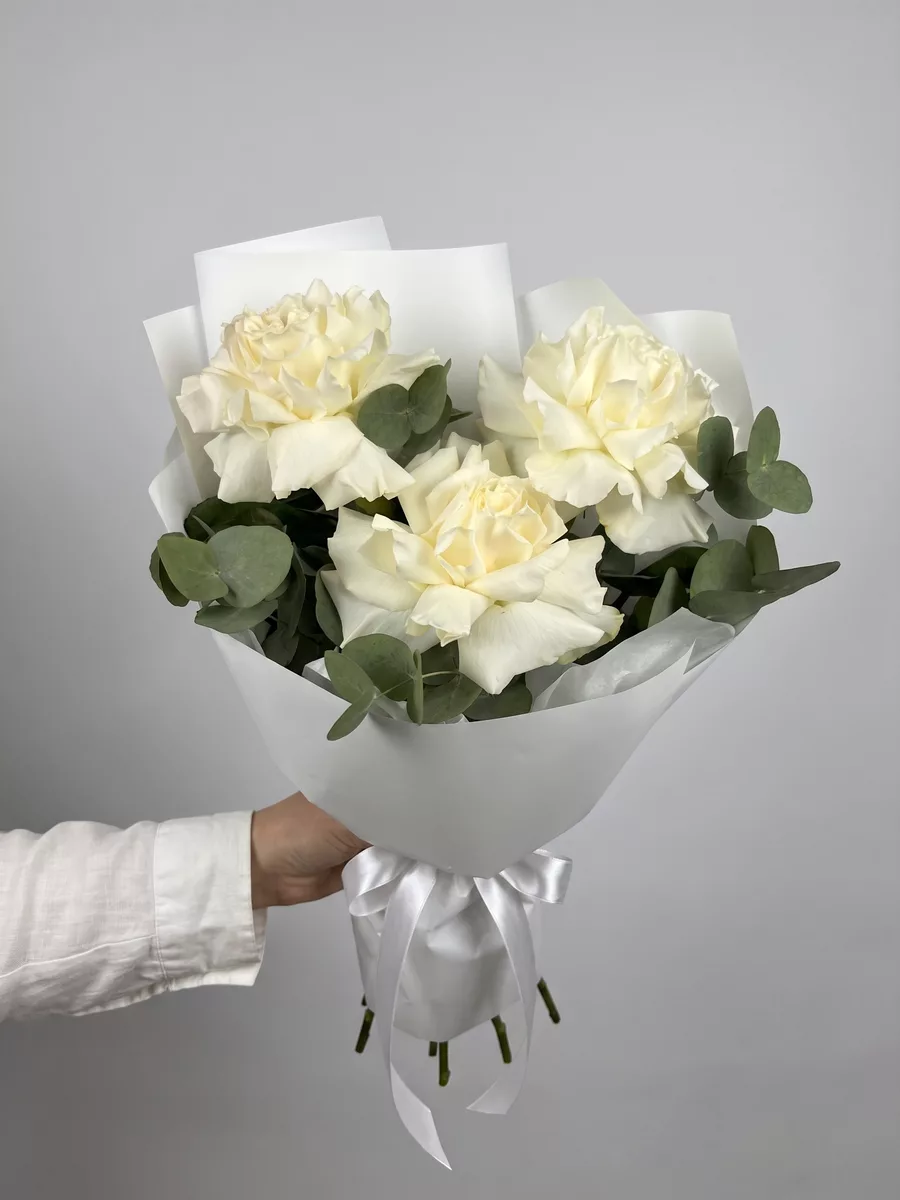
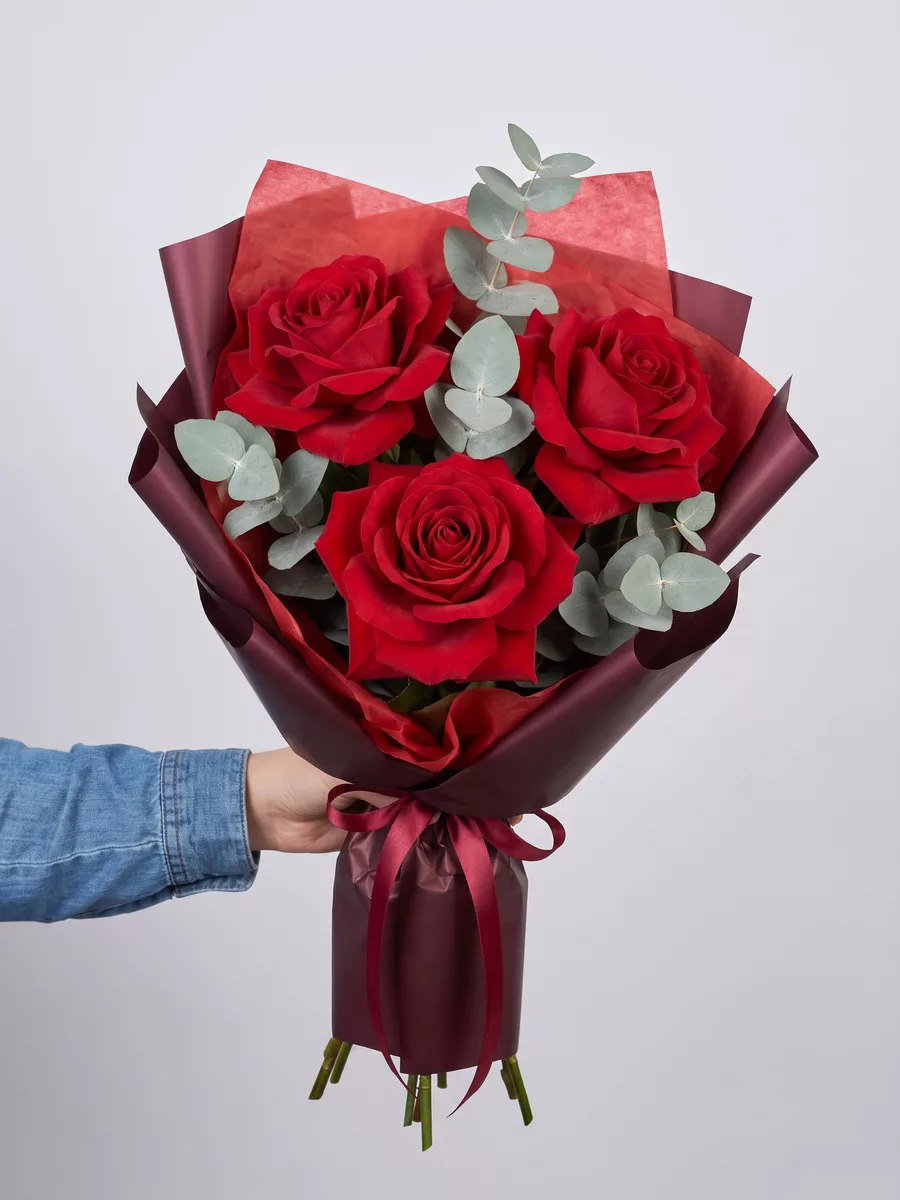
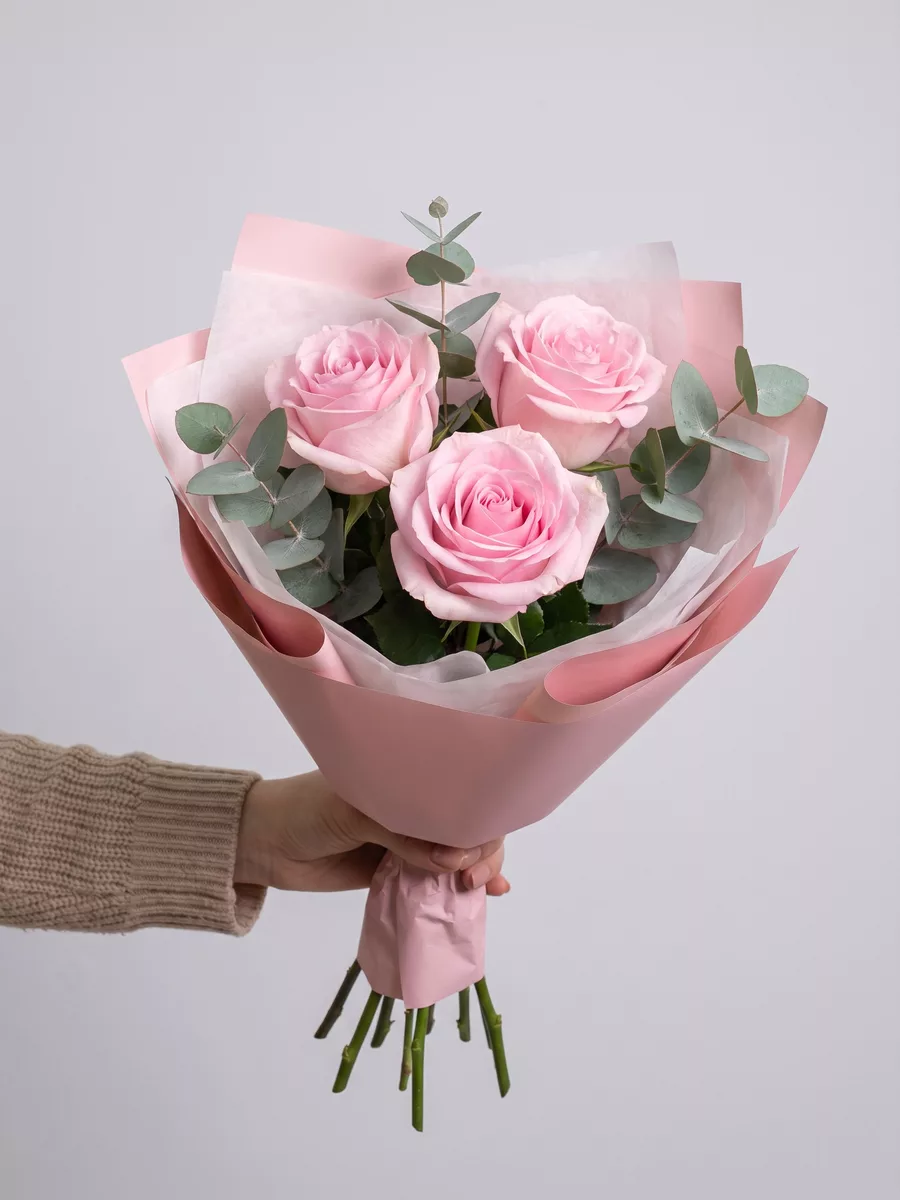
Bouquets we can deliver

Ordering from a Foreign Country: the Practical Reality
Placing a flower order from abroad is simpler than most international senders expect, but there are a few things worth understanding before you begin. The most important is time zones. Maloyaroslavets runs on Moscow Standard Time, which is UTC plus three hours and does not observe daylight saving. If you are in New York, that is eight hours behind Moscow in winter and seven in summer. If you are in London, it is three hours behind in winter. Work out the local delivery time before you confirm, because a bouquet ordered for noon your time might arrive at the recipient's door at ten in the evening.
Payment from foreign cards is something to check directly with the shop before placing an order. Many Russian flower services accept international payment methods, though the process may involve an extra verification step. It is worth contacting customer support in advance if you are unsure, so you are not left scrambling at checkout.
The address needs to be complete and written clearly. Russian addresses follow a specific order: street name, building number, apartment number, city, region, postal code. If you are unsure of any part, ask the recipient casually beforehand — most people are happy to share their address when they know something is coming, even if they do not know exactly what or when.
Finally, the message card. You can write it in any language, but if you want the delivery person to read it aloud or the recipient to understand it immediately, consider sending both an English version and a Russian translation. A short, warm message in Russian will genuinely move someone who was not expecting it.
Choosing Flowers for the Person, Not Just the Occasion
The best bouquet starts with the recipient, not a list of available stock. Think about who they are. A woman in her sixties who tends a garden will respond differently to peonies and garden roses than to a formal arrangement of anthuriums. A young professional might love the clean lines of white tulips with eucalyptus. A teenager celebrating an exam result would light up at something bright — sunflowers, orange gerberas, or a loose bundle of mixed alstroemerias in warm tones.
For birthdays, colour and abundance tend to matter more than floral formality. A generous, slightly unstructured bouquet in the recipient's favourite colours reads as celebratory and personal. If you do not know their favourite colour, warm palettes — peach, coral, yellow — feel joyful without being presumptuous.
For anniversaries, roses remain the clearest language, but they do not have to be red. Cream and blush roses mixed with spray roses and soft greenery like ruscus or pittosporum feel romantic without being theatrical. If the couple has been together for many years, a lush, layered arrangement says more than a tight dozen.
For congratulations — a new job, a graduation, a new home — something architectural and long-lasting works well. Lisianthus, which resembles a ruffled rose but lasts significantly longer in the vase, is an excellent choice. Combine it with snapdragons for height and statice for texture, and you have a bouquet that stays beautiful for ten days or more with basic care.
Always mention the occasion and any personal detail you know when placing your order. A florist who knows the context will make better choices than one working from a generic request.
Seasonal Flower Options and What Travels Well in Each Season
Flowers in Russia follow the seasons more honestly than in many Western markets, and working with the season rather than against it almost always produces a better result. In winter, from November through February, the safest choices are flowers that tolerate cold transport: chrysanthemums, carnations, alstroemerias, and roses with thick petals. These varieties handle brief exposure to freezing temperatures without immediate damage, provided they are properly wrapped and moved indoors quickly.
Spring, from March through May, is one of the most exciting times to send flowers to Russia. Tulips arrive in extraordinary variety — single, double, parrot, fringed — and they are fresh, affordable, and deeply associated with the season. Hyacinths fill a room with scent. Ranunculus, with their layered petals that resemble a cross between a rose and a poppy, are a spring favourite that photographs beautifully and lasts well.
Summer brings the widest palette. Peonies peak in late May and June and are perhaps the most beloved flower in Russian domestic culture. A bouquet of garden peonies, even a modest one, carries enormous emotional weight. Sunflowers arrive in July and August and suit outdoor celebrations and casual, warm-weather moods perfectly.
Autumn, September through October, is the season of dahlias, which come in extraordinary shapes and colours, from dinner-plate giants to small ball dahlias in burgundy and rust. Combine them with seasonal foliage — cotoneaster berries, eucalyptus, or dried grasses — and the result feels genuinely of the moment rather than assembled from a generic catalogue.
Avoiding out-of-season exotics is always wise. They cost more, travel less reliably, and feel less connected to the person receiving them.
Presentation and Russian Customs Around Receiving Flowers
In Russia, flowers are given unwrapped or with the wrapping folded back so the blooms are visible. Presenting a bouquet face-forward, blooms first, is the standard gesture. If you are ordering remotely, this is something a good florist handles automatically, but it is worth knowing so your card message can reflect it — you might write something like 'I hope these arrive as bright as you deserve' rather than describing a box the recipient will need to open.
One custom that surprises many international senders is the tradition around even and odd numbers of flowers. In Russian culture, even numbers of flowers are associated with mourning and are typically brought to cemeteries or funerals. Bouquets given as gifts should contain an odd number of stems — one, three, five, seven, and so on. This is not a rigid rule in modern urban life, but it is still observed widely enough that a florist will automatically compose odd-numbered arrangements for celebratory occasions. If you are ordering a set number of stems, keep this in mind.
Wrapping style also communicates something. Kraft paper with twine reads as rustic and warm. Transparent cellophane with a satin ribbon reads as formal and celebratory. Fabric wrapping, which has become fashionable in recent years, reads as luxurious and considered. Mentioning the occasion helps the florist choose wrapping that matches the mood.
The card message is taken seriously. Russians tend to be expressive in written notes, and a heartfelt few lines — even translated — will be read more than once. Keep it genuine and specific rather than generic. Mentioning a shared memory or a particular quality you admire in the recipient will mean far more than 'wishing you all the best.'
Delivery Timing and What to Tell the Recipient
Turboflora delivers within one to two hours, which means that once your order is confirmed, the bouquet moves quickly. For a sender abroad, this speed is genuinely useful — you can time the delivery to coincide with a specific moment, like the end of a birthday dinner or the arrival home from work.
To make delivery smooth, the recipient needs to be reachable. The delivery team will typically call or message before arrival, so the recipient should have their phone nearby and know that a delivery is coming — even if they do not know what it is. You do not have to ruin the surprise entirely. Telling someone 'expect something to arrive between three and five this afternoon' is enough.
If the recipient lives in an apartment building, which is common in Russian cities, make sure the apartment number and entry code for the building intercom are included in the order details. Many Russian apartment buildings have a keypad entry system, and without the code, a delivery cannot reach the door. This is one of the most common reasons for delayed or failed deliveries, and it is entirely preventable.
If you want the delivery to be a complete surprise, you can arrange for a neighbour or family member to be present. This works well for larger occasions. Alternatively, you can ask the florist to coordinate a specific time window and then engineer a reason for the recipient to be home — a phone call, a scheduled video chat, anything that keeps them in place without revealing the real reason.
Time the order with the time zone difference firmly in mind. A delivery at eight in the morning local time is charming; one at nine in the evening is inconvenient.
Caring for the Bouquet After Arrival: What to Pass Along
Part of giving flowers well is making sure they last. When you write your card message or send a follow-up message to the recipient, a few simple care tips will extend the life of the bouquet by several days — and the recipient will associate that longevity with your thoughtfulness.
The first step is always to re-cut the stems at an angle, about two centimetres from the bottom, as soon as the flowers arrive home. This opens the stem's water-drawing channels, which can seal shut during transport. Use a sharp knife rather than scissors, which can crush the stem tissue. Place the bouquet immediately into a clean vase with fresh, cool water.
Keep the vase away from direct sunlight, radiators, and fruit bowls. Ripening fruit releases ethylene gas, which accelerates petal drop in many flowers, particularly roses and carnations. In a Russian apartment during winter, the heating is often quite intense, so finding a cooler spot — near a window that does not get direct sun — can add two or three days to the bouquet's life.
Change the water every two days and re-cut the stems each time. Remove any leaves that sit below the waterline, as they decay quickly and cloud the water. If the bouquet came with a sachet of flower food, dissolve it in the first vase of water according to the instructions.
Different flowers have different vase lives. Chrysanthemums and alstroemerias regularly last two weeks. Lisianthus lasts ten days to two weeks. Tulips last five to seven days but continue to grow and curve in the vase, which many people find charming. Roses last seven to ten days with good care. Knowing this helps the recipient enjoy each flower at its best rather than discarding the whole bouquet when one variety fades.
Sending flowers to Maloyaroslavets from another country is not a complicated act, but it is a considered one. You are reaching across a significant distance to mark something that matters — a birthday, an anniversary, a moment of pride or affection. When the order is placed with the recipient in mind, the season taken into account, the delivery timed carefully, and the care instructions passed along, the bouquet becomes more than flowers. It becomes evidence that you thought about this person specifically, not just generally. That is what stays with someone long after the last petal falls.
Frequently asked questions
Can I order flowers for Maloyaroslavets from outside Russia if I do not speak Russian?
Yes. The order process at turboflora.com is available in English, and the customer support team can assist with address formatting and card messages. If you want the card written in Russian, you can provide a translation or ask for help with a short phrase. The delivery team handles everything locally, so your language is not a barrier.
How far in advance should I place the order given the time difference?
Calculate the delivery time in Moscow Standard Time first, then work backward from your local time. Turboflora delivers within one to two hours of order confirmation, so you do not need to order days ahead. However, placing the order at least three to four hours before the intended delivery window gives you buffer for payment processing and any address clarifications.
Why do Russian bouquets always have an odd number of flowers?
Even numbers of flowers are traditionally associated with mourning in Russian culture and are brought to grave sites rather than given as gifts. Odd numbers are considered celebratory and appropriate for all happy occasions. Most florists apply this automatically, but if you are specifying a stem count, choose an odd number — five, seven, eleven — to align with local custom.
What flowers should I avoid sending in winter to a city like Maloyaroslavets?
Avoid delicate tropical flowers such as bird of paradise or anthurium in very cold months, as brief exposure to freezing temperatures during doorstep delivery can damage them. Stick to cold-tolerant varieties like chrysanthemums, spray roses, carnations, and alstroemerias in winter. A florist familiar with Russian conditions will guide you toward what travels safely in the current weather.
What information do I absolutely need to provide to ensure successful delivery?
You need the recipient's full address including apartment number and building entry code, their phone number so the delivery team can call ahead, and the preferred delivery time in local Moscow time. A clear occasion note helps the florist choose appropriate flowers and wrapping. Missing the apartment entry code is the single most common cause of failed deliveries, so confirm it before ordering.
Ready to send flowers?
Pick the city, choose the bouquet, and a local florist takes it from there.
Choose a city →