Sending Flowers to Mariinsk from Abroad? Here Is What to Expect
Mariinsk sits in the Kemerovo region of Western Siberia, roughly four thousand kilometres east of Moscow, and the distance feels even greater when you are placing a flower order from London, Berlin, Toronto or Dubai. You want something beautiful to arrive at someone's door and make them feel genuinely remembered — not just a transaction completed. This guide walks you through everything that actually matters: timing, seasonal sense, Russian gifting customs, and how to make sure the bouquet looks the way you imagined it when it lands.
Why Mariinsk Is Different from Sending Flowers to a Big City
Most people ordering from abroad assume that sending flowers anywhere in Russia works the same way it does in Moscow or Saint Petersburg. Mariinsk is a smaller city, which means the logistics require more planning on the florist's side and more clarity on yours. The city experiences a sharply continental Siberian climate — winters are long and genuinely cold, summers are short and warm, and spring arrives later than it does in European Russia. That climate shapes everything from what flowers survive the journey to what the recipient will find meaningful to receive.
Because Mariinsk is not a metropolitan hub, same-day delivery windows are narrower than in a capital city. Ordering before noon Moscow time gives the best chance of an afternoon arrival. If you are placing an order from a timezone far behind Moscow — New York, for example, is eight hours behind in winter — you may need to order the evening before your intended delivery date. Building in a day of buffer is never wasted effort.
The city itself has a strong sense of occasion. Flowers arrive at apartments, private houses, schools and workplaces, and recipients notice the presentation as much as the flowers themselves. A neatly wrapped bouquet with a card written in Russian, even just a few words, lands very differently from an anonymous delivery. Small details communicate that the sender thought carefully, and that care is what the person in Mariinsk will actually remember.
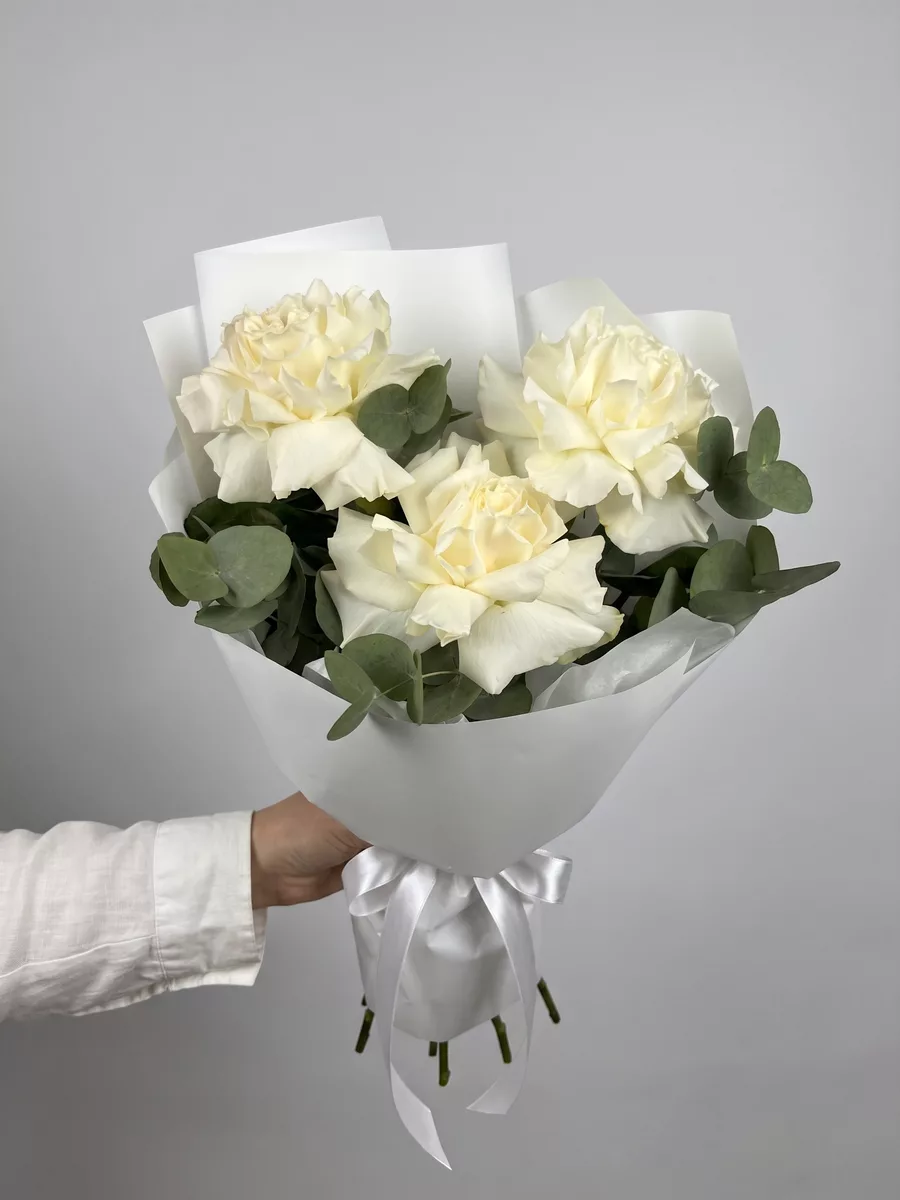
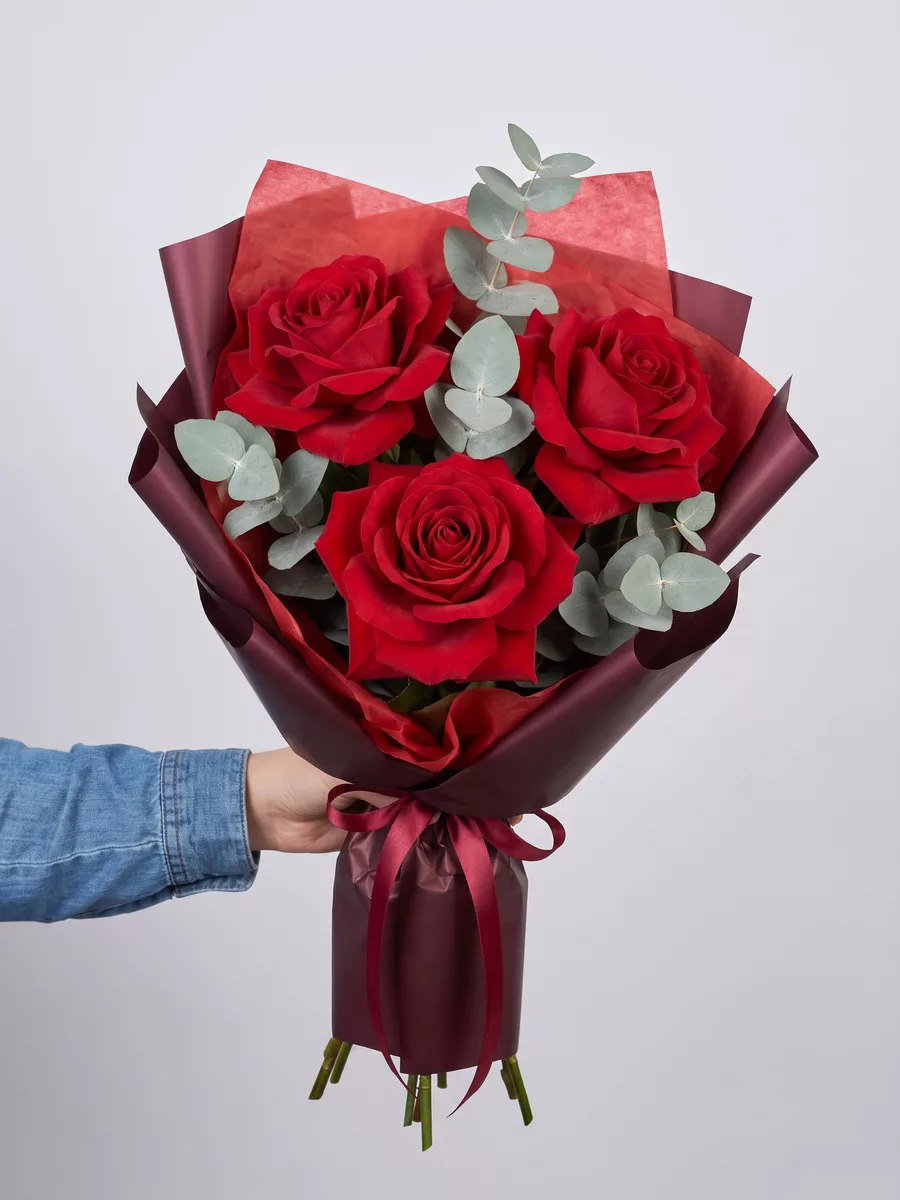
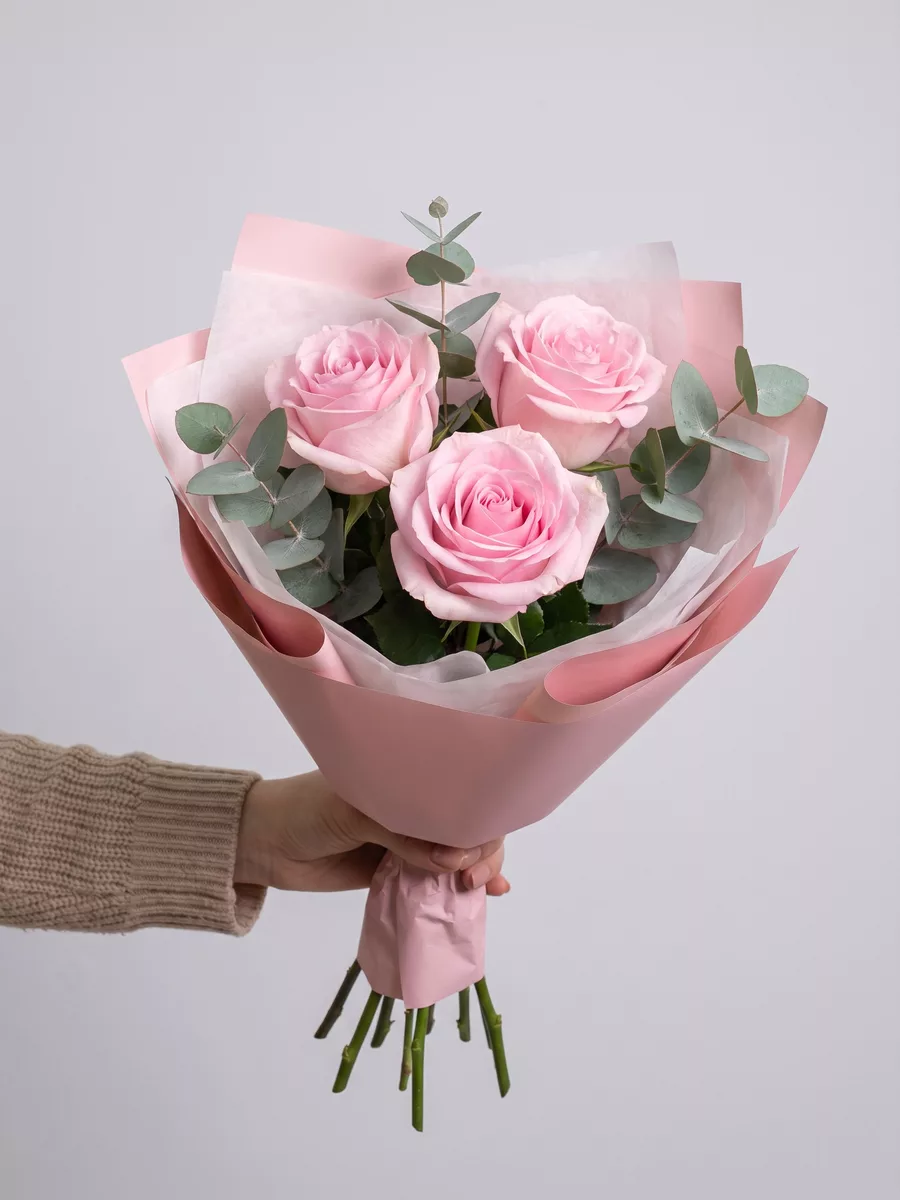
Bouquets we can deliver

What Russian Flower Customs Mean for Your Order
If you have not sent flowers inside Russia before, a few customs are worth knowing so your gesture reads exactly as you intend it. The most important one is the odd-number rule. Bouquets given as gifts always contain an odd number of stems — three, five, seven, nine, eleven and so on. Even numbers are reserved for mourning and funerals, and arriving with an even count would send completely the wrong signal even if the recipient is too polite to mention it. Any good florist building your bouquet will already follow this rule, but it is worth confirming.
Colour carries meaning too, though Russians tend to read it intuitively rather than rigidly. Red roses signal romantic love and are appropriate for partners and significant others. Yellow flowers have shed much of their old association with separation among younger generations, and a warm yellow tulip or sunflower arrangement now reads simply as cheerful and energetic. White flowers feel elegant and pure, well suited to birthdays, graduations and professional achievements. Mixed arrangements in pinks, corals and creams are genuinely all-purpose — they work for mothers, friends, colleagues and neighbours.
The card matters more than many senders realise. Even a short message — a birthday wish, a congratulation, a line saying you are thinking of someone — transforms the delivery from a product into a personal moment. If you write in English, include a Russian translation if at all possible. Online translation tools handle simple warm phrases well enough, and the effort will be noticed and appreciated.
Choosing the Right Flowers for Mariinsk's Climate and Season
Siberian temperatures shape which flowers make the most sense at different times of year. In January and February, outdoor temperatures in Mariinsk regularly drop below minus twenty Celsius. Flowers travelling even a short distance outdoors need to be robust. Roses, carnations, alstroemeria and chrysanthemums all handle cold transport better than delicate open blooms. Gerberas and open peonies, beautiful as they are, can bruise and wilt if exposed to extreme cold even briefly. In deep winter, a tight, dense bouquet of spray roses or alstroemeria in warm tones — terracotta, burgundy, deep pink — is both practical and visually striking.
Spring in Mariinsk arrives in April and May, and tulips become the flower of the season. Dutch tulips in single colours — white, purple, soft pink — or in bicolour varieties look fresh and celebratory. By June and July, the region warms considerably and locally available flowers expand. Sunflowers become a wonderful choice: they are cheerful, long-lasting and feel genuinely summery rather than forced. Lisianthus in lavender or white adds elegance to any summer arrangement without wilting quickly in warmer indoor temperatures.
Autumn brings rich tones back into fashion. Chrysanthemums in rust, gold and cream suit October perfectly and last exceptionally well in a vase — often ten days or more. Hypericum berries added to a mixed bouquet give texture and a seasonal warmth that photographs beautifully. When in doubt about season, ask for a florist's recommendation based on the current date rather than insisting on a specific flower that may not be at its best.
Choosing a Bouquet for the Person and the Occasion
Start from who the person is and what they will feel when they open the door. A grandmother celebrating her birthday in Mariinsk will likely appreciate something classic and generous — full-headed roses, a rich mixed bouquet, or a large chrysanthemum spray in warm colours. She will put it in a prominent vase and show it to neighbours, so size and visual impact matter. A younger woman in her twenties or thirties might connect more with something textured and less traditional — a bouquet combining ranunculus, eucalyptus and spray roses in dusty pink and sage green feels current without being cold.
For a professional achievement — a promotion, a graduation, a successful defence of a thesis — white and cream tones feel appropriately celebratory without being romantic. Lilies in white or cream, combined with greenery and a ribbon in a neutral tone, carry a sense of occasion and respect. For a romantic gesture, single-variety red rose bouquets remain powerful precisely because they are unambiguous. Eleven or nineteen stems feel generous without being overwhelming in a smaller apartment.
For children's occasions, such as a school performance or a first day of class — a significant event in Russia where flowers are traditionally given to teachers — bright, simple flowers work best. Single-colour gerberas in yellow or orange, or a small mixed bouquet in cheerful tones, are appropriate and easy to carry. Think about the recipient's home too: a large apartment can accommodate a tall arrangement, while a small flat is better served by something compact and manageable in a standard vase.
How to Place an Order from Outside Russia Without Stress
The practical steps are simpler than most international senders expect. You need the recipient's full address including the apartment number, their phone number with the Russian country code, and a delivery date and preferred time window. The phone number is essential — the courier will call ahead to confirm someone is home, and without a reachable number the delivery cannot proceed reliably. If the recipient is at work during the day, a workplace address with a floor or office number works just as well as a home address.
Payment from abroad is handled online and accepts major international cards. You do not need a Russian bank account or a Russian phone number yourself. The order form and confirmation emails are available in English, and you can specify card messages in English or Russian — both will be printed and included with the bouquet. If you want the message to appear in Russian and are not confident in the translation, write your message in English in the notes field and ask the florist to translate it into a warm, natural-sounding Russian equivalent.
Time zone calculation is the most common source of stress for international senders. Mariinsk operates on Kemerovo Time, which is UTC plus seven. If you are in London in winter, that is ten hours ahead of you. If you are in New York in winter, it is fifteen hours ahead. Work backwards from your intended delivery time in Mariinsk to know when you need to place the order. A noon delivery in Mariinsk on a Tuesday means you need to have the order confirmed by mid-morning Mariinsk time at the latest, which may be the previous evening in your timezone.
Presentation, Wrapping and What Makes a Bouquet Feel Special
Russian flower presentation leans toward the generous and the visible. Bouquets are typically wrapped in kraft paper, coloured paper or a combination of both, with the flowers facing outward so they can be seen immediately. Cellophane wrapping alone looks dated in most Russian cities now, and a well-dressed bouquet in matte paper with a coordinating ribbon signals that the sender paid attention. If you are ordering for someone who appreciates aesthetics — a designer, a photographer, someone who posts about their home on social media — ask specifically for a hand-tied style with natural materials like dried grasses or eucalyptus woven through.
Box arrangements have become popular for deliveries to workplaces, because they are stable, easy to carry and look impressive without requiring a vase immediately. A round hat box filled with roses in a single colour, or a low rectangular box with a mixed garden-style arrangement, photographs well and travels safely. These are a practical choice when you are not sure whether the recipient has a suitable vase at their workplace.
A small addition — a chocolate bar, a jar of honey, a scented candle — can accompany the bouquet and adds warmth without overwhelming the flowers. These are especially appreciated when the occasion is a birthday or a celebration rather than a spontaneous gesture. Keep additions simple and tasteful: the flowers should remain the centrepiece. Overloading an order with extras can make it feel less considered rather than more, so choose one meaningful addition rather than several generic ones.
Keeping the Flowers Fresh: What to Tell the Recipient
You may not be there when the flowers arrive, but you can pass on care instructions that make a real difference to how long they last. The single most important step is a fresh diagonal cut across each stem — about two centimetres from the bottom — before placing them in water. This opens the stem's water channels and immediately improves uptake. A sharp knife is better than scissors, which can crush the stem tissue. This cut should be repeated every two days if the recipient wants to extend vase life.
Water temperature matters more than most people realise. Lukewarm water, not cold, encourages most cut flowers to open and drink. The exception is tulips, which prefer cool water and will open very quickly in a warm room — keep them in a cooler spot if you want them to last longer. Roses, carnations and alstroemeria all do well in room-temperature water with a sachet of flower food, which is typically included with the delivery.
The vase location makes a significant difference in Mariinsk's climate. In summer, keep flowers away from direct sunlight through south-facing windows, which can be intense. In winter, keep them away from radiators, which run hot in Siberian homes and dry the air considerably. A cool hallway or a spot near a north-facing window is ideal. Change the water every two days, rinse the vase, and remove any leaves that sit below the waterline — they decay quickly and cloud the water. Treated this way, roses typically last seven to ten days, alstroemeria up to two weeks, and chrysanthemums often longer.
Sending flowers to Mariinsk from abroad is genuinely achievable, and when it goes well it creates a moment the recipient will talk about. The distance makes the gesture more meaningful, not less — someone in another country took the time to arrange something beautiful for a person in a Siberian city, and that effort is felt. Get the timing right, choose flowers that suit the season and the person, follow the odd-number rule, and include a warm message. Everything else is logistics, and good logistics are handled for you.
Frequently asked questions
How far in advance should I order flowers for delivery to Mariinsk from abroad?
Ordering at least one full day ahead is strongly recommended when you are sending from a distant timezone. Mariinsk is UTC plus seven, so calculate backwards from your intended delivery time. For same-day delivery, the order must be placed before mid-morning Mariinsk time, which may fall the previous evening in Western Europe or North America.
Can I send flowers to a workplace address in Mariinsk rather than a home address?
Yes, workplace deliveries work well and are often more reliable during weekday hours when the recipient is guaranteed to be present. Provide the full address including the company name, floor and office number if possible. A box arrangement is particularly practical for offices as it requires no vase and is easy to display on a desk.
What if the recipient is not home when the flowers are delivered?
The courier will call the recipient's phone number before arriving. If there is no answer, a second attempt is made. Providing an accurate and active Russian mobile number is the most important thing you can do to ensure a smooth delivery. If the recipient is frequently away from home, a workplace delivery during business hours is a more reliable option.
Are there flowers I should avoid sending to Mariinsk in winter?
In deep winter, avoid fully open blooms like open peonies or gerberas, which are sensitive to cold even during brief outdoor exposure. Tight-budded roses, carnations, alstroemeria and chrysanthemums travel much better in subzero temperatures. Ask the florist to choose winter-appropriate varieties if you are ordering between November and March.
Do I need to write my card message in Russian, or is English acceptable?
English is understood by many younger Russians, but a message in Russian always feels more personal and direct. If you write your message in English in the order notes and ask for a translation, the florist can render it in natural-sounding Russian. Even a short phrase in Russian — a birthday wish or a simple expression of affection — is noticed and appreciated.
Ready to send flowers?
Pick the city, choose the bouquet, and a local florist takes it from there.
Choose a city →