Sending Flowers to Marks from Abroad? Here Is Everything That Matters
You are somewhere far from Russia — maybe in Berlin, Dubai, or New York — and someone you care about is in Marks, a quiet city on the Volga in the Saratov region. You want them to open their door and find something beautiful waiting. The distance feels enormous, but the gesture does not have to be complicated. What you do need is the right information: how Russian flower delivery actually works, what grows well in that climate, what occasions call for what colours, and how to make sure the bouquet arrives looking the way you imagined it.
Why Marks Is Worth Sending To — and What Makes It Different
Marks sits on the left bank of the Volga, northeast of Saratov, and it carries the quiet, unhurried rhythm of a mid-sized Russian provincial city. People there celebrate the same occasions as anywhere else — birthdays, anniversaries, graduations, the birth of a child — but the flower culture has a warmth and directness that sometimes surprises senders who are used to Western habits. A bouquet here is not a casual afterthought. It is a statement of attention, and recipients notice the size, the freshness, and the thought behind the composition.
For someone sending from abroad, the key difference is that you cannot walk into a local shop and explain what you want in person. You are working at a distance, across time zones, and often in a second language. That is exactly why choosing a delivery service with real florists — not just an order-forwarding platform — matters so much. Turboflora handles the entire process from Saint Petersburg, coordinating delivery across Russia including Marks, so the bouquet you order is the bouquet that arrives.
Marks also has a continental climate, with cold winters and genuinely hot summers. That affects which flowers travel well at which time of year, and any serious florist accounts for that when preparing an order. A peony that survives transit in May may need extra conditioning in July heat. Knowing the local conditions is part of getting the delivery right, not just the ordering.
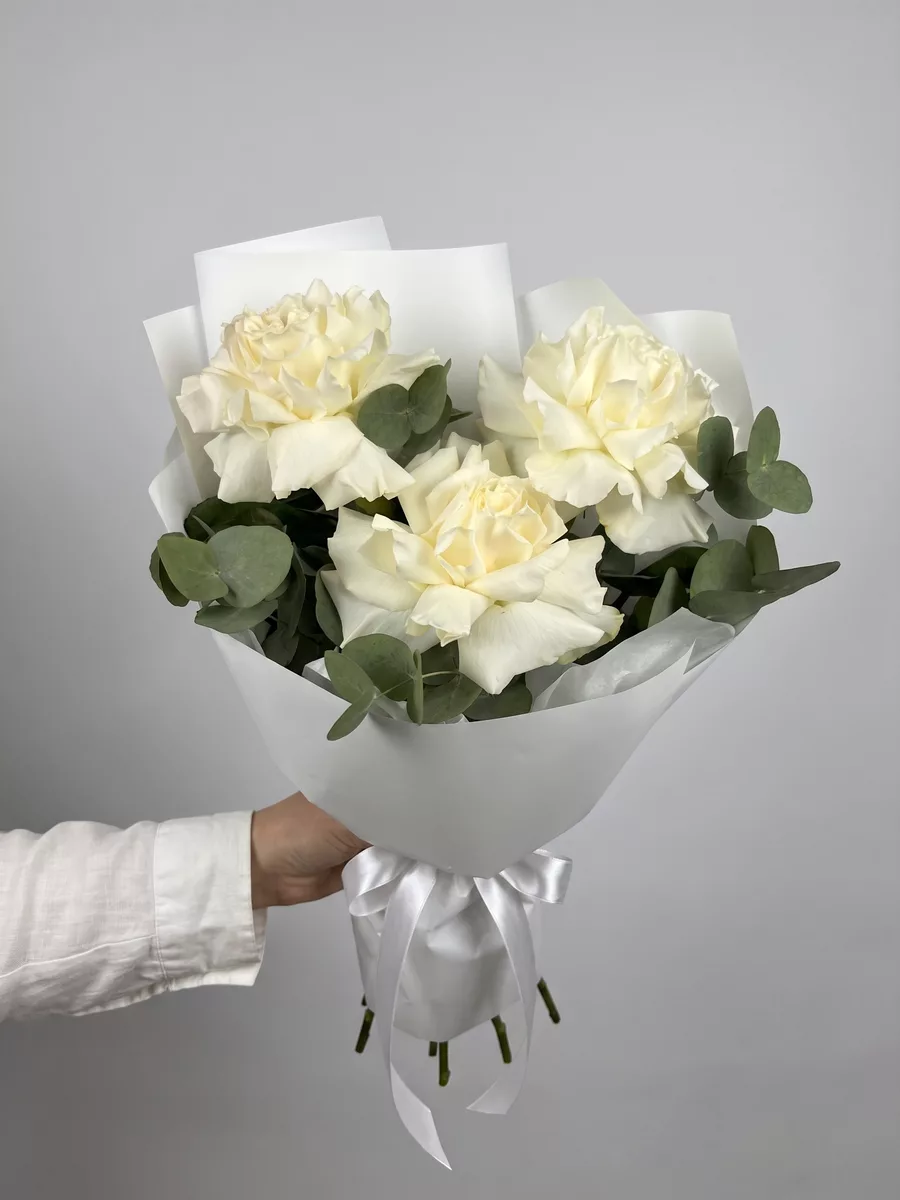
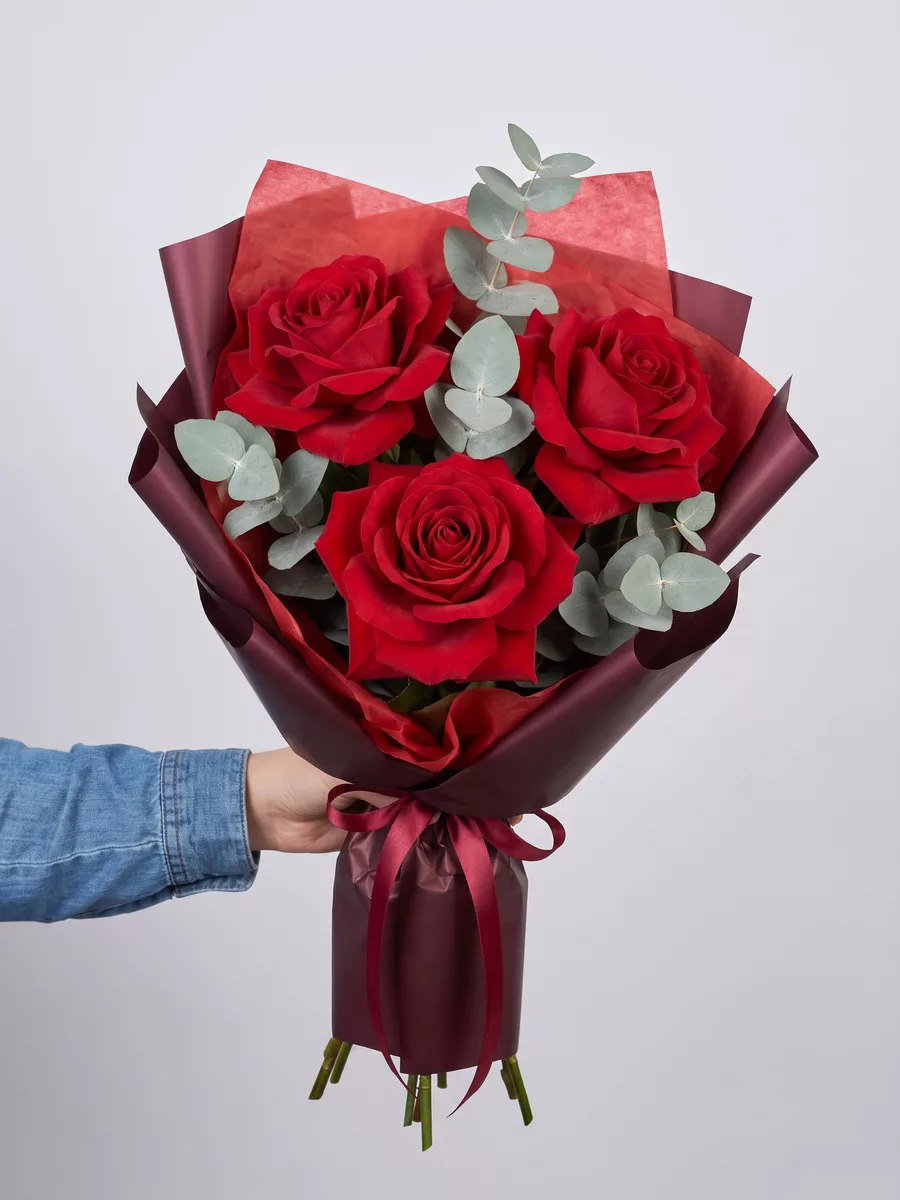
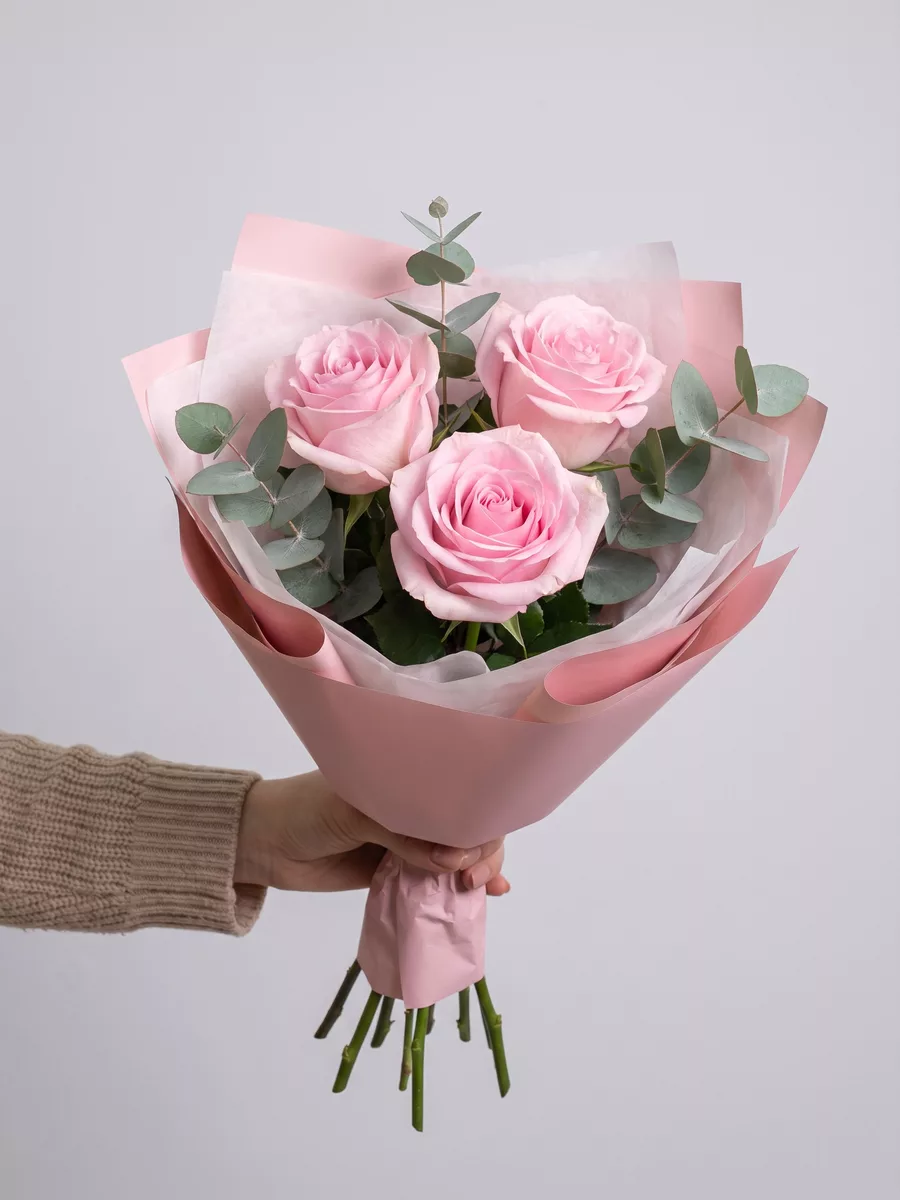
Bouquets we can deliver

Choosing the Right Occasion — and Reading Russian Flower Etiquette
Russian flower customs have a few rules that are worth knowing before you place an order. The most important one is the odd-number rule: bouquets given as gifts should contain an odd number of stems. Even numbers are associated with mourning and are left at graves, so a bouquet of twelve roses, however beautiful, sends an unintended message. When in doubt, ask for nine, eleven, or fifteen stems. Good florists follow this automatically, but if you are customising a composition, keep it in mind.
Colour carries meaning too, though not as rigidly as the number rule. Red roses signal romantic love and are appropriate for partners and spouses. Yellow flowers were once considered unlucky in Soviet-era superstition, but that association has largely faded among younger generations, and a well-composed yellow and white arrangement is now widely appreciated. White flowers read as elegant and sincere across almost any occasion. Mixed bouquets in warm tones — coral, peach, soft orange — work beautifully for birthdays and feel celebratory without being overwhelming.
For a colleague or a teacher, something structured and unfussy is better than a dramatic romantic gesture. Chrysanthemums, alstroemeria, and lisianthus in neutral tones are reliable choices that read as respectful and thoughtful. For a close friend or family member, you have much more room to be expressive — garden-style arrangements with ranunculus, spray roses, and eucalyptus feel personal and generous. Matching the bouquet to the relationship is the single most important decision you will make.
Timing Your Order Across Time Zones — a Practical Breakdown
Marks operates on Moscow Standard Time, which is UTC plus three hours. That means if you are in London, Marks is three hours ahead of you. If you are in New York on Eastern Standard Time, Marks is eight hours ahead. This matters because delivery windows are set in local Marks time, and the florist team prepares bouquets to match the delivery slot, not the moment you click the order button.
Turboflora delivers within one to two hours of order confirmation, which is genuinely fast, but that window only works if your order reaches the team during working hours. The safest approach when ordering from abroad is to place your order the evening before, your local time, targeting a morning delivery in Marks. This gives the team time to prepare the composition properly, source anything that needs conditioning, and confirm the recipient's address without rushing.
Birthday deliveries are the most time-sensitive. If the birthday is in the afternoon, a morning delivery creates a lovely start to the day — the recipient has the flowers on the table for their celebration. If you want an evening delivery, place the order no later than early afternoon Marks time. For surprise deliveries, include as much address detail as possible: apartment number, entrance code, floor, and a phone number for the recipient. Russian addresses often include building subdivisions that are not obvious on international mapping tools, so being precise saves everyone time and ensures the flowers arrive at the right door.
Seasonal Flowers That Travel Well to Marks — by Time of Year
Choosing flowers that are genuinely in season makes a real difference to how a bouquet looks when it arrives. Out-of-season flowers often travel farther, spend more time in cold storage, and arrive with shorter vase lives. A florist who knows the calendar will always steer you toward what is fresh right now.
In winter, from December through February, tulips from Dutch growers are at their peak and arrive in Russia with excellent quality. Roses are available year-round but are particularly vibrant in winter when greenhouse conditions are carefully controlled. Spray carnations and solidago add texture and last well in cold indoor temperatures.
Spring, particularly April and May, is peony season in Russia, and a full, fragrant peony bouquet is one of the most beloved gifts you can send. Ranunculus also peaks in spring and brings a layered, almost painterly quality to arrangements. Lisianthus, sometimes called Russian rose because of how well it is appreciated here, blooms in late spring and early summer and holds its shape beautifully.
Summer brings sunflowers, which are deeply associated with warmth and celebration in Russian culture, and garden roses with open, fragrant blooms. Autumn is the season for chrysanthemums, which are enormously popular across Russia and available in dozens of varieties — from tight button mums to large decorative heads. Eustoma and hypericum berries add richness to autumn compositions. Matching your order to the season is not just practical; it makes the bouquet feel more alive and intentional.
Budgeting from Abroad — What Different Price Points Actually Look Like
When you are ordering from another country, it can be hard to visualise what a given budget produces in Russian flower terms. The cost of flowers in Russia does not map directly to what you might spend in Western Europe or North America, and the presentation standards are high even at moderate price points. Here is a practical way to think about it.
A modest bouquet — suitable for a colleague, a neighbour, or a thank-you gesture — typically contains five to seven stems of a single variety, neatly wrapped with kraft paper and ribbon. It is simple, sincere, and well-received. Moving up, a mid-range bouquet brings in a mix of focal flowers like roses or lisianthus, supported by greenery such as eucalyptus or ruscus, and presented in a more elaborate wrap or a hat box. This is the sweet spot for birthdays and anniversaries among friends and family.
At the higher end, you are looking at large, structured arrangements — think two dozen garden roses with seasonal accents, or a dramatic mixed composition with peonies, ranunculus, and waxflower. These make an impression when the door opens, and they are appropriate for significant milestones: a major birthday, a wedding anniversary, a new baby. Flower boxes and round arrangements in a hat-box format have become very popular in Russia over the last several years and feel contemporary and luxurious without requiring a vase.
Whatever your budget, tell the florist the occasion and the relationship. That context shapes the composition more than the price alone.
What to Write on the Card — Getting the Message Right in Russian
A handwritten card transforms a bouquet from a delivery into a moment. When you are sending from abroad, you may not be confident writing in Russian, and that is completely fine — Turboflora's team can help translate a short message, or you can write in English and ask for it to be rendered in Russian for the card. Either way, the message should feel personal, not like a form letter.
For a birthday, something warm and specific works better than a generic greeting. Instead of just writing 'Happy Birthday,' try something like 'Wishing you a day as bright as these flowers — thinking of you from far away.' In Russian birthday culture, warmth and sincerity are valued over formality, so do not be afraid to be direct about how much the person means to you.
For anniversaries, the message can be romantic and specific to your shared history. For a new baby or a new home, joy and good wishes are the right register. Avoid overly formal language, which can feel cold in the context of a flower gift.
One practical note: make sure the card includes who the flowers are from, especially if the delivery is a surprise. Russian recipients sometimes receive flowers and genuinely cannot identify the sender if the card is ambiguous. A clear sign-off — your name, or a phrase the recipient will recognise — prevents a beautiful moment from becoming a confusing one. The card is small, but it carries a lot of the emotional weight of the whole gesture.
Keeping the Flowers Fresh — Care Instructions Your Recipient Will Thank You For
Flowers delivered in Russia are typically prepared by the florist to last as long as possible: stems are cut at an angle, foliage below the waterline is removed, and the bouquet is wrapped to protect it during transit. But what happens after the door opens matters just as much as what happens before delivery.
Ask the florist to include basic care instructions with the bouquet, or send a quick message to the recipient yourself. The most important steps are simple: trim the stems by about two centimetres at a diagonal as soon as the flowers are unwrapped, place them in a clean vase with cool water, and keep them away from direct sunlight, radiators, and draughts. In a Marks apartment in winter, central heating can be intense, and flowers placed near a radiator will fade within a day. A cool corner of the room, away from heat sources, extends vase life significantly.
Different flowers have different lifespans. Roses and lisianthus typically last seven to ten days with proper care. Tulips are shorter — around five to seven days — but they continue to grow and open in the vase, which many people find charming. Chrysanthemums are among the longest-lasting cut flowers and can hold for two weeks if the water is changed every two days. Peonies are glorious but brief, peaking for three to five days before they begin to drop petals, which is part of their appeal.
Changing the water every two days and re-trimming the stems every three days makes a meaningful difference. These are small acts, but they extend the life of the bouquet and, in a way, extend the feeling of the occasion itself.
Sending flowers to Marks from abroad is a genuinely meaningful thing to do. The distance you are bridging — between time zones, between countries, between the moment you click an order and the moment someone opens their door — is exactly what makes the gesture land so powerfully. Get the timing right, choose flowers that suit the season and the relationship, write something real on the card, and trust a florist who understands what a bouquet in a Russian home should feel and look like. The logistics are manageable. The feeling you create is not.
Frequently asked questions
Can I order flowers for delivery in Marks if I do not speak Russian?
Yes, entirely. Turboflora's ordering process is accessible in English, and the team can handle card messages in English or translate them into Russian for you. You do not need to navigate Russian-language forms or make phone calls. Clear address details and the occasion are the most important things to provide, and the florist team takes care of the rest.
How far in advance should I place my order from a different time zone?
Ordering the evening before your local time is the safest approach for a morning delivery in Marks. Marks runs on Moscow time, UTC plus three, so calculate the time difference carefully. For same-day delivery, place your order at least three to four hours before the desired delivery window in Marks time to allow for preparation and transit.
What flowers are not appropriate to send as a gift in Russia?
Even numbers of stems are associated with mourning in Russian tradition, so always choose an odd number. Heavily funereal arrangements with exclusively white lilies can feel ambiguous in some contexts. Beyond that, Russian recipients are generally open to a wide range of flowers and colours. When uncertain, warm mixed bouquets with roses, lisianthus, or seasonal blooms are universally well received.
What if the recipient is not home at the time of delivery?
Provide a recipient phone number when placing your order. The delivery team will call ahead to confirm the recipient is available, or arrange a revised time if needed. For surprise deliveries, a trusted neighbour or family member at the same address can accept the bouquet. Including entrance codes and apartment details in your order notes prevents delays significantly.
Do seasonal flowers really make a noticeable difference to the bouquet's quality?
Yes, noticeably. Seasonal flowers have shorter supply chains and spend less time in cold storage, which means they arrive with tighter, fresher blooms and longer vase lives. A peony ordered in May will look dramatically better than one ordered in November. A good florist will always suggest what is at its best on the day of your order rather than pushing out-of-season stems.
Ready to send flowers?
Pick the city, choose the bouquet, and a local florist takes it from there.
Choose a city →