Sending Flowers to Mednogorsk from Abroad: A Florist's Honest Advice
You are somewhere far from Russia — maybe London, Dubai, or Toronto — and someone you love is in Mednogorsk, a quiet industrial city in the southern Urals of Orenburg Oblast. You want to send them flowers, but you are not sure how the process works, what arrives fresh, or what the occasion actually calls for. This guide is written by florists who handle exactly these situations every day, so you can order with confidence and your recipient gets something genuinely beautiful at their door.
Understanding Mednogorsk Before You Order
Mednogorsk sits in the southern Ural mountains, roughly 280 kilometres from Orenburg city. It is a relatively small town built around copper smelting, and its population is tight-knit in the way that smaller Russian cities tend to be. When flowers arrive there, people notice. A delivery is not anonymous the way it might be in Moscow — neighbours see, family members hear about it, and the gesture carries real social weight.
The climate matters enormously for flower choices. Winters in Mednogorsk are genuinely cold, with temperatures regularly dropping below minus 20 degrees Celsius from November through February. Summers are warm and dry, often reaching 30 degrees in July. Both extremes affect what survives transit and looks good on arrival. A florist who understands this geography will always wrap cold-weather deliveries in insulating kraft paper and will never send heat-sensitive blooms like garden roses in an unprotected summer box.
From your position abroad, you are placing an order online and trusting that the local knowledge is built into the service. Turboflora delivers directly to addresses across Russia, including Mednogorsk, which means the florists preparing the arrangement understand the route, the seasonal conditions, and the presentation standards expected when a bouquet arrives at someone's home rather than being picked up in a shop. Knowing the city's character helps you choose the right tone — something warm and personal almost always lands better than something purely formal.
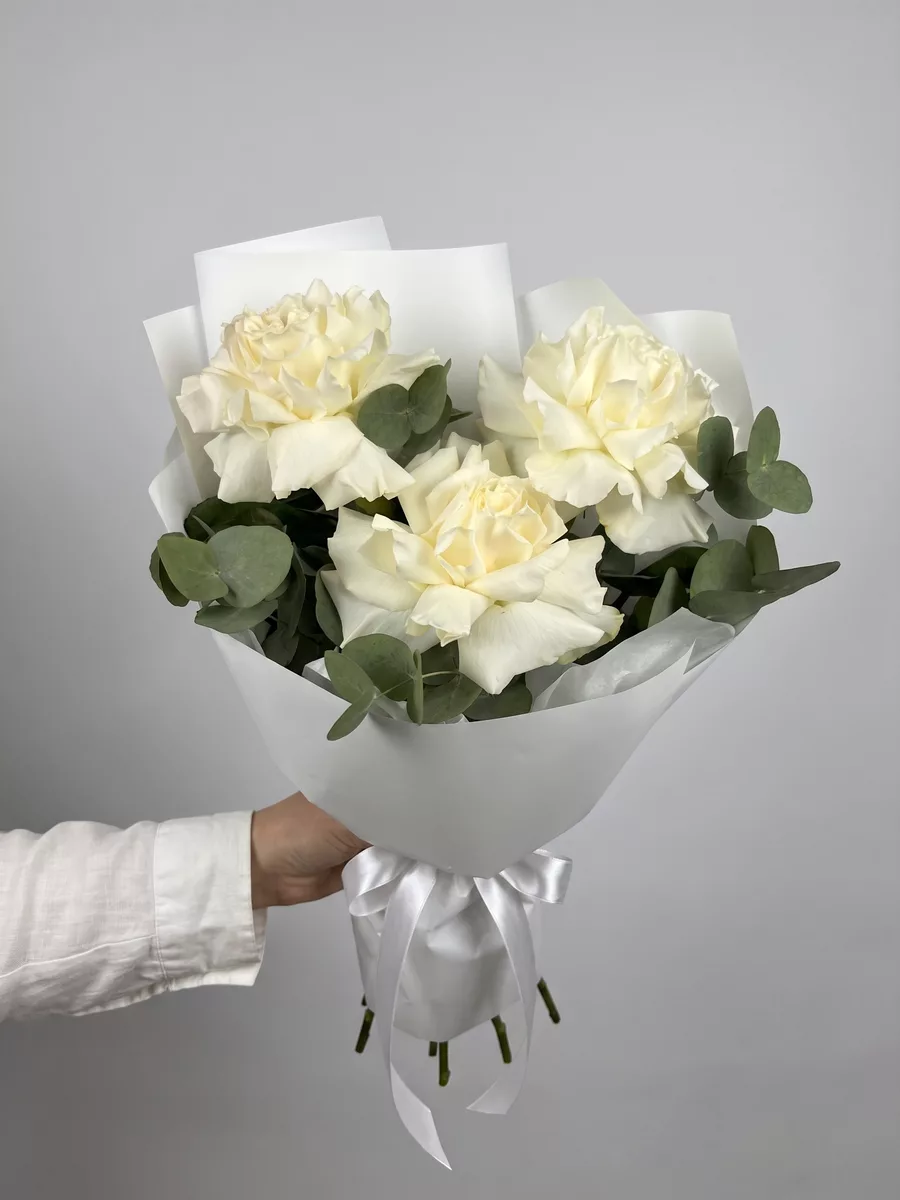
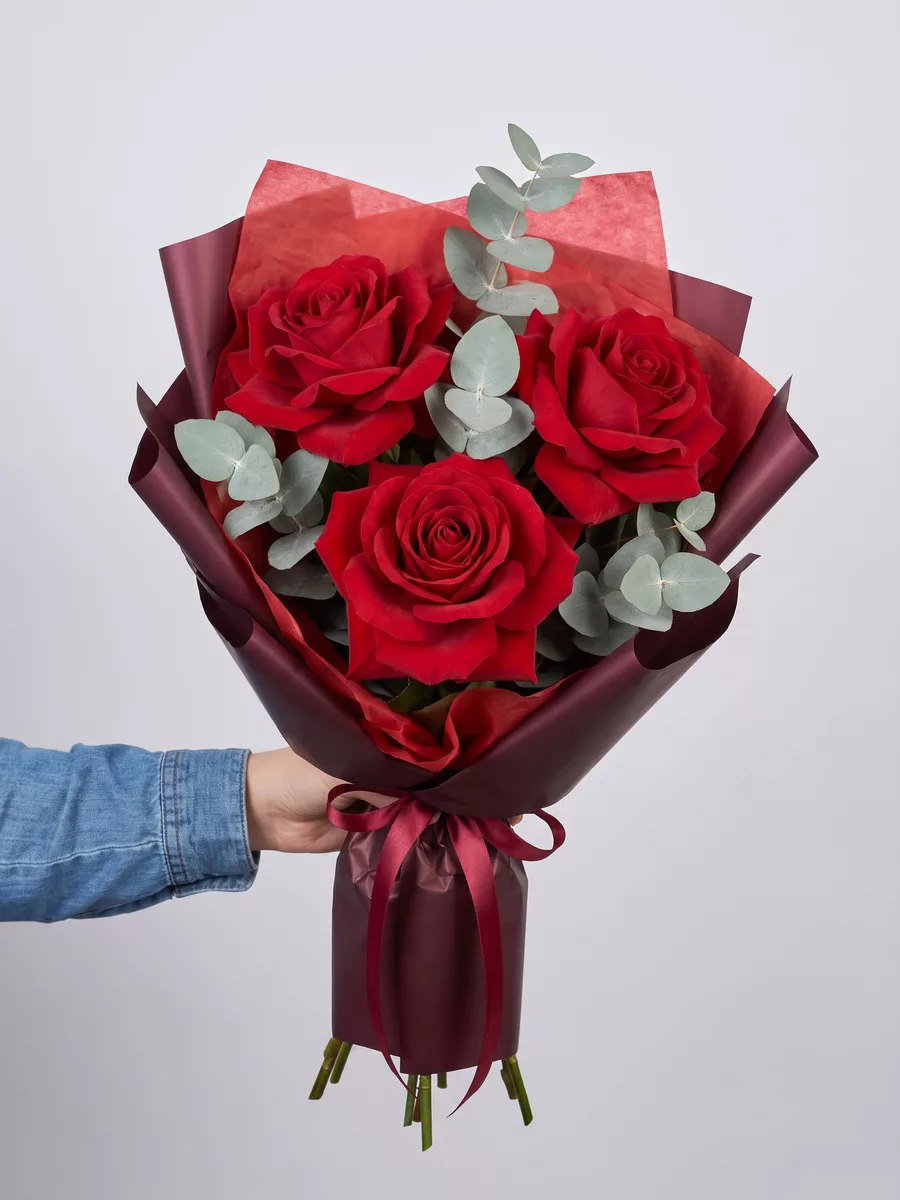
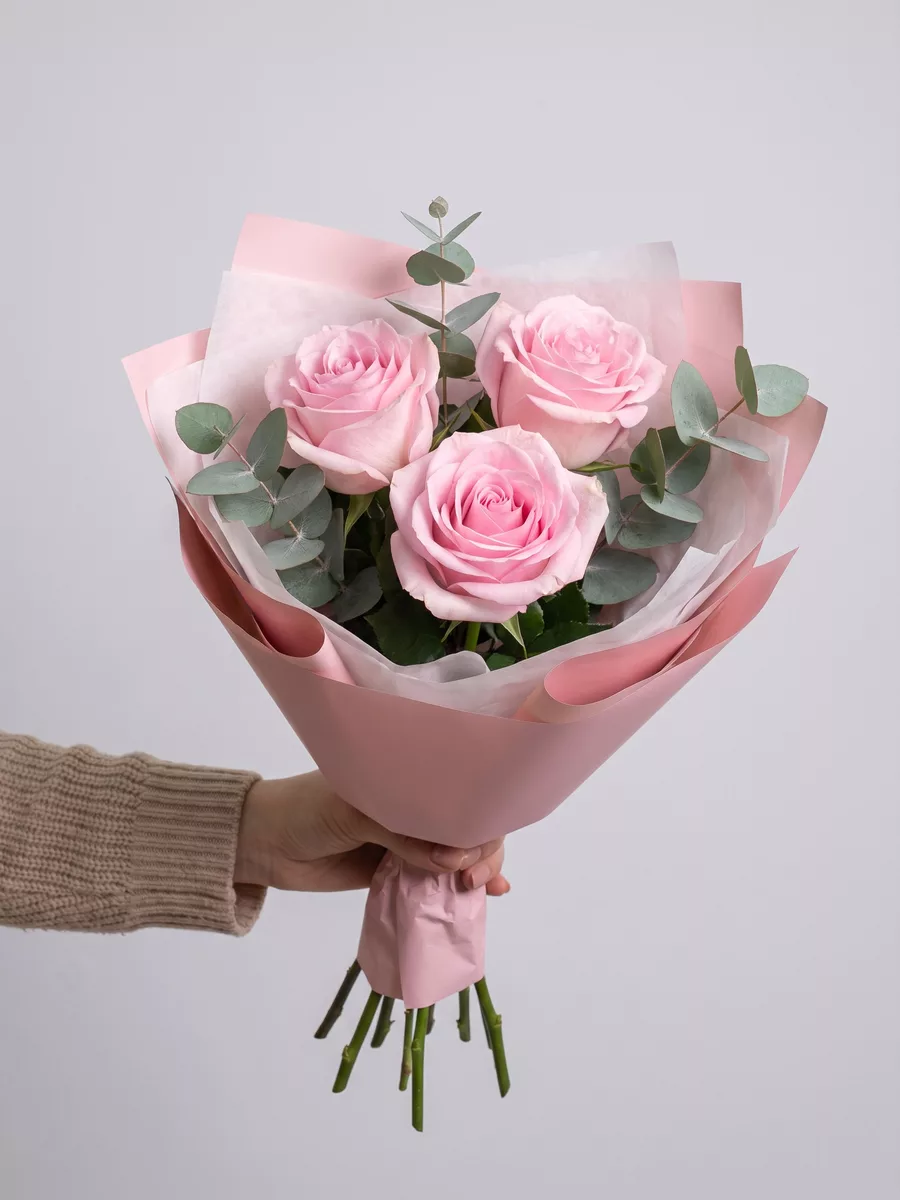
Bouquets we can deliver

What the Occasion Tells You About the Flowers
Russian flower-giving culture is generous and expressive, and the occasion shapes everything from colour to stem count. Birthdays are the most common reason senders from abroad reach out, and here the rule is abundance — a single stem is rarely given as a standalone gift in Russia. A birthday bouquet should feel celebratory, which usually means mixed compositions with focal flowers like spray roses, alstroemeria, or large-headed chrysanthemums, supported by textural greenery such as eucalyptus or ruscus.
For a woman receiving flowers, warm tones — peach, coral, soft yellow, blush pink — read as affectionate and personal. For an older woman, deep red roses or burgundy dahlias (in season, late summer through autumn) carry a sense of respect and occasion. Avoid all-white arrangements for celebratory events; in Russian tradition, white flowers are strongly associated with solemn or formal contexts rather than joy.
If you are sending to mark a professional achievement, a promotion, or a housewarming, the composition can be bolder and more architectural — think tall stems, strong shapes, and foliage that gives structure. Sunflowers work beautifully for housewarming gifts and are widely loved across Russia for their straightforwardness and warmth.
For a romantic gesture sent from abroad, red roses remain the clearest signal, but a mixed bouquet of red and white spray roses with some greenery softens the formality and feels more personal. The number of stems traditionally should be odd for living recipients — this is a genuine Russian custom, not a superstition to dismiss. Eleven, fifteen, or twenty-one stems are all considered generous and appropriate numbers.
Choosing Flowers by Season in the Southern Urals
Ordering from abroad means you are working with the season at the destination, not your own. In Mednogorsk, the flower calendar follows a clear rhythm, and matching your choice to that rhythm means your bouquet arrives looking like it belongs to the moment rather than fighting it.
In winter, from December through February, the best choices are flowers that travel reliably under cold conditions: chrysanthemums in all their varieties hold beautifully, spray roses are sturdy, and alstroemeria lasts exceptionally well — often ten to fourteen days in a vase if properly conditioned. Avoid tulips in deep winter not because they are unavailable, but because they are more delicate in transit at low temperatures and can arrive with bruised petals.
Spring, particularly March and April, is the peak season for tulips in Russia. The eighth of March — International Women's Day — is the single largest flower-giving day in the Russian calendar, comparable to Valentine's Day in Western countries but broader in scope: women of all ages receive flowers, from schoolgirls to grandmothers. If you are sending around this date, order at least three to four days in advance. Tulips in yellow, pink, and purple are the classic choice, though mixed spring bouquets with ranunculus and hyacinths feel particularly fresh.
Summer brings peonies from late May through June — they are enormously popular in Russia and carry a lush, romantic quality. By July and August, sunflowers and zinnias come into their own. Autumn is the season of dahlias, asters, and late roses, all of which hold well in the cooler Ural air and look rich and seasonal in the hand.
How to Order Successfully from Outside Russia
The practical steps of ordering from abroad are simpler than many people expect, but a few details make the difference between a smooth delivery and a frustrating one. The most important is the recipient's address: Russia uses a specific address format, and Mednogorsk addresses should include the street name, building number, apartment number if applicable, and the postal code. If you are unsure of the exact format, provide everything you know and the florist team can usually resolve it.
Phone numbers are critical. Russian mobile numbers begin with +7, followed by ten digits. The recipient's number is used to coordinate delivery — the courier will call ahead to confirm someone is home or arrange a handover point. If your recipient does not know the flowers are coming and you want to keep it a surprise, mention this when ordering. A good florist service will send a brief, neutral message rather than one that gives the surprise away.
Time zones are something international senders frequently underestimate. Mednogorsk follows Moscow time plus two hours, placing it in the UTC+5 zone. If you are in New York, that is a seven or eight hour difference depending on daylight saving. If you want morning delivery on a specific date, you may need to place your order the previous evening your local time. Turboflora delivers within one to two hours of order confirmation, so timing your order placement matters.
Payment from abroad is handled online and typically accepts major international cards. Keep a screenshot of your order confirmation, as it contains the order number you will need if you want to check on delivery status.
Bouquet Combinations That Travel and Last
When you are sending flowers to someone you cannot hand-deliver yourself, longevity matters almost as much as beauty. The best bouquets for long-distance gifting are those built around flowers with strong vase life and resilient petals, combined in a way that still looks generous and considered.
Chrysanthemums are the unsung workhorses of Russian floristry. Single-headed varieties in white, yellow, and burgundy have a vase life of two to three weeks when properly cared for. They are not glamorous in the way peonies are, but a well-composed chrysanthemum bouquet with eucalyptus and seasonal foliage looks genuinely beautiful and lasts long enough for the recipient to enjoy it properly. Spray chrysanthemums, which produce clusters of smaller blooms on a single stem, add texture and fullness without adding fragility.
Alstroemeria is another excellent choice for senders abroad: it is available year-round, arrives in bud form, and opens gradually over seven to ten days, meaning the recipient gets a bouquet that changes and grows rather than one that peaks immediately and declines. Combined with roses and some greenery, alstroemeria creates a composition that looks full from day one and continues to develop.
For something more statement-making, a mono-bouquet — one variety in a single colour, arranged in a tight dome or loose garden style — photographs beautifully and feels intentional rather than assembled. White spray roses in a rounded arrangement, or deep burgundy single roses with minimal foliage, both read as sophisticated and deliberate. Avoid mixing too many varieties if you are ordering remotely; a focused composition is easier to execute well at a distance and tends to arrive looking more cohesive.
Care Instructions to Pass Along to Your Recipient
Part of giving flowers from abroad is making sure the person receiving them knows how to keep them alive. Many people in Russia are experienced flower recipients, but a note with specific care instructions is always appreciated and shows the sender's thoughtfulness extended beyond the purchase itself.
The first step upon receiving any bouquet is to re-cut the stems. This should be done at an angle, about two to three centimetres from the base, using a sharp knife rather than scissors — scissors can crush the stem tissue and reduce water uptake. The cut should happen while the stems are submerged in water if possible, which prevents air bubbles from forming in the vascular tissue.
Water temperature matters more than most people realise. Room-temperature water is best for most flowers. Cold water slows the opening of buds, which can be useful if you want to delay blooming, but warm water encourages flowers to open faster. Change the water every two days and rinse the vase each time to prevent bacterial build-up, which is the primary cause of early wilting.
Position the vase away from direct sunlight, radiators, and fruit bowls. Ripening fruit releases ethylene gas, which accelerates flower ageing significantly — this is a genuine biochemical process and worth mentioning specifically. In Mednogorsk's heated winter apartments, where radiators run hot, keeping flowers in a cooler room overnight can extend their life by several days.
Strip any leaves that fall below the waterline before placing the bouquet in the vase. Submerged foliage rots quickly and contaminates the water, shortening the life of every stem in the arrangement.
Small Details That Make the Delivery Feel Personal
Sending flowers from another country carries an inherent distance, and the details you choose can close that gap considerably. A handwritten-style card message is the most important of these. In Russia, card messages tend to be warm and direct rather than understated — a brief, sincere sentence or two is entirely appropriate, and a longer message is also welcomed. Write it in Russian if you can, even imperfectly; the effort is noticed and appreciated. If you cannot write in Russian, the florist service can often help with translation or provide a transliterated version.
The wrapping and presentation of the bouquet matters in Russian gifting culture. Flowers are typically presented fully wrapped — in kraft paper, fabric, or a combination — rather than bare-stemmed. A ribbon tied at the base, colour-coordinated with the blooms, completes the look. When ordering online, selecting a presentation style that matches the occasion (more structured for formal events, looser and more garden-like for personal celebrations) is worth the extra moment of consideration.
If the occasion is a birthday, consider whether the recipient will be at home or at work. Many Russians celebrate at their workplace on their birthday, receiving colleagues and small gifts throughout the day. Delivering to a home address when the person is at work all day means the flowers sit in a hallway for hours — not ideal for delicate blooms. If you know their schedule, a late afternoon delivery often works better than a morning one.
Finally, a follow-up message from you personally — a voice note, a video call, a photo you send of yourself — combined with the flowers creates a moment that no amount of careful floristry can replicate on its own. The flowers are the gesture; your presence, even digitally, is what makes it a memory.
Sending flowers to Mednogorsk from abroad is genuinely achievable, and when it is done with attention to season, occasion, and presentation, it lands with real impact. The distance between you and your recipient does not diminish the gesture — if anything, flowers arriving from another country carry an extra layer of meaning, because they represent effort and intention that the recipient can see clearly. Choose varieties suited to the season, write something personal on the card, pass along the care instructions, and let the florists handle the rest. Turboflora delivers directly across Russia, including Mednogorsk, so you are working with a team that knows the route, the climate, and the standards your recipient deserves.
Frequently asked questions
Can I send flowers to Mednogorsk if I do not speak Russian?
Yes, entirely. The ordering process on turboflora.com works in English, and the delivery is coordinated by the florist team directly with your recipient using their Russian phone number. You do not need to communicate in Russian at any stage of the order. If you want a card message in Russian, the team can assist with that as well.
How far in advance should I order for a specific delivery date?
For most dates, ordering the same day is possible — Turboflora delivers within one to two hours of confirmation. However, for major dates like March 8th, February 14th, or the recipient's birthday, placing your order one to three days ahead is strongly recommended. International time zone differences can catch senders off guard, so check Mednogorsk local time before placing.
What flowers are best for sending to Mednogorsk in deep winter?
Chrysanthemums, spray roses, and alstroemeria are the most reliable choices for winter delivery in the southern Urals. They travel well at low temperatures, hold their shape during transit, and have excellent vase life once indoors. Avoid delicate open-faced flowers like garden roses or peonies in January and February, as they are more vulnerable to cold-related bruising.
Is it true that flowers should come in odd numbers in Russia?
Yes, this is a genuine and widely observed custom. Odd numbers — seven, nine, eleven, fifteen, twenty-one — are given to living recipients for celebratory occasions. Even numbers are traditionally associated with mourning contexts. When ordering, choosing an odd stem count is a small detail that shows cultural awareness and is always appreciated by Russian recipients.
What should I do if my recipient is not home when the flowers arrive?
The delivery courier will call the recipient's phone number before arriving to confirm availability. If no one is home, the team will coordinate a second attempt or arrange a safe handover with a neighbour or building concierge, depending on what the recipient prefers. Providing an accurate, working mobile number for your recipient is the single most important step in ensuring smooth delivery.
Ready to send flowers?
Pick the city, choose the bouquet, and a local florist takes it from there.
Choose a city →