Sending Flowers to Mendeleevsk from Abroad? Read This First
You are sitting in Berlin, Toronto, or Dubai, and someone you love is in Mendeleevsk — a quiet city on the Kama River in the Republic of Tatarstan. You want to send flowers, but you have no idea how Russian flower delivery works, what varieties survive the journey to a smaller city, or what customs matter when the bouquet arrives at the door. This article answers all of that plainly, so you can order with confidence and your recipient can open the door to something genuinely beautiful.
Why Mendeleevsk Is Different from Sending to Moscow or Saint Petersburg
Mendeleevsk is a compact industrial city with a population of around twenty thousand people. It sits in the Kama River valley, which means humid summers, cold winters with temperatures regularly dropping below minus fifteen Celsius, and spring thaws that arrive later than in central Russia. These conditions matter directly for flowers. A bouquet that travels fine in mild weather can arrive wilted if nobody has planned for the cold, and a bouquet chosen for a Moscow recipient may feel slightly off for someone in Tatarstan, where local tastes lean toward lush, generous arrangements rather than minimalist European styles.
Because Mendeleevsk is not a major metropolitan hub, reliable same-day delivery from abroad depends entirely on having a service that reaches the city directly rather than routing through Kazan and hoping for the best. Turboflora delivers across Russia including Mendeleevsk, which means the logistics are handled from the ordering side — you do not need to research local options from overseas.
The city itself has a close-knit feel. When flowers arrive at someone's workplace or home here, neighbors notice. The presentation of the bouquet — the wrapping, the ribbon, the card — carries real social weight. A beautifully packaged arrangement communicates care in a way that a bare bunch of stems simply does not, regardless of how premium the flowers themselves are. Keep that in mind when choosing your options at checkout.
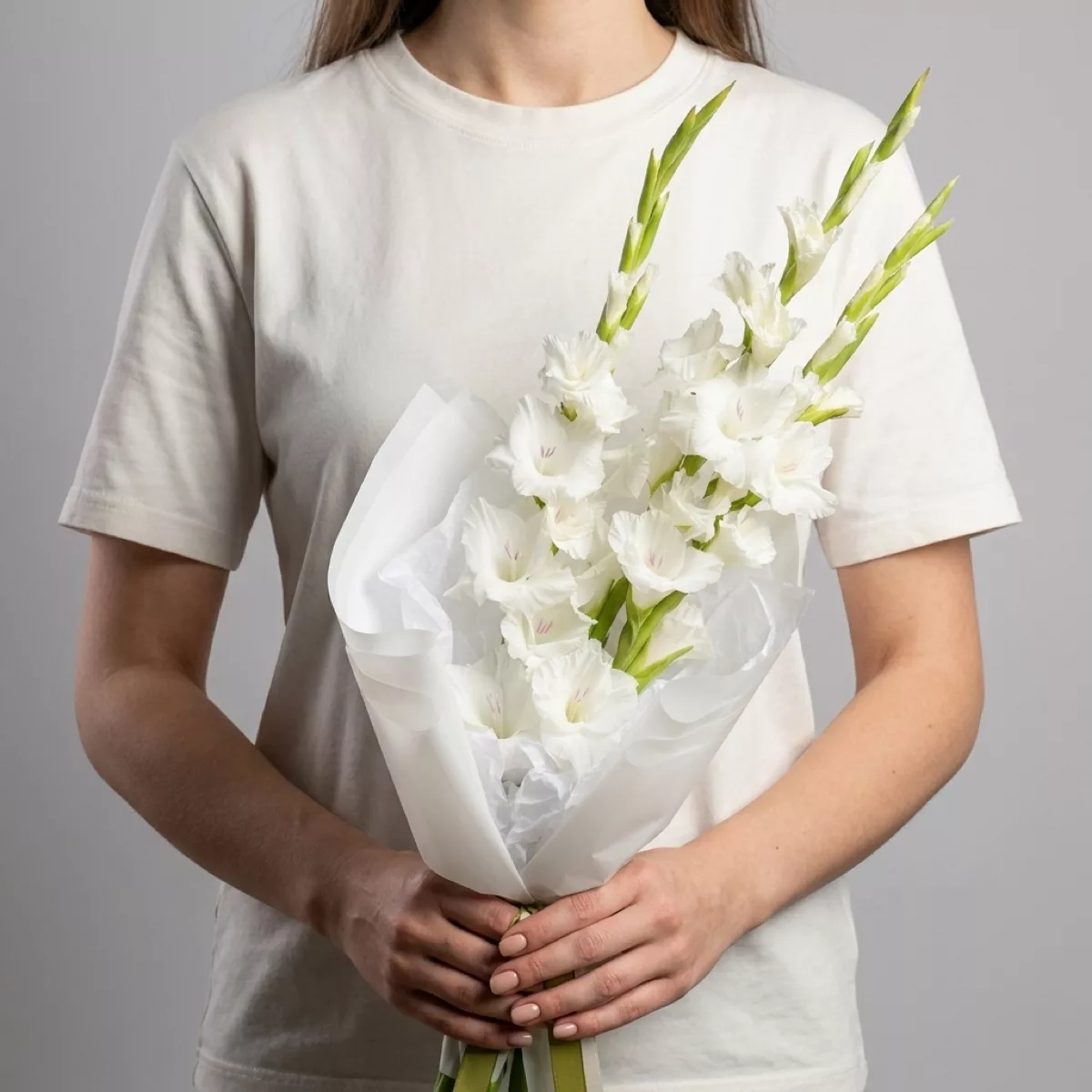
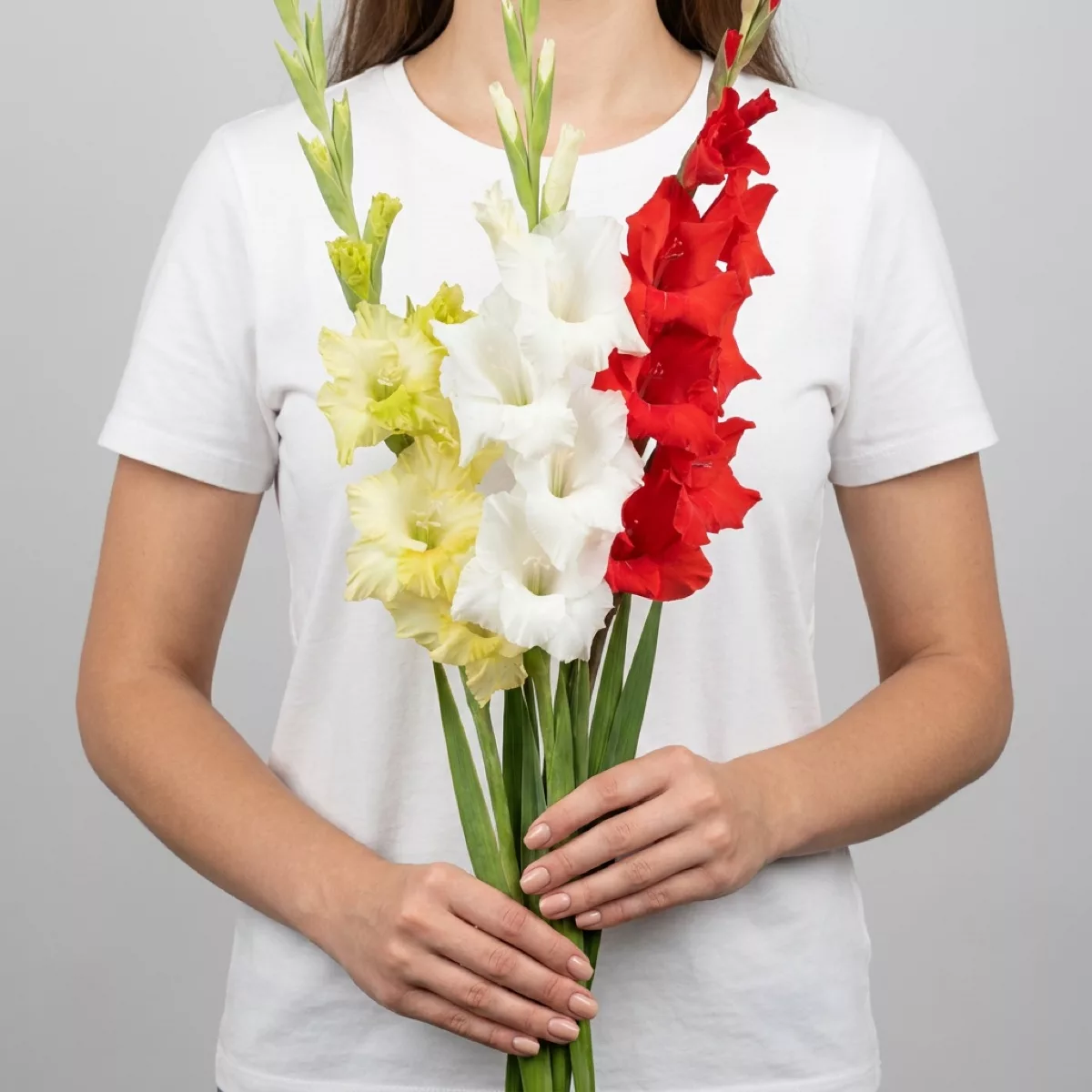
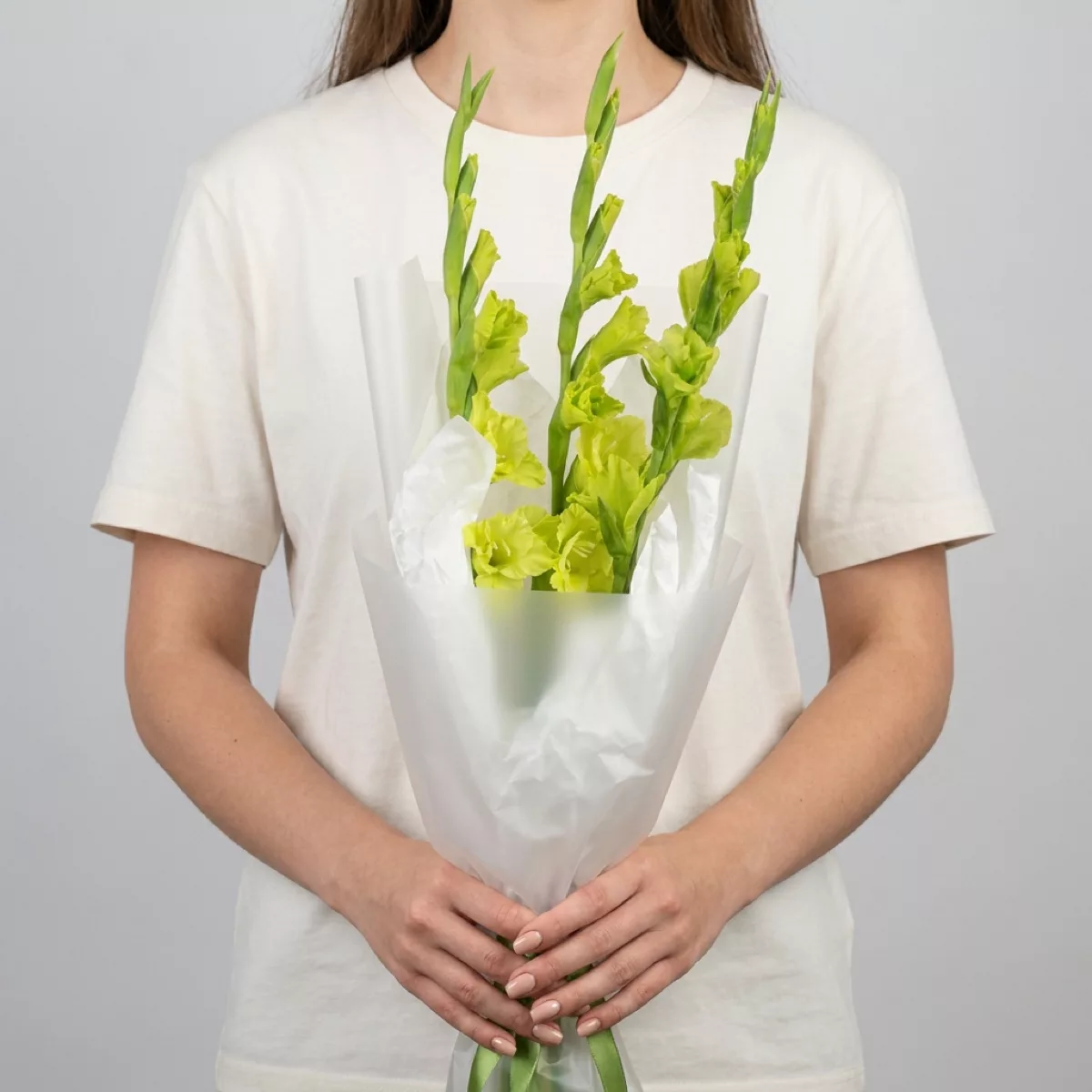
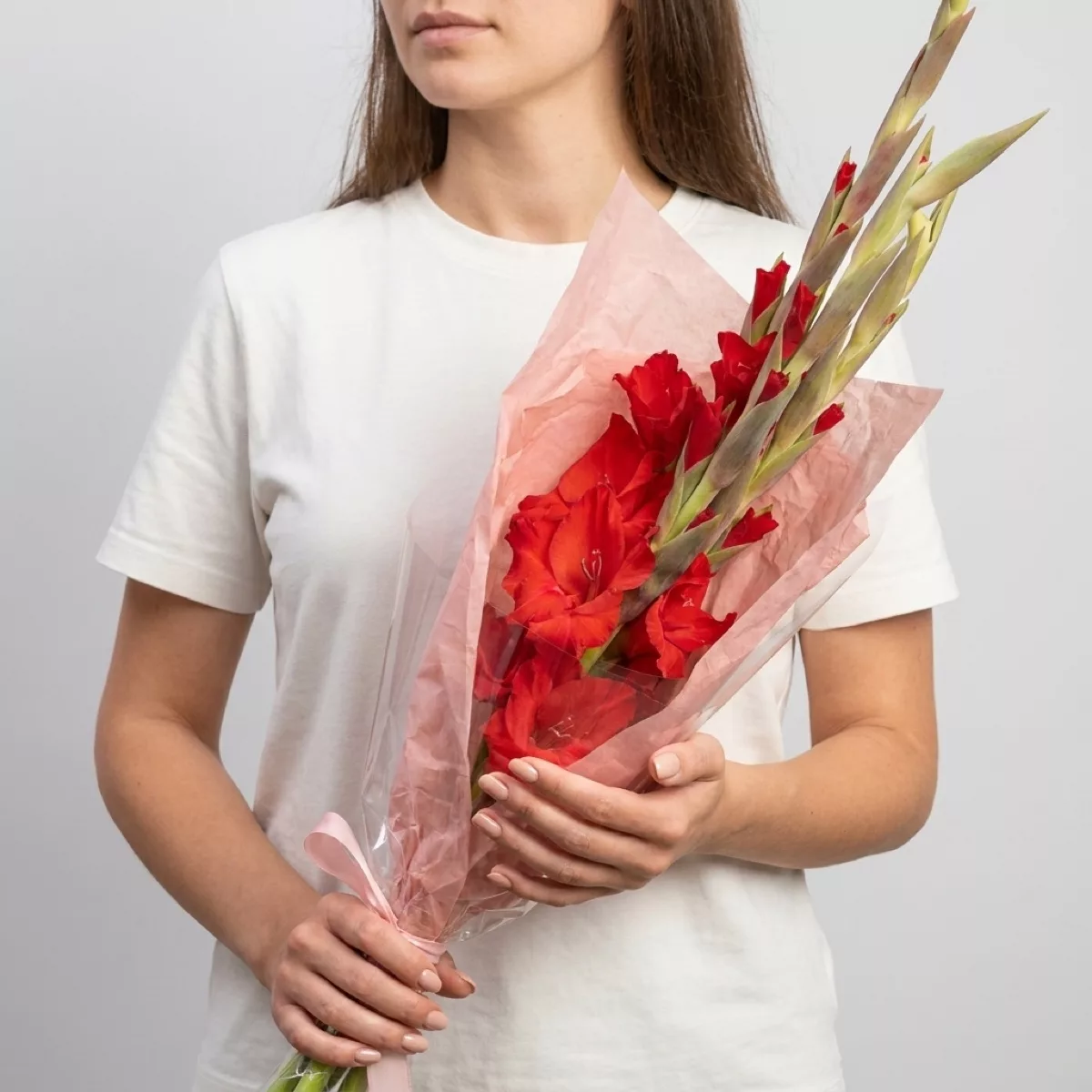
Bouquets we can deliver
The Best Time to Order When You Are in a Different Time Zone
Mendeleevsk operates on Moscow Time plus one hour, which puts it in the UTC+4 zone. If you are ordering from Western Europe, you are two to three hours behind. From North America's East Coast, you are seven to eight hours behind. From the West Coast of the United States, the difference is ten to eleven hours. This gap is the single most common reason international senders miss their intended delivery window.
The practical rule is simple: place your order the evening before in your local time if you want morning delivery in Mendeleevsk, and place it by midday local time if you want an afternoon delivery. Do not assume that because it feels like the middle of your workday, there is still plenty of time on the Russian side — there often is not.
For birthdays and anniversaries, the emotional impact of a morning delivery is significant. Receiving flowers before work starts the day on a completely different note. If your recipient works at one of the industrial facilities in Mendeleevsk, a workplace delivery in the morning is genuinely memorable because colleagues witness it. For a home delivery to someone who may be out during the day, early afternoon tends to be the safer window. When you fill in the delivery details, leave a note about the recipient's rough schedule if you know it — that small piece of information helps ensure the bouquet lands at the right moment rather than waiting on a cold doorstep.
Choosing Flowers for the Season and the Climate
Mendeleevsk experiences genuine continental seasons, and the flowers you choose should reflect that. In winter, from November through March, the priority is cold-hardy varieties that travel well and do not collapse in the cold air between the van and the front door. Roses, spray chrysanthemums, alstroemeria, and hypericum berries all hold up reliably. Avoid tropical varieties like anthuriums or bird of paradise for winter orders — they are sensitive to cold shock and can blacken at the edges even during a brief exposure to minus temperatures.
Spring in Mendeleevsk arrives in April and brings tulips into their natural moment. Dutch tulips in cream, coral, and deep purple are a strong choice from March through May. Ranunculus, with their layered petals that look almost paper-thin, are also beautiful in spring and feel genuinely luxurious without being overly formal. Peonies become available from late May and are enormously popular across Russia — a full peony bouquet for a late-spring birthday is hard to surpass.
Summer allows the widest range: garden roses, lisianthus, gerbera, and sunflowers all thrive in the heat and photograph beautifully. Autumn calls for warmer tones — burgundy dahlias, rust-colored chrysanthemums, and orange roses paired with seasonal foliage feel exactly right for September and October occasions. Matching the bouquet to what is naturally in season is not just an aesthetic choice; it also means the flowers will last longer once they arrive.
Russian Customs Around Flowers That Every International Sender Should Know
Russia has a few flower customs that are genuinely different from Western European or North American norms, and knowing them saves you from an unintentional misstep. The most important one is the odd-number rule. Bouquets for living recipients are always given in odd numbers — one, three, five, seven, eleven, fifteen, and so on. Even numbers are associated with mourning and funerals. When you order from abroad, make sure the arrangement you choose follows this convention. Reputable Russian florists build this into their standard bouquets automatically, but it is worth confirming if you are customizing.
Yellow flowers carry a complicated reputation in Russian popular culture. Many people, particularly older generations, associate yellow roses or yellow tulips with separation, jealousy, or the end of a relationship. This is not a universal belief and younger recipients in cities may not hold it at all, but if you are sending to someone you do not know extremely well, or to an older relative, it is safer to choose other colors. White, pink, red, coral, and lilac are universally safe and well-received.
The card message matters more than many international senders expect. Russians tend to appreciate warmth and directness in written messages — a short, heartfelt sentence in Russian, even imperfect Russian, is received with real appreciation. Most delivery services allow you to write in English and will transliterate or translate for the card. If you write your message in Russian, keep it genuine rather than formal. Something personal and specific to the occasion always lands better than a generic greeting.
What to Write on the Card When You Cannot Be There in Person
The card is the part of the delivery that the recipient will read and re-read. When you are thousands of kilometers away, the words on that small piece of paper carry the full weight of your presence. Do not treat it as an afterthought filled in at the last second with something generic.
Start from the occasion and the relationship. A message for a mother's birthday should sound nothing like a message for a colleague's work anniversary. For close family, personal references — a shared memory, an inside joke, something only the two of you would understand — make the card feel intimate rather than purchased. For romantic occasions, specificity beats poetry: saying what you love about this particular person on this particular day is more moving than a beautiful quotation from someone else.
If you are writing in English for a Russian recipient, keep the sentences short and clear. Long, complex English sentences can lose something in translation. Simple, warm, direct language translates cleanly. If you want to include a word or phrase in Russian, common expressions like s dnem rozhdeniya (happy birthday) or ya tebya lyublyu (I love you) are easy to transliterate and will be genuinely touching to receive from someone abroad.
Avoid filling the card with logistics — do not explain that you ordered online or that you hope the flowers arrived fresh. The recipient knows how delivery works. Use every word on that card to say something real about how you feel, and the bouquet will be remembered long after the flowers have faded.
How to Make Sure the Delivery Actually Reaches the Right Person
Delivery accuracy in a smaller city like Mendeleevsk depends entirely on the quality of the address information you provide. Russian addresses follow a specific format that differs from Western conventions, and a small error can send a driver to the wrong building in a district where multiple identical-looking apartment blocks stand side by side.
The correct order for a Russian address is: street name, building number, apartment number, city, and postal code. The postal code for Mendeleevsk begins with 423750. Building numbers in Russia sometimes include a corpus or korpus designation — this is a secondary building number within a larger complex, written as k.2 or korpus 2 — and leaving it out means the driver may stand in front of the wrong entrance. If you are not certain of the full address, contact your recipient indirectly before ordering, or ask a mutual contact. It is far better to ask than to have the bouquet delayed.
Always provide a working Russian mobile number for the recipient. Russian drivers will call ahead to confirm they are at the right entrance and to arrange handover if the recipient is not immediately at the door. Without a local number, the delivery becomes significantly harder to complete. If your recipient does not speak Russian and the driver does not speak English, a brief call is still usually enough — addresses and apartment numbers cross the language barrier easily.
Leave a note in the order comments if the recipient has a specific schedule or if the building has an entry code. These small details prevent the most common delivery complications.
Caring for the Bouquet Once It Arrives: What to Tell the Recipient
A well-chosen bouquet from a professional florist can last seven to fourteen days with the right care, but most people in Russia — as everywhere — default to habits that cut that lifespan in half. If you want the person you are sending to to enjoy the flowers for as long as possible, include a few care notes on the card or send a follow-up message after delivery.
The most important step is a clean diagonal cut on the stems before placing them in water. A diagonal cut increases the surface area through which the stem draws water. The cut should be made with a sharp knife or scissors, and it should be done while the stems are submerged if possible — this prevents air bubbles from blocking the stem's water channel. Roses and tulips in particular benefit from this immediately on arrival.
Fresh, cool water changed every two days is more effective than any flower food sachet. The vase should be clean — bacteria in a dirty vase are the primary reason bouquets collapse early. The flowers should sit away from direct sunlight, radiators, and fruit bowls. Ethylene gas released by ripening fruit accelerates flower aging noticeably, particularly for roses and carnations.
For tulips specifically, which are common in Mendeleevsk orders during spring, the stems continue to grow after cutting and will bend toward light. Rotating the vase a quarter turn each day keeps them upright and even. Roses benefit from having the lower leaves removed so that no foliage sits below the waterline, which prevents bacterial growth and keeps the water clear longer.
Sending flowers to Mendeleevsk from abroad is more straightforward than it might seem once you understand the time zone arithmetic, the seasonal choices, and the small customs that make a bouquet feel right rather than simply correct. The distance between you and your recipient does not have to show in the flowers. A bouquet that arrives fresh, beautifully wrapped, and paired with a genuine card message does exactly what flowers are meant to do — it makes someone feel thought of, across any number of kilometers.
Frequently asked questions
Can I order flowers for Mendeleevsk delivery if I do not have a Russian phone number?
Yes. You can place the order using your international number or email. The critical number to provide is the recipient's Russian mobile number, not yours. The delivery driver needs to reach the person in Mendeleevsk directly. Your own contact details are used for order confirmation and any questions about the arrangement itself.
Is it possible to schedule a specific delivery time when ordering from a different time zone?
Yes, you can specify a delivery window when placing the order. Convert your preferred local time to Moscow Time plus one hour for Mendeleevsk, and enter that window clearly in the order. Ordering at least several hours ahead of the desired delivery time — ideally the evening before in your local time — gives the best chance of hitting your chosen window accurately.
What flowers hold up best during cold Mendeleevsk winters?
Roses, alstroemeria, spray chrysanthemums, and hypericum berries are the most reliable in cold conditions. They tolerate brief exposure to low temperatures during transit without damage. Avoid tropical varieties like anthuriums or strelitzia in winter months, as these are sensitive to cold shock and can suffer visible damage even during a short walk from a delivery van to a building entrance.
Why do Russian bouquets always have an odd number of flowers?
Even numbers of flowers are traditionally associated with mourning in Russian culture and are used at funerals. Giving a living person an even-numbered bouquet is considered bad luck by many Russians, particularly older generations. Odd numbers — three, five, seven, eleven, fifteen — are the norm for celebratory and affectionate occasions. Professional florists in Russia follow this automatically for all standard arrangements.
Can I write the card message in English for a Russian recipient?
Absolutely. Many recipients in Mendeleevsk, especially younger people, read basic English or will have someone translate it for them. Keep sentences short and direct so the meaning survives translation. If you want to add a Russian word or phrase — a birthday wish or a term of endearment — write it phonetically and it will be warmly received as a personal gesture from someone reaching out from far away.
Ready to send flowers?
Pick the city, choose the bouquet, and a local florist takes it from there.
Choose a city →