Sending Flowers to Millerovo from Abroad? Read This First
Millerovo sits in the Rostov region of southern Russia, a city where people genuinely value a beautiful bouquet and where receiving flowers at the door still feels like a real event. If you are calling from Germany, the UAE, the United States or anywhere else outside Russia, you can absolutely send fresh flowers there — you just need to understand a few things about timing, local taste, the Russian calendar of occasions, and what happens to roses in July heat versus January frost. This article walks you through all of it so your order arrives looking exactly as you imagined.
Why Millerovo Is Worth Sending Flowers To
Millerovo is a mid-sized city in the north of Rostov Oblast, close to the border with the Lugansk region. It has a strong culture of gifting flowers for birthdays, anniversaries, graduations and professional holidays — occasions that Russians mark with more ceremony than many Western Europeans might expect. Showing up empty-handed to a birthday or a housewarming is genuinely unusual here, and a bouquet delivered to the door carries real emotional weight.
For a sender abroad, the distance can feel like a barrier, but it is mostly a logistical question rather than a sentimental one. The recipient in Millerovo will experience the same delight as someone in Moscow or Saint Petersburg — the flowers arrive fresh, wrapped, and accompanied by your message card. That moment of opening the door to a courier is the same everywhere.
What differs slightly is the local preference for generous, full-looking arrangements. Millerovo residents tend to appreciate classic combinations: roses paired with alstroemeria or lisianthus, or sunflowers mixed with seasonal greenery. Minimalist single-stem designs are less common here than in larger metropolitan cities. Knowing this helps you choose something the recipient will genuinely love rather than something that might feel too sparse or unfamiliar.
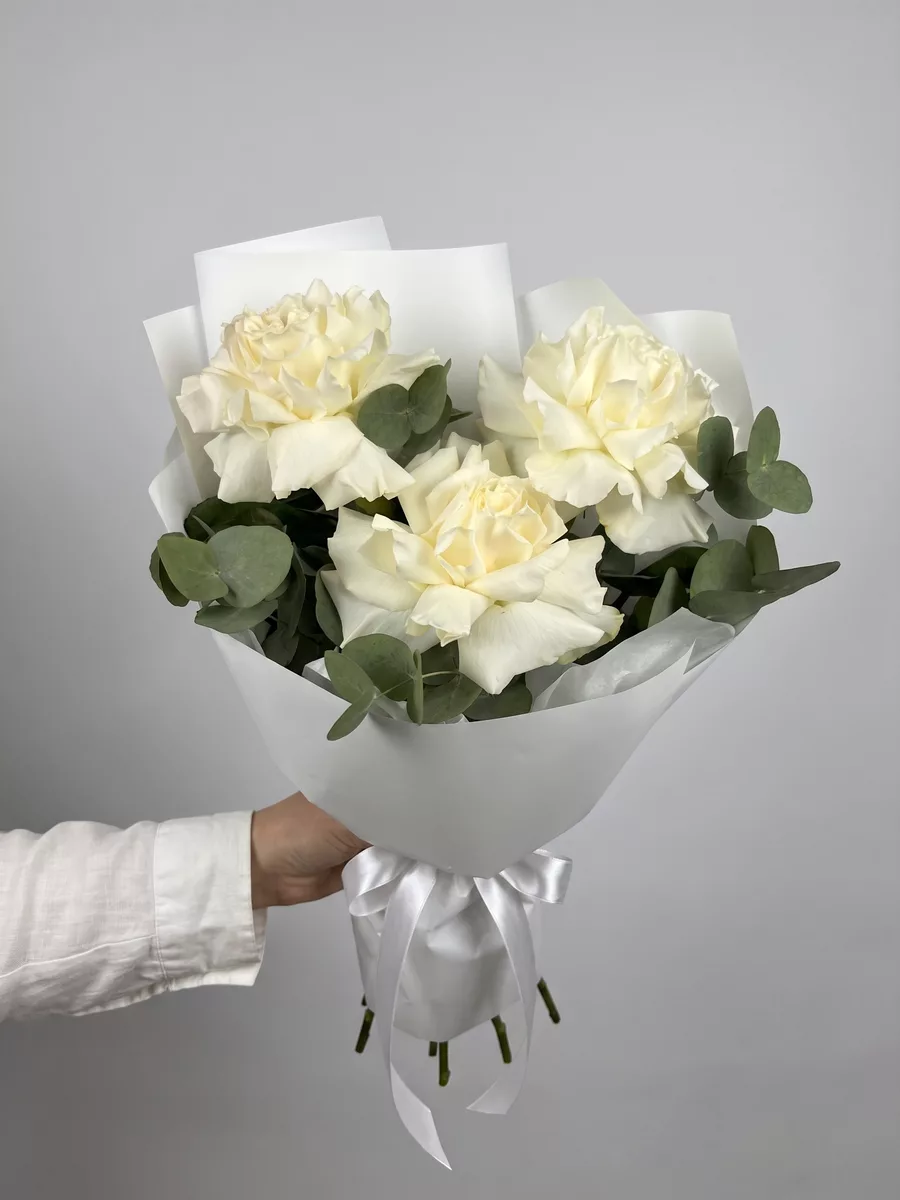
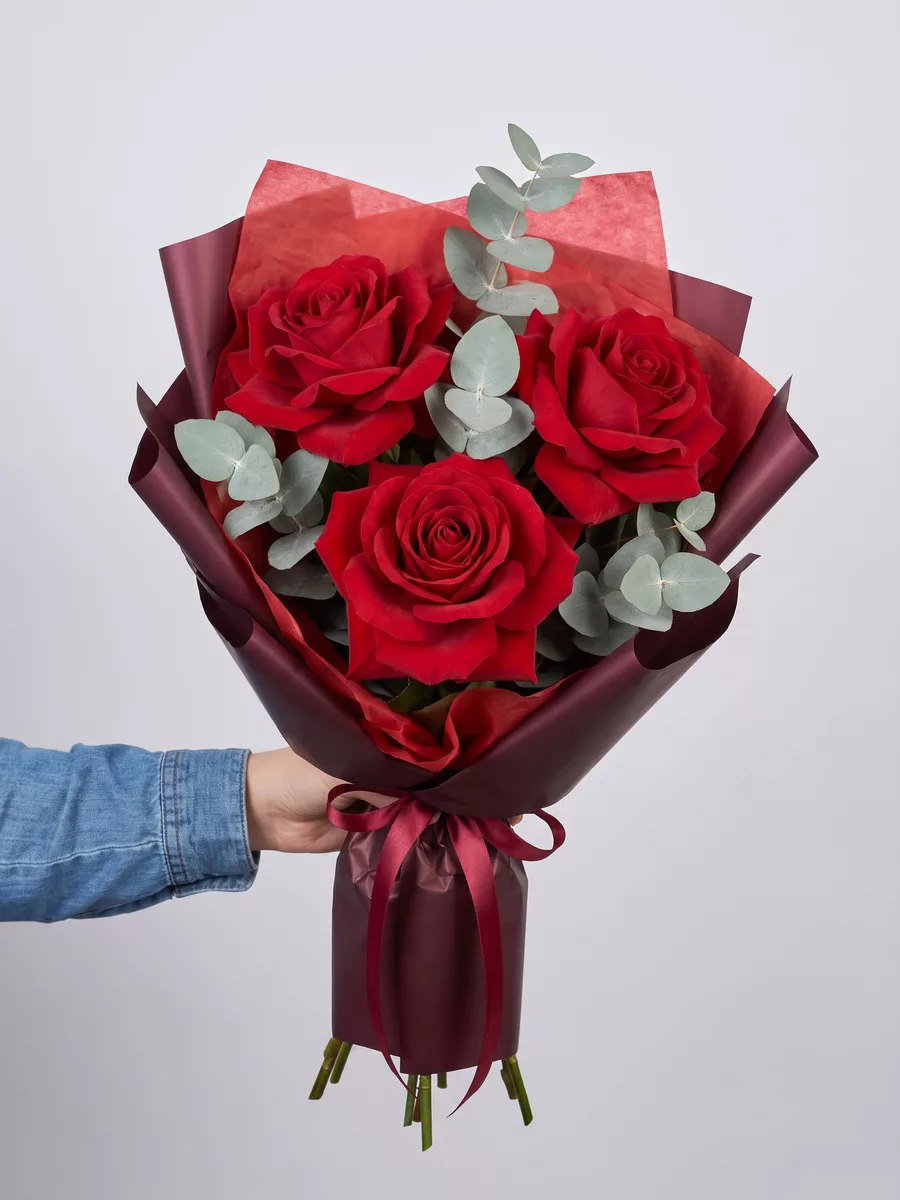
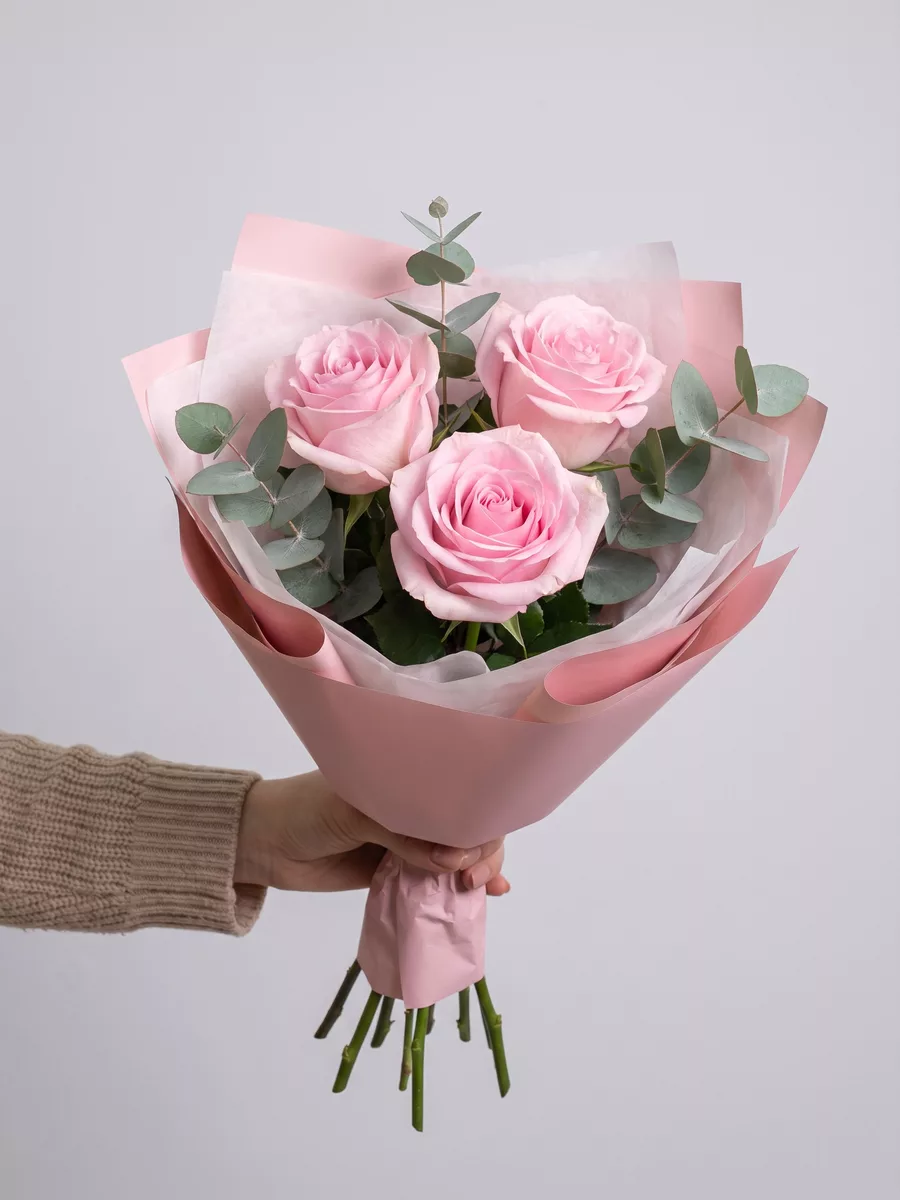
Bouquets we can deliver

The Russian Gifting Calendar: Occasions You Should Know
Russia has a rich calendar of occasions when flowers are expected, and some of them will surprise senders from abroad. International Women's Day on the eighth of March is the single busiest flower day of the year — far more significant than Valentine's Day in terms of volume and cultural importance. If your recipient is a woman, a mother, a colleague or a friend, the eighth of March is a moment when a bouquet from abroad will feel extraordinarily thoughtful.
The twenty-third of February, Defender of the Fatherland Day, is traditionally a holiday for men, though flowers are not the standard gift for this one. Teacher's Day in early October, however, is another occasion when flowers pour into schools and homes across Russia. If someone in your life is a teacher or has children who want to honor a teacher, this date matters.
Birthdays are celebrated enthusiastically, and Russians typically count the age reached rather than the age being left behind — so a fiftieth birthday is a very big event. New Year is celebrated on the first of January and is the most important family holiday of the year, comparable to Christmas in Western countries. Flowers for New Year feel festive and warm. Orthodox Christmas falls on the seventh of January, and while it is quieter than New Year, it is still a meaningful day for many families in Millerovo. Knowing these dates helps you plan your order from abroad well in advance, especially for the eighth of March when demand is extremely high.
Choosing the Right Bouquet for the Person, Not Just the Occasion
Before you think about which flowers, think about who is receiving them. A grandmother celebrating her birthday in Millerovo will likely love a classic round bouquet of garden roses, spray roses and eucalyptus — something that reads as elegant and generous without being avant-garde. A young woman in her twenties might appreciate something more textured and modern: ranunculus, dried pampas grass alongside fresh flowers, or a loose arrangement of tulips and muscari in spring.
For a man receiving flowers — which is increasingly common in Russia for significant birthdays — leaning into bold, architectural shapes works well. Anthuriums, tropical leaves, or a striking mono-bouquet of deep burgundy calla lilies reads as confident rather than delicate. If you are unsure of the recipient's taste, roses remain the safest and most universally appreciated choice across all ages and genders in Russia.
Children receiving flowers — for a school graduation or a performance — usually love bright, cheerful combinations. Gerbera daisies in yellow and orange, sunflowers, or brightly colored chrysanthemums all work beautifully and hold up well in a child's hands without wilting quickly. Lisianthus is another excellent choice for a young recipient: it looks like a rose but is lighter, longer-lasting, and comes in soft purples and whites that feel celebratory without being overwhelming. Always pair your flower choice with the personality of the person, not just the occasion.
Seasonal Realities: What Grows and What Travels Well
Millerovo experiences genuine seasons. Summers are hot — temperatures regularly reach thirty-five degrees Celsius in July and August — and winters bring frost, with January averaging below zero. This matters enormously for flowers. In summer, delicate varieties like garden peonies, sweet peas and anemones suffer in transit and wilt within hours of delivery if not properly conditioned. Roses, chrysanthemums, alstroemeria and tropical varieties like anthuriums handle summer heat much better and hold their shape reliably.
In winter, the risk shifts to cold damage. Flowers exposed to freezing air for even a few minutes can develop translucent, water-soaked petals that look bruised and collapse quickly. Proper cold-weather packaging — insulated wrapping, heat packs in extreme cold — is essential for January and February deliveries. This is not something you need to manage yourself, but it is worth knowing that a reputable florist will account for the temperature on the day of delivery when packing the bouquet.
Spring and autumn are the most forgiving seasons for flower delivery in the Rostov region. April and May bring peonies, tulips, ranunculus and irises into season, and these are some of the most beautiful and cost-effective choices of the year. September and October suit dahlias, chrysanthemums and late-season roses particularly well. If you have flexibility in your gifting date, choosing a spring or autumn delivery means your recipient gets flowers at peak freshness with the widest variety available.
How to Place an Order from Outside Russia Without Confusion
Ordering flowers for delivery in Millerovo from another country is simpler than it sounds, but there are a few things to prepare before you reach the checkout. The most important is the recipient's full address in Russian, or at least in a format that can be transliterated clearly. Street names in Millerovo are in Russian, and an address written only in Latin characters can cause confusion for the courier. If you have the address in Russian Cyrillic, use that. If not, write it out as clearly as possible and note the apartment number, floor, and any entry code for the building door.
The recipient's phone number is equally critical. Russian mobile numbers begin with plus seven, followed by ten digits. The courier will call ahead to confirm delivery time, and without a working local number the order cannot be completed. If you are sending a surprise, you can note that on the order form — a good florist will instruct the courier to be discreet about the sender until the recipient opens the door.
Your message card is written by the florist's team based on what you type. If you write in English, they will transcribe it faithfully — there is no need to translate it yourself unless you want the message in Russian. Many recipients in Millerovo, especially younger people, read English comfortably. Payment from abroad is typically handled via international bank card. Time zones matter: Millerovo is in UTC plus three, so plan your order timing accordingly if you want a morning or afternoon delivery on a specific date.
Timing Your Order for Maximum Impact
A flower delivery has the most emotional impact when it arrives at the right moment. For a birthday, mid-morning delivery — between ten and noon local Millerovo time — means the recipient has the flowers on display for the whole day and can enjoy them during any celebrations that follow. An evening delivery, while still meaningful, means the bouquet gets less time in the spotlight.
For the eighth of March, order at least three to five days in advance. This is not an exaggeration — florists across Russia are operating at maximum capacity in the days leading up to Women's Day, and same-day or next-day orders for that specific date carry real risk of delay or reduced variety. The same applies to Valentine's Day, though it is a smaller peak in Russia than in Western markets.
For a surprise delivery, consider the recipient's schedule. If they work outside the home, a delivery to their workplace can be a lovely gesture — it is common in Russia and colleagues typically react warmly. If delivering to a home address, confirm that someone will be there to receive it. Flowers left in a building lobby or with a neighbor lose the personal moment of the delivery entirely, and in summer heat a bouquet sitting uncollected for two hours will suffer noticeably.
If you are sending from a country with a significant time zone difference — Japan, Australia, the west coast of the United States — place your order the evening before your local time to ensure it lands in the Millerovo morning queue.
Caring for the Bouquet: What to Tell Your Recipient
Even the freshest bouquet needs a little attention after delivery, and recipients who know what to do will enjoy their flowers for significantly longer. Roses and alstroemeria last seven to twelve days with proper care. Tulips last five to seven days. Chrysanthemums and carnations are among the longest-lasting cut flowers, often going two weeks or more when treated correctly.
The first step after unwrapping is a fresh diagonal cut — about two centimeters from the stem base, ideally under running water or submerged in a bowl. This removes any air that has entered the stem during transit and allows the flower to drink immediately. The vase should be clean, filled with cool water, and placed away from direct sunlight, radiators and drafts. In Millerovo winters, central heating makes indoor air very dry, which shortens vase life; placing the bouquet in a cooler room overnight helps.
Strip any leaves that would sit below the waterline — decomposing leaves cloud the water quickly and encourage bacterial growth that blocks the stems. Change the water every two days and re-cut the stems each time. A small pinch of sugar in the water feeds the flowers; a drop of bleach keeps bacteria down. These two additions together extend vase life noticeably.
If your recipient receives peonies or garden roses that arrive tightly closed — which is normal in cooler months — they can gently loosen the outer petals by hand and place the stems in warm water in a bright spot to encourage opening. Within a few hours the bouquet will look entirely different, full and lush, which is always a pleasant surprise.
Sending flowers to Millerovo from abroad is a genuinely meaningful gesture, and it is far more achievable than the distance might suggest. The key is giving yourself enough lead time, knowing the Russian occasions that matter most, choosing flowers suited to the season, and making sure the delivery details — address, phone number, and timing — are accurate. When all of those pieces are in place, what the recipient experiences is simply someone who cared enough to send something beautiful across a very long distance. That feeling lands exactly the same in Millerovo as it does anywhere else in the world.
Frequently asked questions
Can I send flowers to Millerovo if I don't speak Russian?
Yes, entirely. You can place your order in English and write your card message in English as well. The florist team handles all communication with the courier and the recipient in Russian on your behalf. The only thing you need to provide accurately is the recipient's address and Russian mobile number, which your recipient can send to you in advance.
How far in advance should I order for the eighth of March?
At least three to five days before the date. Women's Day is the busiest flower day of the year across Russia, and demand in cities like Millerovo is extremely high. Ordering early guarantees your preferred varieties are available and that the delivery slot you want is secured. Last-minute orders around this date risk limited availability and possible delays.
What flowers are best for a summer delivery to Millerovo given the heat?
Roses, alstroemeria, chrysanthemums, anthuriums and tropical varieties handle summer temperatures in the Rostov region much better than delicate spring flowers. Avoid ordering peonies, sweet peas or anemones for July and August deliveries — they are beautiful but struggle in heat. Ask your florist to recommend what is performing well on the specific day you are ordering.
Is it possible to send a surprise bouquet without the recipient knowing in advance?
Yes. Note on your order that it is a surprise and the courier will be instructed to be discreet. The recipient's phone number is still required for the courier to coordinate access to the building, but the florist can advise the courier to keep the sender's identity to themselves until the flowers are handed over and the card is opened.
How long will the flowers last after delivery in Millerovo?
With basic care — fresh diagonal cuts, clean water changed every two days, and a position away from heat and direct sun — roses and alstroemeria last seven to twelve days, chrysanthemums up to two weeks, and tulips five to seven days. Millerovo's dry winter heating can shorten vase life, so keeping the bouquet in a cooler room overnight makes a noticeable difference.
Ready to send flowers?
Pick the city, choose the bouquet, and a local florist takes it from there.
Choose a city →