Sending Flowers to Mogocha from Abroad? Read This First
Mogocha sits deep in Zabaykalsky Krai, more than six thousand kilometres east of Moscow, and the distance feels even greater when you are trying to arrange a flower delivery from London, Berlin, or New York. You want the bouquet to arrive fresh, to feel personal, and to land at exactly the right moment — not a day late and not wilted. The good news is that all of this is entirely achievable when you understand a few key things about timing, seasonal conditions, and what flowers actually travel well to this corner of Siberia.
Why Mogocha Is Different from Sending Flowers to a Big City
Most international senders picture flower delivery in Russia as something straightforward — order online, flowers appear. That picture is accurate for Saint Petersburg or Moscow, but Mogocha requires a little more thought. It is a small railway town in eastern Siberia, and its climate is genuinely extreme: winters push well below minus thirty Celsius, and even spring and autumn can bring sharp overnight frosts.
This geography matters because flowers are living things that react to cold the way you would expect — petals bruise, stems go limp, and water inside the cells can freeze if exposure is even briefly too long. A bouquet that would survive a ten-minute car ride in a European city needs to be wrapped, conditioned, and timed more carefully here.
The other factor is the time zone. Mogocha operates on Yakutsk Time, which is UTC plus nine. If you are ordering from Western Europe, you are looking at a difference of eleven to twelve hours depending on the season. That gap is easy to miscalculate, and it is the single most common reason a bouquet meant for a birthday morning arrives the following evening instead.
None of this should discourage you. It simply means the planning conversation matters — knowing the recipient's address precisely, confirming a delivery window that works for them, and choosing flowers that are suited to the journey and the season. When those pieces are in place, the result is genuinely moving for someone who did not expect a bouquet to reach them from so far away.
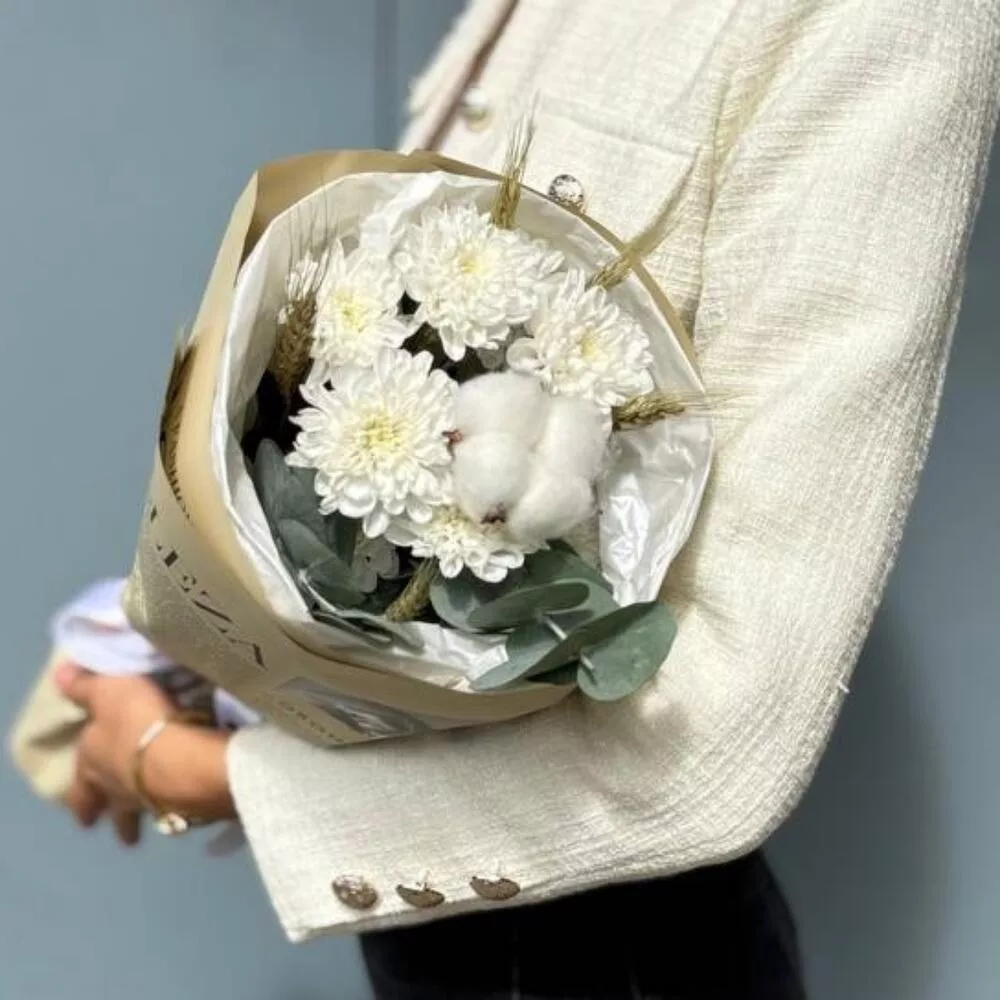
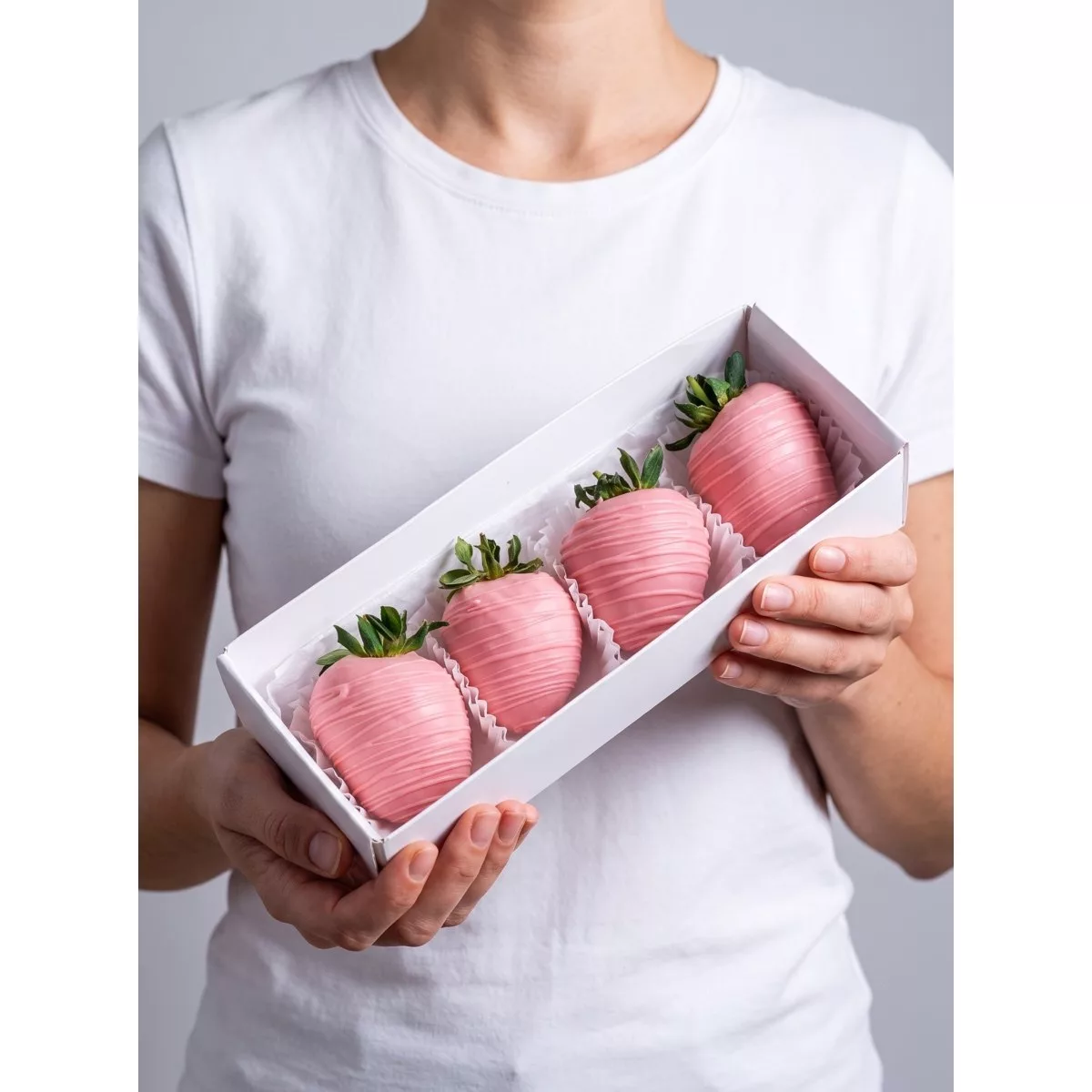
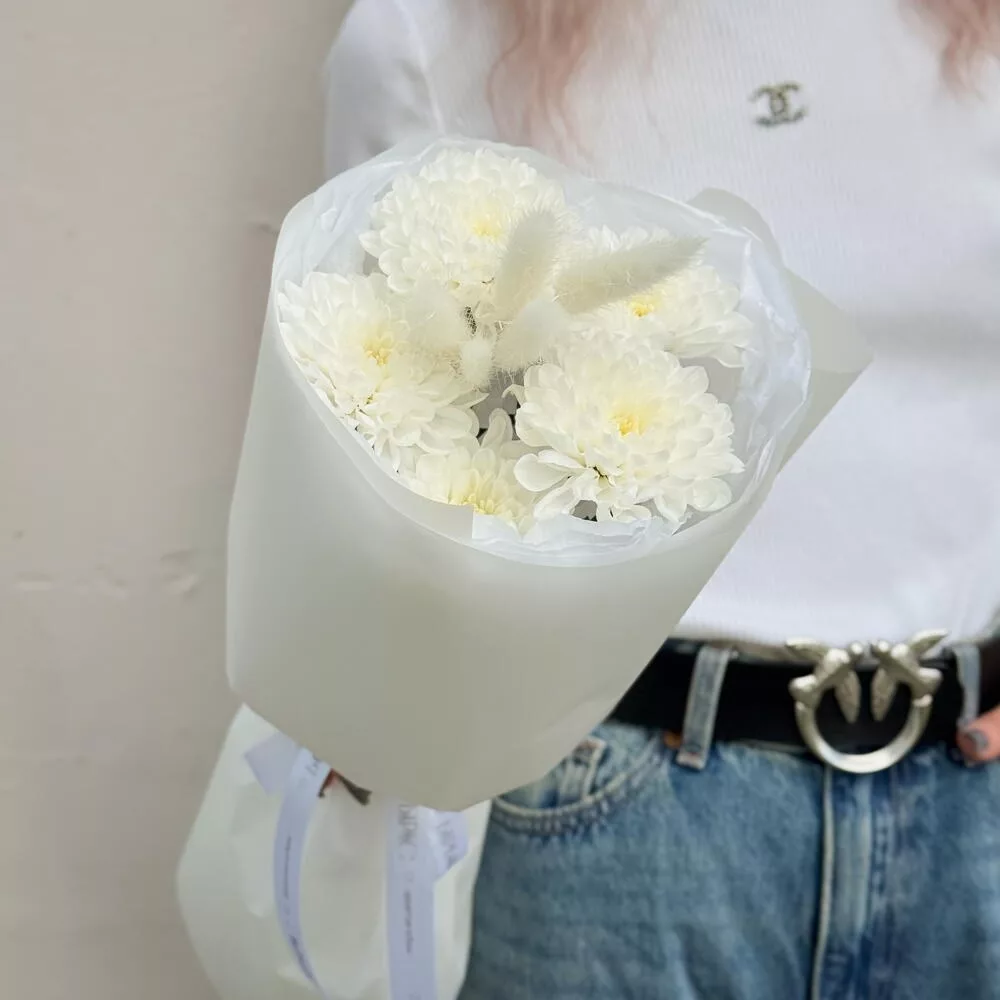
Bouquets we can deliver

Choosing the Right Occasion Framing Before You Pick a Single Flower
Before you think about roses versus chrysanthemums, think about the person receiving the bouquet and what you want them to feel the moment they open the door. In Russian culture, flowers carry clear social signals, and a sender from abroad who understands this will always get a warmer response.
Odd numbers of flowers are standard for celebratory occasions — birthdays, anniversaries, promotions, new babies, name days. Even numbers are reserved for mourning, so a bouquet of twelve stems, however elegant it looks in a photograph, will confuse or upset a Russian recipient at a happy moment. Stick to five, seven, nine, or eleven stems if you are building a counted arrangement, or ask for a full lush bouquet where the count is not obvious.
Colour also speaks clearly. Red roses signal romantic love and are appropriate for partners. Yellow flowers, particularly yellow roses, carry an association with separation or bad news in traditional Russian thinking — many older recipients hold this strongly, so unless your recipient is young and internationally minded, it is safer to avoid a purely yellow bouquet. White, pink, coral, and mixed palettes are universally safe and read as warm and celebratory.
For a colleague, a teacher, or a family friend, something structured and elegant works better than a loose romantic arrangement. Think spray roses mixed with lisianthus, or a compact bouquet of alstroemeria with eucalyptus. For a close friend or partner, you have more room for drama — garden roses, peonies in season, or a statement arrangement built around a single focal flower. Getting the framing right means the flowers do emotional work the moment they are seen, before a single word is exchanged.
Seasonal Conditions in Mogocha and What Flowers Survive Them
Zabaykalsky Krai has a sharply continental climate, which means the seasons are not gradual — they arrive hard and leave hard. From November through March, outdoor temperatures in Mogocha regularly fall below minus twenty-five Celsius. From late June through August, the town can be genuinely warm, with temperatures climbing above twenty-five Celsius on the best summer days. Both extremes affect which flowers are sensible choices.
In winter, the most cold-tolerant cut flowers are the ones to prioritise. Chrysanthemums are exceptional — they handle cold transport better than almost any other common flower and last well in cool indoor conditions. Carnations are similarly robust, and their dense petals resist bruising. Alstroemeria holds up well and offers a wide colour range. Roses can be sent in winter but need to be premium-grade, tightly budded, and well-conditioned, because a rose that has already started to open will suffer in cold air.
In summer, the challenge reverses. High temperatures accelerate the opening and ageing of flowers, so varieties that are naturally long-lasting become especially valuable. Lisianthus, statice, and solidago all hold well in heat. Gerberas are cheerful and popular but are among the shorter-lived flowers — they are a better choice for spring and autumn than for the height of summer.
Spring and autumn are the most forgiving seasons for sending something ambitious. Peonies, available roughly from late May through June, are an extraordinary gift and travel well when they arrive as tight buds. Tulips in early spring feel particularly celebratory. If you are planning a delivery for a specific date, always account for the season and ask for varieties that suit the current conditions rather than simply the ones you find most beautiful in photographs.
Timing Your Order Across a Large Time Zone Gap
The time zone difference between Mogocha and most of Western Europe or North America is large enough to cause real problems if you do not plan around it. Mogocha is UTC plus nine, which means that when it is nine in the morning there, it is midnight in London, one in the morning in Berlin, and the previous afternoon in New York. Ordering at what feels like a reasonable hour in your local time can mean the delivery request arrives in the middle of the Russian night or too late in the local day for a morning delivery.
The practical rule is to place your order at least twenty-four hours before the desired delivery time in Mogocha, and to think explicitly in Mogocha local time rather than your own. If you want flowers to arrive before noon on a Saturday in Mogocha, work backwards from that moment. A Saturday morning delivery means the order should be confirmed and fully paid by Friday morning Mogocha time at the latest — which may be Thursday evening or even Thursday afternoon where you are sitting.
For birthdays and anniversaries, the emotional weight of an on-time delivery is significant. A bouquet that arrives the day after a birthday is still a kind gesture, but it loses the element of surprise and celebration that makes it feel special. Russian recipients, like anyone, notice when something was clearly planned carefully.
If you are not certain of the recipient's schedule — whether they will be home, whether they work shifts — it is worth messaging them in advance to say something is coming, without revealing the full surprise. This avoids a missed delivery and ensures the flowers are received while they are still at their freshest.
Budgeting for a Meaningful Bouquet Without Overspending
When you are sending from abroad, the temptation is to go large — to compensate for distance with volume. That instinct is understandable, but a well-composed smaller bouquet almost always makes a stronger impression than a large, generic one. The key is in the combination of flowers and the way the arrangement is presented, not in sheer quantity.
For a modest but genuinely lovely result, a tight cluster of spray roses in a single colour, finished with eucalyptus or ruscus and wrapped in kraft paper with a ribbon, feels considered and personal. Five or seven stems of a quality rose variety, properly conditioned and presented, will outlast a loose bundle of twenty mixed stems that were not chosen with care.
At a mid-range level, mixing a focal flower with supporting elements creates the kind of arrangement that looks like it was designed rather than assembled. A central cluster of garden roses or lisianthus, supported by waxflower or pittosporum, reads as sophisticated without being excessive. This is the range where most meaningful personal gifts sit.
For something genuinely impressive — a significant birthday, a major anniversary, a thank-you for something important — a larger arrangement built around peonies in season, or a premium rose bouquet with ten to fifteen stems of a named variety like David Austin-style garden roses, makes an unmistakable statement. The presentation matters as much as the flowers: a box arrangement or a structured hand-tied bouquet wrapped well will arrive looking intentional.
Whatever your budget, the single most important instruction you can give is the occasion and the relationship. A florist who knows they are building something for a grandmother's eightieth birthday will make different choices than one filling a generic order, and those choices will show in the result.
What to Write on the Card When Sending from Abroad
The card that accompanies a bouquet often matters more than the flowers themselves, especially when the sender is far away. It is the moment when the recipient understands who thought of them and why, and a thoughtful message turns a beautiful object into a genuine connection.
If you write in English, that is completely fine — many Russian recipients, particularly those under fifty, read English comfortably, and a message in your own language feels more authentic than a stilted translation. If you want to include a Russian phrase, simple ones are easy to verify and carry warmth: a birthday greeting, a simple expression of love, or a line wishing good health. Avoid relying on machine translation for anything longer than a phrase, as the results can be grammatically odd in ways that are immediately obvious to a native reader.
Keep the message personal and specific rather than generic. Instead of writing happy birthday and your name, say something that only you could say — a shared memory, a reference to something the recipient told you, an acknowledgment of something they have achieved. This specificity is what makes a long-distance gift feel close rather than dutiful.
In Russian gift culture, the act of sending flowers from abroad is itself a significant gesture. Recipients understand what it takes to arrange something across that distance, and they read it as a measure of how much you value the relationship. Your card does not need to explain this — the flowers already communicate it. The message simply needs to be warm, genuine, and clearly from you, not from a template.
If the occasion is a name day rather than a birthday, it is worth acknowledging that specifically. Name days — the feast day of the saint whose name a person carries — are celebrated seriously in Russia, and a sender who knows the difference will be appreciated for it.
Helping the Recipient Keep the Flowers Fresh Longer
A bouquet that lasts ten days instead of four is a gift that keeps giving, and the difference usually comes down to a few simple steps that the recipient may not know unless someone tells them. If you want to pass these along with your card message, or simply understand what to expect, here is what actually makes a difference.
The first step when a bouquet arrives is to recut the stems at an angle — about two centimetres from the bottom — using a sharp knife rather than scissors. Scissors crush the stem tissue and reduce water uptake. The cut should be made while the stems are held under water if possible, or immediately before placing them into a vase, so air does not enter the stem and block the water channel.
The vase water should be clean and cool, not warm. Warm water encourages bacteria to multiply faster, which shortens vase life significantly. Changing the water every two days and recutting the stems each time will extend the life of most arrangements by several days. Any leaves that sit below the waterline should be removed, as submerged foliage rots quickly and contaminates the water.
Most cut flowers prefer a cool room away from direct sunlight, heating vents, and fruit bowls. Ripening fruit releases ethylene gas, which accelerates flower ageing — even a bowl of apples on the same table can noticeably shorten the life of nearby flowers.
Chrysanthemums and carnations are among the longest-lasting cut flowers under good conditions, often reaching twelve to fourteen days. Roses typically give seven to ten days with proper care. Peonies, though spectacular, are shorter-lived once open — four to six days — but they are so beautiful during that time that recipients rarely mind.
Sending flowers to Mogocha from another country is a genuinely meaningful act, and the logistics are far more manageable than the distance might suggest. The things that matter most are planning the timing carefully around the time zone, choosing flowers that suit the season and the occasion, and writing a card that says something only you could say. Get those three things right, and the bouquet will do exactly what you want it to do — make someone in a small Siberian town feel remembered, valued, and close to you despite everything that separates you.
Frequently asked questions
Can I order flowers for delivery to Mogocha if I do not speak Russian?
Yes, completely. You can place your order in English and provide the recipient's address and phone number in Latin characters — our team will handle the local communication. The only thing to confirm is the recipient's full address in Russian if possible, as this speeds up delivery. A contact phone number for the recipient is essential for any remote Russian city delivery.
How far in advance should I order to guarantee a specific delivery time in Mogocha?
At least twenty-four hours before the desired delivery time in Mogocha local time is the safe minimum. Because Mogocha is UTC plus nine, this often means placing your order one to two calendar days before the date you have in mind when you account for the time zone gap. For major occasions like milestone birthdays, ordering forty-eight hours ahead removes almost all timing risk.
Are there flowers I should avoid sending to a Russian recipient?
Yes, a few. Purely yellow bouquets carry an association with bad news or separation in traditional Russian culture, so they are best avoided unless you know the recipient well and they are not superstitious about it. Even numbers of flowers are associated with mourning — always choose an odd number for a celebratory gift. White flowers are generally safe and elegant for any occasion.
What happens if the recipient is not home when the bouquet arrives?
Our delivery team will contact the recipient by phone before arriving, so an unexpected absence is usually caught in advance. If the recipient cannot be reached, we will coordinate a revised delivery time. This is why a working local phone number for the recipient is so important — without it, managing a missed delivery in a remote city becomes significantly harder for everyone involved.
What is a name day and should I mention it when ordering?
A name day is the feast day of the saint whose name a person carries, and it is celebrated in Russia similarly to a birthday — sometimes more seriously in older generations. If you know the delivery is for a name day rather than a birthday, mentioning it when you order helps us frame the arrangement and card appropriately. It also shows the recipient that you understand something meaningful about Russian tradition.
Ready to send flowers?
Pick the city, choose the bouquet, and a local florist takes it from there.
Choose a city →