Sending Flowers to Monchegorsk from Abroad: What You Need to Know
Monchegorsk sits deep in the Kola Peninsula, well above the Arctic Circle, and if someone you love lives there, you already know that distance is the hardest part of any occasion. Ordering flowers from another country feels complicated — different time zones, an unfamiliar city, uncertainty about whether anything will actually arrive fresh. This guide walks you through every practical step so that when your recipient opens the door, all they feel is that you thought of them.
Why Monchegorsk Is Worth the Extra Thought
Monchegorsk is a compact industrial city of roughly 40,000 people set against the Khibiny mountain landscape in Murmansk Oblast. Because it sits so far north, the climate is genuinely subarctic — winters are long and dark, summers are brief but bright with almost continuous daylight. That geography matters when you are choosing flowers, because the emotional weight of a bouquet in a place with months of polar night is different from its weight in a warmer southern city. A burst of color in February, when the sun barely rises, lands differently on a person who has not seen a garden in months.
For a sender abroad, the key practical fact is that Monchegorsk is accessible by road from Murmansk and has a clear street address system, which means a reliable same-day or next-day delivery is possible when you order through a service that actually covers the region. You do not need to know the city yourself. What you do need is a precise recipient address including the apartment number, a working Russian mobile number for the recipient, and a clear sense of the occasion so the florist can match the arrangement to the moment. Getting those three things right removes almost all the uncertainty from the process.
Bouquets we can deliver

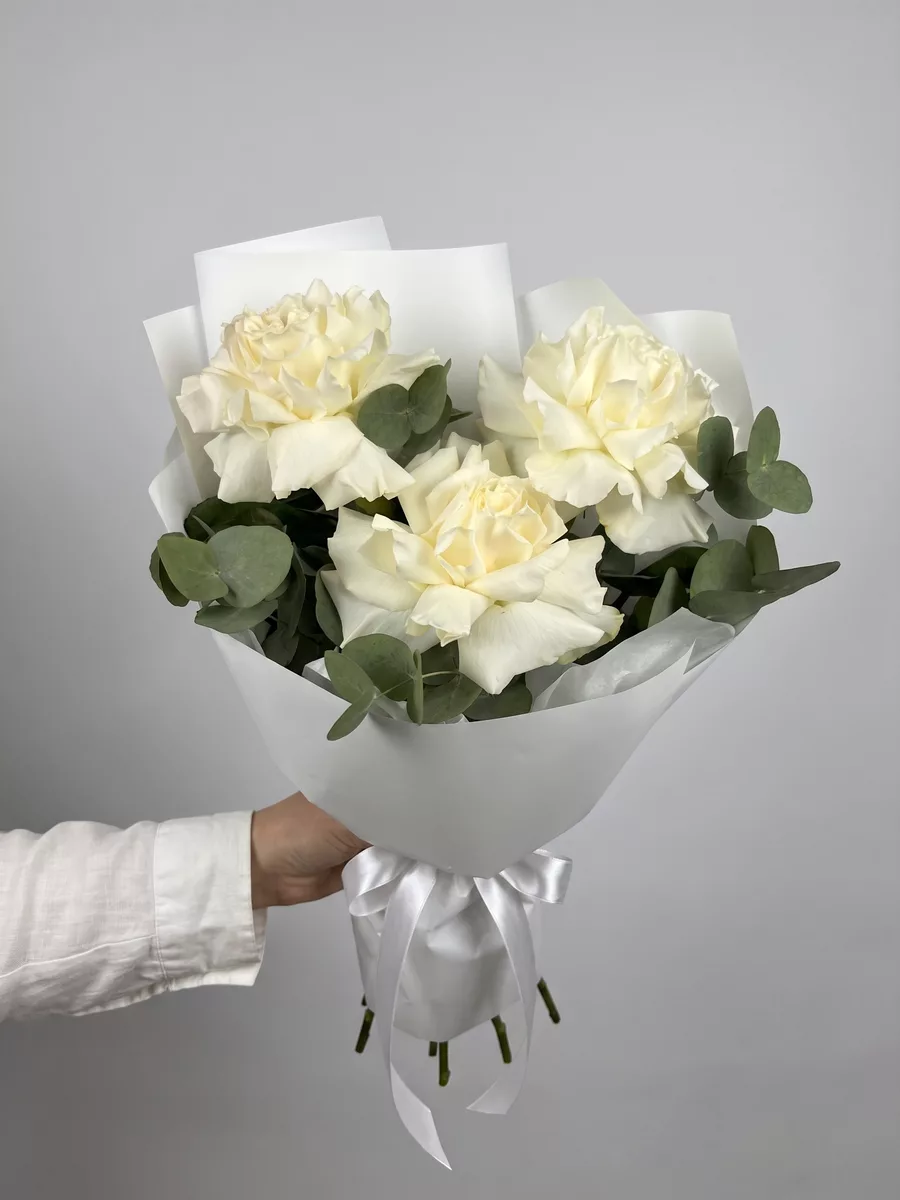
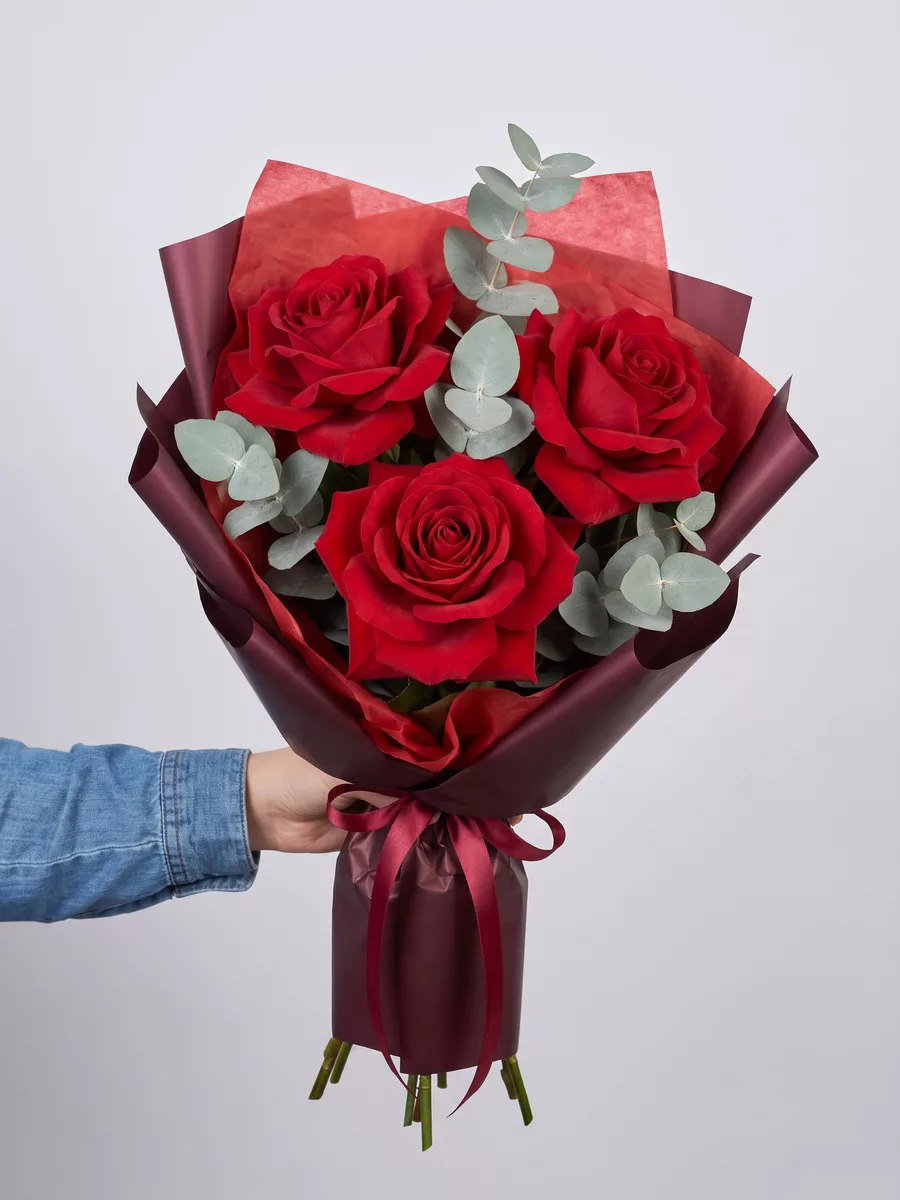
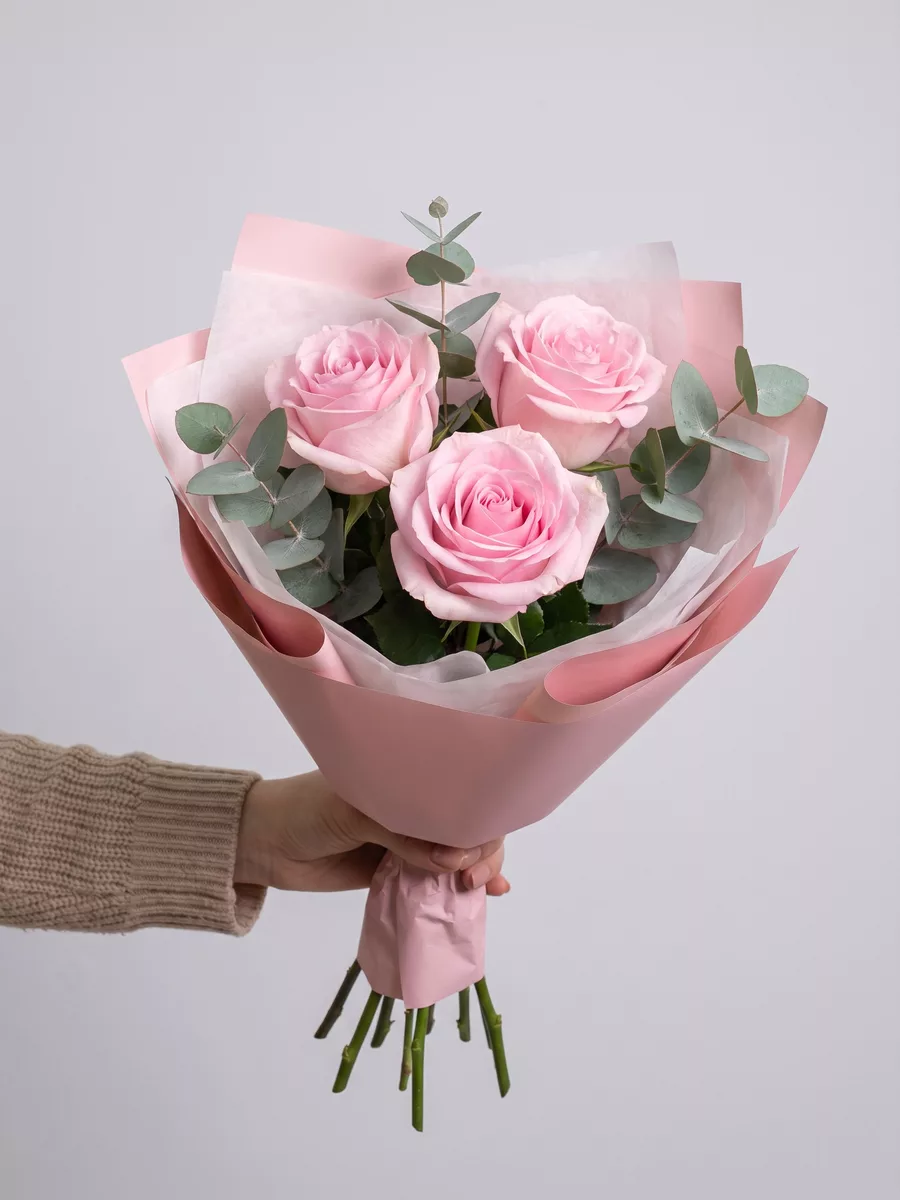
Choosing Flowers for the Person, Not Just the Day
Before you think about which flowers to order, think about who will receive them. A colleague celebrating a promotion responds to something structured and confident — think deep red roses arranged tightly, or a monochromatic bouquet of white lisianthus with eucalyptus. A mother on her birthday often appreciates softness and warmth: pale pink peonies in season, or a mixed arrangement of spray roses, alstroemeria, and greenery that feels like a garden rather than a florist's window.
In Russian culture, flower count carries meaning that many international senders do not know about. An even number of flowers is traditionally associated with mourning, so always choose an odd number — three, five, seven, eleven, or more. This is not a rigid rule in younger urban circles, but it is widely observed and worth following to be safe. A good florist will handle this automatically, but if you are specifying quantities yourself, keep it odd.
Color also carries weight. Red roses remain the clearest declaration of romantic feeling in Russia, and sending them to a colleague or distant relative can be misread. For friendship, congratulations, or family occasions, softer palettes — cream, peach, lavender, light yellow — communicate warmth without ambiguity. Bright sunflowers are universally cheerful and work across almost any non-romantic occasion. When in doubt, describe the relationship and the mood to the florist rather than naming a specific flower, and let the arrangement follow from that.
Timing Your Order Across Time Zones
Monchegorsk runs on Moscow Time, which is UTC plus three hours. If you are ordering from Western Europe, you are one to two hours behind Moscow. From the United States East Coast, you are eight hours behind. From the West Coast, eleven. This gap matters more than most senders realize, because a flower order placed at what feels like a reasonable mid-morning hour in your city may arrive at the florist in the late afternoon Moscow time, leaving little window for same-day delivery.
The safest approach from abroad is to place your order the evening before the occasion in your local time. That gives the florist a full working morning to prepare and dispatch the arrangement. For a birthday on a Tuesday, order on Monday evening wherever you are — by the time you wake up, the bouquet may already be on its way.
For major Russian occasions — International Women's Day on March 8th is the single busiest day in the Russian flower calendar, far exceeding Valentine's Day in volume — order at least two to three days ahead. Demand in the days surrounding March 8th is intense everywhere in Russia, and Monchegorsk is no exception. New Year, February 23rd (Defender of the Fatherland Day), and May 9th (Victory Day) are also high-volume moments. Placing your order early is the single most effective thing you can do to guarantee freshness and on-time arrival.
What Flowers Hold Up in a Subarctic Climate
The cold in Monchegorsk is not a problem for flower delivery — it is actually an advantage for certain varieties. Roses, chrysanthemums, alstroemeria, and carnations are all robust travelers that handle temperature fluctuations well and last reliably in cool indoor conditions. Alstroemeria in particular is an excellent choice for northern climates: it opens gradually over days, giving the recipient a week or more of color, and it holds up well even if the apartment is not particularly warm.
What you want to avoid in deep winter is anything with very delicate petals or high moisture content that can freeze during transport. Gardenias, for example, bruise easily in cold and are difficult to deliver in peak condition in January or February. Tropical varieties like anthuriums and birds of paradise are striking but need careful handling in sub-zero outdoor temperatures. A working florist covering Monchegorsk knows the seasonal limits and will steer you toward what is actually available and viable rather than what looks appealing in a photograph.
In summer — roughly June through August — the range opens up considerably. Peonies are available and spectacular, sweet peas add lightness, and locally grown wildflowers can appear in mixed arrangements. The midnight sun season is also when Monchegorsk feels most festive, so a lush, generous bouquet feels especially right for a summer birthday or anniversary. Ask what is fresh that week rather than committing to a specific flower months in advance.
Budgeting When You Are Paying in a Foreign Currency
Paying for flowers in Russia from abroad involves a currency conversion, and exchange rates shift. The practical advice is to think in terms of what the arrangement should look like and feel like rather than mapping a specific foreign currency amount onto Russian pricing. A modest, well-made bouquet of five to seven stems with greenery communicates genuine care. A larger arrangement of fifteen or more stems, or one that includes a premium flower like peonies or garden roses, makes a stronger visual statement when the door opens.
For a close friend or romantic partner, lean toward the more generous end of whatever range you can afford — not because bigger is always better, but because in a city as remote as Monchegorsk, receiving an abundant bouquet has a particular emotional impact. The recipient knows the effort involved in sending flowers to their city from another country, and the scale of the arrangement reinforces that the sender meant it.
If you are sending for a workplace occasion — a colleague's promotion, a team celebration — a structured, medium-sized arrangement in neutral colors is appropriate without being excessive. Russian workplace culture tends toward formality in gifts, and a tasteful bouquet of white or cream flowers with clean greenery reads as professional and considerate. Whatever your budget, ask the florist to prioritize freshness and longevity over volume, because flowers that last ten days matter more than a large arrangement that wilts in three.
Writing Your Message When Russian Is Not Your Language
A handwritten card accompanying the bouquet is standard in Russia, and most recipients will expect some kind of personal note. If you do not write Russian, you have two good options. The first is to write your message in your own language — English, French, German, or whatever it is — and let the recipient read it themselves. In Monchegorsk, as in most Russian cities, English literacy among younger adults is common enough that a heartfelt note in English will be understood and appreciated. The personal handwriting matters as much as the language.
The second option is to write a short message in transliterated Russian — the sounds of Russian words spelled out in Latin letters. A florist can help you phrase something simple and correct. Common phrases like "S dnem rozhdeniya" (Happy Birthday), "Pozdravlyayu" (Congratulations), or "S lyubovyu" (With love) are short enough to copy accurately and will land warmly with any Russian recipient.
Avoid overly formal phrasing if the relationship is personal. Russian emotional expression between friends and family tends to be direct and warm rather than elaborate. A simple, sincere sentence — "Thinking of you on your special day" — carries more weight than a lengthy formal greeting. Keep the card focused on the feeling rather than the occasion logistics, and let the flowers themselves do the visual work.
Caring for the Bouquet Once It Arrives
Passing on care instructions is a kind detail that makes your gift last longer, and it is worth including a note or mentioning it when you place the order. Most cut flowers benefit from the same basic steps regardless of variety. Trim the stems at an angle — about two centimeters — using a sharp knife rather than scissors, which crush the stem tissue and reduce water uptake. Remove any leaves that would sit below the waterline in the vase, because submerged foliage decays quickly and clouds the water.
Change the vase water every two days and re-trim the stems each time. Keep the bouquet away from direct heat sources, which are common in Russian apartments during winter — the radiators run warm, and a bouquet sitting near one will lose days of vase life. A cool spot away from the window and away from the heating unit is ideal.
For specific varieties: roses benefit from being placed in water immediately after trimming and left in a cool room for an hour before arranging. Alstroemeria should have its lower leaves stripped before going into water. Chrysanthemums are the most forgiving of all and need only clean water and a cool spot to last ten to fourteen days. If the recipient receives a bouquet with buds that have not yet opened — which is actually a sign of freshness — they can place the stems in slightly warm water to encourage opening. A bouquet that arrives partly closed will be fully open within a day or two, and that gradual reveal is part of the pleasure.
Sending flowers to Monchegorsk from another country is genuinely possible, and when it works well, it works beautifully. The distance that makes the gesture feel difficult is exactly what makes it meaningful to the person who receives it. Get the address right, choose your timing with the time zone in mind, pick flowers suited to the season and the relationship, and write something real on the card. The rest — the freshness, the presentation, the delivery — is what a good florist is there to handle.
Frequently asked questions
Can I order flowers for Monchegorsk if I do not speak Russian?
Yes. The order process can be completed in English, and you can write your card message in any language you are comfortable with. Younger recipients in Monchegorsk typically read English, and a sincere message in your own language is always better than a formal phrase you copied without understanding it. The florist handles all local coordination.
How far in advance should I order for March 8th delivery to Monchegorsk?
At least two to three days before March 8th. International Women's Day is the highest-demand date in the Russian flower calendar by a significant margin, and florists across Russia are working at full capacity in the days surrounding it. Ordering early guarantees both availability of your preferred flowers and a realistic delivery window on the day itself.
What is the best flower choice for a recipient I do not know well?
A mixed bouquet of alstroemeria, spray roses, and seasonal greenery is a safe and genuinely attractive choice for almost any recipient and occasion. It reads as warm and considered without carrying the specific romantic associations of red roses. Alstroemeria also has exceptional vase life, which means the recipient will have color in their home for over a week.
Will the flowers survive the cold during delivery in winter?
Yes, when handled correctly. Experienced florists delivering in northern Russia wrap arrangements to protect them from temperature shock during outdoor transit. Robust varieties like roses, chrysanthemums, and carnations travel well in cold conditions. The florist will select and wrap appropriately for the season, so you do not need to specify cold-weather packaging separately.
Does flower count really matter in Russia, and how do I get it right?
It does matter to many recipients, particularly those over thirty-five. An even number of flowers is traditionally associated with mourning occasions in Russian culture, so bouquets for celebrations should contain an odd number of stems. When you order, simply mention that you want an odd-number arrangement and the florist will ensure it — this is standard practice and requires no special instruction.
Ready to send flowers?
Pick the city, choose the bouquet, and a local florist takes it from there.
Choose a city →