Sending Flowers to Morshansk from Abroad? Here Is What to Actually Expect
You are somewhere outside Russia — maybe in Berlin, Dubai, or New York — and you want someone in Morshansk to open their door and find a beautiful bouquet waiting for them. The distance feels enormous, but the gesture does not have to be complicated. What you do need is a clear picture of how delivery works in a smaller Russian city, what flowers travel well in Tambov Oblast's climate, and how to make sure the moment lands exactly as you imagined it.
Why Morshansk Is Different from Sending to a Major City
Morshansk is a quiet city in Tambov Oblast with a population of around 40,000 people. It sits roughly 90 kilometres north of Tambov city, and while it has its own rhythm and warmth, it is not Moscow or Saint Petersburg. Senders from abroad often assume that flower delivery in Russia works the same everywhere, and that assumption is where small problems begin.
In larger cities, a recipient might expect a courier at almost any hour. In Morshansk, delivery windows are more structured, and confirming the recipient's exact address — including the building entrance number and floor — is genuinely important. Russian addresses can include the word 'korpus' for a secondary building number, and missing that detail can delay everything.
The good news is that Turboflora handles the logistics and knows how to navigate Russian address formats. Your job as a sender is simply to provide the information clearly: full name of the recipient, complete address, a working Russian phone number for the recipient, and your preferred delivery time. Even if the recipient does not speak English, that is not a problem — the courier will call using the local number you provide. Think of the address details as the foundation; everything beautiful you choose to send rests on top of that.
Bouquets we can deliver

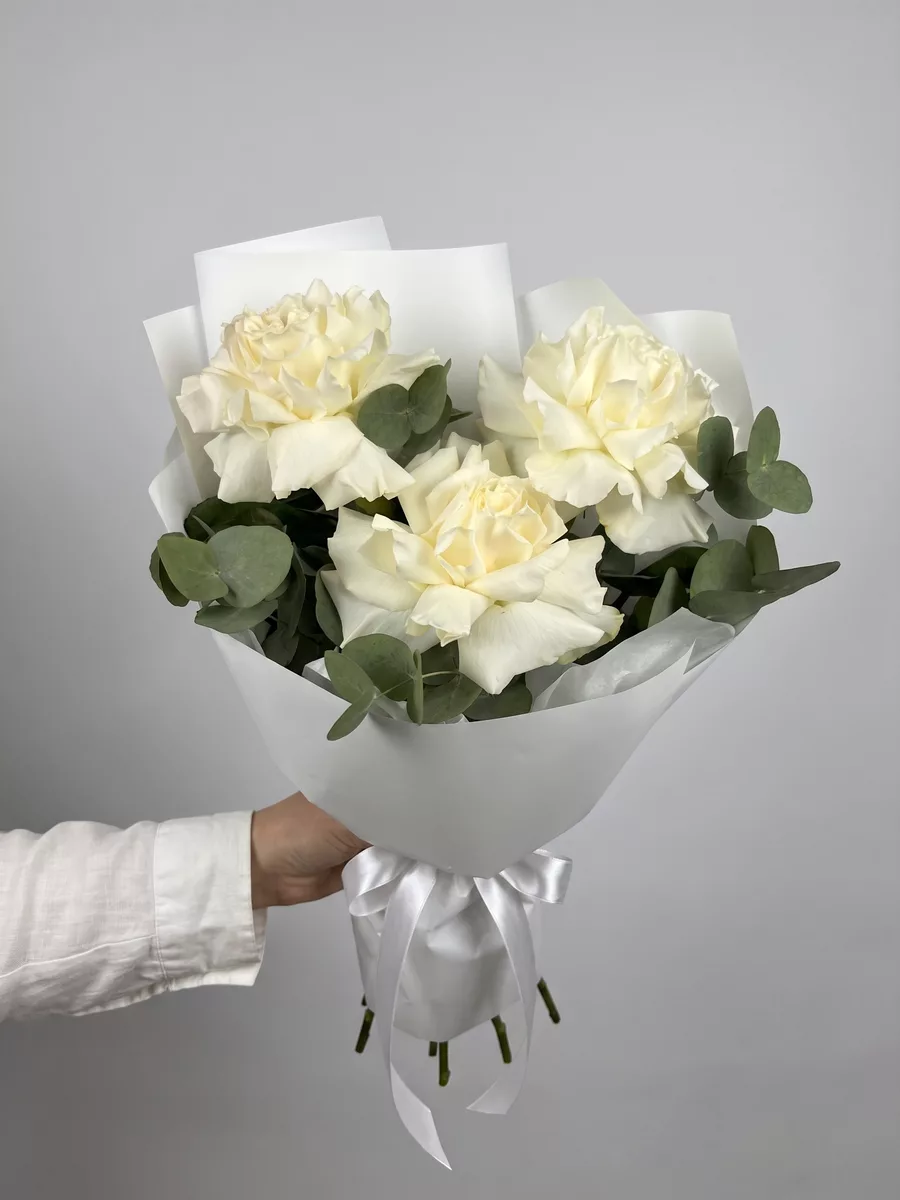
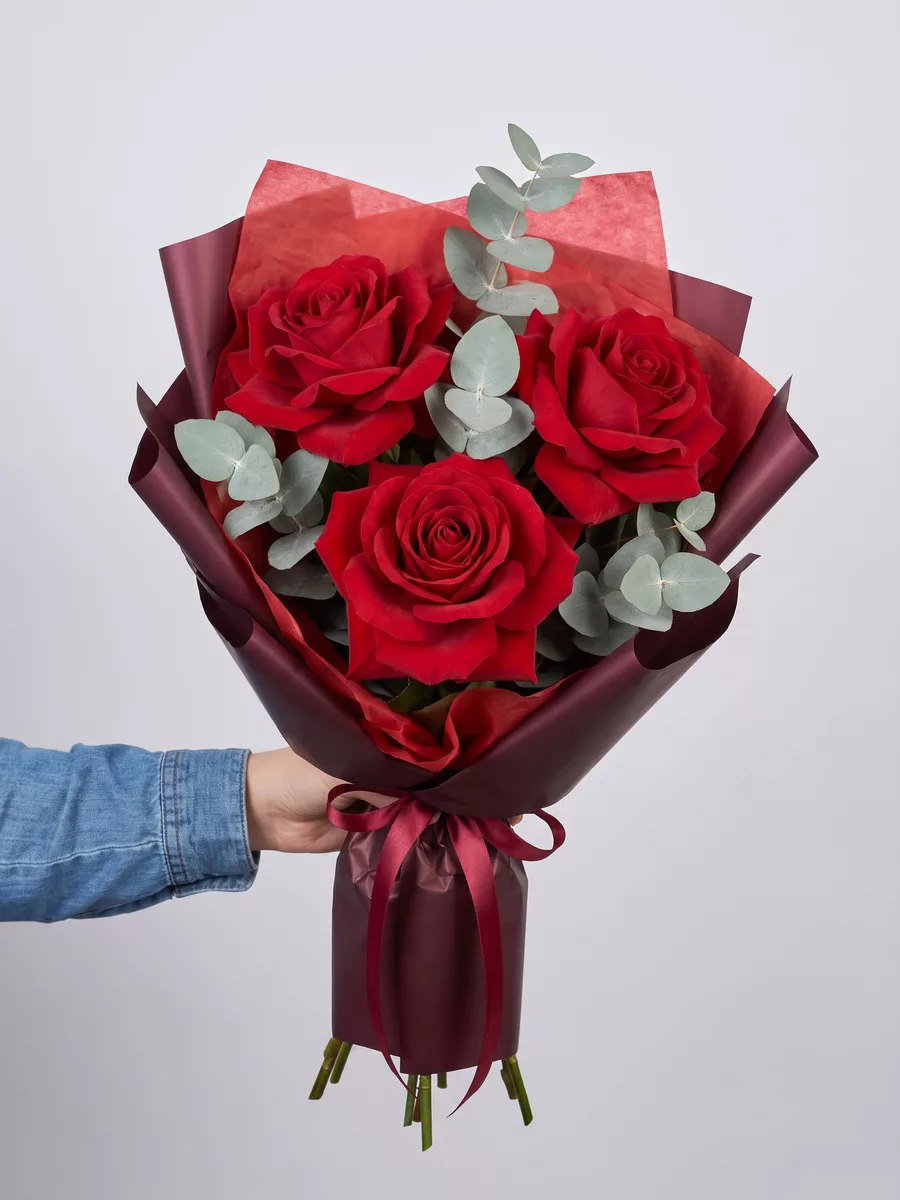
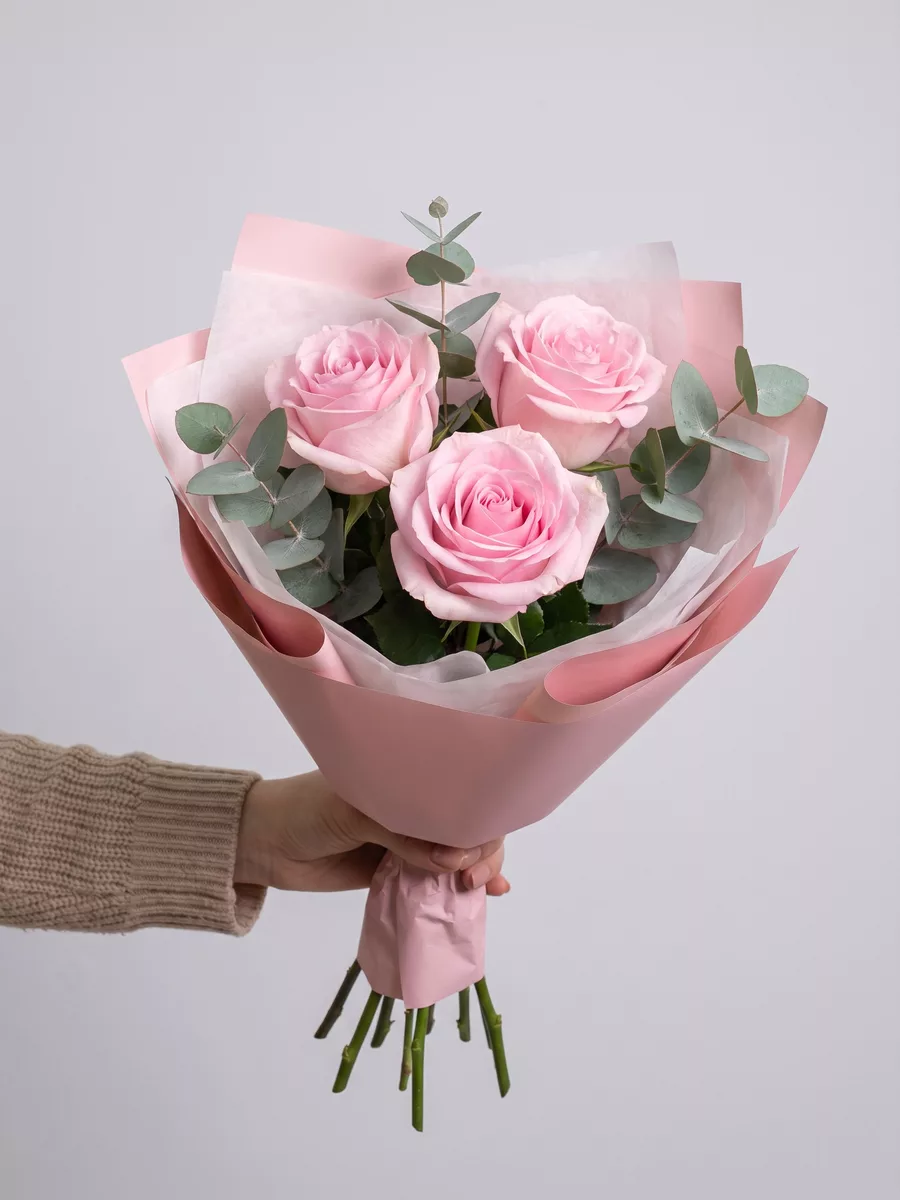
Choosing the Right Occasion Framing Before You Pick Any Flower
Before you scroll through any bouquet options, spend a moment thinking about what the recipient will feel when the door opens. Are they turning 50 and feeling quietly emotional about it? Are they a colleague who just closed a difficult deal? Is it a birthday for a teenager who loves bold colour, or a thank-you for a grandmother who tends her own garden? The occasion shapes everything — not just what flowers you choose, but how they are arranged, how many stems go in, and whether greenery or ribbon matters at all.
In Russian culture, the number of flowers in a bouquet carries meaning. An odd number of stems is given for celebrations and happy occasions. Even numbers are reserved for mourning, so always choose an odd count: seven roses, nine gerberas, eleven tulips. This is one of those customs that surprises many international senders, and getting it right makes the gesture feel genuinely considered rather than accidental.
Also think about the recipient's living situation. A single stem of a large tropical flower might feel lonely in a small apartment, while a dense, lush bouquet in a wide ceramic vase feels like an event. If you know they live alone and tend to keep things simple, a neat hand-tied bouquet of five or seven roses with eucalyptus is more personal than an elaborate arrangement they will not know where to put. Florists call this reading the room — even from thousands of kilometres away, you can do it well.
Seasonal Flowers That Suit Morshansk's Climate Throughout the Year
Morshansk experiences a continental climate: cold winters that regularly drop below minus 15 degrees Celsius, warm summers that can reach 30 degrees, and unpredictable springs. This matters because flowers are living things, and temperature affects how they survive transit and how long they last once delivered.
In winter, from November through February, roses and chrysanthemums are the most reliable choices. They handle cold transport well and do not wilt from brief exposure to freezing air the way tulips or ranunculus can. Spray roses — smaller, multi-headed roses on a single stem — are particularly hardy and look full even in a compact arrangement. Avoid delicate flowers like sweet peas or anemones in deep winter; they bruise easily in the cold.
Spring brings tulips into their best season, roughly from late February through April. Dutch tulips in soft peach, cream, or lilac feel fresh and celebratory without being overwhelming. Peonies arrive in May and June, and they are enormously popular in Russia — a bouquet of five or seven blush peonies with a little ruscus greenery is one of the most warmly received gifts you can send.
Summer allows for more variety: sunflowers, lisianthus, and eustoma all travel well in moderate temperatures. In autumn, dahlias and hypericum berries add warmth and texture. Whatever the season, a mixed bouquet that layers one focal flower with a secondary flower and a filler greenery will always look more considered than a single-variety bunch.
How to Order from Outside Russia Without Confusion
Ordering internationally is simpler than most people expect, but a few things are worth knowing before you start. Turboflora's website and ordering process accommodate international senders, meaning you do not need a Russian bank card or a Russian phone number for yourself. Payment is handled in a way that works for customers abroad, and the confirmation you receive will be in a format you can read and reference.
When filling in the delivery details, write the recipient's address exactly as it would appear on a Russian envelope. That means starting with the city, then the street name, then the building number, then the apartment number. For example: Morshansk, ulitsa Lenina, dom 12, kvartira 34. If you are unsure of the exact format, write it in plain language and note any additional details — a gate code, a colour of the building door, which entrance to use — in the comments field.
The message card is one of the most personal parts of the order. You can write in English and Turboflora will include it as written, or you can ask for a simple translation into Russian if you want the recipient to read it in their own language. Keep the message warm and specific — mention a shared memory or a concrete reason you are thinking of them. A card that says 'Happy Birthday, wishing you all the best' is kind but forgettable. A card that says 'Thinking of our walk in the park last summer' will stay with them.
Timing the Delivery So the Moment Actually Works
Timing is where international senders most often make a mistake, and it is almost always a time zone issue. Morshansk operates on Moscow Time, which is UTC plus 3. There is no daylight saving time adjustment in Russia, so the offset stays the same all year. If you are in London in winter, Morshansk is three hours ahead. If you are in Los Angeles, it is eleven hours ahead. Calculate carefully before you select a delivery window.
For a birthday, aim to deliver in the morning or early afternoon — arriving at 10 or 11 in the morning local time feels celebratory and gives the recipient the whole day with their flowers. For a work anniversary or professional achievement, a midday delivery is better so colleagues can see it too, which adds to the joy. For a romantic occasion, an early evening delivery, around 6 or 7 in the evening local time, feels more intimate.
Always confirm that the recipient will be at the address at the chosen time. If they live alone and work during the day, a morning delivery to a home address means nobody answers the door. You can either choose a later time, or — if you want the delivery to be a surprise — have a family member or neighbour informed without telling the recipient. Couriers will call ahead, so someone needs to be reachable on the number you provide. A failed first delivery attempt is the most common preventable problem in any flower order, and it is entirely avoidable with a small amount of planning.
Combinations and Presentation Worth Knowing About
The flowers themselves are only part of what makes a bouquet feel special. How they are put together — what sits next to what, how the stems are wrapped, whether there is any additional element — changes the entire impression the recipient has when they unwrap it.
For a warm, abundant feeling, pair roses with lisianthus. Lisianthus, sometimes called eustoma, has ruffled petals that look similar to roses but add texture and lightness. A bouquet of five red or peach roses with four stems of white lisianthus and a little pittosporum greenery feels generous without being excessive. For something brighter and more joyful, sunflowers paired with orange gerberas and yellow solidago create a colour story that feels like sunshine, which is particularly welcome in the grey months of a Russian winter.
Monochromatic bouquets — all one colour family in different flowers and shades — read as sophisticated and intentional. A white bouquet of roses, spray roses, and gypsophila looks clean and elegant. A blush-to-deep-pink bouquet moving from pale eustoma through standard roses to dark pink alstroemeria has a painterly quality that photographs beautifully.
Presentation matters too. A bouquet wrapped in kraft paper with a satin ribbon feels artisanal and warm. A box arrangement — flowers arranged in a low box or hat box — stays fresh longer because the stems sit in water or floral foam, and it doubles as a decorative object for the first day. If the recipient has limited counter space or no suitable vase, a box arrangement is often the more practical and impressive choice.
Keeping Flowers Fresh: What to Tell the Recipient
Once the bouquet arrives, its lifespan depends almost entirely on what happens in the first hour. Roses in good condition should last seven to ten days. Tulips last five to seven days. Gerberas and chrysanthemums can go ten days or more with proper care. Peonies, when they arrive as tight buds, will open over two to three days and look their best for about five days total.
The single most important step is getting the stems into clean, cool water as quickly as possible after delivery. The recipient should cut each stem at a diagonal angle — about two centimetres from the bottom — using a sharp knife or scissors, not a tearing motion. This increases the surface area for water absorption. Cutting under running water or while the stem is submerged in water is even better, as it prevents air bubbles from blocking the stem.
The vase should be thoroughly washed before use, because bacteria from a previous arrangement will shorten the life of fresh flowers significantly. Fill it with cool, not warm, water. Change the water every two days and re-cut the stems each time. Keep the bouquet away from direct sunlight, heating radiators, and fruit bowls — ripening fruit releases ethylene gas, which accelerates wilting in roses and tulips especially.
If you want to include care instructions with your order, you can add a note requesting that a simple care card be included with the bouquet. Most recipients appreciate knowing how to look after their flowers, and it extends the life of your gift by several days.
Sending flowers to Morshansk from abroad is a genuinely meaningful thing to do, and it is more achievable than the distance suggests. The key is in the details: a complete address, a confirmed time zone, a flower choice that suits the season, and a message card that says something real. When those pieces are in place, what arrives at the door is not just a bouquet — it is evidence that you thought carefully about someone who is far away, and that care is what they will remember long after the last petal has fallen.
Frequently asked questions
Can I send flowers to Morshansk if I do not speak Russian?
Yes, entirely. Turboflora's ordering process works for international senders in English. You provide the recipient's details and your message, and the team handles all Russian-language communication with the recipient and courier. Your card message can be written in English or translated into Russian on request — just note your preference when ordering.
How far in advance should I place an order for delivery to Morshansk?
Ordering at least 24 hours ahead gives the most flexibility for choosing your preferred delivery window. For major dates like birthdays or anniversaries, 48 hours ahead is better. Same-day delivery may be possible depending on the time you order relative to Morshansk local time, so check availability when placing the order and factor in the UTC plus 3 time zone.
What happens if the recipient is not home when the flowers arrive?
The courier will call the recipient on the phone number you provided before arriving. If there is no answer, a second attempt will be made. This is why providing an accurate, working Russian mobile number is essential. If you know the recipient's schedule, choose a delivery window when they are reliably home to avoid any delay in getting the flowers into water.
Is there a flower I should avoid sending for a birthday in Russia?
The main thing to avoid is an even number of stems, which in Russian tradition is associated with mourning rather than celebration. Always choose an odd number: seven, nine, or eleven. Beyond that, yellow flowers are sometimes associated with separation in older Russian custom, though this belief is less common among younger generations. When in doubt, choose warm pinks, whites, or mixed colours.
Do flowers arrive in water, or will the recipient need a vase immediately?
Bouquets are delivered with the stems wrapped in moisture-retaining material to keep them hydrated during transit. The recipient should place them in a vase with fresh water as soon as possible after receiving them, ideally within 30 minutes. If you are ordering a box arrangement, the flowers are already in water or floral foam and can sit as delivered for the first day.
Ready to send flowers?
Pick the city, choose the bouquet, and a local florist takes it from there.
Choose a city →