Sending Flowers to Mozdok from Abroad? Here Is Everything That Matters
You are sitting in Berlin, Dubai or Toronto, and someone you care about is in Mozdok — a warm city in North Ossetia where flowers carry real weight in daily life. The distance feels enormous, but the gesture does not have to. With the right preparation and a florist who actually delivers to Mozdok rather than just promising to, you can have a fresh, beautiful arrangement at someone's door within one to two hours of placing your order.
Why Mozdok Is a Specific Destination and Why That Matters
Mozdok sits in the North Caucasus, close to the border of North Ossetia-Alania. The city has a continental climate with hot summers and cold winters, which directly affects which flowers travel well and which wilt before the doorbell rings. In July and August, daytime temperatures regularly exceed 35 degrees Celsius, so heat-sensitive flowers like hydrangeas and sweet peas need extra care during transit. In January, frost is a real concern for tropical stems like anthuriums if packaging is not insulated.
Understanding the local geography also helps you set realistic expectations. Mozdok is not a major metropolitan hub, so a florist who genuinely operates there — rather than redirecting your order through an uncertain chain — matters enormously. Turboflora delivers directly, which means the temperature handling, the freshness of the stems and the accuracy of the delivery address are all controlled end to end.
For someone ordering from abroad, this is the single most important thing to verify before placing any order. A beautiful bouquet assembled in Saint Petersburg means nothing if it arrives crushed or wilted because of a poorly managed handoff somewhere along the route. Mozdok recipients deserve the same standard as anyone in a large Russian city, and that is exactly the standard to insist on.
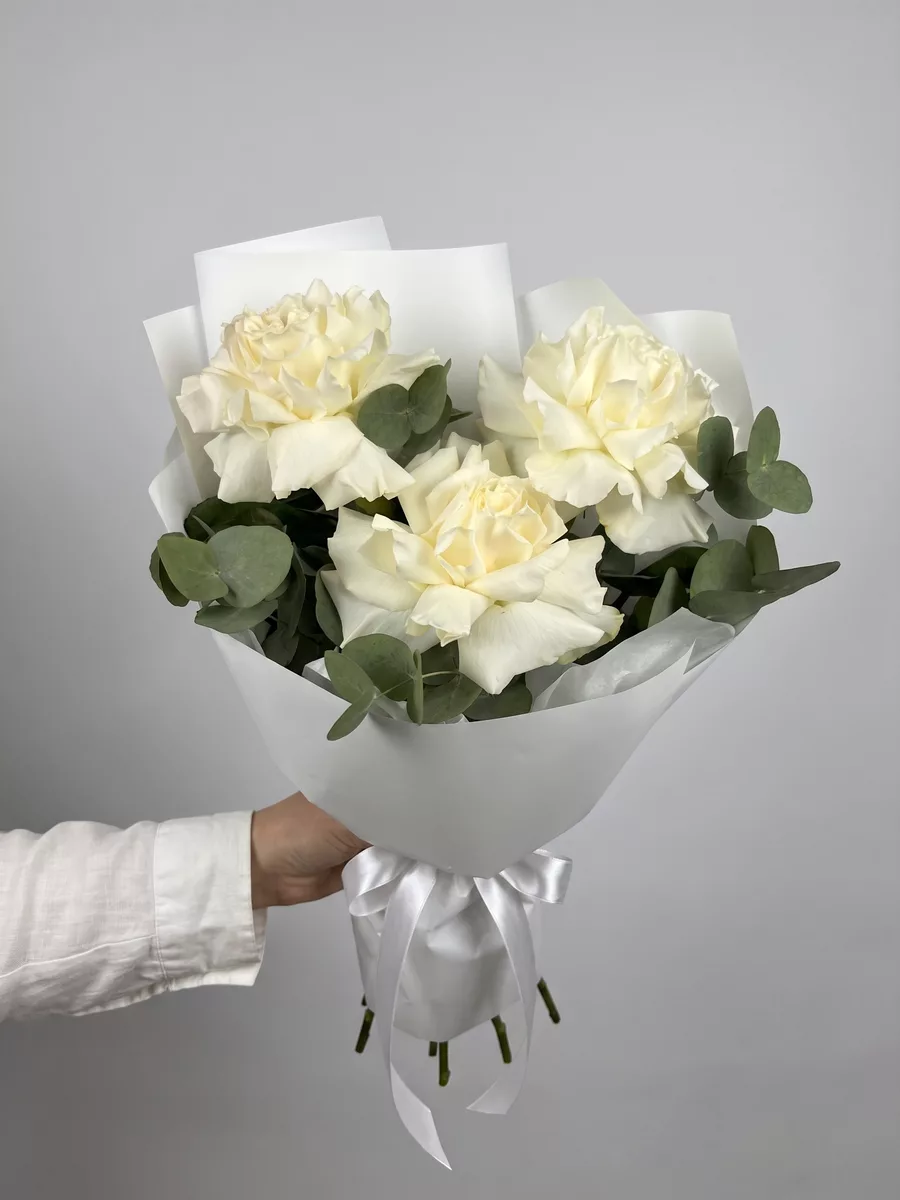
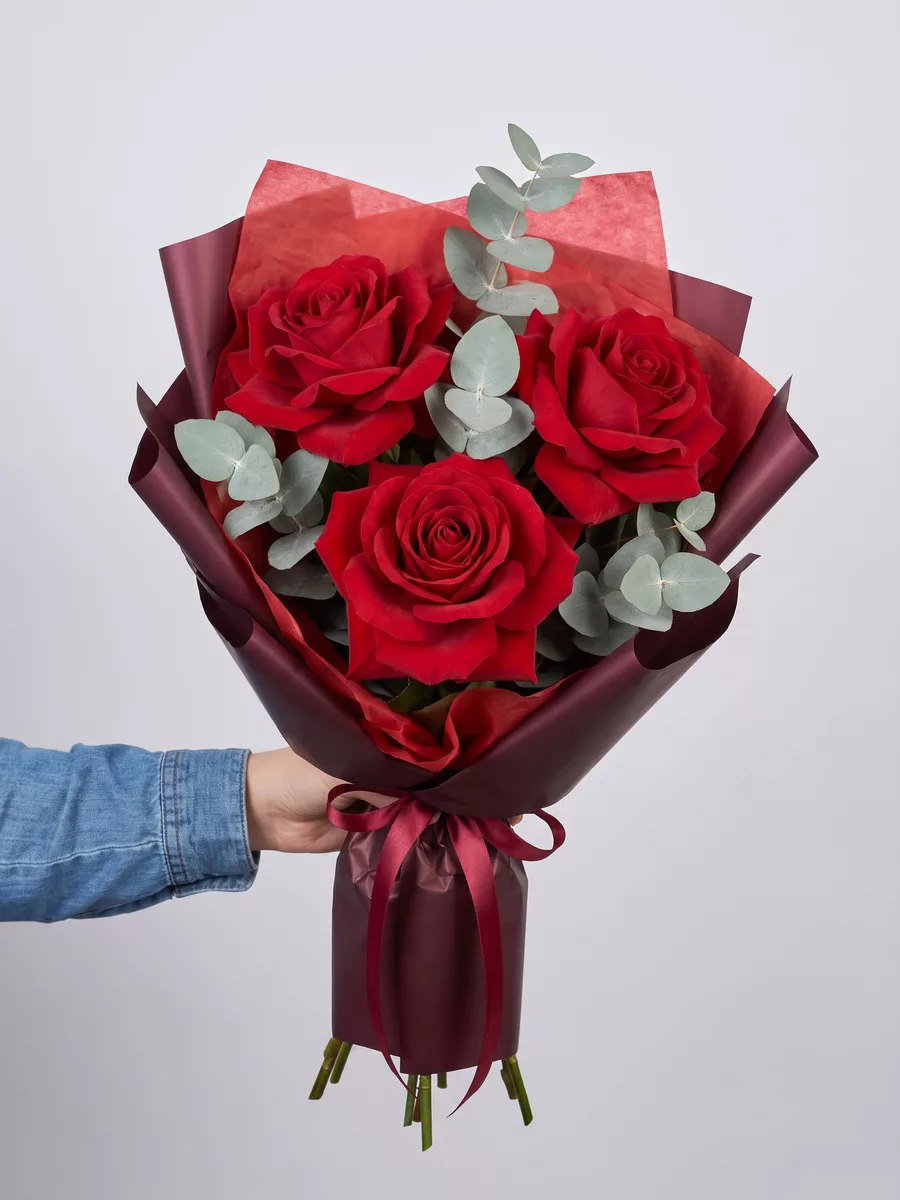
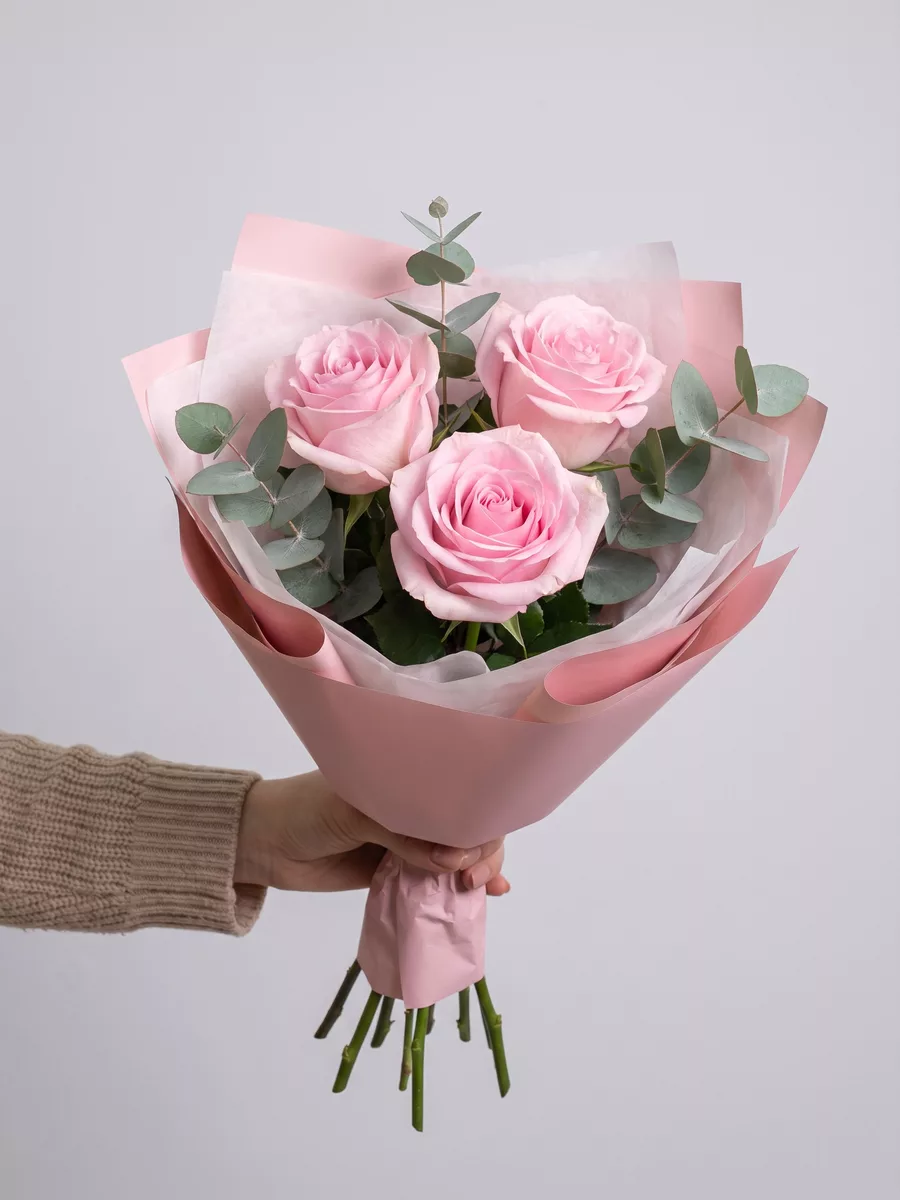
Bouquets we can deliver

What Russian Flower Customs Mean for Your Order
If you did not grow up in Russia, a few gifting traditions will shape how your arrangement is received — and knowing them in advance helps you choose more thoughtfully. The most important rule is the odd-number rule: bouquets given as gifts always contain an odd number of stems. One, three, five, seven, eleven — all perfectly appropriate. An even number of flowers is reserved for funerals, so a twelve-stem rose bouquet, however elegant it looks in a Western context, carries an uncomfortable association in Russia. Always confirm the stem count before finalising your order.
Colour also carries meaning. Red roses signal romantic love very explicitly and may feel too intense for a colleague or a distant relative. White flowers are elegant and widely appreciated across occasions. Yellow flowers were once considered unlucky in Soviet-era tradition, though this has softened considerably among younger generations. If you are unsure of the relationship dynamic, a mix of soft pinks, creams and whites reads as warm and universally appropriate.
Wrapping style matters too. Russian bouquets are typically presented in generous paper or film wrapping that frames the flowers dramatically — a loose, unwrapped bunch reads as unfinished. A good florist will handle this automatically, but it is worth knowing so you can appreciate what you are paying for. The presentation is part of the gift, not just the flowers inside it.
Choosing Flowers for the Person and the Occasion
Start from the recipient, not from a catalogue. A grandmother celebrating her birthday in Mozdok will likely adore classic roses or spray chrysanthemums — varieties she recognises and has loved for decades. A young woman receiving flowers for her anniversary will respond beautifully to garden-style arrangements featuring ranunculus, lisianthus or peonies when in season. A colleague being congratulated on a promotion calls for something polished: single-variety bouquets of alstroemeria or gerberas in a confident colour work well.
Seasonality is your friend when ordering from abroad because it keeps the flowers fresher and the combinations more natural. In spring, tulips and narcissi are abundant and travel exceptionally well. From late spring into summer, peonies have a short but glorious window — if the timing aligns with your occasion, use it. Autumn brings dahlias and sunflowers, which suit the warm tones of the North Caucasus landscape beautifully. Winter is the season for roses and carnations, both of which hold their structure in cold transit.
Think also about the setting where the flowers will be received. A home with a single small table calls for a compact, upright arrangement rather than a sprawling garden bouquet. An office reception benefits from tall, architectural stems like gladioli or liatris that read from a distance. Describing the recipient's living situation briefly when you order gives the florist the context to make a genuinely fitting choice rather than a generic one.
Timing Your Order Across Time Zones
This is where most international senders make their first mistake. Mozdok operates on Moscow Standard Time, which is UTC plus three hours. If you are in London, that is three hours ahead of you. If you are in New York, it is eight hours ahead. If you are in Dubai, Mozdok is actually one hour behind you. Knowing the local time at the destination before you place your order is not optional — it determines whether the flowers arrive at a sensible hour or disturb someone at midnight.
Turboflora delivers within one to two hours of order confirmation, which means you have real precision available to you. If you want flowers to arrive at 6 p.m. Mozdok time for a birthday dinner, work backwards from that moment and place your order accordingly. Factor in the time it takes you to complete the order form, confirm payment and receive your confirmation — allow at least fifteen minutes for this process.
Also consider the day of the week. Weekend deliveries to residential addresses in Mozdok are straightforward, but if you are sending to an office or a workplace, confirm that the recipient will actually be there. Many Russian offices close on Saturday afternoon and are fully closed on Sunday. A Monday morning delivery to an office can be a lovely surprise, but only if the recipient is present to receive it and the flowers have not been waiting since Friday. Plan around the person's actual schedule, not just the calendar date.
Budgeting Sensibly When Ordering from Outside Russia
Ordering flowers internationally involves a currency conversion step that can feel opaque if you have never done it before. Russian florists price in roubles, and the rouble exchange rate against euros, dollars or pounds shifts regularly. The practical approach is to think in rouble tiers rather than trying to convert a fixed foreign-currency budget. Entry-level arrangements — compact bouquets of five to seven stems — sit at one price point. Mid-range compositions with mixed varieties and premium wrapping occupy the next tier. Statement arrangements with imported roses, peonies or orchids represent the top of the range.
What you get at each level differs more in composition size and variety choice than in care or freshness — every arrangement should arrive in the same excellent condition regardless of spend. At a modest budget, a monobouquet of seasonal spray roses or alstroemeria is genuinely lovely and culturally appropriate for most occasions. At a higher budget, you can request specific combinations: garden roses paired with eucalyptus and lisianthus, for example, or a tall vase arrangement of white lilies with Italian ruscus.
Remember that the delivery itself is included in what you pay, which matters when comparing with services that add a separate courier fee. International bank cards and PayPal-adjacent payment methods are typically accepted, but confirm the payment options available at checkout before you commit too much time to building your order. A smooth payment process is part of a smooth experience.
What Happens After You Place the Order
Once your order is confirmed, the clock starts. The florist assembles the arrangement fresh — not from pre-made stock sitting in a cold room — which is why the one-to-two-hour window is realistic rather than optimistic. Stems are cut at an angle immediately before assembly to maximise water uptake. Foliage that would sit below the water line in a vase is removed to prevent bacterial growth. The wrapping is applied last, which keeps the flowers upright and protected during transit.
Delivery to a residential address in Mozdok typically means the courier calls the recipient before arriving. This is standard practice in Russia and serves two purposes: it confirms someone is home, and it gives the recipient a moment to come to the door rather than missing the delivery. If you are sending a surprise, you can note this when ordering — the florist will handle the communication carefully so the element of surprise is preserved while still ensuring a successful handoff.
You will usually receive a confirmation message or photograph once the delivery is complete. This matters enormously for someone ordering from thousands of kilometres away — it closes the loop and lets you know that the person you were thinking about is now holding something beautiful. If there is any issue with the address or the recipient is temporarily unreachable, you will be contacted directly rather than left wondering what happened.
Helping Your Recipient Keep the Flowers Fresh Longer
A thoughtful sender goes one step further and passes along a few care instructions with the bouquet — or simply knows them, so the flowers last as long as possible after delivery. In Mozdok's summer heat, this is especially relevant. Flowers should never be placed in direct sunlight or near a radiator, an open window with afternoon sun, or a bowl of ripening fruit. Ethylene gas from fruit accelerates petal drop in roses and lilies noticeably.
The vase water should be changed every two days. Each time, the stems benefit from a fresh diagonal cut — just a centimetre is enough — which reopens the water-uptake channel that seals over time. Lukewarm water is better than cold for most cut flowers, with the exception of tulips and narcissi, which prefer cool water to slow their growth and keep their shape.
Different varieties have different lifespans, and knowing this helps manage expectations. Alstroemeria and carnations are among the longest-lasting cut flowers, often going ten to fourteen days with proper care. Roses typically last seven to ten days. Peonies and ranunculus are shorter-lived at five to seven days but are so visually dramatic that the trade-off is usually worth it. Lilies open progressively over several days, so a bouquet that looks restrained on day one becomes a full, fragrant display by day three — a detail worth mentioning to the recipient so they are not disappointed by the initial impression.
Sending flowers to Mozdok from another country is genuinely achievable, and when it is done with care — the right varieties for the season, the correct stem count, a delivery timed to the recipient's day — it lands with the full emotional weight you intended. The distance between you and the person in Mozdok does not have to dilute the gesture. A fresh, well-chosen bouquet arriving at their door says that you thought about them specifically, that you knew what they would love, and that you made it happen from wherever in the world you happen to be.
Frequently asked questions
Can I order flowers for Mozdok delivery if I do not speak Russian?
Yes. Turboflora's ordering process works in a way that does not require you to communicate in Russian. You will need the recipient's full address in transliterated or Cyrillic form — the recipient's name in Latin letters is fine for your message card. If you are unsure how to write the address, the recipient can send it to you as a screenshot from any map application.
How do I make sure the delivery is a surprise if the courier calls ahead?
Note clearly in your order comments that this is a surprise. The florist will instruct the courier to call from a neutral number without mentioning flowers or your name, simply confirming the recipient is home. In some cases the courier can leave flowers with a neighbour or building concierge if the recipient is briefly unavailable, which you can also request at the time of ordering.
What flowers hold up best in Mozdok's summer heat during delivery?
Carnations, alstroemeria, gerberas and spray roses are the most heat-tolerant cut flowers and are excellent choices for summer orders to Mozdok. Lilies also travel well if they are in bud stage at delivery. Avoid hydrangeas and sweet peas in July and August — they wilt rapidly in high temperatures even with careful packaging, and the result is disappointing for everyone.
Is it possible to include a message card written in English?
Absolutely. Message cards can be written in any language you choose — English, German, French or any other. The card is handwritten or printed by the florist exactly as you submit the text. If you would like a Russian translation added alongside your English message, simply include the translated version in your order notes and the florist will include both.
What if the recipient is not home when the flowers arrive?
The courier will call the recipient before arriving, which usually resolves this. If the recipient is genuinely unavailable for an extended period, you will be contacted to decide the next step — rescheduling the delivery, leaving flowers with a trusted neighbour, or in some cases arranging a second delivery attempt. Turboflora handles this directly rather than leaving the order unresolved.
Ready to send flowers?
Pick the city, choose the bouquet, and a local florist takes it from there.
Choose a city →