Sending Flowers to Mtsensk from Abroad? Here Is What to Expect
Mtsensk is a quiet city in the Oryol region, small enough that a bouquet arriving at the door feels genuinely surprising and meaningful. When you are sending flowers from another country, that surprise is worth planning carefully — because the distance between you and the recipient should not show in the freshness of the stems or the timing of the delivery. This guide walks you through everything a sender abroad needs to think about, from choosing the right flowers for the season to writing a card message that lands well in a Russian cultural context.
Why Mtsensk Is Worth the Extra Planning
Mtsensk sits about 340 kilometres south of Moscow, in a region known for cold winters and warm, humid summers. It is not a major metropolitan centre, which means flower delivery there requires more logistical care than sending to Saint Petersburg or Moscow. The good news is that this also means a bouquet carries more emotional weight — people in smaller cities are genuinely moved when flowers arrive, because it happens less often and feels more deliberate.
For someone sending from abroad, the key insight is that you are not just sending flowers — you are sending a signal that you made an effort across time zones and borders. Recipients in Mtsensk understand this, and they appreciate it. Russian flower culture places high value on the gesture itself, not only the size of the arrangement.
Planning ahead by at least 24 hours is strongly recommended. This gives enough time to confirm the address in full detail, choose the right composition for the weather conditions, and schedule delivery within a window that works for the recipient's day. Mtsensk follows Moscow time (UTC+3), so factor that in when you are ordering from Western Europe, the Americas or Asia. A quick time-zone check before you place your order can save the bouquet from arriving when nobody is home.
Bouquets we can deliver

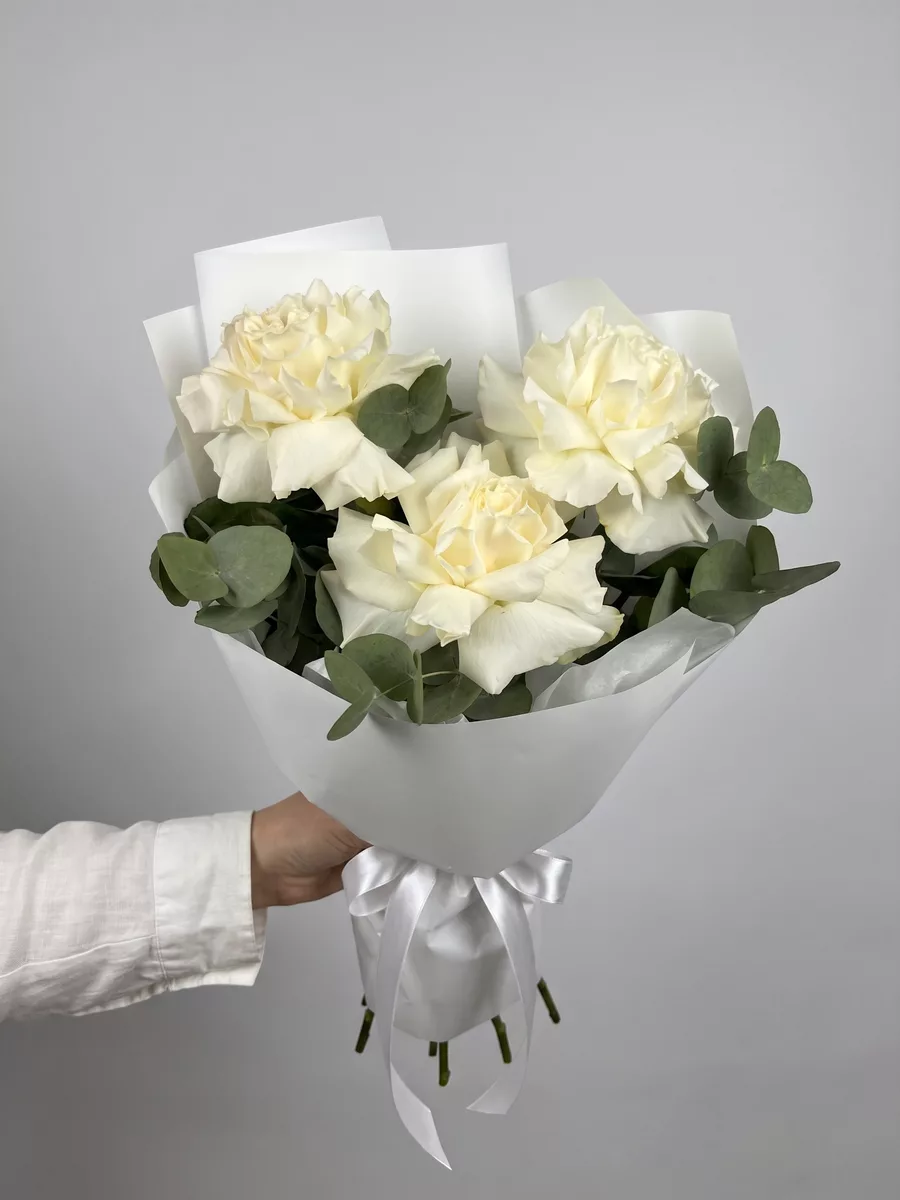
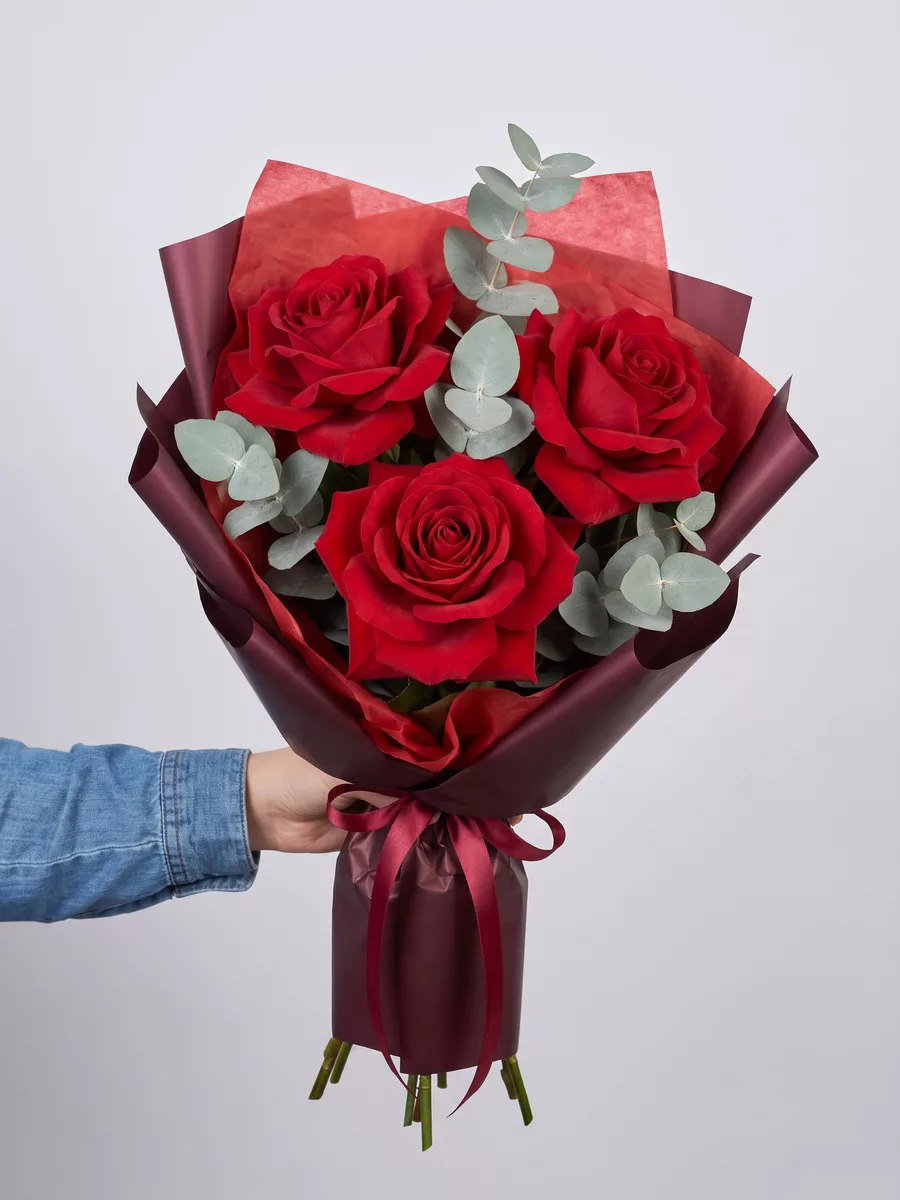
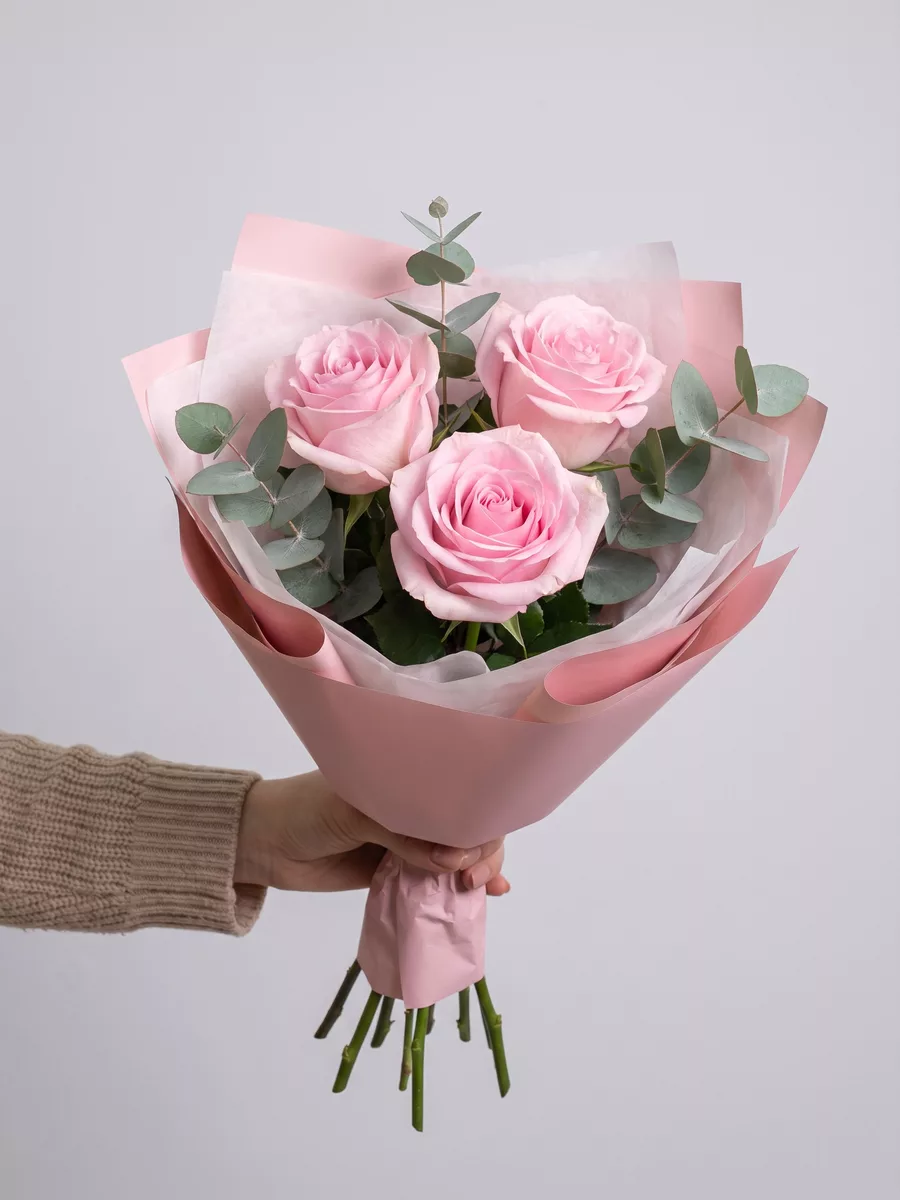
Choosing Flowers That Suit the Recipient, Not Just the Season
The best starting point is always the person, not the calendar. Think about who is receiving the flowers and what the occasion means to them. A grandmother celebrating her birthday responds differently to soft garden roses and lisianthus than a young woman would to a graphic arrangement of tropical anthuriums and monstera leaves. Both are valid — the choice should come from knowing the recipient.
For romantic occasions, red or deep-pink roses remain the most understood gesture in Russian culture. Peonies, when in season between late May and July, are extraordinarily popular and carry a sense of luxury without being formal. For friendships, birthdays and congratulations, mixed bouquets with spray roses, alstroemeria and seasonal greens read as warm and generous rather than stiff.
If you are unsure, lean toward classic compositions with a clear focal flower — one dominant bloom surrounded by complementary smaller flowers and foliage. These arrangements photograph well, travel reliably, and read clearly to the recipient without needing explanation. Avoid overly minimalist arrangements of a single stem type if you do not know the recipient's aesthetic preferences well; they can feel sparse to someone expecting a full, lush bouquet, which is the Russian default expectation for a celebratory gift.
For professional congratulations — a promotion, a new business, a graduation — white and cream tones with structured greenery signal respect and elegance. Chrysanthemums work well here because they are long-lasting and carry no negative connotation in this context in Russia.
Navigating Seasonal Availability When Ordering from Far Away
Russia's flower market is well-supplied year-round through imports, but the seasonal calendar still matters for quality and price. Roses, carnations, alstroemeria and chrysanthemums are available in good quality throughout the year. Tulips peak between February and April, making them ideal for International Women's Day on March 8th — one of the biggest flower-giving occasions in Russia, when demand surges dramatically.
Peonies, ranunculus and sweet peas are spring and early summer flowers. If you are ordering in October or January and asking for peonies, expect either unavailability or a significant quality compromise — they will have travelled far and may not last. A good florist will tell you this honestly and suggest an alternative that achieves the same soft, romantic feeling.
Summer in the Oryol region is warm, often reaching 28 to 30 degrees Celsius in July and August. This matters because heat shortens the vase life of delicate flowers like garden roses and hydrangeas. In summer, opt for sturdier varieties: standard roses, gerberas, and carnations hold up better in warm conditions and during transport. In winter, the cold itself is less of a problem for most cut flowers, but sudden temperature changes — moving from a cold delivery vehicle into a heated apartment — can cause condensation and bruising on petals. Wrapping matters here.
When ordering from abroad in winter, confirm that the bouquet will be wrapped in insulating paper for the final delivery stretch. Turboflora handles this as standard practice for cold-weather months.
Getting the Address and Delivery Details Right
This is where many international senders make avoidable mistakes. Russian addresses follow a specific format that differs from Western conventions, and an incomplete address is the single most common reason a delivery is delayed or fails. You will need the full street name in Russian, the building number, the apartment or office number, the entrance number if applicable, and the floor. Many residential buildings in Russian cities have multiple entrances — without the entrance number, a courier can spend significant time at the wrong door.
If you do not have the recipient's full address, ask them directly or ask a mutual contact. It is perfectly acceptable in Russian culture to say you are sending a surprise and need to confirm the address — people understand and will give it without it ruining the surprise. What does not work is guessing or using a partial address from an old message.
The recipient's phone number is equally important. Couriers call ahead to confirm arrival, especially in smaller cities where parking and building access can vary. If the recipient does not answer, the delivery may be held or rescheduled. Make sure the phone number you provide is current and includes the correct country code — even though delivery is local, the number needs to be reachable.
When writing the delivery address in your order, use the Cyrillic spelling if you can, or provide a transliteration and note that you are not a Russian speaker. A professional florist will verify and correct the address format before dispatch.
Writing a Card Message That Feels Right in Russian Context
A handwritten card accompanying a bouquet is expected and appreciated in Russia. Even a short message adds warmth that a bare bouquet cannot convey on its own. If you are writing in English, that is completely fine — receiving a card in the sender's own language feels personal and genuine. Do not worry about writing imperfect Russian if it is not your native language; a sincere attempt is charming, but an awkward machine translation can read as cold or strange.
Russian flower-giving culture places emphasis on the occasion and the person, not abstract sentiments. Phrases that name the recipient, reference the specific occasion, and express a concrete wish — for health, happiness, success — land better than poetic abstractions. Something like 'Happy birthday, Natasha. Wishing you a wonderful year full of good surprises' is warmer and more effective than a generic inspirational quote.
For formal occasions such as anniversaries of an organisation or professional milestones, keep the tone respectful and specific. Mention what you are celebrating and why it matters to you. Russians respond well to sincerity and directness in written messages — flowery language for its own sake can feel hollow.
If the occasion is romantic, be direct. Russian romantic culture tends to appreciate clear, confident expressions of feeling over ambiguous hints. A simple, honest declaration is far more powerful than a carefully hedged compliment. Keep the card short — three to five sentences is ideal. The flowers do the rest of the speaking.
Budget, Bouquet Size and What They Signal
In Russian flower culture, the size and fullness of a bouquet carries social meaning. A small, sparse arrangement can unintentionally signal that the occasion was not taken seriously, even if the flowers themselves are beautiful. This does not mean you need to order the largest possible composition — it means that proportion matters. A medium-sized, well-composed bouquet with quality flowers reads as thoughtful and generous. A very small single-variety bunch reads as casual, which is fine for some occasions but not for birthdays, anniversaries or significant congratulations.
For close family members or romantic partners, a fuller arrangement is worth the investment. Think of compositions that include a primary flower in quantity — fifteen to twenty-five roses, for example — plus complementary foliage and accent flowers like waxflower, eucalyptus or matthiola. This kind of bouquet photographs well and creates a lasting impression when the recipient opens the door.
For colleagues or acquaintances, a smaller, elegant arrangement is appropriate. Five to seven stems of a single premium flower — calla lilies, for instance, or long-stemmed roses — with minimal but precise greenery signals taste and consideration without overstepping professional boundaries.
When ordering from abroad, factor in that you are already doing something exceptional by sending flowers across a significant distance. The recipient will feel that effort regardless of the bouquet's size. Still, err on the side of fullness if you are uncertain — a generous bouquet is rarely the wrong choice in Russian culture, while an underwhelming one can leave a quiet, unspoken impression.
Caring for the Flowers After Delivery: What to Tell the Recipient
If you want the flowers to last, share a few simple care instructions with the recipient — either on the card or in a message afterward. Most people in Russia know the basics, but a gentle reminder never goes amiss, and it shows that you thought about the gift beyond the moment of delivery.
The first step after receiving flowers is to trim the stems at an angle under cool running water, removing about two centimetres from the base. This opens the stem's vascular system and allows water uptake immediately. Roses in particular benefit from this, as their stems can seal quickly during transport. Remove any leaves that will sit below the waterline in the vase — submerged foliage rots quickly and introduces bacteria that shorten the life of every stem in the arrangement.
Change the vase water every two days. Keep the bouquet away from direct sunlight, radiators and fruit bowls — ethylene gas released by ripening fruit accelerates wilting in cut flowers, particularly in roses and carnations. A cool room, ideally between 15 and 20 degrees Celsius, extends vase life significantly.
With proper care, roses and alstroemeria typically last seven to ten days. Chrysanthemums can last two weeks or longer. Tulips are shorter-lived at five to seven days but are beloved enough that recipients rarely mind. Lisianthus and carnations are among the longest-lasting cut flowers available — up to two weeks in good conditions. Sharing this information with the recipient helps them enjoy the gift as long as possible, which extends the emotional resonance of your gesture well beyond the day of delivery.
Sending flowers to Mtsensk from another country is a meaningful act, and with the right preparation it is entirely straightforward. The distance between you and the recipient becomes part of the gift's story — something that arrived across thousands of kilometres, on time, fresh, and chosen with care. Get the address right, pick flowers suited to the season and the person, write something honest on the card, and trust that the bouquet will do the rest. Turboflora delivers fresh flowers across Russia, including Mtsensk, within one to two hours — so the logistics are handled. Your job is simply to decide who deserves flowers today.
Frequently asked questions
Will a florist in Mtsensk have the same flowers I see on the website?
Mtsensk is a smaller city, so availability depends more on what has come in from regional suppliers that week. Seasonal choices — roses, chrysanthemums, carnations, local field flowers in summer — are reliably stocked. More unusual varieties like peonies or orchids may need to be confirmed before you order. Turboflora checks local stock before confirming, so ask if you have something specific in mind.
How do I write the delivery address correctly for a city like Mtsensk?
Include the full street name, house number, apartment number if relevant, and the city name written as Mtsensk, Oryol region, Russia. A contact phone number for the recipient is essential — drivers in smaller cities often call ahead to confirm. If you are unsure of the exact address format, write what you have and the florist can help clarify before dispatch.
Does the emotional occasion change what I should order for Mtsensk specifically?
It does, because in a smaller city the bouquet will likely be seen by neighbours, family members and colleagues. A sympathy arrangement should be restrained and classical. A celebration bouquet can be generous and colourful without feeling out of place. The setting matters — a home in Mtsensk is an intimate one, so the composition should feel personal rather than corporate or oversized.
Can I include a message in Russian if I do not write Russian myself?
Yes — write your message in English or your own language when ordering, and ask for it to be translated or transcribed for the card. A short, sincere sentence lands better than a long one. Turboflora can handle this as part of the order. Recipients in Mtsensk will appreciate that you made the effort to communicate in their language, even if the translation was assisted.
What time of day is best to schedule delivery in Mtsensk?
Mid-morning to early afternoon tends to work well — roughly between 10am and 2pm Mtsensk time, which is UTC+3. This avoids early-morning uncertainty and gives the recipient the rest of the day to enjoy the flowers. If it is a workplace delivery, confirm the recipient's schedule first. For home delivery, a brief message warning the recipient that something is coming can prevent a missed doorstep.
Ready to send flowers?
Pick the city, choose the bouquet, and a local florist takes it from there.
Choose a city →