Sending Flowers to Nadym from Abroad Without the Guesswork
Nadym sits deep in the Yamalo-Nenets region, roughly 2,500 kilometres northeast of Moscow, and the person waiting there for your flowers has no idea you spent an evening figuring out how to make it happen. That is exactly the point. Whether you are in Berlin, Dubai or Toronto, sending a bouquet to someone in this northern city is entirely possible — and when it arrives crisp and fragrant within a couple of hours of your order, it feels like magic to the recipient. What follows is everything a sender outside Russia genuinely needs to know.
Why Nadym Is Different from Sending Flowers to a Bigger Russian City
Most people picture Moscow or Saint Petersburg when they think of flower delivery in Russia. Nadym is a different proposition entirely. It is a mid-sized city above the Arctic Circle, where winter temperatures regularly drop below minus 30 degrees Celsius and the logistics of keeping flowers alive require real planning. Understanding this upfront saves you from disappointment and helps you choose varieties that will actually survive the journey from a climate-controlled van to a front door in January.
The city itself has a close-knit character. People there celebrate birthdays, anniversaries, promotions and new babies just as warmly as anywhere else in Russia — perhaps more so, because the isolation makes gestures of connection feel especially meaningful. Your bouquet is not just decoration; it is a signal that someone far away was thinking of them.
The practical implication for you as a sender is that the florist you choose needs to understand cold-chain delivery, not just flower arrangement. Blooms wrapped incorrectly in extreme cold will arrive wilted within minutes of leaving the vehicle. A good delivery operation uses insulated packaging and times the handoff carefully, keeping exposure to the outdoor air as brief as possible. When you order through a service that knows Nadym, these precautions are already built in — you do not need to request them separately.
Bouquets we can deliver

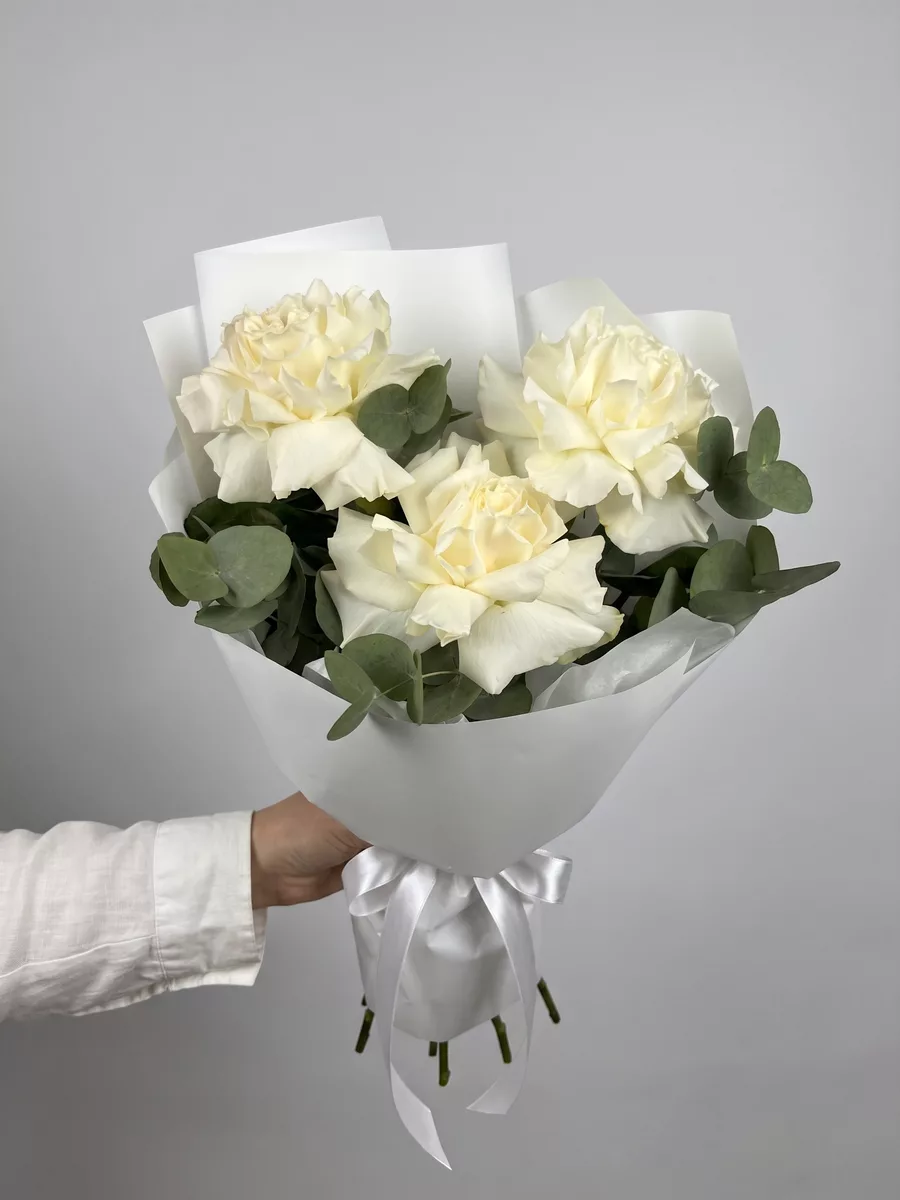
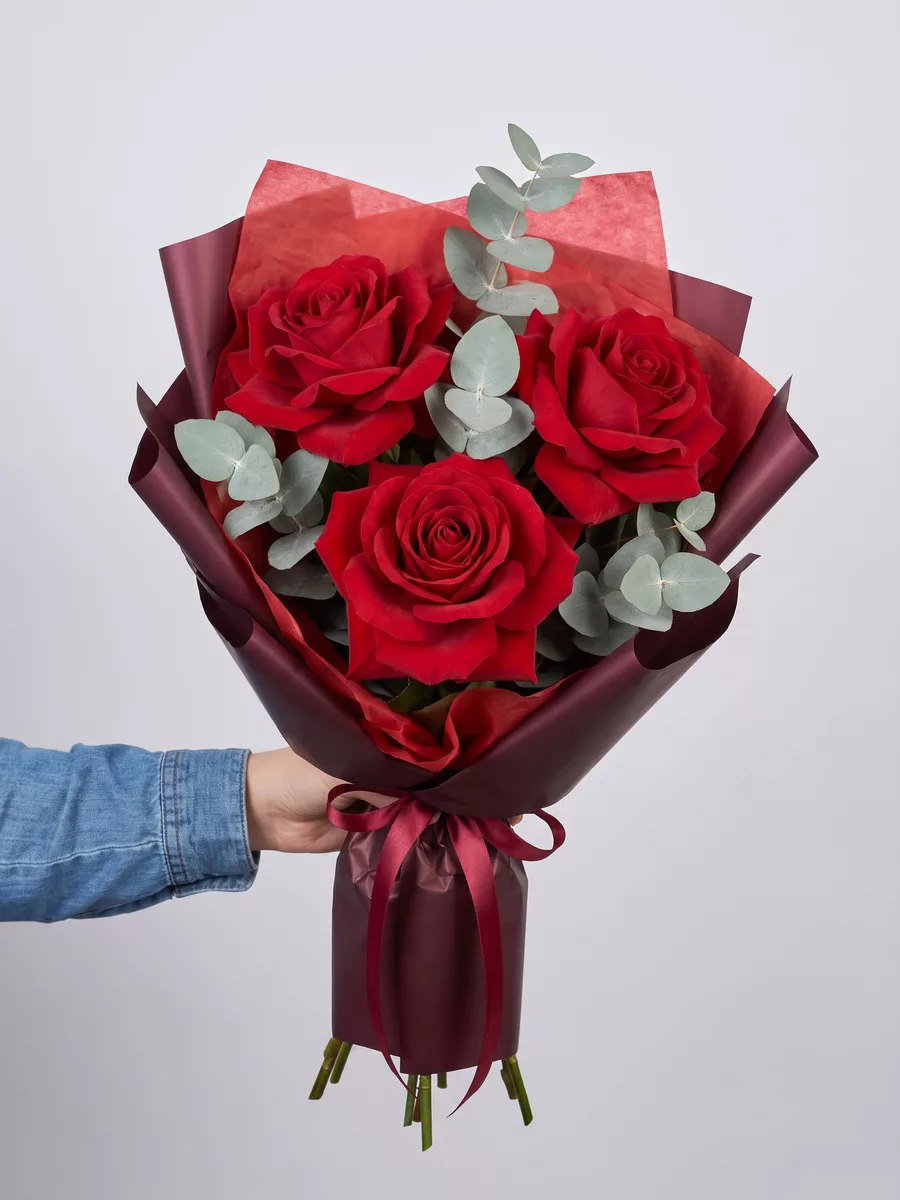
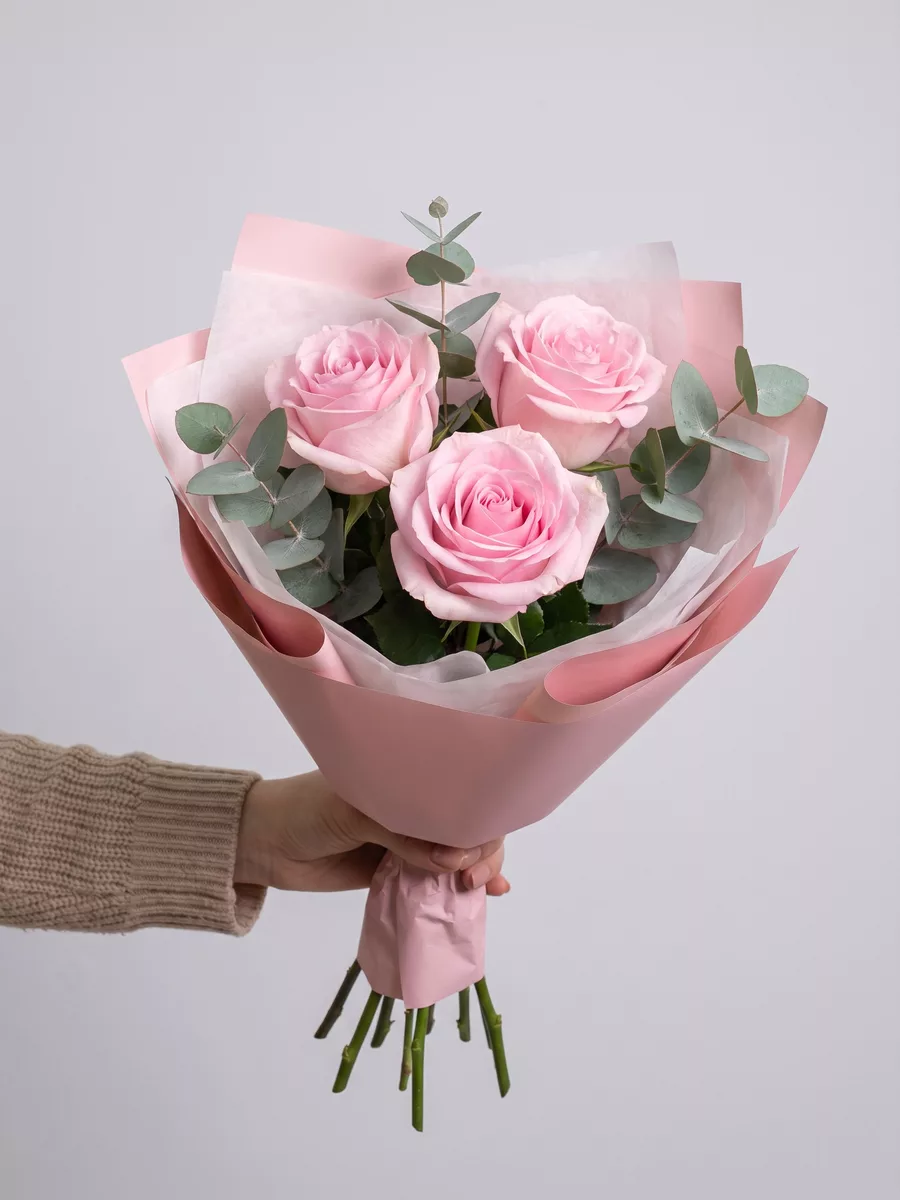
Choosing the Right Occasion Framing Before You Pick a Single Flower
Russian gifting culture places a lot of weight on the appropriateness of a bouquet for its moment. Before you think about roses versus tulips, think about who is receiving the flowers and what they will feel when they open the door. A colleague celebrating a work anniversary expects something polished and restrained — think monochromatic arrangements, clean lines, a single dominant variety like white alstroemeria or spray chrysanthemums in ivory. A partner receiving flowers on a birthday wants warmth and abundance: layered textures, mixed heights, something that fills a room with scent.
One custom worth knowing if you are unfamiliar with Russian tradition: always send an odd number of flowers. Even numbers are associated with mourning and will confuse or upset the recipient even if they never say so. This applies whether you are sending three stems or thirty-three. A reputable florist will handle this automatically, but if you are customising your order, keep it in mind.
Colour carries meaning too. Red roses signal romantic love clearly and universally. Yellow flowers have a complicated reputation in some parts of Russian culture — they are sometimes associated with separation — so unless the recipient specifically loves yellow, softer palettes of peach, blush, coral and white tend to land better with people who grew up in Russia. If you are sending to a man, which is less common but perfectly appropriate for a birthday or professional milestone, structured arrangements with sunflowers, gerberas or bold tropical foliage read as confident and considered.
Seasonal Realities: What Flowers Are Available and When
Nadym's climate does not mean the flower selection is limited — it means the sourcing and transport chain has to work harder. Most cut flowers arrive via refrigerated logistics from growing regions in the south of Russia or through importers handling Ecuadorian roses, Dutch tulips and Colombian carnations. What changes season to season is availability and transit time, which affects freshness.
In winter, from November through March, the most reliable choices are flowers with robust stems and tight petals that handle cold packaging well. Roses, particularly standard-head varieties like Explorer or Avalanche, hold up excellently. Chrysanthemums in all their forms — spray, spider, button — are workhorses of Russian winter bouquets for good reason. Alstroemeria is another strong pick: each stem carries multiple buds that open over ten to fourteen days, giving the recipient a long display.
Spring brings tulips, and in Russia this coincides with International Women's Day on the eighth of March, the single busiest flower-giving date in the country. If you are planning to send for that date, order at least three to four days in advance. Demand is extraordinary and even well-stocked operations face pressure on the most popular varieties. Single-colour tulip bouquets in red, white or purple are classic; mixed pastel bunches feel more informal and playful.
Summer allows for peonies, lisianthus and garden roses, which are spectacular when they arrive but need to be kept out of direct sunlight. Autumn suits dahlias and solidago, warm tones that match the season. Whatever the time of year, ask for buds that are partially open rather than fully bloomed — they travel better and give the recipient the pleasure of watching them open.
Placing Your Order from Outside Russia: Practical Steps
The first thing to sort out is the time zone. Nadym operates on Yekaterinburg Time, which is UTC plus five. If you are in London, that is eight hours ahead of you in winter. If you are in New York, it is ten hours ahead. This matters because a same-day delivery window in Nadym closes at a certain local hour, and if you place your order at what feels like early afternoon to you, it may already be evening there. Check the local time before you finalise anything.
For the delivery address, be as specific as possible. Russian addresses follow a particular format: city, street, building number, apartment or office number. If the recipient lives in a multi-entrance apartment block — common in Russian cities — note the entrance number and floor. Deliveries to workplaces need the company name and any access instructions for the building. A vague address in a city where the driver does not know your recipient personally will cause delays.
Payment from abroad is usually handled by card through a secure international gateway. Check whether the site you are using accepts Visa and Mastercard from your issuing country, as some Russian payment processors have restrictions. If you encounter a block, a PayPal option or a wire transfer path is worth asking about through the site's contact form.
Finally, include a message card in your order. Write it in whatever language feels natural — the florist will transliterate or translate if needed, or deliver the card as written if the recipient reads your language. A personal note transforms a beautiful arrangement into a moment.
Cold Weather Delivery: What Happens Between the Shop and the Door
This is the section most senders from warmer climates skip, and it is the most important one for Nadym. When outdoor temperatures fall below minus fifteen Celsius, unprotected flowers can suffer cold damage within two to three minutes of exposure. Petals bruise, stems become brittle and water in the cells freezes, causing the bloom to collapse once it warms up indoors. None of this is visible at the moment of delivery, which makes it a particularly frustrating problem to discover an hour later.
A properly equipped delivery operation wraps bouquets in thermal film or insulated kraft paper before placing them in a heated vehicle. The handoff at the door is kept as brief as possible — the driver does not linger on the step. The recipient is advised to let the flowers acclimatise gradually rather than placing them immediately next to a radiator, which creates a shock in the opposite direction.
As the sender, you can support this process by including a note asking the recipient to unwrap the flowers in a cool room rather than directly next to a heat source, and to cut the stems at an angle under running water before placing them in a vase. This is good practice year-round but it is especially important after a cold-weather transit.
If you are sending in July or August, cold is not the concern — but Nadym summers can be warm, and direct sunlight through a window will shorten vase life quickly. Ask the recipient to keep the arrangement away from south-facing windows and out of draughts from open doors. Roses and tulips are most sensitive to heat; chrysanthemums and alstroemeria are more forgiving.
Vase Life and Care: Setting the Recipient Up for Success
A bouquet that looks magnificent on arrival and wilts within two days is a disappointment for everyone. The good news is that a few simple habits from the recipient extend vase life significantly, and you can include these as a note with your order so the gesture keeps giving.
Fresh water every two days is the single most impactful habit. Bacteria build up in standing water and block the stem's ability to draw moisture, which is why flowers droop even when the vase looks full. Each water change should be accompanied by a fresh diagonal cut at the base of the stem — about two centimetres is enough — using clean scissors rather than a tearing or crushing motion.
Flower food sachets, usually included with a professional bouquet, contain a sugar source, an acidifier and a biocide. They genuinely work. If the recipient has never used them, encourage them to dissolve the sachet in the water on day one rather than saving it for later.
For specific varieties: roses last seven to ten days with good care and benefit from having their lower leaves removed so no foliage sits below the waterline. Tulips continue to grow in the vase and will bend toward light, which some people find charming and others want to correct by rotating the vase. Alstroemeria and spray chrysanthemums routinely reach twelve to fourteen days. Peonies are shorter-lived but intensely fragrant and worth the trade-off — three to five days of an open peony in a room is an experience in itself.
Keep the arrangement away from fruit bowls. Ripening fruit releases ethylene gas, which accelerates flower ageing noticeably.
Making the Moment Land: Presentation Details That Matter
The physical bouquet is only part of what the recipient experiences. The wrapping, the ribbon, the card and the timing of the delivery all contribute to the feeling of being celebrated. When you order from abroad, you have more control over these details than you might think, and using that control is what separates a functional transaction from a genuinely moving gesture.
Timing matters enormously. A birthday bouquet that arrives at seven in the morning starts the day with a jolt of joy. One that arrives at nine in the evening after the celebrations have wound down still carries meaning, but the emotional peak has passed. If you know the recipient's schedule — they leave for work at eight, they have a dinner reservation at seven — communicate that to the florist and ask for a delivery window that catches them at home and in the right state of mind.
For romantic occasions, a single-variety bouquet of long-stemmed roses in a deep red or saturated coral makes a stronger statement than a mixed arrangement. The restraint reads as intentional and confident. For family celebrations — a grandmother's birthday, a mother's name day — a fuller, rounder bouquet with soft textures like lisianthus, waxflower and ranunculus feels generous and warm.
If the recipient lives alone or you know they are going through a busy period, consider adding a small plant alongside the cut flowers. A compact cyclamen or a potted miniature rose gives them something to tend over weeks rather than days, which extends the feeling of being remembered. Include a note that acknowledges the distance directly — something honest about wishing you could be there. People in Nadym know the geography. They will appreciate that you navigated it.
Sending flowers to Nadym from abroad is not complicated once you understand the layers involved: the time zone, the cold-chain logistics, the cultural customs around odd numbers and colour, and the simple care habits that keep a bouquet beautiful for two weeks instead of two days. The distance between you and the recipient is real, but it does not have to show in what they receive at the door. A bouquet that arrives fresh, wrapped well and timed right tells the person in Nadym exactly what you intended — that they matter enough for you to figure all of this out.
Frequently asked questions
Can I send flowers to Nadym if I do not speak Russian?
Yes. Turboflora's ordering process works in English, and you can write your message card in any language you are comfortable with. The card will be delivered as written, so if your recipient reads English, French or German, your words will reach them exactly as you wrote them. The delivery address format is the only place where Russian conventions matter, and the site guides you through that.
How far in advance should I order for a specific date?
For most occasions, ordering the day before gives comfortable lead time. For International Women's Day on March 8th, order three to four days ahead — it is the busiest flower-giving date in Russia and demand on popular varieties like red tulips and roses is exceptionally high. For same-day delivery, check the local Nadym time before placing your order, as the delivery window closes in the evening.
Will the flowers survive the extreme cold in Nadym?
Yes, when the delivery is handled correctly. Turboflora uses insulated packaging and heated vehicles designed for Siberian and Arctic conditions. Flowers are wrapped in thermal film and the handoff at the door is kept brief. The recipient should let the bouquet acclimatise in a cool room rather than placing it immediately beside a radiator, which prevents thermal shock from damaging the petals.
Are there flowers I should avoid sending to someone in Russia?
Yellow flowers carry an association with separation in parts of Russian culture, so they are best avoided unless you know the recipient specifically loves them. Even numbers of stems are associated with mourning and should never be used — always send an odd number. Apart from these two points, most popular varieties including roses, tulips, peonies and chrysanthemums are universally well received.
How long will the bouquet last once it is delivered?
With basic care — fresh water every two days, a clean diagonal stem cut at each change and flower food dissolved in the water — roses last seven to ten days, alstroemeria and spray chrysanthemums reach twelve to fourteen days, and tulips last around a week. Peonies are shorter at three to five days but are intensely fragrant. Keeping the arrangement away from radiators, direct sunlight and fruit bowls makes a noticeable difference.
Ready to send flowers?
Pick the city, choose the bouquet, and a local florist takes it from there.
Choose a city →