Sending Flowers to Nerchinsk from Abroad? Here Is What Actually Matters
You are sitting in Berlin, Toronto or Tokyo, and someone you love is celebrating a birthday in Nerchinsk — a small city in Zabaykalsky Krai, deep in eastern Siberia. The distance feels enormous, but the gesture does not have to. Getting fresh flowers delivered to Nerchinsk from abroad is entirely possible when you understand the local climate, the right timing, and a few cultural details that make the difference between a gift that lands beautifully and one that misses the moment.
Why Nerchinsk Is Different from Sending Flowers to Moscow
Most people ordering flowers internationally think of Russia as one uniform destination. In practice, Nerchinsk sits in a continental climate that is far more extreme than European Russia. Winters regularly drop below minus thirty degrees Celsius, and summers can be genuinely hot. That temperature swing matters enormously for fresh flowers, because a bouquet that travels well in Saint Petersburg in October may arrive wilted in Nerchinsk if the handoff from vehicle to door takes too long in January frost.
Nerchinsk is also a smaller city with a quieter pace than the large regional capitals. Recipients there tend to place high value on the personal nature of a gift. A well-chosen bouquet is not just decoration — it signals that the sender thought carefully about the person, not just the occasion. This means variety selection and presentation matter more than sheer volume.
Because you are ordering from abroad, you will not be physically present to check the bouquet before it goes out. That is why it helps to work with a florist who understands Siberian delivery conditions and can advise on which flowers hold up best at each time of year. Roses, spray chrysanthemums and alstroemeria are reliable travellers in cold weather. Tropical varieties like anthuriums or birds of paradise struggle in deep frost and are better reserved for warmer months. Knowing this before you order saves disappointment on both ends of the journey.
Bouquets we can deliver

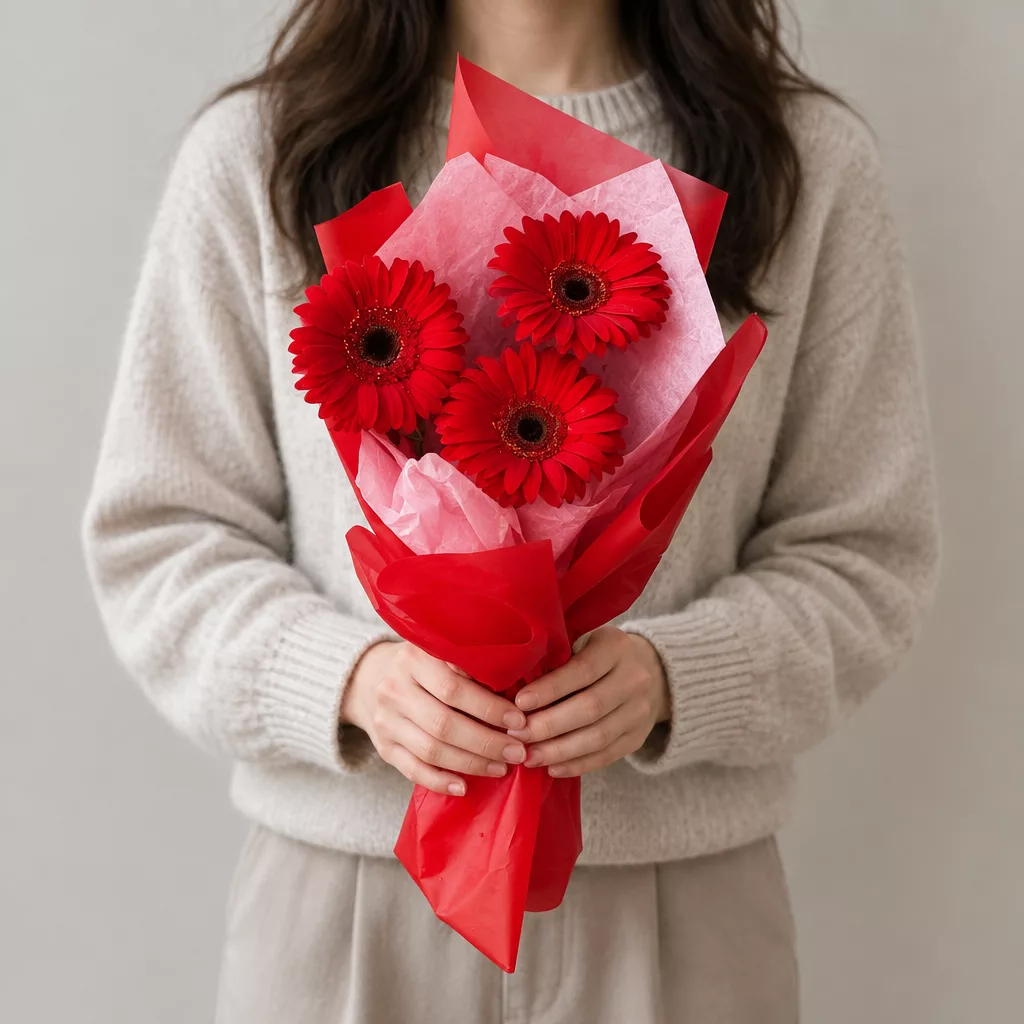
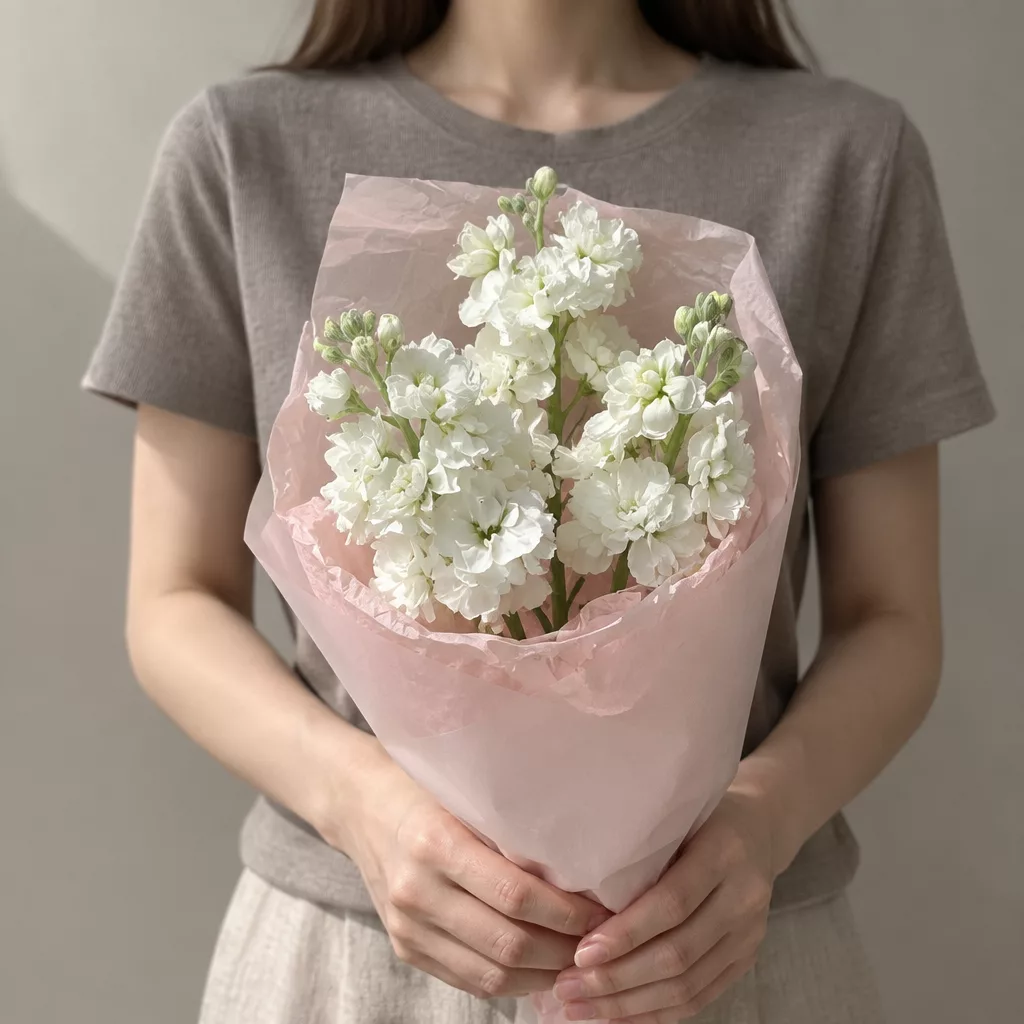
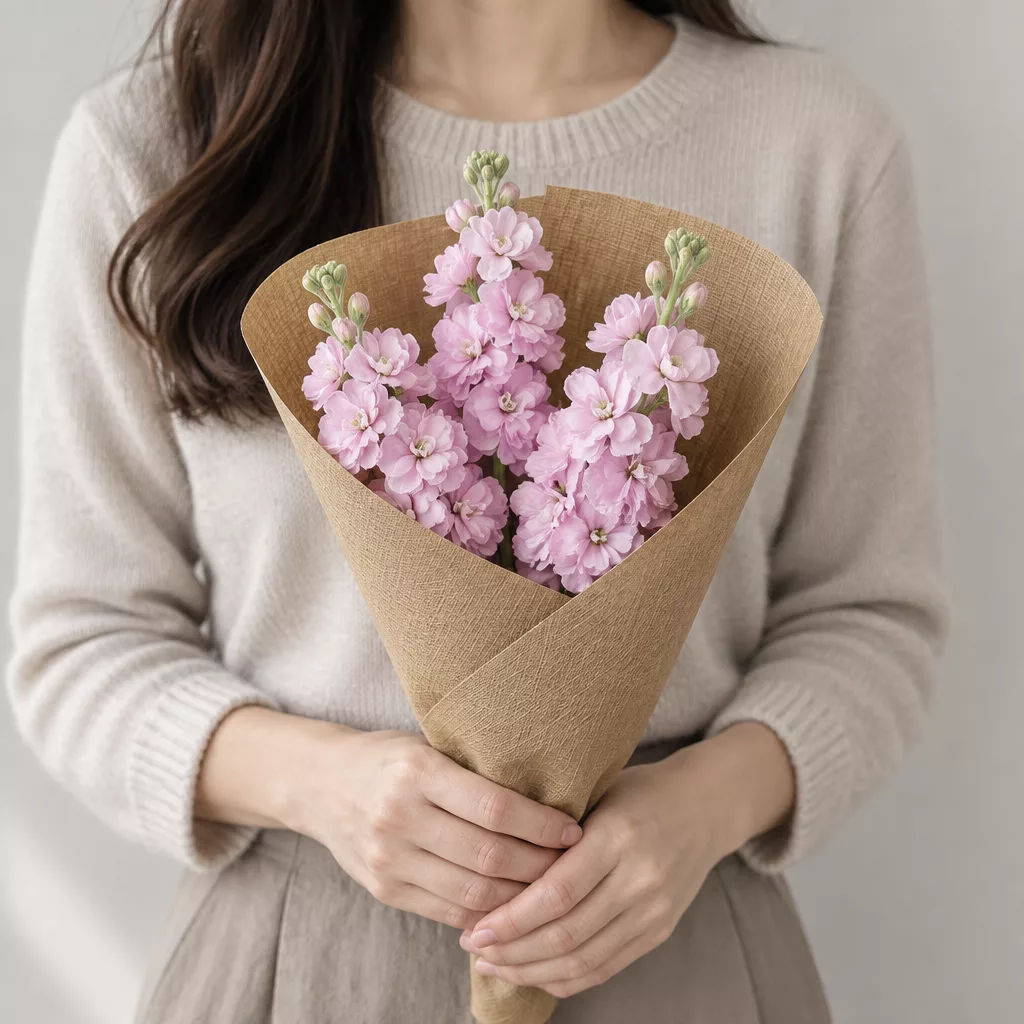
Understanding Russian Gifting Customs Before You Order
If you did not grow up in Russia, a few customs around flowers may surprise you. The most important one: always send an odd number of stems. Even numbers of flowers are traditionally associated with mourning, so a bouquet of ten roses would feel deeply wrong to most Russian recipients, regardless of the occasion. Stick to seven, nine, eleven, fifteen or any other odd count and you are immediately showing cultural awareness.
Colour carries meaning too. Red roses signal romantic love very clearly and are best reserved for partners or spouses. For a colleague, a teacher, a grandmother or a friend, softer palettes — blush pinks, creamy whites, lavender tones, warm yellows — feel more appropriate and more versatile. If you are not sure of the relationship dynamic, a mixed bouquet in neutral tones with interesting texture is always a safe and generous choice.
Russians also have a strong appreciation for presentation. Kraft paper wrapping with a ribbon, or a structured round bouquet, reads as thoughtful and professional. Loose, casual bunches can feel unfinished. Including a handwritten card message — even a short one — transforms the delivery from a transaction into a real moment. If you are writing in English and the recipient reads Russian, a florist can often help you translate a short phrase so the card feels personal rather than generic. These small details are what people in Nerchinsk will remember and talk about.
Choosing Flowers for the Season in Nerchinsk
Nerchinsk experiences four very distinct seasons, and your flower choice should reflect whichever one the recipient is living through at the moment of delivery. In winter, from November through March, the city is cold and often covered in snow. Flowers that survive the brief outdoor exposure during delivery include roses, carnations, spray chrysanthemums and alstroemeria. These varieties handle cold air for the minute or two it takes to bring them inside without collapsing. Avoid open-faced blooms like gerberas or lisianthus in deep winter — they bruise easily in frost.
Spring in Nerchinsk arrives later than in western Russia, usually in April and May. Tulips are enormously popular during this period and carry a sense of renewal that resonates strongly with Russian recipients. Daffodils and ranunculus also work beautifully in spring arrangements. If the occasion falls near International Women's Day on the eighth of March, tulips and mimosa are the most culturally resonant choices you can make.
Summer, from June through August, opens up the full range. Peonies, sunflowers, garden roses and hydrangeas are all in season and hold up well in the warmth. Autumn brings a different palette — dahlias, lisianthus, and rich-toned chrysanthemums suit the golden light and cooling air of September and October. Matching your bouquet to the season is not just practical — it shows a sensitivity to where the recipient actually is, which is particularly meaningful when you yourself are far away.
Timing Your Order Across Time Zones
Nerchinsk operates on Yakutsk Time, which is UTC plus nine hours. If you are in London, that is a nine-hour difference. New York is twelve hours behind. Tokyo is actually very close — just a one-hour difference. Knowing this before you order is essential, because a florist needs a reasonable lead time to prepare and dispatch a bouquet, and you want delivery to arrive when the recipient is actually home and awake.
A birthday morning delivery is a lovely gesture, but if you are placing the order from Vancouver at what feels like a reasonable evening hour, it may already be the following afternoon in Nerchinsk. Work backwards from the moment you want the flowers to arrive and place your order accordingly. For same-day delivery in Nerchinsk, orders placed before midday local Nerchinsk time generally have the best chance of reaching the recipient during the afternoon or early evening.
Special dates in Russia worth noting: New Year is the largest gift-giving occasion in the country, celebrated on the first of January. Valentine's Day is observed in Russia but is less central than in Western countries. International Women's Day on the eighth of March is extremely significant — it is common to send flowers to mothers, sisters, colleagues and friends, not only romantic partners. February twenty-third, Defender of the Fatherland Day, is a day when men are traditionally celebrated. Planning your order around these dates, rather than assuming Western holiday calendars apply, will make your gift land with much greater meaning.
How to Write a Card Message That Feels Right
The card is often the part that international senders underestimate. In Russia, a written message with a bouquet is expected — arriving without one can feel slightly impersonal, as if the flowers were sent by obligation rather than affection. The message does not need to be long. A few sincere sentences are far more effective than a paragraph that sounds translated or formal.
If you are writing in English to a recipient who reads Russian, consider keeping the message simple enough that even a basic translation feels warm. Phrases like a birthday wish, an expression of missing someone, or a note of pride in an achievement translate cleanly and land well. Overly idiomatic English expressions can become awkward in translation, so plain and direct is better than clever.
For romantic occasions, Russian recipients respond warmly to specificity — mentioning a shared memory, a quality you admire, or a future plan feels far more personal than a general declaration. For professional or family occasions, warmth and respect are the right registers. Avoid humour unless you are very sure of the recipient's taste, since jokes do not always survive the cultural crossing intact.
If the occasion is a significant milestone — a fortieth birthday, a graduation, a new home — consider asking for the card to be written in Russian by the florist. Even a single line in the recipient's own language, followed by your name, carries a disproportionate emotional weight. It shows effort, and effort is what people remember when the flowers have faded.
Caring for Flowers After Delivery: What to Tell the Recipient
Once the bouquet arrives in Nerchinsk, its vase life depends almost entirely on how the recipient handles it in the first hour. Sharing a few care tips — either via message before delivery or on the card — can extend the life of the flowers by several days and ensure your gift keeps giving well past the moment of arrival.
The first step is re-cutting the stems at an angle, about two centimetres from the bottom, using a sharp knife or scissors. This opens fresh tissue and allows water uptake immediately. The flowers should go straight into a clean vase filled with cool water. In Nerchinsk's dry continental air, especially in winter when central heating makes interiors very dry, flowers lose moisture faster than in humid climates. Keeping the vase away from radiators and direct heat sources is particularly important there.
Roses and carnations last longest — up to ten days with good care. Alstroemeria can reach two weeks if the water is changed every two days and the lower leaves are removed so they do not rot below the waterline. Tulips are shorter-lived, typically five to seven days, but they continue to grow and move in the vase in a way many people find beautiful. Chrysanthemums are among the most resilient and will hold their shape and colour for ten days or more.
If the bouquet includes a flower food sachet, encourage the recipient to use it — the mild acidifier and sugar in the packet genuinely extend vase life. These small instructions, passed along with care, show that your gift was chosen and given thoughtfully from start to finish.
Common Mistakes Senders from Abroad Make — and How to Avoid Them
The most frequent mistake is ordering too late. International senders often assume that because they can place an order at any hour from anywhere in the world, the delivery will follow immediately. In practice, fresh flowers require preparation time, and Nerchinsk is not a city where a florist has hundreds of pre-made bouquets waiting. Building in at least a few hours of lead time — and ideally ordering the day before for morning deliveries — gives the best result.
The second common error is choosing flowers based on what looks impressive in a photograph rather than what suits the season or the recipient. A large tropical arrangement may look spectacular on a website but will struggle in a Siberian February. Trust variety recommendations that are grounded in the actual conditions of the destination.
Sending an even number of stems, as mentioned earlier, is a mistake that stands out immediately to any Russian recipient. It is easily avoided and easily remembered. Similarly, choosing all-red flowers for a non-romantic occasion — sending red roses to a grandmother or a female colleague — can feel awkward rather than celebratory.
Finally, some international senders forget to provide a complete delivery address including the apartment number. Nerchinsk, like all Russian cities, has a system of large apartment blocks where a street address alone is not sufficient. The building entrance number, floor and apartment number are all necessary for a successful delivery. Confirming these details with the recipient in advance — perhaps framing it as needing their address for something, to keep the surprise — prevents the most avoidable of all delivery failures.
Sending flowers to Nerchinsk from abroad is a gesture that carries real weight precisely because of the distance involved. The recipient knows you thought past the inconvenience, researched the details and made something happen across thousands of kilometres. When the bouquet arrives fresh, the number of stems is right, the card says something true, and the colours suit the occasion, those flowers do not just sit in a vase — they become a story the recipient tells. Turboflora handles the Siberian logistics so that your part of the story, the choosing and the caring, is what comes through.
Frequently asked questions
Can flowers really survive delivery in Nerchinsk's winter temperatures?
Yes, with the right variety selection. Roses, carnations, alstroemeria and spray chrysanthemums handle brief cold exposure during the handoff from courier to door. The key is choosing hardy varieties rather than delicate open-faced blooms, and ensuring the recipient brings them inside promptly. Turboflora accounts for seasonal conditions when preparing every winter bouquet.
How far in advance should I place my order from a different time zone?
Nerchinsk is UTC plus nine hours, so calculate the local time there before ordering. For same-day delivery, place your order before midday Nerchinsk time. For a specific morning delivery or a major date like March 8th, ordering the day before is strongly recommended. This gives the florist time to prepare a fresh, well-composed bouquet rather than rushing.
Is it true I should never send an even number of flowers in Russia?
Yes, this is a firmly held custom across Russia. Even numbers of flowers are associated with mourning and funerals, so receiving a bouquet of ten or twelve stems feels uncomfortable to most Russian recipients regardless of the occasion. Always choose an odd number — seven, nine, eleven, fifteen — and you immediately show cultural respect and genuine thoughtfulness.
What information do I need to provide for delivery in Nerchinsk?
You will need the recipient's full name, phone number, and a complete address including the street, building number, entrance number, floor and apartment number. Russian apartment buildings often have multiple entrances, and without this detail delivery becomes difficult. If you want to keep the gift a surprise, ask the recipient for their address under a different pretext before placing the order.
Which flowers are most appreciated by Russian recipients for a birthday?
Roses remain the most universally appreciated choice for birthdays in Russia, particularly in blush pink, white or coral tones for non-romantic occasions. Peonies are beloved when in season. Tulips are especially popular in spring. The key is an odd number of stems, a colour palette suited to the recipient's personality, and thoughtful presentation — these details matter more than choosing the most expensive variety.
Ready to send flowers?
Pick the city, choose the bouquet, and a local florist takes it from there.
Choose a city →