Sending Flowers to Neryungri from Abroad? Here Is What to Actually Expect
Neryungri sits deep in Yakutia, one of the coldest inhabited regions on earth, and yet people there celebrate birthdays, anniversaries, and new beginnings just as warmly as anywhere else. If you are placing an order from Germany, the United States, South Korea, or anywhere outside Russia, the distance can feel daunting — but the process is more straightforward than you might think, as long as you understand a few things about the city, the climate, and what flowers genuinely travel well to this corner of Siberia.
Why Neryungri Is Unlike Most Russian Delivery Addresses
Neryungri is a coal-mining city in the south of the Sakha Republic, built in the 1970s along the Baikal-Amur Mainline railway. Its population is around 60,000 people, and it is one of the more accessible cities in Yakutia, which makes flower delivery realistic in a way that it simply is not for smaller settlements further north. That said, it is still a remote destination by any measure, and understanding its geography shapes every decision you make as a sender.
The city experiences a sharply continental climate. Winters run from October through April, with temperatures regularly dropping below minus 30 degrees Celsius and occasionally reaching minus 45. Summers are short but genuinely warm, sometimes touching 30 degrees in July. This temperature range is not just a fact about the weather — it is the single biggest factor in whether your flowers arrive looking the way you imagined them.
For a sender abroad, the practical takeaway is this: you are not choosing flowers in a vacuum. You are choosing flowers for a specific microclimate, a specific season, and a recipient who lives with these conditions every day. A florist who knows Neryungri will already factor this in. Your job is to give as much information as possible — the occasion, the recipient's personality, and the delivery date — so the arrangement can be built to survive the journey and the environment it is entering.
Bouquets we can deliver

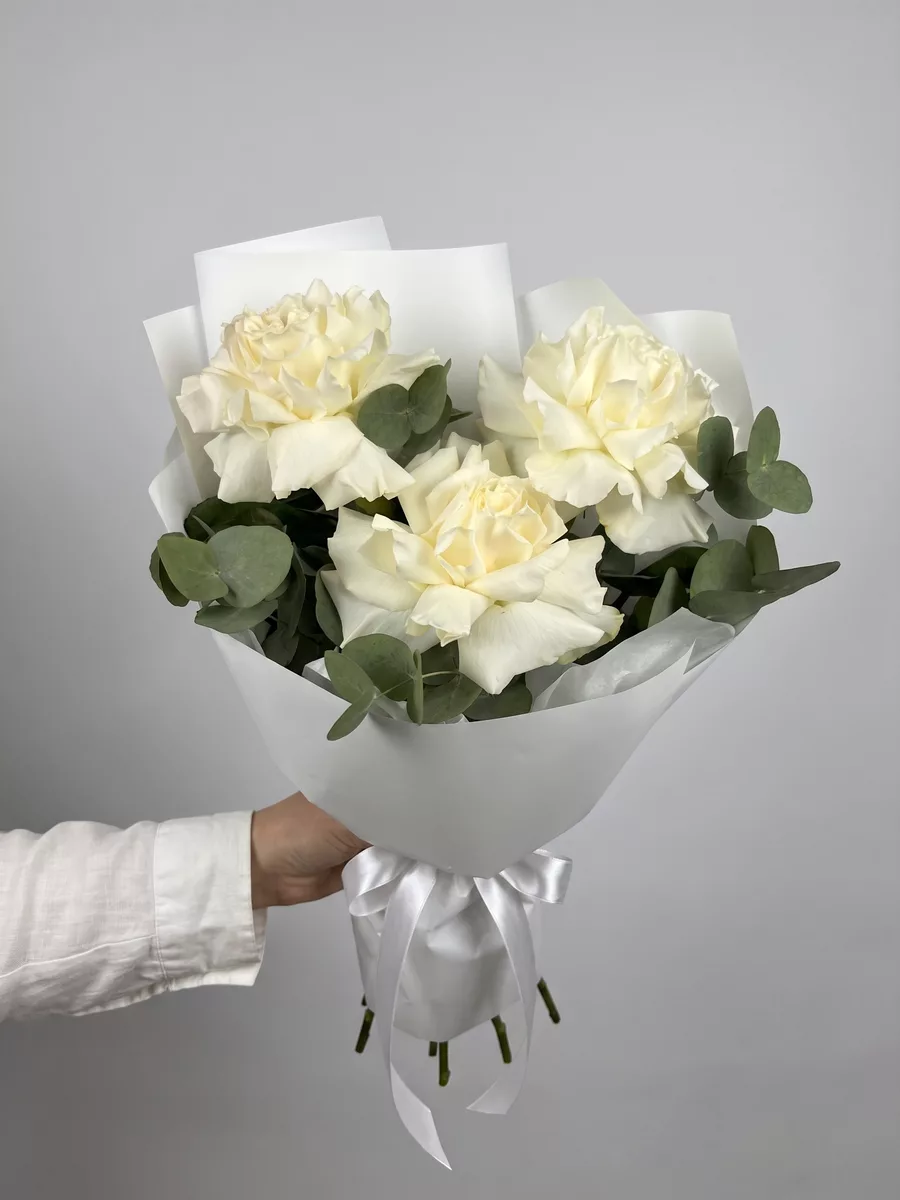
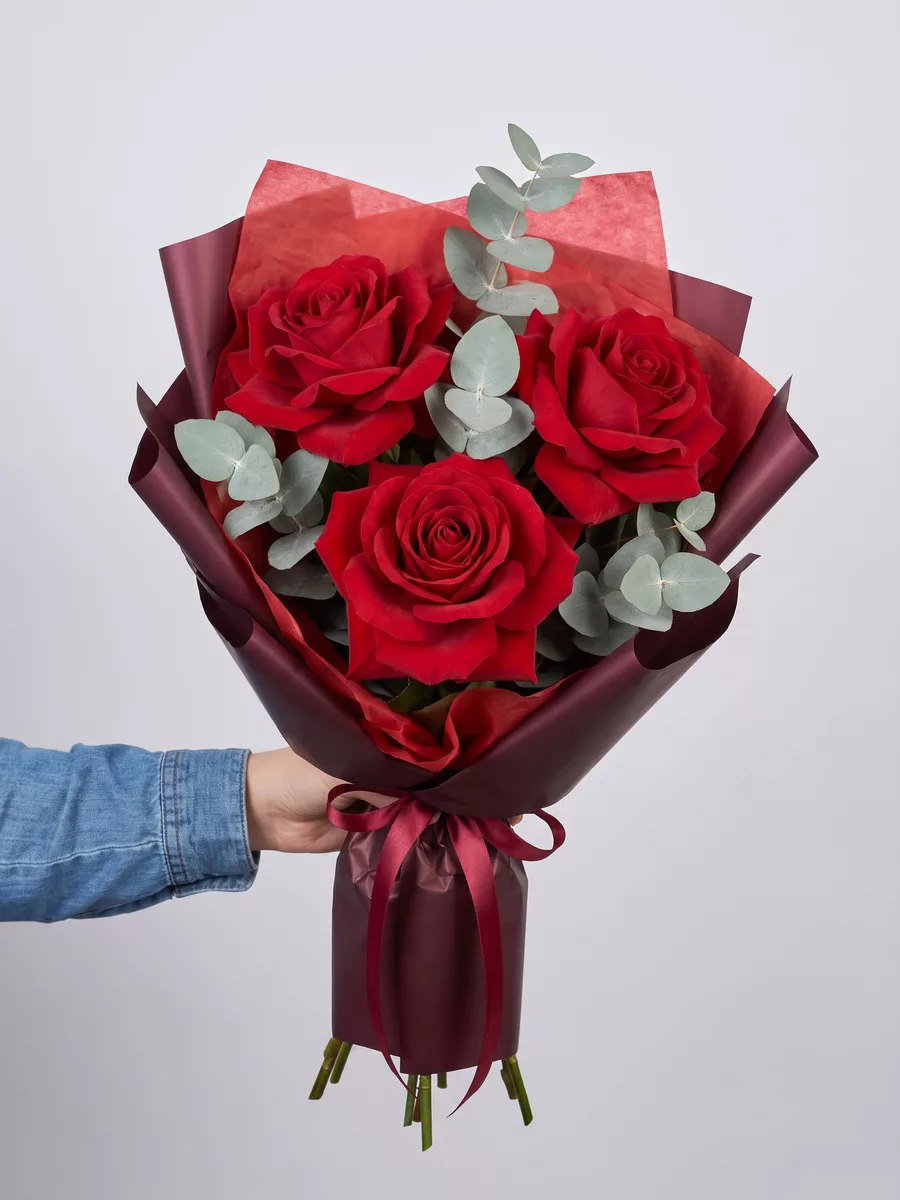
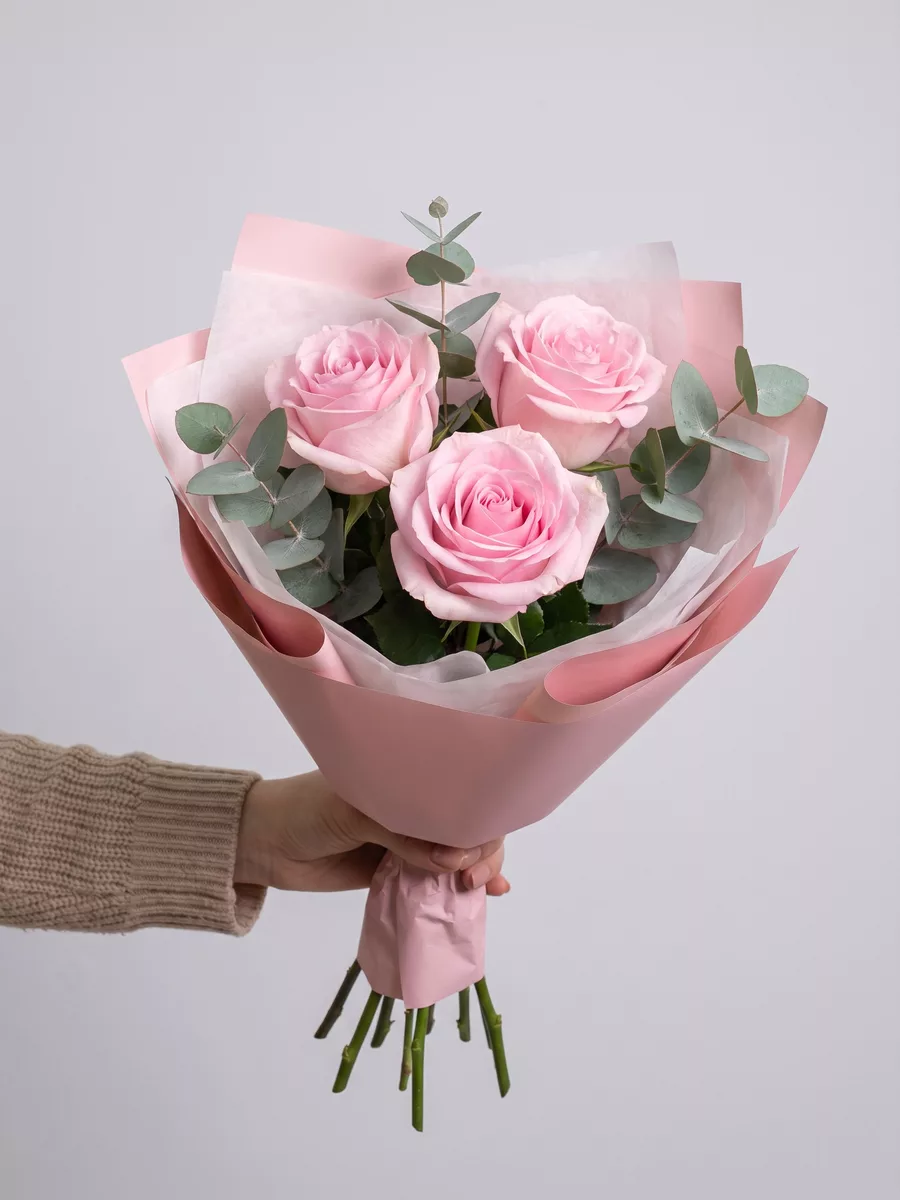
Timing Your Order Across Time Zones
Neryungri operates on Yakutsk Time, which is UTC plus 9. If you are calling or placing an order from Western Europe, you are likely 6 to 8 hours behind. From the east coast of the United States, the gap is 12 hours or more. This matters enormously when you are trying to coordinate a delivery for a specific moment — a birthday morning, an anniversary dinner, or a surprise at the workplace.
The safest approach is to place your order at least 24 hours before the intended delivery window, and ideally 48 hours ahead if you want any input on composition. Same-day delivery is possible, but the time zone arithmetic means that your "today" may already be tomorrow in Neryungri by the time your order is confirmed. Do the calculation before you assume urgency is still an option.
When filling in the delivery details, be precise about the recipient's schedule. Florists cannot ring a doorbell repeatedly in minus 35 degree weather — both the courier and the flowers need to meet the recipient on the first attempt. If the person works shifts, note that. If they are home only in the evenings, say so. A short note in the order comments goes a long way toward making sure the bouquet does not wait in the cold longer than necessary.
Also confirm that the recipient's phone number is current and includes the Russian country code. International senders sometimes provide numbers in local format, which causes delays at the moment of delivery coordination.
Choosing Flowers for a Siberian Winter
From November through March, your flower choices should lean toward varieties with structural resilience and tight petal formation. Roses with dense, high-centered blooms — varieties like Explorer or Avalanche — handle cold transport far better than loose, open garden roses. Spray chrysanthemums are outstanding in this context: they are compact, long-lasting, and do not bruise easily when temperatures fluctuate during transit. Alstroemeria is another reliable choice, arriving in bud and opening gradually over the following week.
Avoid arrangements that rely heavily on open tropical blooms such as anthuriums or bird of paradise in deep winter. These are warm-climate flowers that suffer cellular damage below about 10 degrees Celsius. Even well-packaged, they can arrive with blackened edges or collapsed petals. A florist assembling for Neryungri in January will know this instinctively, but it helps to understand why certain substitutions might be suggested.
Greenery also matters more in winter arrangements than many senders realize. Eucalyptus, ruscus, and pittosporum are hardy, fragrant, and add visual warmth to a bouquet that might otherwise look sparse in the cold light of a Siberian apartment. They also extend the perceived size of an arrangement without adding fragile elements.
For a winter birthday or anniversary, a bouquet of deep-red roses with eucalyptus and white spray chrysanthemums reads as generous, seasonal, and genuinely beautiful — not a compromise, but a considered choice. Frame it that way when you write your card message, and the recipient will feel the thoughtfulness behind it.
What Works Best in Neryungri's Brief Summer
July and August in Neryungri are a different world. The days are long, the temperatures are high, and the city briefly feels like a place where almost anything can grow. For a sender abroad, this is actually the most forgiving window for flower delivery — you have more variety available, and the cold-transit problem largely disappears.
Sunflowers are a genuinely popular choice in Russian summer gifting, and they travel beautifully in warm weather. A large, cheerful sunflower arrangement communicates warmth and celebration in a way that reads clearly across cultures. Lisianthus, which resembles a ruffled peony but is far more durable, is another excellent summer option — it holds for up to two weeks in a vase and comes in whites, purples, and deep plums that feel both festive and elegant.
Peonies, if the timing is right in early summer, are deeply associated with celebration in Russian culture. Receiving peonies is considered a genuine luxury, particularly in a city where they are not grown locally. If you can order them for a June or early July delivery, they will make a strong impression.
Mixed seasonal bouquets with dahlias, lisianthus, and snapdragons work well for birthdays and as thank-you gestures. Keep in mind that summer heat means the recipient needs to get flowers into water quickly — include a care note with your order, or ask the florist to add one to the packaging. In Neryungri's summer, a bouquet left on a sunny windowsill can wilt within a few hours, so a gentle reminder about immediate care is a kindness, not an insult.
Russian Flower Customs an International Sender Should Know
If you are sending flowers to Russia for the first time, a few customs are worth knowing so your gesture lands exactly as intended. The most important one: always send an odd number of stems. Even numbers of flowers are associated with mourning in Russian tradition, and a bouquet of twelve roses — perfectly normal in many Western countries — would feel jarring to a Russian recipient. Eleven, thirteen, or fifteen stems are all fine. Your florist will handle this automatically, but it is good to understand why.
Red roses carry strong romantic meaning in Russia, more explicitly so than in some other cultures. If you are sending to a colleague, a friend's mother, or a teacher, a mixed arrangement or flowers in softer tones — peach, white, lavender — will read more appropriately. Save the all-red bouquet for someone you are genuinely expressing love toward.
March 8th, International Women's Day, is the single biggest flower-giving occasion in Russia — far larger than Valentine's Day. If your recipient is a woman and the date falls near March 8th, expect high demand and plan your order well in advance. The same applies to February 23rd, Defender of the Fatherland Day, which is when flowers and gifts are often given to men.
New Year's Eve is also a significant gifting moment. A festive arrangement with white roses, fir branches, and berries will feel perfectly calibrated to the season and the celebration. Russian recipients appreciate when a sender has thought about the occasion rather than just sending a generic bouquet.
Writing Your Card Message from Abroad
The card message is often the part that international senders overthink. You do not need to write in Russian — a warm message in English, French, or any other language is received with genuine appreciation, and many people in Neryungri will share it with family as a point of pride. What matters far more than the language is the specificity and warmth of what you write.
Avoid generic phrases that could apply to anyone. Instead of "Happy Birthday, wishing you all the best," try something that references a shared memory, an inside joke, or a specific quality you admire in the person. Recipients remember the feeling of a card long after the flowers have faded. A message that feels personal is worth more than one that is technically perfect but impersonal.
If you want to include a phrase in Russian, a few go a long way. "S dnyom rozhdeniya" means Happy Birthday. "S lyubovyu" means with love. "Spasibo za vsyo" means thank you for everything. These small gestures are noticed and appreciated, and they signal that you made an effort to meet the recipient in their own language.
Keep the message to three or four sentences at most. Card space is limited, and a concise, warm message reads better than a long one that trails off. If you have more to say, send a separate letter or voice message alongside the flowers — the bouquet opens the door, and your words can follow through it.
Caring for Flowers in a Neryungri Home
Neryungri homes in winter are kept very warm — central heating in Russian apartment buildings is robust, and indoor temperatures of 22 to 25 degrees Celsius are common even when it is minus 40 outside. This creates a specific challenge for cut flowers: the warmth accelerates their development significantly. A bouquet that might last ten days in a cooler European home may open fully within three or four days in a heated Siberian apartment.
This is not a flaw — it is simply the environment. The recipient can extend vase life by keeping flowers away from radiators and direct sunlight, changing the water every two days, and trimming the stems at an angle each time they do so. If the florist includes a sachet of flower food, it should be dissolved in the first vase of water and not repeated with plain water afterward.
Roses benefit from being re-cut under lukewarm water if the stems have been out of water for more than a few minutes during delivery. Chrysanthemums are more forgiving and can simply be placed straight into a clean vase. Alstroemeria should have any leaves below the waterline removed to prevent bacterial buildup.
As a sender, you can include a brief care note with your order — most florists will attach it to the packaging. Something simple like "change the water every two days and keep away from the radiator" is genuinely useful and shows that you thought about the flowers' life after delivery, not just the moment of receiving them. It turns a beautiful gesture into one that lasts.
Sending flowers to Neryungri from the other side of the world is a meaningful act — it tells someone that distance has not made them less present in your life. The practical steps are manageable once you understand the time zones, the climate, and the cultural context. Choose varieties suited to the season, time your order with the gap in mind, write a card that says something real, and trust that a well-made bouquet will carry your feeling across every kilometer between you.
Frequently asked questions
Does the extreme cold in Neryungri winters mean I should avoid certain flowers entirely?
Yes, some flowers handle cold transport far better than others. Chrysanthemums, carnations, and alstroemeria cope well with temperature stress. Roses and tropical blooms like orchids or anthuriums are more vulnerable and can blacken or collapse if exposed to severe frost even briefly. In winter, ask your florist explicitly which varieties they are confident delivering safely in Yakutian conditions.
How does Neryungri's remoteness affect how far in advance I need to order?
Further than you might expect. Neryungri is accessible but not a major logistics hub, so local florists may need time to source particular flowers or varieties. For significant occasions like anniversaries or milestone birthdays, placing your order three to five days ahead gives the florist room to work and removes the anxiety of last-minute uncertainty across a large time difference.
What time zone difference should I account for when coordinating delivery from Western Europe or the United States?
Neryungri runs on Yakutsk Time, UTC plus 9. From Germany or France you are roughly 6 to 7 hours behind, meaning early afternoon your time is already evening in Neryungri. From the US east coast the gap is around 12 hours. Plan your order and any confirmation calls with this in mind so the delivery window you intend actually makes sense on the recipient's end.
Are there seasonal flowers local to the Yakutia region that would feel more personal to someone living in Neryungri?
Summer in Neryungri brings genuine warmth and wildflowers are part of that brief bright season, so arrangements that echo meadow or field flowers can feel very fitting for a local recipient in July or August. In winter, bold structured blooms like chrysanthemums or spray carnations carry a warmth of their own against the cold outside. A florist based in the region will understand which choices resonate locally.
How do I communicate the occasion and recipient clearly enough when ordering in a different language?
Keep your message simple and specific. Write the occasion, the recipient's name, and one or two details about them, such as their age if it is a birthday or their relationship to you. Most florists working with international orders are used to navigating language gaps and will ask follow-up questions if needed. A short note in English is far better than no guidance at all.
Ready to send flowers?
Pick the city, choose the bouquet, and a local florist takes it from there.
Choose a city →