How to Send Flowers to Nikolaevsk-Na-Amure from Another Country
You are somewhere far from Russia — maybe in Berlin, Toronto, or Dubai — and someone you love is in Nikolaevsk-Na-Amure, a city on the lower Amur River where the winters are long and a bouquet arriving at the door means something real. The distance between you and that person does not have to show. With the right preparation and a clear understanding of how delivery works in this part of Russia, you can send flowers that arrive fresh, on time, and exactly suited to the moment.
Understanding Nikolaevsk-Na-Amure Before You Order
Nikolaevsk-Na-Amure sits in Khabarovsk Krai, near the mouth of the Amur River, close to the Sea of Okhotsk. It is a small city with a distinct rhythm — not a metropolis, but a place where personal gestures carry great weight. When a bouquet arrives there, people notice. The recipient will almost certainly tell someone about it.
The city experiences a continental climate with strong seasonal extremes. Winters are severe, with temperatures regularly dropping below minus twenty-five Celsius from November through March. Summers are short but warm. This matters for flowers because cold transit conditions affect which varieties hold up and which do not. Roses, spray chrysanthemums, and alstroemeria travel well in cold. Tropical stems like anthurium or strelitzia are more vulnerable to frost damage during the final delivery stage.
As a sender abroad, you are working across a significant time difference. Nikolaevsk-Na-Amure operates on UTC plus ten, which is seven hours ahead of Moscow. If you are placing an order from Western Europe, that gap is eight to nine hours. From North America, the difference can be twelve to fourteen hours. This means your morning is their late evening, and a same-day order placed after noon your time may realistically arrive the following day there. Planning one day ahead is always the safer choice and removes unnecessary pressure from the process.
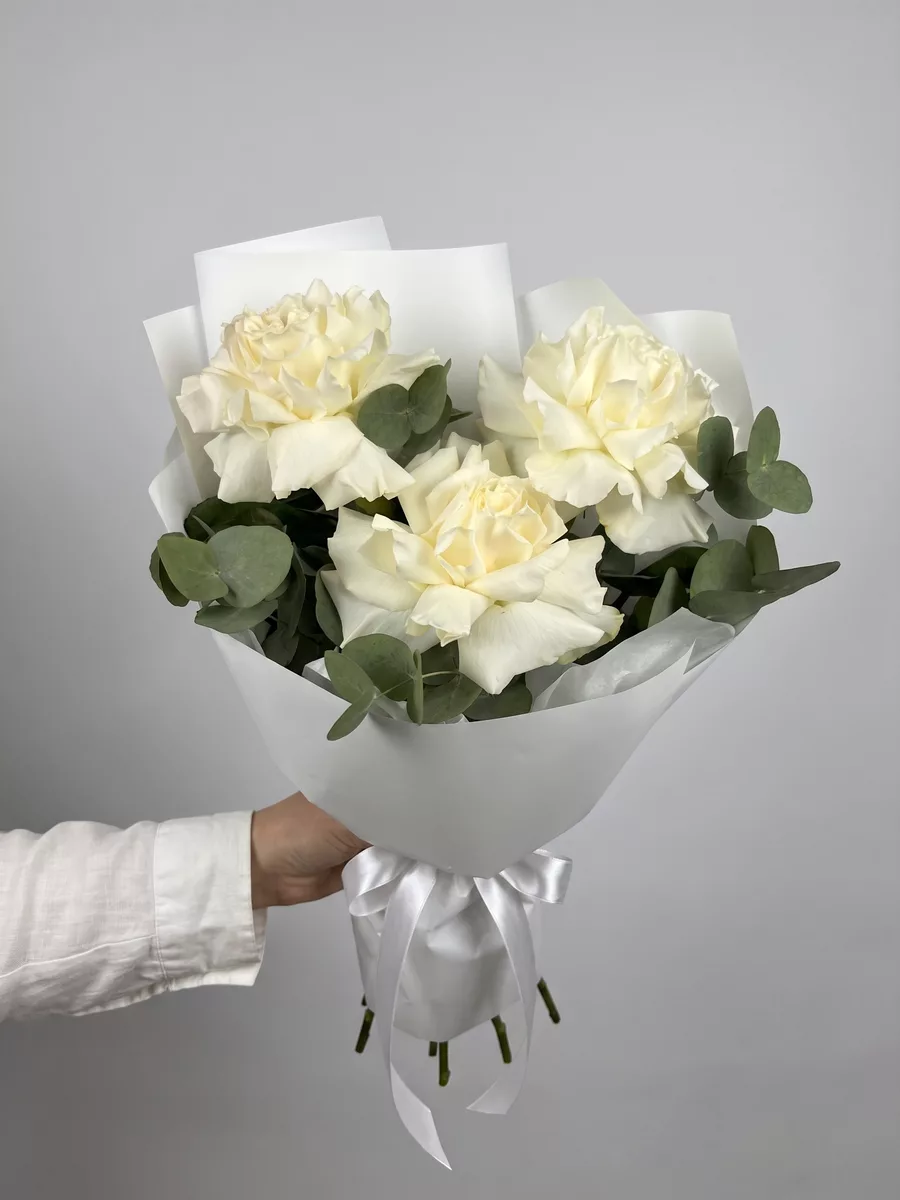
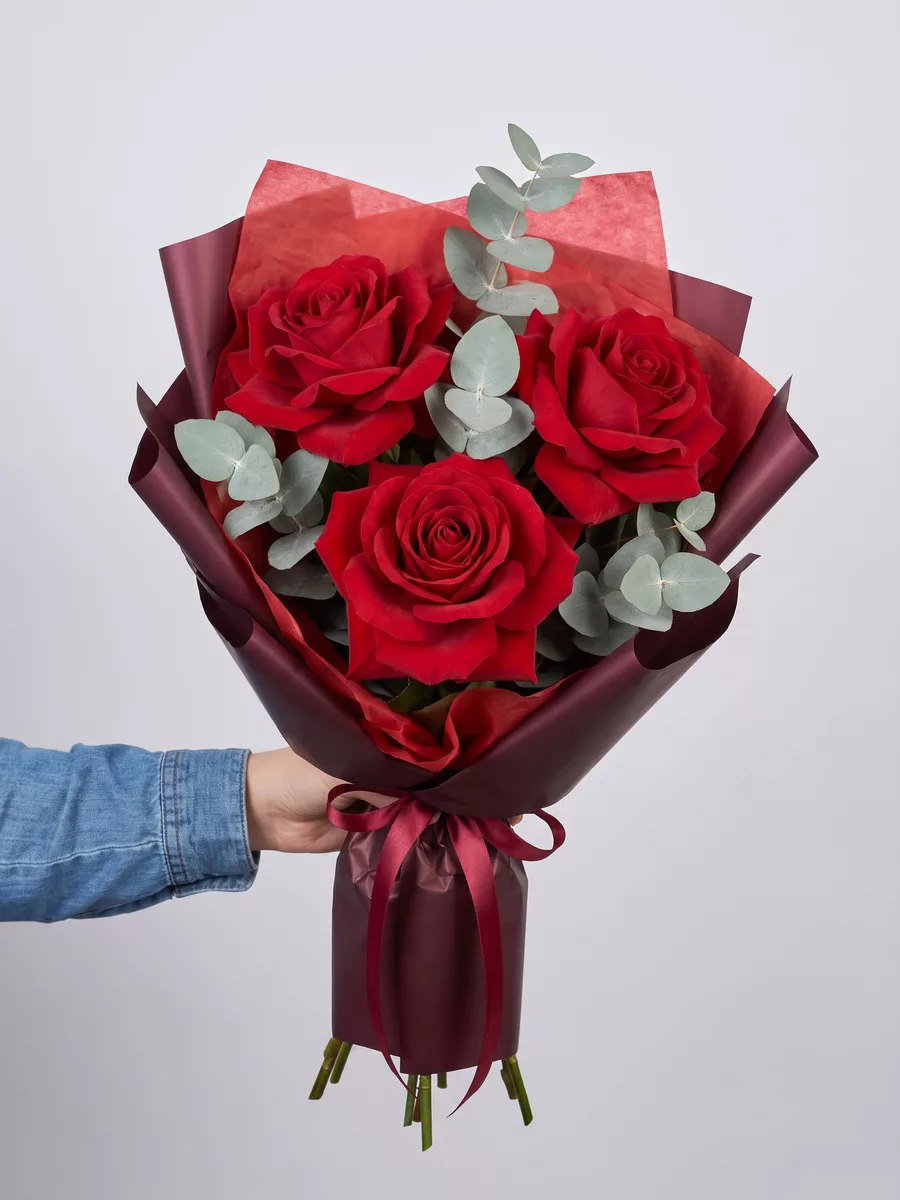
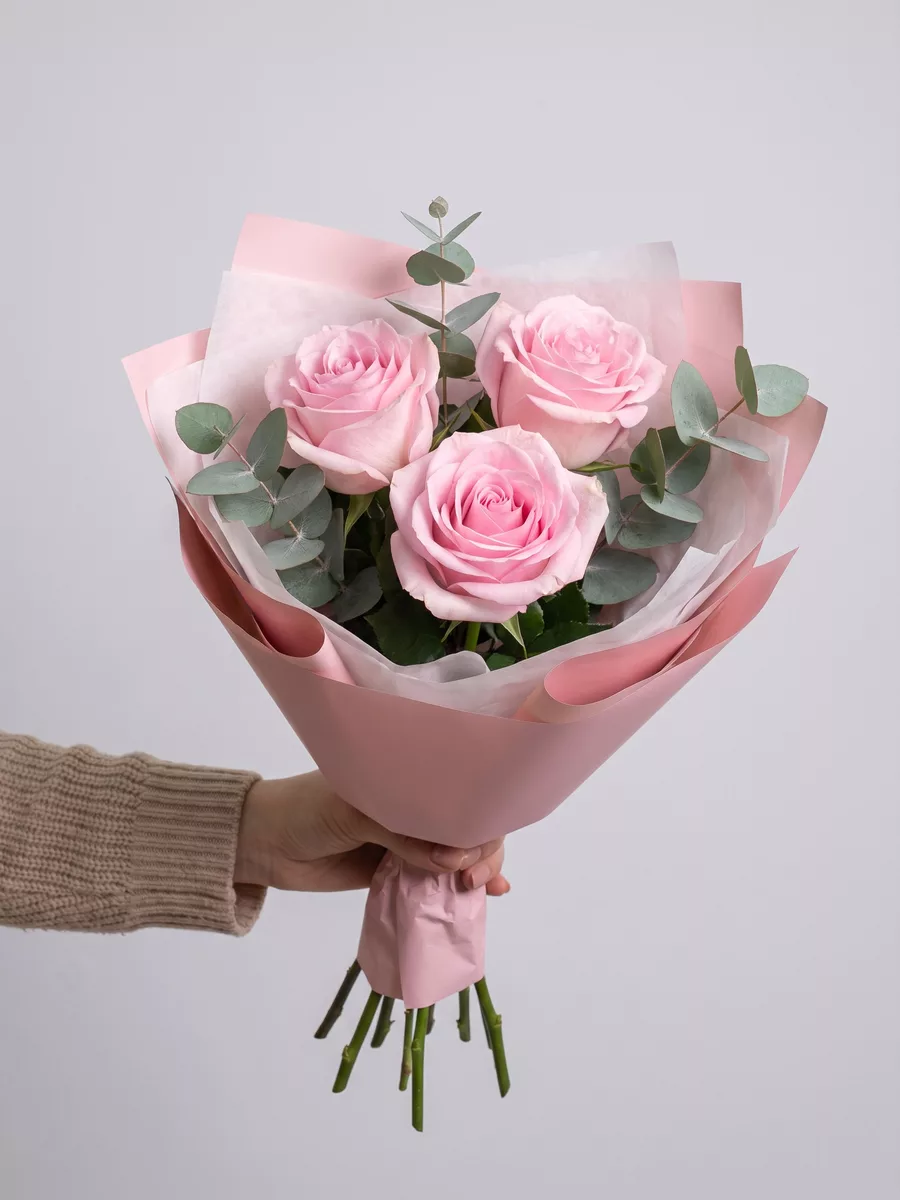
Bouquets we can deliver

Choosing the Right Occasion and Reading It Correctly
Russian flower-giving customs are rich and specific, and getting them right shows genuine care. Flowers are given for birthdays, anniversaries, graduations, professional achievements, new babies, name days, and many public holidays. The 8th of March, International Women's Day, is the single largest flower occasion in Russia — demand peaks sharply, and ordering several days in advance is essential. The 14th of February is also observed, though it is less dominant than in Western countries.
Odd numbers of stems are the strong cultural norm for celebratory occasions. A bouquet of seven roses or eleven tulips signals a gift; an even number is traditionally associated with mourning and should be avoided for any joyful event. If you are unsure how many stems to request, ask for an odd-numbered arrangement and the florist will compose accordingly.
For a birthday, think about what the recipient loves rather than what looks impressive in a photograph. A woman who gardens might adore a loose, garden-style mix of lisianthus, ranunculus, and eucalyptus. A man receiving flowers — which is entirely normal in Russia for significant milestones — often appreciates something structured and unfussy: a clean bundle of burgundy roses or a single-variety arrangement of white spray chrysanthemums. For a child's achievement, bright gerberas or sunflowers communicate joy without formality. The occasion shapes the palette; the person shapes the choice within it.
How to Place an Order Successfully from Outside Russia
Ordering from abroad requires a few practical steps that differ from a domestic purchase. The most important is providing complete and accurate recipient information. In Nikolaevsk-Na-Amure, as in most Russian cities, the address format follows a specific pattern: street name, building number, apartment number, and floor if relevant. If you are sending to a workplace, include the organisation name and a contact number for the recipient or a colleague who can receive the delivery.
A working local phone number for the recipient is not optional — it is essential. Delivery drivers call ahead in Russia, and without a reachable number, the order cannot be completed. If your recipient does not know the flowers are coming and you want to keep it a surprise, provide a secondary contact who can coordinate quietly. A neighbour, a family member, or a colleague at the same address can all serve this role.
Payment from abroad is straightforward through international card processing. When you write the card message, you can write in English, and the florist will pass it along exactly as written — or you can ask for a Russian translation of a short phrase if you prefer the message to feel closer. Keep the message warm and personal rather than generic. A specific memory or a direct expression of feeling lands far better than a standard greeting. The extra thirty seconds you spend writing a real message is what the recipient will remember long after the flowers have faded.
Selecting Flowers by Season and Budget Range
Nikolaevsk-Na-Amure's remoteness means that flower availability is somewhat more limited than in a large city, and seasonal awareness helps you set realistic expectations. In winter months, roses, carnations, and chrysanthemums are the most reliably available and the most cold-tolerant during that critical last stretch of delivery. Alstroemeria is another excellent winter choice — it is robust, long-lasting, and comes in a wide range of colours from pale peach to deep violet.
In spring, tulips arrive in abundance around March, timed naturally to Women's Day demand. Freesias, with their distinctive sweet scent, are also available in spring and make a beautiful addition to mixed arrangements. Summer brings greater variety: lisianthus, eustoma, and statice become accessible, and a mixed seasonal bouquet can feel genuinely lush and layered.
For a modest budget, a well-composed single-variety bouquet of roses or spray chrysanthemums in a considered colour is always dignified. Five or seven stems of a quality rose, cut to a consistent length and wrapped cleanly, conveys intention. For a mid-range budget, combining two or three varieties — say, white roses with blue thistle and eucalyptus — creates texture and visual depth without appearing excessive. For a generous occasion, a large mixed bouquet with premium roses, lisianthus, and seasonal greenery makes a statement that feels proportionate to the distance it has travelled to reach the recipient.
Timing Your Order Across Time Zones
The time zone gap between your location and Nikolaevsk-Na-Amure is the single most common source of missed deliveries for senders abroad. UTC plus ten means that the city is ahead of almost every major sender location outside of East Asia and Australia. When it is nine in the morning in London, it is already seven in the evening in Nikolaevsk-Na-Amure. A same-day delivery window has effectively closed before your working day begins.
The practical solution is to order the evening before your intended delivery date, your local time. If you want flowers to arrive on a Tuesday morning in Nikolaevsk-Na-Amure, place the order on Monday evening wherever you are. This gives the fulfilment team a full working morning to prepare and dispatch the arrangement during the recipient's daytime hours, which is also when they are most likely to be home or at a workplace address.
For major occasions like a birthday or anniversary, ordering two days in advance removes all time zone anxiety entirely. You can specify a preferred delivery window — morning, afternoon, or evening — and the team will do its best to honour it. Morning deliveries are particularly appreciated for birthdays because the recipient starts their day with something unexpected and warm. Evening deliveries suit recipients who work long hours and are reliably home after six. Communicating your preference clearly at the time of ordering is always worth doing.
What Happens After Delivery: Care Advice to Share
Part of giving flowers well is making sure the recipient knows how to keep them alive. When you send flowers from abroad, you are not there to hand over care instructions in person, so including a short note with the bouquet — or sending a message separately — makes a real difference to how long the arrangement lasts.
The first step is always a fresh diagonal cut across each stem, made with a sharp knife rather than scissors, which can crush the stem tissue. The recipient should remove any leaves that would sit below the waterline in the vase, because submerged foliage rots quickly and contaminates the water. The vase should be clean and filled with cool, fresh water. In a heated Russian apartment in winter, the air can be quite dry, which shortens vase life — placing the arrangement away from radiators and direct sunlight helps significantly.
Roses typically last seven to ten days with proper care, and the water should be changed every two days. Chrysanthemums are among the longest-lasting cut flowers and can hold for two weeks in good conditions. Alstroemeria is similarly robust. Tulips, which are popular in spring, last five to seven days and continue to grow after cutting — they will lean toward light, which some recipients find charming and others find surprising. Lisianthus is a beautiful but slightly more delicate choice that rewards careful placement in a cool spot away from draughts. Sharing these specifics with your recipient, even in a brief message, shows that the gift was thought through completely.
Making the Gift Feel Personal Across the Distance
A bouquet arriving from abroad already carries meaning by virtue of the effort it represents. But the details that make it personal are what transform a pleasant surprise into something genuinely moving. The colour of the flowers matters more than most senders realise. Red communicates romantic love clearly and without ambiguity in Russian culture. Pink conveys warmth, tenderness, and affection — suitable for a mother, a close friend, or a romantic partner. White suggests elegance and sincerity. Yellow, once associated with separation in older Russian tradition, is now widely given as a cheerful, sunny colour, particularly in sunflower form.
If you know the recipient's favourite flower, request it specifically even if it is not the most obvious choice for the season. A florist can often source a requested variety or suggest the closest available alternative. That specificity — knowing that you remembered what she loves — is what the recipient will talk about afterward.
The wrapping and presentation also carry meaning. A bouquet wrapped in kraft paper with a satin ribbon feels artisan and considered. Cellophane wrapping is more traditional and equally appreciated. A small addition — a sprig of cotton stems in winter, a few branches of eucalyptus for scent, or a single contrasting bloom tucked at an angle — can lift a straightforward arrangement into something that looks genuinely composed. When you order, you can describe the feeling you want the recipient to have when they open the door and see the flowers. That description guides the florist's choices in a way that a simple colour request cannot.
Sending flowers to Nikolaevsk-Na-Amure from the other side of the world is not complicated once you understand the time zones, the seasonal availability, and the small cultural details that make a gift land the way you intend it to. The distance you are crossing is exactly what gives the bouquet its meaning — and the recipient, opening their door to find fresh flowers that came from someone who thought carefully about them, will feel that completely.
Frequently asked questions
Can I send flowers to Nikolaevsk-Na-Amure if I do not speak Russian?
Yes, entirely. The ordering process works in English, and your card message can be written in any language you choose. If you want a short phrase translated into Russian for the card, simply ask when placing the order. The delivery itself is handled locally, so language is no barrier for the sender.
How far in advance should I order for a birthday delivery?
Because Nikolaevsk-Na-Amure is UTC plus ten, senders from Europe or the Americas should order at least one full day ahead, and ideally two days ahead for important occasions. This accounts for the time zone gap and ensures the florist has a comfortable preparation window to compose and dispatch a quality arrangement.
Are there flowers I should avoid sending in winter to this city?
Tropical varieties like anthurium, bird of paradise, and orchid sprays are more vulnerable to cold shock during the final outdoor delivery stage in severe winter temperatures. Roses, spray chrysanthemums, carnations, and alstroemeria are significantly more cold-tolerant and are the safest choices for deliveries between November and March.
Is it acceptable to send flowers to a man in Russia?
Absolutely. Giving flowers to men is a well-established custom in Russia, particularly for significant professional achievements, milestone birthdays, and graduations. A clean, structured arrangement — a single variety in a rich colour, or a compact mixed bouquet without overly delicate elements — is typically the most appreciated style for a male recipient.
What if the recipient is not home when the flowers arrive?
The delivery driver will call the recipient's phone number before arriving. If there is no answer, a second attempt is made. This is why a working local phone number is essential when placing the order. If you expect the recipient to be unavailable, provide a secondary contact — a neighbour or family member — who can receive the bouquet on their behalf.
Ready to send flowers?
Pick the city, choose the bouquet, and a local florist takes it from there.
Choose a city →