Sending Flowers to Nikolsk from Abroad? Read This First
You are somewhere far from Russia — a different time zone, a different season, possibly a different language — and someone you care about is in Nikolsk waiting, perhaps without knowing anything is coming. Ordering flowers across that distance feels uncertain: will they arrive fresh, will the timing work, will the bouquet actually mean what you want it to mean? These are fair questions, and this article answers all of them plainly, from a florist's point of view.
Understanding Nikolsk Before You Order
Nikolsk is a small city in the Penza Oblast of Russia, sitting in a continental climate that swings between genuine winters and warm summers. That geography matters when you are choosing flowers from abroad, because what is blooming in your city right now may be completely out of season there. In January and February, Nikolsk can sit well below freezing, which affects both the flowers available and the way a delivery is handled on the street. In July, afternoon heat can stress delicate blooms if they wait outside a door.
The city is not a major hub, so delivery logistics require a florist with real reach into smaller Russian cities rather than one that only covers Moscow and Saint Petersburg. Turboflora delivers across Russia, including Nikolsk, within a one-to-two hour window after order confirmation, which means the recipient does not wait half a day wondering when a knock will come.
For a sender abroad, the most useful thing to understand is that Nikolsk operates on Moscow Time plus zero hours — it shares the same time zone as the capital. When you calculate the best moment to schedule a delivery, use Moscow Time as your reference. A lunchtime delivery in Nikolsk means ordering before noon Moscow Time, which could be early morning in Western Europe or the middle of the night in North America. Plan that window before you sit down to choose the bouquet.
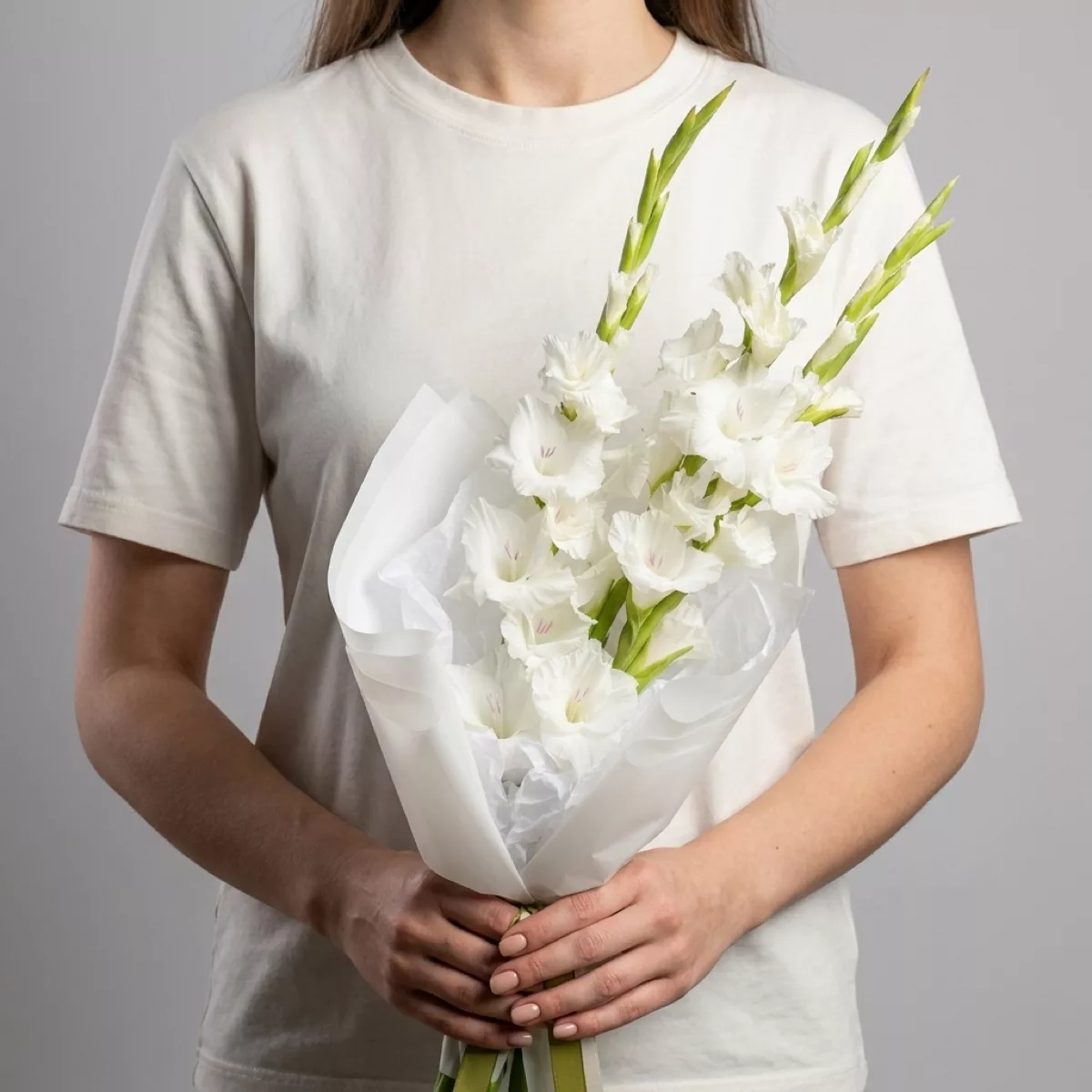
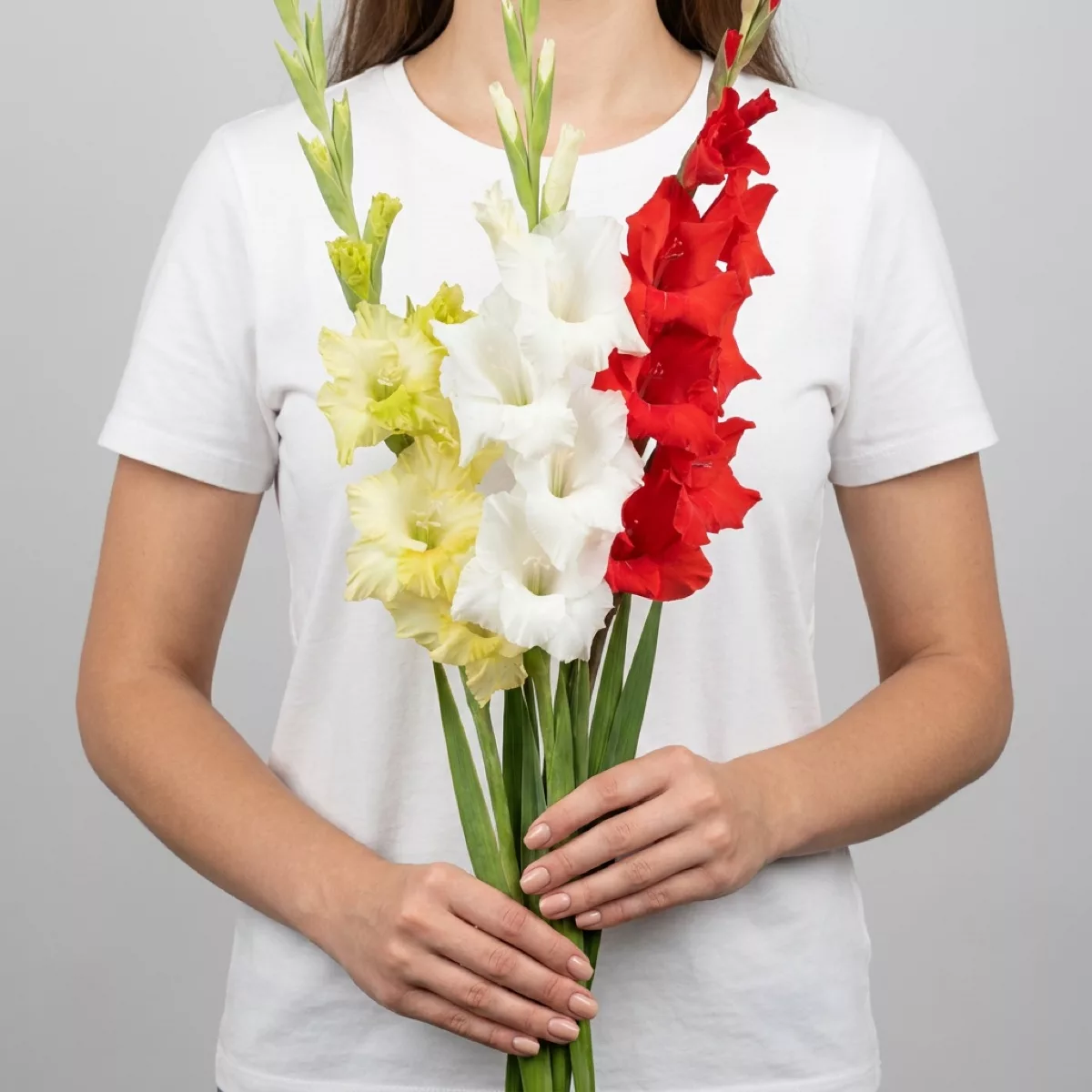
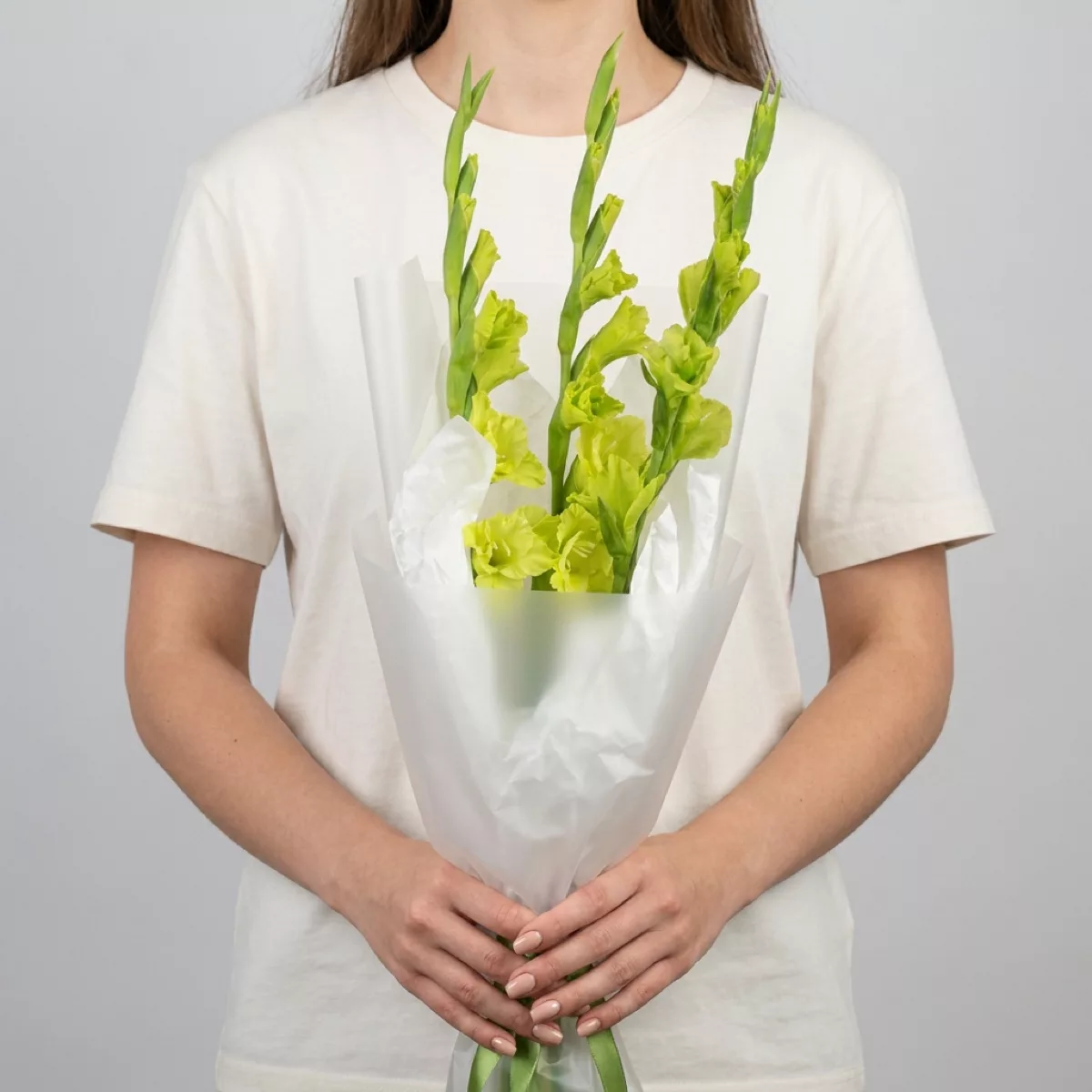
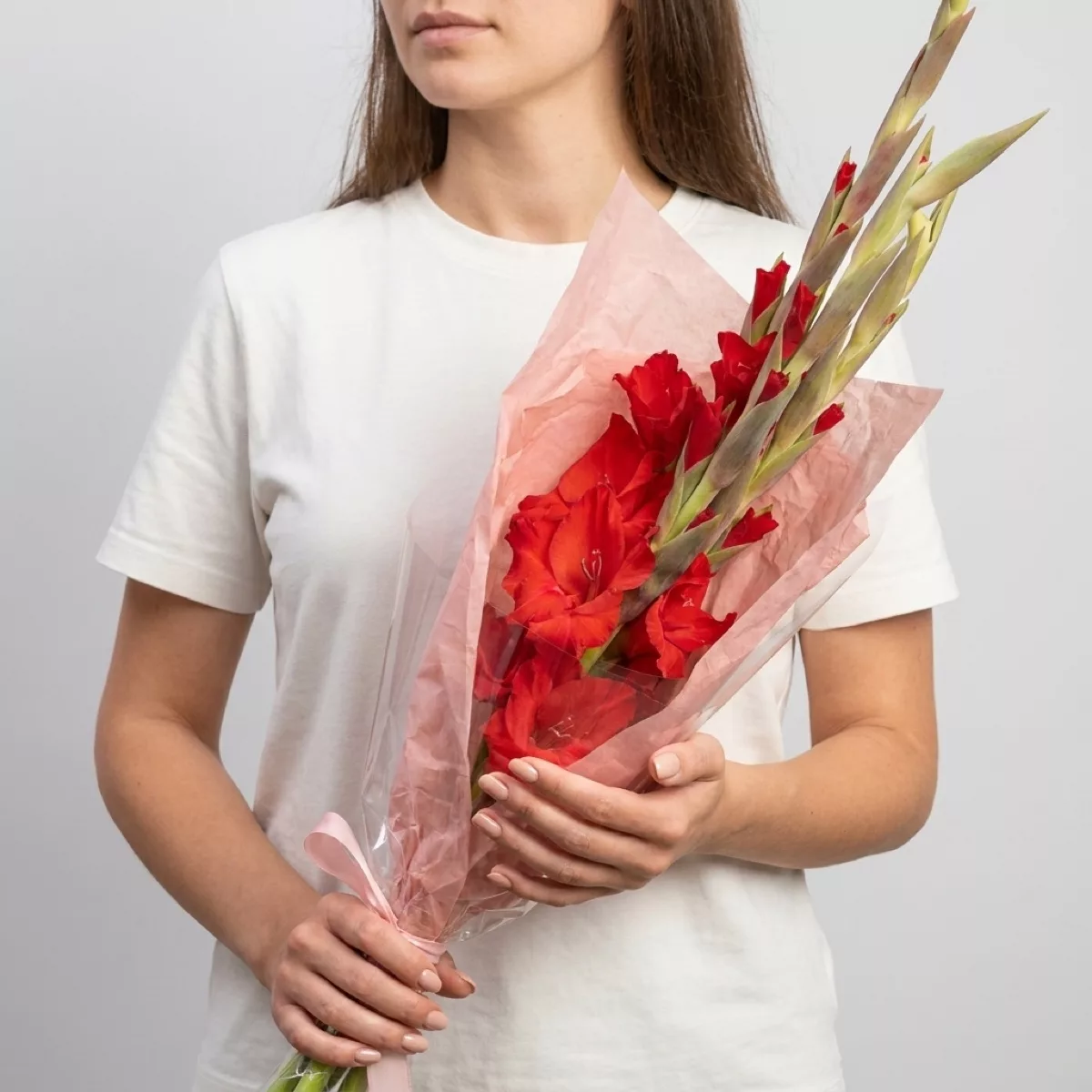
Bouquets we can deliver
What Russian Flower Customs Actually Look Like
If you have never given flowers inside Russia, a few customs will feel unfamiliar and are worth knowing so your gift lands the way you intend it. The most important one is the odd-number rule: bouquets given as celebrations or expressions of affection traditionally contain an odd number of stems — three, five, seven, eleven, and so on. Even numbers are associated with mourning and funerals, so a bouquet of twelve roses, perfectly normal in many countries, carries an unintended message in Russia. When you order, choose an odd quantity or trust a florist to compose the arrangement accordingly.
Russians also tend to appreciate presentation very seriously. A bouquet is not just the flowers; it is the wrapping, the ribbon, the way it is held together. Craft paper wrapping in neutral or kraft tones, with a satin ribbon and a handwritten card, signals care and effort. If you are sending to a woman — a mother, a partner, a colleague — a well-wrapped bouquet with a personal note will be received far more warmly than the same flowers in plain cellophane.
For name days and birthdays, roses and peonies remain the most universally appreciated choices. For professional milestones or teacher appreciation — which is celebrated on the fifth of October in Russia — chrysanthemums and spray roses in warm tones are classic and appropriate. Knowing the occasion lets the florist build something that feels right to the recipient, not just visually pleasing to you.
Choosing Flowers for the Season and the Person
Start from the recipient, not the flower. A grandmother turning seventy will feel differently about a tight cluster of garden roses than a colleague will. A young woman celebrating a promotion responds to something with movement and colour — ranunculus, lisianthus, or mixed seasonal stems — rather than a formal single-variety arrangement. Think about what she keeps in her home, what colours she wears, whether she has mentioned flowers in conversation. That context shapes the bouquet more than any trend.
Season is the next filter. In winter months — November through March — the reliable choices arriving in peak condition are roses, alstroemeria, carnations, and chrysanthemums. These varieties travel and hold well in cold. Tulips are available from late January and are enormously popular in Russia around late February and early March, when the country approaches Women's Day on the eighth of March, the single largest flower-gifting occasion of the year. If you are ordering around that date from abroad, place your order several days in advance.
Spring and summer open the range considerably. Peonies arrive in May and June and are genuinely beloved across Russia — a full peony bouquet in blush or coral is one of the most emotionally resonant gifts you can send. Sunflowers and dahlias carry summer warmth. In autumn, spray roses, eustoma, and solidago in amber and burgundy tones suit the mood of the season and the light in Nikolsk. Matching the flower to the time of year is not just practical — it makes the bouquet feel alive rather than generic.
Timing Your Order Across Time Zones
The time zone gap is the detail that catches most international senders off guard. Nikolsk sits on UTC+3, the same as Moscow. If you are in London, that is three hours ahead of you. If you are in New York, Nikolsk is eight hours ahead in winter and seven in summer. Los Angeles adds another three hours to that gap. What this means in practice is that a birthday delivery you want to land at eleven in the morning in Nikolsk needs to be ordered before nine in the morning Nikolsk time — and that could mean you need to be at your computer at six in the morning London time, or eleven at night the evening before in New York.
The safest approach for any international sender is to order the evening before, your local time, and schedule the delivery for the recipient's morning. Turboflora confirms the order and coordinates the delivery window, so you do not need to be awake when the bouquet is on its way. A confirmation message will reach you, and the recipient receives a notification as well.
For surprise deliveries — where the recipient does not know anything is coming — make sure the delivery address is complete and includes a flat or apartment number, a building entrance code if there is one, and a phone number for the recipient. In Russian cities, many residential buildings have coded entrance doors, and a florist without the code cannot reach the door. This single missing detail causes more failed deliveries than any other factor, so double-check the address before you confirm.
Bouquet Options Across Different Budgets
You do not need to spend extravagantly to send something genuinely beautiful. A modest bouquet of seven alstroemeria stems, wrapped in kraft paper with a ribbon and card, arrives looking considered and warm. Alstroemeria holds exceptionally well — each stem carries multiple blooms, so the recipient gets visual abundance even from a smaller arrangement. For a close friend or family member where the relationship is the message, this kind of honest, well-presented bouquet carries as much weight as something larger.
In the mid range, a mixed composition works beautifully for Nikolsk. Combining spray roses with lisianthus and a few stems of eucalyptus gives texture, depth, and a scent that fills a room. Eleven stems in a coordinated palette — soft pinks and ivory, or deep burgundy with cream — photograph well and last well, which matters because the recipient will likely want to keep them for a week or more. This is the range where the florist's skill in combination shows most clearly.
For significant occasions — a milestone birthday, a wedding anniversary, a major professional achievement — a mono-bouquet of premium roses or a large peony arrangement makes an impression that smaller compositions simply cannot. Twenty-five roses in a single rich colour, tightly wrapped in paper with a satin bow, is a classic Russian gift for important moments and will be understood immediately by the recipient as a serious gesture. Adding a small box of chocolates or a soft toy for a child's occasion is entirely normal and warmly received in Russian gifting culture.
Keeping the Flowers Fresh After Delivery
The bouquet arrives, the recipient is delighted — and then the flowers sit in a vase for three days before wilting. That outcome is almost always preventable, and sharing a few care instructions with the recipient is one of the kindest things you can do as the sender. You can include them in the card message or send them separately by message.
The first step is always a fresh cut. Every stem should be cut at an angle, about two centimetres from the bottom, using a sharp knife rather than scissors — scissors crush the stem tissue and reduce water uptake. Roses and alstroemeria in particular benefit from this. The cut should happen while the stem is under water or immediately before placing it in the vase, to prevent air from entering the stem.
Water temperature matters more than most people realise. Most cut flowers prefer cool or room-temperature water — not warm, and not icy. Change the water every two days and rinse the vase each time. Remove any leaves that sit below the waterline, as submerged foliage rots quickly and contaminates the water. Keep the vase away from direct sunlight, radiators, and ripe fruit — ethylene gas from fruit accelerates wilting noticeably.
With proper care, roses last seven to ten days. Alstroemeria and chrysanthemums can reach twelve to fourteen days. Lisianthus and eustoma hold well for eight to ten days. Tulips are shorter — five to seven days — but they continue opening after delivery, which gives them a lively, changing quality the recipient will enjoy watching. Peonies, if received as tight buds, will open over two to three days into full, generous blooms.
Common Mistakes Senders Make from Abroad
The most frequent mistake is leaving the address incomplete. Russian addresses have a specific structure: city, street, building number, apartment or office number, and often an entrance number and door code. If any of these pieces are missing, delivery becomes difficult in a residential building. Before you place the order, confirm the full address with the recipient — or with someone who knows it — rather than guessing.
The second common mistake is ordering too close to the occasion. If you are in a time zone that is significantly behind Nikolsk, placing an order on the morning of the birthday in your time zone may mean it is already afternoon in Nikolsk. The window for a morning delivery has closed. Ordering the evening before your local time removes this risk entirely.
A third mistake is choosing flowers by appearance in a photo without considering the season. Some flowers photographed beautifully in florist catalogues are out of season for the current month and will either not be available or will arrive having travelled long distances in poor condition. Trust the florist's seasonal recommendation over a catalogue image.
Finally, some senders forget to include a card message, or write one in a language the recipient does not read. The florist can include a handwritten note, but the text needs to come from you. Write the message in Russian if you can manage it — even a simple phrase in the recipient's own language adds warmth that a translated note from a stranger cannot replicate. If you write in English, ask someone to help you translate it before submitting the order.
Sending flowers to Nikolsk from another country is genuinely achievable, and when it works well, it closes a distance that no other gesture quite manages. The key variables are all manageable: time zones, seasonal availability, a complete address, and a clear understanding of what the occasion calls for. A florist who knows both the flowers and the city handles the rest. The person in Nikolsk opens the door, receives something beautiful and personal, and understands immediately that someone far away was thinking of them carefully enough to make it happen.
Frequently asked questions
Can I order flowers to Nikolsk if I do not speak Russian?
Yes. Turboflora's ordering process works in a way that allows international senders to place an order without needing Russian. Provide the recipient's full address including apartment number and entrance code, a contact phone number, and your card message — you can write it in English and we will help format it for the card.
How far in advance should I order for a birthday delivery in Nikolsk?
If you are outside Russia, order the evening before your local time. Nikolsk is UTC+3, so depending on your location the birthday morning there may arrive while you are still asleep. Placing the order early gives you a confirmed delivery window and removes the risk of missing the occasion by a few hours due to the time difference.
Are there flowers I should avoid sending to Russia?
Avoid even-numbered bouquets, as even numbers are associated with mourning in Russian tradition. Beyond that, yellow flowers can carry a connotation of separation or infidelity in some Russian regions, so if the relationship is romantic, choose other colours unless the recipient has specifically expressed a love of yellow blooms.
What happens if the recipient is not home when the flowers arrive?
The florist will attempt to reach the recipient by phone. This is why providing a working mobile number is essential when ordering. If contact cannot be made, delivery may be rescheduled. For surprise deliveries, you can also provide a neighbour's name or building concierge as an alternative contact, which helps prevent the bouquet from waiting in an unheated entrance.
Which flowers last longest for a recipient in Nikolsk who may not have vase experience?
Alstroemeria and chrysanthemums are the most forgiving — they last ten to fourteen days with minimal care and tolerate minor neglect better than roses or tulips. For a recipient who is unlikely to change the water frequently or trim the stems, these varieties are a practical and still beautiful choice that will look good for nearly two weeks.
Ready to send flowers?
Pick the city, choose the bouquet, and a local florist takes it from there.
Choose a city →