Sending Flowers to Nizhneudinsk from Abroad: What You Need to Know
You are sitting in Berlin, Toronto, or Dubai, and someone you care about is in Nizhneudinsk — a city tucked deep in the Irkutsk region of Siberia, roughly halfway between Moscow and Vladivostok. You want flowers on their table by the afternoon. The distance feels enormous, but the process is simpler than you might expect, provided you understand a few things about timing, climate, and what actually arrives looking beautiful after a long delivery route in Siberian temperatures.
Why Nizhneudinsk Is Different from Sending Flowers to Moscow
Nizhneudinsk sits in the Irkutsk region at a latitude and continental climate that most senders outside Russia do not picture when they think of the country. Winters here are long and severe, with temperatures regularly dropping to minus twenty-five Celsius or colder between November and March. Summers are short but genuinely warm, sometimes reaching thirty degrees. This range matters enormously for flower selection and delivery logistics.
A bouquet that travels through that climate must be chosen with the season in mind. Delicate open garden roses or ranunculus that would survive a London February without trouble can arrive bruised or wilted in a Siberian January if the wrong varieties are chosen or if the packaging is not suited to cold transit. Turboflora accounts for this at the packing stage, but as a sender you make better decisions when you understand the conditions your gift is travelling through.
Nizhneudinsk is also a smaller city, which shapes expectations around timing. Deliveries here follow the one-to-two-hour window that Turboflora maintains across Russia, but the window opens from the moment the order is confirmed and the bouquet is prepared locally. Knowing the recipient's schedule and address clearly — including the apartment number and any gate or intercom code — removes the single most common delay in smaller Russian cities. A missed delivery in Nizhneudinsk is harder to reschedule quickly than in a major metropolitan centre, so precision at the order stage pays off immediately.
Bouquets we can deliver

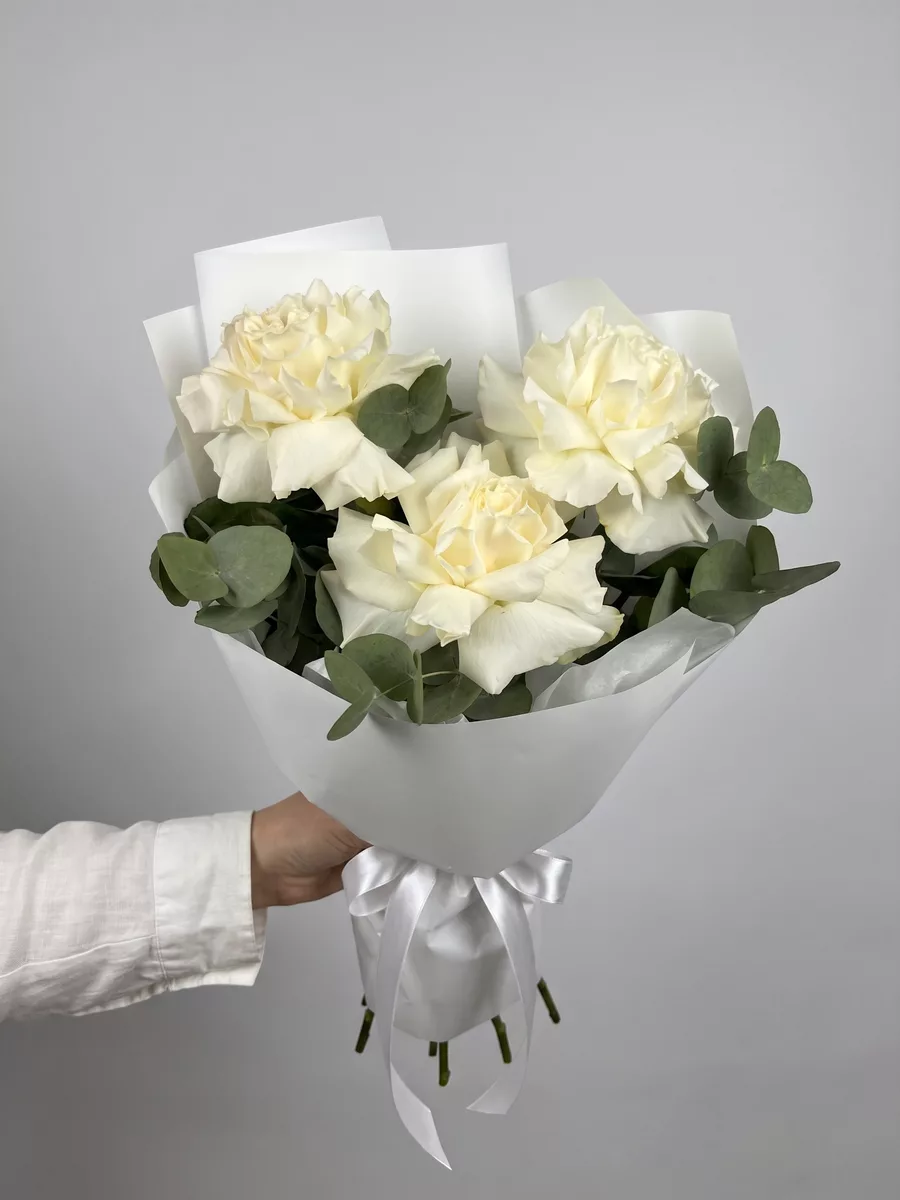
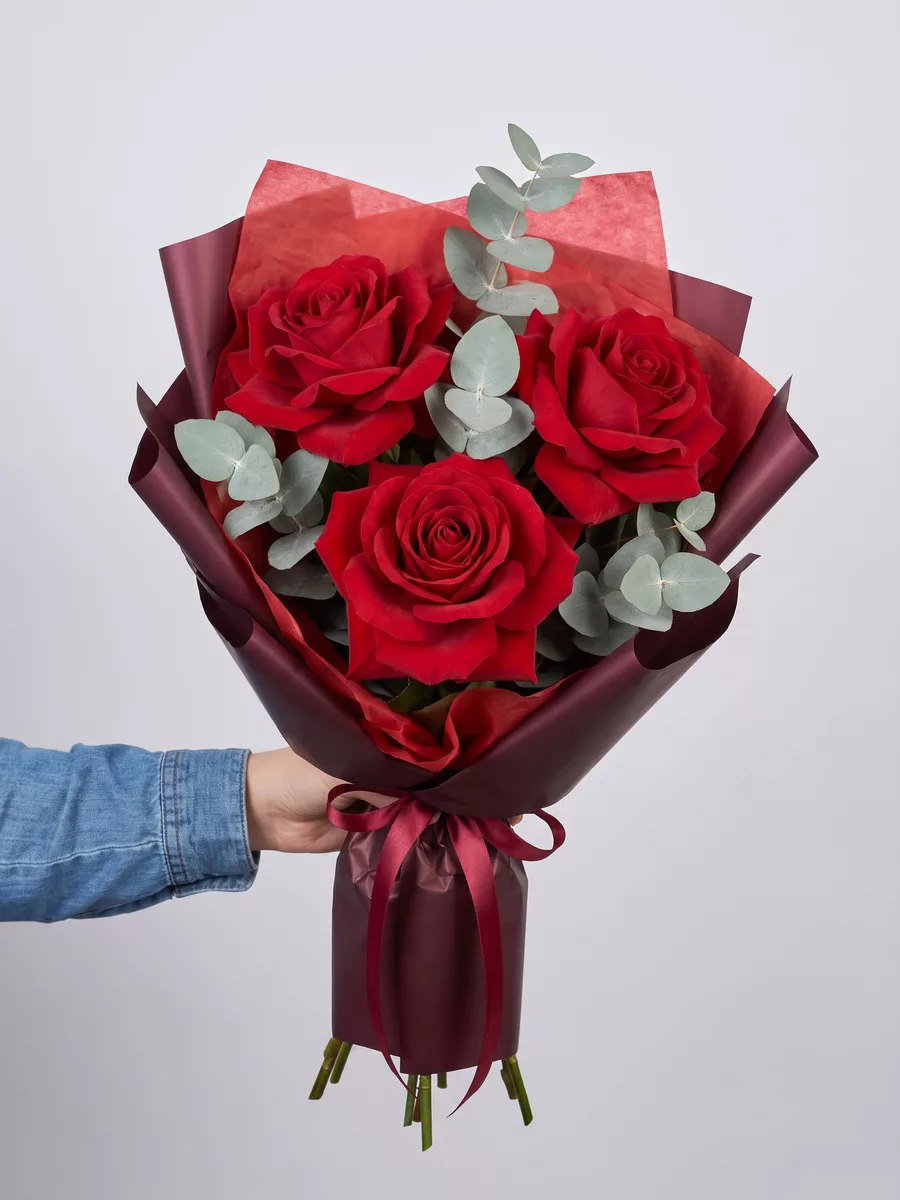
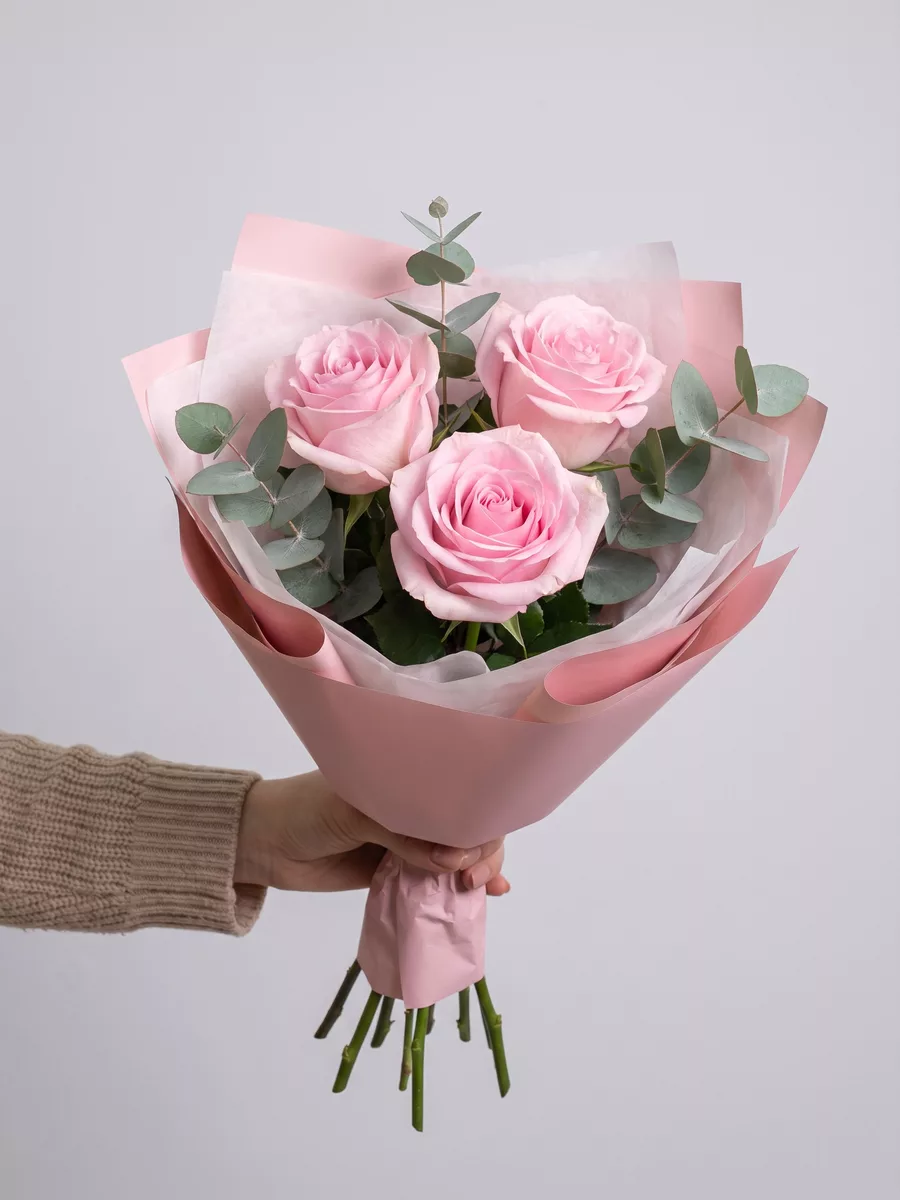
Choosing the Right Occasion Framing Before You Pick a Single Flower
Russian gifting culture places a lot of weight on the occasion itself, and flowers are almost always matched to it consciously. If you are sending to celebrate a birthday, a work anniversary, or a new home, the bouquet should feel celebratory and generous — volume and colour signal that you took the occasion seriously. If you are sending to express affection or simply to say you are thinking of someone, a smaller, more intimate arrangement with soft tones and interesting texture often lands more warmly than an oversized display.
One custom that surprises many international senders is the rule around flower count. In Russian tradition, even numbers of flowers are associated with mourning, so bouquets for living recipients are always composed of an odd number of stems — three, five, seven, eleven, and so on. This is not a superstition people will necessarily mention, but receiving an even-numbered bouquet can create an uncomfortable feeling. Every arrangement Turboflora prepares already follows this convention, but if you are describing a custom request, it is worth knowing why the florist will never suggest twelve roses.
The message card is also taken seriously. A handwritten-style note in Russian is appreciated, but a sincere message in English is perfectly fine — many recipients will treasure the foreign script. What matters is that the message names the occasion directly. Vague sentiments like 'thinking of you' feel warmer when they reference something specific: a graduation, a promotion, a first day in a new apartment. Concrete warmth reads better than abstract warmth across any language barrier.
Seasonal Flowers That Survive the Nizhneudinsk Climate Well
Winter in Nizhneudinsk — roughly October through April — calls for hardy, cold-tolerant stems. Spray chrysanthemums are excellent: they hold their structure through cold transit, open gradually over several days, and last ten to fourteen days in a vase with fresh water changes. Alstroemeria is another reliable winter choice, arriving as buds that open beautifully over a week indoors. Carnations, often underestimated, are genuinely resilient and can be composed into striking modern arrangements when mixed with eucalyptus or ruscus greens.
Roses are the most requested flower regardless of season, and they travel well in winter if they are selected as tight buds rather than fully open blooms. Ecuadorian and Colombian long-stem roses — varieties like Explorer, Proud, or Red Naomi — have thick petals and strong stems that handle cold packaging without bruising. Avoid requesting fully open garden-style roses in winter; they are simply too fragile for Siberian transit conditions.
Spring and early summer bring the opportunity for tulips, which are enormously popular in Russia around March and April, particularly around International Women's Day on the eighth of March — one of the most significant flower-giving dates in the Russian calendar. Peonies arrive in late May and June and are deeply beloved; a peony bouquet in Nizhneudinsk in June is one of the most joyful gifts you can send. Summer also supports lisianthus and gerbera, both of which thrive in warm indoor conditions and photograph beautifully if your recipient is likely to share the moment on social media.
Timing Your Order Across Time Zones
Nizhneudinsk operates on Irkutsk Time, which is UTC plus eight. That puts it five hours ahead of Moscow, eight hours ahead of Paris, eleven hours ahead of New York, and only one hour behind Beijing. For a sender in Western Europe, this means that a morning order placed at nine or ten o'clock local time will arrive in Nizhneudinsk in the early afternoon — a pleasant timing for a surprise. A sender in North America needs to plan the day before, since placing an order at noon Eastern Time means it is already late evening in Nizhneudinsk.
The most important practical step is confirming that the recipient will actually be reachable at the delivery address during the intended window. In Russia, many people work standard office hours Monday through Friday, and residential deliveries to apartments require someone to be present or a neighbour arrangement to be in place. Providing a mobile phone number for the recipient allows the delivery to be coordinated on arrival, which is standard practice.
Russian public holidays also affect delivery timing. Victory Day on the ninth of May, New Year from the thirty-first of December through the eighth of January, and International Women's Day on the eighth of March all generate enormous demand and, in some cases, adjusted schedules. Ordering at least twenty-four hours ahead of a major holiday is strongly advisable. The eighth of March in particular sees demand spike across the entire country simultaneously, so early ordering is not just courteous — it is the only way to guarantee the specific varieties and presentation you have in mind.
What to Write on the Card When You Are Far Away
The card that arrives with the flowers is often the part the recipient keeps longest. When you are sending from abroad, the physical distance between you and the person receiving the bouquet is already part of the emotional story — and the card is where that story becomes real and personal.
Write in whatever language feels most natural between you and the recipient. If you share Russian, use it. If your relationship has always been in English, German, or French, that is what the card should carry. A translated message that sounds stiff loses the warmth of the original; a genuine sentence in your own language, even if the recipient needs a moment to translate it, carries your actual voice.
Avoid generic phrases like 'wishing you all the best' without anything attached. Instead, reference the specific occasion, a shared memory, or something you are genuinely looking forward to. 'I remember you telling me about this birthday last summer — I hope the flowers make the day feel celebrated from here' is infinitely more affecting than 'Happy Birthday, warm regards.' The flowers are the visual impact; the card is the meaning.
If you are sending for a Russian holiday that you are less familiar with — such as Defender of the Fatherland Day on the twenty-third of February, which is broadly celebrated as a men's day — a simple acknowledgement that you know the occasion matters to them goes a long way. You do not need to know every custom perfectly. Genuine attention to the person and the date is what registers, not encyclopaedic knowledge of the tradition.
Bouquet Combinations That Work Well as Gifts in Siberian Homes
Russian homes, particularly in Siberian cities, tend to have warm interiors — central heating runs reliably and strongly through the winter, which means cut flowers placed indoors are in a warm, dry environment. This actually extends vase life compared to a cold, draughty European apartment, but it also means the flowers open faster. A bouquet of tight rose buds will be fully open within two days in a heated Nizhneudinsk flat in January.
For a birthday or celebration, a combination of long-stem roses in a single bold colour — deep red, coral, or ivory — with eucalyptus branches and a few stems of white waxflower creates a bouquet that looks abundant without being fussy. The eucalyptus adds scent and structure; the waxflower softens the edges. This combination holds well for seven to ten days with daily water changes.
For a more romantic or personal send, a mixed bouquet of garden-style spray roses, lisianthus in white or pale lavender, and a few stems of matthiola (stock) is both fragrant and visually layered. Matthiola has a sweet, clove-like scent that fills a room and is genuinely surprising to receive — most people have never been sent it before, which makes it memorable.
For spring sending, a mono-bouquet of tulips in a single colour — rich purple, bright yellow, or blush pink — is classic and deeply appreciated. Russians have a strong affection for tulips that goes beyond mere fashion; they are associated with the arrival of warmth and with the spring holidays, so a generous bunch of fifteen or twenty-one stems feels both timely and generous.
Vase Life, Care Instructions, and What to Tell the Recipient
One small act that makes a real difference: when you place the order, ask for basic care instructions to be included with the bouquet, or send a quick message to the recipient yourself. Many people in Russia — as everywhere — do not know that the first cut on the stems should be made at an angle, underwater if possible, to prevent an air bubble from blocking water uptake. This single step can add two to three days to vase life.
The water in the vase should be changed every day or every other day, and the stems should be recut by a centimetre each time. Flowers should be kept away from direct sunlight, radiators, and fruit bowls — ripening fruit releases ethylene gas, which accelerates wilting in cut flowers, particularly roses and tulips. In a Siberian winter home with strong central heating, placing the vase in a cooler part of the room overnight — near a window but not in a draught — can meaningfully slow the opening process and extend the display.
Spray chrysanthemums and alstroemeria are the most forgiving varieties for recipients who are not experienced with cut flowers; they require very little intervention and last reliably. Tulips will droop and then straighten again as they drink — this is normal behaviour, not a sign that the flowers are failing. Roses that have been in a warm room for several days can be revived with a fresh diagonal cut and a few hours in cool water up to the neck of the stem.
Sharing these small tips with the recipient, either through the card or a separate message, turns the gift into something they can actively care for — which extends both the flowers and the feeling of being thought of.
Sending flowers from the other side of the world to a city in Siberia is, at its core, the same act as handing a bouquet across a table — it is about making someone feel seen on a day that matters. The distance adds logistics, but it also adds meaning. When flowers arrive in Nizhneudinsk with a card in your handwriting and a variety chosen for the season, the recipient knows that the effort was deliberate and personal. Turboflora handles the cold transit, the timing, and the presentation; your part is simply to know what the person you are sending to deserves to feel when they open the door.
Frequently asked questions
Can I send flowers to Nizhneudinsk if I do not speak Russian?
Yes, entirely. Turboflora's ordering process is available in English, and the card message can be written in any language you choose. The delivery team handles all local communication with the recipient in Russian on your behalf. You only need the recipient's full address, including apartment number, and a Russian mobile phone number for coordination.
What is the best flower to send for International Women's Day on March 8th to someone in Nizhneudinsk?
Tulips are the traditional and most beloved choice for the eighth of March across Russia. A bouquet of fifteen or twenty-one stems in a bold single colour — yellow, pink, or purple — is both classic and genuinely appreciated. Order at least forty-eight hours in advance, as demand across Russia on this date is exceptionally high and specific varieties sell out quickly.
How do I make sure the flowers are not damaged by the cold during delivery in winter?
Turboflora packages all winter deliveries with thermal protection suited to Siberian temperatures. As a sender, you can help by choosing cold-hardy varieties — spray chrysanthemums, alstroemeria, carnations, and tight-bud roses are all excellent. Avoid requesting fully open blooms or delicate tropical varieties in November through March, as they are more vulnerable to cold transit even with proper packaging.
Does it matter what time of day I place the order if I am in a different time zone?
Yes, time zone awareness is essential. Nizhneudinsk is UTC plus eight, which is eight hours ahead of Paris and eleven hours ahead of New York. Place your order during Nizhneudinsk business hours to ensure same-day delivery. If you are in North America, plan to order the evening before the intended delivery date to account for the time difference.
Is it true that I should never send an even number of flowers in Russia?
Yes, this is a genuine and widely observed custom. Even numbers of flowers are associated with mourning in Russian tradition and are used at funerals. Bouquets for living recipients should always contain an odd number of stems. Turboflora follows this rule automatically in every arrangement, but it is useful to know if you are describing a very specific custom request or asking for a particular stem count.
Ready to send flowers?
Pick the city, choose the bouquet, and a local florist takes it from there.
Choose a city →