Sending Flowers to Nizhnyaya Tura from Abroad: What You Need to Know
You are sitting in Berlin, Toronto, or Dubai, and someone you love is in Nizhnyaya Tura — a quiet industrial town in the Sverdlovsk region of the Urals, far from the obvious flower routes. You want them to open the door and feel genuinely remembered. That is entirely possible, and this article tells you exactly how to make it happen without guesswork.
Why Nizhnyaya Tura Is Different from Sending to a Big City
Nizhnyaya Tura sits in the Ural mountains, roughly 200 kilometres north of Yekaterinburg. It is a small town with a population under 20,000, and that scale shapes everything about how a flower delivery works there. Streets are well-known to local couriers, addresses are straightforward, and neighbours often know each other — which actually makes the final handover simpler than in a dense Moscow apartment block.
What is less simple is the climate. The Urals run cold for most of the year. Winters are long and sharp, with temperatures regularly dropping below minus 20 degrees Celsius between November and March. That matters for flowers in transit: exposed stems, thin petals, and water-heavy blooms like hydrangeas can suffer badly in that cold if the courier is not prepared. A florist who understands this will insulate packaging and plan the route to minimise outdoor exposure.
Summer brings a genuine window of warmth from June through August, and spring arrives later than in European Russia — expect snow into April. If you are sending from a country where April feels like spring, remember that the recipient may still be wearing a winter coat. Choosing flowers that signal warmth and brightness, like sunflowers or orange gerberas, lands especially well during that long transitional season when people are genuinely longing for colour and light.
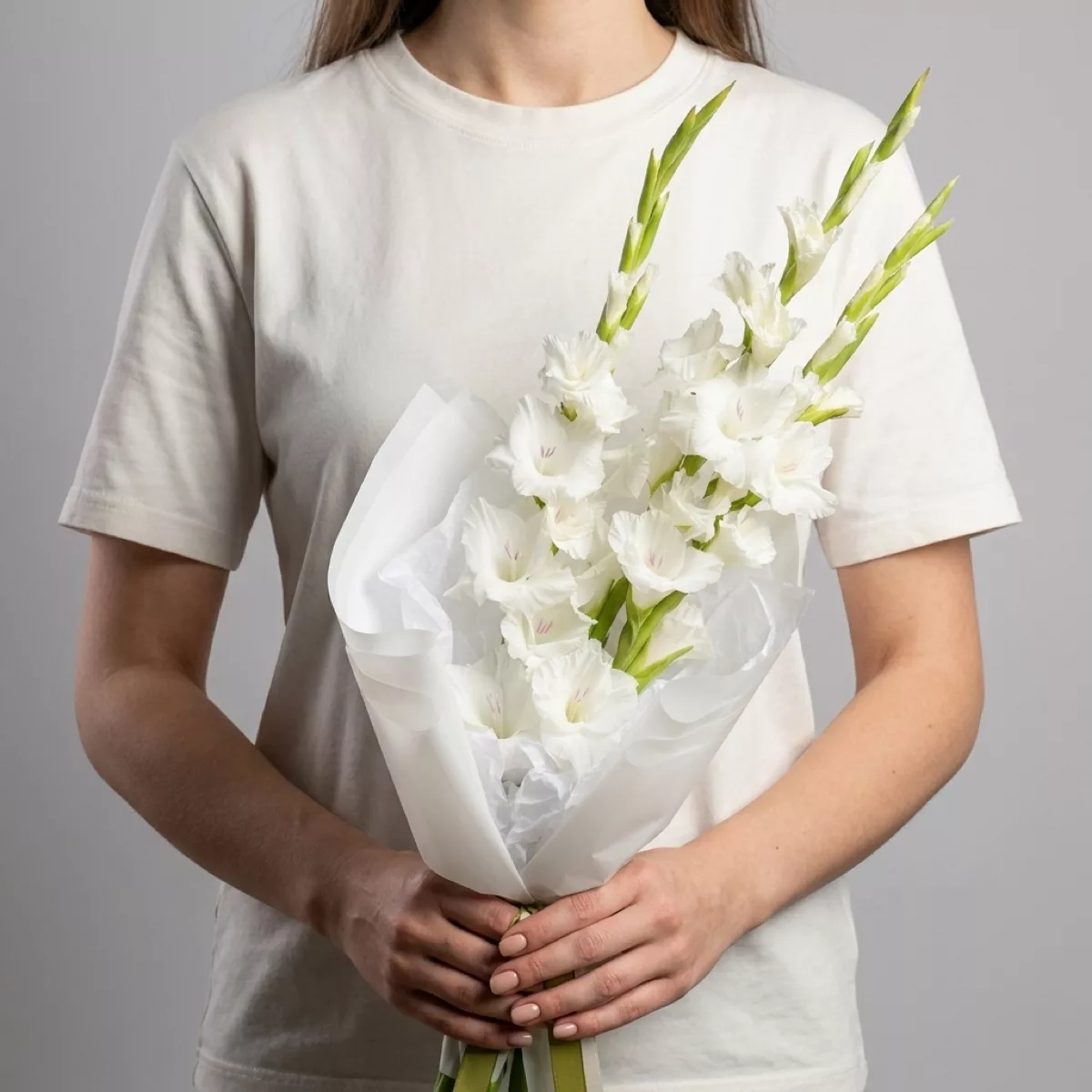
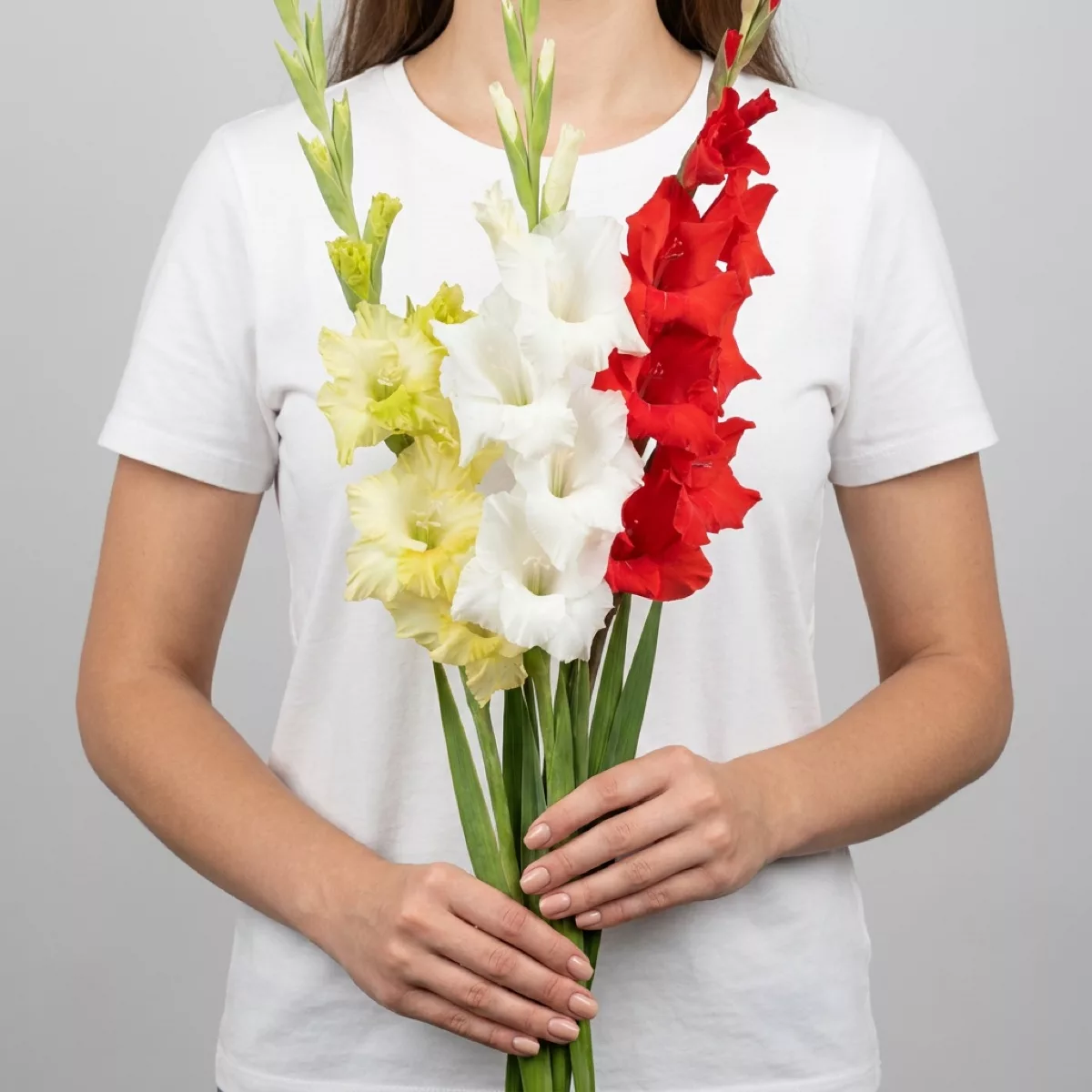
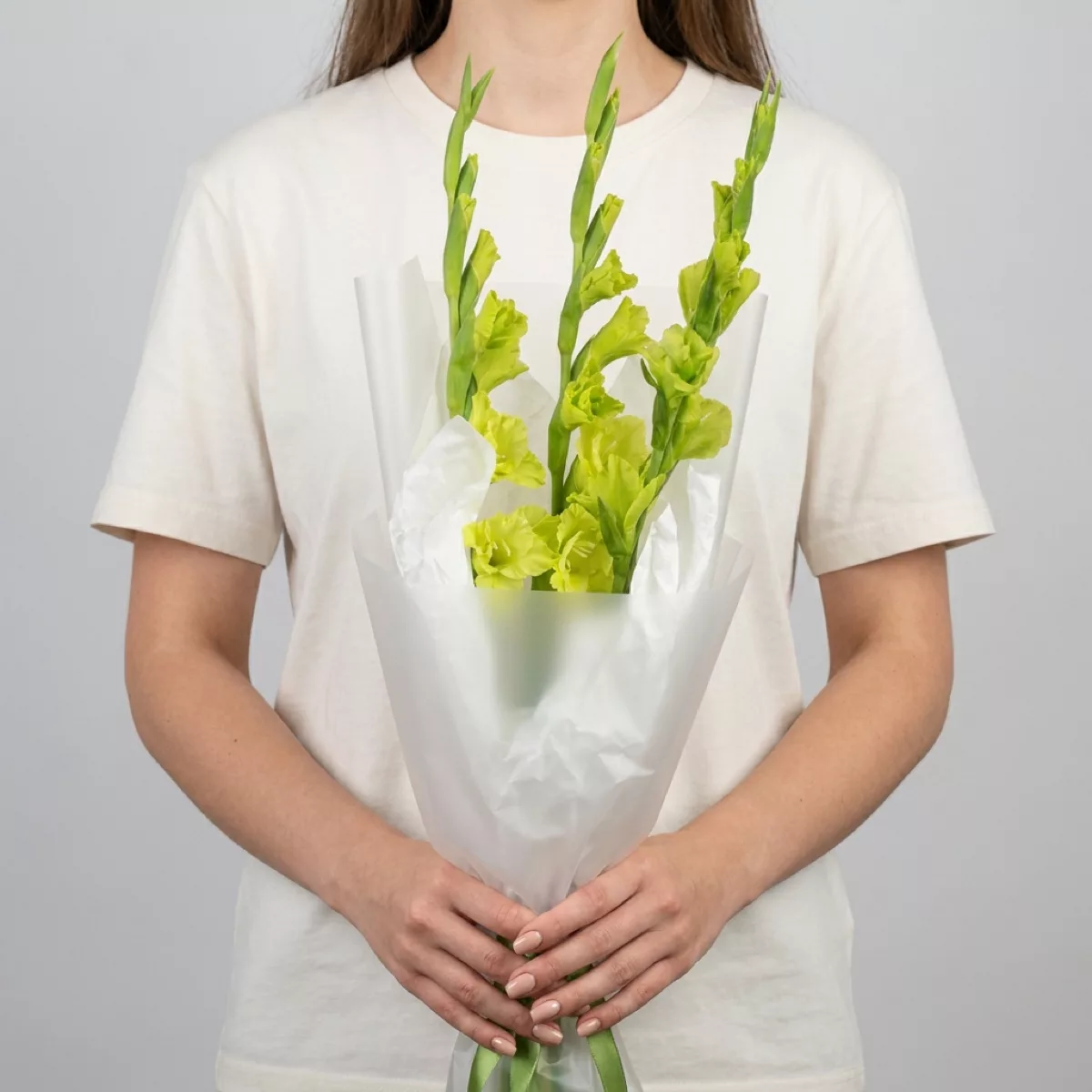
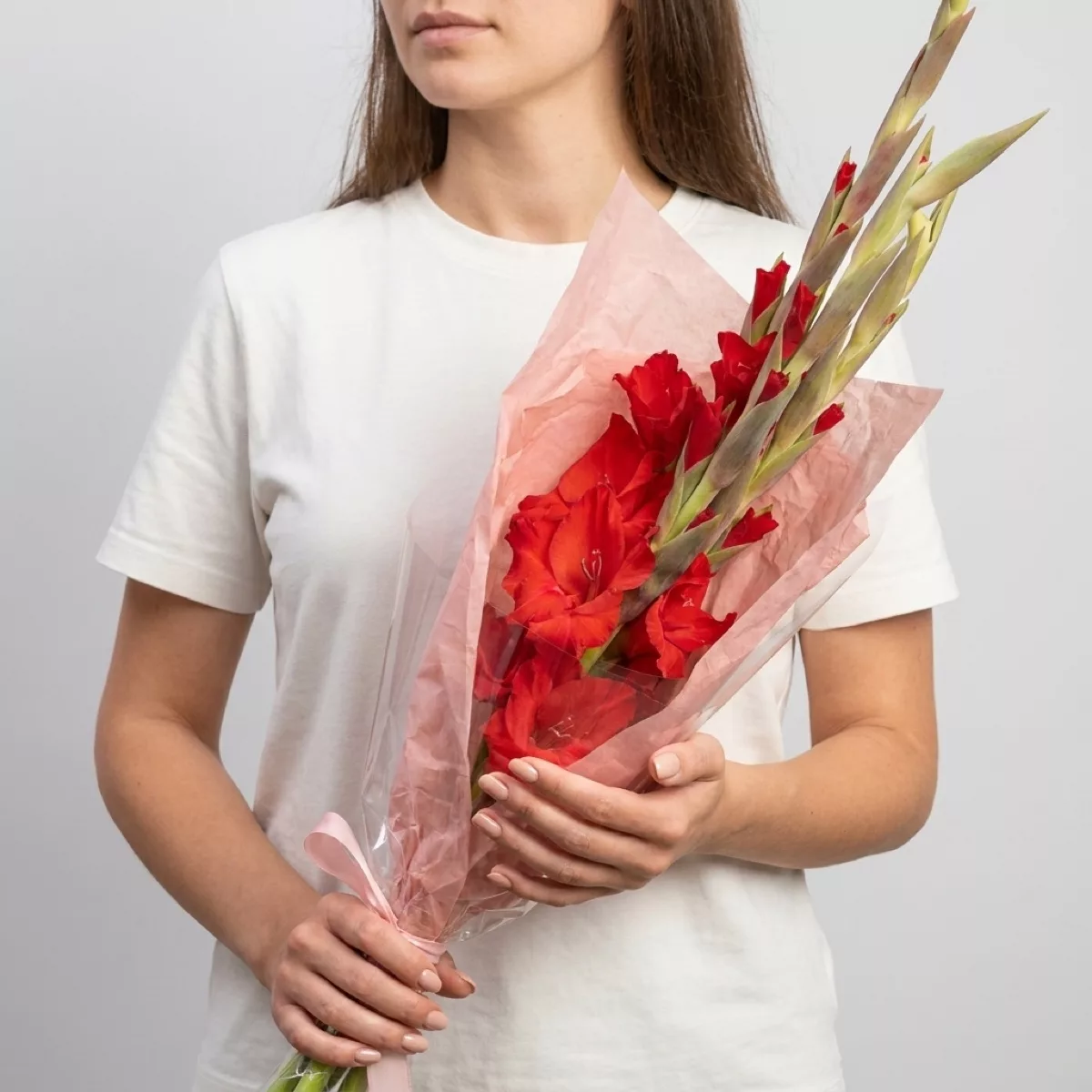
Bouquets we can deliver
Reading the Occasion Before You Choose a Single Stem
Before thinking about which flower, think about who is receiving it and what you want them to feel the moment the door opens. A grandmother celebrating her birthday in a small Ural town will likely respond to something traditional and generous — roses in a warm red or deep pink, wrapped in kraft paper with a ribbon, feel familiar and celebratory to her. A younger woman marking a professional achievement might love something more unexpected: a mixed bouquet of spray roses, lisianthus, and eucalyptus that looks like it came from a European florist.
Russian flower-giving has a few customs worth knowing if you are sending from abroad. Odd numbers of stems are for celebrations; even numbers are reserved for mourning. So if you are ordering a set quantity, keep it at five, seven, nine, or eleven rather than six or ten. This is not a rigid rule everywhere, but it is widely understood and respected, and a recipient in a smaller town like Nizhnyaya Tura is more likely to notice and appreciate the gesture.
The wrapping matters too. Russians tend to appreciate a bouquet that looks finished and considered — not just stems in cellophane, but a proper presentation with paper, fabric, or a box. When you write your order notes, mentioning the occasion gives the florist context to make those small decisions well. A birthday arrangement and a new-baby congratulation feel different even if they share the same flowers, and the difference lives in the details of colour, fullness, and the way the stems are gathered.
Timing Your Order Across Time Zones
Nizhnyaya Tura runs on Yekaterinburg time, which is UTC plus five. That is two hours ahead of Moscow, five hours ahead of London, and eight hours ahead of New York. When you place your order matters enormously, because a fresh flower delivery depends on the florist having time to source, arrange, and dispatch before the recipient is likely to be home.
The safest approach is to place your order the evening before delivery day by your own local time. If you are in Western Europe, placing an order at 9 p.m. your time means it arrives at the florist at 11 p.m. Yekaterinburg time — early enough to be processed first thing in the morning and prepared for a midday or early afternoon delivery. If you are further west, in North or South America, the time gap works in your favour for next-day delivery planning.
Avoid placing same-day orders if you are more than three time zones behind Yekaterinburg. By the time your order processes, the morning preparation window may already be closed. Same-day delivery is absolutely possible from closer time zones or if you order early in your own morning, but it requires that the florist still has the varieties you want in stock. Seasonal flowers — peonies in May and June, tulips in March and April — sell out faster than year-round staples like roses and chrysanthemums. Booking a day ahead gives you far more choice and guarantees the freshest cut.
Choosing Flowers That Survive the Ural Climate
Not every flower handles a cold Ural winter gracefully. As someone ordering from abroad, you want to choose varieties that are naturally robust and that a good florist can protect effectively during transit. Roses are the most reliable year-round choice: their petals are dense enough to withstand brief cold exposure, and they are available in every season. Garden roses with their cupped, layered heads are especially beautiful and hold up well.
Lisianthus is another excellent choice in cooler months. It looks delicate — almost like a ruffled peony — but it is surprisingly hardy and has a vase life of ten to fourteen days, which means the recipient enjoys it long after the delivery day. Alstroemeria, sometimes called Peruvian lily, is similarly tough and comes in warm oranges, pinks, and creamy whites that feel celebratory without being fragile.
In winter, avoid flowers with very high water content or thin petals: anemones, sweet peas, and open garden poppies are beautiful but vulnerable to cold damage in the final metres of delivery. Tropical flowers like anthuriums and birds of paradise can handle cold poorly and look wrong for the season anyway. In summer, the range opens up considerably: sunflowers travel well in warm weather, peonies are at their peak from late May through June, and mixed meadow-style bouquets with cornflowers, chamomile, and ranunculus feel perfectly right for the long Ural summer evenings. Match your flower choice to the season the recipient is actually living in, not the one you are experiencing.
Budget Ranges and What They Actually Look Like
When sending from abroad, it helps to understand what different spending levels produce in real terms, because the visual result matters as much as the number you type into a payment form. A modest budget produces a focused, single-variety bouquet — seven or nine roses in one colour, cleanly wrapped, with a card. This is not a compromise; it is a classic. A single-colour rose bouquet in a deep burgundy or a warm coral is often more elegant than a crowded mixed arrangement at the same size.
A mid-range budget allows for combination work: roses paired with lisianthus and a soft filler like wax flower or gypsophila, or a mixed seasonal bouquet where the florist can use what is freshest that day. These arrangements have more texture and visual depth, and they tend to photograph beautifully — which matters when the recipient will almost certainly send you a photo as a thank-you.
A generous budget opens the door to statement pieces: large-headed garden roses combined with peonies in season, eucalyptus branches for structure, and presentation in a hat box or a ceramic pot rather than a paper wrap. For a significant birthday, a work promotion, or a new home, this level of arrangement makes the recipient feel genuinely celebrated rather than simply remembered. Whatever your budget, specify the occasion in your order notes. A florist who knows they are building something for a 70th birthday will make different choices than one building for a casual thank-you, even with identical materials.
Writing the Message Card: Language and Tone
A handwritten card or printed message is part of the gift. If you are writing in English and the recipient reads it comfortably, that is perfectly fine — many Russians in any age group have at least some English, and a message in your own language can feel more personal and genuine than a translated version that loses your voice. Do not worry that an English card will seem strange or cold; it will not.
If you want to write in Russian but are not a speaker yourself, keep it simple and use a translation tool carefully. Short phrases translate reliably: happy birthday, congratulations, thinking of you, with love. Longer, more nuanced sentences can come out awkward or grammatically incorrect in machine translation, and the recipient will notice. Better to write warmly in English than stiffly in incorrect Russian.
One small cultural note: Russians often appreciate directness in sentiment. A card that says exactly what you mean — I am so proud of you, I miss you, you deserve this — lands better than vague pleasantries. The flower itself carries the visual emotion; the card is where you speak plainly. If the delivery is a surprise, you can ask in your order notes for the card to be placed inside the wrapping rather than visibly attached, which keeps the sender's identity hidden until the recipient unwraps the bouquet. That small theatrical detail adds a layer of delight to the moment of opening.
After Delivery: Helping Your Recipient Care for the Bouquet
You placed the order, the flowers arrived, and your recipient sent you a photo. Now the question is how long that bouquet will last. Vase life depends on the varieties chosen, how the stems were cut, and what the recipient does in the first hour. Sharing a few simple tips — even in a voice message after delivery — can double the time they enjoy the flowers.
The first step is always a fresh diagonal cut on each stem, about two centimetres from the bottom, using scissors or a knife rather than tearing. This opens the stem's water channels properly. The vase water should be cool and clean, changed every two days. Flower food sachets, which are often included with the bouquet, genuinely extend vase life by balancing the water's pH and providing a small amount of sugar.
Placement matters too. Flowers last longer away from direct sunlight, radiators, and fruit bowls. Fruit releases ethylene gas as it ripens, which accelerates petal drop — a banana on the kitchen table is a quiet enemy of a rose bouquet. In a cool Ural apartment in winter, flowers actually benefit from the lower indoor temperatures that many Russians maintain for comfort. Roses and lisianthus kept at around 18 degrees Celsius will easily last seven to ten days. Chrysanthemums, which are a staple of Russian bouquets and deeply familiar to recipients of all ages, can last two weeks or more with basic care. Knowing this can help you choose a variety that stays beautiful long after the initial surprise has settled.
Sending flowers to Nizhnyaya Tura from abroad is less complicated than the distance makes it sound. The key is understanding the climate, respecting the time zone gap when you place your order, choosing varieties that are honest about the season your recipient is living in, and writing a card that sounds like you. A bouquet that arrives fresh, well-wrapped, and accompanied by a genuine message does exactly what you want it to do: it closes the distance, at least for a moment, and makes someone in a small Ural town feel entirely seen.
Frequently asked questions
Can I order flowers to Nizhnyaya Tura if I do not speak Russian?
Yes, completely. The order form and customer communication are available in English. You can write your card message in English too — the florist will include it exactly as written. If you have specific requests about colours, flower types, or presentation, leave them in the order notes and they will be followed as closely as stock allows.
How far in advance should I place my order from a different country?
One day ahead is the safest window for most international senders. It accounts for time zone differences, gives the florist time to prepare the freshest arrangement, and ensures your preferred varieties are available. Same-day delivery is possible if you order early in your morning and are within five time zones of Yekaterinburg, but next-day booking removes all uncertainty.
What flowers should I avoid sending to Nizhnyaya Tura in winter?
Avoid thin-petalled, high-moisture flowers like anemones, open poppies, and sweet peas during cold months from November through March. These can suffer in the final stretch of outdoor delivery when temperatures drop below minus ten or fifteen degrees. Roses, lisianthus, alstroemeria, and chrysanthemums are far more resilient and still beautiful choices in winter.
Is an even number of flowers really a problem in Russia?
It is a widely observed custom, especially among older generations and in smaller towns. Even numbers are traditionally associated with mourning, so a bouquet of six or ten stems can feel unintentionally sombre to a recipient who knows the convention. Choosing five, seven, nine, or eleven stems costs nothing extra and shows cultural awareness that most recipients genuinely appreciate.
Can the delivery be a surprise, with the sender's name hidden?
Yes. When placing your order, note that you want the delivery to be anonymous or that the card should be placed inside the wrapping rather than on the outside. The courier will not reveal who sent the flowers unless you include that information on the card itself. Many senders enjoy letting the recipient guess before reading the message.
Ready to send flowers?
Pick the city, choose the bouquet, and a local florist takes it from there.
Choose a city →