Sending Flowers to Novokubansk from Abroad? Here Is What You Need to Know
You are somewhere far from Russia — another country, another time zone — and someone you care about is in Novokubansk, a quiet town in the Krasnodar region where a beautiful bouquet arriving at the door genuinely means something. The distance feels enormous, but the gesture does not have to. Ordering flowers internationally is simpler than most people expect, and knowing a few key details about timing, local customs, and seasonal availability will make the difference between a bouquet that arrives perfectly and one that misses the moment entirely.
Why Novokubansk Is Worth the Extra Step
Novokubansk is a small city in the Krasnodar Krai, a region known for its agricultural richness and warm southern climate. It sits far from the major logistics hubs of Moscow or Saint Petersburg, which means flower delivery there requires genuine planning rather than a last-minute click. That planning, however, is entirely manageable when you work with a service that has experience moving fresh flowers across Russia's wide geography.
For the person receiving the bouquet, a delivery to Novokubansk carries extra weight precisely because it is unexpected. In smaller Russian cities, flowers arriving from abroad feel remarkable — a clear sign that someone thought carefully and went out of their way. That emotional impact is worth every logistical detail you sort out in advance.
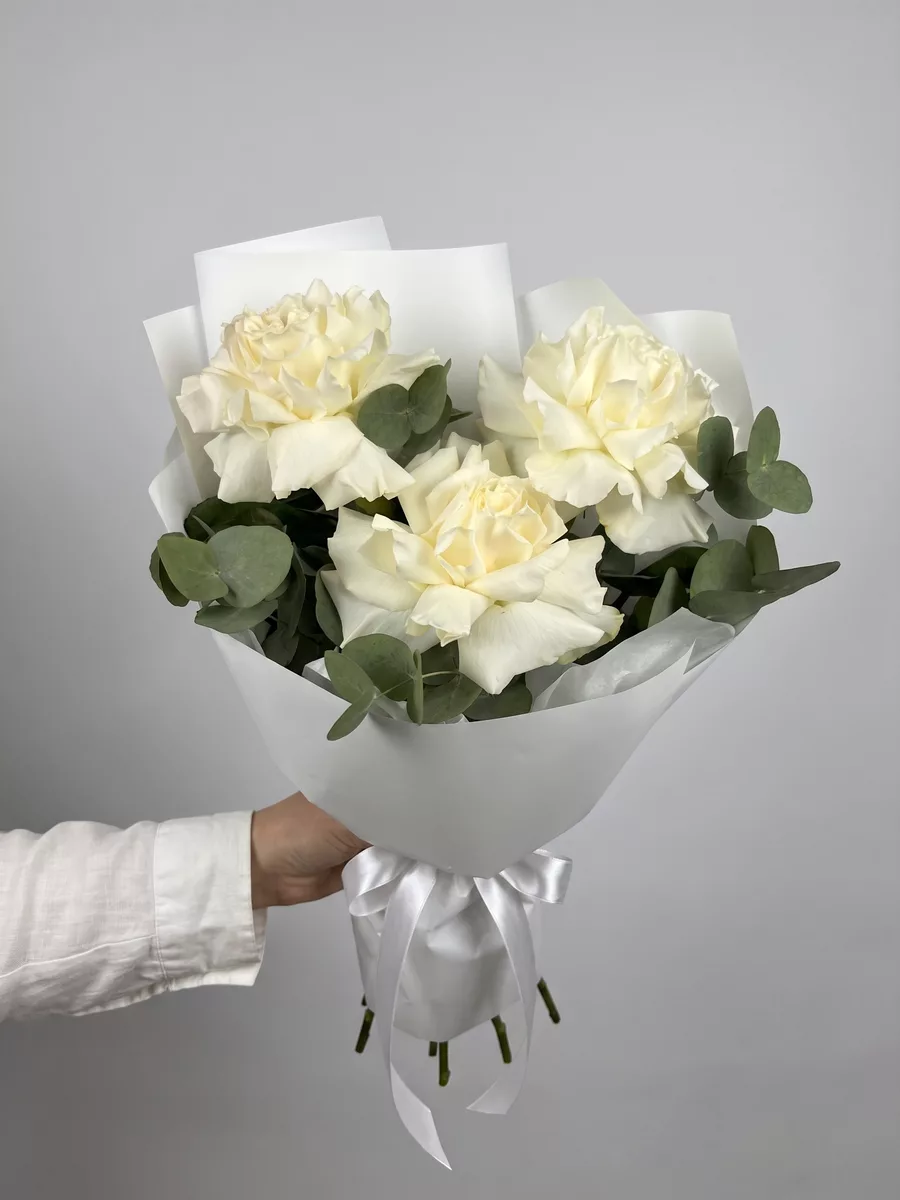
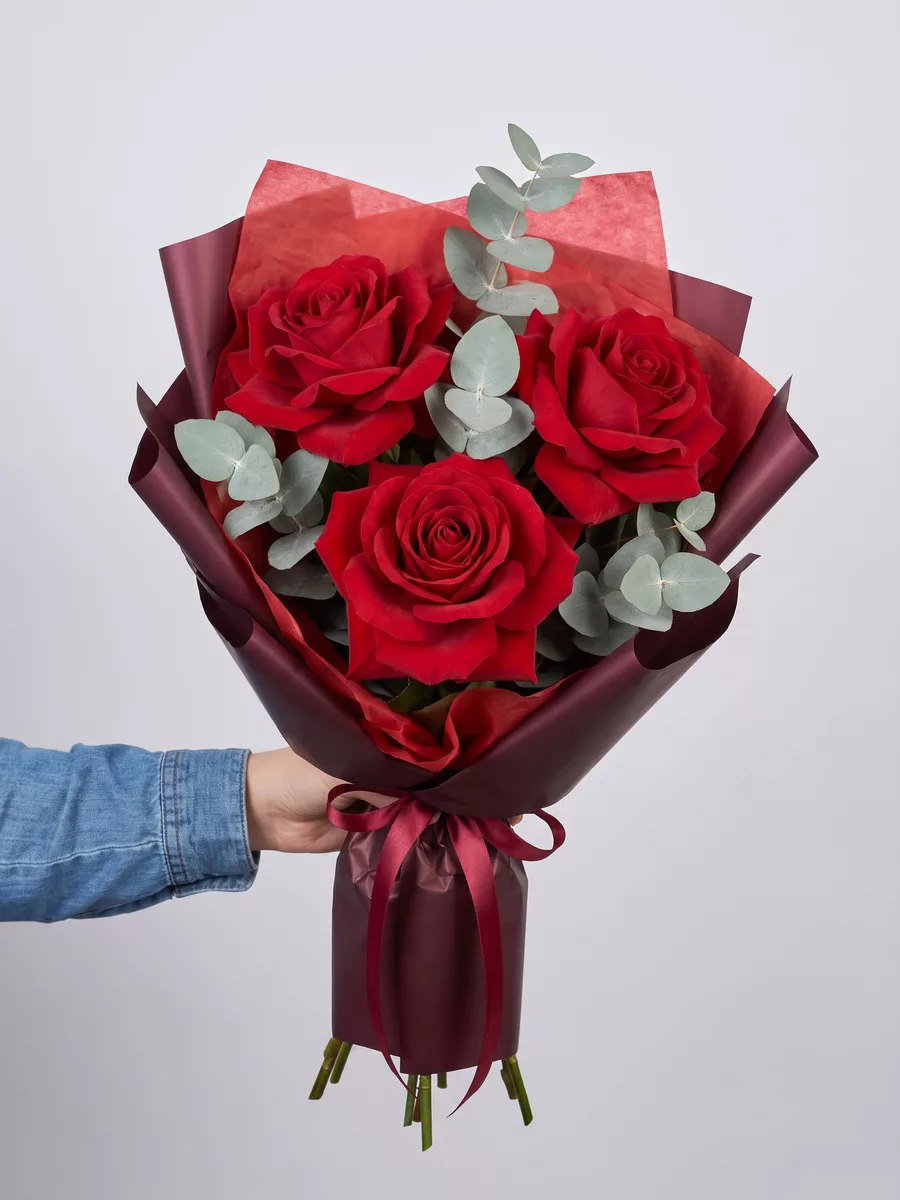
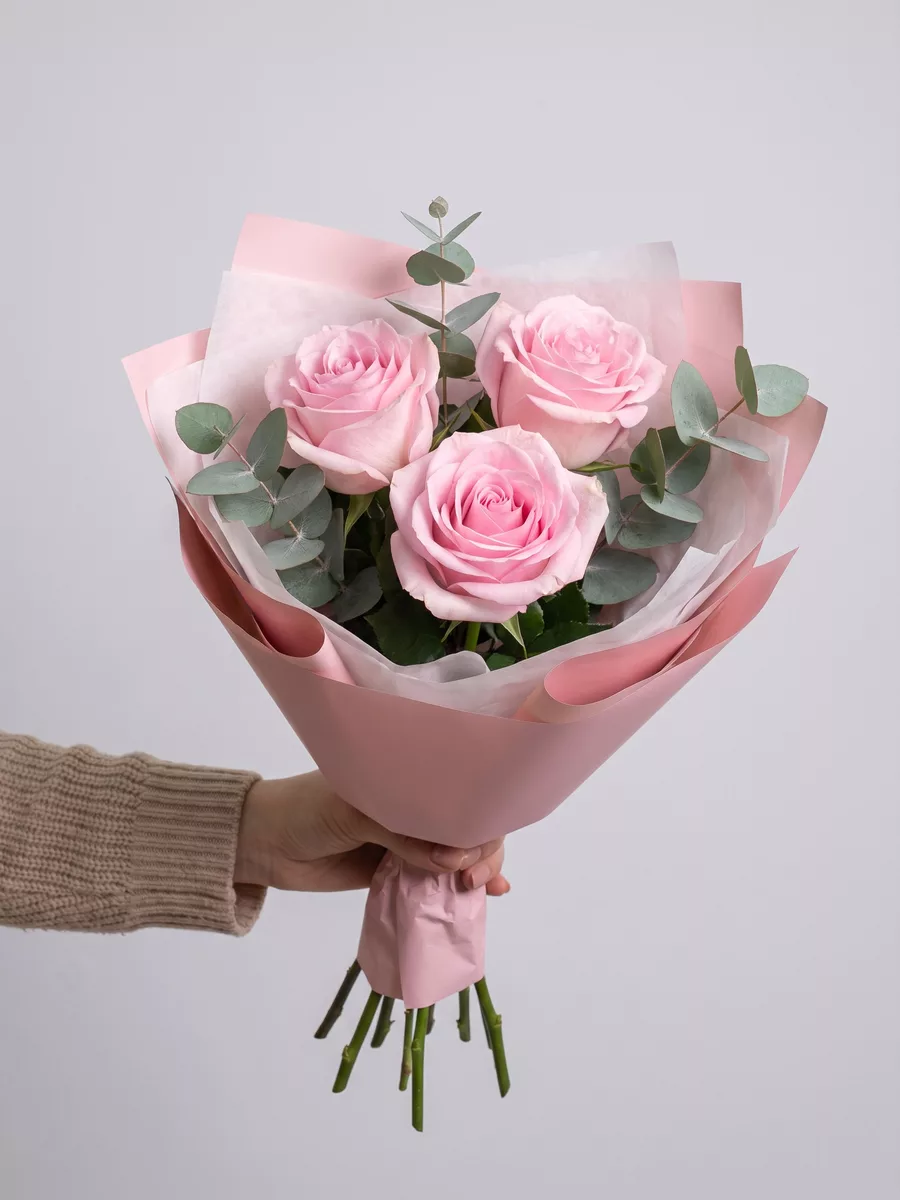
The Krasnodar region also has its own flower culture. Roses are deeply traditional here, as they are across southern Russia, and grand, full-headed varieties like Explorer or Red Naomi carry a sense of occasion. Sunflowers are beloved in this agricultural heartland and never feel out of place. Understanding that local affection for certain flowers helps you choose something that will genuinely resonate rather than simply look impressive on a screen.
Bouquets we can deliver

Timing Your Order Across Time Zones
This is where most international senders stumble, and it is entirely avoidable. Russia operates on Moscow Standard Time, which is UTC plus three hours and does not observe daylight saving. Novokubansk follows the same time zone. If you are ordering from Western Europe, you are already two to three hours behind. From North America, the gap stretches to eight or eleven hours depending on your coast. From East Asia or Australia, you may actually be ahead.
The practical consequence is simple: the moment you decide to send flowers, calculate what time it currently is in Novokubansk before you place the order. A same-day delivery placed at what feels like morning to you might already be late afternoon in Russia, which compresses the available delivery window significantly.
Turboflora delivers within one to two hours across Russia, and that speed is real — but it depends on the order arriving in the system with enough daylight and operational time remaining. For important occasions like birthdays or anniversaries, placing the order the evening before your local time is almost always the safer choice. It removes the time-zone arithmetic from the equation and gives the delivery team a comfortable window to prepare a truly beautiful arrangement rather than rushing. If you are unsure, the order form allows you to specify a preferred delivery window, which is the most reliable tool at your disposal.
Choosing the Right Flowers for the Occasion
Start with the person, not the product. Think about who is receiving the flowers and what you want them to feel when they open the door. A grandmother celebrating her birthday will respond differently than a young woman receiving a romantic gesture. A colleague being congratulated on a promotion needs something that reads as warm but professional. Flowers communicate all of these things, but only if you choose deliberately.
For romantic occasions, roses remain the clearest language in Russian flower culture. Deep red varieties signal passion, while soft pinks and creamy whites feel tender and intimate. Combining roses with lisianthus — a ruffled, delicate bloom that holds beautifully in transit — adds texture without competing with the main statement. Peonies, when in season from late spring through early summer, are extraordinarily popular across Russia and carry a sense of abundance that feels genuinely celebratory.
For friendship, gratitude, or congratulations, mixed bouquets work wonderfully. Gerberas in warm yellows and oranges feel energetic and joyful. Chrysanthemums, which are widely loved in Russia and often underestimated by international senders, offer long vase life and come in an impressive range of forms — from tight button varieties to large decorative heads. Alstroemeria fills out an arrangement beautifully and lasts well, which matters when you cannot be there in person to replace wilting stems. Think about the combination as a whole story, not a list of individual flowers.
What Russian Flower Customs Tell You About Presentation
If you are not familiar with Russian gifting culture, there is one tradition worth knowing immediately: flowers are almost always given in odd numbers. A bouquet of seven roses, nine tulips, or eleven mixed stems is considered auspicious and celebratory. Even numbers are traditionally associated with mourning and are avoided for all joyful occasions. This is not a superstition you need to adopt personally, but it is one the recipient will notice, and honoring it shows thoughtfulness.
Presentation matters enormously in Russia. A beautifully wrapped bouquet — kraft paper, soft tissue, or elegant fabric — signals that the sender put genuine care into the order. Loose, unwrapped flowers handed over as if they were groceries would feel underwhelming regardless of the variety. When ordering from abroad, look for options that include premium wrapping or a gift box, which also protects the flowers during the final delivery leg.
Russians also appreciate generous size. A modest five-stem bouquet can feel perfunctory compared to the lush, full arrangements that are typical for celebrations. If you are marking a significant moment — a milestone birthday, a graduation, a new home — err toward abundance. A bouquet that makes the recipient catch their breath when the door opens is the one they will remember and photograph. That reaction is what you are actually paying for, and it is worth choosing accordingly.
Navigating Seasonal Availability from a Distance
One of the genuine advantages of ordering through a professional flower service is that the team knows exactly what is available and in peak condition on any given day. As an international sender, you do not need to memorize seasonal calendars, but a general understanding helps you set realistic expectations and have more confident conversations about substitutions.
Roses are available year-round and are the most reliable choice regardless of when you are ordering. Tulips peak in late winter and spring, roughly February through April, and are spectacular during that window — but outside of it, quality can vary. Peonies have a relatively short season concentrated in May and June; if you order them outside that window, a good florist will suggest an equally lush alternative rather than send you something disappointing. Sunflowers are strong from summer through early autumn.
In winter, which in the Krasnodar region runs from December through February with temperatures that can drop to near freezing, cold-weather flowers like spray roses, carnations, and chrysanthemums are particularly practical choices. They handle the final delivery journey better than tropical varieties when outdoor temperatures are low. Orchid arrangements in a box are another excellent winter option — the enclosed packaging protects delicate blooms from cold air during transit. Communicating the delivery date clearly when you order allows the team to recommend what will genuinely look its best on that specific day.
How to Write a Card Message That Lands Well
The card is the voice of the bouquet. In Russia, handwritten or printed notes accompanying flowers are taken seriously and often kept long after the flowers have faded. If you are writing in English to someone who reads Russian, consider whether you want the message translated — some senders include both languages, which can itself feel like a touching gesture of effort.
Keep the tone warm and direct. Russian emotional expression in written form can be more openly sentimental than what feels natural in some Western cultures, and leaning into that warmth is appropriate. Phrases that express genuine feeling — telling someone exactly why you are thinking of them, what they mean to you, or what you hope they feel today — land far better than generic pleasantries.
Avoid overly formal language unless the relationship genuinely calls for it. Even a professional congratulation benefits from a human sentence or two. If you are congratulating someone on a birthday, mention something specific: a shared memory, a quality you admire, a wish tied to their actual life rather than a template. The flowers create the impression; the card makes it personal and lasting.
If you are uncertain about transliteration or want the message to read naturally in Russian, the order notes field is the right place to flag that request. A team that handles international orders regularly will understand exactly what you need and can help ensure the card reads the way you intended it to.
Care Instructions to Pass Along to the Recipient
Once the bouquet arrives, its future is in the recipient's hands. Most people in Russia know the basics of flower care, but a thoughtful message from you that includes a few tips adds another layer of care to the gift — and it extends the life of something you put effort into choosing.
The first step is always a fresh diagonal cut on each stem, made with a sharp knife rather than scissors, which can crush the vascular tissue and reduce water uptake. The stems should go immediately into clean, cool water. Warm water accelerates wilting in most cut flowers, so cooler is better. The vase itself should be rinsed thoroughly — bacteria in residual soap or old water are the fastest way to shorten vase life.
Roses, which are likely to be part of any significant bouquet, benefit from having their lower leaves removed so nothing sits below the waterline and rots. They prefer a cool room away from direct sunlight and heat sources like radiators, which are common in Russian apartments during the colder months. Changing the water every two days and re-cutting the stems each time can extend a good rose bouquet from five days to well over a week.
Chrysanthemums and alstroemeria are among the longest-lasting cut flowers and can hold for ten to fourteen days with basic care. Gerberas prefer shallow water rather than a deep vase. Tulips continue to grow after cutting and will bend toward light, so rotating the vase occasionally keeps them looking balanced. Sharing these details shows that your attention to the gift did not stop at the checkout page.
Sending flowers to Novokubansk from abroad is one of those gestures that closes a distance no flight schedule can easily bridge. When you choose the flowers with the recipient in mind, account for the time zone before you place the order, and respect a few simple local customs around numbers and presentation, what arrives at that door is not just a bouquet — it is a clear, beautiful signal that the distance between you is smaller than it looks. The person receiving it will understand exactly what it took, and that understanding is the real gift.
Frequently asked questions
Does the warm Krasnodar climate affect which flowers survive the delivery to Novokubansk in summer?
Yes, and it matters more than most senders expect. Summer temperatures in the Krasnodar region can stress delicate blooms during the final local leg of delivery. Roses with dense, firm heads like Red Naomi hold up better than open garden varieties. Sunflowers are an excellent summer choice precisely because they are naturally robust and deeply familiar to people in this agricultural region.
Will a bouquet sent from abroad actually feel special to someone in Novokubansk, or is international delivery common there?
It will feel genuinely remarkable. Novokubansk is a small, quiet city where flowers arriving from another country are not routine. Recipients there understand immediately that the sender went out of their way, which adds emotional weight the bouquet itself cannot carry alone. That context makes even a straightforward arrangement of roses land as something considered and significant.
Can I include a message in English on the card, or should it be translated into Russian for a Novokubansk recipient?
A message in Russian will almost always mean more. Most residents of smaller Krasnodar cities are not English-dominant, and receiving a card in their own language signals real effort. Many international flower services offer basic translation, and even a short phrase written in Russian rather than English shifts the tone from logistical to personal in a way the recipient will notice.
Are roses genuinely the right choice for Novokubansk, or is that a cliché?
Roses are the right choice because they are genuinely traditional across southern Russia, not because they are a default. In the Krasnodar region specifically, full-headed varieties carry a sense of occasion that locals recognise and respond to. Pairing them with something regional like sunflowers or seasonal greenery gives the bouquet local character without moving away from what the recipient will find beautiful and appropriate.
How do I make sure the order reaches Novokubansk on a specific date given the time zone difference?
Place the order at least 48 hours before the intended delivery date and convert your local time to Moscow Standard Time, which is UTC plus three. Novokubansk follows that same time zone with no daylight saving adjustment. Submitting before midday Moscow time on the day prior gives the local florist or courier sufficient lead time to prepare and schedule the delivery without rushing the arrangement.
Ready to send flowers?
Pick the city, choose the bouquet, and a local florist takes it from there.
Choose a city →