Sending Flowers to Novovoronezh from Abroad: What You Need to Know
You are somewhere far from Russia — a different time zone, a different season, possibly a different language — and someone you care about is in Novovoronezh waiting, perhaps without knowing it yet. Sending flowers across that distance is entirely possible, and when it goes well, the bouquet arrives within an hour or two of your order, fresh and arranged as if you had walked it to the door yourself. What follows is everything a sender outside Russia needs to understand to make that happen smoothly.
What Novovoronezh Is Like and Why It Matters for Your Order
Novovoronezh is a compact city on the Don River in the Voronezh Oblast, about forty kilometres south of Voronezh itself. It is a city where people know each other, where a bouquet arriving at a workplace or apartment building is noticed and remembered. That social visibility matters when you are choosing flowers from abroad — a modest arrangement can feel underwhelming in a setting where presentation carries real weight.
The city sits in a continental climate zone, which means summer temperatures can climb well above thirty degrees Celsius and winters can drop to minus fifteen or lower. Both extremes affect how flowers travel and how long they last once they arrive. In July and August, delicate open roses or ranunculus can wilt quickly if a recipient leaves them on a sunny windowsill, so choosing varieties with stronger cell structure — spray roses, alstroemeria, or lisianthus — is worth considering for warm-month deliveries.
Novovoronezh is not a large metropolitan centre, which means your recipient is likely to be at a home address rather than a corporate office. Delivery instructions should be clear: building number, entrance number, floor, and apartment number are all standard parts of a Russian address and every field matters. Leaving any of them blank slows the delivery. When you order through Turboflora, the address form prompts you through each field, so nothing is accidentally skipped.
Bouquets we can deliver

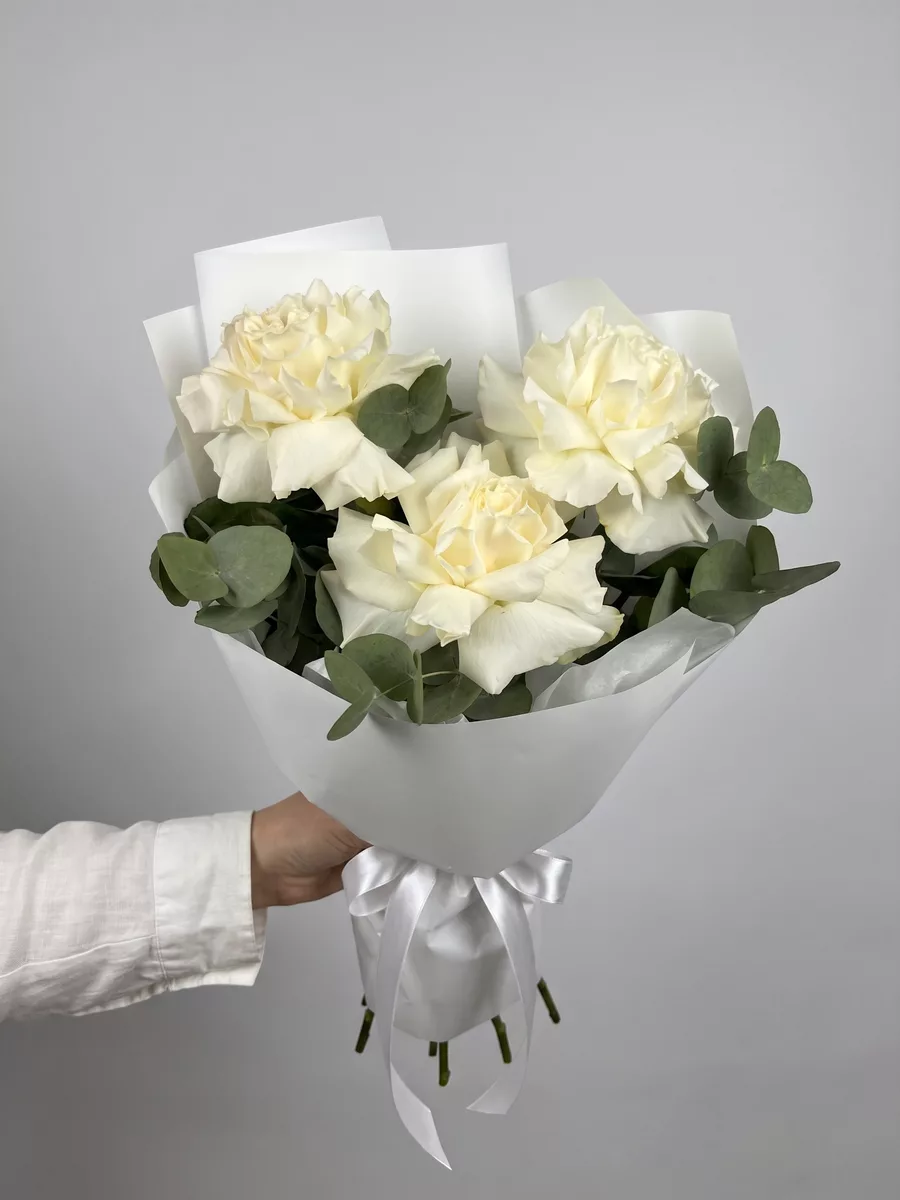
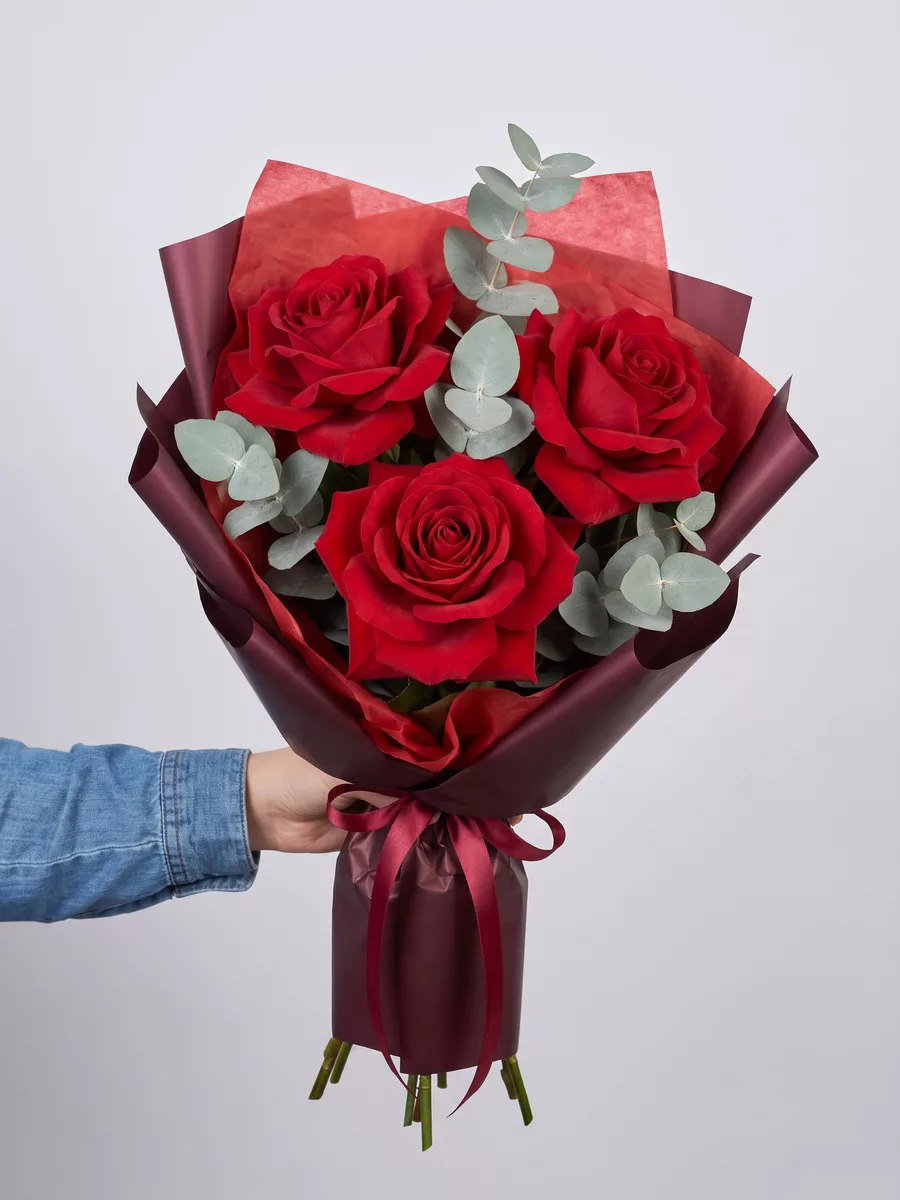
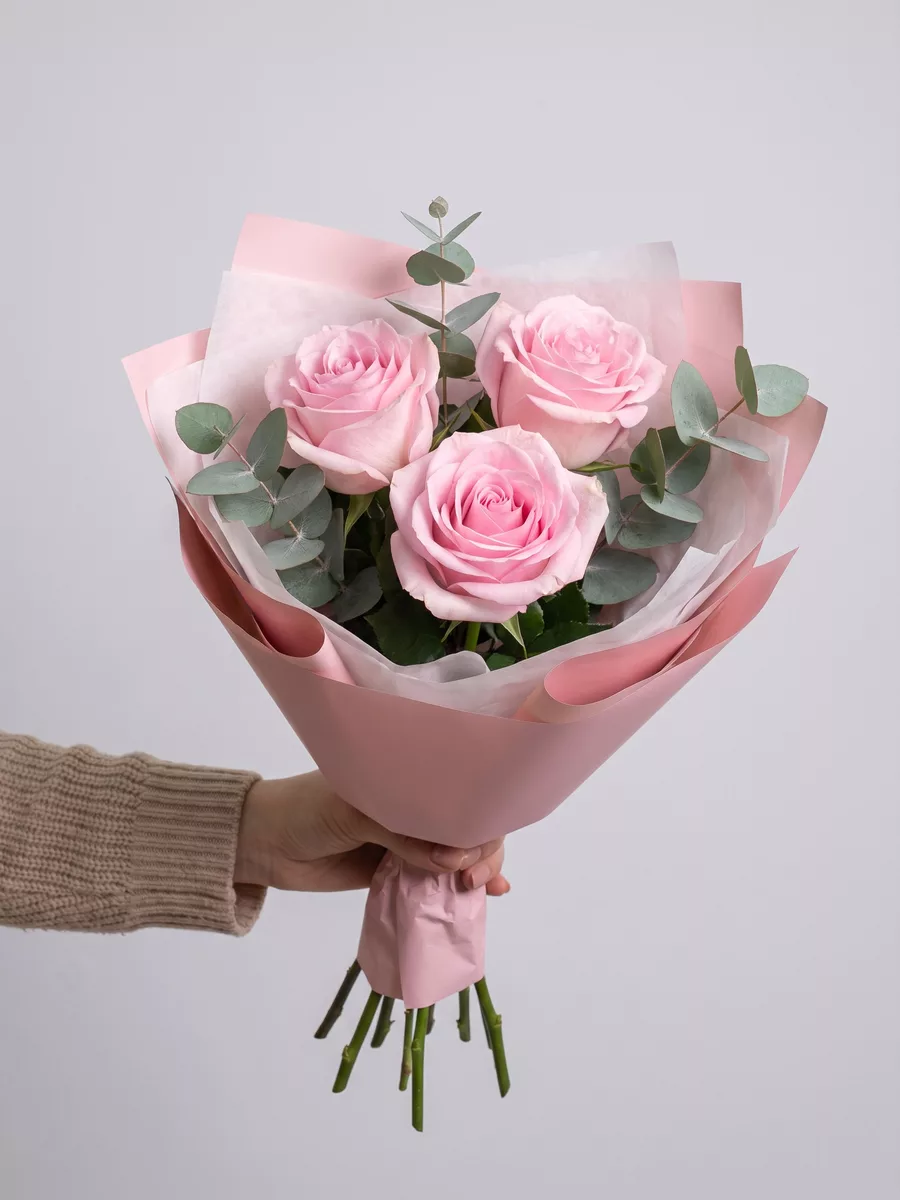
Timing Your Order Across Time Zones
Novovoronezh operates on Moscow Standard Time, which is UTC plus three hours and does not observe daylight saving. If you are in London, that is three hours ahead of you in winter and two hours ahead in summer. New York is eight hours behind Novovoronezh in winter, nine in summer. Sydney sits about eight hours behind Moscow time depending on the season. Before you place an order, convert the local Novovoronezh time carefully — sending a bouquet at what feels like mid-morning to you might mean it arrives at your recipient's door late in the evening.
Turboflora delivers within one to two hours of the order being confirmed. That window is real and consistent, but it only begins once your payment clears and the address is confirmed. International card payments occasionally trigger fraud checks, which can add a few minutes. Using a payment method your bank already recognises for foreign transactions avoids that friction.
The most reliable approach is to order at least two to three hours before the moment you want the flowers to arrive. If the occasion is a birthday dinner starting at seven in the evening Novovoronezh time, placing the order before five gives comfortable margin. For morning surprises — flowers waiting when someone wakes up or arrives at work — ordering the evening before and scheduling delivery for a specific morning window is the cleanest solution. Think of the time zone not as a barrier but as a scheduling tool: it simply requires you to plan one step earlier than you would for a local delivery.
Choosing Flowers for the Person, Not Just the Occasion
Russian gifting culture places real emphasis on the number of flowers in a bouquet. An odd number — five, seven, nine, eleven stems — is the standard for a living recipient. Even numbers are reserved for memorial contexts. This is not a superstition to dismiss; recipients notice, and florists in Russia follow this convention automatically. When you order through Turboflora, bouquets are assembled with this in mind, so you do not need to count stems yourself.
Beyond numbers, think about the person receiving the flowers. A woman in her sixties who tends a garden will likely respond more warmly to peonies, garden roses, or freesia — flowers with a familiar, natural quality — than to a tightly structured modern arrangement. A younger recipient might love the drama of deep burgundy dahlias mixed with eucalyptus, or a monochromatic white bouquet of lisianthus and matthiola. A colleague being thanked for a favour might appreciate something cheerful and uncomplicated: bright gerbera daisies or a loose bundle of sunflowers with seasonal greenery.
For romantic occasions, red roses remain the clearest signal in Russian culture — no interpretation required. But if you want something that feels more considered, a bouquet of garden roses in blush or cream tones combined with dusty miller or ruscus reads as genuinely thoughtful rather than formulaic. Tulips are beloved in spring and feel festive without being heavy. Chrysanthemums are widely appreciated and last exceptionally well, making them a practical choice if you are unsure how quickly the recipient will find a vase.
Seasonal Availability and What Grows When
Flowers available in Novovoronezh follow the same seasonal rhythms as the broader Russian market, with some varieties imported year-round and others genuinely tied to the calendar. Knowing this helps you set realistic expectations and make choices that feel right for the moment rather than generic.
From March through May, tulips are everywhere and genuinely beloved — they are the flower of Russian spring in the way daffodils are in the United Kingdom. Peonies appear from late May into June and are intensely popular; if your recipient's birthday or anniversary falls in that window, peonies in soft pink or white are almost impossible to get wrong. Summer brings dahlias, eustoma, and lush garden roses. September and October are rich months for dried-look textures — celosia, cotton stems, and warm-toned chrysanthemums sit beautifully together in autumn arrangements.
Winter is not a bare season. Roses, alstroemeria, carnations, and spray roses are available reliably through the cold months because they are imported from Ecuador, the Netherlands, and domestic greenhouse operations. Amaryllis appears around the New Year period and feels appropriately celebratory. Hyacinths come in from January onward and carry a scent that travels across a room — a welcome quality in a season when windows stay shut.
If you are ordering in July or August, ask for varieties that handle heat well. Alstroemeria, lisianthus, and carnations are all structurally robust. Avoid ordering fully open garden roses for summer delivery if the recipient does not have air conditioning, as they can open fully within twenty-four hours in a warm apartment.
Writing a Card Message That Lands Well
A card message sent from abroad carries extra weight because it is often the only part of the gift that uses your voice directly. Russian recipients are accustomed to warm, sincere messages — understated wit or irony can get lost in translation, so if you are writing in English and asking for it to be transliterated or translated, keep the language direct and genuine.
If you want the card written in Russian, you can write your message in English in the order notes and ask for a translation. Keep the source text simple: short sentences, no idioms, no cultural references that require shared context. A message like "Thinking of you on your birthday, wishing you a wonderful year ahead" translates cleanly and reads warmly in Russian. A message built around a private joke or a phrase that only makes sense in your shared history is better left in your original language with a brief explanation.
Russian card conventions tend toward the heartfelt rather than the humorous for most occasions. Birthdays often include wishes for health, happiness, and success — these are not clichés in Russian culture but genuinely valued sentiments. Name days, which are celebrated in Russia alongside birthdays, are another occasion where a card message matters. If you know your recipient celebrates their name day, acknowledging it specifically is a thoughtful touch that shows cultural awareness.
Sign the card with your name in a form the recipient will recognise. If they know you by a nickname, use it. A card signed with a formal name from someone the recipient knows casually can create a moment of confusion before the warmth lands.
How to Handle the Delivery Practically
Ordering from abroad means you will not be available to answer the door or manage any last-minute questions in real time. Setting up the delivery carefully at the point of order is the most important practical step you can take. The more information you provide upfront, the smoother the handoff.
Include the recipient's full name and mobile number. In Russia, delivery drivers typically call ahead to confirm they are arriving, which is standard practice and appreciated — it means the recipient is ready at the door rather than missing the bell. If your recipient does not speak English, this is not a problem: the driver will call from a Russian number and communicate in Russian, which is entirely normal.
If the delivery is a surprise, note that in the order comments. The driver can be instructed not to mention who sent the flowers until the card is opened. This works well for birthdays and anniversaries where you want the reveal to happen at the right moment. However, if the recipient is elderly or lives alone and might be startled by an unexpected visitor, it is sometimes kinder to give a small hint that something is coming — you can send a message saying simply that something is on its way without spoiling the contents.
For apartment buildings, specify whether there is an intercom code, a gate code, or any access instruction. Novovoronezh apartment buildings often have entry intercoms, and without the right code the driver cannot reach the door. A missed delivery in a city where you cannot step in personally is the most common avoidable frustration for international senders.
Helping Your Recipient Keep the Flowers Fresh
The bouquet arrives fresh, but its life after that depends on what happens in the first hour. If you can reach your recipient before or just after delivery, a few simple words will extend the flowers significantly — especially if they are not in the habit of caring for cut flowers.
The first step is always a fresh cut. Stems should be trimmed at an angle, about two centimetres from the bottom, ideally under running water or while submerged. This prevents an air bubble from sealing the stem and blocking water uptake. A sharp knife is better than scissors, which can crush the stem tissue. Most people do not have florist scissors at home, so a clean kitchen knife works perfectly.
Water temperature matters more than most people realise. Lukewarm water encourages flowers to drink quickly after the stress of transport. Cold water slows uptake. Avoid filling the vase with very cold tap water straight from the fridge or a cold pipe in winter. Change the water every two days and re-trim the stems each time.
Keep the arrangement away from direct sunlight, radiators, and fruit bowls. Ripening fruit releases ethylene gas, which accelerates ageing in cut flowers — roses and carnations are particularly sensitive to it. A cool spot away from heat sources is ideal, especially in winter when Russian apartments are often very warm due to central heating.
Different varieties have different vase lives. Alstroemeria and chrysanthemums can last two weeks with good care. Roses typically last seven to ten days. Tulips move quickly — four to six days — but are so cheerful while they last that the brevity feels forgiving.
Sending flowers to Novovoronezh from another country is less complicated than it sounds once you understand the rhythm of it: convert the time zone, write the address in full, choose varieties suited to the season and the person, and let the delivery do the rest. The distance between you and your recipient does not change what the flowers mean when they arrive. It might even make them mean more.
Frequently asked questions
Can I order flowers for Novovoronezh if I do not speak Russian?
Yes. The Turboflora website and order process work in English, and you can write your card message in English or ask for a translation in the order notes. The delivery driver communicates with the recipient in Russian, so no language coordination is needed on your part. Your recipient handles everything on their end naturally.
What is the best time of day to schedule a delivery to Novovoronezh?
Mid-morning to early afternoon Novovoronezh time works well for most recipients — people are typically at home or at work and reachable by phone. Avoid scheduling after nine in the evening local time. Remember that Novovoronezh is UTC plus three hours, so calculate your own local time carefully before placing the order to avoid an accidental late-night delivery.
Are there flowers I should avoid sending to Russia from abroad?
Avoid even numbers of stems, as these are associated with memorial occasions in Russian culture. Beyond that, consider the season: very delicate open blooms like garden roses or ranunculus can struggle in Novovoronezh's summer heat. Florists at Turboflora assemble bouquets with local conditions in mind, so trusting their seasonal selection is a sensible approach for first-time senders.
What if the recipient is not home when the flowers arrive?
The driver calls ahead before arriving, so the recipient has a chance to prepare. If they are genuinely unavailable, you can arrange a second delivery attempt or specify a neighbour or building concierge who can accept the bouquet. Including a backup contact in your order notes is a practical step for recipients whose schedules are unpredictable or who may be out during the day.
How far in advance can I place an order for a specific delivery time?
You can place an order and request a specific delivery window in the notes. For a morning surprise, ordering the evening before is ideal. Turboflora delivers within one to two hours of order confirmation, so scheduling with a clear time instruction gives you reliable control over when the flowers appear — useful when you are coordinating across multiple time zones from abroad.
Ready to send flowers?
Pick the city, choose the bouquet, and a local florist takes it from there.
Choose a city →