Sending Flowers to Novozybkov from Abroad? Start Here
You are somewhere outside Russia — maybe in Berlin, Dubai, or New York — and someone you care about is in Novozybkov. You want fresh flowers at their door, not a voucher or a promise. The distance feels enormous, but the gesture does not have to be complicated. This is everything a sender abroad needs to know to get it right, from choosing the right bloom for the season to making sure the bouquet arrives looking the way you imagined it.
Why Novozybkov Has Its Own Delivery Considerations
Novozybkov sits in the Bryansk region of western Russia, close to the borders with Belarus and Ukraine. It is a mid-sized city with a real local life — anniversaries, birthdays, graduations, and name days all celebrated with flowers, just as they are in Moscow or Saint Petersburg. The difference is that many international senders assume Russian flower delivery only covers the major cities, and so they give up before they even try.
The city is reachable by courier delivery from a coordinated network that covers regional Russia, which means fresh flowers can arrive within a reliable window when the order is placed correctly. What matters most is lead time. Unlike ordering to a capital city where same-day slots are plentiful, a delivery to Novozybkov benefits from being placed at least one day in advance. This gives the logistics chain time to route the bouquet properly and keep it chilled along the way.
Temperature also matters more than senders usually expect. Novozybkov experiences genuine continental seasons — frost well below zero in January and February, and warm summers reaching into the high twenties Celsius. A bouquet handled in summer heat without proper cooling will arrive wilted. Ordering through a service that manages cold-chain handling from the point of assembly is not optional; it is what separates a beautiful gift from a disappointing one. When you place an order, always confirm that temperature-controlled handling is included for regional deliveries.
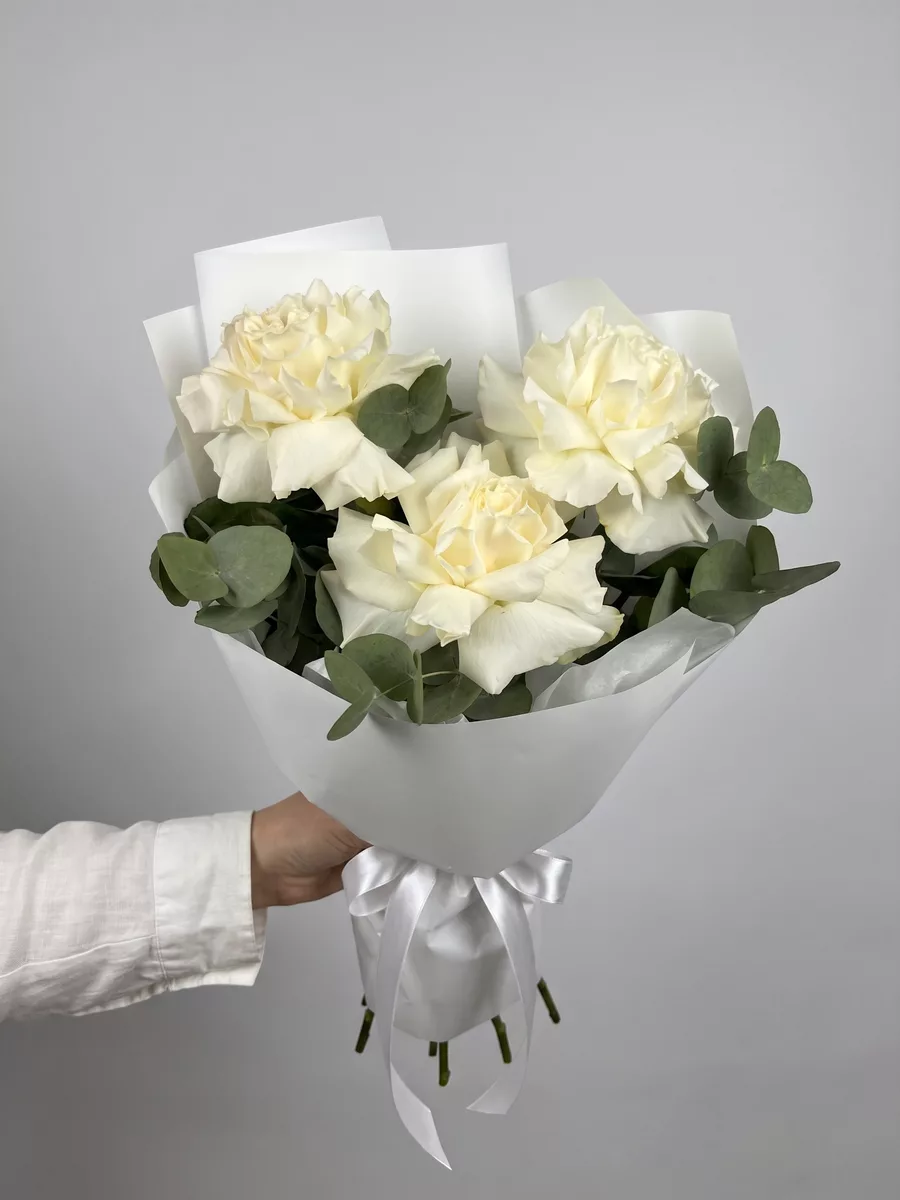
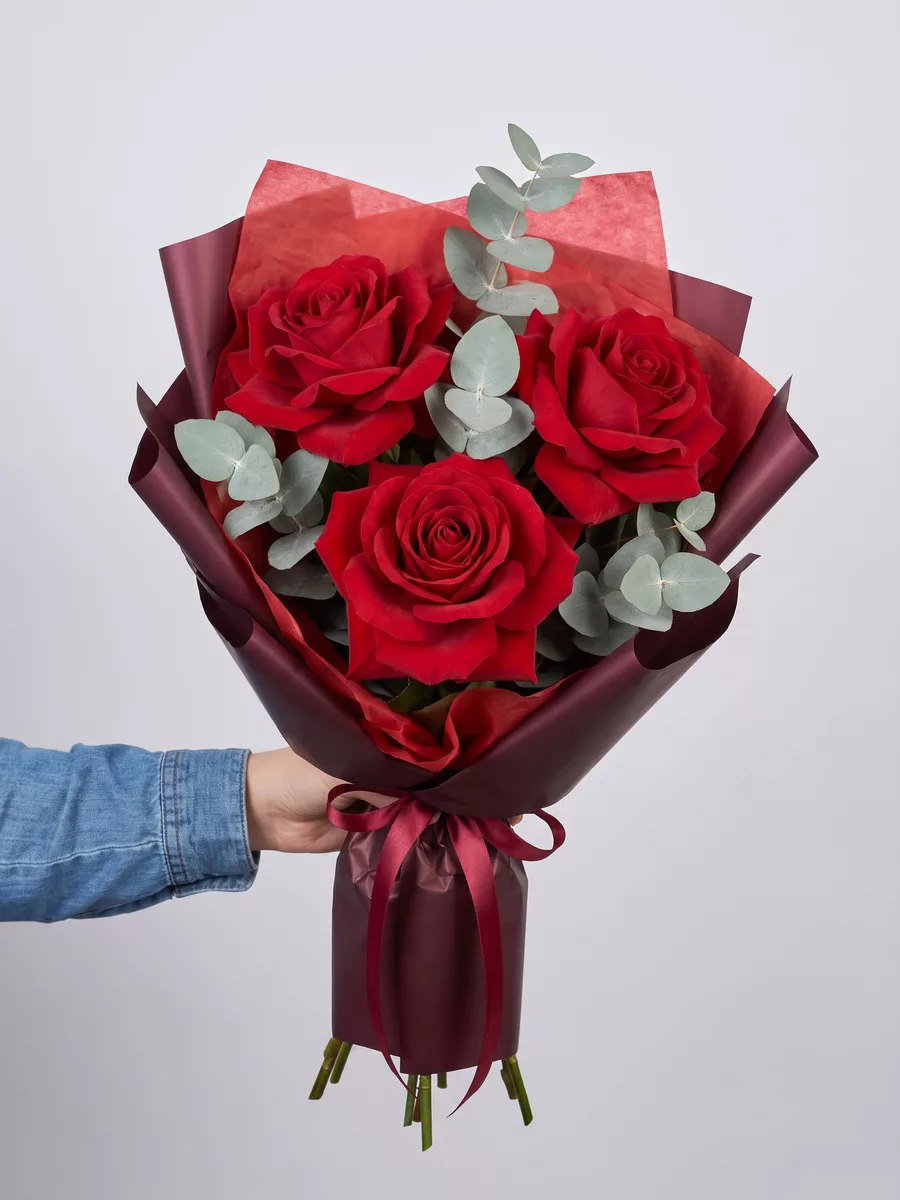
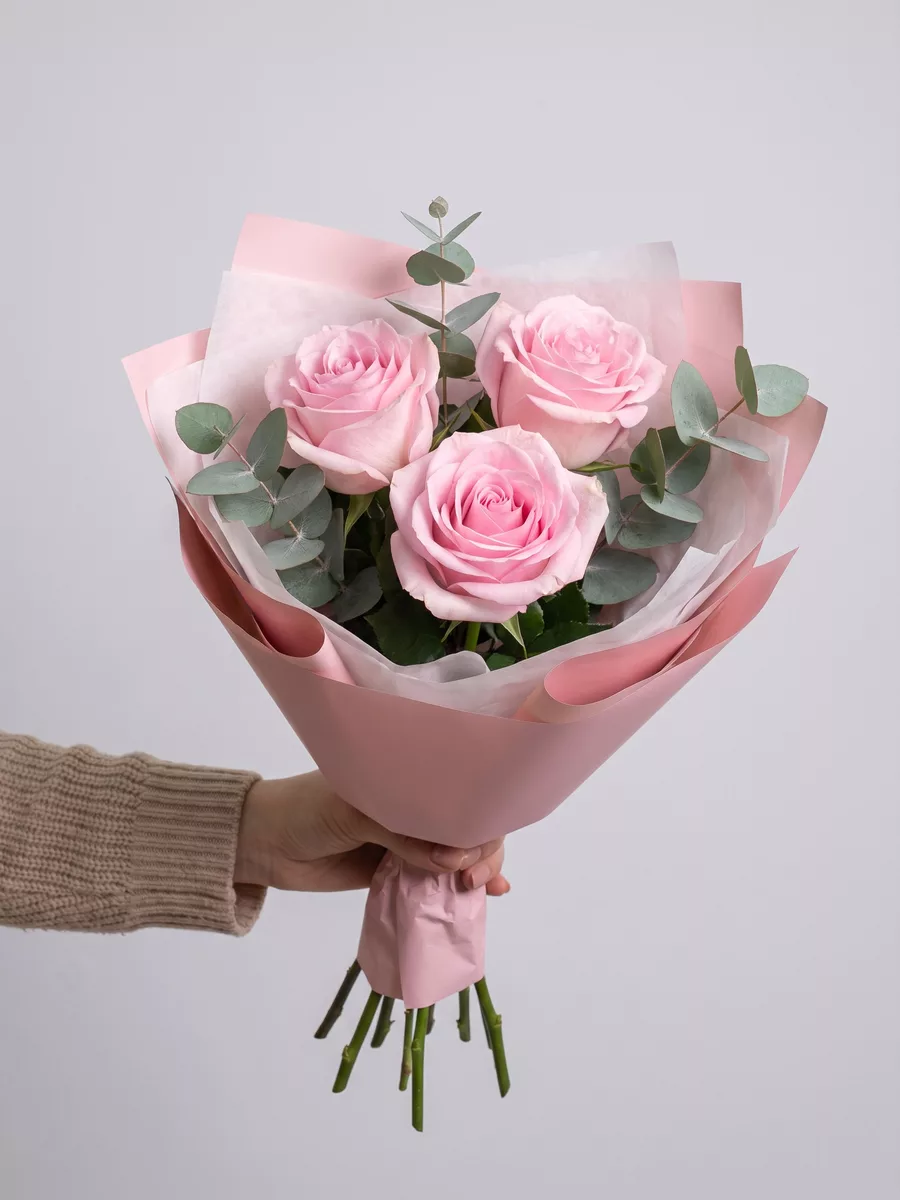
Bouquets we can deliver

What the Recipient Will Actually Feel When the Flowers Arrive
Think about the moment from the other side of the door. Your recipient in Novozybkov hears a knock, opens up, and sees a courier holding a wrapped bouquet. In Russian culture, receiving flowers unexpectedly — especially from someone abroad — carries real emotional weight. It signals that the distance did not make you forget them. That feeling is the whole point, and every choice you make in the ordering process either supports it or undermines it.
Presentation matters enormously in Russian flower culture. A bouquet handed over in plain paper feels incomplete compared to one wrapped with care, tied with ribbon, and accompanied by a card. Russian recipients are accustomed to seeing flowers presented as a full composition — foliage, filler flowers, and a focal bloom — rather than a single-variety bunch. If you are ordering for a woman's birthday, a lush mixed bouquet with roses, alstroemeria, and greenery like ruscus or eucalyptus reads as generous and thoughtful. For a more formal occasion, a monochromatic arrangement of spray roses or chrysanthemums in one rich colour can feel elegant and deliberate.
The card message is something many international senders overlook or leave blank. Russian recipients treasure a written note, even a short one. Write it in Russian if you can manage a sentence or two, but a warm message in English is still meaningful. Ask the florist service to print it clearly and attach it visibly. That small piece of paper often becomes the thing the recipient keeps long after the flowers have faded.
Choosing Flowers for the Season and the Occasion
Novozybkov follows the same seasonal flower logic as the rest of Russia. In winter, from November through February, the most reliable and beautiful choices are roses, chrysanthemums, and alstroemeria — all of which travel and hold well in cold conditions. Tulips appear in force from late February, timed perfectly for International Women's Day on the eighth of March, which is the single biggest flower-giving occasion in the Russian calendar. If your recipient's birthday or anniversary falls near that date, order early because demand is very high.
Spring and early summer bring peonies, which Russians adore. A full bouquet of blush or deep-pink peonies is one of the most beloved gifts you can send between May and June. They are voluminous, fragrant, and feel luxurious without being stiff or formal. Later in summer, sunflowers become a warm and cheerful option, and they hold up well in transit when properly conditioned. Autumn suits dahlias, gerberas, and richly coloured roses in terracotta, burgundy, and deep orange.
For the occasion itself, think about the relationship before the variety. A grandmother receiving flowers from a grandchild living abroad will be moved by something soft and fragrant — garden roses, freesias, or a mixed pastel bouquet. A colleague celebrating a promotion responds better to something structured and impressive — a tall arrangement of calla lilies or a dense bouquet of red or white roses. Romantic occasions call for red roses, full stop; this is one Russian tradition that is completely consistent across generations and regions.
Timing Your Order Across Time Zones
This is where most international senders make their first mistake. You are sitting in a time zone that is anywhere from two to twelve hours behind Moscow, and you are thinking about the delivery in your own local terms. Novozybkov operates on Moscow Time, which is UTC plus three, with no daylight saving adjustment. When it is nine in the morning in London, it is already noon in Novozybkov. When it is nine in the morning in New York, it is four in the afternoon there.
What this means practically is that if you want a morning delivery — which tends to feel more celebratory and gives the recipient the whole day to enjoy the flowers — you need to place your order well before you go to sleep the night before, in your own time zone. A next-day delivery for a birthday that falls on a Tuesday should ideally be ordered by Sunday evening at the latest. This is not bureaucracy; it is the time required to source, assemble, condition, and route a fresh bouquet to a regional city.
Also consider Russian public holidays. New Year celebrations run from the first to the eighth of January, and during this period delivery logistics across Russia slow noticeably. The same applies to the May holidays around the first and ninth of May. If your occasion falls near these dates, add an extra day to your lead time and confirm availability explicitly when placing the order. A florist service that knows regional Russia will flag these windows for you automatically.
How to Give a Delivery Address in Russia
Russian addresses follow a different structure from what most Western countries use, and getting this right is essential for a smooth delivery to Novozybkov. The format runs from largest to smallest: country, region, city, street, building number, apartment number. So a correct address looks like: Russia, Bryansk Region, Novozybkov, ulitsa Lenina, dom 12, kvartira 45. The words ulitsa (street), dom (building), and kvartira (apartment) are the key terms to know.
Many apartment buildings in Russian cities have an entrance code, called a domofon, or an intercom system. If your recipient lives in a multi-storey apartment block — which is common in Novozybkov as in most Russian cities — ask them for the entrance number (podyezd) and the intercom code before placing your order. Providing this information in the delivery notes saves the courier significant time and prevents the frustrating situation of a bouquet sitting undelivered because no one could reach the recipient.
If you are sending to a workplace, include the full organisation name and the recipient's full name. Russian names follow a three-part structure: first name, patronymic, and family name. If you only know the first name and family name, that is usually sufficient, but a patronymic helps in formal settings. For a home delivery, first name and family name are enough. Always include a working Russian mobile number for the recipient — the courier will call ahead, which is standard practice and expected by most recipients.
Budget Ranges and What They Get You
Flower budgets in Russia are not directly comparable to what the same amount buys in Western Europe or North America, so it helps to think in terms of composition size and stem count rather than trying to convert prices directly. A modest bouquet — suitable for a thank-you gesture or a casual birthday — typically contains seven to eleven stems of a single variety, presented cleanly with foliage. This is a perfectly appropriate gift and will be received warmly.
A mid-range bouquet steps up to a mixed composition of fifteen to nineteen stems, combining a focal flower like roses or peonies with complementary blooms such as matthiola, lisianthus, or spray roses, plus textural greenery. This is the sweet spot for most birthday, anniversary, and celebration deliveries. It looks full and generous without being overwhelming, and it photographs beautifully — which matters, because the recipient will almost certainly send you a photo.
A premium arrangement goes above twenty-five stems or uses flowers with higher wholesale costs: garden roses, calla lilies, large-headed peonies, or orchids. These are appropriate for significant milestones — a fiftieth birthday, a wedding anniversary, a major professional achievement. The presentation at this level typically includes a hat box or a designer wrap, which adds to the visual impact at the door. Whatever your budget, always allocate a small amount for the card and the ribbon finishing; these details are noticed and appreciated in Russian flower culture far more than many international senders realise.
Helping Your Recipient Keep the Flowers Fresh
You will not be there to unwrap the bouquet or trim the stems, but you can still help. Ask the florist service to include care instructions with the delivery — a small card with basic steps goes a long way. Better yet, send a quick message to your recipient with the key points before the flowers arrive, so they are ready.
The first step is the most important: cut the stems at an angle, about two centimetres from the bottom, using a sharp knife rather than scissors. Scissors crush the stem tissue and reduce water uptake. Do this immediately when the bouquet arrives, before placing the flowers in water. Room temperature water is fine for most varieties; very cold water can shock tropical stems like anthuriums, but roses, chrysanthemums, and alstroemeria all do well in cool to room-temperature water.
Change the water every two days and re-cut the stems each time. Remove any leaves that fall below the waterline, as these rot quickly and contaminate the water. Keep the bouquet away from direct sunlight, radiators, and fruit bowls — ripening fruit releases ethylene gas, which accelerates petal drop in roses and alstroemeria significantly. In the heated interiors typical of Russian apartments in winter, a cooler spot overnight — a hallway or a cool room — extends vase life noticeably. With proper care, roses last seven to ten days, chrysanthemums up to two weeks, and alstroemeria a reliable ten days or more.
Sending flowers to Novozybkov from abroad is entirely achievable when you plan for the time zone, the season, and the small logistical details that make regional delivery smooth. The distance between you and your recipient is real, but a well-chosen, carefully timed bouquet closes that gap in a way that a message or a gift card simply cannot. The moment your recipient opens the door and sees fresh flowers, they will know you thought about them specifically — not just generally. That is worth every bit of the effort it takes to get it right.
Frequently asked questions
How far in advance should I order flowers to Novozybkov from abroad?
At least one full day ahead is the minimum, and two days is more comfortable for regional deliveries. Factor in the time zone difference carefully — Novozybkov runs on Moscow Time, UTC plus three. For major Russian holidays like International Women's Day or New Year, extend your lead time to three or four days, as demand and logistics pressure increase significantly during those periods.
Can I write the delivery card message in English?
Yes, an English message is perfectly fine and will be delivered as written. If you want to add a line in Russian, simple phrases like 'S dnyom rozhdeniya' (Happy Birthday) or 'Ya tebya lyublyu' (I love you) are always appreciated. Ask the florist team to help with transliteration if needed. The card is printed and attached to the bouquet before it leaves for delivery.
What flowers are best to avoid sending to Novozybkov in winter?
Delicate tropical varieties like bird of paradise or anthurium require careful cold-chain handling and are higher risk in deep winter transit. Hydrangeas, while beautiful, are also sensitive to temperature fluctuations and can arrive wilted if conditions are not ideal. In winter, roses, chrysanthemums, and alstroemeria are the safest and most reliable choices for regional delivery.
Is an odd number of flowers really important in Russia?
Yes, this is a genuine and widely observed custom. Even numbers of flowers are associated with mourning and are brought to cemeteries, so for any celebratory occasion — birthdays, anniversaries, congratulations — always choose an odd number of stems: seven, nine, eleven, fifteen, and so on. Most Russian florists follow this automatically, but it is worth confirming when you place your order.
What if my recipient is not home when the courier arrives?
The courier will call the recipient's mobile number before arriving, which is standard practice. This is why providing a working Russian mobile number is essential. If the recipient is briefly unavailable, the courier can usually wait a short time or arrange a second attempt. Always double-check the phone number when placing your order to avoid a missed delivery.
Ready to send flowers?
Pick the city, choose the bouquet, and a local florist takes it from there.
Choose a city →