Sending Flowers to Nytva from Abroad: A Sender's Practical Guide
You are somewhere far from Russia — maybe London, Berlin, Toronto, or Dubai — and someone you care about is in Nytva, a quiet city on the Kama River in the Perm region. You want to send flowers, but you have no idea how Russian flower delivery works, whether it is even possible to reach a smaller city like Nytva, or what will actually arrive at the door. This article answers every one of those questions plainly, so you can order with confidence and your recipient can open the door to something genuinely beautiful.
Why Nytva Is Absolutely Reachable for Flower Delivery
Many people outside Russia assume that same-day or next-day flower delivery only works in Moscow or Saint Petersburg. Nytva, with a population of around twenty thousand, sits in the Perm Krai region — and it is well within the delivery network that Turboflora operates across Russia. The city is small, but that does not mean your recipient has to wait days or settle for something tired and wilted.
Turboflora's delivery model is built around speed regardless of city size. The target is one to two hours from the moment your order is confirmed, which means a morning order can reach your recipient before lunch. For a sender abroad, this is genuinely reassuring: you place the order from your phone or laptop, and the bouquet arrives while you are still awake and can check in with your person.
Nytva's climate is continental, with cold winters and warm summers. In winter, temperatures regularly drop well below zero, which matters for flower care during transit. Turboflora accounts for this with insulated packaging on cold-weather orders, so roses and tulips do not freeze between the van and the front door. You do not need to worry about the logistics — but it is good to understand why a professional delivery service handles Nytva differently in January than in June.
The key takeaway for any international sender: city size is not a barrier. What matters is choosing a service that actually delivers to Nytva rather than one that quietly redirects your order to a third party in Perm.
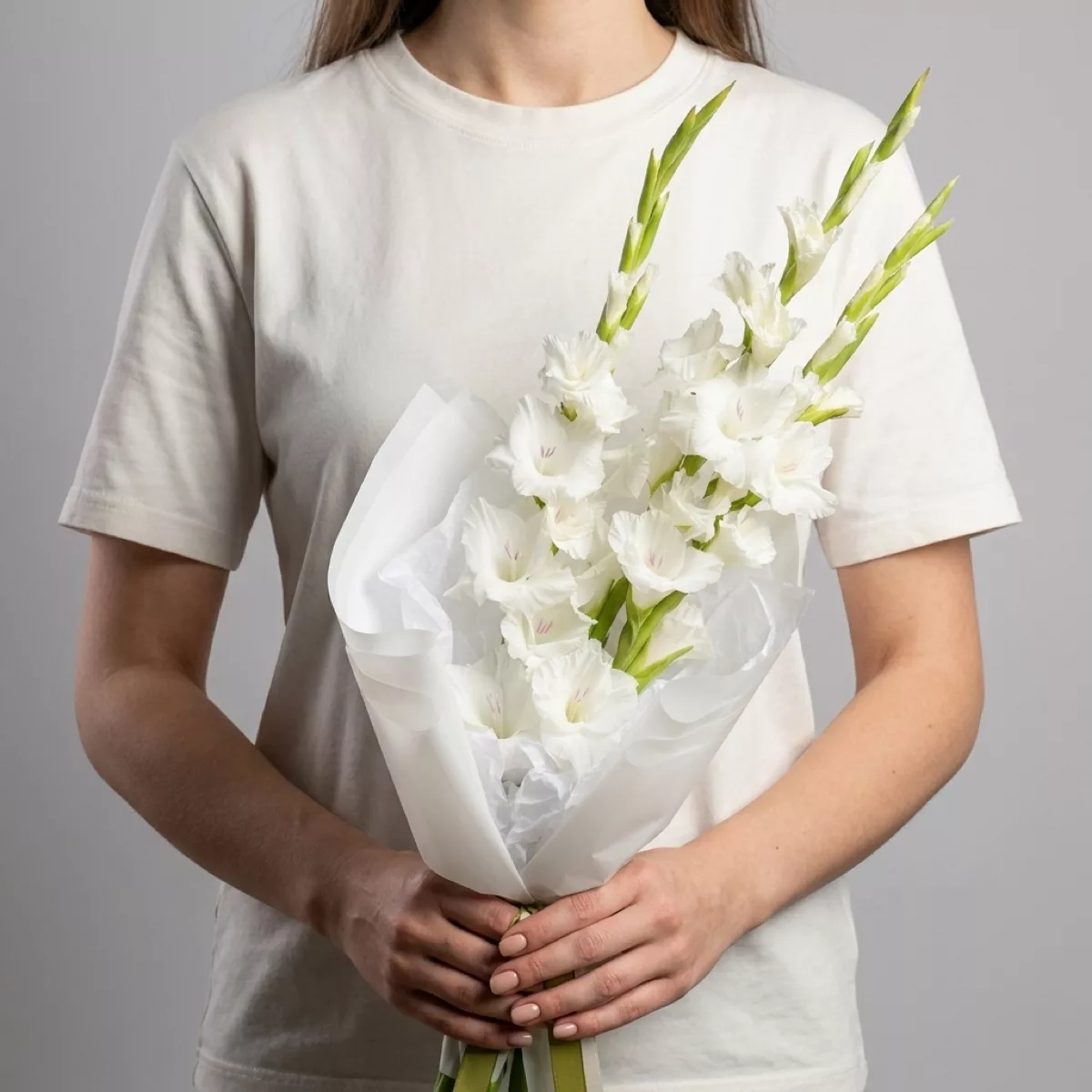
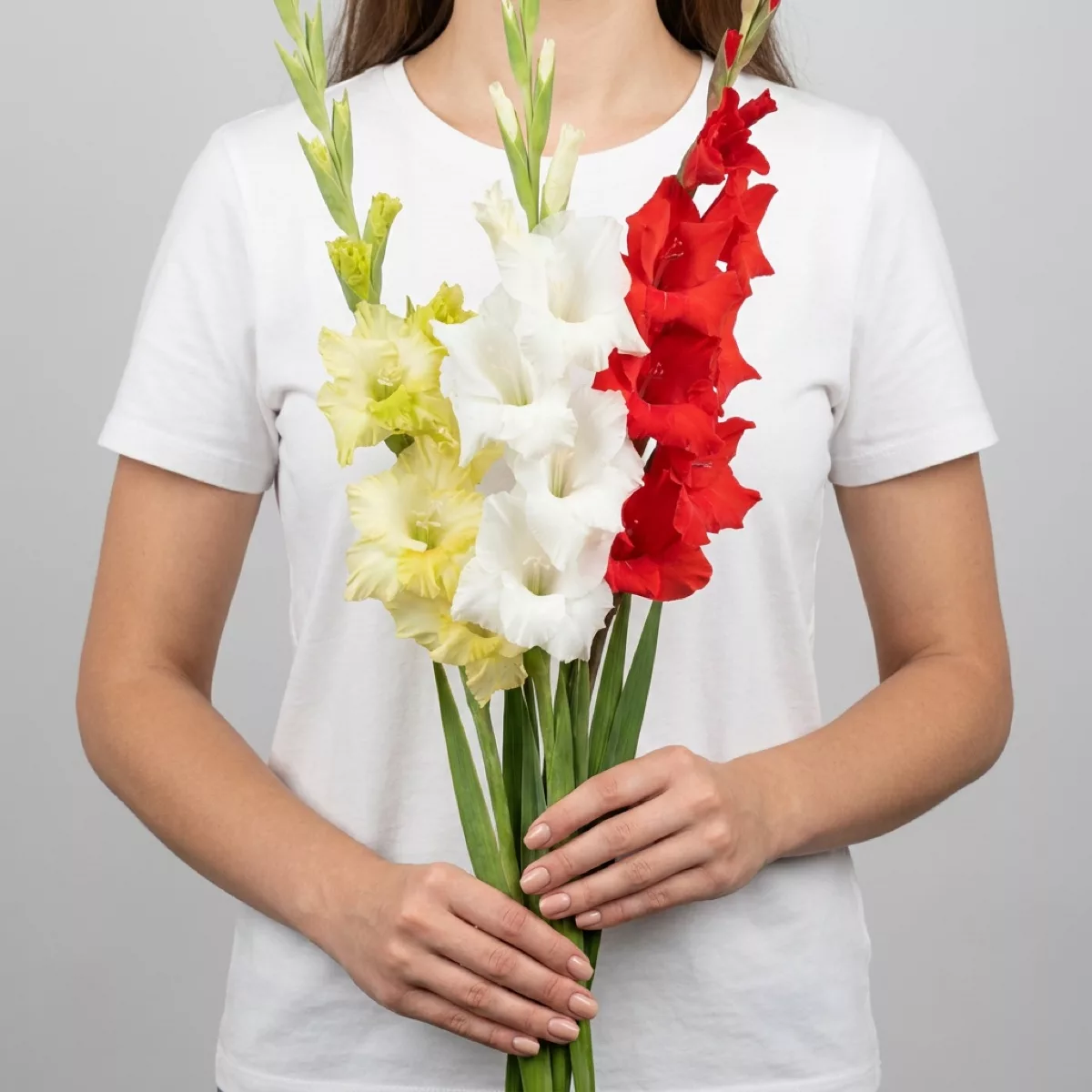
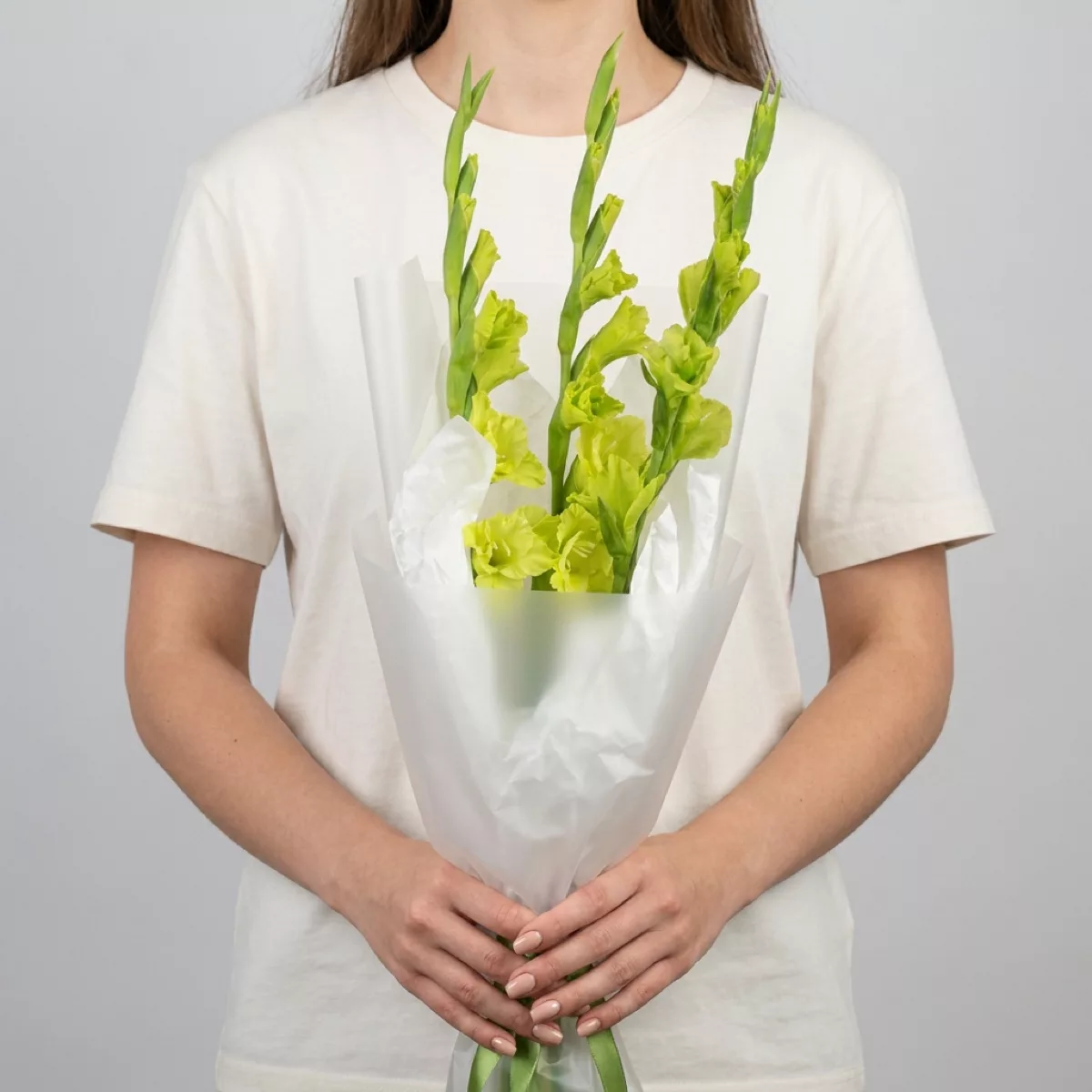
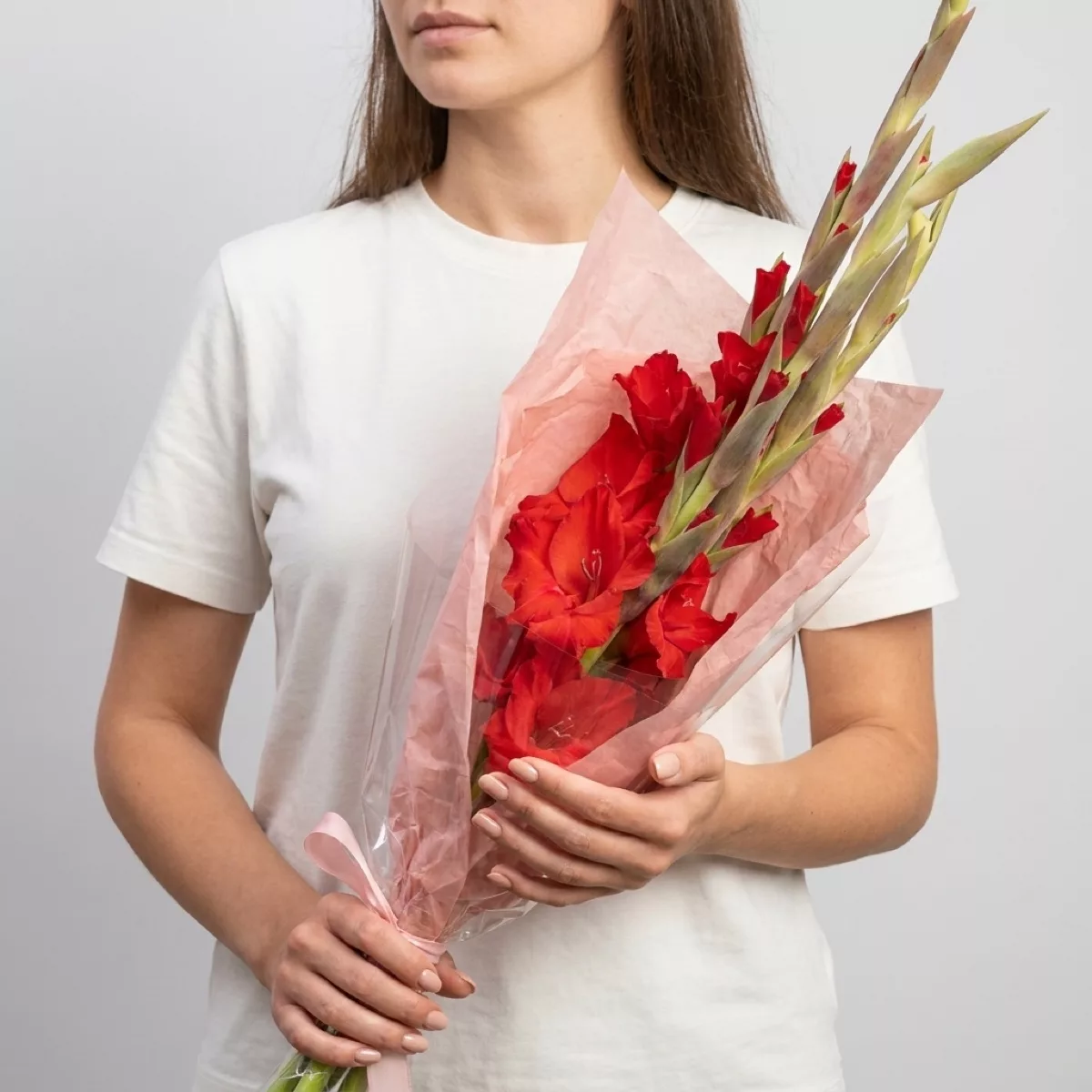
Bouquets we can deliver
What the Occasion Tells You About the Right Flowers
Before you think about varieties or colors, think about the person receiving the bouquet and what you want them to feel when they open the door. That feeling is the real starting point for any good flower order, and it is especially important when you are sending from abroad because you cannot be there to hand the flowers over yourself. The bouquet has to carry the whole message on its own.
For a birthday, warmth and celebration work best. Sunflowers bring immediate joy and are widely loved across Russia. Garden roses — full, fragrant, and generous in size — read as a real gesture rather than an afterthought. Combine them with alstroemeria for longevity, since alstroemeria holds its blooms for up to two weeks in a vase, which means your recipient is still thinking of you long after the day itself.
For romantic occasions — an anniversary, Valentine's Day, or simply because — red or deep pink roses remain the classic choice in Russian culture. A mono bouquet of twenty-five or fifty-one roses (odd numbers are traditional for living recipients in Russia) carries enormous weight. If you want something less expected, burgundy ranunculus layered with white spray roses creates a rich, intimate look that photographs beautifully.
For congratulations on a new job, a graduation, or a professional milestone, white and cream tones signal respect and elegance. Eustoma, also called lisianthus, is a wonderful choice here — its ruffled petals look expensive without being delicate, and it lasts well. Pair it with eucalyptus for a modern, considered feel that suits a professional setting perfectly.
Navigating the Order Process from Outside Russia
Ordering flowers internationally sounds complicated, but the actual steps are straightforward once you know what to prepare. The most important thing you need before you start is the recipient's full address in Nytva, including the apartment number and floor if applicable. Russian addresses follow a specific format — city, street, building number, apartment number — and a missing apartment number is the single most common reason a delivery is delayed.
A working phone number for the recipient is equally essential. Couriers in Russia typically call ahead to confirm they are approaching, especially in residential buildings with entry codes or intercoms. If your recipient does not pick up, the delivery can stall. Let them know a surprise is coming without revealing what it is — something like telling them to expect a call from an unknown number that afternoon.
Payment from abroad is handled through international card options, and the order form on Turboflora's website is available in a format that international senders can navigate. You will select the bouquet, choose a delivery window, enter the recipient's address and phone number, and add a message card. The card message is printed in whatever language you write it — you do not need to translate your words into Russian if your recipient reads English or another language.
Time zones matter more than most international senders realize. Nytva follows Moscow time plus two hours. If you are in New York, that is a seven-hour difference in winter. Plan your order so the delivery window falls during reasonable daytime hours for your recipient — between ten in the morning and seven in the evening local Nytva time is the most reliable window.
Choosing Flowers by Budget Without Losing Impact
Budget shapes what is possible, but it does not have to limit how meaningful a bouquet feels. The difference between a thoughtful arrangement and a forgettable one is rarely about spending more — it is about choosing the right flowers for the composition rather than filling space with filler.
At a modest budget, a single-variety bouquet often makes more impact than a mixed arrangement. Fifteen tulips in a single strong color — deep violet, bright coral, or pure white — look intentional and generous. Tulips are one of the best-value flowers in Russia, widely available and genuinely beautiful. They are also forgiving in transit and open gracefully over two to three days in the vase.
With a mid-range budget, you can move into garden roses combined with seasonal greenery. A bouquet of roses with eucalyptus or ruscus has a florist-made quality that feels considered rather than assembled. Adding three or five stems of a contrasting bloom — white eustoma against pink roses, for example — creates depth without dramatically increasing cost.
At a higher budget, the options expand to larger rose counts, peonies when in season (late spring to early summer), and luxury presentations with premium packaging and ribbon. Peonies are enormously popular in Russia and carry a sense of abundance and romance that few other flowers match. If your occasion is significant and you want the recipient to feel truly celebrated, a generous peony bouquet in blush or white is hard to surpass.
Whatever your budget, avoid over-complicating the mix. Three well-chosen varieties always outperform seven mediocre ones crammed together.
How Russian Flower Customs Might Surprise You
If you have not sent flowers to someone in Russia before, a few cultural conventions are worth knowing so you do not accidentally send the wrong signal. These are not rigid rules that will cause offense if you miss them, but understanding them helps you make a more thoughtful choice.
The most well-known convention is odd numbers. In Russian tradition, even-numbered bouquets — six roses, ten tulips — are associated with funerals and mourning. For a living recipient celebrating anything at all, always choose an odd number: seven, nine, eleven, fifteen, twenty-five, fifty-one. Most Russian florists follow this automatically, and Turboflora's arrangements are built around it, but if you are specifying a custom stem count, keep odd numbers in mind.
Yellow flowers carry complicated associations in Russian popular culture. Yellow roses in particular are sometimes linked to separation or jealousy in the folk imagination, though this association is fading among younger generations and in cities. If your recipient is older or more traditional, it is simply safer to choose a different color for romantic occasions. For birthdays or professional congratulations, yellow sunflowers are universally cheerful and carry no negative weight.
Wrapping and presentation matter enormously. A bare bouquet handed over without packaging looks incomplete by Russian standards. Flowers should arrive in quality wrapping — kraft paper, organza, or a box — with a ribbon. This is not vanity; it signals that the sender took care. Turboflora's presentations are designed with this in mind, so your recipient opens the door to something that looks as significant as it is meant to feel.
What Happens in Cold Weather and Why It Matters
Nytva winters are serious. January temperatures regularly reach minus fifteen to minus twenty degrees Celsius, and even October and March can dip well below freezing. For someone ordering from a warm country — the Middle East, Southeast Asia, or Southern Europe — it can be hard to picture what this means for a bouquet in transit.
The core risk is freeze damage. Roses, in particular, are vulnerable: their petals bruise and turn translucent when exposed to freezing temperatures even briefly. Tulips collapse. Eustoma blackens at the edges. A bouquet that leaves the workshop looking perfect can arrive looking damaged if the cold is not accounted for during the final steps of delivery.
Professional winter delivery means insulated packaging — typically a thermal sleeve or box layer — that keeps the flowers above freezing during the time between the van and the recipient's door. It also means couriers move quickly and do not leave bouquets sitting outside. This is standard practice for Turboflora on cold-weather orders, not an optional upgrade.
As a sender, you do not need to manage this, but you should know it is happening so you understand why delivery in Nytva in February is not the same operation as delivery in May. If you are ordering for a winter occasion, it is worth choosing varieties that handle cold stress well: roses, chrysanthemums, and carnations are more resilient than, say, delicate orchid stems or open garden roses. Your florist will guide the composition accordingly, but knowing the principle helps you ask the right questions.
Summer delivery in Nytva presents the opposite challenge: heat. Flowers in a warm van can wilt quickly. Again, speed is the answer — one to two hours from workshop to door keeps quality intact.
Vase Life and What to Tell Your Recipient
One of the kindest things you can do alongside sending flowers is pass along a few simple care instructions, especially if your recipient is not used to receiving fresh bouquets regularly. A beautiful arrangement can last significantly longer with minimal effort, and knowing that the flowers came with care instructions makes the gift feel even more thoughtful.
The first thing to tell them: cut the stems. About two centimeters, at a diagonal, with a clean knife or sharp scissors. This opens the stem's water-intake surface and makes an immediate difference to how long the bouquet lasts. They should do this as soon as the flowers arrive, before putting them in water.
Fresh, cool water changed every two days is the next priority. Flowers sitting in stale water deteriorate faster than almost any other factor. Removing any leaves that fall below the waterline prevents bacterial growth that shortens vase life. A cool room away from direct sunlight and heating vents keeps blooms fresh longer — this is especially relevant in Russian apartments, which are often very warm in winter due to central heating.
Different varieties have different lifespans. Chrysanthemums and carnations regularly last ten to fourteen days with good care. Roses give seven to ten days. Tulips are shorter — five to seven days — but they continue to open and move in the vase in a way that is genuinely lovely to watch. Alstroemeria is the endurance champion, often lasting two full weeks.
If you include a card message, adding one line about cutting the stems is a small gesture that shows you thought about the experience beyond the moment of arrival. It turns a gift into something that lasts.
Sending flowers to Nytva from abroad is not complicated once you know what to prepare: a full address with apartment number, a working phone number for your recipient, an awareness of the time difference, and a clear sense of what the occasion calls for. The distance between you and the person you are thinking of does not have to feel so large when a fresh bouquet arrives at their door within an hour or two of your order. That is exactly what Turboflora is built to do — and Nytva is well within reach.
Frequently asked questions
Can I order flowers for Nytva if I do not speak Russian?
Yes. The Turboflora website supports international orders, and the card message you write will be printed exactly as you type it — in English or any other language. You do not need to translate anything. The only Russian detail you need is the recipient's address written in standard format, which your recipient can send you directly.
How far in advance should I place a flower order for Nytva from abroad?
For same-day delivery, place your order at least two to three hours before your chosen delivery window, accounting for the time difference between your location and Nytva. For a specific date like a birthday or anniversary, ordering the evening before or the morning of the occasion is ideal. Turboflora targets delivery within one to two hours of order confirmation.
What is the best flower choice for a recipient I do not know very well?
A classic single-variety bouquet is the safest and most elegant option. White or cream roses, a generous bunch of tulips in a neutral color, or white eustoma all read as warm and respectful without making assumptions about personal taste. Avoid yellow for romantic occasions if the recipient is older or more traditional in their outlook.
Will the flowers be damaged if delivered in winter in Nytva?
Not with a professional service that accounts for the cold. Turboflora uses insulated packaging for winter deliveries and prioritizes speed between the vehicle and the recipient's door. Choosing cold-resilient varieties like roses, carnations, or chrysanthemums adds an extra layer of security. Delicate open blooms are better saved for warmer months.
Why do Russian bouquets always have an odd number of flowers?
Even-numbered bouquets are traditionally associated with mourning in Russian culture, so florists and senders follow the convention of odd numbers for any living recipient — seven, nine, fifteen, twenty-five, and so on. This applies to all occasions: birthdays, romance, congratulations. Turboflora builds this into every arrangement automatically, so you do not need to count stems yourself.
Ready to send flowers?
Pick the city, choose the bouquet, and a local florist takes it from there.
Choose a city →