Sending Flowers to Okha from Abroad? Here Is What to Expect
Okha sits at the northern tip of Sakhalin Island, roughly eight time zones ahead of Moscow and thousands of kilometres from any international border crossing. If you are in Berlin, Toronto or Tokyo trying to send someone there a bouquet for a birthday or anniversary, the distance feels daunting — but the gesture lands just as warmly as anywhere else in Russia. You simply need to understand a few practical realities before you order, and this article walks you through every one of them.
Why Okha Is Different from Sending Flowers to Moscow or Saint Petersburg
Most people ordering flowers internationally picture a big Russian city: wide streets, dozens of florists, same-day courier infrastructure. Okha is nothing like that. It is a small oil-industry town of roughly twenty thousand people on the northern coast of Sakhalin, surrounded by taiga and sea. The climate is harsh — long, snowy winters, short cool summers — and the logistics of getting anything there from the mainland require careful planning.
Because Okha is so remote, the flower supply chain is genuinely compressed. Varieties that arrive fresh in Moscow or Saint Petersburg on a Tuesday may only reach Sakhalin after additional transit time. That is why choosing a delivery service that understands this geography matters enormously. Turboflora plans each Okha order with the specific transit conditions of the Russian Far East in mind, not as an afterthought.
The good news is that recipients in Okha are often deeply moved by a bouquet precisely because it is unusual. Flowers are not an everyday sight in smaller northern towns the way they are in large cities. When a bouquet arrives at someone's door in Okha, it carries a sense of occasion that amplifies the emotion behind the gift. That rarity is something worth leaning into when you choose what to send.
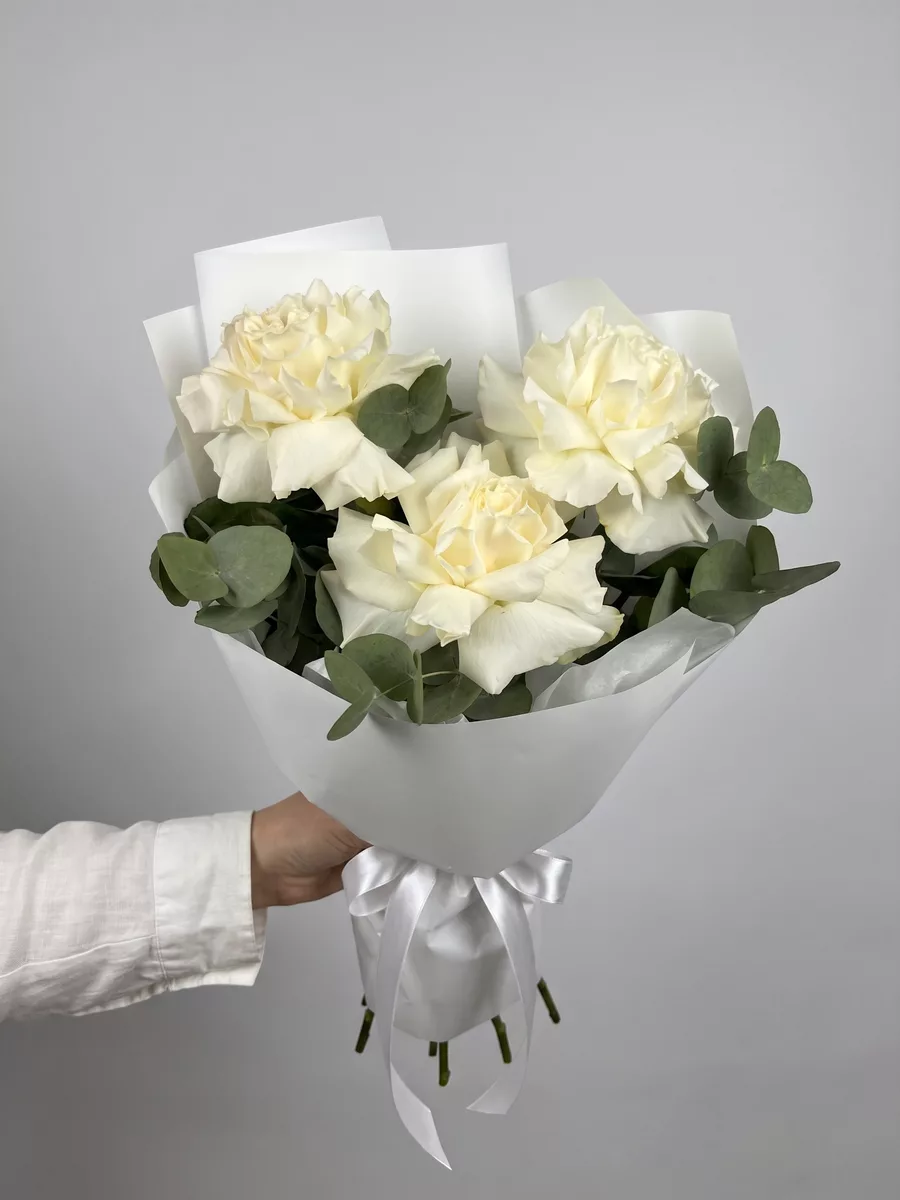
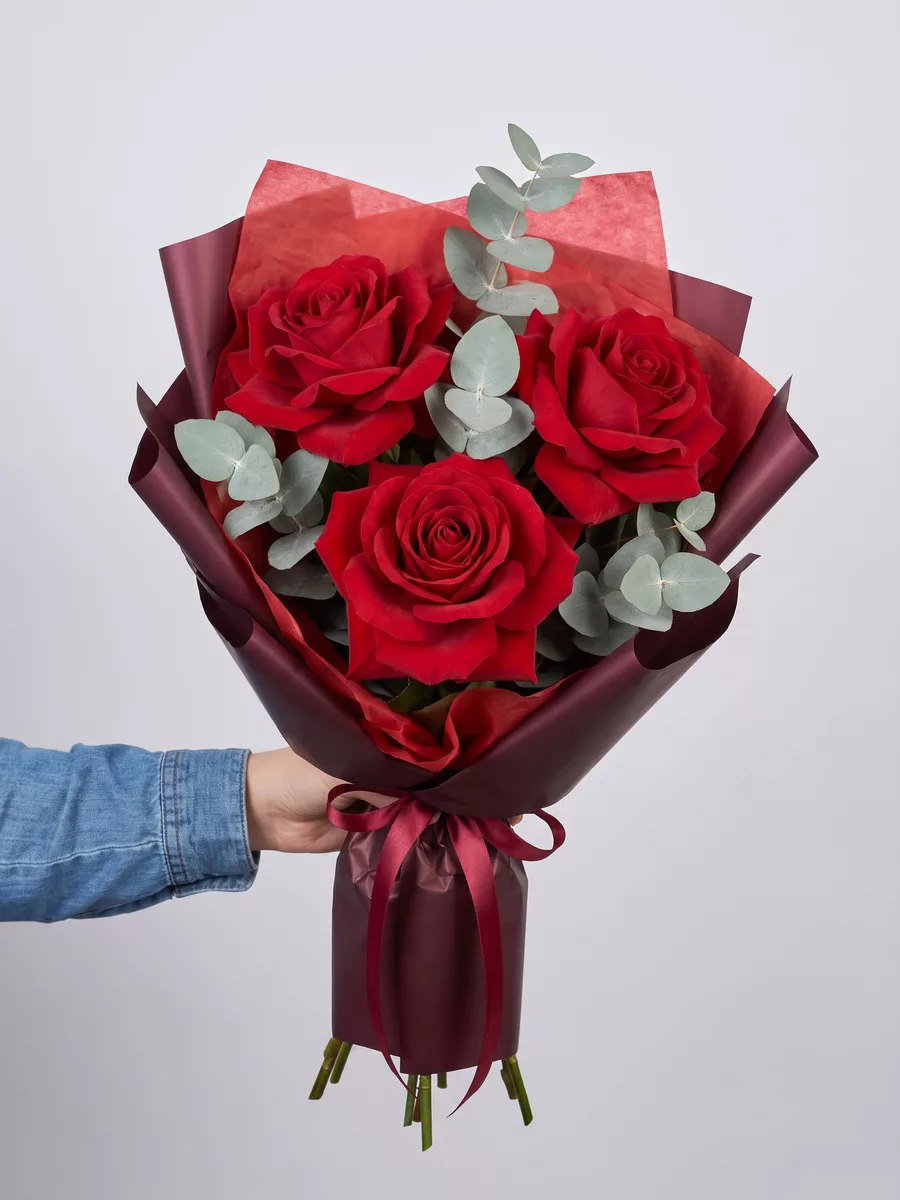
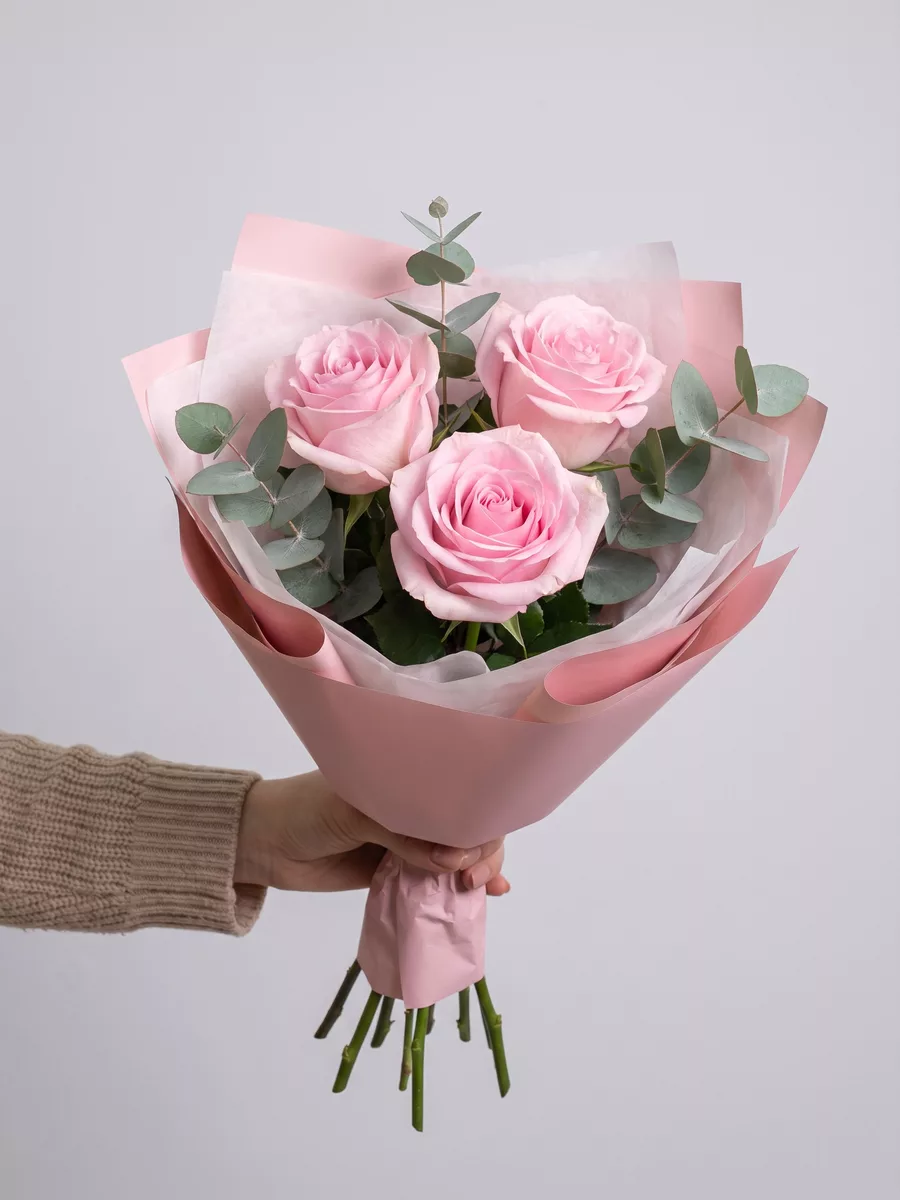
Bouquets we can deliver

The Best Time Zones and Days to Place Your Order
Okha operates on Sakhalin Time, which is UTC+11. That is eleven hours ahead of London in winter, fourteen hours ahead of New York, and two hours ahead of Tokyo. If you are sending from Europe or the Americas, this gap is the single most important practical fact you need to hold in your head when you place an order.
If you want flowers delivered on a specific date — a birthday morning, an anniversary evening — count backwards from Okha local time, not from your own clock. An order placed at 9 p.m. on a Wednesday in Paris is already Thursday morning in Okha. Missing that window by even a few hours can push delivery to the following day, which matters when the occasion is time-sensitive.
The safest approach is to place your order at least 24 hours before the intended delivery time in Okha local time. For weekend deliveries, extend that buffer to 48 hours. Florists working with remote Russian cities need time to source the freshest available stems, assemble the bouquet correctly and coordinate the courier route. Rushing a Far East delivery rarely ends well for the flowers or the recipient's experience.
Weekday deliveries — Tuesday through Friday — tend to be the most reliable. Saturday is workable with advance notice. If the occasion falls on a public holiday, check the Russian calendar, not your home country's, because Russian national holidays affect logistics on the Sakhalin end of the journey.
Choosing Flowers That Survive the Northern Sakhalin Climate
Temperature is the hidden variable in every Far East flower order. In winter, Okha regularly sees temperatures below minus fifteen degrees Celsius, and even in spring the mercury can drop sharply overnight. Any bouquet assembled for delivery there must be built around varieties that tolerate cold transit without wilting, browning or losing petals on the way to the door.
Chrysanthemums are your most reliable choice for autumn and winter orders. They are cold-hardy, long-lasting and available in a wide range of colours from cream and yellow through deep burgundy. Spray roses — smaller-headed, tightly clustered — travel better than large hybrid tea roses in cold conditions because their petals are more compact and less prone to bruising. Alstroemeria is another strong performer: the buds open gradually over seven to ten days, which means the recipient gets to enjoy the bouquet unfolding rather than seeing it peak and fade within two days.
In summer, which in Okha is brief but real, eustoma — also called lisianthus — works beautifully. Its ruffled blooms resemble peonies and last well in warmer indoor conditions. Gerbera daisies add cheerful colour but need careful handling in heat, so they are better suited to the cooler months when indoor temperatures stay moderate.
Avoid tropical or heat-sensitive varieties for Okha orders regardless of the season. Anthurium, bird of paradise and heliconia are designed for warmth and will not survive the cold corridor between the courier vehicle and the recipient's front door in a northern Sakhalin winter.
What to Write on the Card — and Why It Matters More in Russia
In Russian flower-giving culture, the card message carries significant weight. Russians tend to mark occasions formally and warmly at the same time — a brief, impersonal note can feel cold, while a heartfelt few lines feel entirely appropriate even from someone the recipient has not seen in years. If you are sending from abroad, the card is often the only personal voice the recipient hears alongside the flowers, so it deserves real attention.
Write in whatever language feels most natural between you and the recipient. If you share Russian, use it — even imperfect Russian is appreciated. If English is your shared language, that is perfectly fine too. Avoid relying entirely on translation software for emotional messages; machine-translated Russian can sound stiff or even accidentally rude. If you want to write in Russian but are not confident, keep it simple: a single warm sentence is better than a paragraph that reads awkwardly.
For Russian occasions specifically, it is worth knowing that birthdays are the single most common reason for sending flowers, followed by anniversaries, professional achievements and the 8th of March — International Women's Day, which is celebrated very widely across Russia and is one of the busiest flower-giving days of the year. Naming the occasion on the card is normal and expected; there is no need to be subtle about why you are sending.
If you are unsure of the recipient's exact preferences, a simple message focusing on how you feel about them — rather than trying to describe the flowers — is always the right instinct.
Budgeting for a Remote Delivery: What the Distance Adds
Sending flowers to Okha from abroad involves two separate cost realities that international senders sometimes conflate. The first is the cost of the bouquet itself — the stems, the wrapping, the assembly. The second is the delivery charge that reflects the genuine logistical effort of reaching a small, remote city in the Russian Far East. These are distinct, and understanding both helps you set realistic expectations before you reach the checkout.
For the bouquet, the same principle applies as anywhere: more stems, rarer varieties and elaborate presentation all increase the price. A compact, well-chosen arrangement of chrysanthemums or spray roses with seasonal greenery can be genuinely beautiful without being expensive. A large mixed bouquet with eustoma, alstroemeria and decorative eucalyptus will cost more but also make a stronger impression when it arrives at the door.
The delivery component for Okha is higher than for Moscow or Saint Petersburg — that is simply honest. The distance is real, the logistics are more complex, and the florist assembling the order needs to account for transit conditions that do not exist in a major city. Think of the delivery cost not as a penalty but as the price of the gesture actually reaching someone who rarely receives flowers at home.
One practical tip: if you are sending for a major occasion like a significant birthday or a long anniversary, spending a little more on the bouquet itself is worthwhile. A larger arrangement photographs better, fills the room with more scent and lasts longer — all of which matter when the recipient is far away and you cannot be there in person.
How the Recipient Should Care for the Bouquet Once It Arrives
A florist's job does not end when the bouquet is handed over. Helping the recipient care for their flowers — especially if they are not experienced with fresh arrangements — is part of the gift. If you are ordering from abroad, it is worth including a few care instructions in your card message or asking the florist to attach them to the packaging.
The first step is always the same: cut the stems at an angle under running water, then place them immediately into a clean vase filled with fresh, cool water. The angled cut increases the surface area through which the stem draws water and prevents the flat base from sitting flush against the bottom of the vase, which would block absorption. Remove any leaves that would sit below the waterline — submerged foliage rots quickly and clouds the water.
For chrysanthemums and alstroemeria, change the water every two days and re-trim the stems each time. These varieties can last ten to fourteen days with basic care, which is exceptional for a gift flower. Spray roses benefit from being kept away from direct sunlight and heating radiators — both are common in Russian apartments in winter and both accelerate wilting significantly.
In Okha's dry indoor winter air, vase water evaporates faster than in a humid coastal climate. Encourage the recipient to top up the vase daily rather than waiting until it is nearly empty. A flower food sachet, if included with the bouquet, should be dissolved in the first fill of water and not added again later — doubling the concentration does not help and can actually damage the stems.
Common Mistakes Senders from Abroad Make — and How to Avoid Them
The most frequent mistake is underestimating the time difference. A sender in Los Angeles who places an order at noon on Friday thinking they have plenty of time for a Saturday delivery has, in Okha time, already entered Saturday morning. The delivery window may already be closed. Always convert to Okha local time first, then decide when to order.
The second common mistake is choosing flowers based on what looks beautiful in a European or North American florist context without considering cold-transit suitability. Large-headed garden roses, open peonies and delicate ranunculus are stunning in a warm studio but vulnerable to frost damage in a Far East winter delivery. Trust the florist's seasonal recommendations over your personal aesthetic preferences when the climate is unfamiliar.
A third mistake is leaving the delivery address incomplete. Russian addresses follow a specific format: city, street, building number, apartment number — and in Okha, many buildings are Soviet-era apartment blocks where the entrance number and floor matter for the courier. An incomplete address causes delays that are nobody's fault but are entirely avoidable. Double-check the full address with the recipient before you order, or ask them to send it to you in the format they use for Russian deliveries.
Finally, do not assume that a recipient in a remote city will be home at any hour. Okha has normal working schedules and people travel within Sakhalin for work. Confirm the recipient's availability for the delivery window you choose, especially if you are surprising them — a surprise that no one is home to receive is just a missed delivery.
Sending flowers to Okha from abroad is one of those gestures that lands with unusual force precisely because of the distance involved. The person receiving the bouquet knows what it took — the time zone arithmetic, the remote logistics, the thought behind choosing something that would survive the journey north. When you get the details right, the flowers become a physical proof of how much someone is held in your thoughts across thousands of kilometres. Plan ahead, choose cold-hardy varieties, write something genuine on the card, and let the bouquet do the rest.
Frequently asked questions
How far in advance should I order flowers for delivery to Okha?
At least 24 hours before the intended delivery time in Okha local time is the minimum. For weekend or holiday deliveries, 48 hours is safer. Okha is UTC+11, so calculate the recipient's local time before you place the order — the gap from Europe or the Americas is large enough to catch many senders off guard.
Which flowers are best for sending to Okha in winter?
Chrysanthemums, spray roses and alstroemeria are the strongest choices for cold-weather delivery. They tolerate low transit temperatures without bruising or wilting and last well indoors. Avoid open tropical blooms or large garden roses in winter — they are beautiful but fragile in the cold corridor between a courier vehicle and a northern Sakhalin doorstep.
Can I write the card message in English if the recipient speaks Russian?
Yes, absolutely. If English is the language you naturally share with the recipient, use it — a warm message in English is far better than an awkward machine-translated Russian paragraph. If you do want to write in Russian, keep it short and simple. A single sincere sentence in Russian reads better than a long text that sounds stilted.
What address format do I need to provide for Okha delivery?
You need the full Russian address format: city name, street name, building number, and apartment number. For Soviet-era apartment blocks common in Okha, the entrance number and floor can also help the courier. Ask the recipient to send their address exactly as they would write it for a Russian delivery — do not rely on transliteration from a map application.
How long will the bouquet last once it arrives in Okha?
With basic care — fresh water every two days, trimmed stems, no direct sunlight or radiator heat — chrysanthemums and alstroemeria last ten to fourteen days. Spray roses typically last seven to ten days. Dry indoor winter air in northern Russian apartments speeds up water evaporation, so remind the recipient to top up the vase daily rather than waiting until it runs low.
Ready to send flowers?
Pick the city, choose the bouquet, and a local florist takes it from there.
Choose a city →