Sending Flowers to Omutninsk from Abroad? Read This First
You are somewhere outside Russia — maybe in Berlin, Dubai, or Toronto — and someone you love is in Omutninsk, a small industrial town in the Kirov region, roughly nine hundred kilometres northeast of Moscow. You want to send flowers that arrive fresh, look generous, and feel personal. The distance is real, but it does not have to be a problem. What matters is knowing how delivery works in a city like Omutninsk, what the climate does to flowers in transit, and which combinations will actually make the person on the other end feel seen.
Why Omutninsk Needs a Different Approach Than Moscow or Saint Petersburg
Omutninsk sits in the Kirov region, a part of Russia where winters are long, summers are short, and the logistics of fresh flowers require more planning than in major cities. The town is not enormous, which means your order cannot rely on a walk-in shop around the corner. It needs a reliable, coordinated delivery that understands the local geography and the seasonal temperature swings.
Temperatures in Omutninsk regularly drop below minus twenty Celsius in January and February, and they climb past thirty Celsius in July. Both extremes affect flowers differently. In winter, exposed stems and petals can freeze within minutes if packaging is not properly insulated. In summer, heat accelerates wilting, especially for varieties like garden roses, sweet peas, and ranunculus that prefer cooler conditions.
From the perspective of someone ordering internationally, the key is to place your order with enough lead time and to choose a florist who actually delivers to the Kirov region rather than one who will quietly refuse at checkout. Turboflora delivers across Russia, including Omutninsk, and handles the climate-specific packaging decisions for you. What you need to focus on is the occasion, the recipient, and the right combination of flowers for the time of year. The rest — routing, temperature management, timing — is handled on the delivery side.
Small cities in Russia also have strong traditions around flower gifting. Arriving with nothing is noticeable. Arriving with a thoughtful bouquet, even sent from abroad, is remembered.
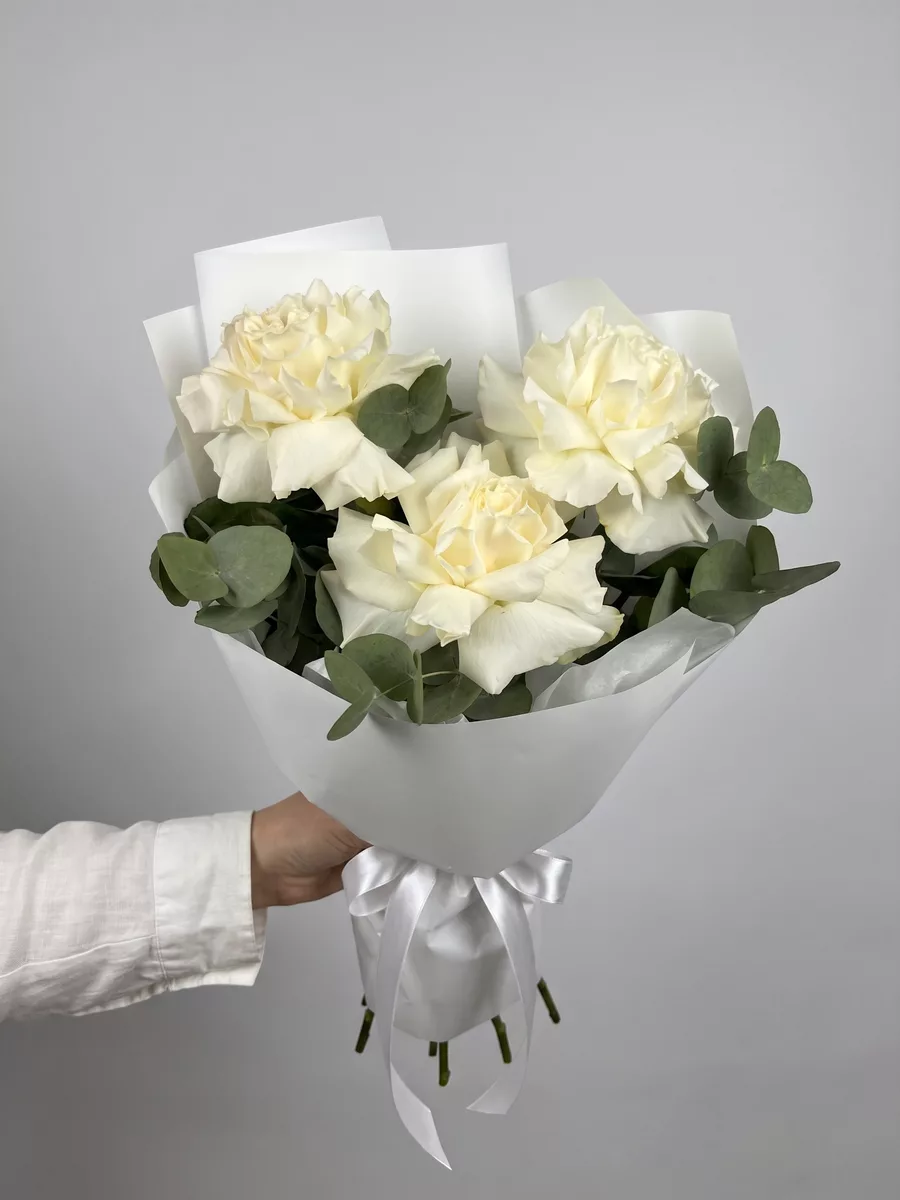
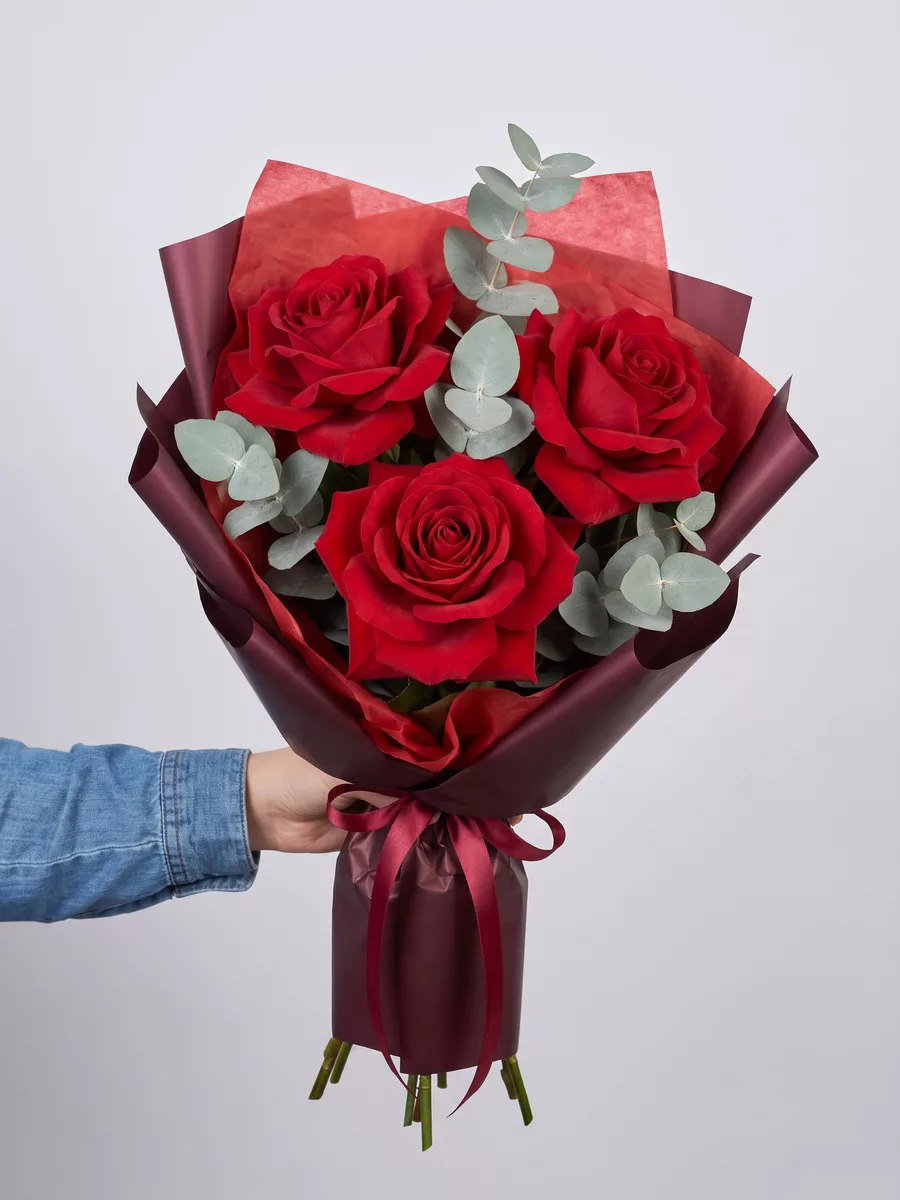
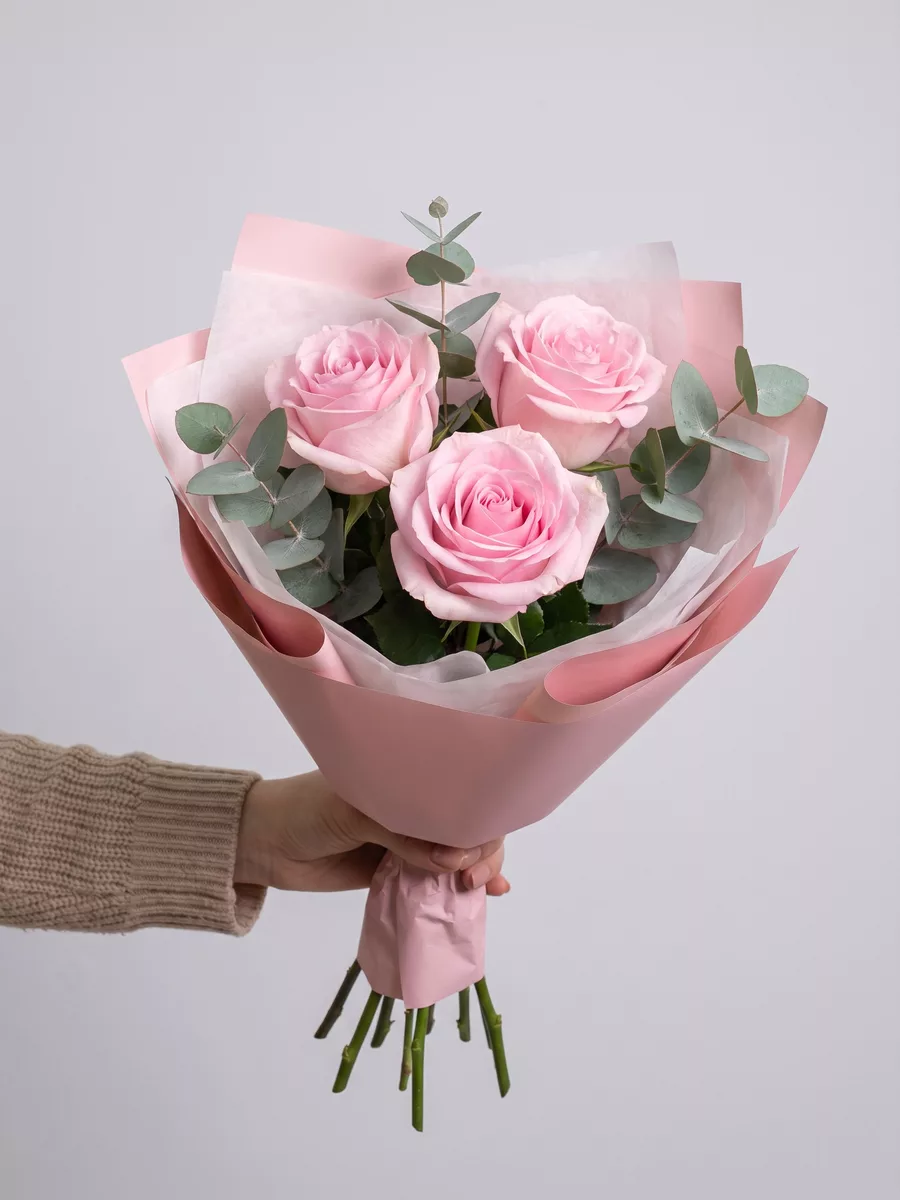
Bouquets we can deliver

What the Occasion Tells You Before You Choose a Single Stem
Before you think about colour or variety, think about the person and the moment. A birthday for a woman in her sixties in Omutninsk often calls for something classic and generous — full-headed roses in cream or soft pink, perhaps with lisianthus or alstroemeria to add texture without overwhelming the arrangement. A younger recipient might appreciate something more contemporary: a mixed bouquet with spray roses, eucalyptus, and a few stems of matthiola for scent.
For a professional achievement — a promotion, a graduation, the opening of something new — flowers with structure and confidence work well. Think calla lilies, anthuriums, or tall sunflowers in late summer. These read as celebratory without being overly romantic, which matters when the relationship between sender and recipient is collegial or familial rather than intimate.
Romantic occasions call for red roses, but not always in the way you might expect. In Russian flower culture, the number of stems carries meaning. An odd number is standard for living recipients — three, five, seven, eleven, fifteen. An even number is reserved for mourning. If you are ordering a dozen roses out of habit, consider asking for eleven or thirteen instead. This small detail will not go unnoticed by the recipient or their family.
For a new baby or a housewarming, lighter colours and softer textures feel appropriate — white or pale yellow freesias, tulips in season, or a compact arrangement with chamomile and wax flower. The occasion shapes everything that follows.
Seasonal Flowers That Travel Well to the Kirov Region
Not every flower handles a long journey in variable temperatures equally well. When you are sending from abroad to Omutninsk, the flowers have already been sourced, arranged, and are moving through a distribution chain before they reach the recipient's door. Choosing varieties with good vase life and structural resilience makes a real difference.
Chrysanthemums are one of the most reliable choices year-round. They hold their shape, tolerate mild temperature variation, and last well over a week in a vase when properly conditioned. Spray chrysanthemums in particular give arrangements a full, generous look without requiring expensive tropical varieties. Alstroemeria is similarly robust — the stems are sturdy, the blooms open gradually over several days, and they come in a wide range of colours.
In spring, tulips are both seasonally appropriate and widely loved in Russia. They travel well when cut at the right stage — slightly closed rather than fully open — and they continue to grow in the vase, which recipients often find charming. Freesias offer scent that carries through a room, and their delicate appearance belies how well they actually travel.
In summer, sunflowers are a strong choice for Omutninsk. They feel generous and bright, they are associated with warmth and affection in Russian culture, and they handle the heat better than many other varieties if they are properly hydrated before dispatch. Avoid garden roses and peonies in peak summer heat unless same-day delivery is guaranteed. In winter, roses from controlled growing environments are a safer bet than any field-grown variety.
Timing Your Order Across Time Zones Without Getting It Wrong
Omutninsk operates on Moscow time plus two hours, placing it in the UTC+5 zone. If you are placing an order from London, that is a four-hour difference in winter and three in summer. From New York, it is eight hours behind Omutninsk. From Dubai, it is one hour behind. These gaps matter more than people realise when you are trying to land flowers at a specific moment — the start of a birthday morning, the end of a work event, a dinner party.
The safest approach is to place your order the day before the occasion, not the morning of. This gives the delivery team time to prepare the arrangement, confirm the address, and schedule a window that works for the recipient. Same-day delivery to Omutninsk is possible within the Turboflora network, but it depends on the time of your order relative to local Omutninsk time, not your local time.
When filling in the delivery details, always write the recipient's address in Russian if you can, or at minimum in a transliterated Latin format that is unambiguous. Omutninsk addresses follow the standard Russian format: street name, building number, apartment number. If you are unsure of the exact address, a phone number for the recipient is essential — the delivery team can coordinate directly.
Avoid scheduling delivery for very early morning or late evening. Standard delivery windows in Russian cities, including smaller ones like Omutninsk, run from approximately nine in the morning to nine at night. Midday to early afternoon tends to work best for recipients who are at home.
Choosing by Budget: What Different Spending Levels Actually Look Like
When you are ordering from abroad, it can be hard to visualise what a given budget produces in a Russian city. The flower market in Russia is not the same as in Western Europe or North America, and what reads as modest in one country can look genuinely generous in another. Here is a practical sense of what different investment levels deliver.
At the entry level, you are looking at a compact, single-variety bouquet — five to seven stems of roses or a small mixed arrangement with alstroemeria and greenery. This is appropriate for a friendly gesture: a thank-you, a congratulations to a colleague, or a simple birthday acknowledgement. It will arrive wrapped and presented properly, but it will not fill a room.
In the mid range, you move into fuller arrangements — fifteen or more stems, mixed varieties, considered combinations. This is where you might pair white lisianthus with spray roses and eucalyptus, or combine sunflowers with solidago and hypericum berries for a warm, textured look. This level suits most personal occasions: birthdays, anniversaries, celebrations.
At the higher end, you are working with premium varieties, larger stem counts, and sometimes a box or hatbox presentation rather than a wrapped bouquet. Long-stemmed roses at twenty-five or thirty stems, calla lilies with monstera leaves, or a structured arrangement with anthuriums and orchids — these make an impression that is hard to miss. For a significant birthday, a major life event, or when you want the recipient to feel truly celebrated despite the distance, this is the level that lands.
What Happens After Delivery: Helping Your Recipient Care for the Flowers
You will not be there to put the flowers in water, but you can make sure the person receiving them knows what to do. A short message with the bouquet — even just a few lines — can include basic care instructions that make a real difference to how long the flowers last.
The first step is always a fresh diagonal cut on each stem, made with a sharp knife rather than scissors. Scissors crush the stem's vascular tissue and reduce water uptake. A clean diagonal cut increases the surface area and keeps the channel open. This should happen immediately before the stems go into water, not minutes later.
The water should be clean, cool, and changed every two days. Room temperature water is fine; ice cold is not necessary. Any leaves that would sit below the waterline should be removed before the stems go in — submerged foliage rots quickly and introduces bacteria that shorten vase life for the whole arrangement.
Keep flowers away from direct sunlight, radiators, and fruit bowls. Ripening fruit releases ethylene gas, which accelerates petal drop in roses, carnations, and many other common varieties. In Omutninsk's cold winters, avoid placing vases near draughty windows or exterior walls where temperatures fluctuate.
For roses specifically: if the heads droop within the first day, this usually means an air bubble has formed in the stem. Re-cut the stem under water and place the whole rose, head included, in cool water for an hour. Most heads will recover. Sharing this with your recipient as a message note is a small gesture that shows real care.
The Message Card: What to Write When You Are Far Away
The flowers carry the emotion, but the card makes it specific. When you are sending from abroad, the card is often the only personal element you can fully control. A generic message — 'Happy Birthday, love from abroad' — does the job, but it does not do much more than that. A more considered note makes the recipient feel that you thought about them, not just about the task of sending something.
Write in whatever language feels most natural between you and the recipient. If that is Russian, write in Russian. If it is English and the recipient reads it comfortably, English is fine. What matters is that the words sound like you. Florist-written cards often feel impersonal precisely because they use formal language that does not match the relationship.
Mention something specific. Not just 'I miss you' but 'I still think about that evening in the kitchen when you taught me to make pelmeni.' Not just 'congratulations' but 'I knew you would get this promotion — you have been working toward it for two years.' Specificity is what makes a message feel like a gift rather than an obligation.
If you are not confident writing in Russian and the recipient does not read English, you can write your message in English and ask the florist team to transliterate or assist. Alternatively, a short message in simple, clear language often crosses the language gap well enough — warmth reads across languages even when vocabulary is limited.
Keep the card to three to five sentences. Longer is not always more meaningful. The flowers say most of what needs to be said.
Sending flowers to Omutninsk from abroad is not complicated once you understand the climate, the timing, and the cultural details that make a bouquet feel right rather than just delivered. Choose varieties that travel well for the season, get the stem count to an odd number, place your order a day ahead, and write a card that sounds like yourself. The distance between you and the person you are thinking of does not disappear, but a well-chosen bouquet arriving at their door — fresh, considered, and on time — closes it a little.
Frequently asked questions
What happens to my bouquet if it arrives in Omutninsk during a January cold snap?
Turboflora uses insulated packaging designed for the Kirov region's winters, where temperatures regularly fall below minus twenty Celsius. Stems are wrapped to prevent freeze damage during the final delivery leg. Choosing compact, cold-tolerant varieties like spray chrysanthemums, alstroemeria, or carnations over delicate garden roses gives the arrangement the best chance of arriving looking exactly as intended.
Is it realistic to send flowers to Omutninsk from a country several time zones away and still control the delivery date?
Yes, but lead time matters more than in larger cities. Place your order at least two to three days ahead, accounting for the time difference when you calculate the cutoff. Turboflora coordinates the local delivery window, so specifying a morning or afternoon arrival is possible. The further the time zone gap, the more a buffer day protects you from a missed occasion.
Which flower combinations work well for someone receiving a bouquet alone at home in Omutninsk rather than at a celebration?
For a quiet, personal delivery, smaller arrangements feel more considered than grand statement bouquets. Tulips paired with eucalyptus, or a soft mix of freesia and alstroemeria, suit a home setting without overwhelming a small space. Avoid overly formal structures like tall gladioli. The goal is something that looks chosen for the person, not assembled for a stage.
How do summer temperatures in Omutninsk affect which flowers I should choose in July or August?
July and August in Omutninsk can exceed thirty Celsius, which shortens vase life sharply for heat-sensitive varieties like sweet peas, ranunculus, and open garden roses. Chrysanthemums, alstroemeria, and sunflowers handle the warmth more reliably. Ask for buds rather than fully open blooms so the recipient gets the full display after delivery, once the flowers settle into a cool interior.
Can I describe a specific colour palette or mood when ordering rather than choosing a named arrangement?
You can, and it often produces a better result than selecting from a fixed catalogue. Florists working with Turboflora in the Kirov region can interpret a brief like warm and cheerful or soft and understated and build accordingly with what is fresh that week. Leaving room for the florist's judgment, especially in a smaller city where stock varies seasonally, usually means a more honest and better-conditioned bouquet.
Ready to send flowers?
Pick the city, choose the bouquet, and a local florist takes it from there.
Choose a city →