Sending Flowers to Onega from Abroad? Here Is What to Actually Expect
You are somewhere outside Russia — maybe London, Berlin, Dubai, or New York — and someone you care about is in Onega, a quiet city on the Onega River in the Arkhangelsk region. You want to send them flowers, but you are not sure how the process works, what will actually arrive looking fresh, or whether the customs around giving flowers in Russia are different from what you know. They are, a little, and knowing them in advance makes the gift feel exactly right rather than accidentally awkward.
Why Onega Is Different from Ordering to a Big Russian City
Onega sits in the north of European Russia, roughly 250 kilometres from Arkhangelsk. The climate is genuinely cold for a significant part of the year, with winters that push well below minus twenty Celsius and springs that arrive later than in Saint Petersburg or Moscow. This geography matters the moment you start thinking about which flowers will survive the journey and look beautiful when the door opens.
For a sender abroad, the first thing to understand is that the logistics chain is longer than it would be for a city with a major airport and a large florist infrastructure. Flowers leaving a central hub like Saint Petersburg travel north, and the time window between cutting and delivery is tighter. That is why variety choice is not just an aesthetic decision — it is a practical one. Roses, chrysanthemums, alstroemerias, and carnations all handle transit stress better than, say, open garden peonies or delicate sweet peas. A florist who knows northern delivery will build the bouquet with that in mind from the start.
The good news is that when the order is placed correctly and the composition is chosen with the climate in mind, the recipient in Onega gets flowers that look as considered and generous as anything delivered in a major city. The key is matching your expectations and your choices to the real conditions on the ground, which is exactly what this article is here to help you do.
Bouquets we can deliver
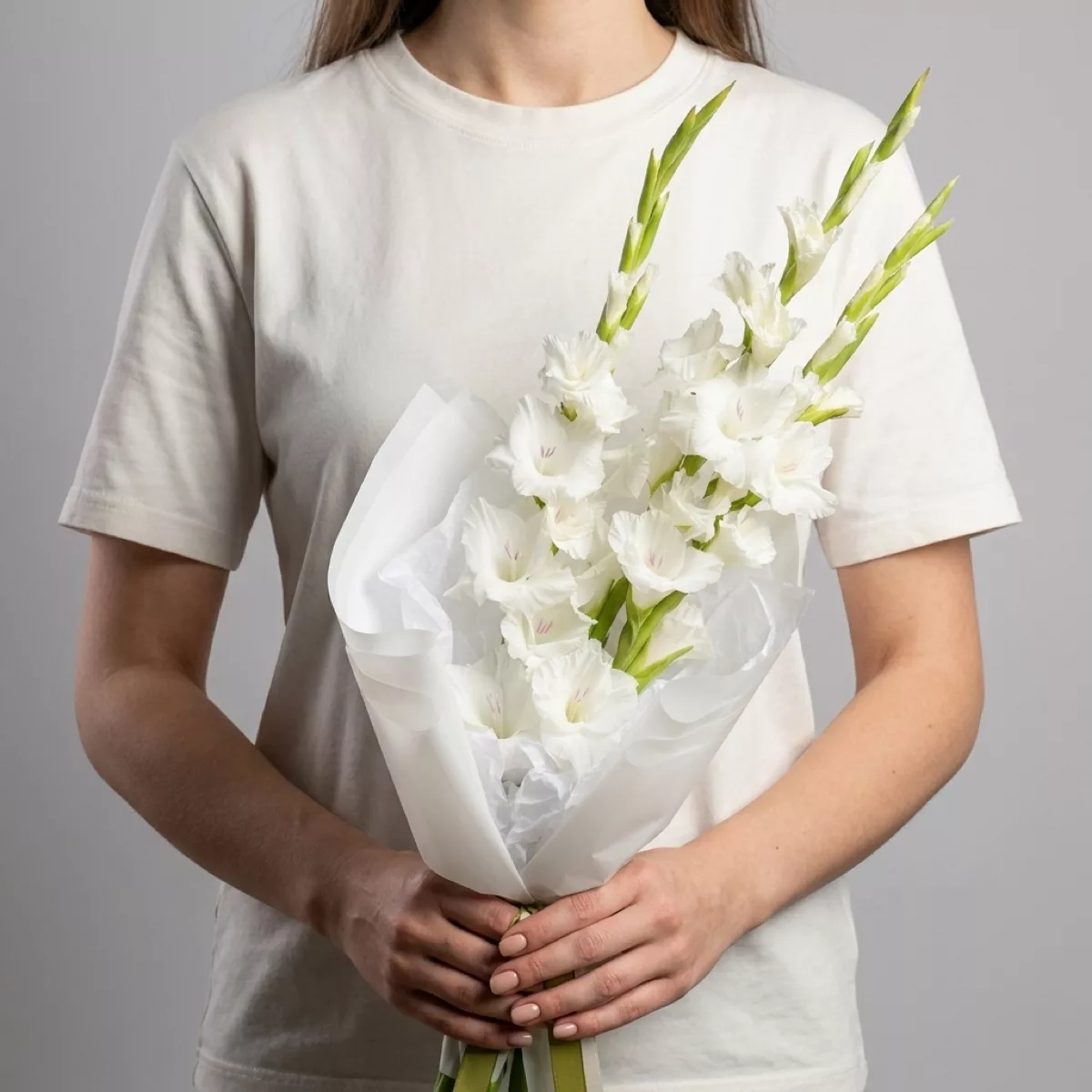
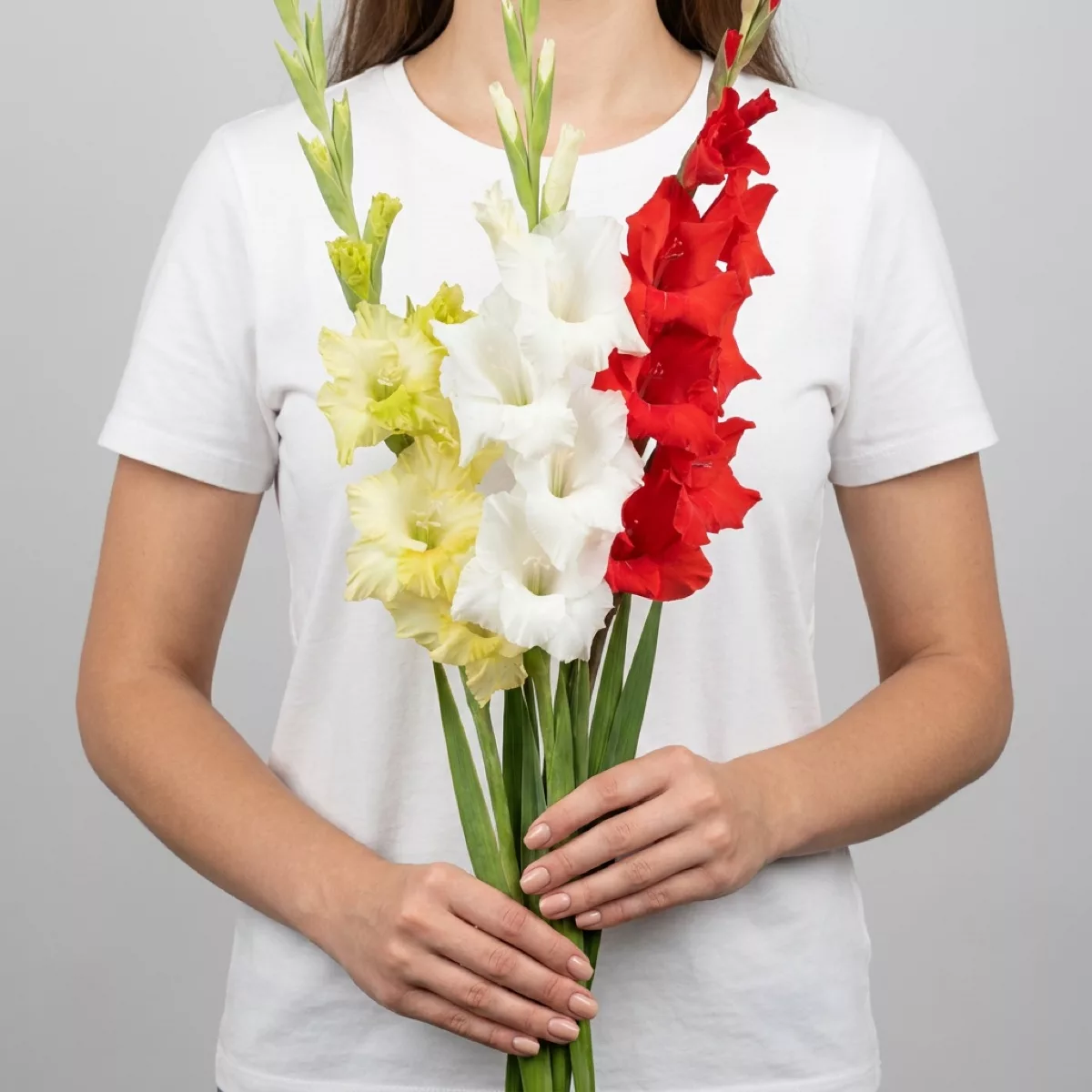
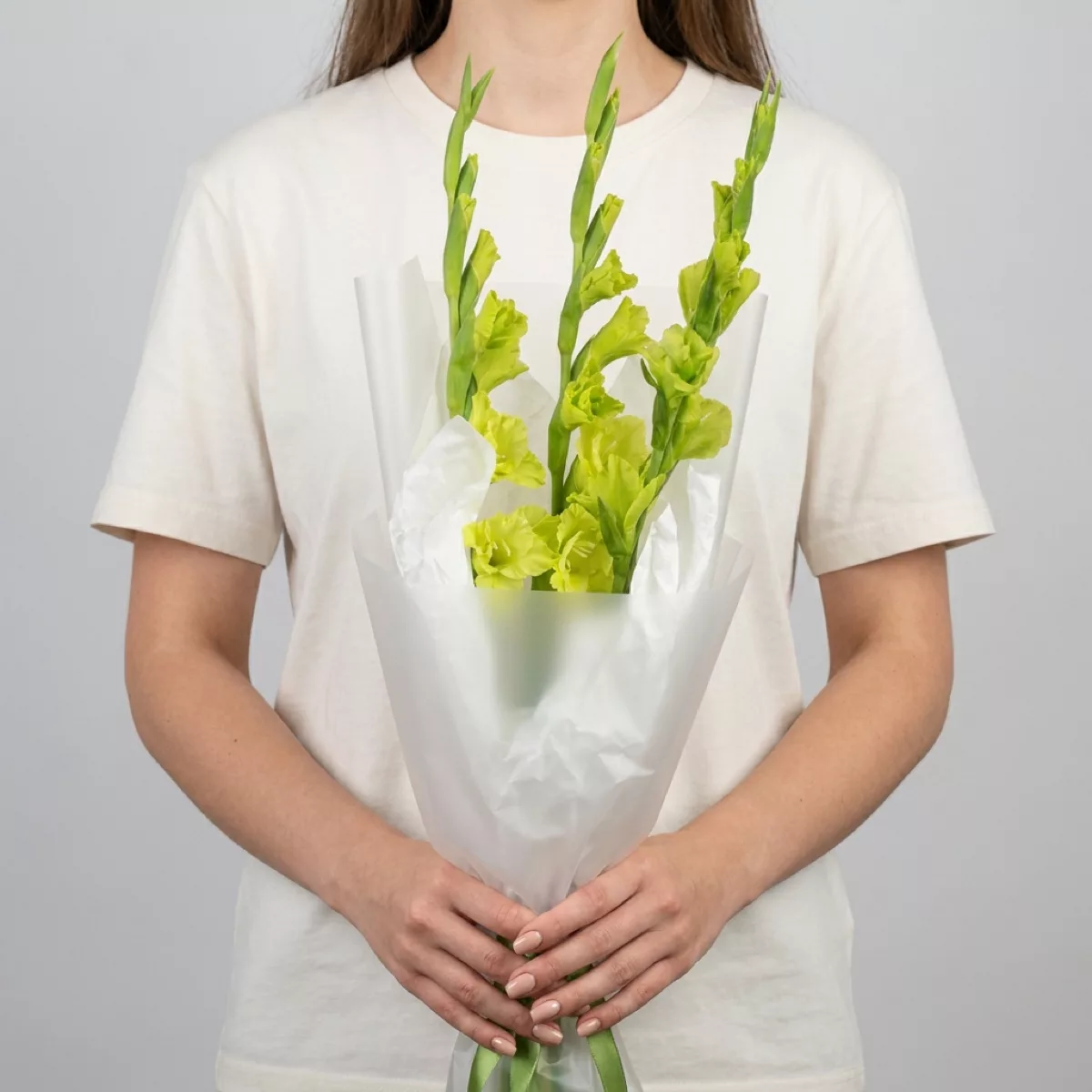
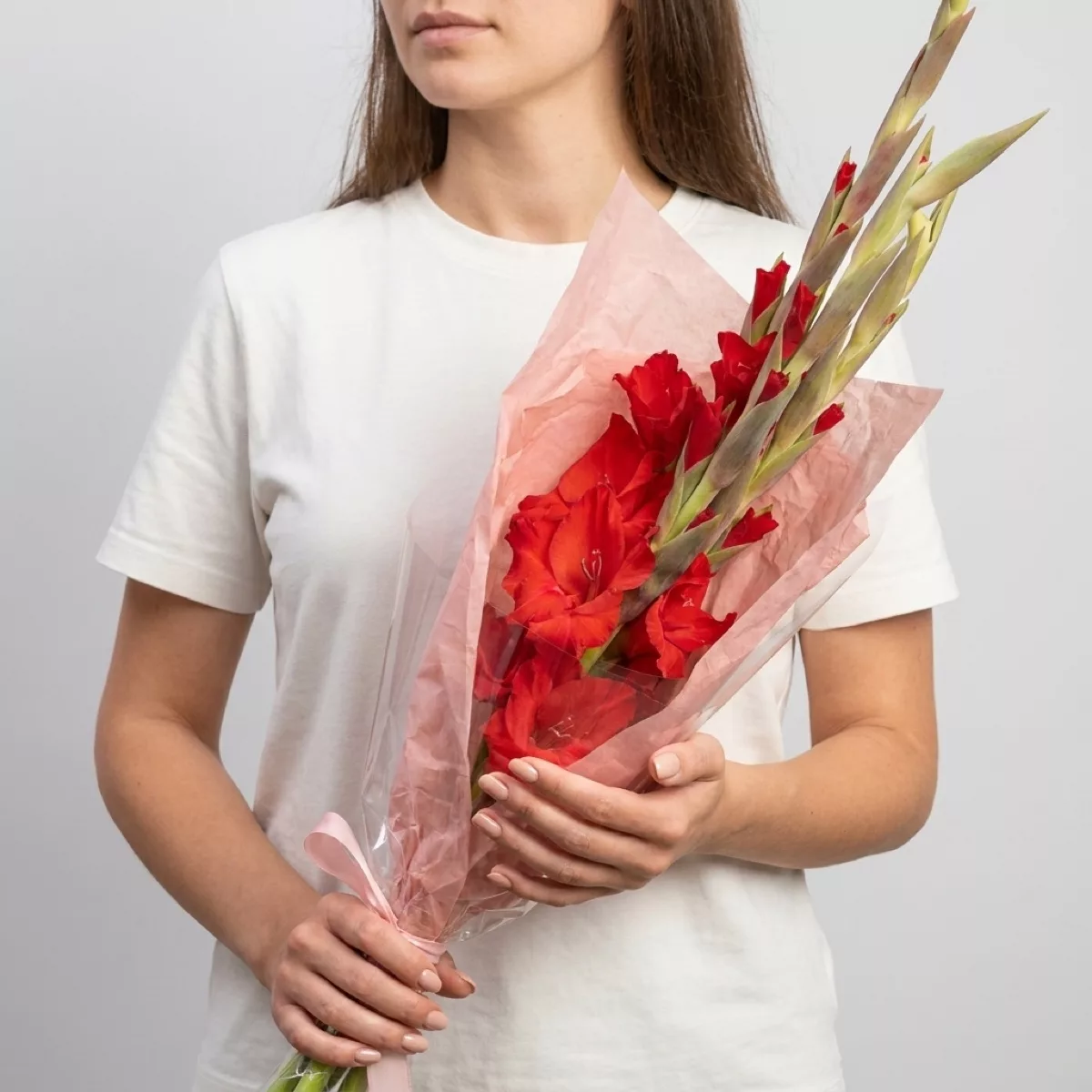
What Russian Flower Customs Mean for Your Order
If you grew up outside Russia, a few traditions around flowers may surprise you. The most important one is the odd-number rule. In Russia, even numbers of flowers are associated with funerals and mourning, so bouquets for celebrations, birthdays, anniversaries, and everyday gifting always contain an odd number of stems — three, five, seven, eleven, fifteen, and so on. This is not a superstition that only older generations follow; it is a living, widely observed norm across age groups and regions, including in smaller cities like Onega. A bouquet of ten roses, however beautiful, will read as wrong to most Russian recipients.
The second thing worth knowing is that presentation is taken seriously. Wrapping, ribbon, and the overall visual weight of the bouquet carry social meaning. A loosely assembled bunch in plain paper can feel underwhelming even if the flowers themselves are premium. Russians tend to appreciate generous, structured arrangements where the packaging matches the sentiment. If you are sending for a birthday or a significant occasion, it is worth selecting a composition rather than a minimal stem count.
Third, white flowers are perfectly acceptable for any celebration — unlike in some other cultures where white signals mourning. Red roses carry romantic meaning just as they do in Western Europe. Yellow flowers have a complicated reputation in Russian folk belief (some associate them with separation), so if you want to play it safe with a new acquaintance or a professional contact, a mixed bouquet that leads with pink, coral, or white tones is universally well received.
Choosing Flowers That Travel Well to a Northern Address
The distance and the climate of the Arkhangelsk region mean your variety choices should lean toward flowers with strong cell walls and good vase life. Spray roses and standard roses are reliable — they close slightly during transit and open beautifully once placed in water. Alstroemerias are exceptional travellers; a stem can hold multiple buds at different stages of opening, which means the arrangement continues to develop over several days. Chrysanthemums, both spray and standard varieties, are robust and long-lasting, and they are widely loved across Russia without carrying any specific cultural weight.
Eustoma, also known as lisianthus, is a good choice for an elegant, softer look — the ruffled petals resemble peonies but the flower handles cold and transit far better. Hypericum berries and eucalyptus add structure and texture to a composition and both travel very well. If you have your heart set on something more delicate, the florist can work with it, but the arrangement will need to be built so that the more fragile stems are protected by sturdier ones.
In winter, which in Onega can mean October through April, it is worth asking for flowers to be wrapped in extra insulating layers. A bouquet moving through minus fifteen degrees without proper wrapping will show cold damage on the petals within minutes. A florist who handles northern delivery regularly will do this automatically, but it is worth confirming when you place the order. The recipient should unwrap the flowers somewhere warm and let them rest at room temperature for ten minutes before cutting the stems and placing them in water.
Timing Your Order Across Time Zones
Onega operates on Moscow Time, which is UTC plus three hours. If you are ordering from Western Europe, you are one to two hours behind. From the US East Coast you are eight hours behind, and from the West Coast eleven. This matters enormously when you want same-day delivery or are trying to hit a specific moment — a birthday morning, the end of a work day, an anniversary dinner.
The practical rule is to place your order at least the evening before the delivery date, using Onega local time as your reference point. If you want flowers to arrive before noon on a Tuesday in Onega, placing the order on Monday evening your time is safe in most time zones. Waiting until Tuesday morning your time may already be Tuesday afternoon in Onega, which shifts delivery to the evening slot or the following day.
For international orders, it also helps to have the recipient's full address written in Russian, or at least in transliterated Latin characters that a Russian speaker can easily convert. A street name written phonetically in English can cause delays if the delivery driver cannot match it to the actual address. The building number, apartment number, and entrance code if applicable should all be included. Russian addresses follow a specific format — city, street, building, apartment — and providing information in that order reduces the chance of confusion. If you are unsure about any part of the address, it is better to ask the recipient directly than to guess.
Matching the Bouquet to the Occasion and the Person
A birthday calls for colour and generosity. For a woman, a composition built around garden roses, eustoma, and alstroemeria in warm pink and peach tones reads as both celebratory and refined. For a man, something more architectural — tall stems, strong greens, perhaps anthurium or tropical foliage alongside classic roses — works well without feeling overly romantic. Russians do give flowers to men, particularly for birthdays and professional milestones, and a well-chosen bouquet is received with genuine warmth.
For a new baby, soft whites, creams, and pale yellows work beautifully. Spray roses, white chrysanthemums, and delicate gypsophila create that light, celebratory feeling without being overpowering. If you know the baby's gender, pale pink or blue can be incorporated, though a neutral palette is always elegant and never feels generic when the composition is thoughtfully assembled.
For a housewarming or a thank-you gift, a lush mixed bouquet with a variety of textures — roses, hypericum, eucalyptus, perhaps some waxflower — signals warmth and abundance. These occasions are less about a single dramatic statement and more about creating something the recipient will enjoy living with for a week. Longer vase life becomes especially important here, so leaning toward alstroemeria and chrysanthemum as the structural flowers, with roses as the focal point, gives you both beauty and longevity.
If you are sending to mark a professional achievement or promotion, classic red or white roses in a clean, structured arrangement carry the right weight of respect and celebration without crossing into romantic territory.
How to Care for Flowers Once They Arrive in Onega
The recipient may not know how to get the most from their bouquet, especially if they do not receive flowers often. A short note with care instructions is a genuinely thoughtful addition to any delivery, and it is something you can request when placing your order.
The basics: cut the stems at an angle, about two centimetres from the bottom, using scissors rather than tearing. Remove any leaves that would sit below the waterline, because submerged foliage rots quickly and clouds the water. Fill a clean vase with cool, fresh water — not ice cold, not warm. In Onega's heated winter apartments, the air tends to be dry and warm, which accelerates petal dehydration. Keeping the arrangement away from direct heat sources, radiators, and sunny windowsills will extend vase life noticeably.
Change the water every two days and re-cut the stems each time. Roses and alstroemerias benefit from this routine most. Chrysanthemums are more forgiving and will hold for up to two weeks with basic care. Eustoma will last ten days to two weeks if kept in a cool spot. Eucalyptus and hypericum berries outlast most flowers and can be kept in a separate arrangement after the blooms have faded.
If you want to include a care card, keep the language simple and warm — something that feels like advice from a friend rather than instructions from a manual. Most people appreciate knowing that someone thought about the flowers lasting, not just arriving.
Practical Steps for Placing Your Order from Outside Russia
The process of ordering internationally is straightforward if you prepare a few things in advance. First, have the full delivery address ready in Russian script if possible. If you cannot write it in Russian, a clear phonetic transliteration with the building and apartment numbers clearly separated is the next best option. Second, have the recipient's phone number in international format — starting with the Russian country code, which is plus seven. The delivery team may need to call or send a message to confirm the arrival time or access the building.
Payment from abroad is handled through standard international card options. Most major credit and debit cards work, and the transaction processes in the currency shown at checkout. You do not need a Russian bank account or a Russian phone number to place the order. The order confirmation and any updates will come to the email address you provide, so use one you check regularly on the day of delivery.
When writing the message card, you can write in any language — English, German, French, or whatever language the recipient speaks. The card will be printed and included with the bouquet exactly as you write it. If you want to include a phrase in Russian and are not confident in the spelling, it is better to write in your own language than to include a mistranslated Russian phrase, which can undermine an otherwise lovely gesture.
Finally, order earlier than you think you need to. Building in a buffer of one extra day removes almost all the stress from international flower gifting and gives you time to adjust if anything unexpected comes up.
Sending flowers to Onega from abroad is a gesture that carries real weight. Distance makes a physical gift more meaningful, not less — the recipient knows that you thought about them specifically, found the right flowers, and arranged for something beautiful to arrive at their door in a northern Russian city that most people outside Russia could not find on a map. Get the odd numbers right, choose varieties that travel well in cold weather, give the order enough lead time across the time zones, and the rest takes care of itself. The flowers will arrive fresh, the message will feel exactly as warm as you intended, and someone in Onega will have a very good day.
Frequently asked questions
Can I order flowers for Onega if I do not speak Russian?
Yes, entirely. The order process is available in English and the message card will be printed in whatever language you write it. The only thing worth preparing in advance is the recipient's address in Russian script or a clear phonetic version, and their phone number with the Russian country code, as the delivery team may need to reach them.
Why do bouquets in Russia always have an odd number of flowers?
Even numbers of flowers are traditionally associated with mourning in Russian culture and are used at funerals. For any celebratory or everyday occasion — birthdays, anniversaries, thank-you gifts — the bouquet should contain an odd number of stems. This is a widely observed norm across all age groups and regions in Russia, including smaller cities like Onega.
How far in advance should I place an order to Onega from a different time zone?
Onega is on Moscow Time, UTC plus three. To be safe, place your order at least the evening before delivery using Onega local time as your reference. If you want a morning delivery, ordering the day before is strongly recommended. This buffer accounts for time zone differences and ensures the florist has time to prepare the right composition.
Which flowers last longest in Onega's climate, especially in winter?
Alstroemerias, chrysanthemums, and spray roses are the strongest performers in terms of vase life and cold-weather transit. Eustoma is also excellent, lasting up to two weeks with basic care. In winter, all bouquets should be wrapped in insulating layers for the journey. The recipient should unwrap the flowers indoors and let them warm up before cutting the stems and placing them in water.
Are yellow flowers acceptable to send in Russia?
Yellow flowers carry an old folk association with separation or bad luck in some parts of Russia, and while younger generations are less attached to this belief, it is safest to avoid a purely yellow bouquet if you do not know the recipient's feelings on the matter. A mixed arrangement with yellow as one element among pinks, whites, or corals is generally fine and well received.
Ready to send flowers?
Pick the city, choose the bouquet, and a local florist takes it from there.
Choose a city →