Sending Flowers to Osa from Abroad? Here Is Everything That Matters
Osa is a quiet town on the western bank of the Kama River in Perm Krai, and if someone you love lives there, distance should not make the moment feel smaller. Sending flowers from another country sounds complicated, but with the right preparation it is genuinely straightforward — and the bouquet that arrives can be every bit as considered and beautiful as one you would choose in person. This guide walks you through the timing, the seasonal realities, the Russian customs worth knowing, and the choices that will make your recipient feel truly seen.
Understanding What Osa Is Like as a Destination
Osa sits in a continental climate zone where winters are long and cold, summers are warm but brief, and spring and autumn arrive with genuine drama. This matters for flowers because it shapes what grows locally, what travels well, and how long a bouquet will last once it reaches your recipient's home. In January the air inside apartments is dry from central heating, which shortens vase life for delicate blooms. In July the warmth is real but manageable, and flowers can be enjoyed with open windows and a little water discipline.
The town itself has a modest, close-knit character. Receiving a delivered bouquet is genuinely noticed here — by neighbours, by family, by colleagues if the delivery reaches a workplace. That social visibility is worth keeping in mind when you choose the size and style of an arrangement. A generous, well-presented bouquet carries more meaning than a small one in a setting where flowers are still considered a serious and thoughtful gift rather than a casual purchase.
For a sender abroad, the key practical point is that Osa is served by Turboflora's delivery network, which operates out of Saint Petersburg and reaches addresses across Russia within one to two hours of order confirmation. You do not need a local contact, you do not need to coordinate anything on the ground. You place the order in English, specify the address and the occasion, and the logistics are handled entirely on the Russian side.
Bouquets we can deliver
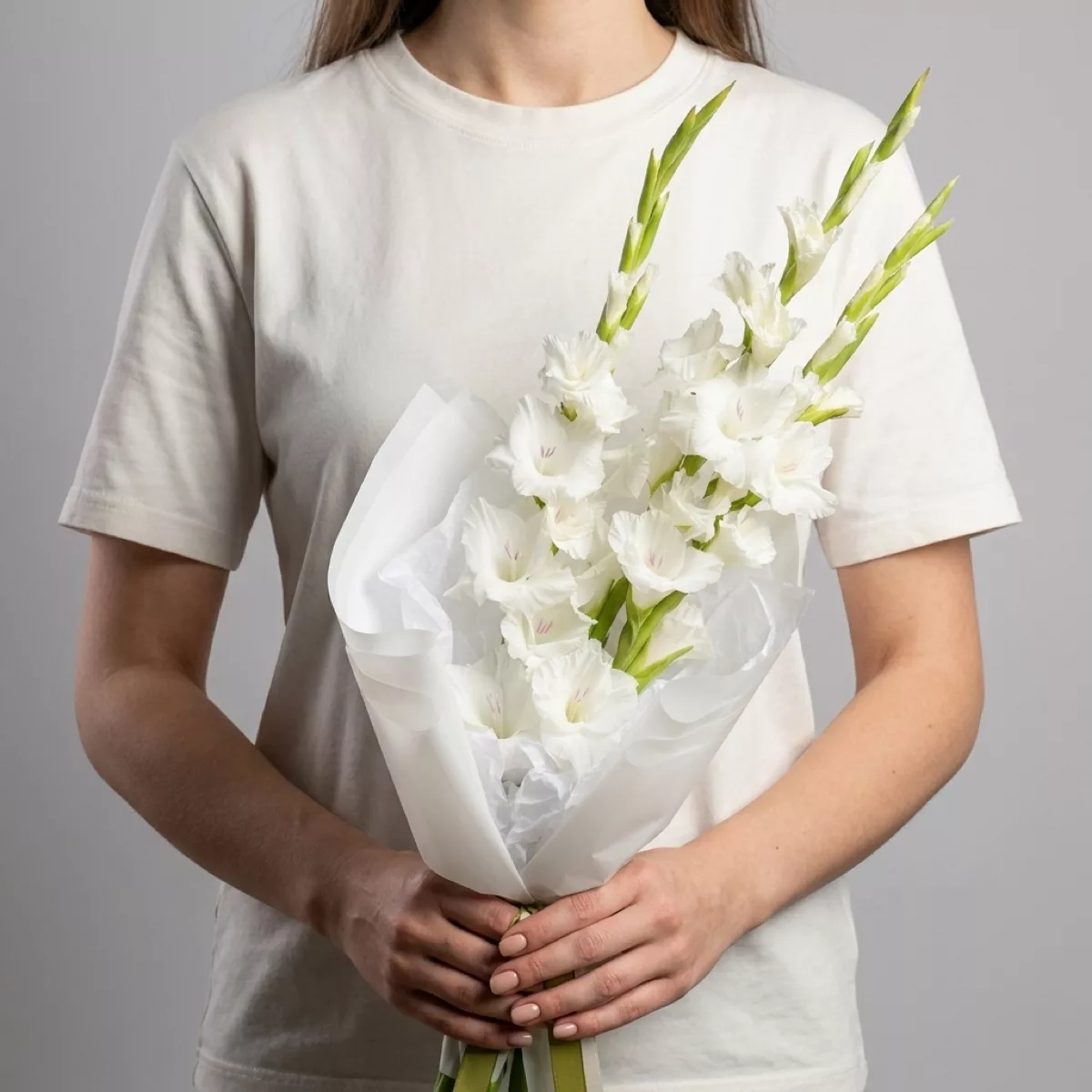
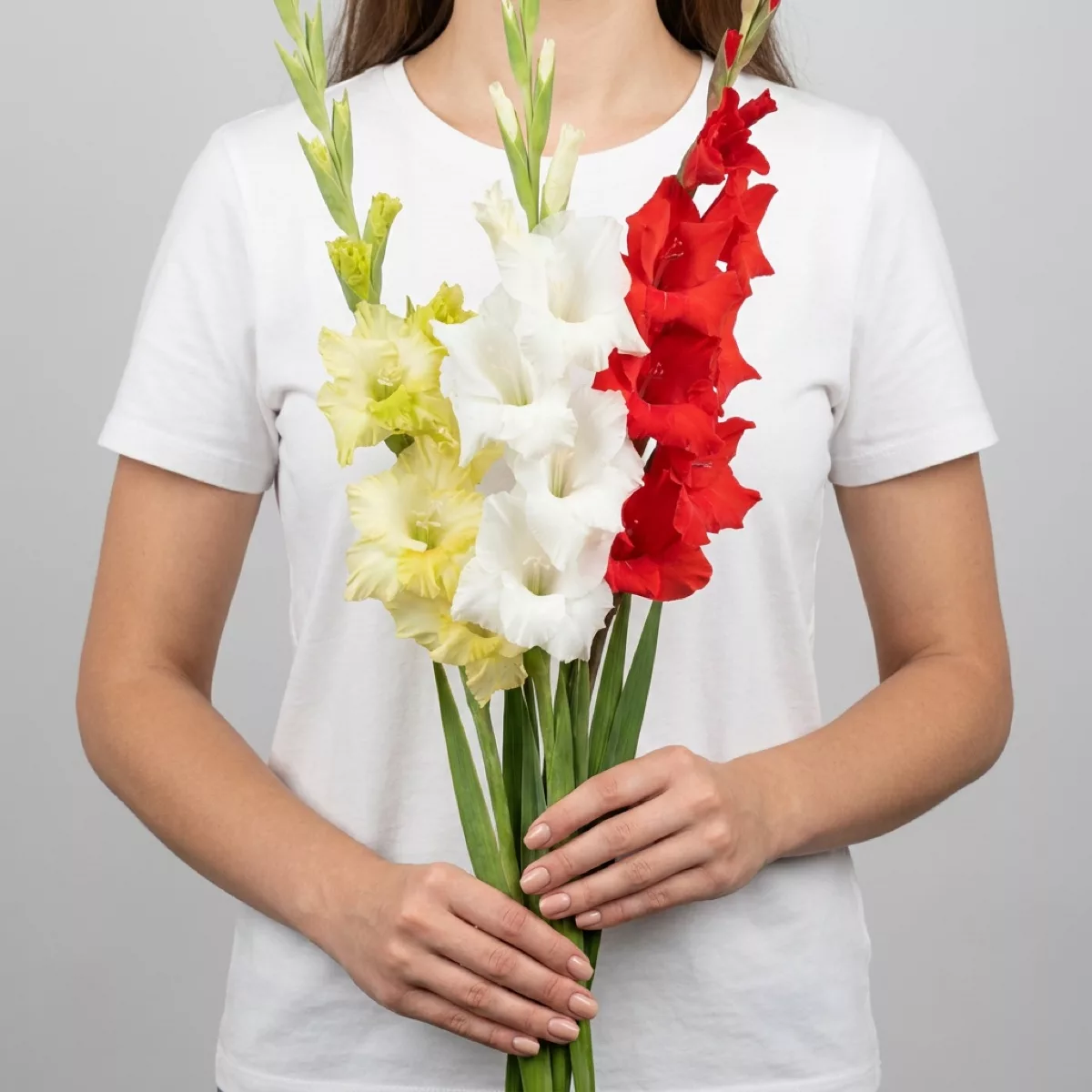
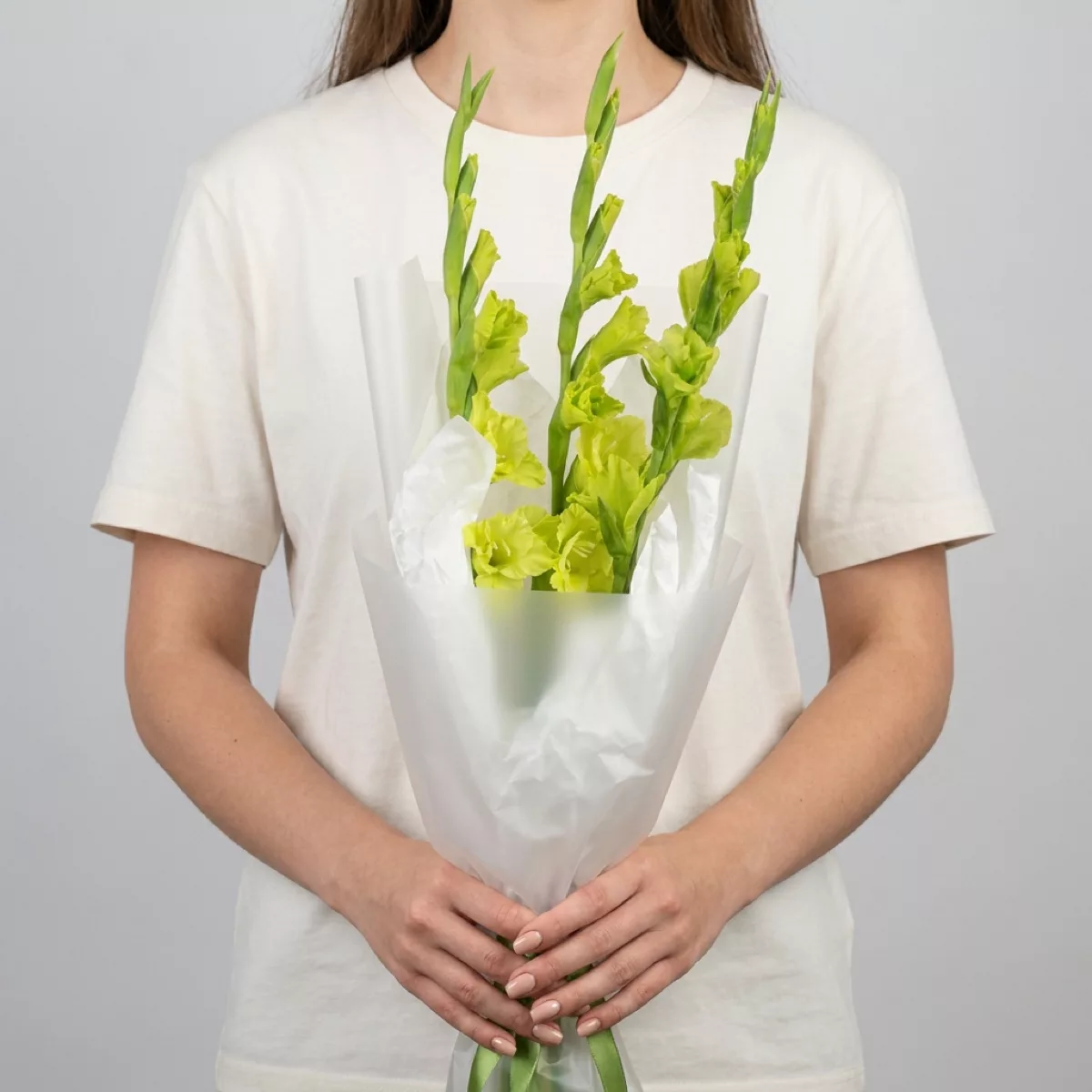
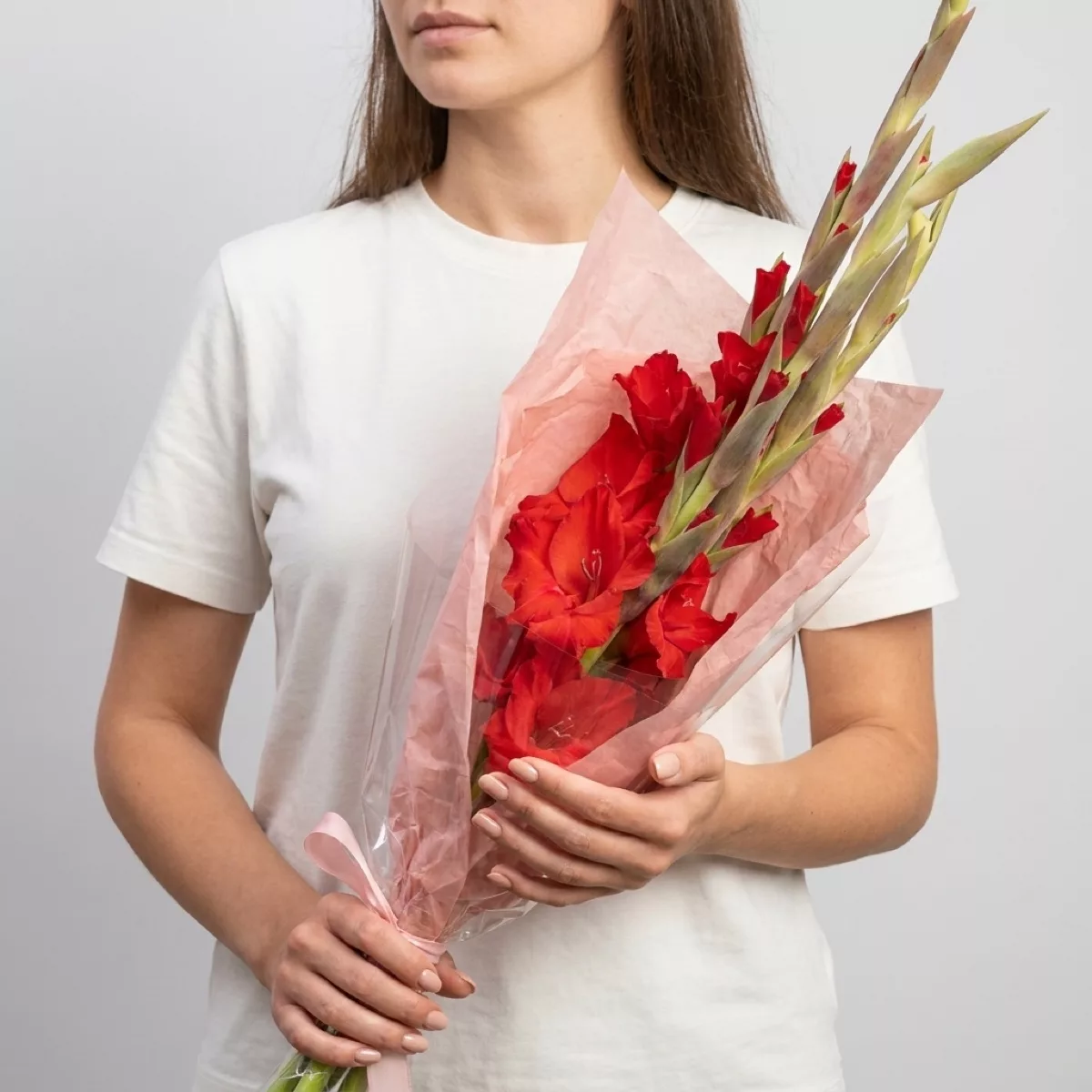
Timing Your Order Across Time Zones
Osa operates on Yekaterinburg Time, which is UTC plus five. If you are sending from Western Europe, that is four hours ahead of you. From the East Coast of the United States the gap is eight hours, and from the West Coast it is eleven. These numbers matter because they determine whether your order lands during business hours or in the middle of the night, and whether your recipient is at home, at work, or asleep when the bouquet arrives.
The most reliable approach is to place your order the evening before by your local clock. That way the Turboflora team in Russia receives it during their morning, has time to assemble the arrangement with full attention, and delivers it while your recipient is still in an active part of their day. Rushing an order through at the last minute rarely produces the best result — not because the florists cannot work quickly, but because the nicest seasonal stems and the most considered combinations take a little preparation.
For significant dates — birthdays, anniversaries, the eighth of March, the twenty-third of February — place your order at least two days ahead. These are high-demand periods across Russia, and the specific roses, spray chrysanthemums, or tulip varieties you have in mind may need to be reserved. A note in the order comments explaining who the recipient is and what the occasion means to you genuinely helps the florist make decisions that feel personal rather than generic. Details like favourite colours or whether she prefers soft pastels or bold saturated tones are always useful.
Russian Flower Customs a Sender Abroad Should Know
The most important rule in Russian flower gifting is the odd-number rule. Bouquets are given in odd numbers — one stem, three, five, seven, nine, eleven — because even numbers are associated with mourning and are left at graves. If you are ordering for a joyful occasion, make sure the count is odd. A florist assembling a proper bouquet will follow this automatically, but it is worth knowing so you can recognise it as intentional rather than a mistake.
Flowers carry strong symbolic weight in Russian culture, and certain associations are widely understood. Red roses signal romantic love and are appropriate for partners and spouses. Peonies are adored and feel celebratory. Tulips in spring are a classic gift for women of all ages, particularly around the eighth of March, which is International Women's Day and the single biggest flower-giving occasion in the Russian calendar. White flowers are elegant and appreciated, though at funerals they dominate — so for a joyful gift, mixing white with warm colours like peach, coral or yellow creates a more festive impression.
Gifting flowers without an occasion is perfectly normal and even appreciated in Russia. Sending a bouquet simply to say you are thinking of someone is understood as a warm gesture, not an odd one. If you are sending from abroad and the distance makes regular contact harder, an unannounced bouquet on a quiet Tuesday can land with more emotional weight than one tied to a calendar date. The surprise element is part of the gift.
Choosing Flowers for the Season and the Person
Osa's climate means that the season genuinely changes what is available and what will thrive after delivery. In winter, roses, alstroemeria, carnations and chrysanthemums are the most reliable choices — they travel well in cold conditions, last seven to ten days with proper care, and look full and generous even in a heated apartment. Delicate flowers like sweet peas or anemones are harder to source in peak quality during January or February, so it is better to lean into what is strong and available.
Spring, particularly March and April, is the season of tulips, ranunculus and hyacinths. If your recipient loves soft, fragrant flowers, this is the window to use them. Hyacinths in particular are intensely scented and make a small room feel transformed — three stems in a short vase can fill an entire kitchen with fragrance. Summer opens up more variety: lisianthus, eustoma, sunflowers, and seasonal garden roses become accessible and travel in good condition.
For the person receiving the flowers, think about where they live and how they spend their days. Someone in a small apartment appreciates a compact, upright arrangement that does not overwhelm a narrow windowsill. Someone with a spacious home and a love of entertaining might want something dramatic — a tall arrangement of gladioli or a wide bouquet of mixed garden-style stems. If you know she keeps fresh flowers regularly, she will have a vase and know what she is doing. If flowers are a rare treat for her, a simple, single-variety bouquet of roses or tulips is easier to manage and no less beautiful.
Presentation Choices That Change How the Gift Feels
The wrapping and presentation of a Russian bouquet is taken seriously, and it is part of what the recipient sees first when she opens the door. A bare bunch of flowers handed over without care feels like an afterthought. A bouquet wrapped in kraft paper with a ribbon, or presented in a hat box, or arranged in a gift box with moss and accent foliage, signals that someone put real thought into the moment. When you are sending from abroad and cannot be there in person, the presentation is doing some of the emotional work for you.
Kraft paper wrapping is classic and suits almost every occasion. It photographs beautifully, which matters because your recipient will almost certainly send you a photo, and that image becomes a shared memory of the moment. Soft tissue paper in a complementary colour underneath the kraft adds depth and a sense of care without being fussy. For a romantic occasion, a round bouquet — a dense, circular arrangement where every stem is visible from the front — is the most traditional and recognised form in Russia.
If you want to add something alongside the flowers, a handwritten card is the most meaningful addition. Turboflora can include a message from you in the delivery. Keep it personal and specific — a memory you share, the reason you are thinking of them, something that only the two of you would understand. Generic sentiments are fine, but a specific line lands differently. Even a short note in English is touching if the recipient understands the language, and if not, the gesture of the writing itself communicates care.
What to Tell Your Recipient Beforehand — or Not
One question senders from abroad often face is whether to warn the recipient that flowers are coming. There is no universal answer, but there are practical considerations that make the decision easier. If your recipient lives alone and is often out of the apartment during the day, a heads-up that a delivery is coming on a specific afternoon means she can be home or leave the door accessible. In Russian apartment buildings, delivery access sometimes requires the recipient to buzz in the courier, so an unannounced arrival can occasionally mean a missed delivery.
On the other hand, the surprise of an unannounced bouquet is a genuine pleasure and one of the things that makes flower delivery feel special. If you know your recipient's schedule well — she works from home, or is reliably home by early evening — the surprise element is worth preserving. You can always send a message immediately after placing the order that says something like 'keep your afternoon free, something is coming' without revealing what it is.
For workplace deliveries, which are common and well-received in Russia, no advance warning is needed. A bouquet arriving at an office or school is a public celebration of the recipient, and colleagues and coworkers typically respond warmly. The address should include the full workplace name, the floor or office number if relevant, and the recipient's full name so the courier can locate the right person without difficulty. Double-checking the address format with your recipient beforehand — without revealing the surprise — is always a sensible step when you are unfamiliar with Russian address conventions.
Caring for the Bouquet Once It Arrives
Part of giving flowers well is giving the recipient the knowledge to enjoy them as long as possible. Turboflora includes basic care instructions with deliveries, but as the sender you can reinforce the most important points in your message. The first step after receiving a bouquet is to trim the stems at a diagonal — about two centimetres off the bottom — and place them immediately in clean, cool water. This single action makes the most difference to vase life and takes thirty seconds.
Water should be changed every two days, and the stems trimmed again each time. Flowers last longer away from direct sunlight and away from fruit bowls, since ripening fruit releases ethylene gas which accelerates wilting. In a heated Russian apartment in winter, placing the vase near a cool window — not directly on a radiator — extends the life of roses and chrysanthemums significantly. Tulips are the exception: they continue to grow after cutting and will lean toward light, so rotating the vase keeps them upright.
Roses typically last seven to twelve days with good care. Alstroemeria and chrysanthemums can go two weeks. Tulips and ranunculus are shorter-lived at five to seven days but are so vivid during that time that the brevity feels worth it. Carnations, often underestimated, are among the longest-lasting cut flowers and can stay fresh for two weeks in cool conditions. If your recipient is someone who tends to forget about flowers, carnations or alstroemeria in a mixed bouquet give her more time to enjoy them without daily attention.
Sending flowers to Osa from another country is a small act with a large emotional radius. The distance that separates you becomes visible in the gesture — someone took the time to figure out the time zones, the customs, the right flowers for the season, and made it happen anyway. That effort is felt. Whether you are marking a birthday, celebrating news from afar, or simply wanting someone to know they are in your thoughts, a well-chosen bouquet delivered to their door in Osa carries that message more directly than almost anything else you can send across an ocean.
Frequently asked questions
Can I place an order in English for delivery to Osa?
Yes, completely. Turboflora's ordering process accommodates international senders, and you can write your card message and delivery instructions in English. The team handles the Russian-language coordination on the ground. Just make sure the recipient's name and address are written accurately, ideally with the Russian spelling if you have it, to ensure smooth delivery.
What is the best flower choice for a birthday in Osa in winter?
Roses, spray chrysanthemums and alstroemeria are the most reliable winter choices — they travel well in cold temperatures and last well in heated apartments. For a birthday, a warm-toned bouquet in peach, coral or deep red feels celebratory. Avoid very delicate blooms like sweet peas in January or February, as quality is harder to guarantee in that season.
How far ahead should I order for the eighth of March?
At least two to three days before the date. The eighth of March is International Women's Day and the peak flower-giving occasion in Russia — demand is extremely high across the country. Ordering early means your preferred varieties are available and the arrangement receives proper attention. Last-minute orders around this date risk limited stem choices and compressed preparation time.
Is it acceptable to send flowers to a man in Russia?
Yes, though the occasions differ from those for women. The twenty-third of February, Defender of the Fatherland Day, is the main occasion for gifting men, and flowers are sometimes included alongside other gifts. For a male recipient, single-variety arrangements or structured bouquets with strong forms — sunflowers, large-headed chrysanthemums, or tropical stems — tend to feel more fitting than soft, romantic combinations.
What happens if my recipient is not home when the bouquet arrives?
The courier will attempt contact by phone using the number you provide in the order. This is why including a working Russian mobile number for the recipient is important. If contact cannot be made, delivery is rescheduled to the earliest available slot. To avoid this entirely, consider a workplace delivery or give your recipient a gentle hint that something is arriving on a specific day.
Ready to send flowers?
Pick the city, choose the bouquet, and a local florist takes it from there.
Choose a city →