Sending Flowers to Ostashkov from Abroad? Read This First
Ostashkov sits quietly on the shore of Lake Seliger, a small city that feels far from everything — and that distance is exactly what makes a flower delivery there feel so meaningful. Whether you are in Berlin, Toronto or Tokyo trying to send something beautiful to someone you love in that corner of Tver Oblast, the process is more straightforward than you might expect, but it does reward a little planning. Here is what experienced florists want you to know before you place your order.
Why Ostashkov Is Worth the Extra Thought
Ostashkov is not a major metropolitan centre, and that shapes everything about how a flower delivery lands there. The city has around forty thousand residents, and receiving a bouquet — especially one sent from someone living abroad — carries real emotional weight. People notice. Neighbours notice. The gesture is not routine the way it might feel in a large city, so the flowers themselves carry a heavier symbolic load and deserve to be chosen carefully.
The city's location near Lake Seliger also means that weather can be unpredictable across all four seasons. Winters are genuinely cold, summers are warm and sometimes humid, and spring and autumn bring rapid swings. All of this affects which flowers travel well and which ones look tired on arrival. A florist who understands the local climate will choose stems that hold up, not just stems that photograph beautifully.
For a sender abroad, the most important mindset shift is to think about the recipient's day, not your own timezone. When it is mid-morning for you in Los Angeles, it may already be late evening in Ostashkov. Timing your order with the recipient's schedule in mind — a birthday morning, an anniversary afternoon — is the single most thoughtful logistical decision you can make. Turboflora delivers across Russia including Tver Oblast within one to two hours of order confirmation, so precision is genuinely possible once you account for the time difference.
Bouquets we can deliver
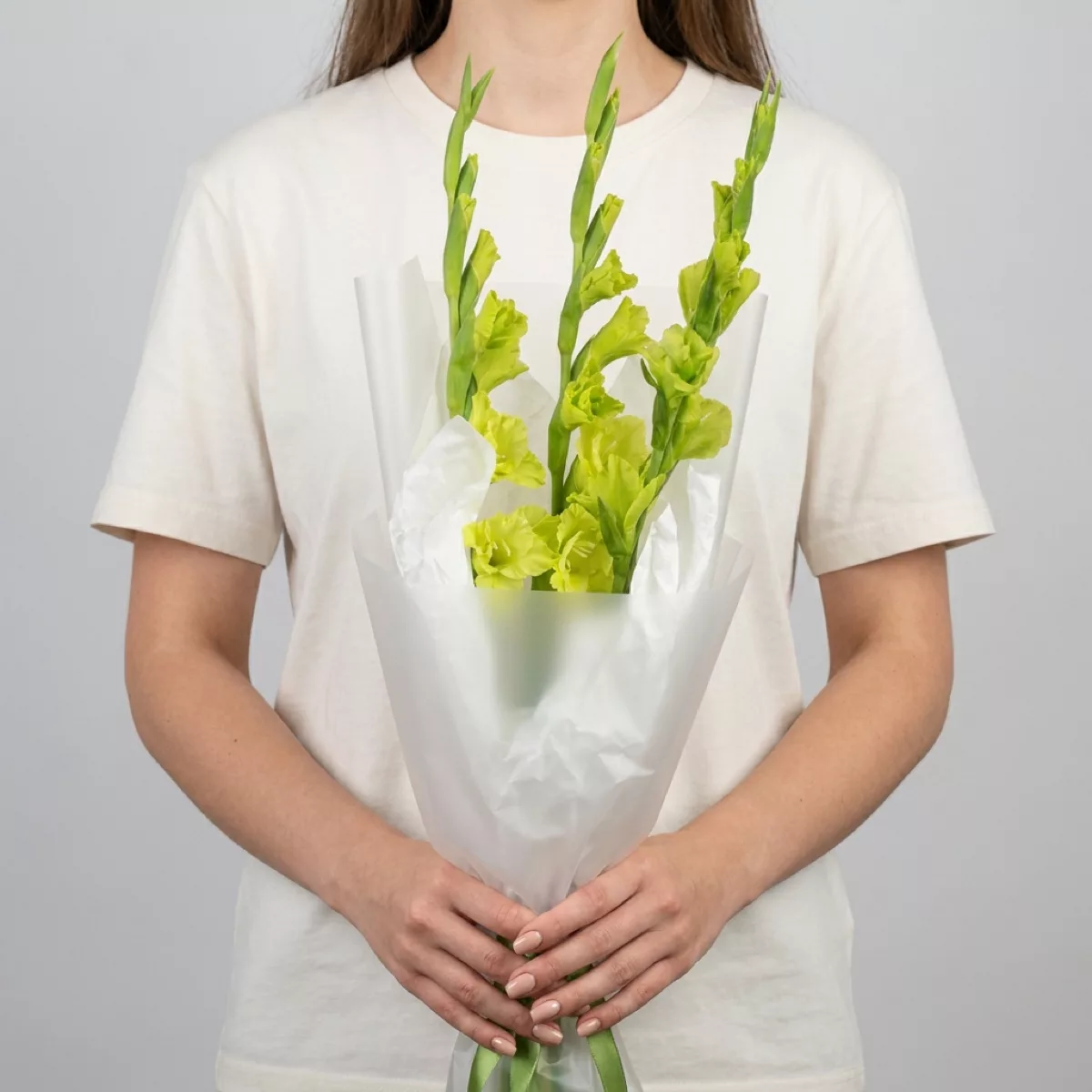
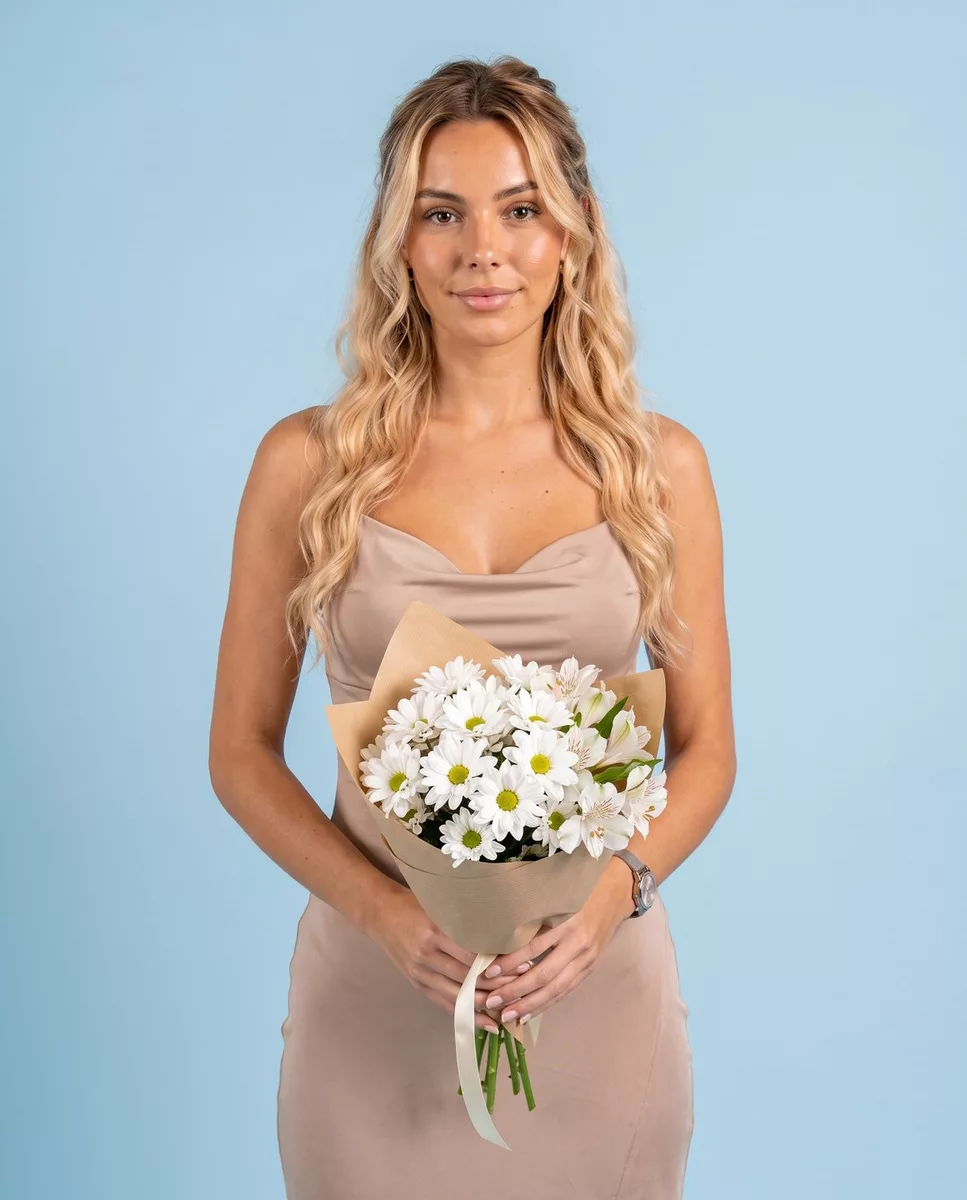
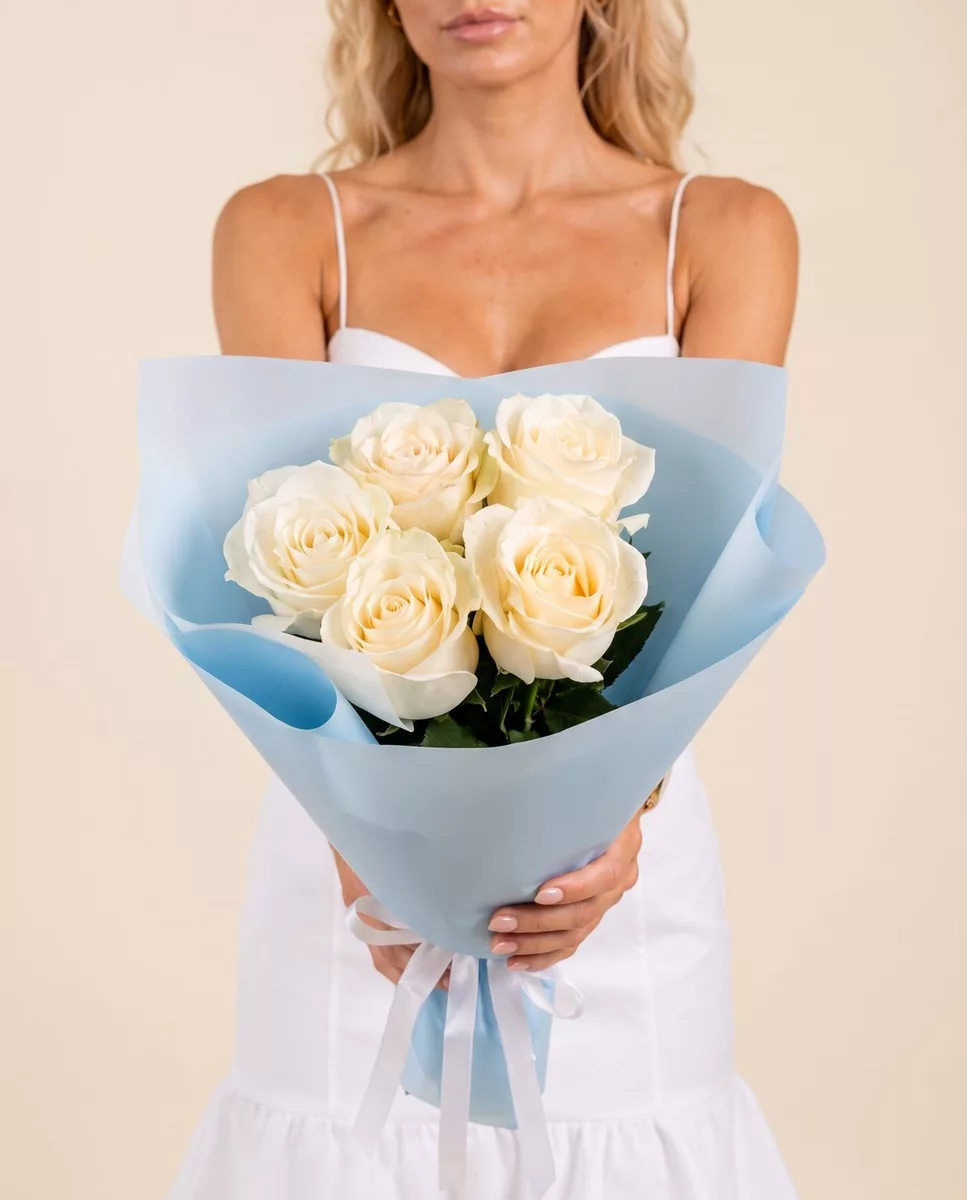
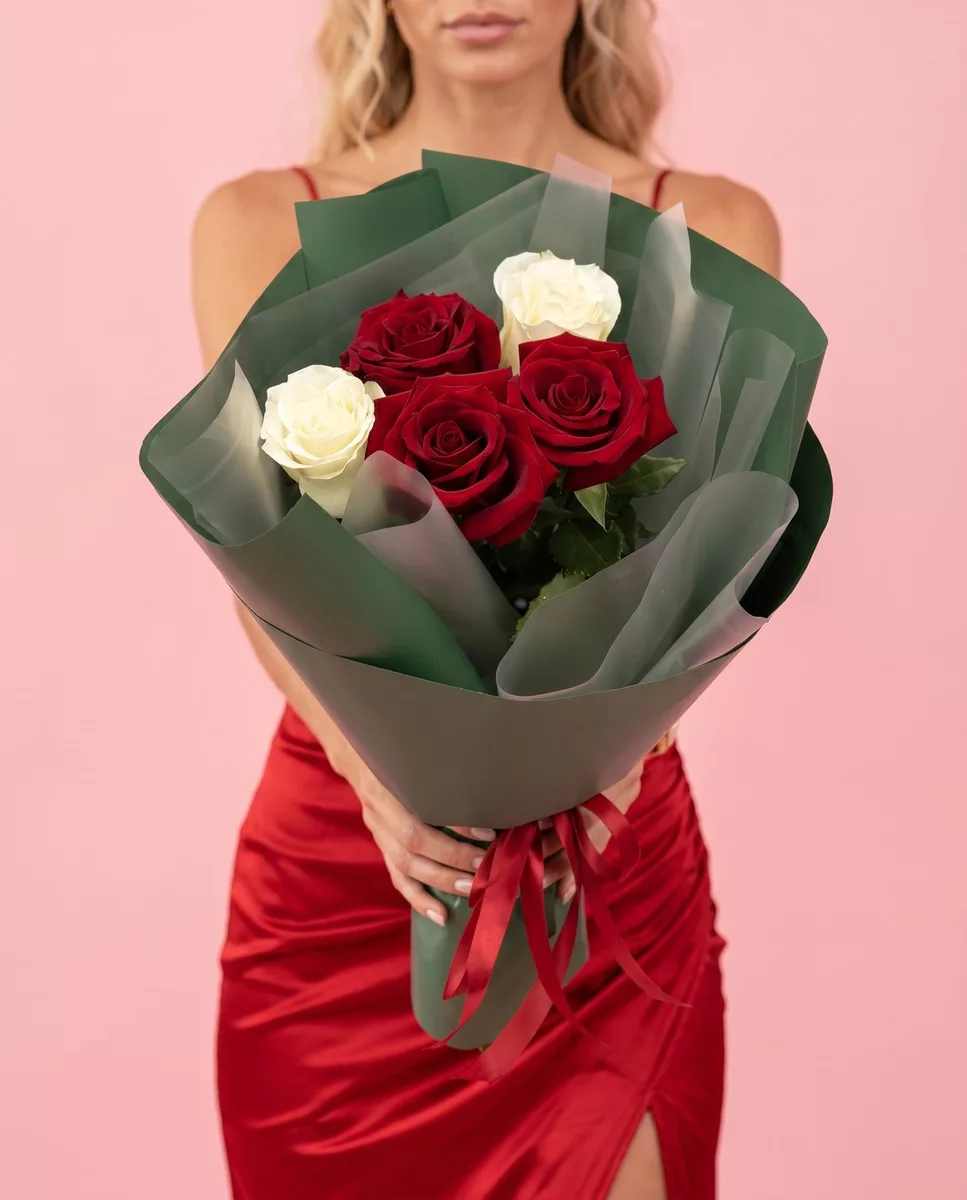
Choosing Flowers for the Person, Not the Occasion Label
Most people ordering from abroad default to roses because roses feel safe. Roses are lovely, but they are also the most generic choice, and your recipient in Ostashkov will feel the difference between a bouquet chosen for them and one chosen for the category of occasion. Start with one question: what does this person's home look like, and what colours does she or he actually wear or surround themselves with? That small act of imagination produces far better results than any occasion checklist.
For someone warm and expressive, consider a mixed bouquet built around garden-style flowers: lisianthus in deep violet or cream, ranunculus in peach or burgundy, and spray roses to fill the gaps with texture. This combination reads as generous and considered rather than formal. For someone more reserved or minimalist, a single-variety arrangement — twenty stems of white freesia, or a tight cluster of calla lilies in a single tone — communicates that you paid attention to who they are.
Children and young adults often respond beautifully to colour and variety: sunflowers combined with bright alstroemeria and solidago create an energy that feels celebratory without being stiff. Older recipients, particularly grandparents, frequently love the scent of flowers as much as the appearance, making freesia, stocks or hyacinths excellent choices when they are in season. Scent is an underused dimension of flower gifting, and it is one that a skilled florist can lean into deliberately. Always mention the recipient's personality when placing your order — it changes the result significantly.
Navigating Russian Flower Customs from Outside the Country
If you did not grow up in Russia, a few cultural conventions are worth knowing so your gift lands exactly as intended. The most widely observed rule is that flowers should be given in odd numbers. Even numbers of flowers are traditionally associated with mourning, so a bunch of twelve roses, however generous it sounds, would feel off to most Russian recipients. Eleven, fifteen, or twenty-one stems are all perfectly appropriate, and florists composing your bouquet will naturally work to an odd count unless you specify otherwise.
Colour carries meaning too, though less rigidly than the odd-number rule. Yellow flowers were once considered unlucky in Soviet-era culture, but that association has faded considerably among younger generations. White flowers are seen as elegant and celebratory rather than sombre. Red roses signal romantic love clearly and unmistakably. If you are sending to a colleague or a friend rather than a romantic partner, a mixed palette with no single dominant red is often more comfortable for the recipient to receive in a workplace or shared living situation.
Wrapping and presentation also carry weight. In Russia, a beautifully wrapped bouquet — with quality paper, ribbon and a handwritten card — signals that the sender invested care, not just money. A bare bunch of stems, however fresh, reads as incomplete. When ordering remotely, confirm that your florist includes proper wrapping and ask about the card. A message written in Russian, even a simple one, will be deeply appreciated by a recipient who is not a native English speaker. Turboflora can include a card with your message transcribed or translated on request.
Seasonal Timing and What Grows Well in Each Month
Ostashkov experiences a classic continental climate: January temperatures regularly drop below minus fifteen Celsius, and July can reach twenty-five Celsius or above. This range matters enormously for flower selection and delivery logistics. In winter, cold-sensitive flowers like open garden roses or tropical varieties such as anthuriums need careful handling between the vehicle and the door, and a good florist will pack them accordingly. In summer, the risk reverses — heat can accelerate wilting, so hardy varieties and cool-chain transport become essential.
Spring in Ostashkov, roughly March through May, is one of the best times to send flowers. Tulips, daffodils, hyacinths and anemones are at their seasonal peak, prices are reasonable, and the emotional resonance of spring flowers after a long Russian winter is hard to overstate. A recipient opening the door to a bunch of bright tulips in April will feel the season change in their hands.
Summer brings abundant choice: dahlias, lisianthus, eustoma and peonies are all available and travel well in moderate temperatures. Peonies in particular are a favourite across Russia and carry a sense of celebration and abundance that almost any recipient will welcome. Autumn is chrysanthemum season, and while chrysanthemums are sometimes underestimated, the larger decorative varieties in rust, amber and deep red are genuinely striking arranged with dried grasses or eucalyptus. Winter calls for hardy stems: roses, carnations, alstroemeria and orchids all hold well in cold conditions and look luxurious against the backdrop of a snowy Ostashkov street.
Budget Ranges and What Each One Delivers
Ordering from abroad can feel uncertain when you cannot see the flowers in person, and budget is often where that uncertainty concentrates. The honest answer is that flower pricing in Russia differs meaningfully from Western European or North American markets, and the same sum can buy considerably more in terms of stem count and variety. Rather than anchoring to what a similar bouquet would cost in your home country, think in terms of what impression you want the arrangement to make when it arrives.
A modest budget — the kind you might spend on a casual thank-you — will cover a neat, well-wrapped single-variety bouquet: a dozen and one spray roses, or a bundle of alstroemeria in a complementary colour scheme. It will look cared-for and intentional if the florist composes it well, which matters more than volume.
A mid-range order opens up mixed arrangements with a focal flower and supporting varieties. Think of a central cluster of garden roses or peonies surrounded by wax flower, eucalyptus and lisianthus — the kind of bouquet that fills a room with texture and scent and looks like it came from a serious florist, because it did. This is the range where presentation really elevates the gift.
A generous budget allows for large, sculptural arrangements: tall stems of gladiolus or amaryllis combined with full-headed roses and trailing greenery, or a curated box arrangement that sits on a table like a centrepiece. These are the bouquets that get photographed and remembered. For milestone birthdays, anniversaries or long-distance relationships where the flowers need to do real emotional work, this investment is felt immediately by the recipient.
Vase Life and Care Instructions Across the Miles
One of the small frustrations of sending flowers from a distance is that you cannot be there to fill the vase or trim the stems. Including care instructions with your order — either on the card or as a separate note — is a genuinely kind addition that extends the life of your gift by several days. Most recipients are not experienced with cut flowers and will appreciate being told exactly what to do.
The basics are simple but make a real difference. Stems should be cut at an angle, about two centimetres from the bottom, using a clean knife rather than scissors which can crush the vascular tissue. The vase water should be cool and changed every two days. Flowers last longer away from direct sunlight, radiators and fruit bowls — ethylene gas released by ripening fruit accelerates wilting noticeably in roses and carnations.
Different varieties have different lifespans, and knowing this helps set expectations. Alstroemeria and chrysanthemums are among the longest-lasting cut flowers, often staying fresh for two weeks or more with proper care. Roses typically last seven to ten days. Tulips and daffodils are shorter-lived at five to seven days but open beautifully over that time. Peonies, when received in bud, will open over two to three days and then hold for another five to seven — watching them open is part of the pleasure.
If you want to maximise vase life for a recipient in Ostashkov who may not be home all day, ask your florist to include a small sachet of flower food with the bouquet. It is a small detail that signals professionalism and extends the enjoyment of your gift considerably.
Placing Your Order Smoothly from a Foreign Country
The practical mechanics of ordering from abroad are simpler than many people assume, but a few points are worth confirming before you complete your purchase. Payment from foreign cards is the first question most international customers have. Turboflora accepts major international payment methods, so you do not need a Russian bank account or a local intermediary. The website and order process are available in English, which removes the language barrier that stops many people from even trying.
The most important piece of information you will provide is the recipient's address, including the apartment number and entrance number if applicable — Russian apartment buildings often have multiple entrances numbered separately, and a delivery without this detail can cause delays. If you know the recipient's phone number, include it: the courier will call ahead, which is standard practice and helps ensure someone is home to receive the bouquet.
Time zone arithmetic is the step most international senders get wrong. Ostashkov follows Moscow Time, which is UTC plus three hours with no daylight saving adjustment. If you want flowers delivered at eleven in the morning local time on a birthday, calculate what time that is where you are sitting and place your order at least a few hours before that window. Turboflora's one-to-two hour delivery window means same-day orders placed in the morning local time are reliably fulfilled by midday.
Finally, write your card message in advance and include it with the order form. A heartfelt note — even a short one — transforms a beautiful bouquet into a complete, personal gift. If you would like your message translated into Russian, mention it in the order comments and the team will assist.
Sending flowers to Ostashkov from another country is one of the most direct ways to close a distance that geography has created. The city is small enough that a well-chosen bouquet genuinely stands out, and the person receiving it will understand immediately that you thought carefully about them — not just about finding any flower shop willing to deliver. Get the timing right, choose varieties that suit the season and the personality, include a real message on the card, and the flowers will do the rest. Turboflora handles the logistics from Saint Petersburg to Ostashkov so that your care arrives fresh, on time and exactly as you imagined it.
Frequently asked questions
Can I order flowers for Ostashkov delivery if I live outside Russia and pay with a foreign card?
Yes. Turboflora accepts major international payment cards and the ordering process is available in English. You do not need a Russian bank account or any local contact to complete your purchase. Simply enter the recipient's full address including apartment and entrance number, choose your bouquet and pay as you would on any international e-commerce site.
What is the time difference between Ostashkov and major cities abroad, and how does it affect my order?
Ostashkov follows Moscow Time, which is UTC plus three hours with no seasonal change. New York is eight hours behind in winter, London is three hours behind, and Sydney is eight hours ahead in Australian summer. Calculate the local Ostashkov time you want delivery to happen, then place your order at least two to three hours before that window to allow for preparation and transit.
Are there flowers I should avoid sending to a recipient in Russia due to cultural customs?
The main rule to follow is odd numbers of stems — even numbers are traditionally associated with mourning and will feel wrong to most Russian recipients regardless of age. Yellow flowers carry a fading superstition among older generations but are generally fine for younger recipients. When in doubt, ask your florist to compose the bouquet in a mixed palette with a natural odd stem count.
Which flowers last longest after delivery to Ostashkov, especially in winter cold?
Alstroemeria and chrysanthemums are the most durable cut flowers, often lasting two weeks with basic care. Roses hold well for seven to ten days and travel reliably in cold conditions. Carnations are also excellent in winter. Avoid sending open tropical blooms like anthuriums in deep winter without confirming the florist uses insulated packaging for the final delivery stage.
Can I include a card message in Russian even if I do not speak the language?
Absolutely. When placing your order, write your message in English in the card field and add a note in the comments asking for a Russian translation. The Turboflora team will render your words into Russian on the card so your recipient can read your message in their own language. Even a short translated phrase makes the gift feel significantly more personal and considered.
Ready to send flowers?
Pick the city, choose the bouquet, and a local florist takes it from there.
Choose a city →