Sending Flowers to Ostrogozhsk from Abroad? Here Is What to Know First
Ostrogozhsk sits in the Voronezh region, a city with its own quiet pride and a strong sense of occasion — birthdays, anniversaries, and graduations are celebrated with real warmth here. When you are ordering from London, Berlin, Dubai or anywhere else outside Russia, the distance feels enormous, but the gesture lands exactly the same way it does anywhere: someone opens a door and finds flowers waiting for them. What changes is the planning. Time zones, seasonal temperatures, Russian gifting customs, and the right choice of flowers for a city that is not Moscow — these are the things worth understanding before you place your order.
Why Ostrogozhsk Requires a Bit More Planning Than a Capital City
Ostrogozhsk is a smaller city, which means the rhythm of daily life there is different from Saint Petersburg or Moscow. People are often at home, which is genuinely good news for flower delivery — recipients are more likely to be present when the courier arrives. But it also means the occasion matters more visibly. A bouquet delivered here will be seen by neighbours, family members who drop in, and colleagues who hear about it. The presentation has to be right from the first moment.
The Voronezh region experiences a continental climate with cold winters and warm summers. In January and February, outdoor temperatures can drop well below minus ten degrees Celsius, which affects which flowers travel safely. Delicate open blooms like garden roses or ranunculus can suffer in transit during hard frosts. In July and August, the opposite challenge appears — heat above thirty degrees demands flowers that are cut fresh and delivered fast, with no time sitting in a warm vehicle.
From abroad, the most common planning mistake is underestimating the time difference. Voronezh region runs on Moscow time, which is UTC plus three. If you are in New York, that is an eight-hour gap. If you are in Los Angeles, eleven hours. Placing an order at nine in the evening your time might mean it processes the following morning Moscow time — too late for a surprise lunch delivery. Build that gap into your thinking before you choose the delivery window.
Bouquets we can deliver

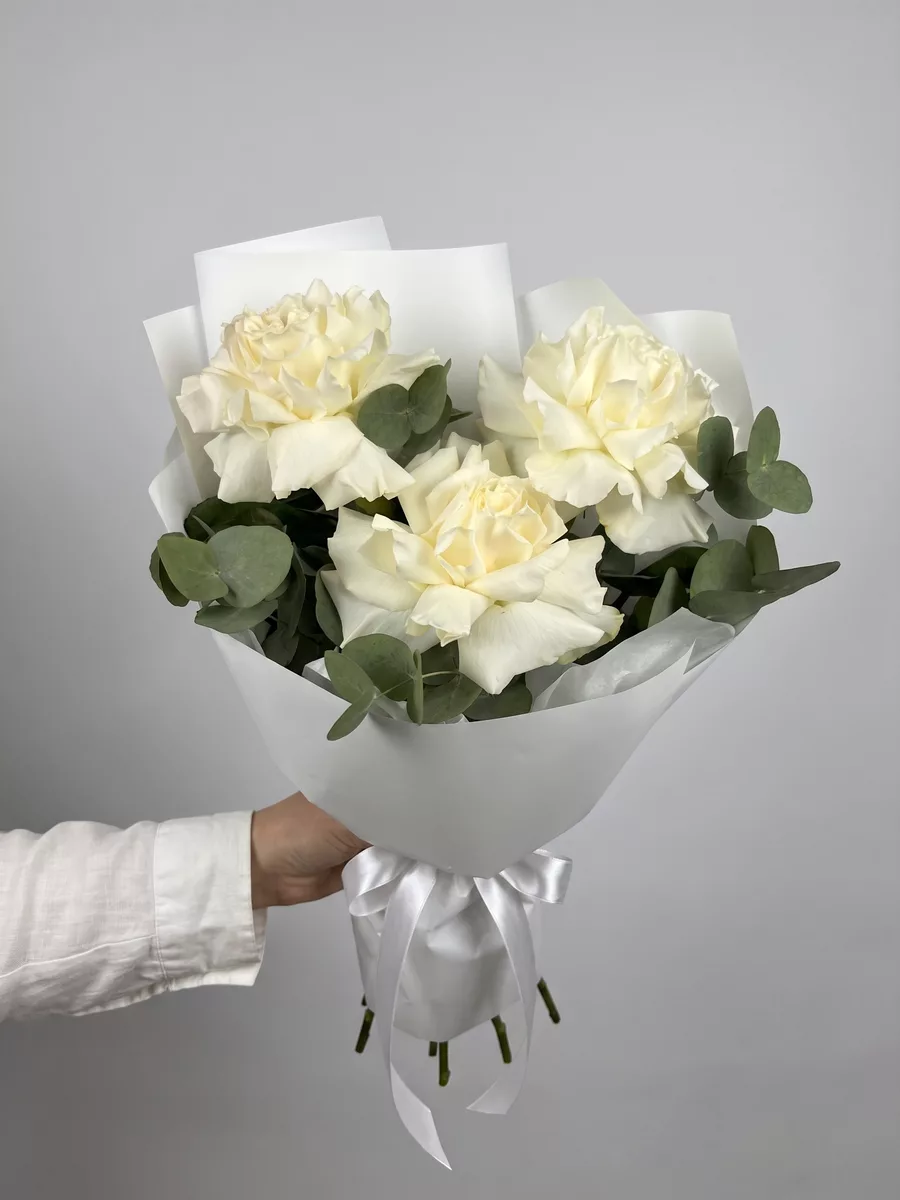
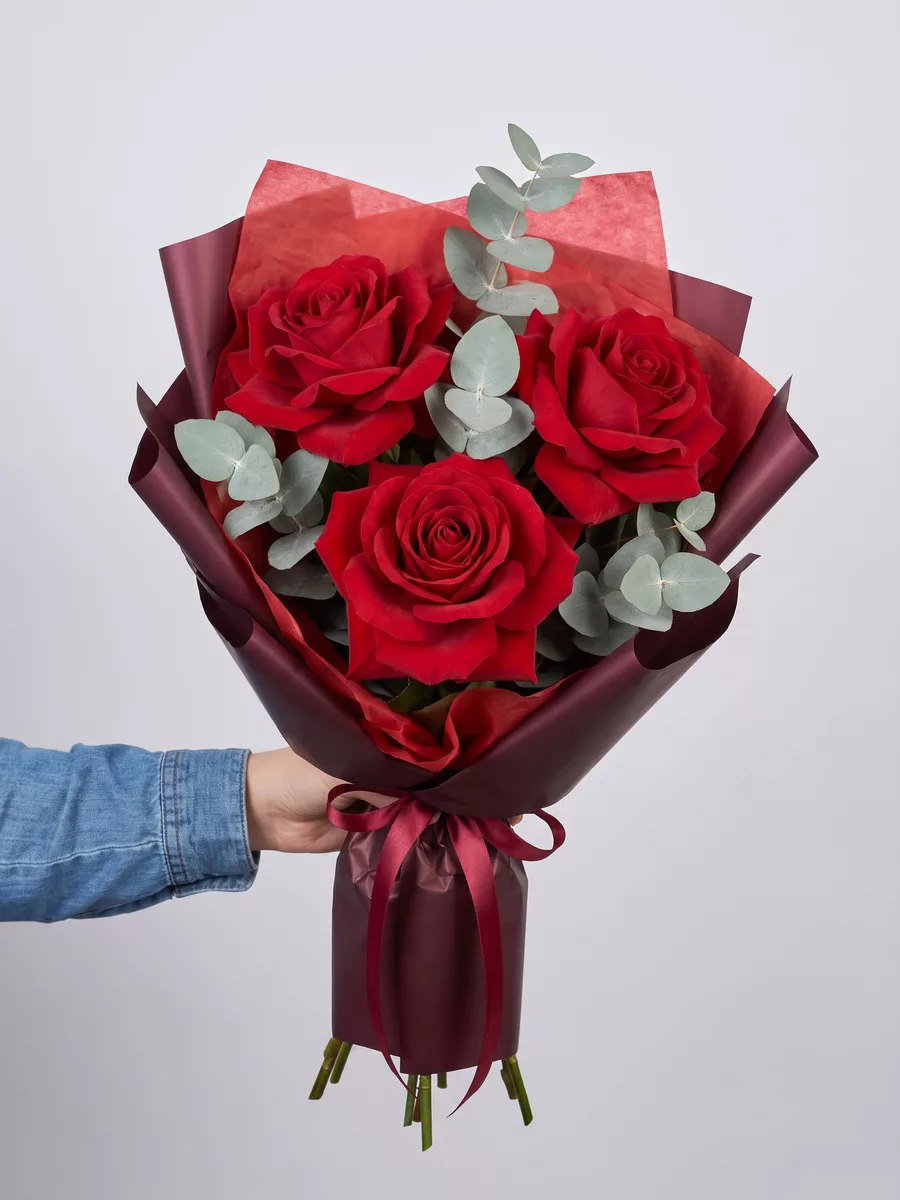
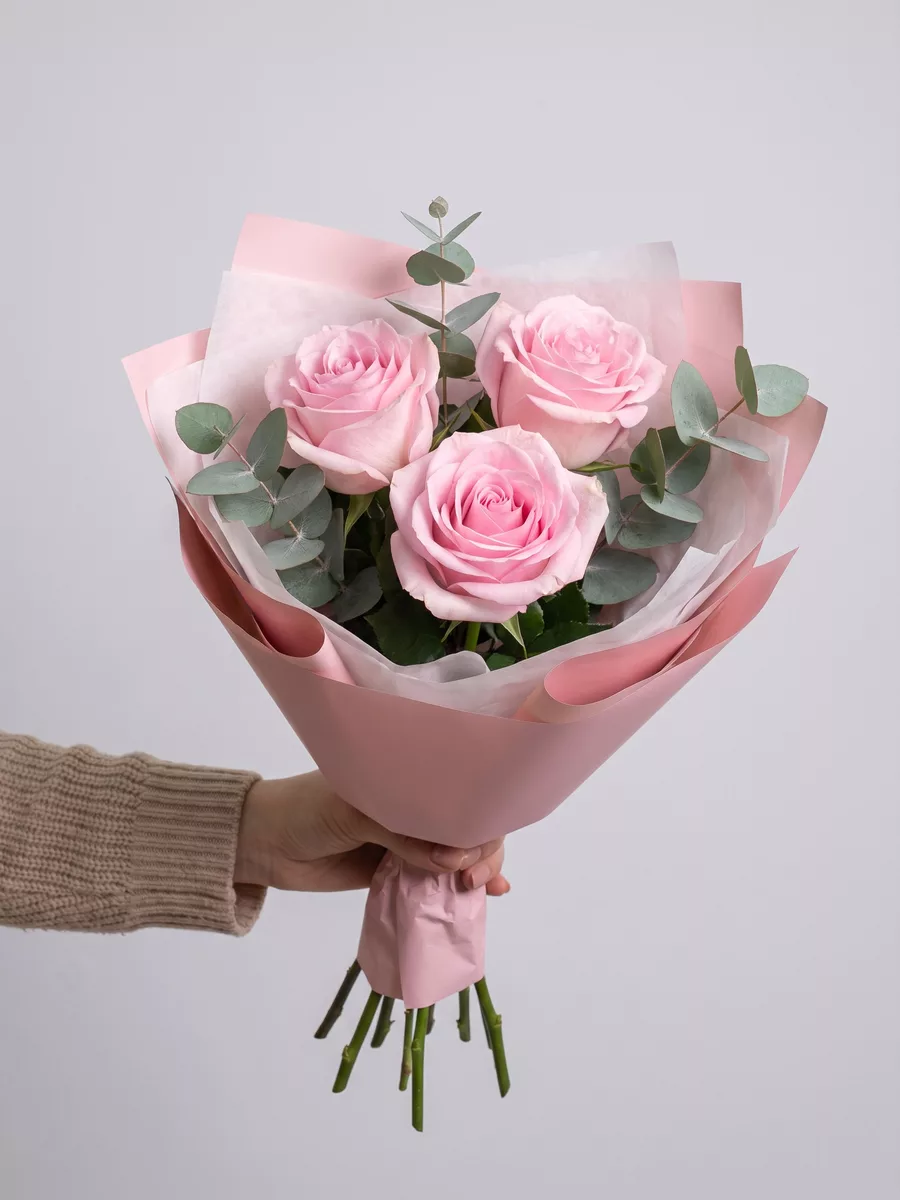
Understanding Russian Flower Customs Before You Choose the Bouquet
Russia has a few gifting traditions around flowers that are genuinely different from Western habits, and knowing them will help you choose something that feels right to the recipient rather than accidentally awkward. The most important one: always give an odd number of flowers. Even numbers — two roses, four stems, six tulips — are associated with mourning and are brought to cemeteries. This is not a superstition people will mention politely; it is simply a firm cultural rule. Any florist composing a bouquet in Russia will follow it automatically, but if you are specifying exact quantities in a note, keep this in mind.
Yellow flowers carry a complicated reputation in Russia. Some people associate yellow roses or yellow tulips with separation or jealousy. This belief is strongest among older generations and varies by region, but in a city like Ostrogozhsk where traditional values tend to run deep, it is safer to avoid a purely yellow bouquet unless you know the recipient well and know they love yellow flowers specifically. A mixed arrangement that includes yellow alongside white, coral or pink reads as cheerful rather than loaded with meaning.
Red roses are the universal declaration of romantic love here, even more so than in Western Europe. Sending red roses to a colleague, a teacher, or a family friend can feel unexpectedly intense. For non-romantic occasions, florists here lean toward white, cream, peach, lilac and soft pink — these read as celebratory and warm without implying romance. If the occasion is a birthday, anniversary or new baby, those softer palettes land beautifully.
Choosing Flowers for the Season and the Voronezh Climate
Matching your flower choice to the season is not just aesthetics — it is about what will actually arrive in good condition and last well in the recipient's home. In winter, from November through March, the most reliable choices are flowers that tolerate cold transport: chrysanthemums, carnations, alstroemeria, and spray roses. These varieties have sturdy petals and do not bruise or wilt when the courier steps from a warm vehicle into freezing air and back again. Standard large-headed roses also travel well in winter when they are in bud rather than open.
Spring in the Voronezh region arrives gradually, and April through May is prime tulip season. Tulips are deeply loved across Russia and a bouquet of mixed tulips — combining cream, burgundy, pink and white — feels festive and genuinely seasonal. Peonies begin appearing in late May and June, and they are enormously popular for birthdays and anniversaries. A recipient who loves flowers will know immediately that someone chose carefully when peonies arrive.
Summer calls for sunflowers, lisianthus, and eustoma, all of which handle the warmth better than thin-petaled varieties. Autumn is the season for dahlias, chrysanthemums in rich bronze and burgundy, and hypericum berries mixed into arrangements for texture. Ordering seasonally appropriate flowers is not just a florist's preference — it means the bouquet will stay fresh for five to seven days rather than two, which matters when you are sending from abroad and cannot personally check on things.
How to Write Your Delivery Instructions Clearly from Abroad
When you are ordering from another country, the delivery instructions need to be more precise than a local sender might bother with. The recipient's address in Ostrogozhsk should include the full street name, house number, apartment number if applicable, and the entrance number for multi-storey buildings — these older Soviet-era apartment blocks often have several separate entrances, and a courier who goes to the wrong one will lose time and the recipient will wait. If you know the intercom code, include it.
Write the recipient's phone number in full international format even though the delivery is domestic. This makes it unambiguous when the order is processed. The recipient's name should be written in Russian if you can manage it, or in clear Latin letters if you cannot. Avoid abbreviations — a name like Natalya should not become Nat, because the courier may be calling out the name at the door or over an intercom.
In the card message, keep in mind that a florist or courier may read it aloud or write it by hand. If you are writing in English, note that the recipient may or may not read English fluently. For Ostrogozhsk, a city where older generations are the majority in many households, a Russian-language message will feel more personal and immediate. If you write your message in English, you can add a note asking for it to be translated — most florists handling international orders are accustomed to this request and will do it warmly.
Timing Your Order Across Time Zones Without Losing the Moment
The emotional weight of a flower delivery depends enormously on timing. Flowers that arrive at eleven at night feel different from flowers that arrive at noon on a birthday. When you are coordinating from abroad, you need to think backward from the moment you want the recipient to open the door. Decide on the delivery window in Ostrogozhsk local time first — Moscow time, UTC plus three — and then calculate when you need to place and confirm your order in your own time zone.
For a midday delivery in Ostrogozhsk, you want the order placed and confirmed no later than ten in the morning Moscow time. If you are in Western Europe, that is seven or eight in the morning your time, which is manageable. If you are in North America, that is late the previous evening, which means planning the day before is essential. Same-day orders are possible, but they require the order to be in and confirmed early enough in the Moscow time zone for the florist to prepare and dispatch.
If the occasion is a milestone — a significant birthday, a graduation, a wedding anniversary — consider ordering the evening before your target date. This removes the pressure of same-day coordination across time zones and gives you room to confirm details. Flowers for a morning surprise should be ordered with even more lead time, as morning slots fill quickly. A brief note in your order specifying the preferred delivery window, written in the format of Ostrogozhsk local time, removes any ambiguity and makes the coordination smooth on both ends.
What to Combine for the Most Memorable Presentation
A single flower type in a large quantity can be striking, but combinations tend to feel more considered and personal, especially when they arrive from someone far away. The recipient understands that the sender thought about it, not just clicked the first option. For a romantic occasion, a combination of garden roses in cream or blush with eucalyptus and white lisianthus creates something that looks expensive and intentional without being heavy. The eucalyptus adds a fresh scent and visual texture that photographs beautifully — and recipients in Russia do photograph their flowers to share with family.
For a birthday, mixing flowers by height and texture works especially well. A base of alstroemeria or spray chrysanthemums gives the arrangement body; mid-height standard roses or peonies in season create the focal point; and something feathery like gypsophila or small waxflower at the edges softens the whole shape. This kind of layered composition looks like it came from a proper florist's hands, which it did, and it holds together well in a vase for the better part of a week.
For a new baby or a celebration of a woman, soft monochromatic arrangements in white, cream and pale pink read as elegant and thoughtful. White chrysanthemums with pale pink spray roses and a few stems of white freesia — which carries a gentle scent — is a combination that works in any season and photographs in a way that the recipient will want to share. Adding a small succulent or a potted plant alongside the bouquet is increasingly popular in Russia as a lasting companion to cut flowers.
Helping the Recipient Keep the Flowers Fresh Longer
One of the kindest things you can do as a sender from abroad is include a care note with the flowers — a short message about how to keep them looking their best. Recipients in Russia are generally attentive to their flowers, but a specific note from the sender feels personal and extends the life of your gift. Ask the florist to include basic care instructions with the bouquet, or write them yourself in the card.
The essentials are simple. Flowers should go into a clean vase with fresh, cool water as soon as they arrive. The stems should be cut at an angle, about two centimetres from the bottom, ideally under running water or immediately before placing them in the vase — this prevents an air bubble from blocking water uptake. The vase should be kept away from direct sunlight, radiators, and fruit bowls. Fruit releases ethylene gas as it ripens, which accelerates wilting in cut flowers, particularly in roses and carnations.
Water should be changed every two days, and the stems trimmed again each time. In the warm months in Ostrogozhsk, this matters more because room temperatures are higher and bacteria multiply faster in the vase water. Flowers that arrive in tight bud — which is often how they are sent in cold weather to protect them — will open fully over one to three days at room temperature. This is not a sign that something is wrong; it is actually ideal, because the recipient gets to watch the bouquet come alive over the first few days, which extends the emotional experience of receiving them.
Sending flowers to Ostrogozhsk from another country is a gesture that crosses a real distance, and the recipient feels that distance in the best possible way — someone, somewhere far away, thought of them specifically enough to make this happen. The planning takes a little more attention than a local order, but none of it is complicated once you know the time zone arithmetic, the seasonal choices, and the cultural details that make a bouquet feel right rather than just present. Get those things right, and what arrives at the door is not just flowers — it is proof that the distance between you does not change how much you care.
Frequently asked questions
Can I order flowers to Ostrogozhsk if I do not speak Russian?
Yes, entirely. You can place your order and write your card message in English. If you would like the card message delivered in Russian, add a note requesting translation when you place the order. The recipient's address and phone number should be written clearly — full street name, building, apartment, and international-format phone number — and the rest can be handled in English.
How far ahead should I order from a different time zone?
For a specific delivery window, place and confirm your order at least a few hours before that window opens in Moscow time, which is UTC plus three. For morning deliveries or milestone occasions, ordering the evening before your target date in Ostrogozhsk is strongly recommended. Same-day orders are possible but require the order to be confirmed early in the Moscow morning.
Are there flowers I should avoid sending to someone in Russia?
Two things to keep in mind: always choose an odd number of stems, as even numbers carry a mourning association in Russian culture. Also, a purely yellow bouquet can feel ambiguous to some recipients, particularly older generations, who associate yellow flowers with separation. Mixed arrangements that include yellow alongside other colours read as cheerful and celebratory without any awkward undertone.
What happens if the recipient is not home when the flowers arrive?
The courier will call the recipient's phone number before or upon arrival. This is why providing an accurate local phone number is important. If no one answers, the courier will attempt contact and coordinate a second delivery attempt or a safe handoff to a neighbour or building concierge if the recipient agrees. Including a note with any access codes or entry instructions helps avoid delays.
Which flowers last longest in Ostrogozhsk's summer heat?
In warm summer months, choose varieties with naturally sturdy petals and good heat tolerance. Chrysanthemums, alstroemeria, sunflowers, lisianthus, and eustoma all hold up well above twenty-five degrees. Standard large roses can wilt faster in heat if they arrive already open. Asking for flowers to be sent in tight bud gives the recipient more days of enjoyment as the bouquet opens gradually indoors.
Ready to send flowers?
Pick the city, choose the bouquet, and a local florist takes it from there.
Choose a city →