Sending Flowers to Partizansk from Abroad? Read This First
Partizansk sits in Primorsky Krai, a few hours from Vladivostok, and the distance between you and someone you love there can feel enormous. The good news is that a well-chosen bouquet crosses that distance in a matter of hours, arriving fresh and full of meaning — if you know what to order, when to order it, and what to expect from the local climate and customs.
What Partizansk Is Like and Why It Changes Your Flower Choice
Partizansk is a small city in the Russian Far East, set among hills and coal-country landscape. Its climate is continental with a sharp edge: winters are genuinely cold, summers are warm and sometimes humid, and spring arrives later than in European Russia. That seasonal rhythm matters a great deal when you are choosing flowers from thousands of kilometres away.
In January and February, temperatures regularly drop well below freezing. A bouquet of delicate garden roses or open-faced ranunculus can suffer during the final walk from a courier's bag to a warm apartment door. Sturdier choices — spray chrysanthemums, alstroemeria, solidago, or carnations — handle brief cold exposure far better than soft-petalled varieties. If you have your heart set on roses, a tightly budded stem survives transit better than a bloom that is already half-open.
In summer, the humidity in Primorsky Krai rises noticeably. Flowers that tolerate warmth and moisture — sunflowers, gerberas, lisianthus, and tropical foliage like monstera leaves — become excellent choices. The recipient gets something that feels right for the season rather than fighting against it.
Thinking about the weather where your recipient lives, not where you are sitting, is the single most useful shift an international sender can make. A florist who understands the Far East climate will steer you toward combinations that arrive looking their best, whatever the month.
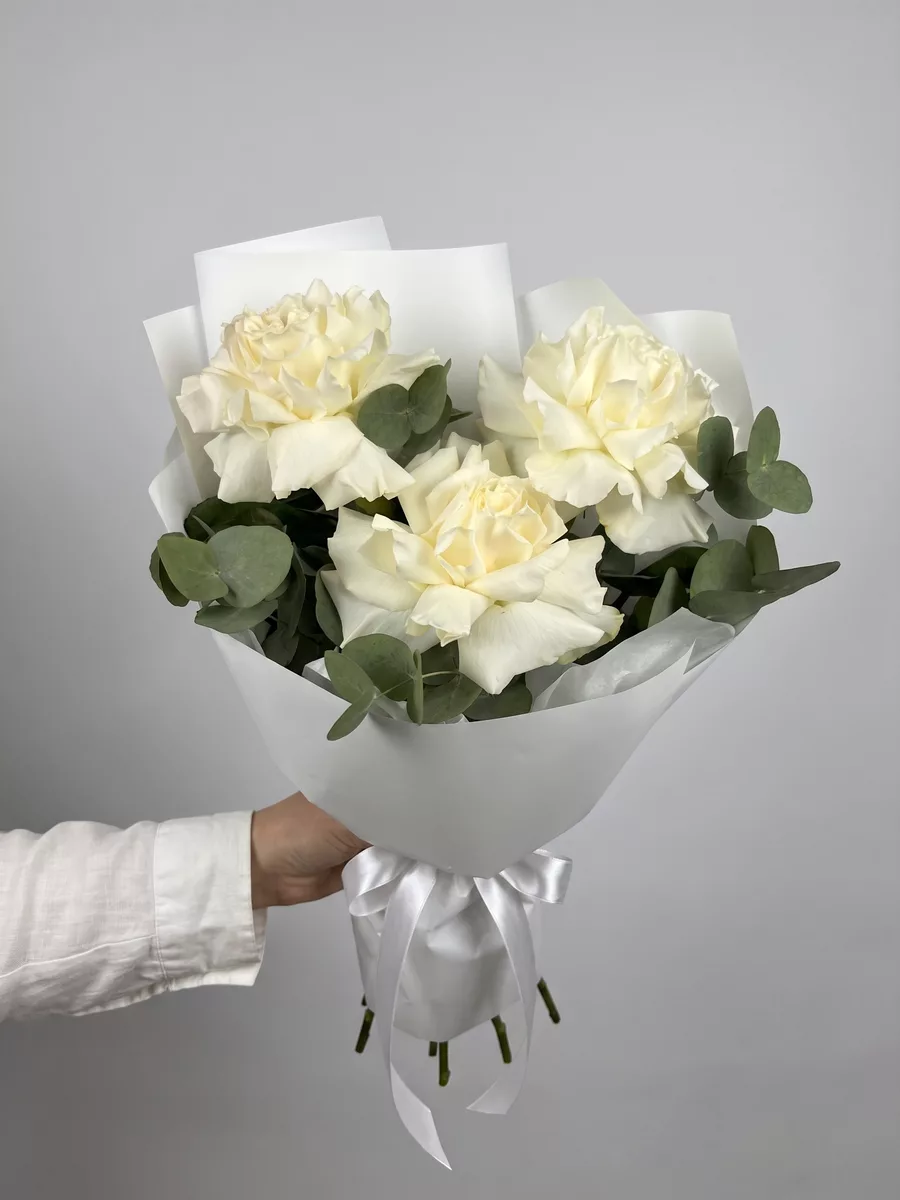
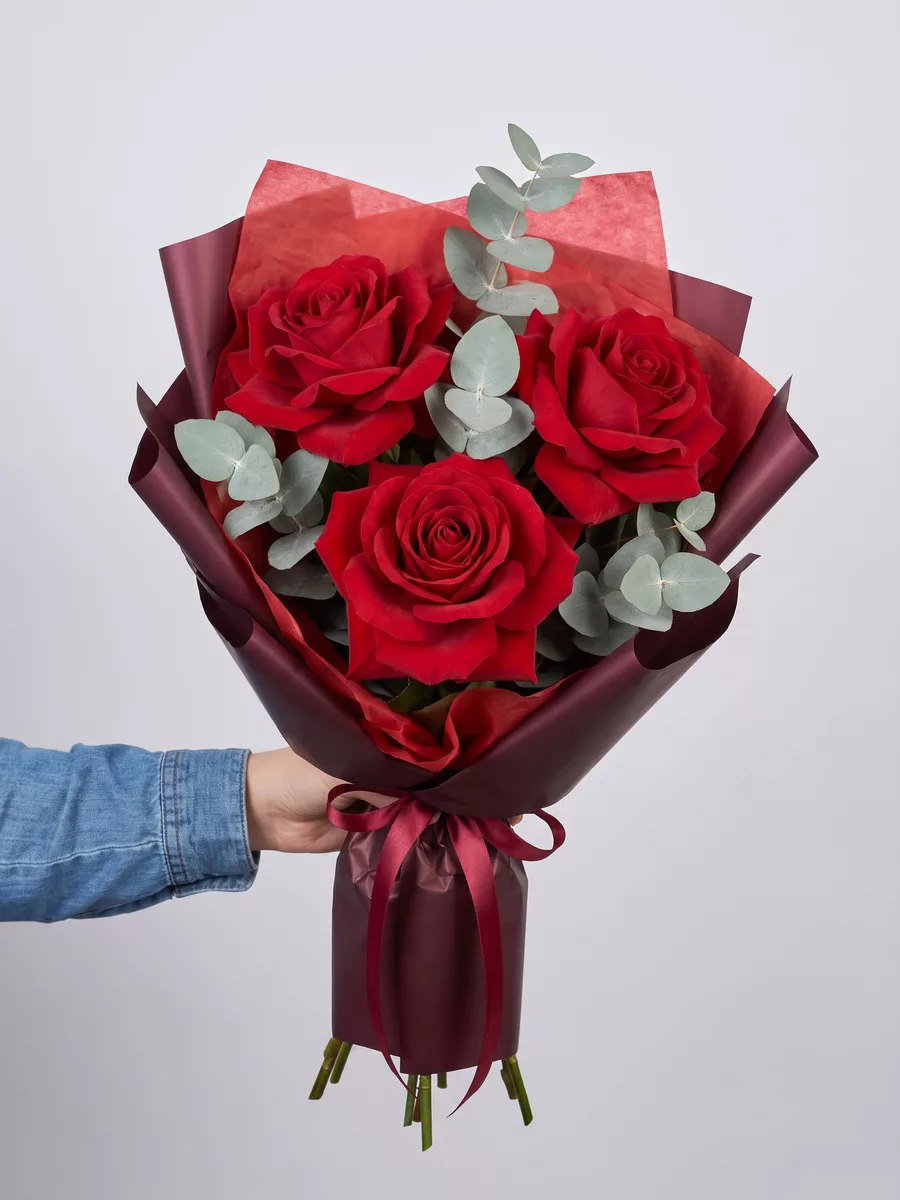
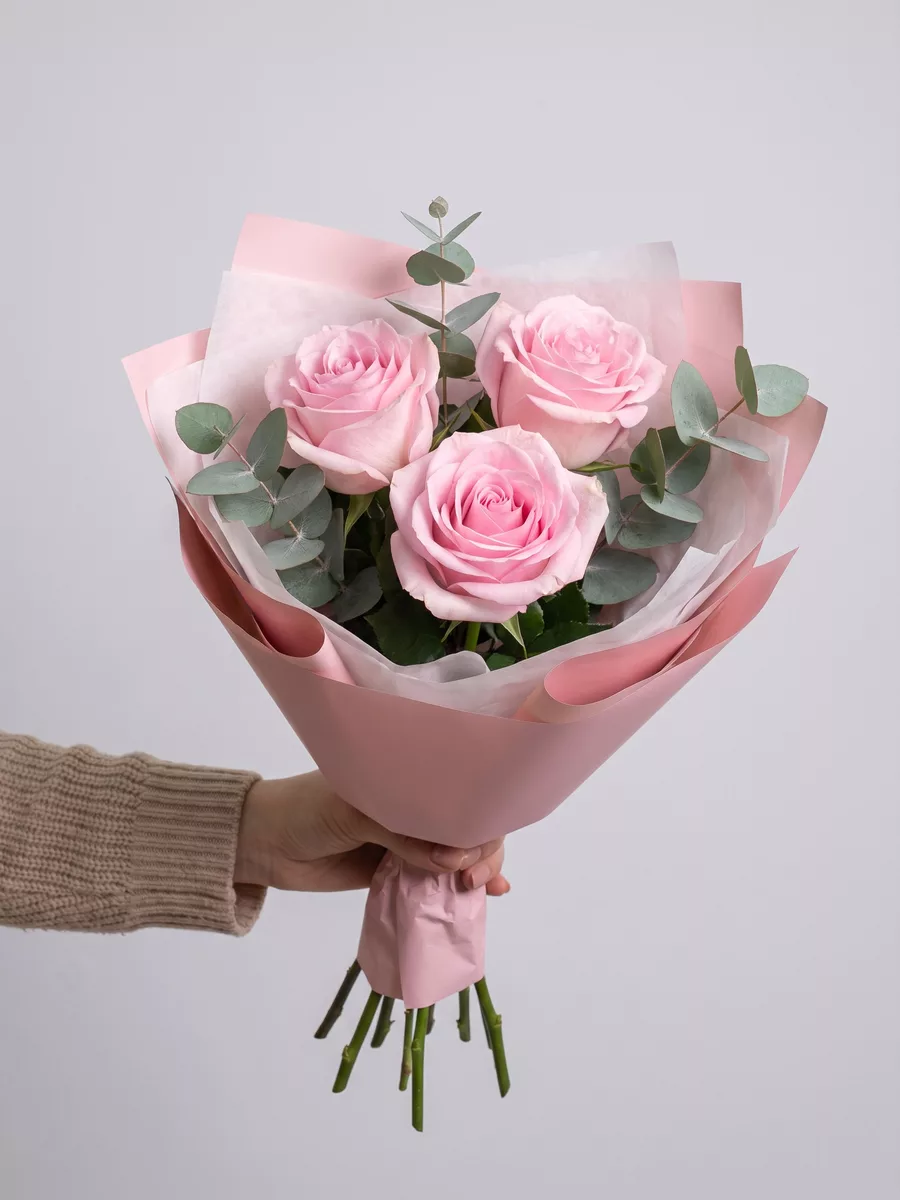
Bouquets we can deliver

Timing Your Order When You Are in a Different Time Zone
Partizansk runs on Vladivostok Time, which is UTC+10. If you are in Western Europe, that is a seven-to-nine-hour difference. If you are in North America, you may be looking at a gap of twelve to fourteen hours or more. This is not a problem — it is simply something to plan around.
Turboflora delivers within one to two hours of order confirmation across Russia. That means you can place an order in the morning your time and have flowers arrive at your recipient's door the same calendar day in Partizansk, as long as you account for the time difference when you choose your delivery window. The safest approach is to order at least a few hours before you want delivery to happen on the Partizansk side.
For birthdays and anniversaries, the timing of arrival matters emotionally. A bouquet that appears at 9 in the morning feels like a celebration from the first moment of the day. One that arrives at 8 in the evening is still lovely, but the day has already passed its peak. If you want a morning delivery, work backwards from Partizansk local time to figure out when to place your order.
For surprise deliveries, confirm the recipient's address carefully. Partizansk has residential districts, private houses, and some areas where apartment building entrances are not always obvious to a courier. A full address including apartment number and entrance code, if there is one, saves time and protects the flowers from waiting in the cold or heat.
Russian Flower Customs an International Sender Should Know
Russian flower-giving culture has a few traditions that are worth understanding before you place your order, especially if you want the bouquet to feel considered rather than accidental.
The most well-known custom is the odd-number rule. In Russia, even numbers of flowers are traditionally associated with mourning and are brought to cemeteries. When you are sending a celebratory bouquet — for a birthday, a new job, a graduation, or simply to say you are thinking of someone — always choose an odd number of stems. Three, five, seven, nine, eleven: any of these feels right. Most florists follow this automatically, but it is worth confirming when you order.
Russians also tend to appreciate generous, full-looking bouquets rather than minimalist arrangements. A single stem, while elegant in some European traditions, can feel sparse to a Russian recipient. A well-rounded bouquet with a focal flower, supporting blooms, and some greenery or filler reads as a proper gift.
Wrapping matters too. In Russia, flowers are almost always presented wrapped — in kraft paper, in fabric, in cellophane with a bow. An unwrapped bunch looks unfinished. Turboflora's bouquets come presented properly, but if you are adding a card message, keep the tone warm and direct. Russians appreciate sincerity over formality in personal messages.
Finally, flowers are given for a wide range of occasions: birthdays, International Women's Day on March 8th, Valentine's Day, anniversaries, professional milestones, and simply as a gesture of affection. You do not need a grand occasion to send flowers to someone in Partizansk.
Choosing Flowers by the Occasion and the Person
The best starting point is always the recipient, not the catalogue. Think about who they are and what the moment means, and the right flowers follow naturally from there.
For a mother or grandmother in Partizansk, classic choices resonate deeply: roses in soft pinks or creams, fragrant freesias if they are in season, or a mixed bouquet that includes chrysanthemums — a flower that carries warmth and longevity in Russian culture. Chrysanthemums are not associated with sadness in Russia the way they are in some parts of Western Europe, so do not hesitate to include them.
For a younger woman — a partner, a sister, a close friend — you have more room to play. Peonies in late spring and early summer are enormously popular and feel luxurious. Garden roses with open, layered petals are romantic and full of texture. Tulips in early spring feel fresh and hopeful. Combining two or three varieties in a complementary palette, rather than a single-variety bouquet, gives the arrangement a florist's touch.
For a man — and yes, flowers are absolutely given to men in Russia, particularly for professional achievements or significant birthdays — lean toward bold, structured arrangements. Sunflowers, large-headed proteas if available, tropical leaves, and strong foliage create something that feels confident rather than delicate.
For a child's celebration, bright gerberas in yellow, orange, and pink, mixed with cheerful greenery, feel playful and joyful. Avoid anything with strong fragrance for young recipients, as it can be overwhelming in an enclosed space.
Budget Ranges and What They Get You in Partizansk
Ordering from abroad, you are likely thinking in your home currency and converting mentally. The more useful frame is to think about what a bouquet at a given investment level actually looks like in the recipient's hands.
At a modest level, you can put together a clean, sincere bouquet of five to seven stems — perhaps a trio of roses with alstroemeria and greenery, or a spray of mixed carnations with eucalyptus. This is not a compromise; it is a focused arrangement that looks intentional rather than thin. For a quick thinking-of-you gesture or a small celebration, it works beautifully.
At a mid-range level, you can build something genuinely impressive: eleven roses in a gradient of blush to deep red, or a mixed bouquet combining lisianthus, spray roses, and waxflower filler. This is the level that photographs well and fills a room with presence. Most birthday and anniversary orders fall here.
At a premium level, you are looking at large-headed garden roses, peonies in season, or a structured arrangement with premium focal flowers and abundant filler. These bouquets make a statement — they are the ones that get photographed and shared, and they signal that the sender put serious thought and care into the gesture.
When ordering from abroad, factor in that you are paying in rubles but thinking in another currency. Exchange rates shift, so it is worth checking on the day you order. The price you pay reflects fresh flowers assembled and delivered on the same day — that immediacy is part of what you are investing in.
How to Write a Card Message That Lands Well
The card message is the part of the gift that speaks in your voice, and it deserves as much thought as the flowers themselves. When your recipient opens a bouquet in Partizansk and reads your words, that is the moment the distance collapses.
If you are writing in English and your recipient reads English, write naturally and warmly. Avoid overly formal phrasing — Russians tend to respond well to direct, heartfelt language rather than stiff formality. Something like 'I was thinking about you today and wanted you to know it' carries more weight than a generic 'Wishing you all the best.'
If your recipient reads Russian but you do not write it, you have a few options. You can write in English and trust that the sentiment translates through the gesture itself. You can use a translation tool for a short phrase, keeping it simple enough that the translation stays accurate — 'Happy birthday, I love you, I miss you' are all safe candidates. Or you can leave a note asking Turboflora to include a brief standard greeting in Russian on your behalf.
Avoid very long messages on a small card — they become hard to read and can feel overwhelming in the moment. Three to five sentences is the sweet spot. Say who the flowers are from, say why you are sending them, and say one true thing about how you feel. That is enough. The flowers carry the rest of the message for you.
If the delivery is a surprise, you can also ask for the card to be placed inside the wrapping so it is found only after the bouquet is unwrapped — a small theatrical touch that adds to the moment.
Keeping the Flowers Fresh Once They Arrive
Your job ends when the bouquet is delivered, but sharing a few care tips with your recipient — either in the card or in a quick message — extends the life of the flowers and keeps your gesture looking beautiful for longer.
The first step is always the same: trim the stems at an angle, about two centimetres from the bottom, and place the bouquet in clean water immediately. An angled cut increases the surface area that draws water, which makes a real difference in how long the flowers last. A sharp knife or clean scissors work better than tearing.
Water temperature matters more than most people realise. Room-temperature water suits most flowers, including roses, lisianthus, and alstroemeria. Tulips are one exception — they prefer cooler water and will last longer in a cool room. In Partizansk's warm summers, keeping the vase away from direct sunlight and out of warm corners of the apartment adds several days to the bouquet's life.
Change the water every two days and re-trim the stems each time. Remove any leaves that sit below the waterline, as submerged foliage rots quickly and clouds the water, which shortens the life of every stem in the vase.
Roses typically last seven to ten days with good care. Alstroemeria and spray chrysanthemums can last two weeks or more. Gerberas are beautiful but shorter-lived — around five to seven days. Lisianthus, which looks like a delicate peony, is surprisingly hardy and can hold for ten days easily. Knowing what is in the bouquet helps your recipient know what to expect and how to enjoy each stage of the arrangement.
Sending flowers to Partizansk from the other side of the world is genuinely straightforward once you understand the time zone, the climate, and a handful of local customs. Choose varieties that suit the season, keep the stem count odd, write something true on the card, and let the florist handle the rest. The person who receives those flowers in Partizansk will feel exactly what you intended — that even across an enormous distance, you were thinking of them.
Frequently asked questions
Can I order flowers for Partizansk if I have no Russian bank card?
Yes. Turboflora accepts international payment methods on its website, so you can place and pay for an order from outside Russia without needing a Russian card or bank account. The checkout process is straightforward, and you will receive confirmation once the order is accepted and the delivery is scheduled.
What if my recipient is not home when the flowers are delivered?
When placing your order, include a phone number for the recipient if possible. The courier will call ahead to confirm arrival. If no one is home, the courier will attempt to reach you or the recipient to arrange a short wait or a revised delivery time. Providing a correct and complete address, including entrance codes, reduces the chance of any delay.
Are there flowers I should avoid sending to Partizansk in winter?
Very open, soft-petalled blooms — such as fully open garden roses or open ranunculus — are more vulnerable to brief cold exposure during the last steps of delivery in deep winter. Tightly budded roses, alstroemeria, carnations, and spray chrysanthemums travel better in freezing temperatures. Your florist will guide you toward seasonal combinations that arrive in excellent condition.
Is March 8th really as big a flower occasion in Partizansk as people say?
International Women's Day on March 8th is one of the largest flower-giving days in all of Russia, including the Far East. Demand is extremely high. If you are planning to send flowers to a woman in Partizansk on or around that date, place your order at least a day in advance and choose your delivery window carefully to ensure availability.
How do I write the delivery address in Russian if I do not speak the language?
You can enter the address in Latin characters on the order form and add a note asking for confirmation. Alternatively, ask your recipient to send you their address written in Russian — copying and pasting it directly into the form is perfectly fine and ensures accuracy. A full address includes the street, building number, apartment number, and any entrance or door code.
Ready to send flowers?
Pick the city, choose the bouquet, and a local florist takes it from there.
Choose a city →