Sending Flowers to Pavlovsk from Abroad — a Sender's Practical Guide
Pavlovsk sits just south of Saint Petersburg, a quiet town of wide avenues and the famous imperial park, where a beautifully wrapped bouquet arriving at someone's door feels like a genuinely personal gesture from far away. If you are outside Russia and want to send flowers there, the distance is not the obstacle it might seem — but the details matter enormously. Choosing the right varieties for the season, understanding how Russian recipients think about flowers, and knowing what to expect from delivery will make the difference between a bouquet that arrives glowing and one that disappoints. This article covers everything a sender abroad needs to think through before placing an order.
Why Pavlovsk Is Different from Sending to a Big City
Pavlovsk is a small town of roughly 16,000 people, administratively part of the Pushkinsky District of Saint Petersburg. That proximity to the city is actually an advantage: Turboflora delivers from Saint Petersburg to Pavlovsk within the standard one-to-two-hour window, treating it as part of the greater metropolitan area rather than a remote destination.
What makes Pavlovsk feel distinct is its character. Many residents live in private houses or low-rise apartment buildings rather than high-rise blocks, which means couriers often deliver to addresses with courtyards, gates, or intercoms that require a working phone number for the recipient. When you place an order from abroad, providing a local Russian mobile number for the recipient is not optional — it is essential. Without it, the courier cannot reach the door.
The town is also a popular place for dacha-style living, especially in summer. People come here precisely to slow down, which means a flower delivery lands with extra warmth. A bouquet is not just an object; in this setting it becomes a small event in someone's day. That emotional weight is worth keeping in mind when you choose your arrangement — something generous and fragrant will be remembered far longer than something minimal and safe.
Finally, Pavlovsk's famous palace park means the town has a natural visual language of flowers and greenery. Residents are accustomed to beauty in their surroundings, and they notice quality. A well-composed bouquet with thoughtful foliage will be appreciated more here than almost anywhere.
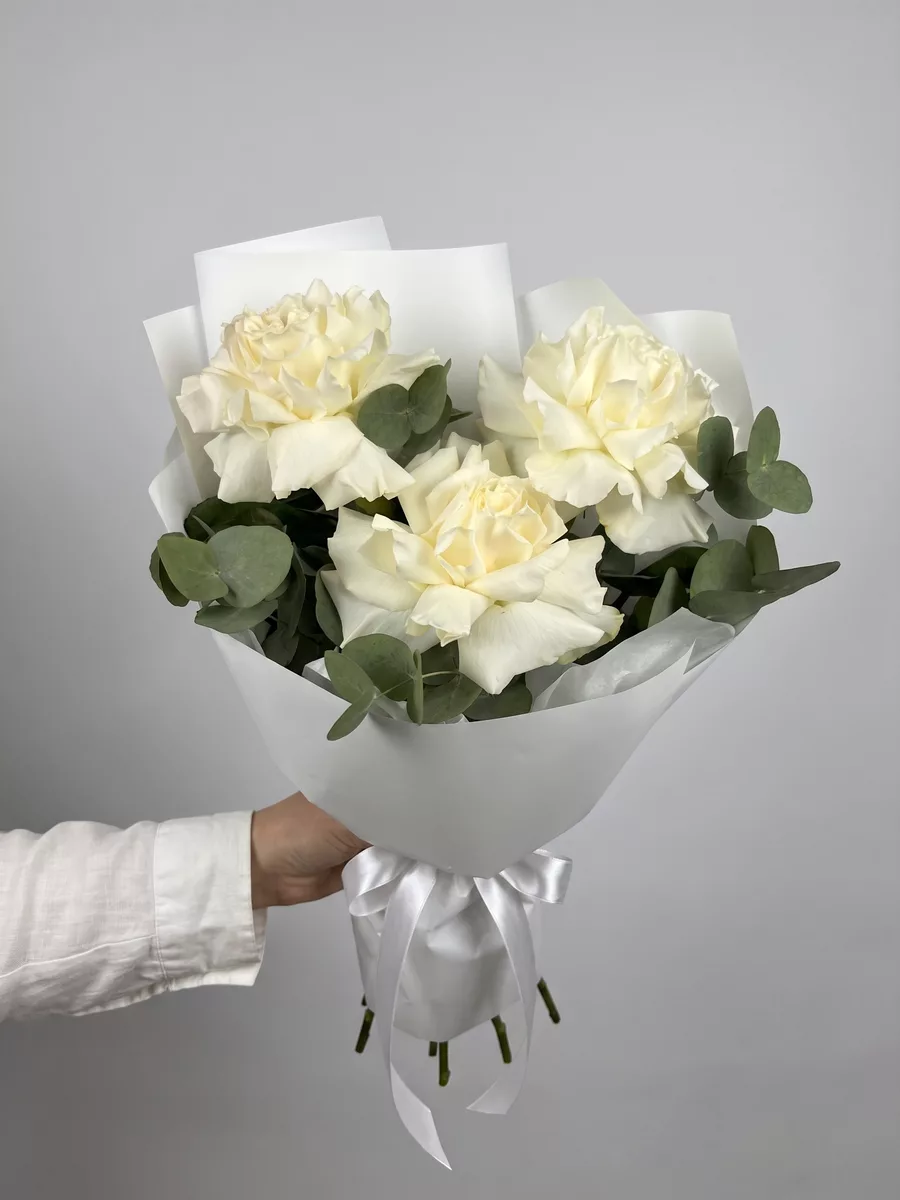
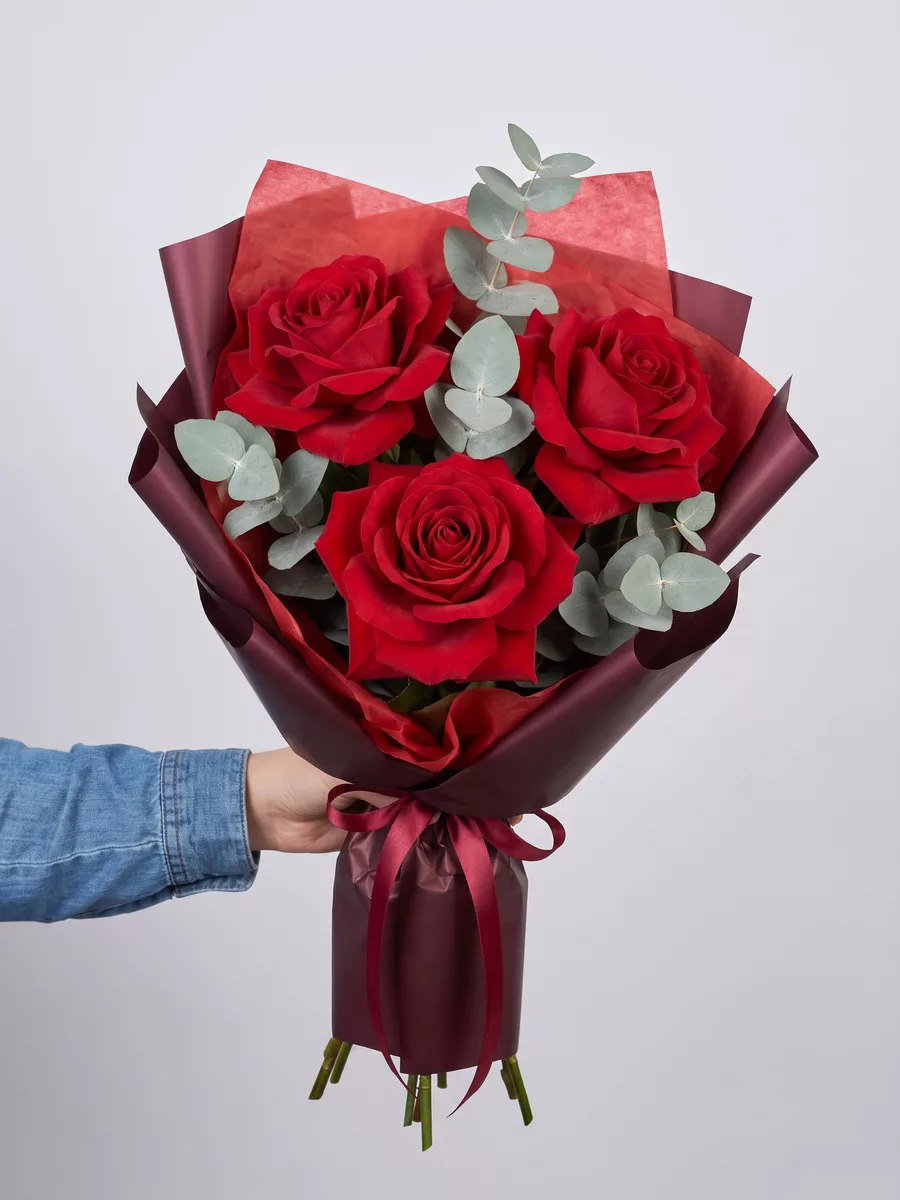
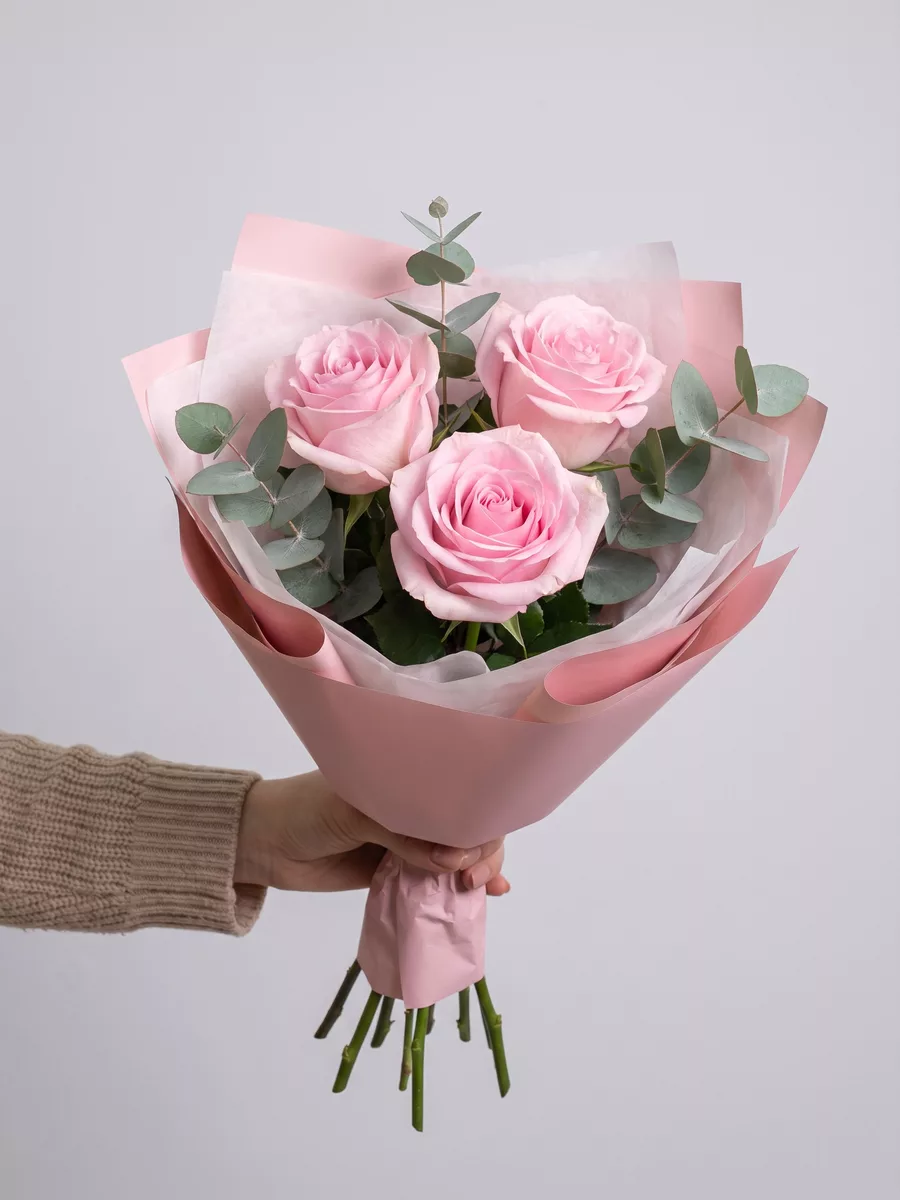
Bouquets we can deliver

What Russian Recipients Actually Expect from a Bouquet
If you are sending flowers from Western Europe, North America, or Asia, it helps to understand that Russian flower culture has its own strong visual grammar. Bouquets here are typically generous in volume — a single stem or a very spare arrangement reads as insufficient unless it is a single extraordinary rose presented with clear intention. Fullness, layering, and a sense of abundance signal that the sender put real thought and care into the gift.
Odd numbers of flowers are a firm tradition for celebratory occasions. Even numbers are reserved for mourning, so always confirm your bouquet contains an odd count: five, seven, nine, eleven stems or more. Most professional florists follow this automatically, but if you are customising an order, double-check. This is one of the details that recipients will notice immediately, and an even number can create genuine awkwardness.
Wrapping matters as much as the flowers themselves. In Russia, bouquets are almost always presented wrapped — in kraft paper, soft fabric, or layered tissue with ribbon. An unwrapped bunch, however fresh, looks unfinished. The presentation is part of the gift, not an afterthought.
Colour choices carry meaning too, though less rigidly than the odd-number rule. Red roses signal romantic love and are broadly understood. White flowers are beautiful and appropriate for many occasions, though some older recipients associate all-white arrangements with formal or solemn events. Mixed colours — peonies in blush and coral, ranunculus in cream and peach, spray roses in warm tones — tend to feel festive and personal without any ambiguity.
Choosing Flowers for the Season in Pavlovsk
Pavlovsk shares Saint Petersburg's climate, which means cold winters, brief but glorious springs, warm summers, and crisp autumns. The season shapes both what is available at peak quality and what will survive the journey from the shop to the recipient's hands.
In winter, from November through March, temperatures regularly drop below minus ten degrees Celsius. Tropical and thin-petalled flowers — gardenias, open lilies, anthurium — are vulnerable to cold shock during the short walk from the courier's bag to the door. Roses with tight buds, alstroemeria, chrysanthemums, and carnations handle cold far better. Eucalyptus and ruscus greenery add volume and survive winter conditions reliably. Tulips are available and loved in winter, but they need to arrive in bud, not open, because they continue to grow and will droop quickly in a warm room.
Spring, from April through May, is the best moment for tulips — Dutch varieties in single colours or mixed pastels are universally adored. Hyacinths are intensely fragrant and make a strong impression, though their vase life is shorter than tulips. Peonies begin to appear by late May and are perhaps the most beloved flower in Russia during this season.
Summer brings peonies in full force through June, then sunflowers, lisianthus, and garden roses. Autumn is the season for dahlias, chrysanthemums in rich burgundy and bronze, and branches of rosehip or ornamental berries that add texture. Matching your flower choice to the actual season ensures the bouquet arrives at its best and feels appropriate to the moment.
How to Order from Outside Russia Without Confusion
Ordering internationally is straightforward once you know what information to prepare. The most important piece of data is the recipient's full address, written in Russian if possible, including the apartment or house number, entrance number if it is a multi-entrance building, and floor. If you do not know the address in Russian, write it clearly in Latin script and note any landmarks — Turboflora's team can work with both.
The recipient's Russian mobile phone number is non-negotiable, as mentioned earlier. Russian mobile numbers begin with +7 and have ten digits after the country code. If your recipient uses WhatsApp or Telegram on that number, the courier can reach them through those apps as well, which is common practice.
Your own contact details should include a phone number or messaging app where the team can reach you if there is a question about the order. Time zones matter here: Saint Petersburg is UTC+3, so if you are ordering from California, there is an eleven-hour difference. Placing your order at least several hours before you need delivery — and ideally the day before for morning deliveries — gives the team time to confirm details without a rush.
For the card message, you can write in English, and the team will include it as written. If you want the message in Russian, you can write it yourself or ask for a simple translation of a short phrase. Keep card messages warm and specific — a sentence that references a shared memory or the occasion by name means far more to the recipient than a generic greeting. It is the part of the delivery they will read more than once.
Timing Your Delivery for the Right Moment
Flowers delivered at the right moment carry twice the emotional weight of the same bouquet arriving at an awkward time. For birthdays, the morning delivery — before ten o'clock — is the gold standard in Russia. It sets the tone for the whole day and lets the recipient arrange the flowers before guests or calls arrive. If you are ordering from a time zone many hours behind Saint Petersburg, this means placing your order the evening before, your local time.
For occasions like anniversaries, Women's Day on the eighth of March, or Valentine's Day, the entire country orders flowers simultaneously. These are the busiest days for every florist in Russia, and demand in Pavlovsk is no exception. Place your order at least two to three days in advance for these dates. The eighth of March in particular is the single largest flower holiday in Russia — roses, tulips, and mimosa sell out rapidly, and same-day ordering is genuinely risky.
Surprise deliveries work well in Russia and are common. You do not need to warn the recipient in advance. The courier will call on arrival, and most people are delighted rather than inconvenienced. However, if your recipient has an unpredictable schedule — shift work, frequent travel, or young children who nap — it is worth choosing a delivery window when they are most likely to be home.
Evening deliveries are possible and sometimes more romantic, but consider that cut flowers left in a warm hallway for several hours before being put in water will lose a day of vase life. Morning or early afternoon is almost always the better choice for the flowers themselves.
Combinations That Work Especially Well as Gifts
A single-variety bouquet makes a clear, confident statement and is often more striking than a mixed arrangement. Thirty white ranunculus with their layered petals and soft fragrance, or twenty-five peach garden roses tightly bunched, look intentional and generous. Single-variety bouquets also photograph beautifully, which matters because recipients in Russia almost always photograph their flowers and share the image with friends and family.
Mixed bouquets work best when the palette is controlled. Two or three colours that share a warmth or coolness — blush pink peonies with white lisianthus and dusty miller foliage, for example, or burgundy roses with terracotta spray roses and eucalyptus — feel curated rather than random. Avoid combining too many saturated colours in one arrangement; it reads as busy rather than festive.
Adding texture through foliage and secondary elements elevates any bouquet significantly. Eucalyptus in its various forms — silver dollar, seeded, or baby — is always appropriate and adds a gentle fragrance. Ruscus adds structure. Ornamental grasses or cotton stems in autumn give a bouquet personality beyond its main flowers.
If the recipient has a known preference — they love tulips, they always post sunflowers on social media, they mentioned peonies once — build the bouquet around that. A florist's skill is in making that preference look its absolute best, not in overriding it with something more complex. The most memorable bouquets are the ones that show the sender was paying attention. That attentiveness travels across any distance.
Care Instructions to Share with Your Recipient
When you send flowers from abroad, you are not there to explain how to care for them. Including brief care notes with the bouquet — or sending a message to the recipient alongside the delivery — helps the flowers last as long as possible and shows an extra layer of thoughtfulness.
The first step after unwrapping is always a fresh cut at the stem ends, ideally at a forty-five-degree angle with a sharp knife rather than scissors, which can crush the stem tissue. This is done while holding the stems under water or immediately before placing them in a vase. The cut surface should not sit in air for more than a few seconds.
Vase water should be cool and clean. Warm rooms, which are the norm in Russian apartments especially in winter when central heating runs high, accelerate wilting. Placing the vase away from radiators and direct sunlight, and changing the water every two days, extends vase life noticeably. Removing any leaves that fall below the waterline prevents bacterial growth that shortens flower life.
Different varieties have different natural lifespans. Chrysanthemums and alstroemeria regularly last ten to fourteen days with proper care. Roses last seven to ten days. Tulips and ranunculus are shorter-lived at five to seven days but are so beautiful in their prime that recipients rarely mind. Peonies in full bloom last four to six days but fill a room with fragrance that makes every day count.
Sharing these simple points with your recipient, even in a brief message, transforms the bouquet from a one-day event into something they can enjoy and tend to — which is exactly the feeling a flower gift from far away should create.
Sending flowers to Pavlovsk from abroad is less complicated than it sounds, and the effect on the person who receives them is entirely out of proportion to the effort involved. A bouquet arriving at a door in this quiet, beautiful town carries the full weight of the distance it represents — someone, somewhere far away, thought of you specifically and made something happen. Getting the details right, from the odd number of stems to the morning delivery time to the seasonal flower choice, is what turns a transaction into a gesture that the recipient will talk about for days.
Frequently asked questions
Can I send flowers to Pavlovsk if I do not speak Russian?
Yes, entirely. Turboflora's ordering process works in English, and your card message can be written in any language you choose. The only thing to prepare in advance is the recipient's address and Russian mobile number, which you can write in Latin script if needed. The team handles the rest and will contact you through international messaging apps if there is a question.
How far in advance should I order for a birthday delivery in Pavlovsk?
For a standard birthday on a regular day, ordering the evening before your local time is sufficient, especially if you are in a time zone significantly behind Saint Petersburg. For major holidays like the eighth of March or Valentine's Day, order two to three days ahead. Early morning deliveries before ten o'clock are the most popular and fill up fastest on busy dates.
What flowers should I avoid sending in winter to Pavlovsk?
Avoid fully open tropical flowers or thin-petalled varieties that are sensitive to cold shock, such as open gardenias or anthurium, when temperatures are below minus five degrees Celsius. Roses in tight bud, chrysanthemums, alstroemeria, carnations, and tulips in bud all travel well in winter. Ask the florist to pack the bouquet with insulating paper for extra protection during the final outdoor moments of delivery.
Is it appropriate to send flowers as a surprise without telling the recipient?
Surprise deliveries are very common and warmly received in Russia. The courier will call the recipient on arrival, so no advance warning is needed from you. The only practical consideration is choosing a time when the recipient is likely to be at home. If their schedule is unpredictable, a midday window on a weekend is usually the safest choice for a surprise delivery.
Why does the number of flowers in a Russian bouquet matter?
In Russian tradition, even numbers of flowers are associated with mourning and are brought to funerals. For any celebratory or affectionate occasion — birthdays, anniversaries, thank-you gifts — the bouquet should contain an odd number of stems: five, seven, nine, eleven, or more. Turboflora follows this automatically, but if you are customising your order with a specific stem count, always choose an odd number.
Ready to send flowers?
Pick the city, choose the bouquet, and a local florist takes it from there.
Choose a city →