Sending Flowers to Pechora from Abroad? Read This First
Pechora sits in the Komi Republic, roughly 1,600 kilometres northeast of Moscow, where winters are long and genuine warmth is something people notice. When you are sending flowers from London, Berlin, New York or anywhere outside Russia, you want to know that the bouquet arriving at someone's door actually looks the way you imagined it — not wilted from a long journey, not the wrong colour for the occasion, not a generic arrangement that could have come from anywhere. This guide gives you the practical knowledge to make that happen.
Why Pechora Is Different from Sending Flowers to a Big City
Most people sending flowers internationally think first about Moscow or Saint Petersburg, and the logistics there are relatively familiar. Pechora is a smaller northern city, and that changes a few things worth understanding before you place an order. The climate is subarctic — winters regularly drop below minus twenty-five Celsius, and even late spring can surprise with frost. That matters enormously for flower survival during the final delivery leg, and a good florist accounts for it by wrapping arrangements carefully and timing dispatch to avoid the coldest part of the day.
The city itself has a tight-knit feel. People there tend to notice effort. A thoughtfully chosen bouquet with real seasonal flowers will land differently than a standard dozen red roses in a cellophane sleeve. Pechora residents are accustomed to receiving things from distant relatives and friends — many families have members working or living abroad — so the gesture of an international flower order carries genuine emotional weight. Your recipient will likely understand exactly how much coordination went into it.
Delivery windows matter more in a smaller city because street addresses and apartment numbers need to be precise. Unlike a dense urban centre where a courier can easily re-attempt, Pechora requires accurate recipient details on the first try. Always include the full address with building number, apartment number, entrance number if applicable, and a working local phone number. A missed delivery in a northern city is not simply inconvenient — in winter it can mean flowers left in freezing conditions, which is a situation nobody wants.
Bouquets we can deliver

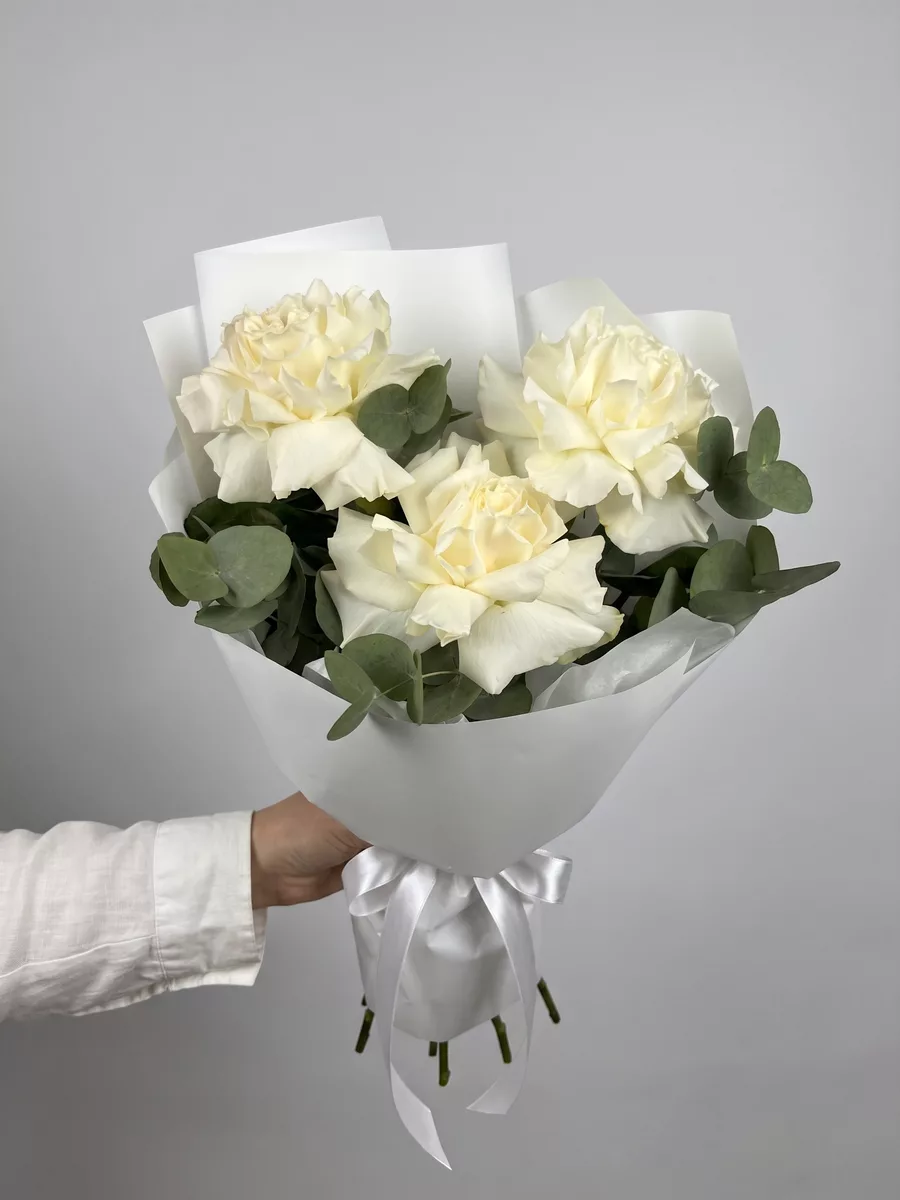
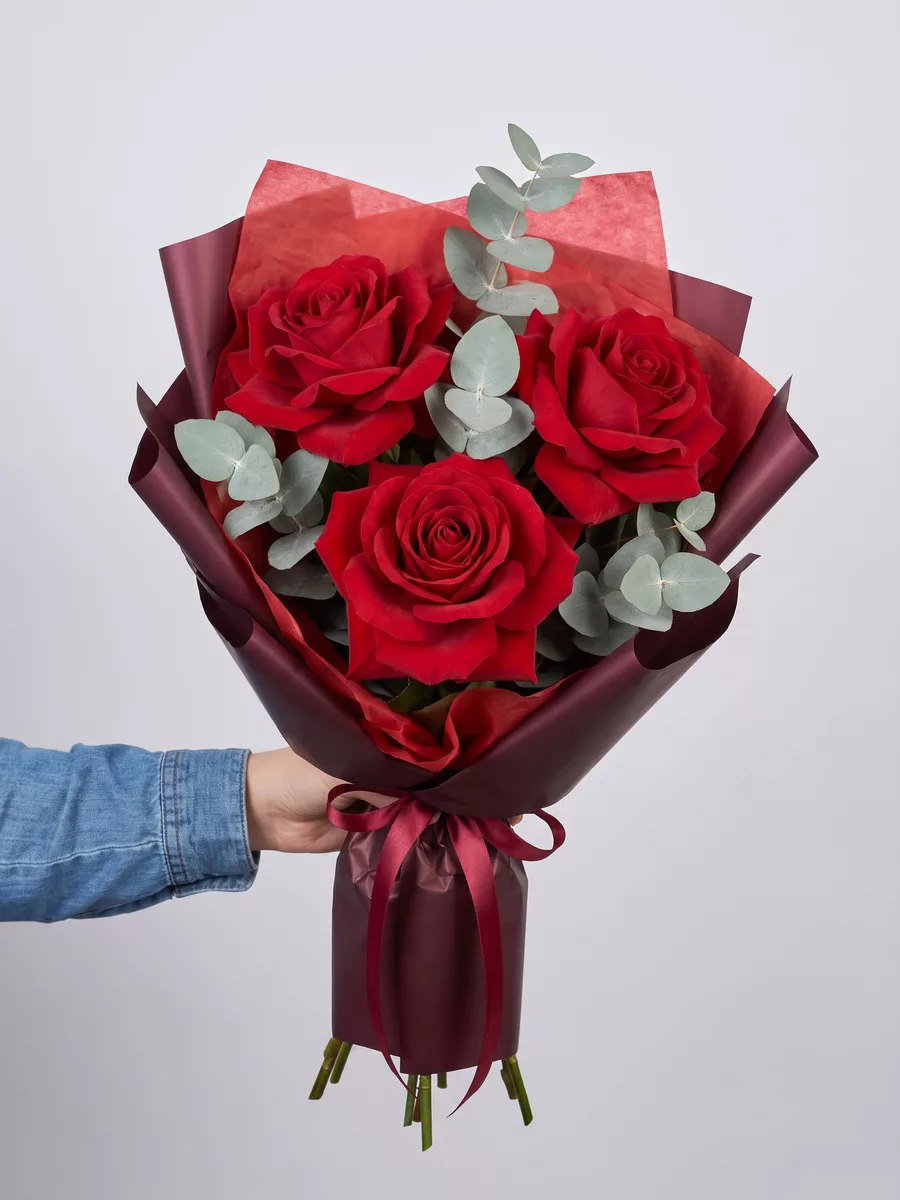
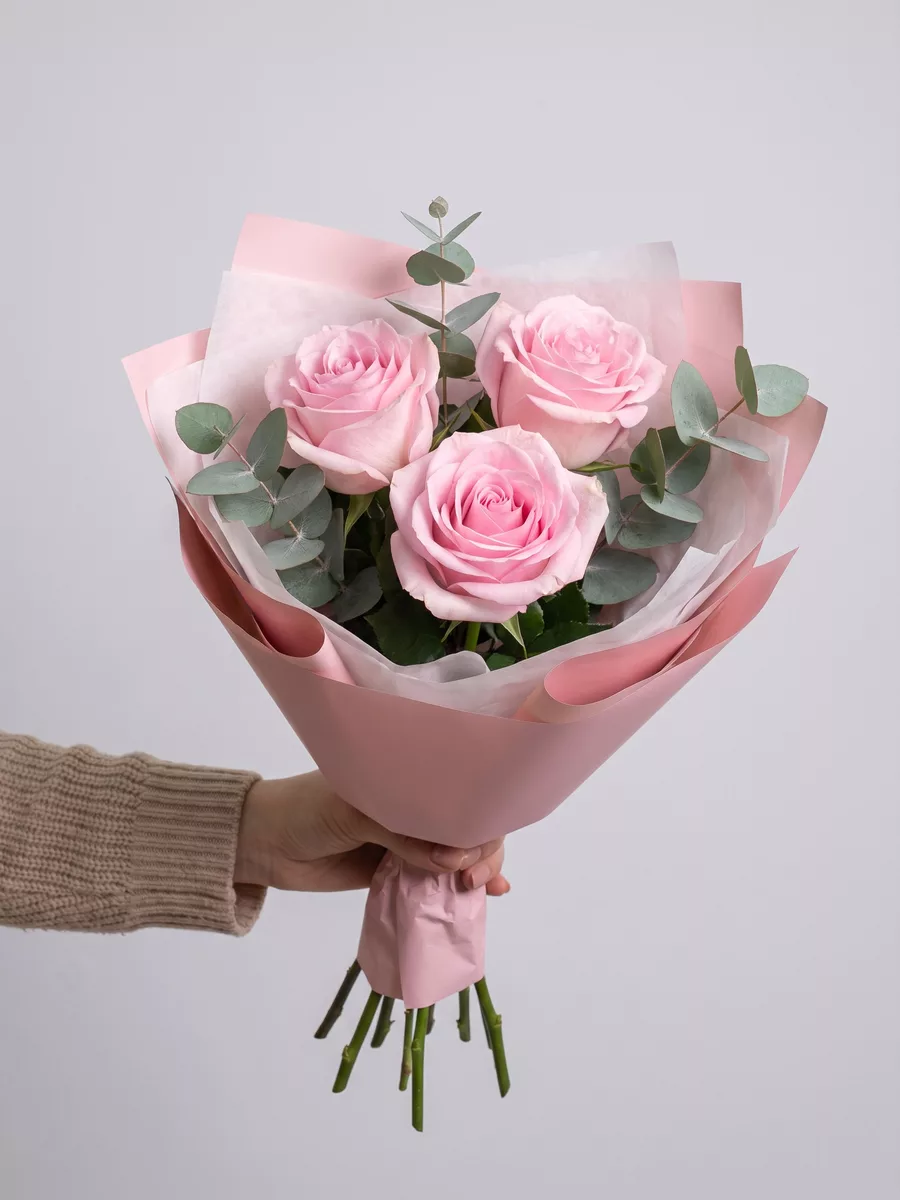
Choosing Flowers That Actually Suit the Occasion and the Person
Before thinking about varieties, think about the recipient and the moment. Is this a birthday for a woman in her fifties who grew up in the Soviet era and loves classic arrangements? Or a congratulation for a young colleague who just defended her university thesis remotely? The emotional starting point shapes everything else — colour palette, flower choice, whether greenery plays a supporting or starring role.
For birthdays and celebrations, chrysanthemums in warm amber and burgundy tones work beautifully in autumn and early winter, when they are at peak freshness and travel well in cold conditions. Alstroemeria is another reliable choice — it opens gradually over several days, so the recipient enjoys the bouquet evolving rather than peaking immediately. Spray roses add texture and volume without the formality of standard-headed roses, which suits a relaxed, personal gift.
For romantic occasions, garden roses with full, cupped heads in blush or deep red remain the most universally understood gesture. Pair them with eucalyptus or ruscus for a contemporary look rather than traditional gypsophila, which can feel dated. If the occasion is professional — a promotion, a work anniversary, a congratulation on a business achievement — consider a structured arrangement of white or cream flowers: lisianthus, white spray chrysanthemums, and green pittosporum read as elegant and considered rather than showy.
Russian recipients across all ages respond warmly to bouquets that feel generous in volume. A tight, minimalist arrangement may read as understated to the point of seeming sparse. Aim for fullness and layering, even when working with a modest selection of varieties.
Navigating Seasons: What Flowers Are at Their Best When
Pechora's climate means that what is available locally is limited, but flowers arriving via professional logistics from Saint Petersburg can include a wide range of greenhouse-grown and imported varieties year-round. That said, seasonality still affects quality and vase life significantly, and it is worth knowing which flowers perform best in which months.
From November through March, tulips, hyacinths and ranunculus are among the freshest options because they are cold-tolerant and ship well. Tulips in particular have excellent vase life in cool indoor temperatures, which is exactly what a Pechora apartment in winter provides — Russian homes are centrally heated but recipients often keep rooms at a moderate temperature. Hyacinths add fragrance, which makes them memorable even as a small addition to a larger bouquet.
From April through June, peonies become available and they are enormously popular across Russia for spring celebrations. They open slowly in cooler rooms, giving five to eight days of display when properly cared for. Lilac branches, if in season, carry a nostalgic quality that many Russian recipients associate with childhood and warmth — a thoughtful touch for a parent or grandparent.
Summer and early autumn bring sunflowers, dahlias and lisianthus into their best season. Sunflowers are cheerful and long-lasting, dahlias offer extraordinary colour range, and lisianthus mimics the look of roses at a fraction of the delicacy. Avoid ordering tropical varieties like anthuriums or birds of paradise for Pechora winter deliveries — their cold sensitivity makes the final delivery leg risky, and they can look damaged even after brief exposure to sub-zero temperatures.
Ordering from Outside Russia: Practical Steps and What to Prepare
Ordering flowers internationally to a Russian city is straightforward when you know what information to have ready. The most important thing is recipient details — not just a name and street, but the full structured address as Russians write it: city, street name, building number, apartment number, entrance (podezd) number if the building has multiple, and floor. If you are unsure of any of these, ask your recipient's family member rather than guessing. An incomplete address is the single most common reason for delivery complications.
Payment from abroad works via international card payment on the Turboflora website. Most major cards are accepted. If you encounter any difficulty, the customer service team can assist — they are accustomed to handling orders placed in different time zones and can confirm details by email if needed. Keep in mind that Moscow time is UTC plus three, and Pechora follows the same time zone, so when you are placing an order from Western Europe or the Americas, factor in that gap when selecting a delivery window.
For the card message, you can write in English — the florist will include it exactly as written, and many Russian recipients read English. If you would prefer a Russian translation, note that in your order comments and the team can help with a simple transliteration or translation of a short phrase. Longer personal messages are better left in your own language, as they feel more authentic and your recipient will likely appreciate the original wording.
Always provide a recipient phone number. Couriers call ahead in Russia as standard practice, and a recipient who is not reachable may miss their delivery entirely.
Timing Your Order: Lead Times, Same-Day Options and Key Dates
Turboflora delivers fresh flowers across Russia within one to two hours of order confirmation, which means same-day delivery to Pechora is genuinely possible — but only if you order during operational hours and the recipient is reachable. For senders in very different time zones, the practical window for same-day delivery is narrower. Someone ordering from New York at nine in the evening local time is placing an order at four in the morning Moscow time, which falls outside the delivery window. Plan orders the day before when crossing more than three or four time zones.
For major Russian holidays, ordering at least two to three days in advance is strongly recommended. The eighth of March — International Women's Day — is the single busiest flower day in Russia, far surpassing Valentine's Day in scale and cultural importance. Every woman in a Russian man's life typically receives flowers: mother, wife, colleague, teacher, neighbour. Demand is enormous and florists work at full capacity. If you are sending flowers for the eighth of March, place your order no later than the fifth.
Other significant dates include the twenty-third of February (Defender of the Fatherland Day, when men receive gifts), the first of September (Knowledge Day, when children start school and teachers receive flowers), and New Year's Eve. For birthdays and anniversaries, a day's notice is usually sufficient outside of peak periods.
If the occasion is a surprise, coordinate with a family member in Pechora who can ensure the recipient is home. Surprises are lovely — a missed surprise delivery is not.
What Your Recipient Should Do When the Flowers Arrive
Part of giving flowers well is giving the recipient the knowledge to keep them looking beautiful. If you are sending flowers to someone who may not have much experience with fresh cut flowers — or who lives alone and has nobody to advise them — a short note with care instructions alongside the bouquet is a genuinely kind addition. You can request this when placing your order.
The first step is always a fresh diagonal cut at the base of each stem, made with a sharp knife rather than scissors, which can crush the vascular tissue. Stems should go immediately into clean water — lukewarm, not cold, for most varieties. The exception is tulips, which prefer cool water and a cool room, and will last noticeably longer if kept away from direct heat sources like radiators, which are common and warm in Russian apartments.
Leaves below the waterline should be removed to prevent bacterial growth, which is the main cause of early wilting. Water should be changed every two days, with another fresh cut each time. Chrysanthemums, alstroemeria and spray roses are particularly forgiving and will last ten to fourteen days with basic care. Peonies and garden roses need slightly more attention but reward it with five to eight days of full bloom.
In winter, Pechora apartments are heated continuously, which means the air is dry. A bouquet placed near a window away from the radiator will last longer than one sitting on a warm shelf. If the recipient has a cool hallway or a balcony that stays above freezing, flowers can rest there overnight to extend their life. This is a common Russian practice that genuinely works.
Russian Flower Customs Worth Knowing Before You Order
Russian flower culture has a few conventions that differ from Western European or North American norms, and knowing them helps you avoid unintentional missteps. The most widely known is the odd-number rule: bouquets given as gifts traditionally contain an odd number of flowers, while even numbers are associated with solemn occasions. This is a deeply ingrained custom, and while younger urban Russians are more relaxed about it, it remains meaningful to many people — especially outside major cities. A good florist will automatically follow this convention, but it is worth confirming if you have a specific number in mind.
Colour associations are also worth a moment's thought. Yellow flowers carry mixed symbolism in Russia — some people associate them with separation or bad luck, particularly in older generations, while others simply see them as cheerful and seasonal. If you are unsure of your recipient's sensibilities, a mixed bouquet that includes yellow as an accent rather than the dominant colour is the safest approach. White flowers are generally positive and are associated with purity and celebration, not mourning as in some other cultures.
Wrapping and presentation matter enormously in Russia. A bouquet presented without packaging looks unfinished. Kraft paper, fabric wrapping or a structured box all signal care and intentionality. When ordering, choose a presentation style that feels appropriate to the recipient — a box arrangement reads as more formal and sophisticated, while a hand-tied bouquet in paper feels warmer and more personal.
Finally, it is completely normal and expected in Russia for a recipient to receive flowers at their home address. Door delivery is not considered intrusive — it is the standard and appreciated mode of receiving a floral gift.
Sending flowers to Pechora from abroad is one of the most direct ways to close a distance that geography makes large. The effort involved — navigating time zones, preparing recipient details, choosing the right varieties for a northern winter — does not go unnoticed by the person who receives the bouquet. Russian recipients understand that an international flower order requires planning and care, and that understanding makes the gift feel even more meaningful. Choose flowers that suit the person and the season, give accurate delivery details, and let the arrangement do the rest.
Frequently asked questions
Can I order flowers to Pechora from outside Russia without a Russian phone number?
Yes. You can place your order using an international phone number or email contact for yourself. What matters most is that you provide a working local Russian phone number for the recipient — couriers call ahead before delivery, and without a reachable local number, the delivery cannot be completed successfully.
How far in advance should I order for the eighth of March from abroad?
Order at least three days before the eighth of March. International Women's Day is the peak flower day in Russia, and demand is extremely high across the country. Placing your order by the fifth of March ensures your chosen arrangement is available and that delivery is confirmed for the correct date and time window.
Will flowers survive the cold during delivery in a Pechora winter?
Yes, when ordered through a professional florist who accounts for northern conditions. Arrangements are wrapped appropriately for cold transit, and couriers time the final delivery leg carefully. Choosing cold-tolerant varieties like tulips, chrysanthemums or alstroemeria for winter orders also significantly reduces any risk from low temperatures during handover.
What should I write on the card if I do not speak Russian?
Write your message in English — it is perfectly acceptable and many Russian recipients appreciate reading the original words. If you want a short phrase translated, add a note in your order comments and the team can assist with a simple translation. Longer personal messages always feel more genuine in the sender's own language.
Is it appropriate to send flowers to someone's workplace in Pechora rather than their home?
Workplace deliveries are common and warmly received in Russia, particularly for birthdays and professional congratulations. Make sure you have the full workplace address including office or department details, and confirm the recipient will be present on the delivery day. Home delivery remains the more personal option for family occasions.
Ready to send flowers?
Pick the city, choose the bouquet, and a local florist takes it from there.
Choose a city →