How to Order Flowers to Pereslavl-Zalessky from Another Country
You are somewhere far from Russia — perhaps London, Berlin, Dubai, or New York — and someone you care about is in Pereslavl-Zalessky, a quiet historic town on the shores of Lake Pleshcheyevo. You want them to open the door and find something beautiful waiting. The distance feels enormous, but the gesture does not have to be complicated. Here is exactly what to expect when you send flowers to Pereslavl-Zalessky from outside Russia.
Why Pereslavl-Zalessky Is Worth the Extra Thought
Pereslavl-Zalessky sits about 140 kilometres northeast of Moscow, deep in the Golden Ring, surrounded by monasteries and birch forests. It is not a large city, and that is precisely what makes a flower delivery feel so significant there. In a smaller town, a bouquet arriving at the door is an event — neighbours notice, family members gather, and the recipient feels genuinely singled out rather than simply ticked off a list.
For a sender abroad, the key thing to understand is that the emotional weight of flowers in Russia is high. Russians take gifting seriously. A bouquet is not just a decoration; it is a statement of how much you value the person. The size, the freshness, and the variety all communicate something. Sending a sparse or wilted arrangement would feel like an afterthought, so quality and presentation matter even more than in some other cultures.
The town itself has a continental climate with cold winters and warm summers. This affects which flowers travel well at different times of year and what the recipient's home conditions will be like when the arrangement arrives. A florist who understands this will select stems that survive a winter hallway or a warm summer apartment equally well. Thinking about the recipient's environment — not just what looks good in a photo — is the starting point for a genuinely thoughtful order.
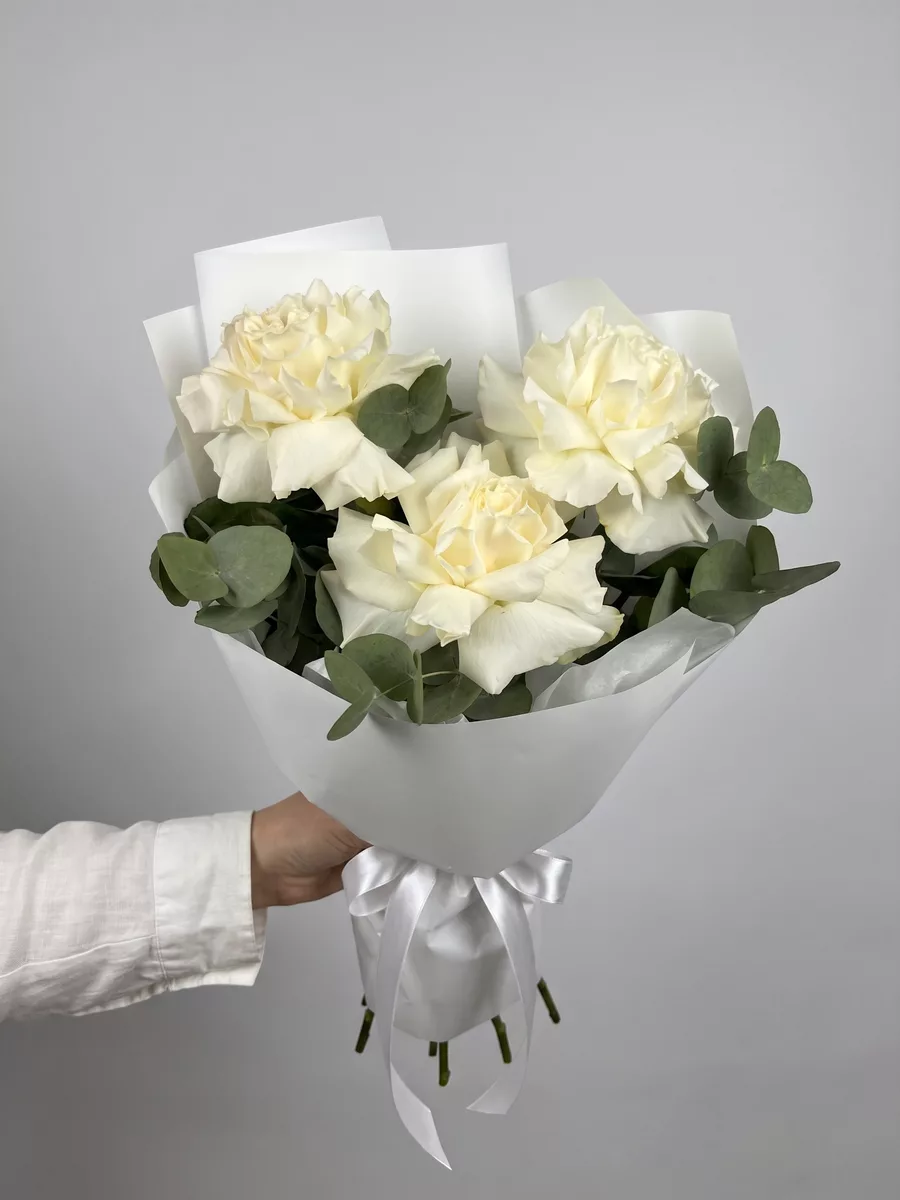
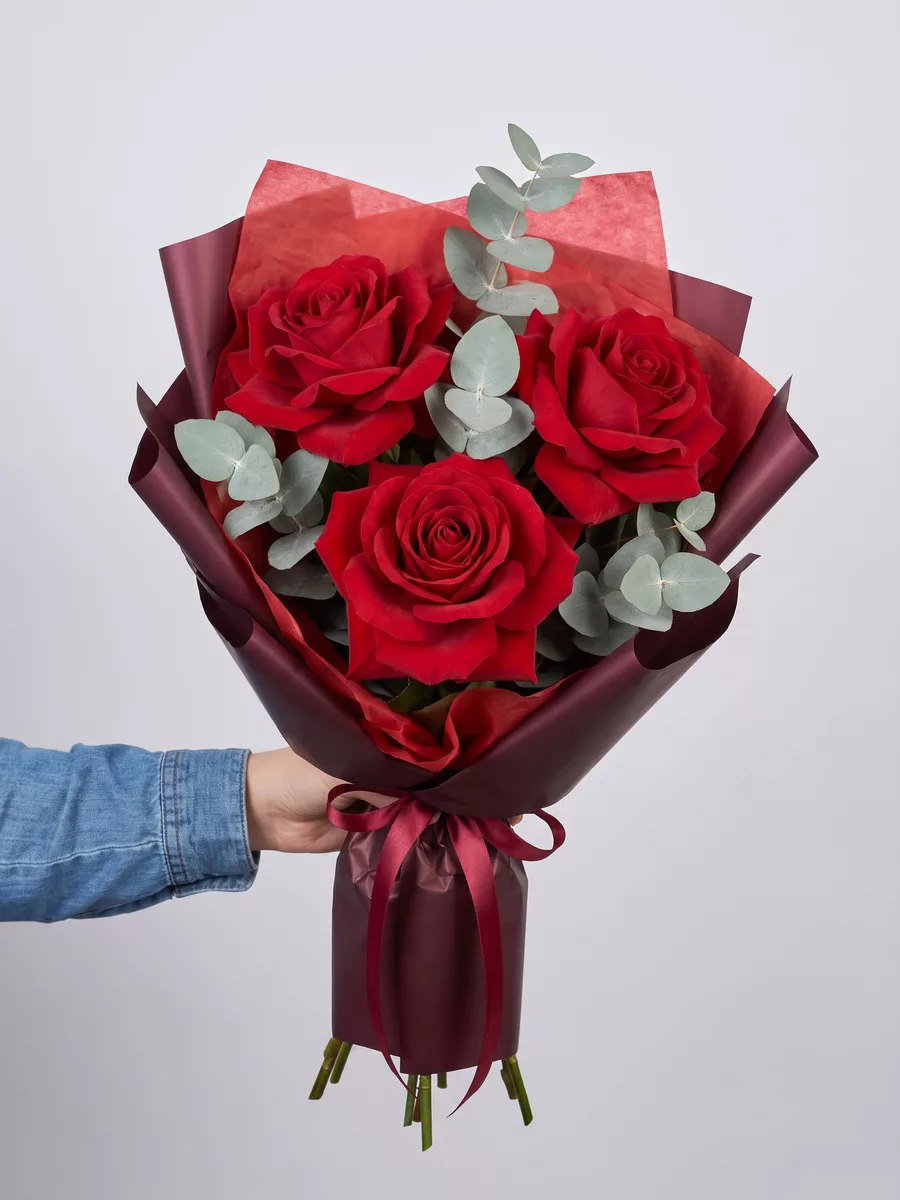
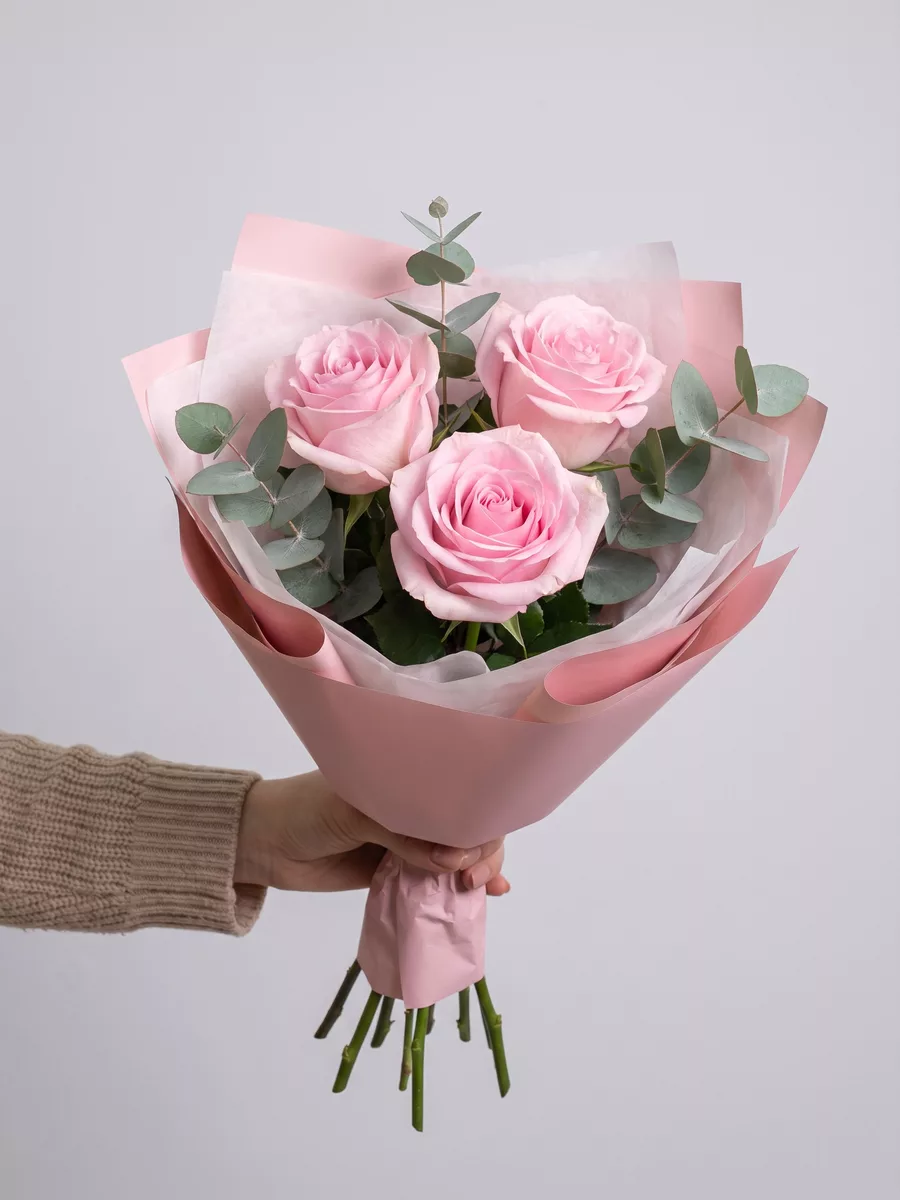
Bouquets we can deliver

Timing Your Order Across Time Zones
The most common mistake international senders make is underestimating the time difference. Pereslavl-Zalessky operates on Moscow Standard Time, which is UTC+3 year-round — Russia does not observe daylight saving. If you are in New York, that is an eight-hour gap. If you are in London, it is three hours in winter and two in summer. Berlin sits two hours behind Moscow in winter, one in summer. Dubai is only one hour behind. Knowing this prevents the classic error of placing an order at what feels like midday your time, only to find it is already late evening in Pereslavl-Zalessky.
For a birthday or anniversary, aim to place your order the evening before your local time if you want a morning delivery. For a same-day surprise, order as early in your own day as possible. Turboflora delivers within one to two hours of confirming an order, so the window is genuinely fast — but you need to be inside business hours in Russia to activate it.
Russian name days and major celebrations like International Women's Day on the eighth of March and the twenty-third of February for men are enormous gifting occasions. Demand spikes sharply on those dates, so placing your order a day ahead is wise. Valentine's Day is observed in Russia but is less dominant than Women's Day. New Year is the biggest holiday of the year, running from the thirty-first of December through early January, when many families are together and a floral delivery lands with particular warmth.
Choosing the Right Flowers for the Occasion
Start from the person, not the catalogue. A grandmother in her seventies will likely love garden roses, alstroemeria, or lisianthus — full, soft blooms that feel generous and traditional. A young woman in her twenties might be delighted by a structured arrangement of spray roses, eucalyptus, and ranunculus, which feels more contemporary. A man receiving flowers — which is entirely normal in Russia, especially on the twenty-third of February — tends to appreciate bold, architectural choices: anthuriums, tropical foliage, or a single-variety bunch of sunflowers or tulips.
For celebrations like birthdays and anniversaries, red roses remain deeply meaningful in Russia. An odd number of stems is the strong cultural norm for gifts to the living — always choose seven, nine, eleven, fifteen, or twenty-five rather than an even number, which is associated with different occasions entirely. This is one of the most important customs for an international sender to know, and a good florist will always follow it automatically.
Seasonally, spring is the time for tulips, daffodils, and hyacinths — all widely loved and very fresh from late February through April. Summer brings peonies, which Russians adore intensely, as well as sunflowers and dahlias. Autumn suits chrysanthemums, eustoma, and warm-toned roses. Winter arrangements often lean on evergreen foliage, amaryllis, and long-stemmed roses that hold their shape in cold air. Matching the season to the bouquet makes the gift feel considered rather than generic.
Budget and What It Buys at Different Levels
When ordering from abroad, it helps to think in tiers rather than fixating on a specific number. An entry-level bouquet in Russia at a reputable florist typically means a compact, single-variety arrangement — perhaps nine tulips with simple wrapping, or a small bunch of alstroemeria with seasonal greenery. This is a warm, sincere gesture and entirely appropriate for a colleague, a neighbour, or a thank-you to someone who helped your family member.
A mid-range order opens up mixed arrangements: roses combined with lisianthus, or spray roses layered with eucalyptus and wax flower. The wrapping becomes more considered — kraft paper tied with ribbon, or a hat box for something that photographs beautifully. This tier is well suited to birthdays, anniversaries, and Women's Day for someone close to you.
At a higher level, the arrangement becomes a genuine statement. Think of fifty roses in a gradient of blush to deep red, or a wide dome of garden roses and peonies in a ceramic vessel. These are the bouquets that get photographed and remembered. They are appropriate for milestone birthdays, significant anniversaries, or any moment when you want the recipient to feel truly celebrated from across the world.
One practical note: when paying from abroad, use a card that does not charge foreign transaction fees and confirm that the payment gateway accepts international cards before you complete the order. Having a backup payment method ready saves time and frustration, especially if you are ordering across a significant time difference.
What Happens After You Place the Order
Once your order is confirmed, the bouquet is assembled fresh and dispatched. Turboflora's delivery window is one to two hours, which means the recipient is not waiting all day wondering when to be home. For an international sender, it is worth including a precise delivery address in Russian if you can — Cyrillic lettering on the street name and building number eliminates any ambiguity. If you only have the address in Latin script, that is workable, but Cyrillic is faster and cleaner.
You will want to make sure the recipient knows to expect a delivery, or to arrange for a neighbour to receive it if they might be out. In Russia, many apartment buildings have an intercom system at the entrance, so the delivery person will buzz the apartment. If the recipient is not home and has not arranged for someone to receive the flowers, the bouquet may wait in cold or warm conditions depending on the season, which affects freshness. A quick message to the recipient — even just saying something is coming without spoiling the surprise entirely — prevents a missed delivery.
A personal card message is a significant part of the gift. In Russian gifting culture, the written word matters. You can write your message in English if the recipient reads it, or ask for it to be transliterated. Keep the tone warm and direct — Russians appreciate sincerity over elaborate formality. Something specific and personal lands far better than a generic phrase, no matter what language you use.
Keeping the Flowers Fresh Once They Arrive
A beautiful bouquet deserves to last, and a few simple habits make a real difference. The first thing the recipient should do is trim the stems at a diagonal cut — about two centimetres from the bottom — using a clean, sharp knife or scissors. This opens up the stem's water channels and dramatically improves uptake. Cutting under running water or immediately placing the stems in water after cutting prevents air bubbles from forming in the stem.
The vase should be clean and filled with fresh, cool water. Warm water encourages bacterial growth, which shortens vase life. Any leaves that would sit below the waterline should be removed, as they rot quickly and cloud the water. Changing the water every two days and re-trimming the stems each time keeps the arrangement looking its best for as long as possible.
In winter, Pereslavl-Zalessky apartments are heated strongly, which dries the air. Placing the vase away from radiators and out of direct sunlight extends the life of the flowers noticeably. In summer, a cool room or a night on a cool windowsill helps roses and peonies hold their petals longer. Roses, lisianthus, and chrysanthemums are among the longest-lasting cut flowers under good conditions — up to ten to fourteen days. Tulips and ranunculus are shorter-lived but intensely beautiful in their first four to six days, opening dramatically as they warm up in the room.
Making the Moment Feel Personal from Far Away
The physical distance between you and the recipient does not have to make the gift feel impersonal. In fact, a flower delivery from abroad often carries more emotional weight precisely because the recipient knows the effort involved — navigating a foreign website, managing a time difference, trusting that the flowers will arrive fresh. That context is part of the gift.
Think about what the bouquet will look like in the recipient's home. If you know they have a small apartment, a tall, dramatic arrangement might overwhelm the space. A wide, low arrangement in a vase, or a compact hand-tied bouquet that fits any shelf or table, is often more practical and therefore more appreciated. If they have a garden or a dacha, they might enjoy something seasonal that connects to the landscape around them — sunflowers in August, or deep-red roses against the first snow.
Coordinating the delivery with a video call transforms the moment entirely. Arrange for the flowers to arrive around the time you plan to call, so you can watch the recipient open the door and see their reaction in real time. This turns a delivery into a shared experience across continents. It is one of the most straightforward ways to feel genuinely present on a birthday or anniversary when you cannot be there in person.
Finally, if you are sending flowers for the first time to someone in Russia, know that the gesture will be received with warmth. Russians are expressive about receiving flowers — expect a photograph, a voice message, and genuine gratitude. The connection you are nurturing from abroad is real, and a fresh bouquet on the doorstep in Pereslavl-Zalessky is one of the most direct ways to feel it.
Sending flowers to Pereslavl-Zalessky from outside Russia is entirely manageable once you understand the time zone, the cultural customs around odd numbers and occasion-specific varieties, and the practical steps that keep a bouquet fresh after arrival. The recipient will feel the care behind the order — the fact that you navigated an international purchase, thought about their season and their taste, and made sure something beautiful reached their door within hours. That is the whole point of flowers: they say something words alone cannot quite reach.
Frequently asked questions
Can I place an order in English and still have it delivered correctly in Pereslavl-Zalessky?
Yes. Turboflora accepts orders in English and handles the delivery logistics in Russian. Providing the address in Cyrillic helps speed things up, but if you only have the Latin-script version, include as much detail as possible — building number, apartment number, and any entry code — and the team will manage the rest.
Why must I always choose an odd number of flowers when sending to Russia?
In Russian tradition, even numbers of flowers are associated with mourning and are brought to cemeteries or funerals. For any celebratory or affectionate occasion — birthdays, anniversaries, gratitude — an odd number is the firm cultural norm. Seven, nine, eleven, fifteen, and twenty-five are all popular choices. A reputable florist will always follow this automatically.
What is the best flower to send in winter to Pereslavl-Zalessky?
Long-stemmed roses hold up exceptionally well in cold transit and heated apartments. Amaryllis makes a striking winter statement. Lisianthus and chrysanthemums are also reliable in low temperatures and last well indoors. Avoid delicate tropical flowers in deep winter, as temperature fluctuations during delivery can bruise petals and shorten vase life significantly.
How far in advance should I order if I am sending flowers for Women's Day on the eighth of March?
At least one to two days ahead. The eighth of March is the single busiest gifting day in Russia, with demand far exceeding a typical day. Placing your order on the sixth or seventh of March from your local time, accounting for the Moscow time zone, ensures your chosen arrangement is available and your delivery slot is confirmed without rushing.
What should I do if the recipient is not home when the flowers arrive?
Let the recipient know a delivery is coming without revealing the full surprise — a simple message saying something is on its way is enough. Alternatively, they can arrange for a neighbour or building manager to receive the bouquet. Leaving fresh flowers unattended for more than an hour, especially in summer heat or winter cold, noticeably reduces how long the arrangement will last.
Ready to send flowers?
Pick the city, choose the bouquet, and a local florist takes it from there.
Choose a city →