Sending Flowers to Petrovsk from Abroad? Here Is What to Actually Expect
Ordering flowers for someone in Petrovsk when you are sitting in Berlin, Tel Aviv, or Toronto feels like it should be complicated — different time zones, an unfamiliar city, customs you are not sure about. In practice, it is far more straightforward than most people expect, and the result can be just as personal and beautiful as if you had walked into a shop yourself. What matters is knowing a few key things before you place the order: the right timing, the right flowers for the season and the occasion, and what your recipient will actually experience when the bouquet arrives at their door.
What Petrovsk Is Like and Why It Matters for Your Order
Petrovsk is a mid-sized town in the Saratov region of Russia, sitting in a continental climate zone that swings between genuine winters and warm summers. That geography shapes everything about fresh flower delivery there. In January and February, temperatures regularly drop well below freezing, which means cold-sensitive flowers like garden roses, ranunculus, and open hydrangeas need careful wrapping and fast transit to arrive in good condition. In July and August, the heat works the opposite way — tight, barely-open buds travel far better than fully bloomed stems.
Understanding this helps you choose the right flowers rather than just the prettiest ones on a website photo. A lush, fully open peony looks magnificent in a picture taken in a warm studio; the same flower in a minus-fifteen-degree transit can arrive bruised and limp. Your florist should be selecting stems at the right stage of bloom for the current weather, and that is exactly what we do when assembling orders for Petrovsk.
The town itself is not a major metropolitan centre, which is another reason to work with a service that has genuine delivery infrastructure across Russia rather than relying on chance. Turboflora delivers to Petrovsk directly, with the same attention to presentation and freshness that applies to central Saint Petersburg orders. Knowing the destination is real and the delivery is reliable is the first thing a sender from abroad needs to confirm before anything else.
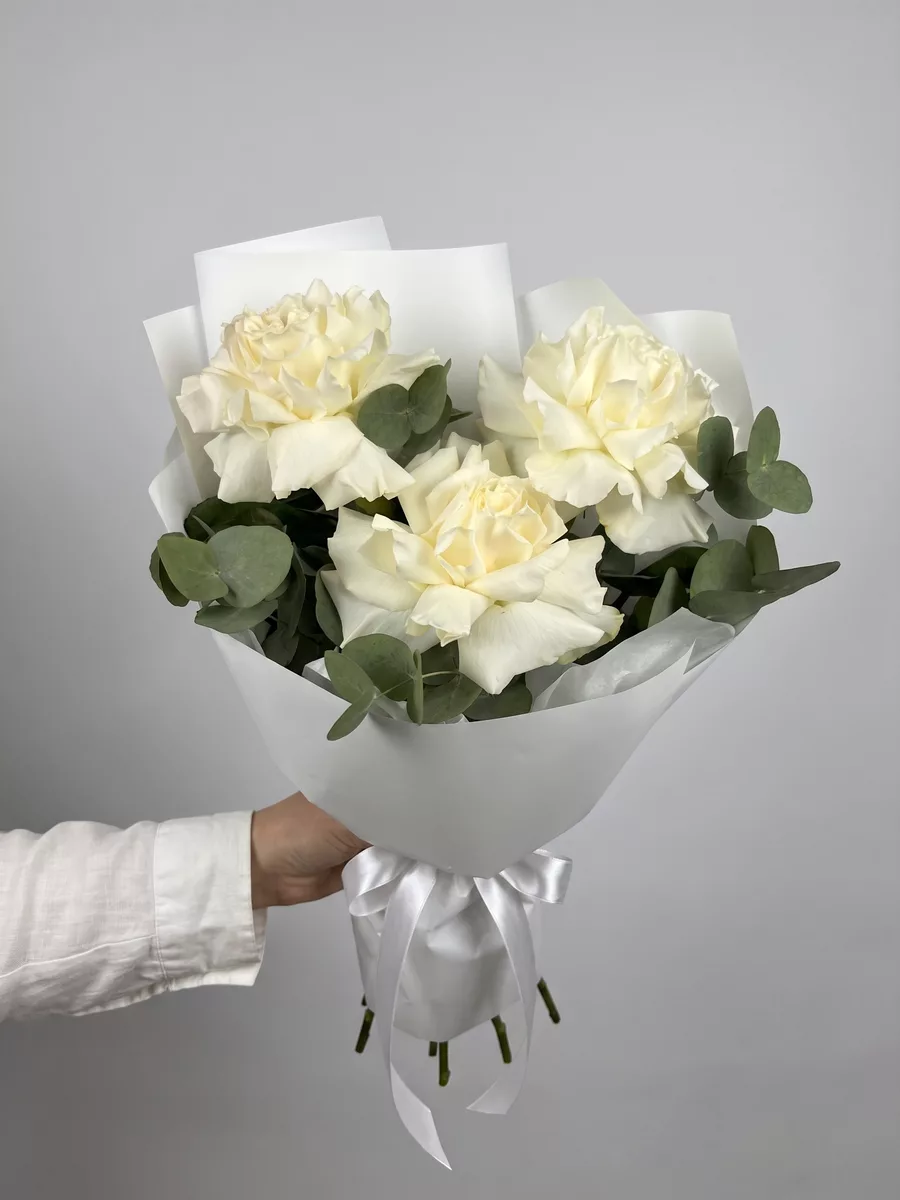
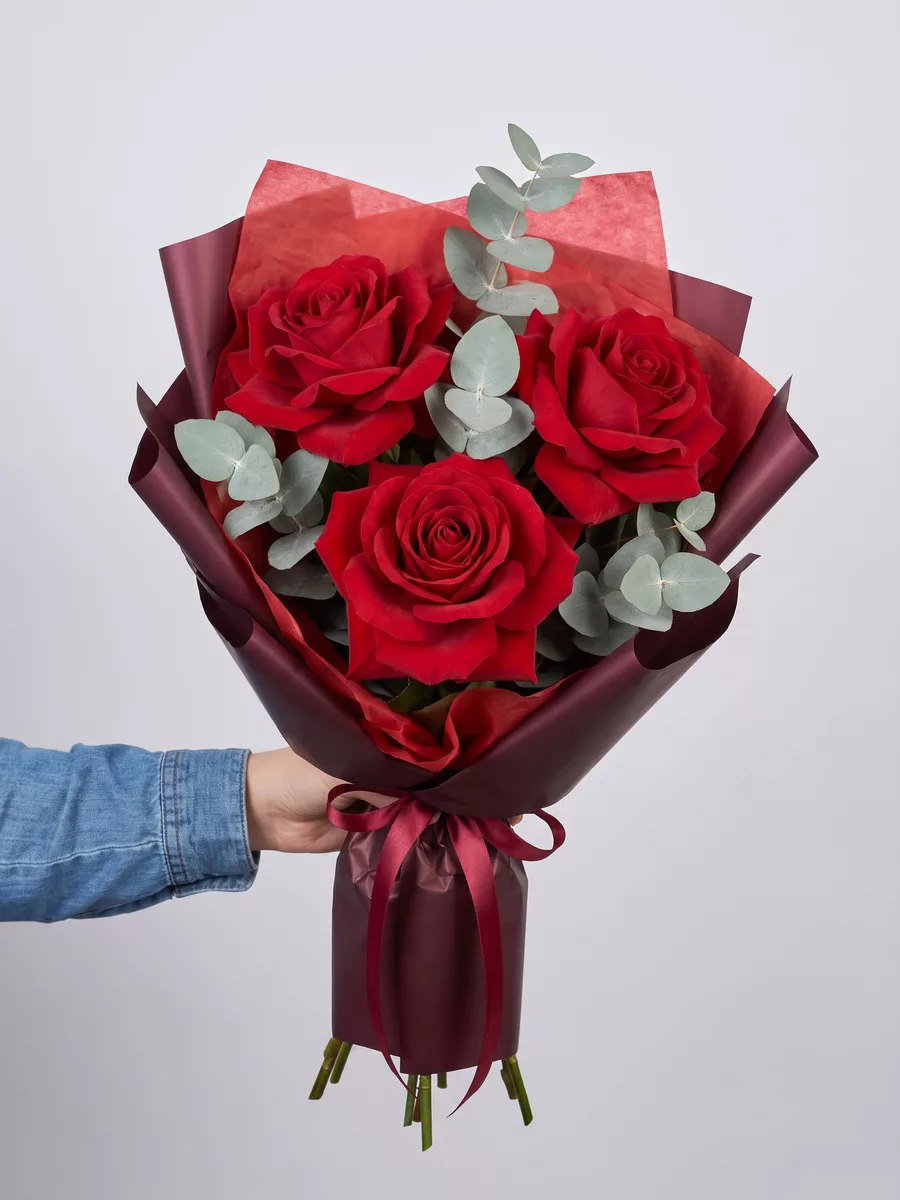
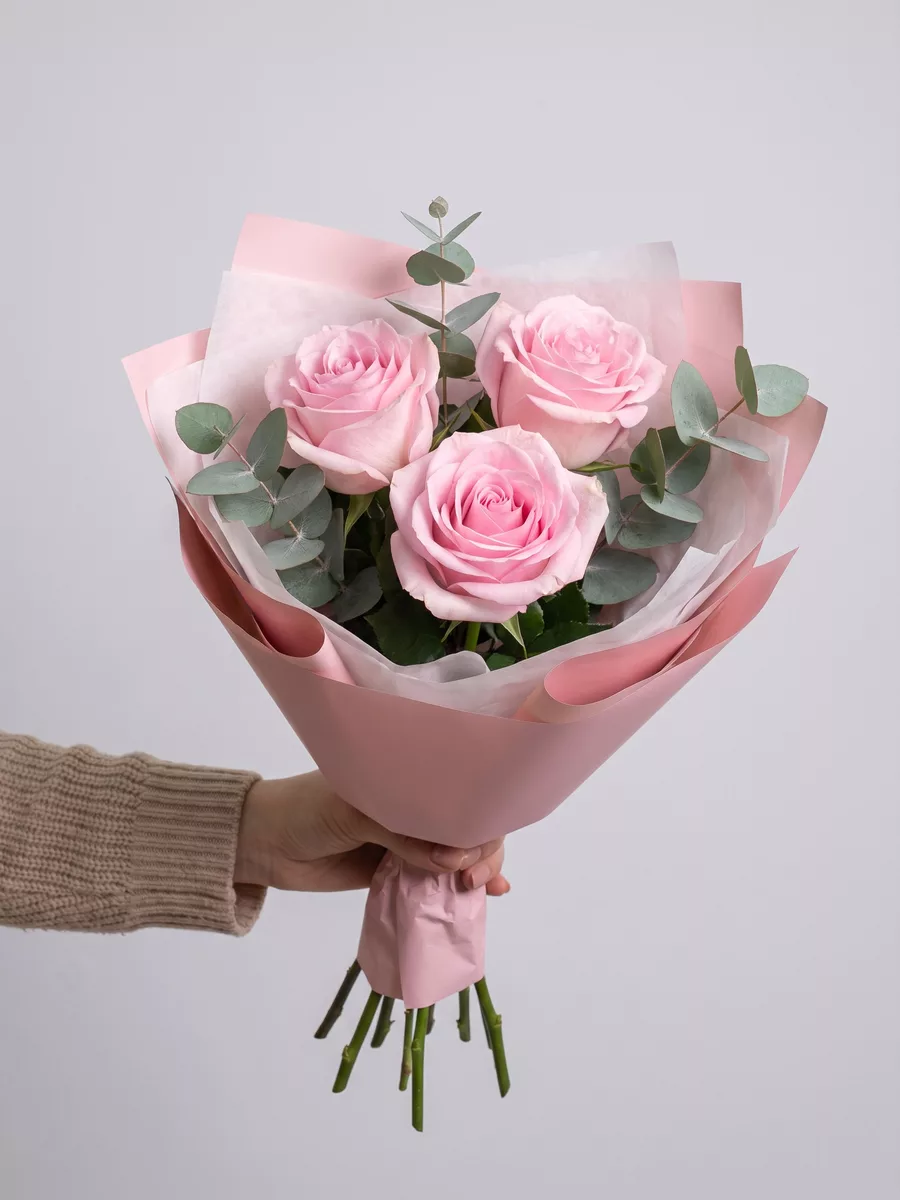
Bouquets we can deliver

Timing Your Order Across Time Zones Without Getting It Wrong
Petrovsk runs on Moscow Time, which is UTC+3. If you are in London, that is three hours ahead of you. If you are in New York, it is eight hours ahead. If you are in Los Angeles, it is eleven. These gaps matter enormously when you are trying to send flowers for a birthday morning or a surprise anniversary delivery.
The safest approach is to place your order the evening before the occasion in your own time zone. That almost always gives the team enough lead time to prepare and dispatch, even accounting for the time difference. Trying to order the morning of the occasion from a North American time zone is genuinely risky — by the time your order arrives in the system, it may already be late afternoon in Petrovsk.
For workplace deliveries, aim for a window between 10:00 and 16:00 Petrovsk local time. Most offices in smaller Russian towns have a lunch break around 13:00, and a delivery that arrives just before or just after that tends to create the best moment — the recipient is present, colleagues are around, and the flowers get the attention they deserve. For home deliveries, evening windows between 17:00 and 20:00 local time work beautifully, catching people after work.
If you are ordering for a very specific time — a proposal, a graduation ceremony, a milestone birthday dinner — write that in the order notes. We read every note and build the dispatch schedule around it. Vague instructions like "afternoon" are fine for casual gifts; precise occasions deserve precise timing requests.
Russian Gifting Customs a Sender from Abroad Should Know
Flowers carry specific cultural weight in Russia that differs from Western European or North American norms, and knowing the basics helps you give a gift that truly lands.
The most important rule: always send an odd number of stems. Even numbers of flowers are associated with mourning in Russian tradition and are brought to cemeteries. A bouquet of eleven roses, fifteen tulips, or twenty-one mixed stems is celebratory. A bouquet of ten or twelve, however beautiful, will quietly unsettle a Russian recipient. This is not superstition to dismiss — it is a genuine social signal that people notice.
Colour carries meaning too, though less rigidly than the odd-number rule. Red roses are unambiguously romantic. White flowers are elegant and work for birthdays, professional achievements, and new babies equally well. Yellow flowers were historically considered unlucky in some parts of Russia, though this belief has faded significantly among younger generations in most cities and towns. If you are sending to someone over sixty and you are unsure, mixing yellow with white or peach tones is a safe way to include warmth without any potential awkwardness.
Wrapping matters as much as the flowers themselves. In Russia, bouquets are typically presented with elaborate paper or fabric wrapping — a bare bunch of stems handed over without presentation feels unfinished. Our bouquets are assembled and wrapped to the standard a Russian recipient expects, so you do not need to worry about that detail. What you can add is a handwritten card message, which remains a genuinely moving touch regardless of cultural background.
Choosing Flowers by Season for a Petrovsk Delivery
Seasonal awareness is one of the biggest differences between a florist who knows their craft and a website that simply shows you the same catalogue year-round. In Petrovsk, the seasons are distinct and they should guide your choices.
In winter — November through February — the most reliable and beautiful options are spray roses, alstroemeria, chrysanthemums, and standard roses in closed or half-open bud. These varieties handle cold transit well and have excellent vase life even in heated Russian apartments. Tulips are available from Dutch import through winter and travel reasonably well if packed correctly. Avoid tropical flowers like bird of paradise or anthurium in deep winter; they are genuinely cold-sensitive and risk damage.
Spring — March through May — is the best time to send flowers to Russia. March 8th, International Women's Day, is the single biggest flower occasion in the Russian calendar, bigger than Valentine's Day by a significant margin. Tulips, mimosa, and hyacinths are the traditional Women's Day flowers, and sending them on or around this date carries real cultural resonance. By April and May, peonies begin arriving from southern growing regions, and they are spectacular.
Summer brings sunflowers, lisianthus, and garden-style arrangements with stocks and matthiola. Autumn is the season for dahlias, chrysanthemums, and warm-toned roses. Each of these seasons has its own palette and mood, and matching your bouquet to the time of year makes it feel considered rather than generic. When in doubt, tell us the occasion and the month — we will recommend what is genuinely beautiful right now.
Bouquet Combinations That Work Well as Gifts
Single-variety bouquets have a clarity and elegance that mixed arrangements sometimes lack. A bundle of twenty-one white tulips wrapped in kraft paper is effortlessly chic and reads as intentional rather than assembled. A monobouquet of cream or blush spray roses has the same quality — it looks curated, not random. For a recipient who has sophisticated taste or a minimalist home, a single-variety arrangement is almost always the stronger choice.
For warmer, more celebratory occasions — birthdays, promotions, new arrivals — mixed bouquets allow for more expression. A combination of garden roses, lisianthus, and eucalyptus has a romantic, slightly wild feel that works for someone who loves a natural aesthetic. Roses paired with alstroemeria and decorative greens create a fuller, more generous-looking bouquet that photographs beautifully and lasts well in a vase.
Colour combinations are worth thinking about carefully. Blush pink and white together feel soft and feminine without being saccharine. Deep burgundy roses with dark greenery feel dramatic and luxurious. Coral and peach tones mixed with cream are warm and universally flattering. Bright yellow and orange combinations feel energetic and joyful — perfect for a friend rather than a romantic partner.
If you are sending to a workplace, consider that the bouquet will be seen by many people and will sit on a desk. Compact, upright arrangements with stems that do not shed petals easily are more practical than loose, sprawling designs. A tight dome of roses or a structured mixed bouquet in a wrapped vase is ideal. We can advise on the best format when you place your order — just mention that it is going to an office.
What to Write on the Card When the Language Is Different
The card message is where many international senders get stuck. You want to say something meaningful, but you are not sure whether to write in Russian, in your own language, or to transliterate something phonetically. Here is a practical way to think about it.
If your recipient speaks your language — if you normally communicate in English, French, or German together — write in that language. A card in your shared language is more personal than a translated phrase that does not sound like you. The warmth comes from the voice, not the script.
If your recipient does not read your language well, a short message transliterated into Russian Cyrillic, or written in simple Russian, lands better. You do not need to write a paragraph. "S dnyom rozhdeniya" means happy birthday. "Pozdravlyayu" means congratulations. "Ya dumayu o tebe" means I am thinking of you. These simple phrases, written sincerely, are enough.
For romantic occasions, the classics work in any language: a date that matters, a line from a shared memory, the recipient's name followed by something true and specific. Avoid generic printed phrases if you can — the card is the one part of the bouquet that is entirely yours, and a specific, personal sentence outweighs any number of beautiful flowers in terms of emotional impact.
When placing your order, type your card message exactly as you want it to appear. We transcribe it faithfully. If you want help with a Russian phrase or translation, note that in the order comments and we will do our best to assist before the bouquet goes out.
Keeping the Flowers Fresh After Delivery: What to Tell Your Recipient
Once the bouquet arrives, how your recipient cares for it determines whether it lasts four days or twelve. Most people in Russia know the basics, but a gentle reminder — especially if you are sending to someone who does not often receive flowers — is always welcome. You can include care instructions in your card message or simply pass them along in a message after delivery.
The first step is the most important: cut the stems at an angle, about two centimetres from the bottom, immediately before placing them in water. An angled cut increases the surface area for water uptake. If the stems were out of water during transit — even for a short time — they may have formed a seal at the cut end, and a fresh cut breaks that seal.
Use a clean vase with cool, fresh water. Warm or room-temperature water encourages bacterial growth and shortens vase life. Remove any leaves that fall below the waterline — submerged foliage rots quickly and contaminates the water. Change the water every two days, and re-cut the stems each time.
Placement matters more than most people realise. Keep the bouquet away from direct sunlight, radiators, and open windows in winter. In a Russian apartment in January, the area near a window can be genuinely cold even indoors, and the area near a radiator is very dry and warm — both are hard on cut flowers. A spot on a table away from heat sources, in moderate room temperature, is ideal.
Roses and alstroemeria last particularly well — up to ten days with good care. Tulips are shorter-lived but can be extended by keeping the water very cold. Peonies, when they arrive in tight bud, can last up to a week and open beautifully over several days.
Sending flowers to Petrovsk from another country is genuinely possible, and when it is done well — right flowers for the season, correct stem count, a personal card, and a delivery timed to the moment — it creates an experience your recipient will remember. The distance between you and Petrovsk does not have to show in the bouquet. What shows instead is that you thought about it, that you chose carefully, and that you made it happen across thousands of kilometres. That is what flowers do at their best: they close the space between people.
Frequently asked questions
Which flowers hold up best in Petrovsk's cold winters when ordering from abroad?
Spray chrysanthemums, alstroemeria, carnations, and closed-bud roses all travel well in freezing temperatures and arrive looking intentional rather than damaged. Avoid fully open peonies, ranunculus, and hydrangeas in January through March. A good florist selects stems at the right stage for the current weather, so trust their seasonal judgment over what looks most impressive in a website photo.
Does the continental climate in Petrovsk affect which colours and varieties are available at different times of year?
Yes, noticeably. Summer brings locally grown sunflowers, lisianthus, and field flowers that simply do not exist in winter stock. Winter arrangements rely more on imported stems, so the palette shifts toward what travels well from growing regions further south or west. If you have a specific flower in mind, it is worth asking whether it is genuinely in season rather than assuming year-round availability.
How do I handle the time zone gap between my country and Petrovsk when placing a same-day order?
Petrovsk runs on Moscow Time, UTC plus three. If you are placing an order from Toronto or Los Angeles, the recipient's day is already well advanced by the time your morning begins. For same-day delivery, place your order the evening before your local time. This removes the guesswork and gives the florist a full working window to source, arrange, and deliver on schedule.
Can I write a card message in English, or should it be in Russian for a Petrovsk recipient?
Either works, but a message in Russian will feel more personal to most recipients. If you write in English, the sentiment still lands, though some older recipients may need help reading it. Many international flower services, including Turboflora, allow you to type your message in any language and will print it exactly as written, so the choice is entirely yours.
What presentation style suits Russian gifting customs if I am sending flowers to Petrovsk for a birthday or anniversary?
Russian gifting culture places real value on abundance and visual generosity. A tightly wrapped, minimalist bouquet can read as underwhelming compared to a fuller, more layered arrangement. Odd numbers of stems are traditional for celebratory occasions. Ribbon, decorative wrapping, and a well-chosen combination of textures matter more here than in some other markets, so lean toward a florist who treats presentation as part of the gift itself.
Ready to send flowers?
Pick the city, choose the bouquet, and a local florist takes it from there.
Choose a city →