How to Send Flowers to Petrovsk-Zabaykalsky from Outside Russia
You are somewhere far from Russia — perhaps in Berlin, Dubai, or Toronto — and someone you love is in Petrovsk-Zabaykalsky, a quiet town in Transbaikalia, waiting for a reason to smile. Sending flowers across that distance feels complicated, but it does not have to be. With the right preparation and a florist who delivers directly, a bouquet of fresh roses or tulips can arrive at a door in Petrovsk-Zabaykalsky within one to two hours of your order. This article walks you through everything you need to know before you place that order.
What Makes Petrovsk-Zabaykalsky Different from Sending to a Big City
Petrovsk-Zabaykalsky sits in the Zabaykalsky Krai region, a part of Russia that experiences a sharply continental climate. Winters are long and genuinely cold, with temperatures regularly dropping below minus twenty-five degrees Celsius. Summers are short but warm and sometimes surprisingly dry. This matters for flowers far more than most senders realise.
A bouquet that travels well in Moscow in October can suffer badly in Petrovsk-Zabaykalsky in January if the packaging is not adapted for the cold. Roses, for example, are sensitive to frost damage on the outer petals, and even a few minutes of exposure at the doorstep can cause bruising. A good florist wraps cold-weather deliveries in insulated kraft paper with an inner layer of tissue, keeping the stems stable and the heads protected.
The town itself is smaller than regional capitals, which means the recipient is less likely to be in a busy office building with a reception desk. Most deliveries go to residential addresses, and the courier will typically call ahead to confirm someone is home. As a sender abroad, it is worth noting the local time zone: Petrovsk-Zabaykalsky operates on UTC plus nine, which is eight hours ahead of Moscow. If you are ordering from Western Europe, the time difference can be as much as eleven or twelve hours. Planning your order the evening before a celebration is almost always the right move.
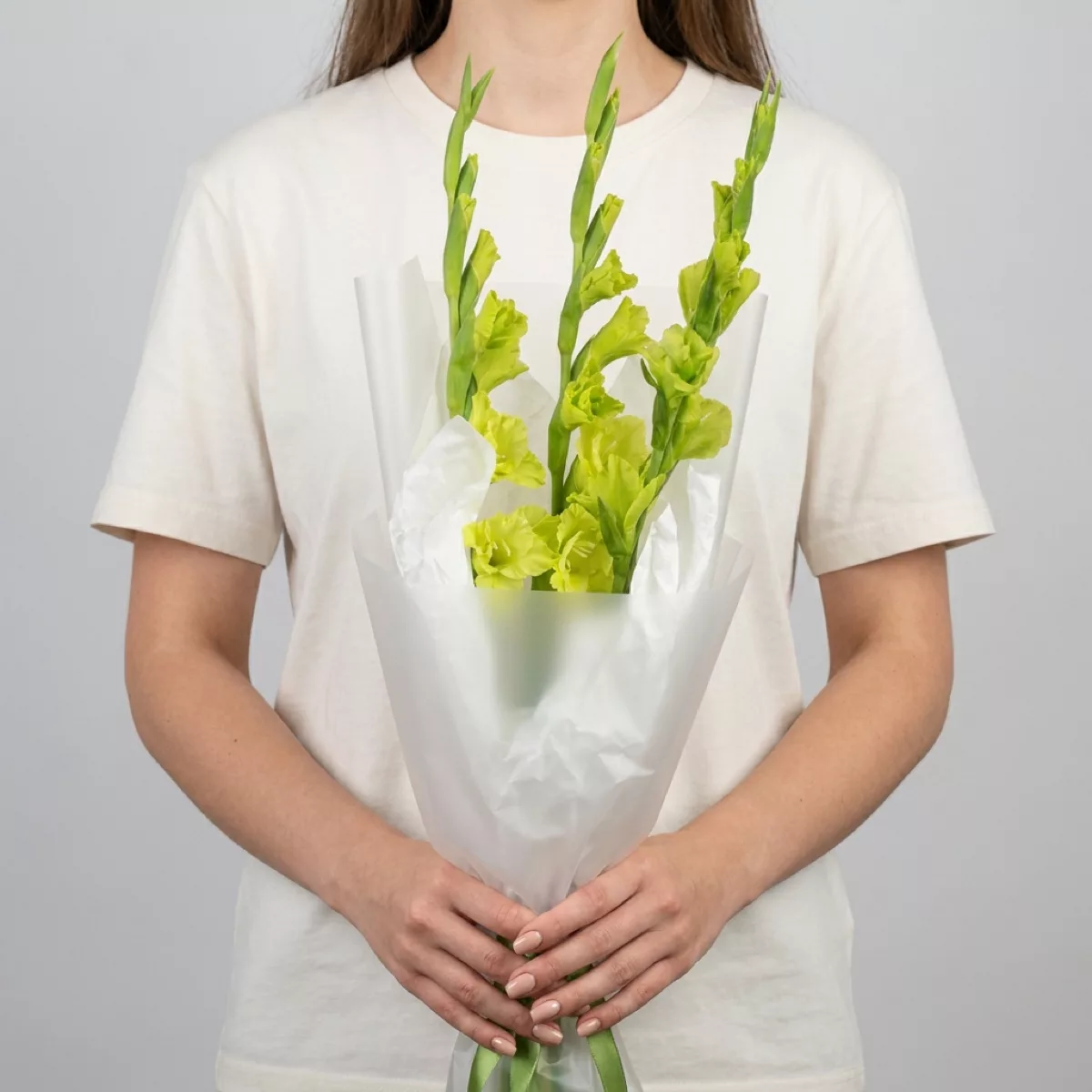
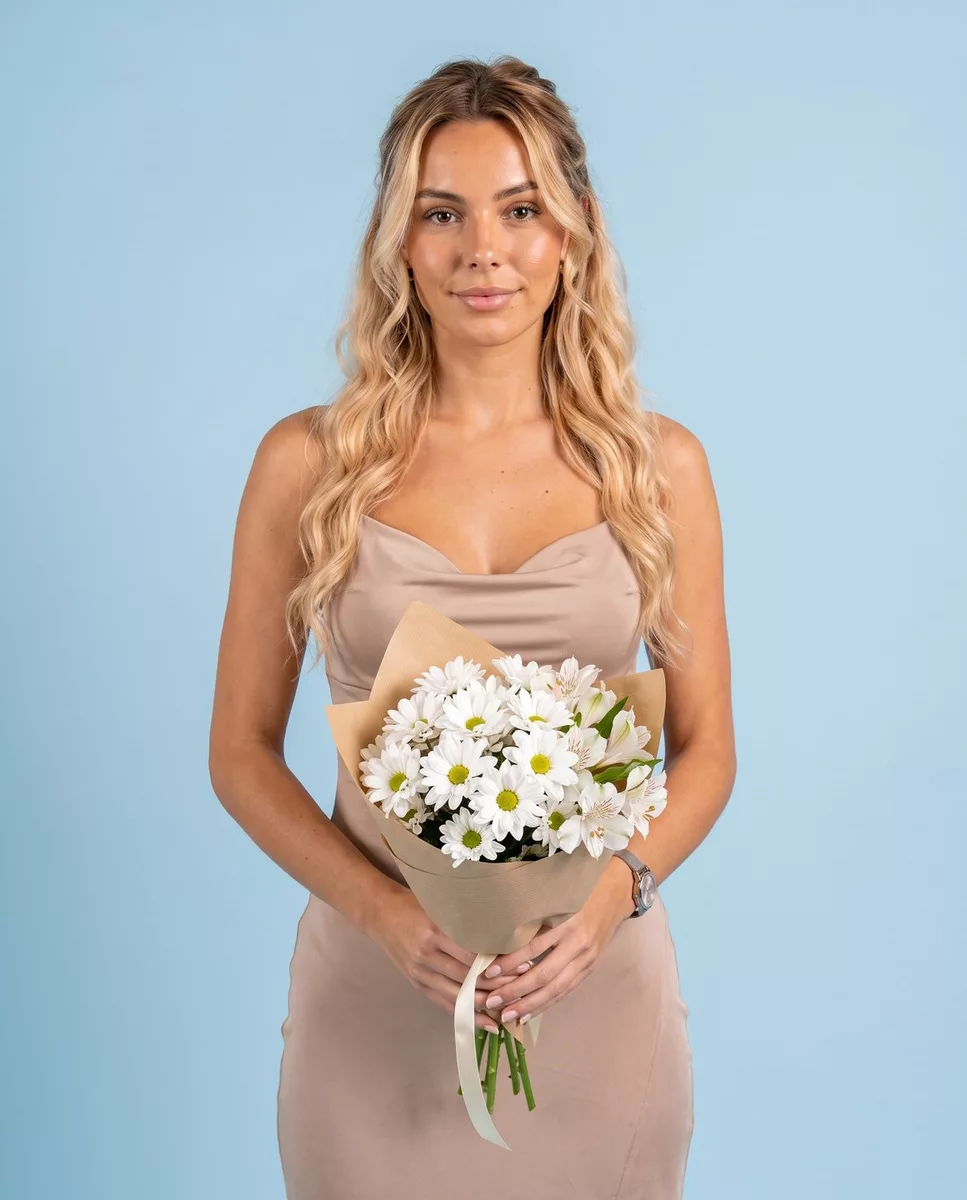
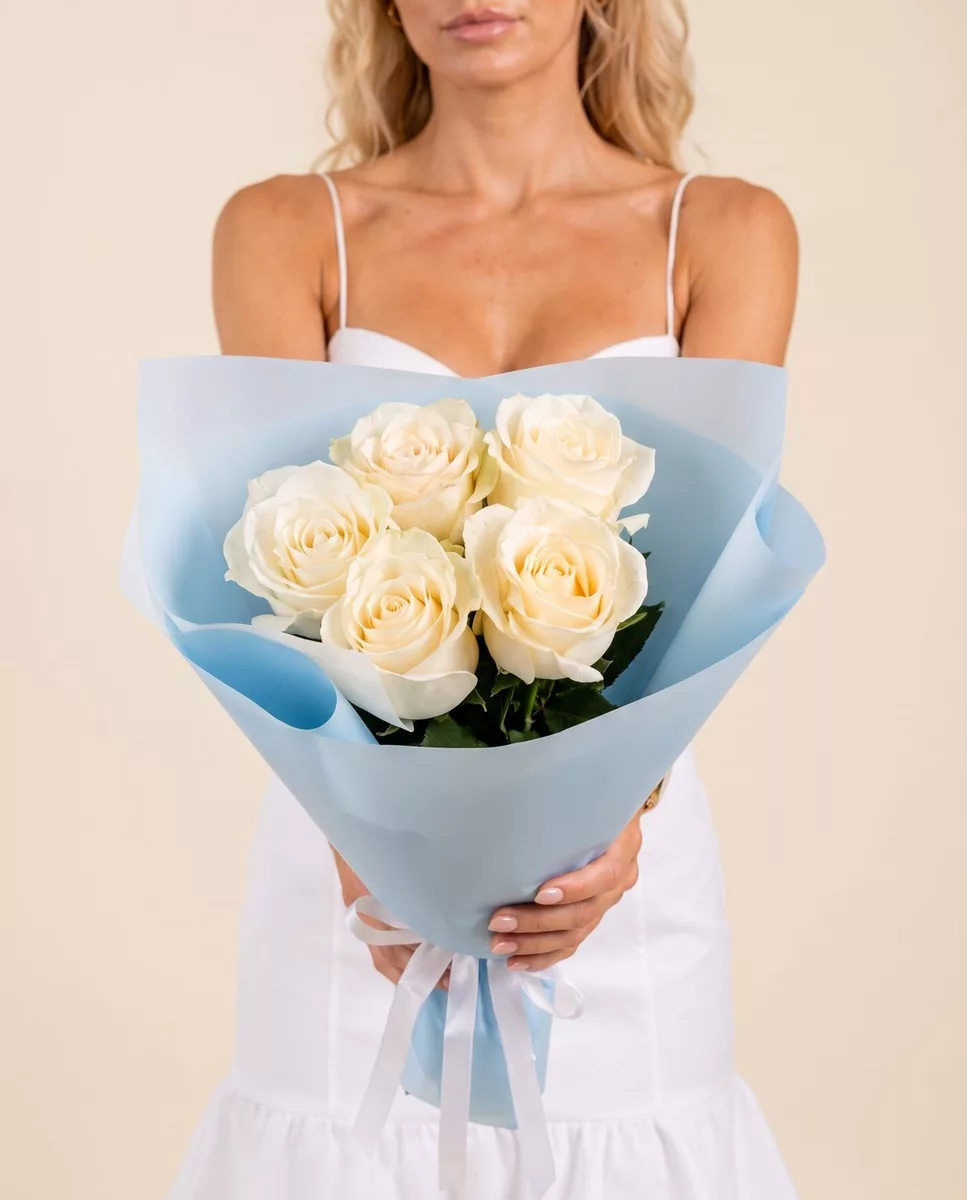
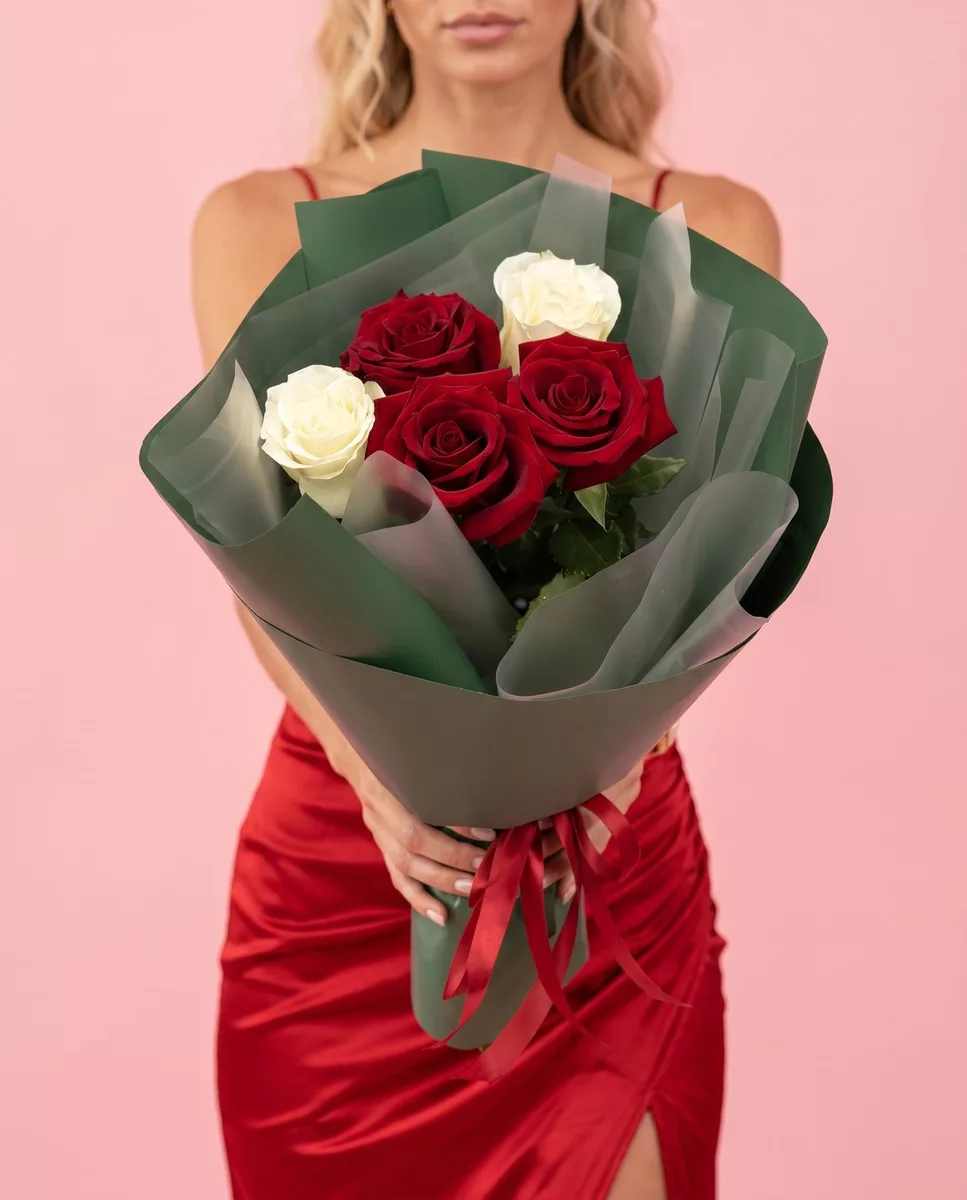
Bouquets we can deliver
Choosing the Right Occasion Framing Before You Pick a Flower
Before you think about which variety to order, think about what you want the recipient to feel when they open the door. Flowers in Russian culture carry a strong emotional signal, and the way a bouquet is composed tells a story before a single word is read on the card.
For a birthday, brightness and volume matter. A recipient in their thirties or forties will appreciate a generous arrangement of garden roses mixed with lisianthus and eucalyptus — it feels abundant without being formal. For an older recipient, classic single-variety bouquets of spray chrysanthemums or alstroemeria read as respectful and considered. For a romantic occasion, red or deep burgundy roses remain the clearest message, and in Siberian towns they carry a certain weight precisely because they feel like a deliberate effort.
For a new baby or a housewarming, softer palettes work better: blush pink peonies in season, white freesias, or pale yellow tulips. These feel like warmth rather than ceremony. If you are sending to mark a professional achievement — a promotion, a graduation, a defence of a thesis — something structured and elegant like white or cream roses with greenery signals pride without being over the top.
One thing worth knowing: in Russia, bouquets are traditionally given in odd numbers of stems. Even numbers are associated with mourning, so a florist who knows their craft will automatically arrange your order accordingly. If you are ordering a set number of stems, choose seven, nine, eleven, or fifteen rather than ten or twelve.
The Best Flowers for Each Season in Transbaikalia
Petrovsk-Zabaykalsky does not have local flower farms supplying the market the way a European city might. All fresh flowers arrive from distribution hubs, which means the freshness of your bouquet depends entirely on the supply chain your florist manages. Choosing varieties that travel well and hold their condition is not just practical — it is the difference between a bouquet that looks stunning for five days and one that wilts by the next morning.
In winter, from November through March, roses and spray carnations are the most reliable choices. Roses sourced from Ecuador or Kenya have thick, waxy petals that tolerate cold transit well. Carnations, though sometimes dismissed as ordinary, are genuinely hardy and last ten to fourteen days in a cool room with fresh water. Chrysanthemums are another winter staple: multi-headed spray varieties last exceptionally well and fill a vase beautifully.
In spring, from late March through May, tulips become available in good quality and variety. Dutch tulips in single colours — deep purple, coral, white — are a strong choice. Ranunculus also appear in spring and are worth requesting if you want something that feels more special and less expected.
Summer in Transbaikalia, July and August, is the season for lisianthus, alstroemeria, and sometimes locally grown wildflower-style arrangements with sunflowers and statice. Autumn brings back roses and chrysanthemums as the dominant choices. Whatever the season, avoid ordering delicate varieties like sweet peas or anemones for long-distance delivery to this region — they simply do not handle the journey well.
How to Order from Outside Russia Without Making Common Mistakes
Ordering flowers internationally sounds straightforward until the moment you realise the website is in Russian and the address field expects a format you do not recognise. Here is what to prepare before you start.
First, have the full delivery address ready in Russian transliteration or Cyrillic if possible. The street name, building number, apartment number, and the recipient's full name all need to be accurate. In smaller towns like Petrovsk-Zabaykalsky, couriers rely heavily on the address because there are fewer landmark-based navigation shortcuts. A missing apartment number is one of the most common reasons a delivery is delayed.
Second, have the recipient's mobile phone number in international format. The courier will call ahead, and if the number is wrong or unreachable, the delivery cannot be completed. If your recipient does not know a bouquet is coming — which is often the case with surprises — make sure the phone is one they will actually answer from an unknown local number.
Third, think about the card message. Russian recipients appreciate a card written in Russian, even if it is just a simple phrase. Most florists can transliterate a message for you if you write it phonetically. If you want to write it in English, that is perfectly fine too — it can feel even more personal and distinctive.
Finally, pay attention to the order cut-off time in the local time zone. Placing an order at what feels like midday your time might be the middle of the night in Petrovsk-Zabaykalsky. Always convert to UTC plus nine before you finalise.
Budget Ranges and What They Actually Look Like in the Vase
When you send flowers from abroad, it can be hard to picture what a given budget produces. The numbers on a Russian florist's website may not map onto what you are used to seeing at home, so it helps to think in terms of composition rather than price.
At the entry level, you are typically looking at a single-variety bouquet of seven to nine stems — tulips in spring, spray chrysanthemums in autumn, or standard roses in winter. These are clean, honest bouquets that photograph well and feel genuinely thoughtful. They are appropriate for a colleague's birthday, a neighbour's housewarming, or a thank-you gesture.
In the mid range, bouquets become mixed compositions. A good mid-range arrangement for Petrovsk-Zabaykalsky might combine eleven stems of garden roses with three or four stems of eucalyptus and a scattering of wax flower. The greenery adds volume and texture without inflating the price significantly, and the result looks considered rather than simply expensive.
At the higher end, you are looking at large-format bouquets of fifteen or more stems, premium varieties such as David Austin-style roses or peonies in season, and more elaborate wrapping. These are appropriate for significant occasions: a milestone birthday, an anniversary, a graduation. The presentation at this level — the paper, the ribbon, the way the stems are arranged — makes an impression before the recipient even looks at the flowers.
Whatever the budget, the combination matters more than the stem count. Seven well-chosen roses with good greenery outperforms fifteen stems of mismatched varieties every time.
Vase Life and Care Instructions to Pass On to Your Recipient
One of the kindest things you can do as a sender is pass along basic care instructions with your order. Most recipients in smaller Russian towns are delighted to receive flowers but may not know the small details that double a bouquet's lifespan. A quick note on the card, or a message sent separately, can make the difference between flowers that last three days and flowers that last ten.
The first thing your recipient should do is re-cut the stems at an angle — about two centimetres from the bottom — using scissors rather than a knife if possible. This opens the stem's vascular tissue and allows the flower to drink properly. The cut should happen while the stems are submerged in water or immediately before placing them in the vase.
The water should be clean and cool. In Petrovsk-Zabaykalsky, tap water is generally fine, but changing it every two days makes a significant difference. Any leaves that sit below the waterline should be removed because they rot quickly and contaminate the water, shortening the life of every stem in the vase.
Keep the vase away from direct sunlight and away from radiators. In a Siberian winter, central heating runs at high intensity, and the dry warm air is the enemy of cut flowers. A cool corner of the room, away from the heat source, will extend vase life noticeably.
Roses last seven to ten days with proper care. Chrysanthemums and carnations can reach twelve to fourteen days. Tulips are shorter — around five to seven days — but they continue to grow and move in the vase in a way that many people find beautiful. Lisianthus, if treated well, can last two weeks.
What to Write on the Card When You Are Far Away
The card is the part of the gift that carries your voice, and when you are sending from abroad, it does extra work. The flowers say you remembered. The card says why it matters.
Keep the message specific rather than generic. Instead of writing happy birthday, write something that only you would know to say — a shared memory, a reference to a place you have both been, or a simple acknowledgment of the distance between you. In Russian culture, directness in an emotional message is not considered excessive. Saying I miss you or I am proud of you on a card is received warmly, not awkwardly.
If you want to write in Russian but are not confident in the language, a phonetic transliteration is perfectly acceptable. A message that reads S dnyom rozhdeniya, ya tebya lyublyu — Happy Birthday, I love you — will be understood and appreciated exactly as intended. Most florists can help you format a short message if you ask.
For professional occasions, the tone shifts slightly. A card accompanying flowers sent to mark a promotion or a work anniversary might read more formally: Congratulations on your achievement, with respect and warmth from all of us in the team. This kind of message translates well across cultures and does not require any knowledge of Russian conventions to land correctly.
One small but important detail: sign the card with your full name or at least your first name and where you are writing from. A card that says with love from London or thinking of you from New York adds a layer of meaning to the bouquet — it makes the distance visible in a way that feels like connection rather than absence.
Sending flowers to Petrovsk-Zabaykalsky from abroad is an act that takes a little more planning than a local order, but the effect on the person who opens the door is entirely disproportionate to the effort. A bouquet arriving in a Transbaikal town from someone thousands of kilometres away says something that a phone call or a message cannot. It is physical, immediate, and impossible to misread. With the right variety for the season, a correctly formatted address, and a card that carries your actual voice, what you send will be remembered long after the flowers have finished blooming.
Frequently asked questions
Can I order flowers to Petrovsk-Zabaykalsky if I do not speak Russian?
Yes. Turboflora accepts orders in English and can handle the address formatting and card message on your behalf. The key information you need to provide is the recipient's full name, their complete address in any transliteration, and their mobile phone number in international format. The rest can be managed through the order form or by contacting us directly.
How far in advance should I place my order from a different time zone?
Petrovsk-Zabaykalsky operates on UTC plus nine. If you are in Western Europe, that is eleven or twelve hours ahead of your local time. Placing your order the evening before the occasion in your time zone usually means it arrives on the correct day locally. For morning deliveries, ordering at least eighteen hours ahead from a European time zone is a safe approach.
What happens if the recipient is not home when the flowers arrive?
The courier calls ahead before arriving. If the recipient does not answer, a second attempt is made. It is worth letting your recipient know a delivery is coming — without revealing the full surprise — so they are reachable on their phone. For a complete surprise, you can ask the courier to say only that there is a parcel, without mentioning flowers.
Are there flowers I should avoid ordering in winter for this region?
Yes. Delicate varieties like anemones, sweet peas, and ranunculus do not handle extreme cold transit well and are best avoided from November through February. Roses, carnations, and spray chrysanthemums are the most reliable winter choices. If you want something more unusual in winter, lisianthus is a good option — it is hardier than it looks and stays fresh well.
Is it normal to send flowers as a gift in Russia for non-birthday occasions?
Absolutely. Flowers in Russia are given for a wide range of occasions — graduations, promotions, new homes, the first day of school, professional anniversaries, and simply as a gesture of appreciation or affection. There is no sense that flowers are reserved only for birthdays or romance. Sending a bouquet to mark any meaningful moment is considered entirely natural and generous.
Ready to send flowers?
Pick the city, choose the bouquet, and a local florist takes it from there.
Choose a city →