Sending Flowers to Pikalevo from Abroad? Here Is What to Expect
You are somewhere far from Russia — a different time zone, a different season, a different set of flower shops in your street — and someone you love is in Pikalevo. Maybe it is her birthday. Maybe it is an anniversary you almost forgot. Maybe you simply want her to open the door and feel remembered. Sending flowers across that distance is entirely possible, and when you understand a few key details about timing, Russian customs and seasonal availability, the whole process becomes surprisingly straightforward.
Why Pikalevo Is Worth Getting Right
Pikalevo is a small industrial city in the Leningrad Oblast, about two hundred kilometres east of Saint Petersburg. It is not the kind of place with a flower shop on every corner, which means a delivery that actually arrives — fresh, on time and beautifully arranged — carries real weight. For the recipient, it signals genuine effort. You did not just click something generic; you thought about it.
For the sender abroad, this matters because expectations in smaller Russian cities are shaped by personal gesture rather than commercial habit. Flowers are not an everyday purchase for most people there. When a bouquet arrives at someone's door in Pikalevo, it is an event. Neighbours notice. The recipient photographs it. It stays in the vase for as long as possible because it represents something.
This means your choice of flowers, their condition on arrival and the presentation all carry more meaning than they might in a large metropolitan context. A wilted stem or a sparse arrangement will disappoint in a way that a fuller, carefully chosen bouquet simply will not. Turboflora delivers from Saint Petersburg directly to addresses across Russia, including Pikalevo, which means the logistics are handled by one team with full control over quality from cooler to doorstep. You do not need to navigate local intermediaries or hope that someone else maintains the cold chain. That consistency is exactly what makes long-distance gifting reliable rather than stressful.
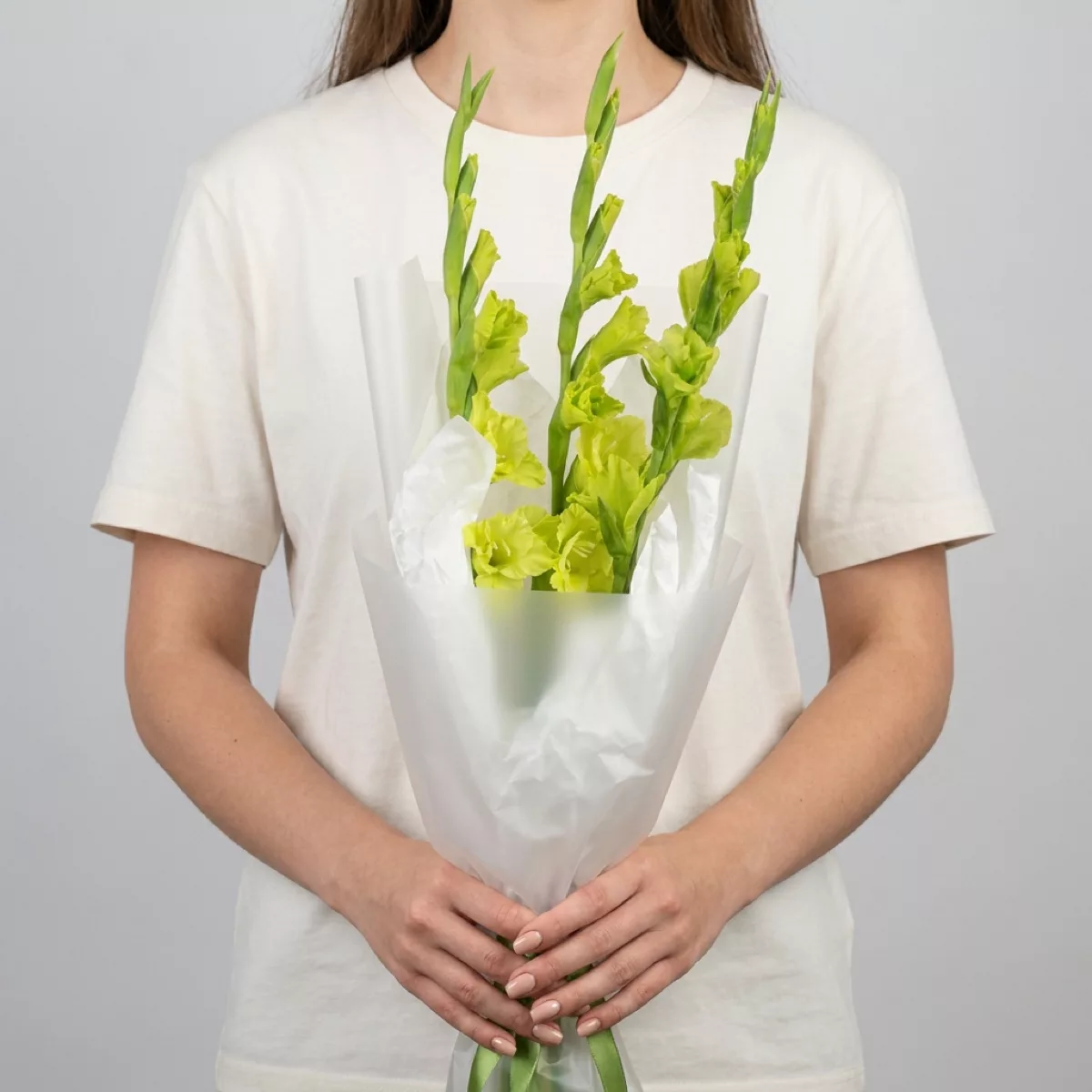
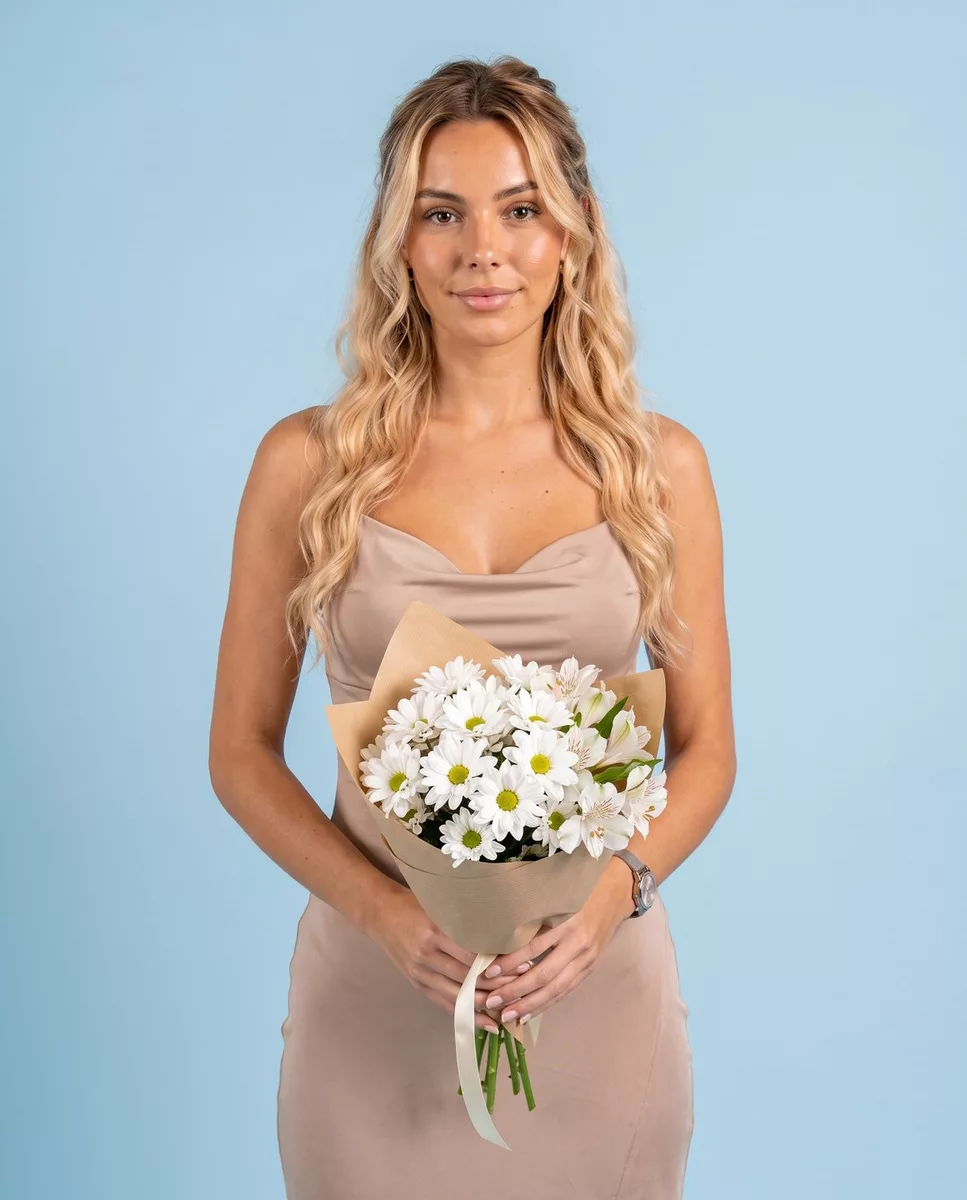
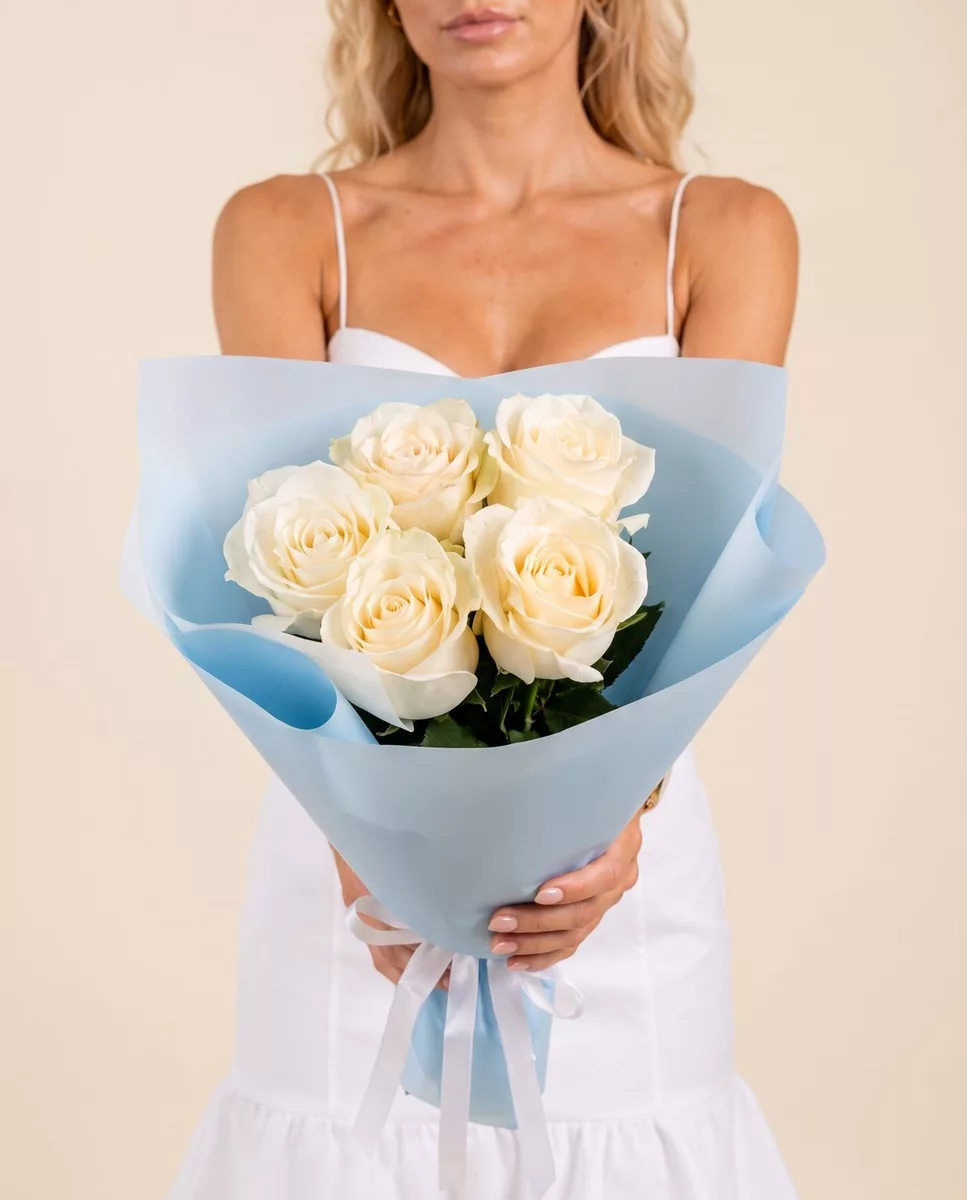
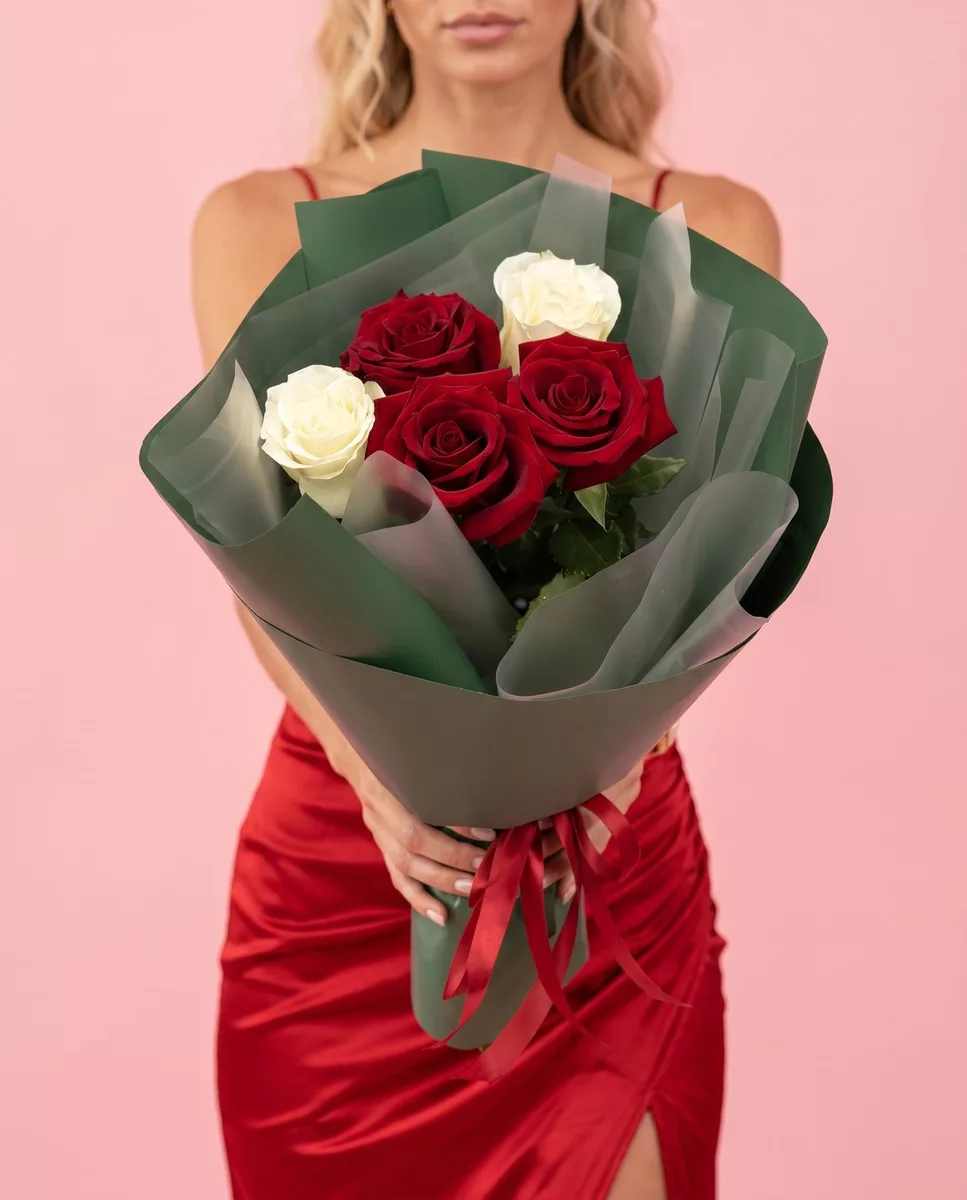
Bouquets we can deliver
Understanding the Time Zone Gap Before You Order
Pikalevo operates on Moscow Time, which is UTC plus three hours. If you are calling or placing an order from Western Europe, you are already two hours behind in summer and three in winter. From North America, the gap stretches to eight, ten or even thirteen hours depending on your coast and the time of year. From East Asia, you may actually be ahead of Moscow Time, but only by a few hours.
This matters practically because the delivery window you want — say, flowers arriving before your recipient leaves for work, or just before a birthday dinner — needs to be calculated in Pikalevo local time, not yours. A sender in New York placing an order at nine in the evening is already looking at early the following morning in Russia. That is fine for a next-day delivery, but it means you cannot order impulsively at midnight and expect same-day arrival.
The safest approach is to order at least one full day ahead, giving yourself a buffer for any communication across time zones. For major dates like March 8th, which is International Women's Day and the single busiest flower day in Russia, order three to five days in advance without question. Demand on that date is extraordinary across the entire country, and Pikalevo is no exception. Think of it the way a florist thinks of Valentine's Day in London or New York — the earlier you confirm, the more options you have and the better the stems you will receive.
What Russian Flower Customs Mean for Your Bouquet
If you have not sent flowers to Russia before, a few traditions are worth knowing so your bouquet lands well culturally. The most important is the odd-number rule. In Russia, even numbers of flowers are associated with mourning and are brought to funerals. Always choose an odd number: three, five, seven, nine, eleven or more. A bouquet of ten roses, however beautiful, will unsettle a Russian recipient. This is not superstition to dismiss — it is a genuine social convention that your recipient will notice immediately.
Colour carries meaning too, though less rigidly than the number rule. Red roses are romantic and unambiguous. White flowers read as elegant and pure, often chosen for weddings or to express deep respect. Yellow flowers have a complicated reputation in older Russian tradition — some associate them with parting or bad luck — though younger recipients in their twenties and thirties tend not to hold this view. If you are unsure of the recipient's age or sensibility, a mixed bouquet that leads with pink, coral or white tones is always safe and always beautiful.
Wrapping style matters in Russia more than in some Western countries. A bouquet handed over in bare paper feels unfinished. Russians expect presentation: structured wrapping, ribbon, sometimes a decorative sleeve. When you order through Turboflora, presentation is built into the arrangement rather than treated as an optional extra, which means the bouquet arrives looking like a genuine gift rather than something assembled in haste.
Choosing Flowers for the Season in the Leningrad Oblast
The Leningrad Oblast has a climate that non-Russian senders often underestimate. Winters are long, genuinely cold and dark, with temperatures regularly dropping below minus fifteen Celsius in January and February. Summers are short but warm and bright. This seasonal rhythm shapes what flowers are available, what travels well and what will thrive in the recipient's home once the bouquet arrives.
In winter, hardy varieties are your friends. Roses travel well in cold because they are conditioned for it, provided the cold chain is maintained properly. Chrysanthemums, alstroemeria and carnations also hold up beautifully in low temperatures and have excellent vase life — often ten to fourteen days — which matters when you want the recipient to enjoy the gift for as long as possible. Avoid delicate tropical flowers like anthuriums or birds of paradise in deep winter; they are sensitive to cold shock and may arrive damaged.
Spring is the most emotionally resonant season for flowers in Russia. Tulips in March and April carry enormous cultural weight — they are the flower of March 8th, of new beginnings, of warmth returning. A bouquet of fifteen or twenty-one tulips in mixed spring colours is one of the most universally appreciated gifts you can send to a woman in Russia at that time of year. Summer allows for more variety: peonies in June are spectacular and deeply loved, lisianthus holds well in warmth, and sunflowers bring immediate joy without requiring any explanation. Autumn calls for richly coloured roses, dahlias and spray chrysanthemums.
How to Write a Message That Crosses the Distance
A bouquet without a card is a beautiful object. A bouquet with the right words is a memory. When you are sending from abroad, the message on the card does extra work — it explains the distance, fills in the context and gives the recipient something to read again after the flowers are in the vase.
Keep it personal and specific rather than generic. Instead of writing 'Happy Birthday, with love,' try something that references a shared memory, an inside reference or a specific wish for the year ahead. Russian recipients respond warmly to sincerity and directness. Flowery formal language can feel cold; genuine warmth in plain words feels far more intimate.
If you want to write the message in Russian but you are not a native speaker, keep it short. A simple 'Pozdravlyayu tebya s dnyom rozhdeniya — dumayu o tebe' (I congratulate you on your birthday — I am thinking of you) is more effective than a long translated paragraph that may read awkwardly. When you place your order, you can specify the message in either language and it will be written on the card exactly as you provide it.
Consider also mentioning the occasion explicitly on the card if there is any chance the recipient might be confused about the timing. If you are sending a birthday bouquet two days early because of time zone logistics, a note saying 'for your birthday on Thursday' removes any uncertainty and adds to the anticipation rather than creating a puzzle.
Payment and Ordering from Outside Russia
One of the most practical questions for international senders is how to actually pay. Russian domestic payment systems are not always accessible from abroad, and the banking landscape has shifted considerably in recent years. Turboflora accepts international card payments through its website, which means you can complete your order from any country without needing a Russian bank account or a Russian phone number for verification.
When filling in the delivery address, use the Russian address format: start with the postal code, then the city, then the street name, then the building and apartment number. If you are unsure of the exact format, write the address as your recipient has given it to you and add a note in the order comments. Having the recipient's phone number is genuinely important — the courier may need to call ahead, especially in a residential building where access requires a door code or intercom. Provide the number in international format if possible.
If you want the delivery to be a surprise, note that in the order. The courier will attempt delivery without calling ahead first, though this carries a small risk of the recipient being out. For surprise deliveries, choosing a time when you know the person is likely to be home — a weekend morning, an early evening — significantly improves the chances of success. If you are uncertain, a pre-arranged time with the recipient is always more reliable and still feels like a genuine gift when the flowers arrive.
Making the Bouquet Last After It Arrives
You will not be there to help unwrap the flowers or fill the vase, so passing on a few simple care instructions with your order is a kind and practical gesture. Most recipients in Russia are familiar with basic flower care, but a reminder in the card or a separate note never goes amiss, particularly if you are sending something more unusual than standard roses.
The first step on arrival is always the same: trim the stems at an angle, about two centimetres from the bottom, using a sharp knife rather than scissors. Scissors crush the stem tissue; a clean diagonal cut maximises the surface area for water uptake. The vase should be clean and filled with cool, fresh water. In winter, the apartment may be very warm — Russian central heating is powerful and consistent — which means flowers will open faster and need fresh water every day or every other day.
Keep the bouquet away from direct heat sources, radiators and draughts from windows. Fruit bowls are a less obvious enemy: ripening fruit releases ethylene gas, which accelerates the ageing of cut flowers significantly. A spot on a cool windowsill away from direct sun is usually ideal.
For roses specifically, if a head begins to droop, try re-cutting the stem under water and placing the whole flower in a deep bucket of cool water for an hour. This often revives them completely. Tulips, which are a favourite spring choice, will continue to grow after cutting — they may lean toward light, which some people find charming and others find untidy. Rotating the vase daily keeps them upright.
Sending flowers to Pikalevo from another country is less complicated than it sounds once you understand the time zones, the cultural conventions and the seasonal rhythms that shape what a great bouquet looks like at the door. The odd-number rule, the importance of presentation, the choice of varieties that travel well in a Russian winter or bloom brilliantly in a Russian June — these details are what separate a gift that truly lands from one that merely arrives. Turboflora handles the logistics and the cold chain from Saint Petersburg directly to your recipient's address, so your job is simply to choose well, order ahead and write something from the heart.
Frequently asked questions
Can I send flowers to Pikalevo if I do not speak Russian?
Yes. The Turboflora website operates in Russian, but the order form accepts delivery addresses and card messages in any language you provide. You can write your card message in English and it will be transcribed exactly. For the address, use the format your recipient gave you and include their phone number in international format so the courier can reach them if needed.
How far in advance should I order for a birthday or anniversary in Pikalevo?
For a standard occasion, ordering one to two days ahead is sufficient and gives you good variety options. For major Russian dates like March 8th or February 14th, order three to five days in advance. Demand across Russia on those dates is extremely high, and earlier orders receive priority on the best available stems and arrangements.
Why do Russian bouquets always have an odd number of flowers?
In Russian tradition, even numbers of flowers are reserved for funerals and mourning. Giving an even number at any celebratory occasion — a birthday, an anniversary, a congratulation — is considered deeply inappropriate. Always choose an odd count: five, seven, eleven, fifteen or more. This is one convention that applies across all ages and regions in Russia without exception.
What flowers hold up best in Pikalevo's cold winters?
Roses, chrysanthemums, alstroemeria and carnations are all excellent choices in winter. They are conditioned for cold transport, arrive in good condition and have long vase lives of ten days or more. Avoid tropical varieties like anthuriums or birds of paradise in temperatures below minus ten Celsius, as they are prone to cold shock damage during the final stages of delivery.
Can the delivery be a surprise if I am ordering from abroad?
Yes, note it clearly when placing your order. The courier will attempt delivery without a prior call. To improve the chances of success, choose a delivery window when you know the recipient is likely to be home — a weekend morning or early evening works well. If you are uncertain of their schedule, a pre-arranged time still feels like a genuine surprise when the flowers actually appear at the door.
Ready to send flowers?
Pick the city, choose the bouquet, and a local florist takes it from there.
Choose a city →